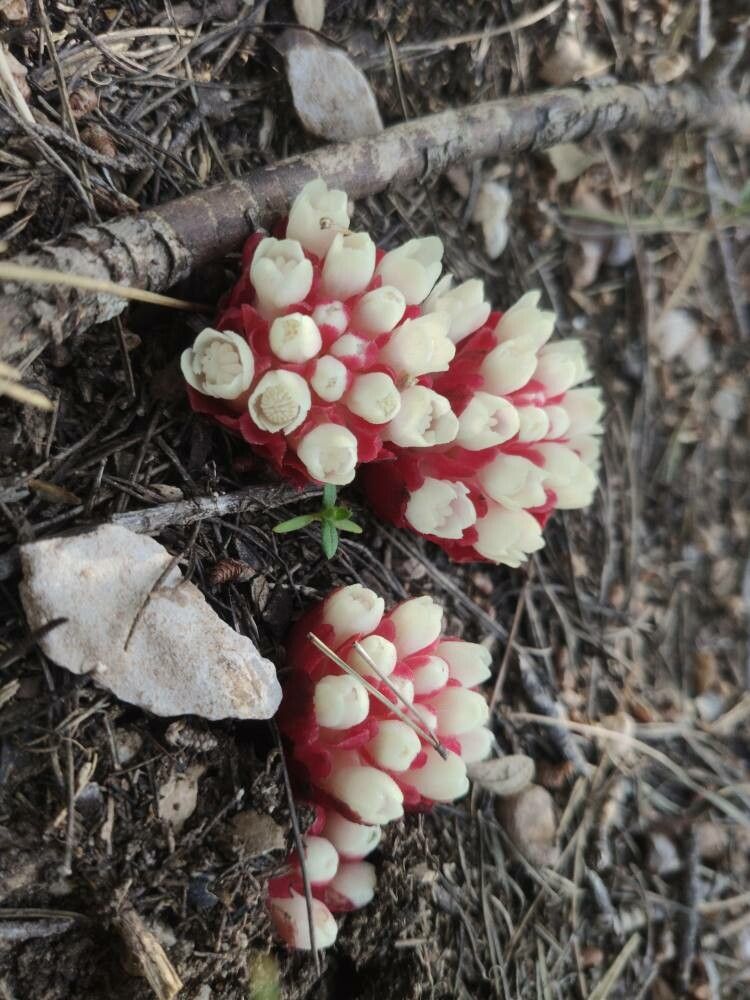
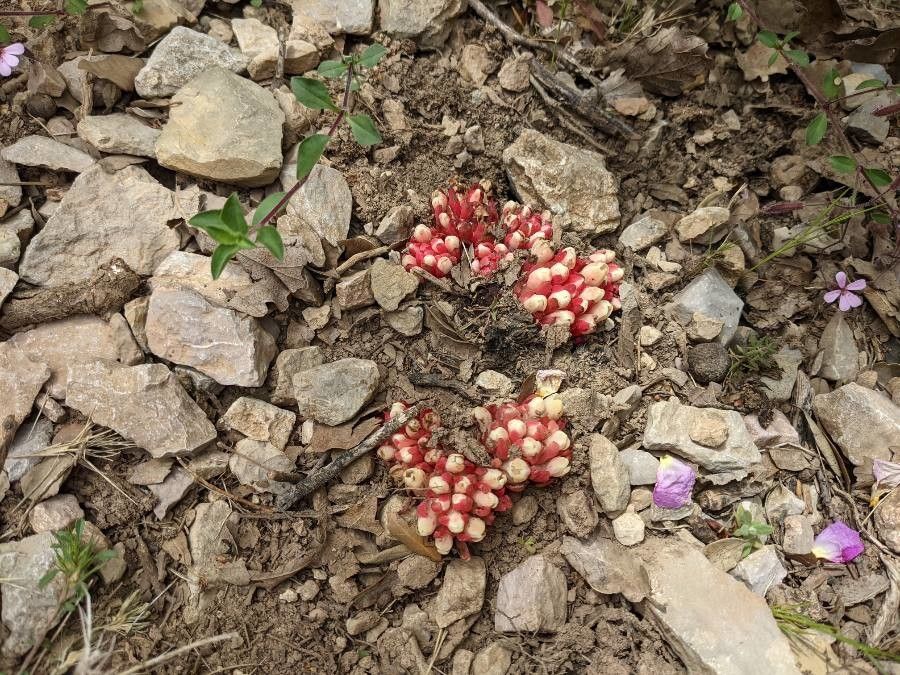
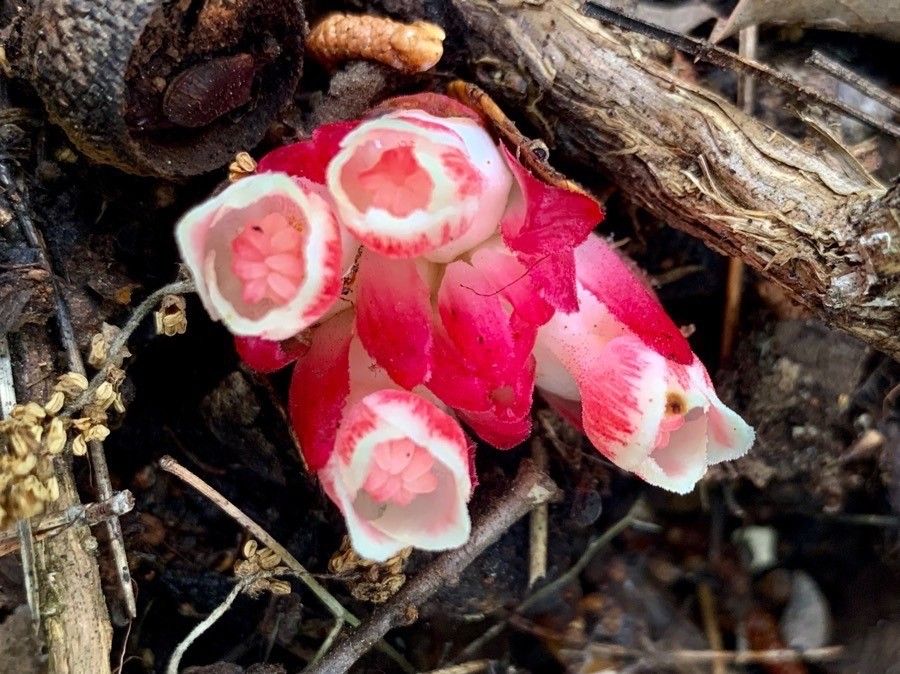
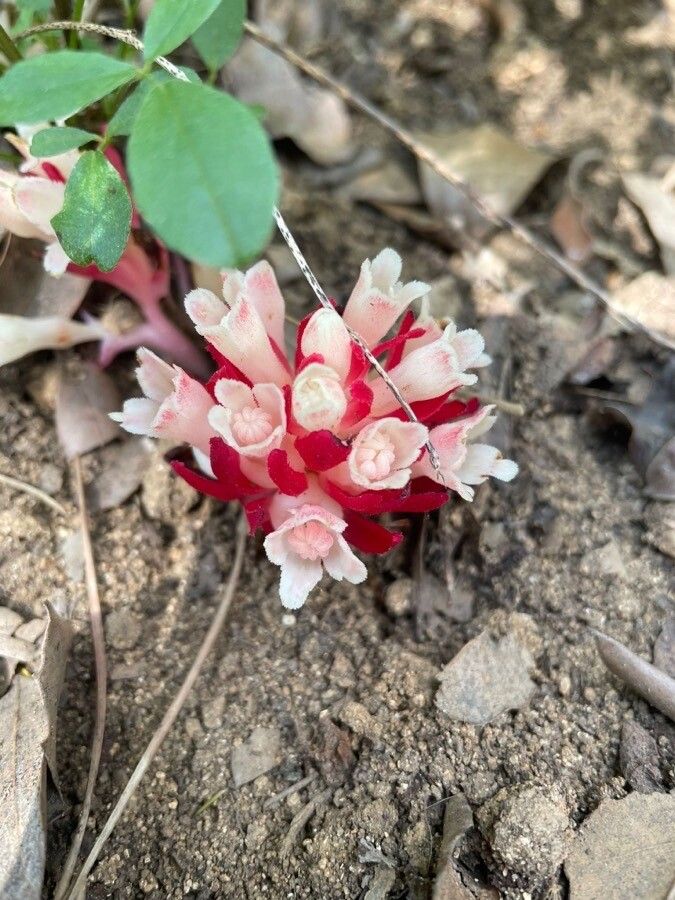
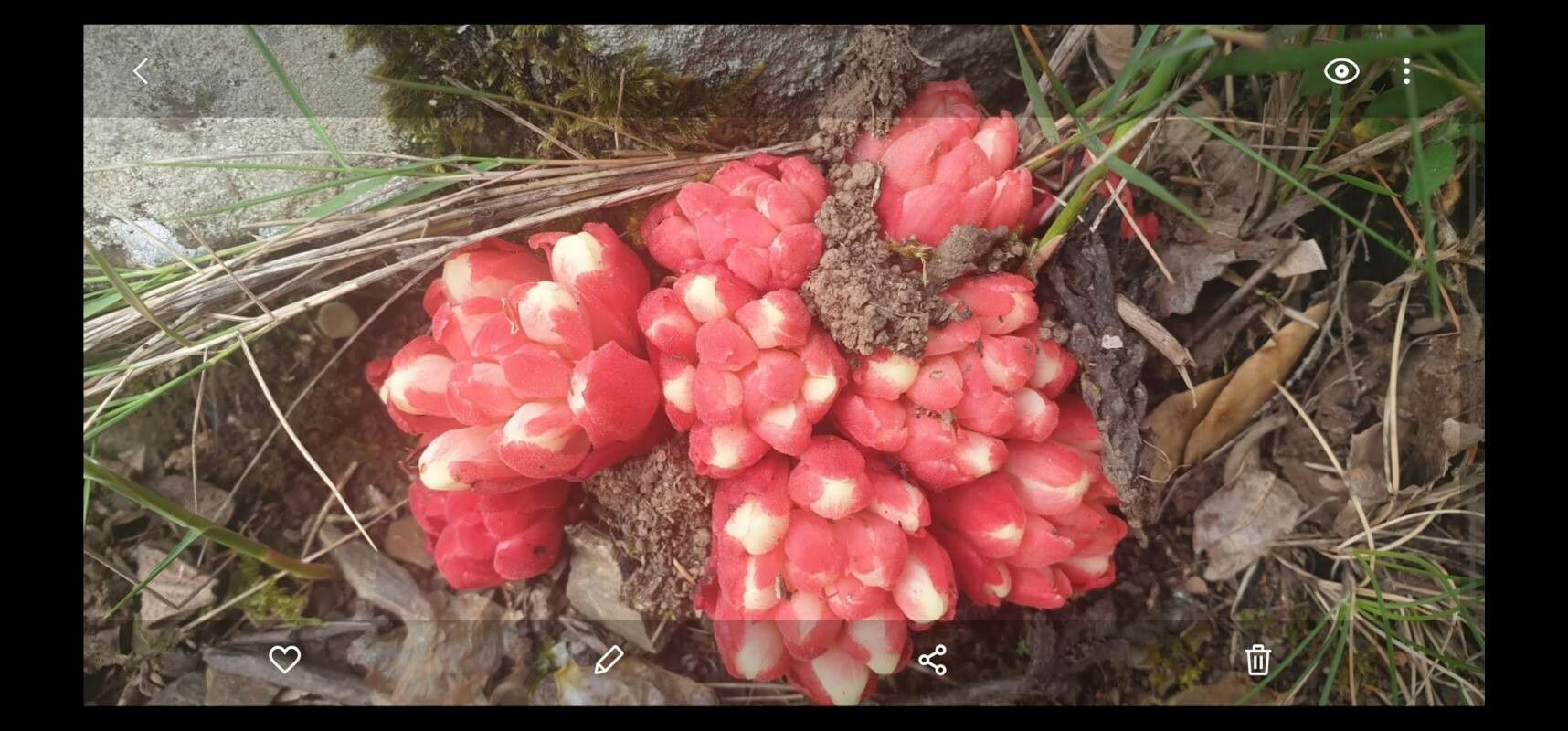
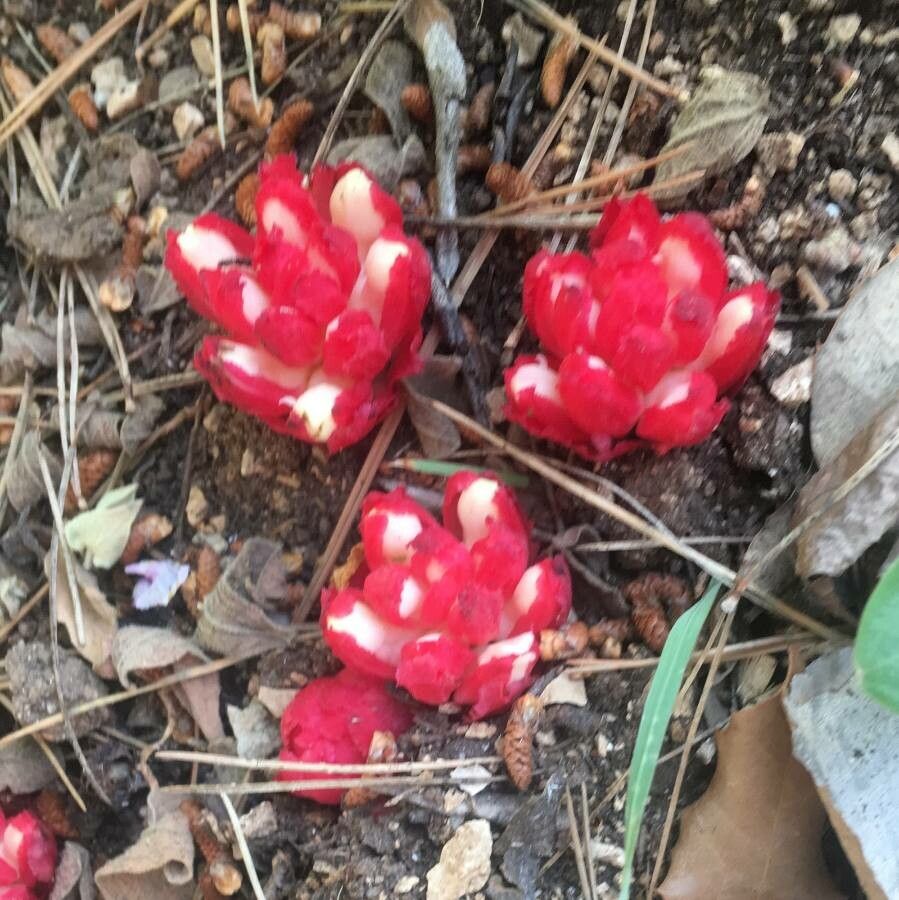
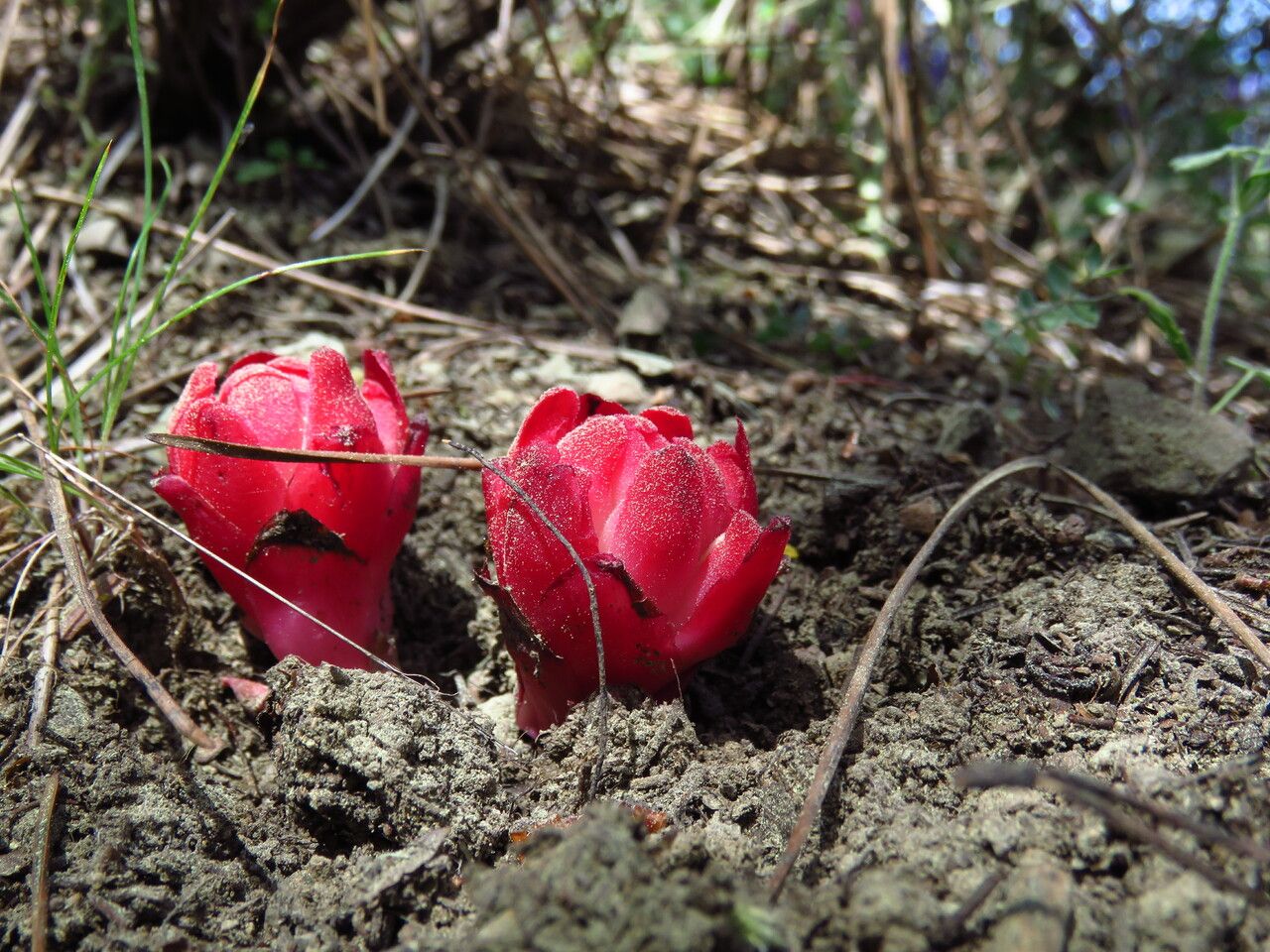
Cytinus ruber shows strong resistance to diseases and is generally unlikely to suffer from them. Nevertheless, it can be vulnerable to pests and illnesses that exist nearby. Such infections tend to be mild. Care-wise, this plant needs a moderate level of attention. It should be pruned on a regular basis to preserve an attractive appearance and encourage healthy growth. Applying fertilizer can also aid in enhancing flowering. Cytinus ruber is appropriate for anyone who has outdoor areas like a garden or patio and does not demand extensive gardening experience. It may need more intensive care if cultivated indoors.
How to keep Cytinus Ruber.
Light
Cytinus ruber occurs naturally in habitats such as forest understories and rocky areas, where it is exposed to natural shade. It prefers partial sun but can tolerate full sun or deep shade, reflecting its hardy, adaptable nature.
Temperature
Cytinus ruber is native to moderate climates where temperatures range from 59 to 95°F (15 to 35℃). As a temperate plant, it prefers steady, warm surroundings. Seasonal adjustments may be required to reproduce these conditions indoors.
Fertilizer
One fertilization in spring is generally enough for Cytinus ruber, although several feedings can enhance growth. Apply fertilizer every month to six weeks. Feeding improves the leaves’ appearance and function, helping maintain even color and a healthy texture. It also encourages root development and nutrient uptake, supporting the plant’s long-term health.
Pruning
To encourage healthier growth and abundant blooms, prune Cytinus ruber in early spring. Pruning improves air circulation, which helps reduce the risk of fungal infections. Regularly removing spent flowers also maintains the plant's appearance and conserves its energy. Be sure to use sharp, clean tools to prevent injury and disease, and consult horticultural guides for the best practices.
Botanical profile.
- Plant Type
- Herb
- Life Cycle
- Perennial
- Genus
- Cytinus
- Family
- Cytinaceae
- Hardiness Zone
- 8-10
- Mature Height
- 1 cm
- Mature Spread
- 11 cm to 20 cm
- Leaf Color
- Red
- Leaf Type
- Deciduous
- Flower Color
- White
- Flower Size
- 2.03 cm to 4.06 cm
- Bloom Time
- Mid spring, Late spring
- Harvest Time
- Early summer, Mid summer
- Native Area
- Libya, Turkey, Tunisia, Italy, Portugal, Spain, Cyprus, Algeria, Greece, Croatia, Morocco, France
Other names.
Reader questions.
What is the native climate of Cytinus ruber?
Cytinus ruber is native to moderate climates, thriving in temperature ranges from 59 to 95°F (15 to 35°C). As a plant that is accustomed to temperate conditions, it flourishes in environments that are consistently warm. To grow Cytinus ruber indoors, it may be necessary to make seasonal adjustments to adequately mimic its native climate conditions.