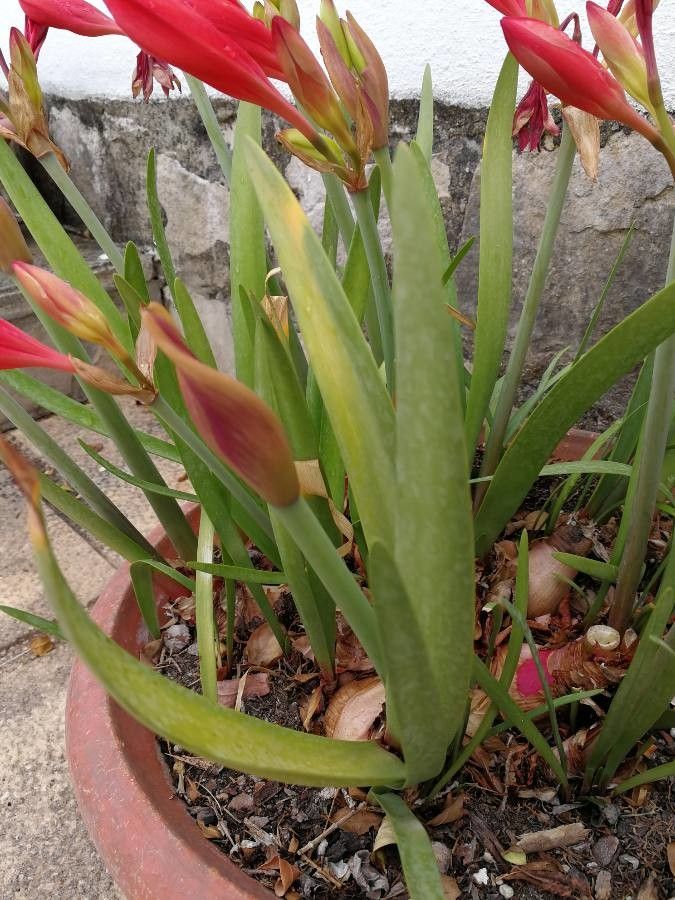
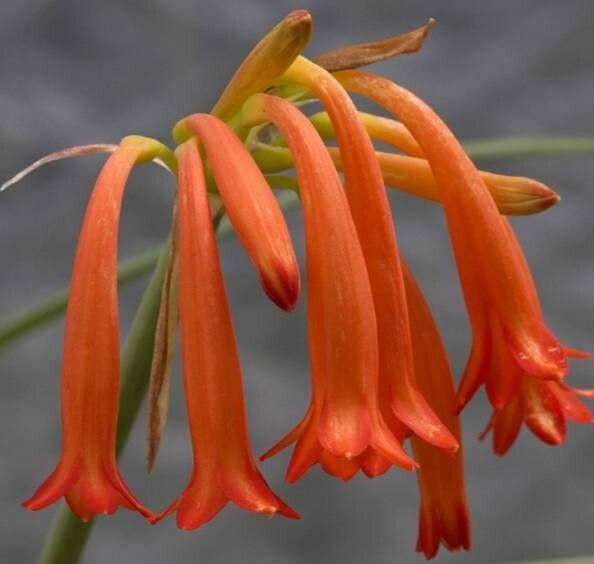
The Dobo Lily is fairly disease-resistant and usually not prone to illness. However, it can be vulnerable to pests and diseases present nearby. Such infections are typically not severe. In terms of care, the plant needs moderate maintenance. It should be pruned regularly to preserve a good appearance and support healthy growth. Fertilizing can also encourage flowering. The Dobo Lily is suitable for anyone with outdoor space, like a garden or patio, and does not need extensive plant-care experience. It may demand more attention when kept indoors.
How to keep Cyrtanthus Brachyscyphus.
Light
The Dobo Lily is originally found in habitats like forest understories or rocky terrains, where it is naturally in the shade. While it favors partial sun exposure, it is capable of adjusting to conditions of both full sunlight and complete shade, which indicates its adaptable and robust character.
Water
Cyrtanthus brachyscyphus, native to regions with seasonal rainfall, thrives with moderate watering. Weekly hydration helps sustain its evergreen foliage. While it can withstand short dry spells, it needs consistent care during the growing season to stay healthy and vigorous.
Temperature
The Dobo Lily is native to tropical areas, where the weather is usually hot and moist. Consequently, it is well-suited to living in conditions of warmth and high humidity. It doesn't favor rapid changes in temperature and thrives best in a stable thermal environment, therefore, preventing sudden indoor temperature changes is crucial. It generally isn't resistant to low temperatures, and it needs warmer climates to grow. If the temperature of its surroundings falls excessively, the plant may stop growing or possibly perish.
Fertilizer
The health and appearance of the Dobo Lily heavily depend on appropriate fertilization. It should be fertilized in the summer, with the process being repeated every month during this season. Such fertilization feeds the growth and sustains the elements of the plant. Moreover, fertilizing the Dobo Lily betters its floral presentation, ensuring optimal blossoming.
Pruning
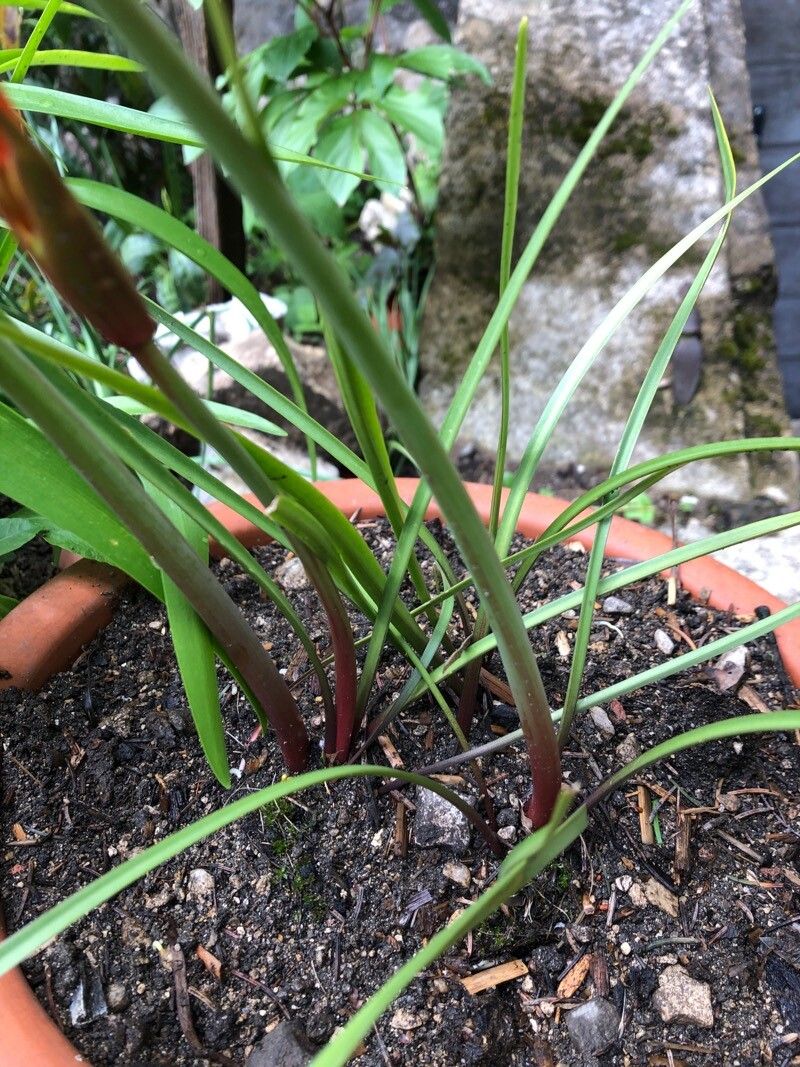
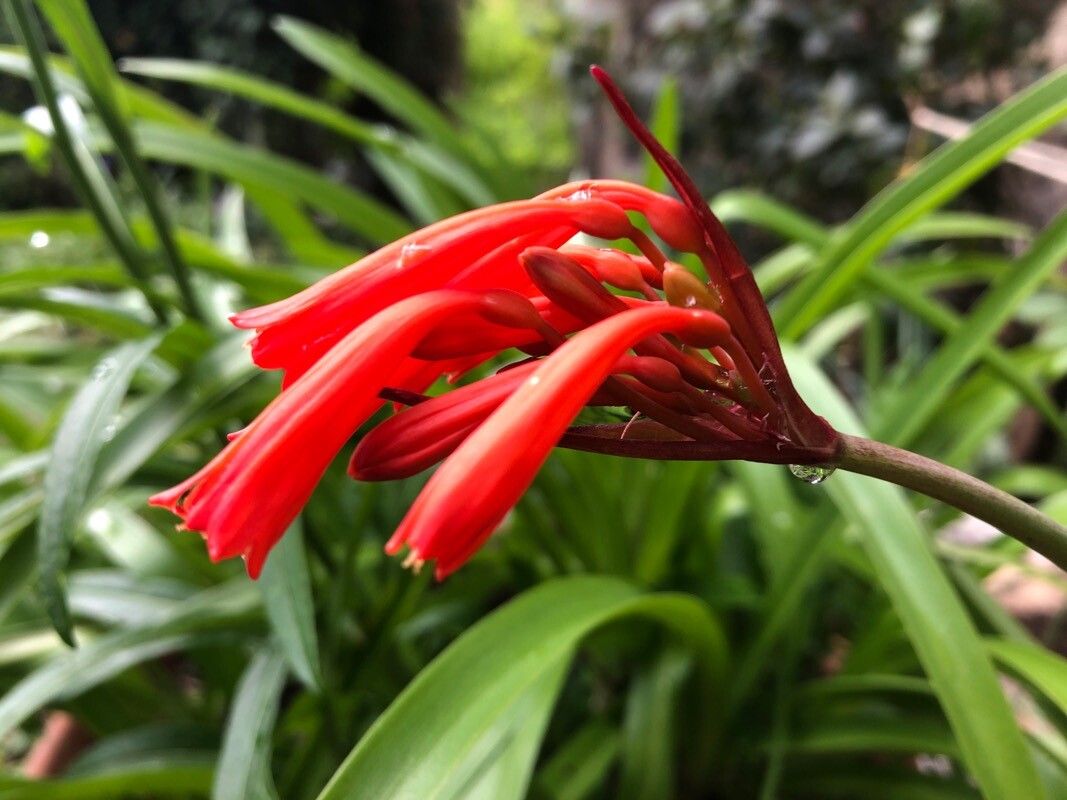
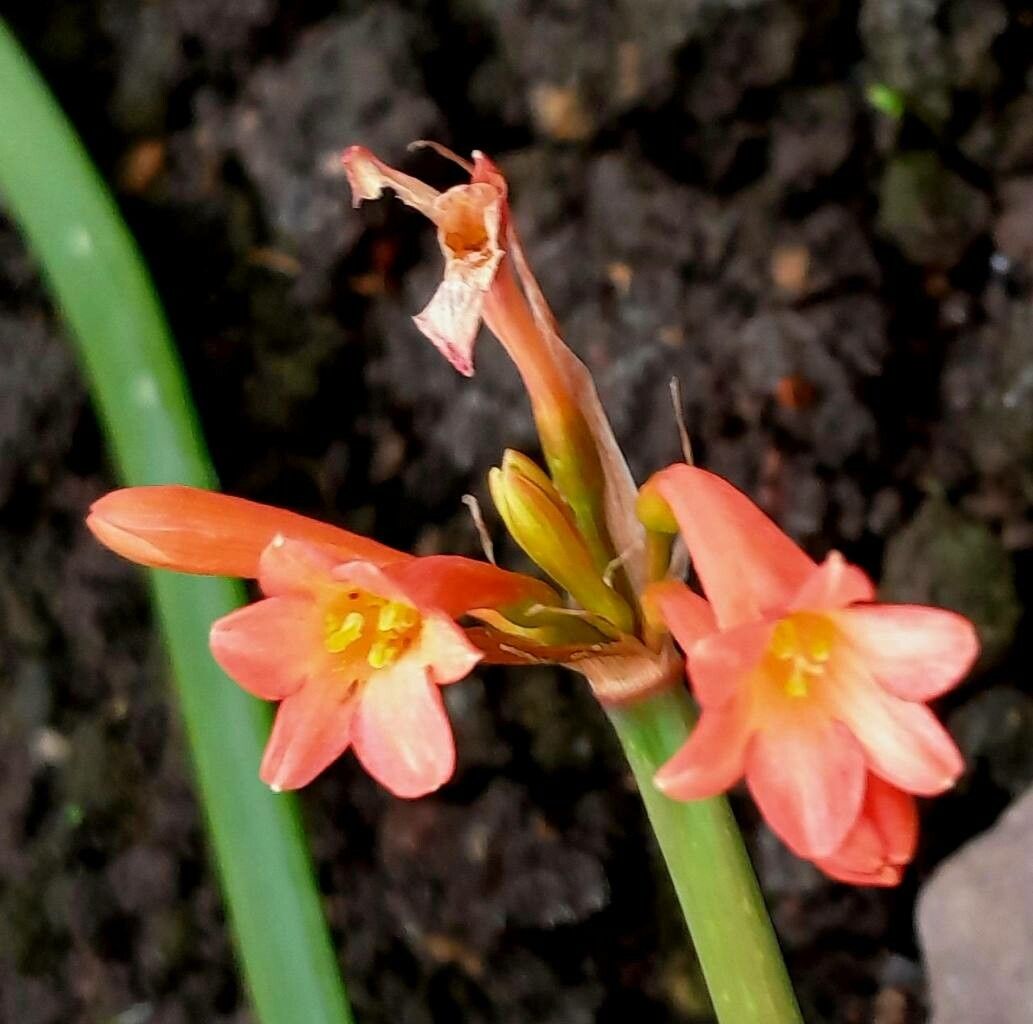
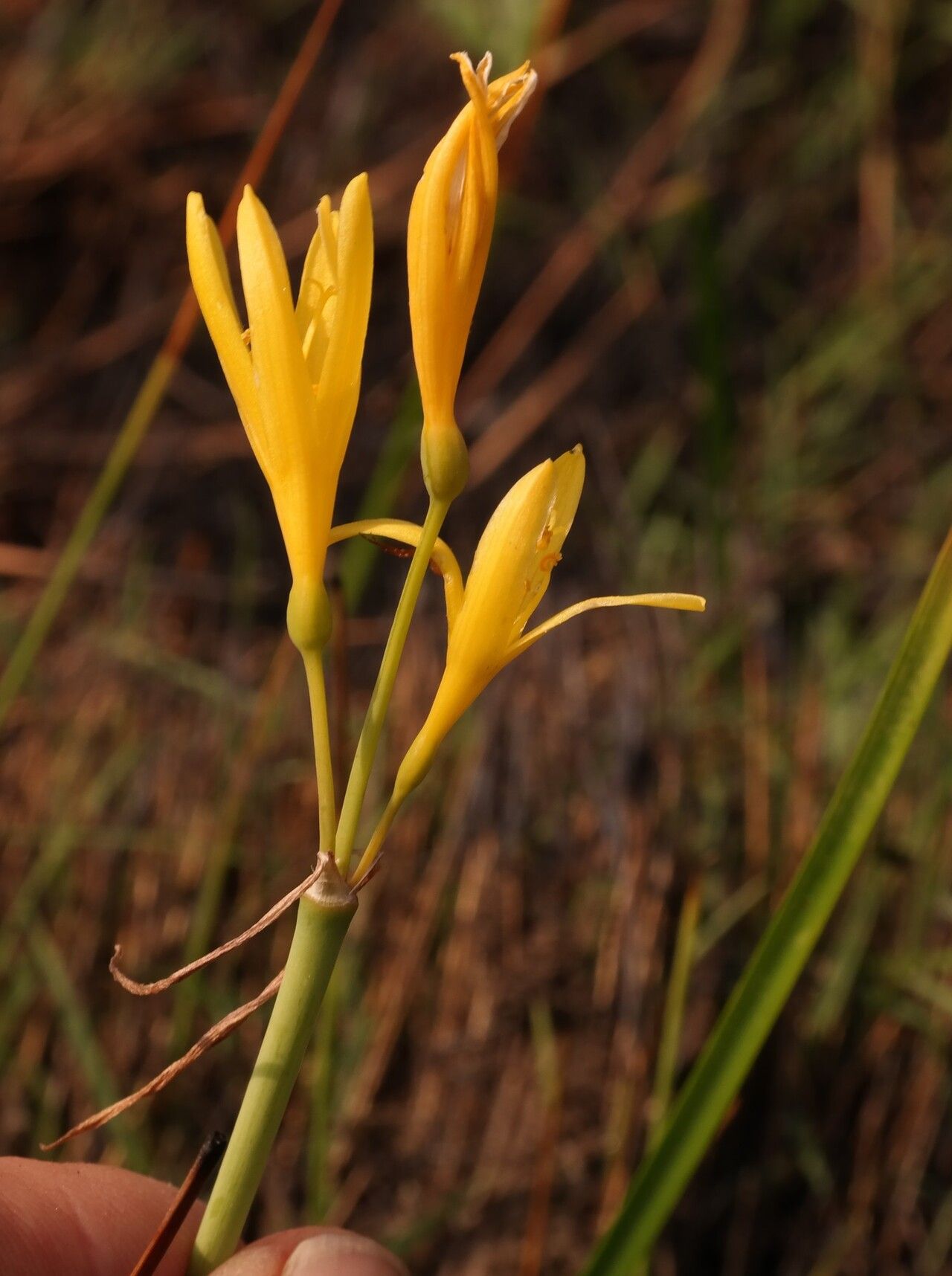
Cyrtanthus brachyscyphus is known for its tubular flowers and tends to grow in clumps. To promote healthy growth and reduce overcrowding, it's best to prune the plant from early to late spring, after it has finished blooming. During this time, remove any spent flowers and damaged foliage to enhance air circulation, minimize the risk of disease, and improve the plant's flowering vigor for the next season.
Botanical profile.
- Plant Type
- Herb
- Life Cycle
- Perennial
- Genus
- Cyrtanthus
- Family
- Amaryllidaceae
- Hardiness Zone
- 9-11
- Mature Height
- 20 cm to 30 cm
- Mature Spread
- 15 cm to 25 cm
- Leaf Color
- Dark Green
- Leaf Type
- Evergreen
- Flower Color
- Red
- Flower Size
- 3.05 cm to 5.08 cm
- Bloom Time
- Mid spring, Late spring
- Planting Time
- Spring, Summer
- Harvest Time
- Early summer, Mid summer
- Native Area
- South Africa