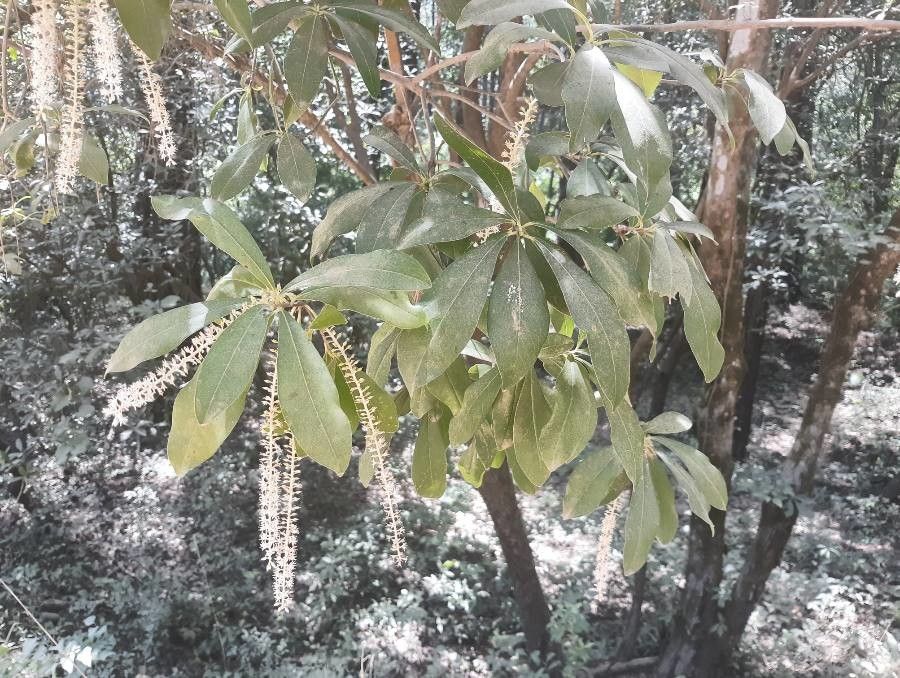
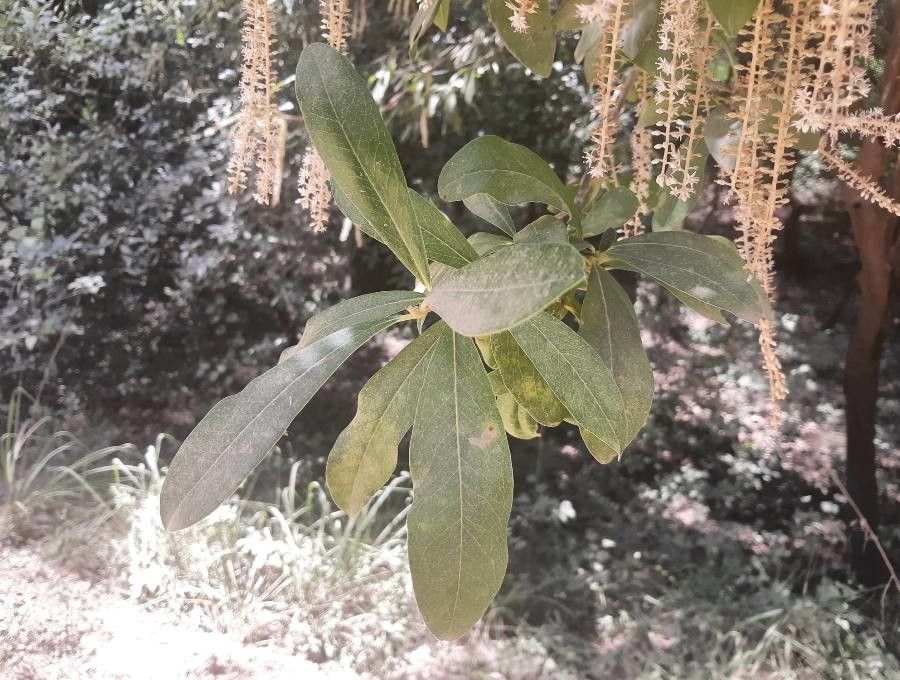
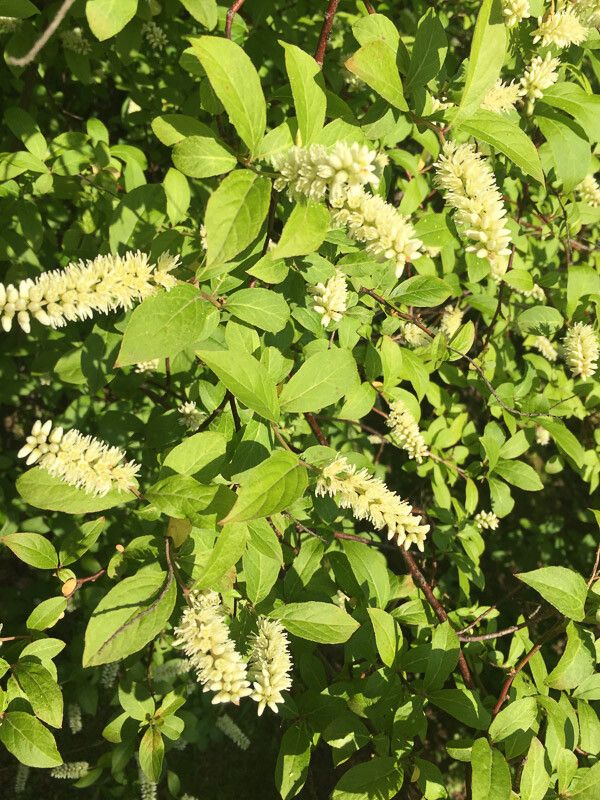
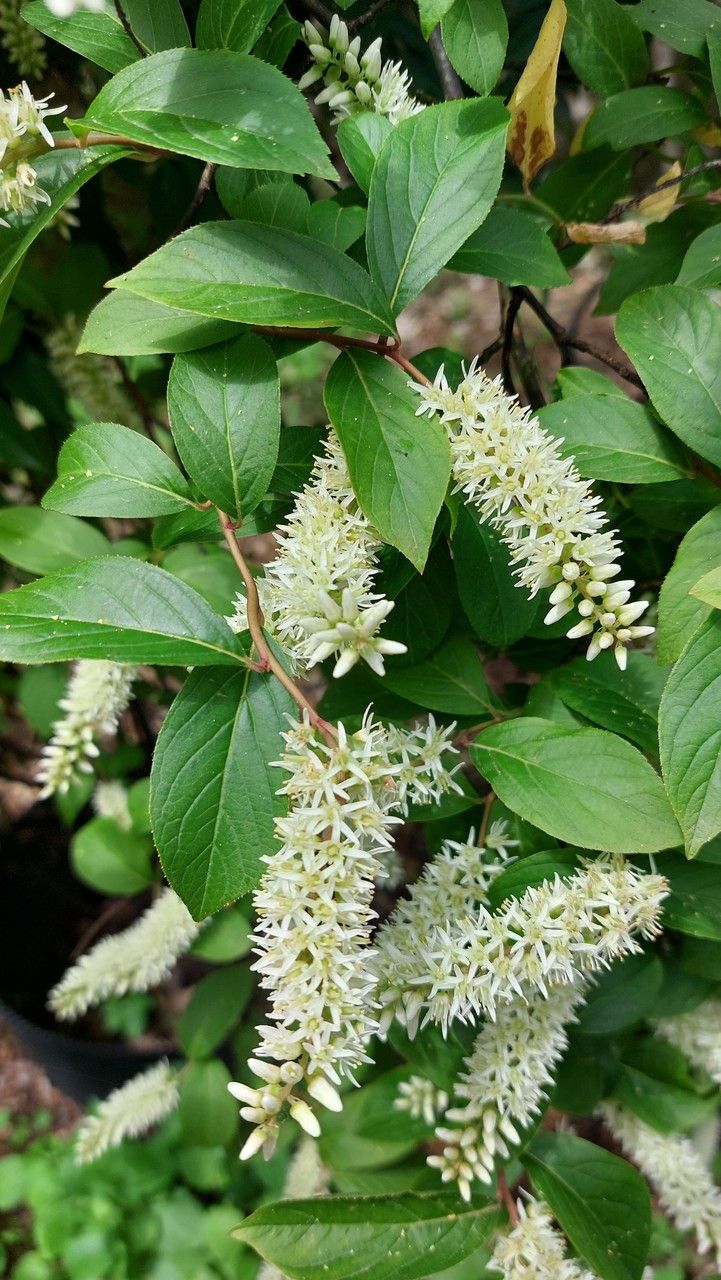
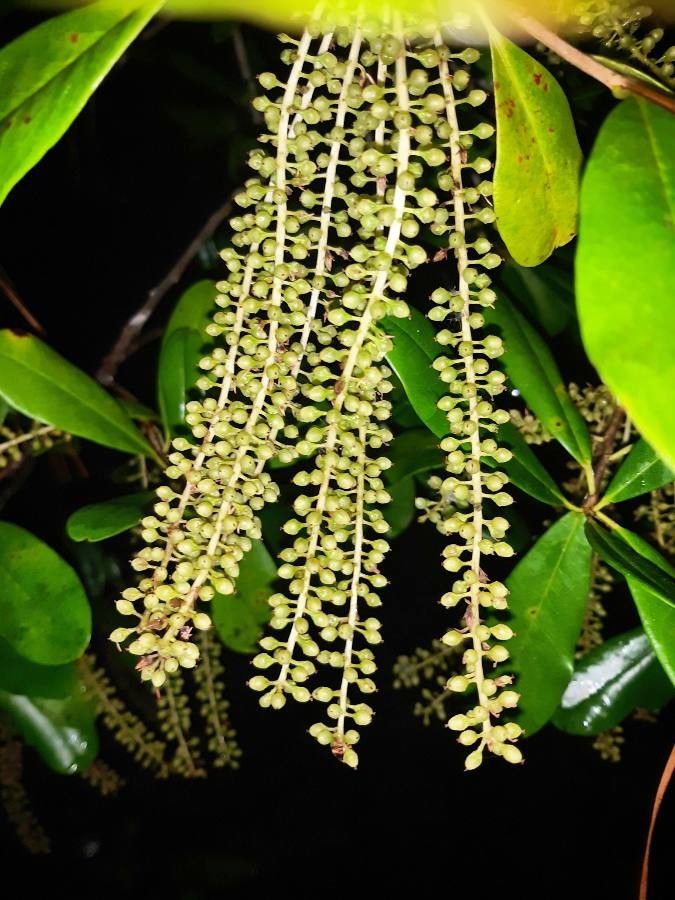
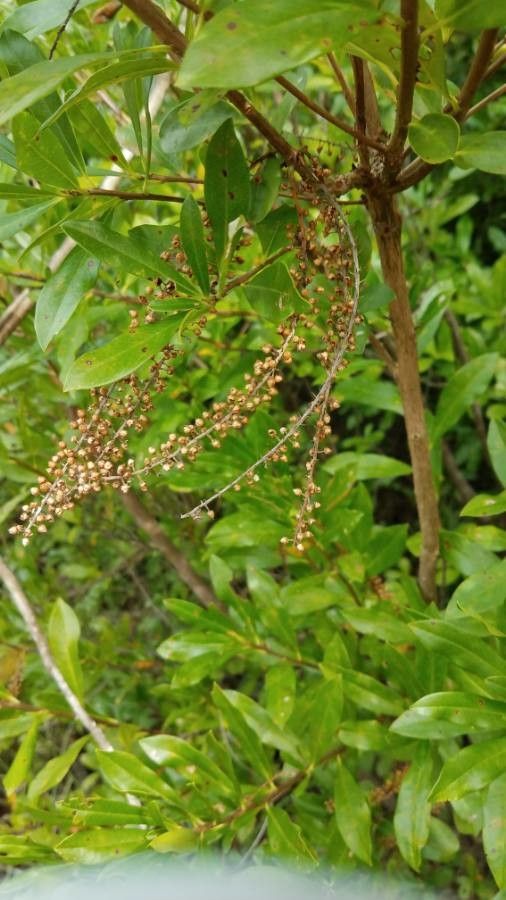
Cyrilla racemiflora, the sole species in the genus Cyrilla, is a flowering plant in the family Cyrillaceae, native to warm temperate to tropical regions of the Americas, from the southeastern United States (coastal areas from southeastern Texas east to southeastern Virginia), south through the Caribbean, Mexico (Oaxaca only) and Central America to northern Brazil and Venezuela in South America. Common names include swamp cyrilla, swamp titi, palo colorado, red titi, black titi, white titi, leatherwood, ironwood, he huckleberry, and myrtle.
Swamp titi is disease-resistant and is generally not prone to illness. Regarding care, this plant is fairly low-maintenance. When grown outdoors it needs minimal watering, and larger specimens typically do not require pruning. Smaller specimens, however, should be pruned after they have finished blooming. Swamp titi is suitable for anyone with an outdoor area, such as a garden or a deck, and does not demand much experience in plant care.
How to keep Cyrilla Racemiflora.
Light
Swamp titi grows best in plentiful sunlight but can tolerate areas with moderate light. Native to sunny habitats, the plant performs most vigorously when given ample light. Both too much and too little sun can harm its growth, causing poor health or stunting.
Water
The swamp titi flourishes in the high humidity and constant moisture typical of wetlands. It prefers moderate watering, ideally every two weeks. When grown outdoors, the swamp titi benefits from mulch, which helps retain soil moisture and mimics the natural leaf litter found in its native habitat.
Temperature
Swamp titi comes from regions where temperatures range from 41 to 100 °F (5 to 38 °C). It prefers moderate climates and adapts well throughout the year. In different seasons, make sure temperatures do not drop below 41 °F (5 °C) or rise above 100 °F (38 °C).
Fertilizer
Timing is important when fertilizing Swamp titi. Apply fertilizer in early spring and repeat monthly through early summer. Fertilizer encourages attractive blooms and provides energy during both dormant and active growth periods.
Pruning
The swamp titi is a unique shrub or small tree known for its elongated clusters of white flowers and glossy evergreen leaves. To encourage bushier growth and better air circulation, prune it in late spring after it has finished flowering. Selective pruning not only enhances flowering and the plant's overall vigor but also helps maintain its natural shape.
Botanical profile.
- Plant Type
- Shrub
- Life Cycle
- Perennial
- Genus
- Cyrilla
- Family
- Cyrillaceae
- Hardiness Zone
- 5-11
- Mature Height
- 3.96 m to 10.06 m
- Mature Spread
- 2.13 m
- Leaf Color
- Green, Yellow, Red, Gold, Orange
- Leaf Type
- Evergreen, Semi-evergreen, Deciduous
- Flower Color
- White
- Flower Size
- 0.51 cm to 1.02 cm
- Bloom Time
- Early summer, Mid summer
- Planting Time
- Spring, Summer
- Harvest Time
- Late summer, Early fall, Mid fall
- Native Area
- Colombia, Belize, Cuba, Honduras, Mexico, Guatemala, Venezuela, Guyana, Nicaragua, Panama, Jamaica
Other names.
Reader questions.
How should I water my Swamp titi plant?
Your Swamp titi plant doesn't have specific requirements for how you water it. So, you can use any regular watering tool to keep its soil moist. Watering cans, hoses, or even cups are all okay to use. The key is to water the plant by applying the water directly to the soil. Make sure to evenly moisten all parts of the soil to ensure that the entire root system gets the water it needs. Using filtered water is a good idea because tap water often contains particles that can harm the plant. It's also best to use water that is at or slightly above room temperature, as extremely hot or cold water can be a bit shocking for the Swamp titi. However, the plant generally does well with any type of water you give it.
Why should I put fertilizer on my Swamp titi plant?
To have beautiful blooms on your Swamp titi, it's important to fertilize it. Fertilizing in early spring ensures excellent flowers. Moreover, fertilizer provides energy for the Swamp titi to store in the ground during dormant phases. Giving extra nutrients during fall or late spring planting helps the plant store more energy for active growth.
What type of sunlight is required for Swamp titi to thrive?
Swamp titi requires full sun, meaning it should receive above 6 hours of sunlight daily, but it can also adapt to partial sun situations, where it would get about 3-6 hours of sunlight. The plant originates from environments abundant in sunlight and performs best when it receives a generous supply of light. However, it's crucial to observe how sunlight moves through your garden to place Swamp titi in spots that ensure a balance of light and shade, promoting the plant's optimal growth and health.
What is the native climate for Swamp Titi?
Swamp Titi, or Cyrilla racemiflora, is native to areas where the temperatures range from 41 to 100 °F (5 to 38 °C). It thrives in moderate climates and can adjust well throughout the year, showing strong cold resistance. While it generally does not require special frost protection measures in winter, in extremely cold temperatures below -25°C, additional cold protection is advised. This involves wrapping the trunk and branches with insulating materials and ensuring the plant is well-watered before the first freeze to prevent drought and water scarcity during the colder months.
What do I need to do if I give too much or too little water to my Swamp titi?
For outdoor plants, especially newly planted ones or seedlings, the lack of watering can be a common issue. Remember to water adequately for the first few months when the tree is small or newly planted. Once the roots are established, the Swamp titi can rely on rain for the most part. When your Swamp titi is in pots, overwatering is more likely to happen. If you accidentally overwater your Swamp titi, there are steps you can take to address the situation. First, stop watering your plant immediately to minimize the impact of overwatering. Then, examine the roots by removing the plant from its pot. If you don't find any signs of root rot, you can put the plant back in its container. However, if you do see signs of root rot, trim away the affected roots and consider using a fungicide to prevent further damage. Finally, repot your Swamp titi in soil that drains well. In the case of underwatering, simply water the plant more frequently. Underwatering is usually an easy problem to fix. If you notice drooping, drying out, or falling leaves, watering the plant sufficiently will make the leaves return to fullness quickly. Make sure to adjust your watering frequency as soon as you notice underwatering occurring.
When should I fertilize my Swamp titi plant?
To ensure effective fertilization of Swamp titi, it is important to consider timing. Applying fertilizer too early, when the plant is still dormant, can result in wastage and pollution as it will be washed away by rainwater. The first application of fertilizer should be done in early spring, followed by monthly fertilization until early summer.
How does artificial lighting support Swamp titi's growth indoors?
When natural sunlight is insufficient, especially during winter or in less sunny spaces, artificial lighting becomes crucial for Swamp titi's growth indoors. Adequate artificial lighting promotes faster, healthier growth. LED lights are recommended due to their ability to provide specific wavelengths needed by plants. Full sun plants should have 30-50W/sq ft of light, partial sun plants 20-30W/sq ft, and full shade plants 10-20W/sq ft. The light source should be placed 12-36 inches above the plant to mimic natural sunlight, and most plants require 8-12 hours of light per day.
How does low temperature affect Swamp Titi?
Swamp Titi is cold-tolerant, best thriving when the temperature remains above 5°C. However, during winter, it's crucial to keep it above -20°C. Exposure to temperatures below -25°C might not cause immediate visible damage, but can lead to branches becoming brittle and dry by springtime, with no new shoots emerging. To counteract the effects of low temperatures, it's recommended to prune away any dead branches that have failed to produce new leaves in the spring.
How often do I need to water my Swamp titi?
If you live in an area with enough rainfall, most outdoor plants can grow fine on their own. But if your area doesn't get much rain, you'll need to water your plants every 2 weeks in the spring and fall, and more often in the summer. In the winter, when plants grow slower and need less water, you can water them less frequently or not at all. Young or newly planted Swamp titi plants will need more water to help them establish and grow. For potted plants, there are two ways to determine how often to water your Swamp titi. One way is to set a schedule, like once a week or once every other week. However, this may not always work because it doesn't consider the specific conditions of your plant's environment. Another approach is to check the soil moisture. Wait until the top couple of inches of soil have completely dried out before watering again. This is usually about 1/3 to 1/2 the depth of the pot. Adjust your watering frequency based on the season, as the plant's water needs are highest in the summer.
When is the right time to not fertilize my Swamp titi?
To avoid an overabundance of leaves and few blooms, it is important not to use a fertilizer with excessive nitrogen for Swamp titi. Instead, opt for a fertilizer that has a lower proportion of nitrogen compared to other nutrients. Another crucial point to keep in mind is to refrain from fertilizing after early autumn, as this can result in excessive growth right before winter. Additionally, it is not recommended to fertilize the plant during hot and dry periods, since dry soil is not as effective in delivering the fertilizer as moist soil. Fertilizing at this time can also stimulate growth, which would require more water that might not be readily available. It is advisable to reserve fertilizer application for earlier in the season when temperatures are cooler. Lastly, be mindful that Swamp titi has the ability to absorb fertilizer that has been applied to nearby plants or lawns. Therefore, caution should be exercised to avoid inadvertently giving the tree or shrub a double dose of fertilizer.
What are symptoms of light deficiency in Swamp titi?
Swamp titi may show symptoms of light deficiency when placed in suboptimal lighting, including smaller new leaves compared to mature ones, leggy or sparse growth, faster leaf drop, slower or halted growth, and lighter-colored or irregularly patterned new leaves. Conditions like chlorosis, sunscald, leaf curling, wilting, and leaf scorching can also occur from excessive sunlight exposure or severe light deficiency, indicating the plant's struggle with its light environment.
What should be done if Swamp Titi is exposed to high temperatures?
During the summer months, it's important to keep Swamp Titi below 38°C to avoid heat stress. Exposure to temperatures exceeding 43°C may make the leaves lighter in color, cause the tips to dry and wither, and increase susceptibility to sunburn. To mitigate these effects, trim away sunburned and dried-up parts of the plant. Moving the plant to a shaded location or using a shade cloth to shield it from the midday and afternoon sun can be beneficial. Additionally, watering it in the morning and evening helps maintain soil moisture.