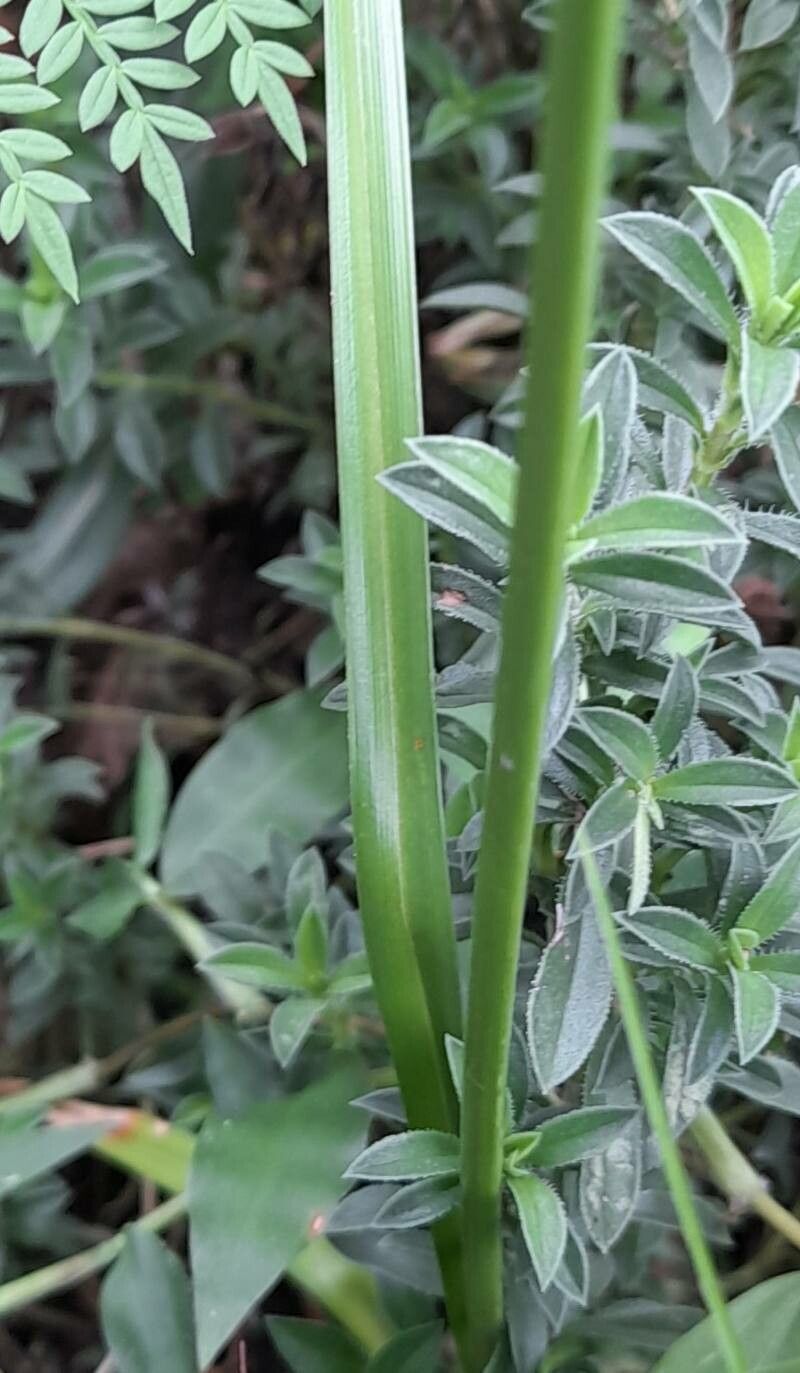
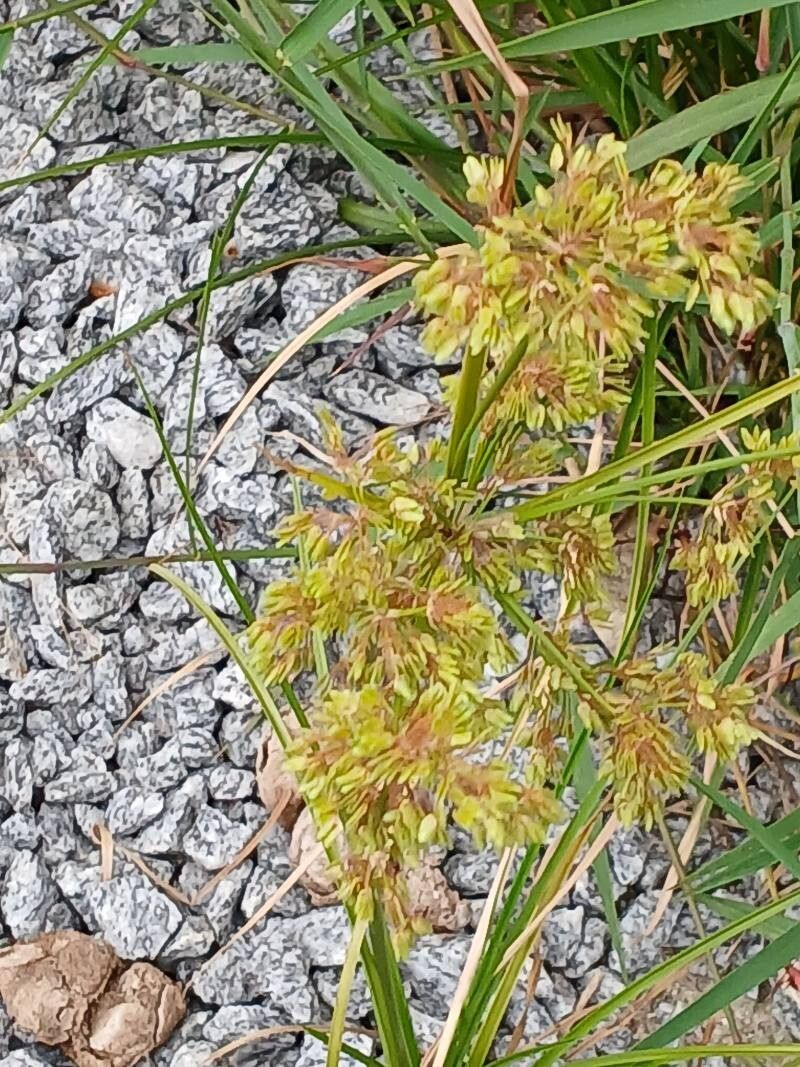
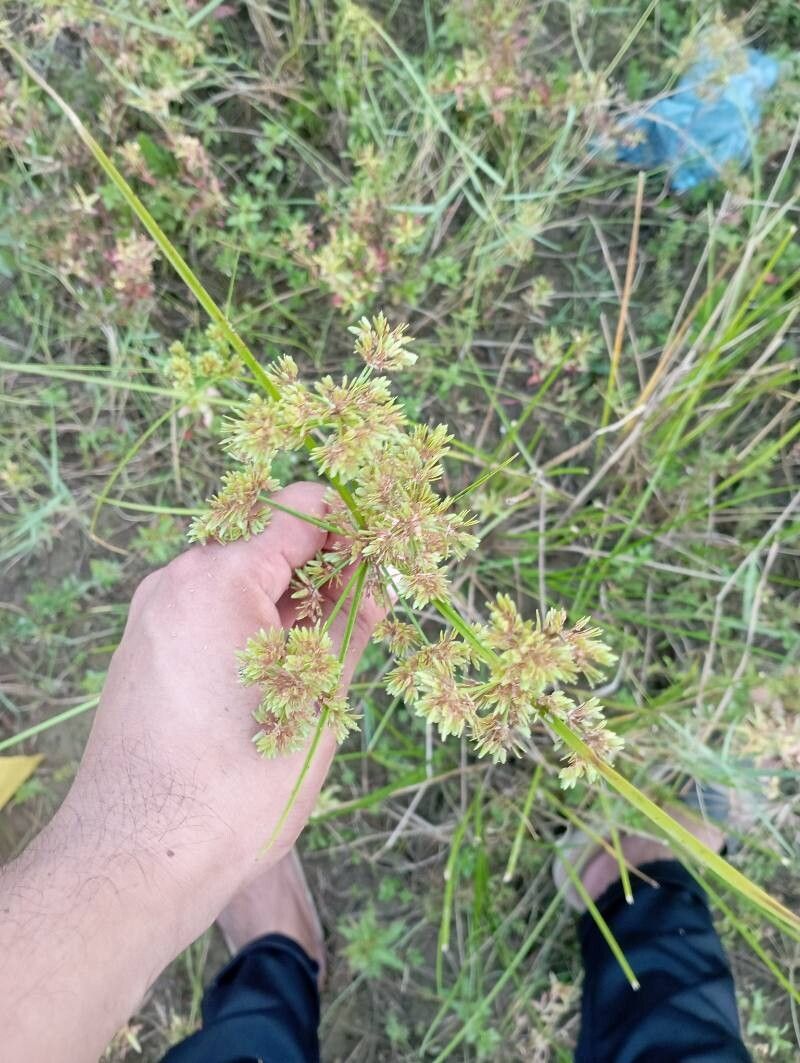
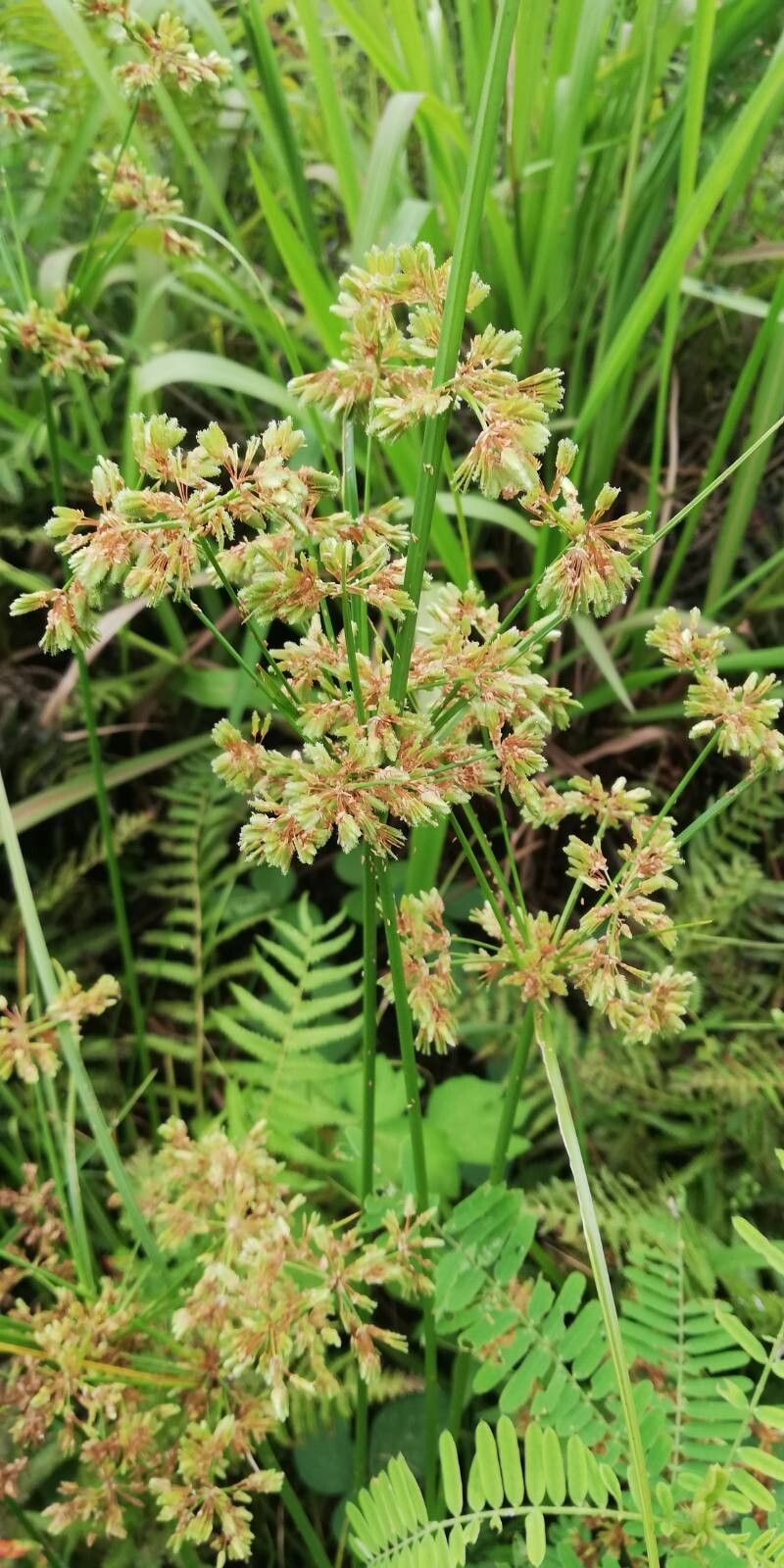
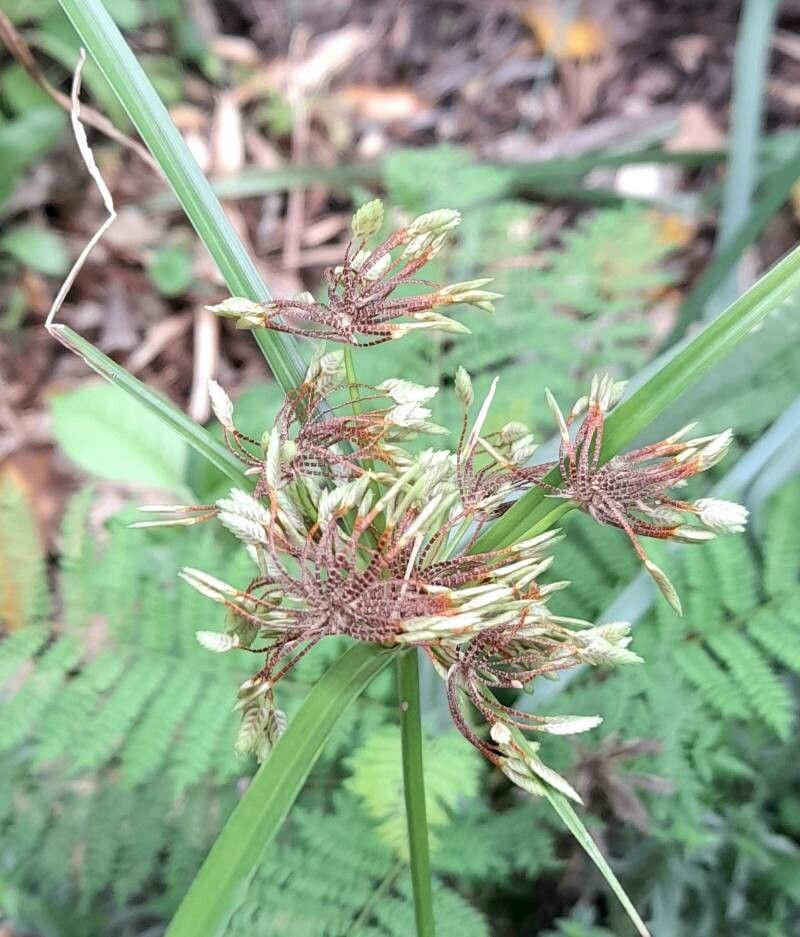
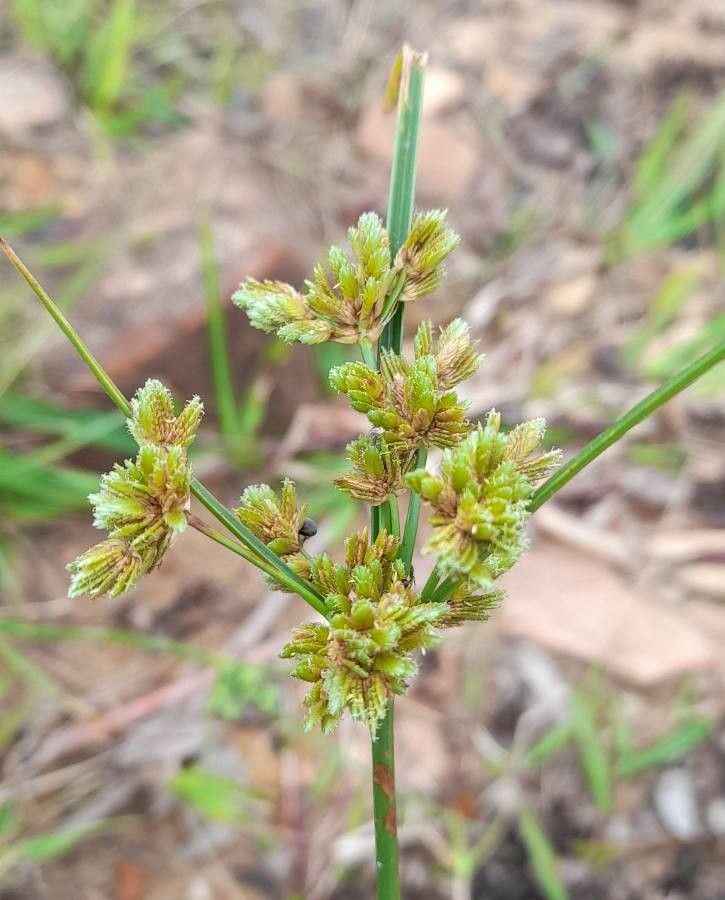
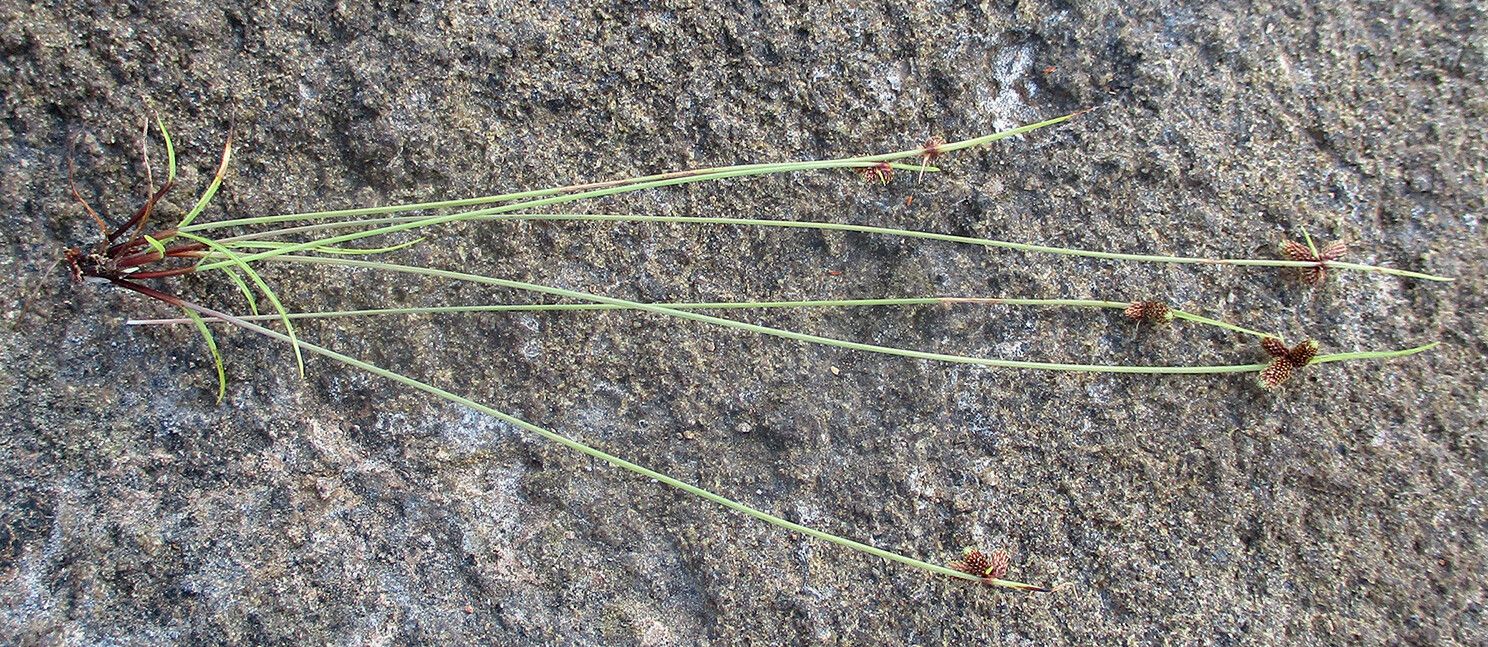
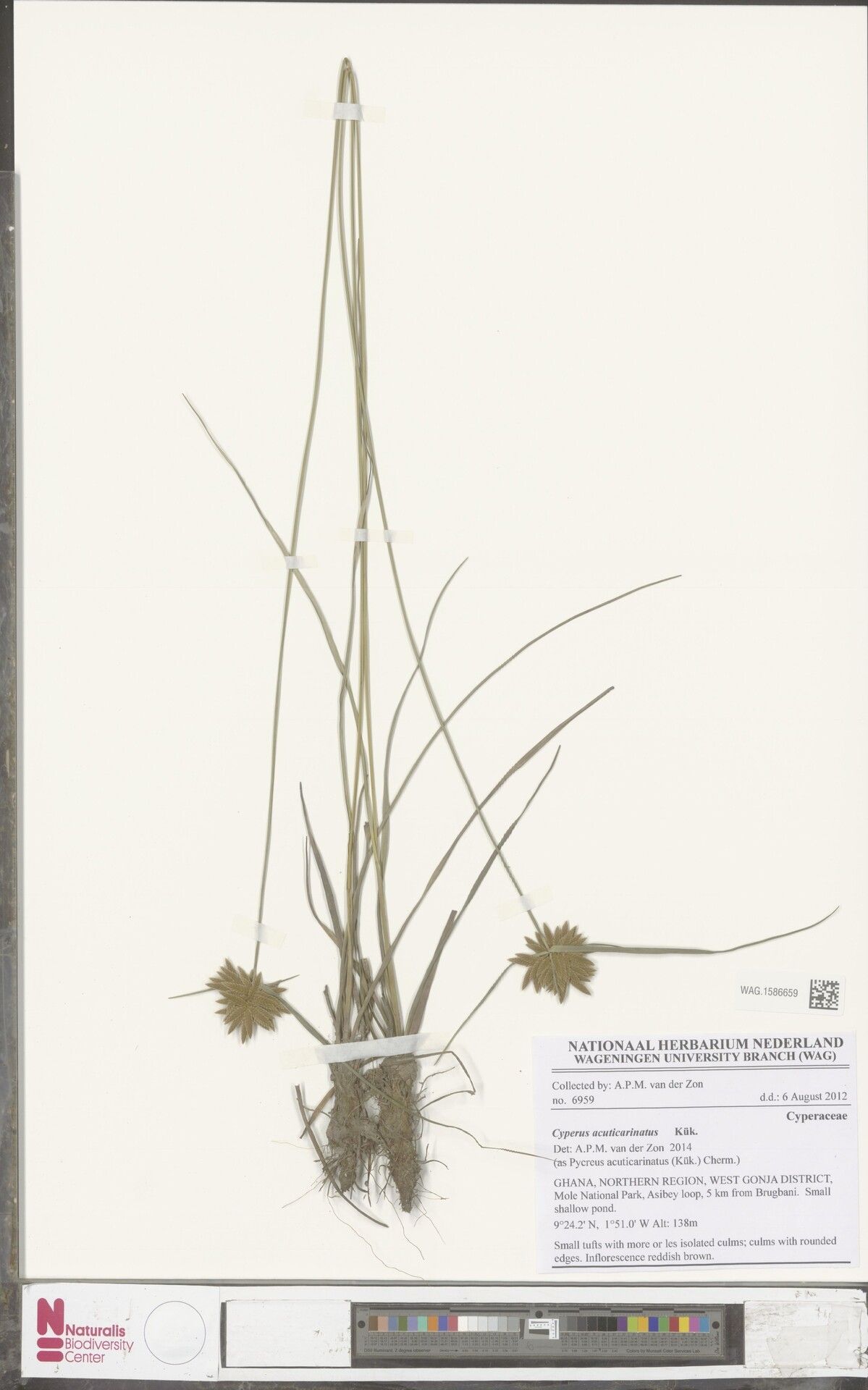
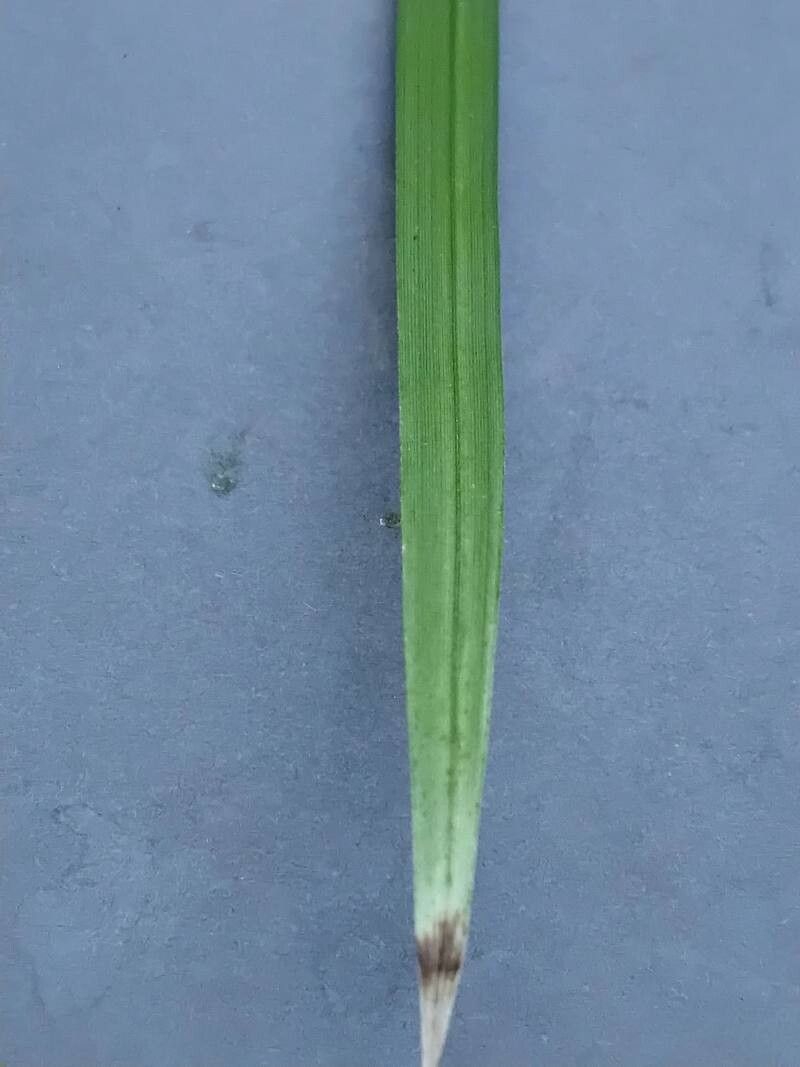
Cyperus surinamensis, also known as the tropical flatsedge, is a sedge of the family Cyperaceae that is native to the Americas.
Surinam sedge shows good disease resistance and is generally not susceptible to diseases. With regard to care, this plant is relatively low maintenance. When grown outdoors it needs minimal watering, and larger plants typically do not require pruning. Smaller plants, however, should be pruned after they finish blooming. Surinam sedge is suitable for anyone who has outdoor space, such as a garden or deck, and does not demand a lot of care experience.
How to keep Cyperus Surinamensis.
Light
Surinam sedge is a perennial herbaceous plant that prefers sunny conditions and comes from open habitats, commonly growing in meadows and grasslands. It favors full sun but can also tolerate partial sun.
Water
Surinam sedge flourishes in moist environments and should be watered twice a week to maintain optimal health. Native to regions with high rainfall, it prefers damp soil and benefits from regular misting during the growing season. This makes it an excellent choice for outdoor cultivation as an evergreen plant.
Temperature
Surinam sedge naturally occurs in habitats where temperatures commonly range from 50 to 106°F (10 to 41°C). It favors a climate within that span, responding to seasonal shifts by becoming dormant in colder conditions and thriving during the warmer months.
Fertilizer
Surinam sedge needs extra nutrients to encourage healthy new growth. In spring, placing compost around the base of the plant will effectively supply the nutrition it requires. Fertilizing helps support vigorous growth and enables the plant to better resist diseases and pests.
Pruning
Surinam sedge, with its grassy appearance, thrives in wet conditions. To encourage healthy growth and prevent disease, it's beneficial to prune the plant in early spring by removing dead stems and thinning out crowded areas to improve airflow. Regular pruning helps control the plant’s size and spread, keeping it attractive in the garden.
Botanical profile.
- Plant Type
- Grass
- Life Cycle
- Perennial
- Genus
- Cyperus
- Family
- Cyperaceae
- Hardiness Zone
- 6-13
- Mature Height
- 34 cm to 76 cm
- Mature Spread
- 91 cm
- Leaf Color
- Green, Light Green
- Leaf Type
- Evergreen
- Flower Color
- Green
- Flower Size
- 1.02 cm to 3.05 cm
- Bloom Time
- All year round
- Planting Time
- Spring, Summer
- Harvest Time
- All year round
- Native Area
- Belize, Honduras, Mexico, Guatemala, Peru, Panama, Jamaica, Colombia, Bahamas, Cuba, Bolivia, Venezuela, Brazil, Guyana, El Salvador, Nicaragua, Ecuador, Costa Rica
Other names.
Reader questions.
What are the sunlight requirements for Surinam sedge (Cyperus surinamensis)?
Surinam sedge (Cyperus surinamensis) thrives in various sunlight conditions. It requires full sun, which means it should receive above 6 hours of sunlight daily. Alternatively, it can also grow well in partial sun, receiving about 3-6 hours of sunlight. It's crucial to observe the movement of sunlight through your garden to identify the spots that offer an ideal balance of light and shade, ensuring the plants remain healthy and happy.
What is Surinam sedge, and where is it native to?
Surinam sedge, known botanically as Cyperus surinamensis, is native to environments that experience a wide range of temperatures, from 50 to 106°F (10 to 41°C). This adaptability allows it to flourish in climates within this temperature span, adjusting to seasonal changes by either going dormant in colder temperatures or thriving during the warmer months.
What are the ideal climatic conditions for Surinam sedge?
The ideal climatic conditions for Surinam sedge are those that fall within the temperature range of 50 to 106°F (10 to 41°C). These conditions allow the plant to adjust naturally to seasonal changes, thriving in warmth and going dormant when it gets colder.