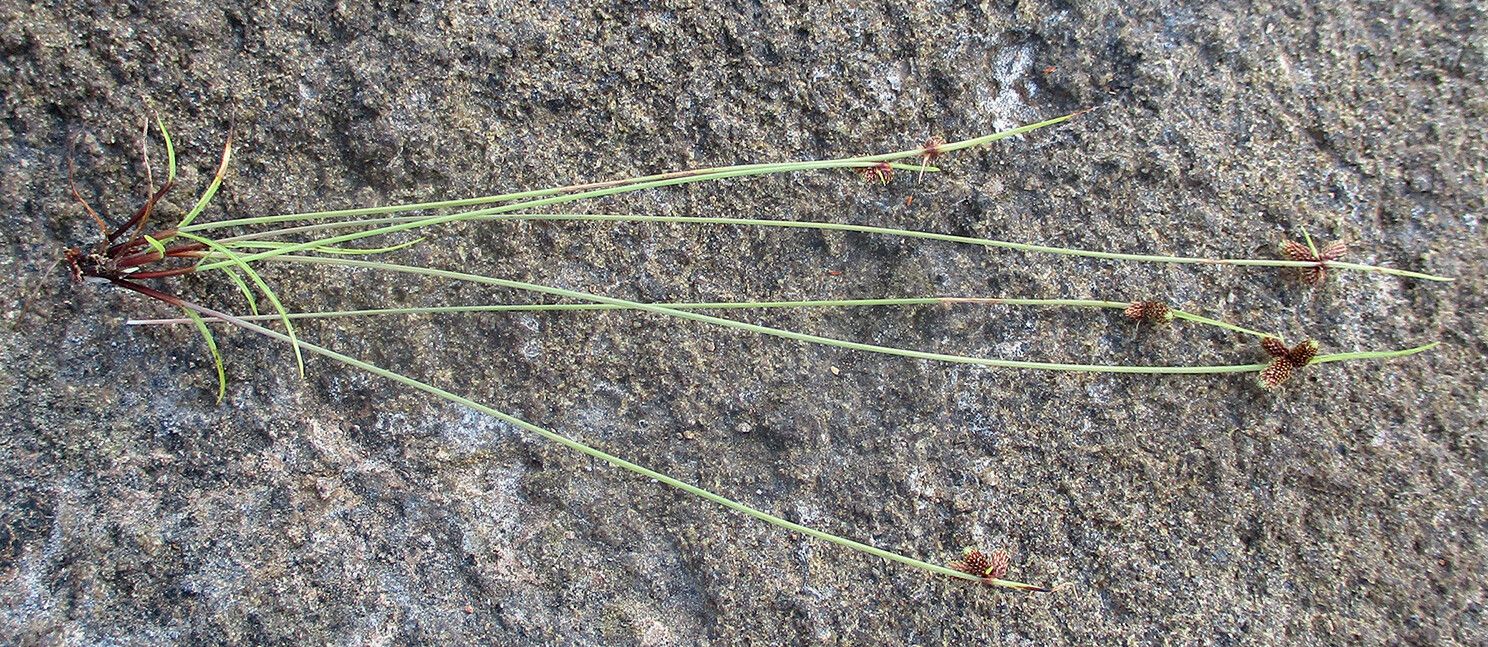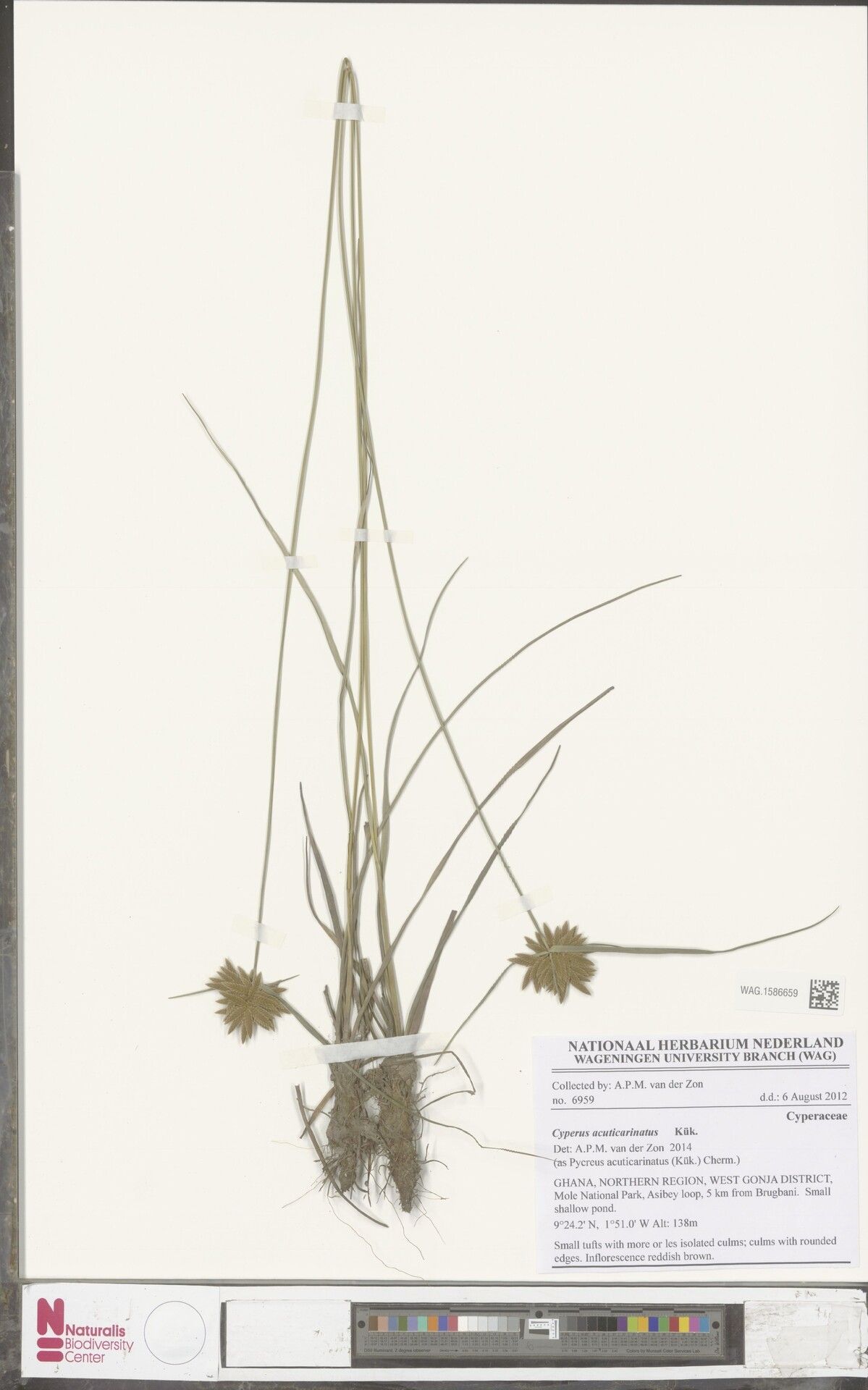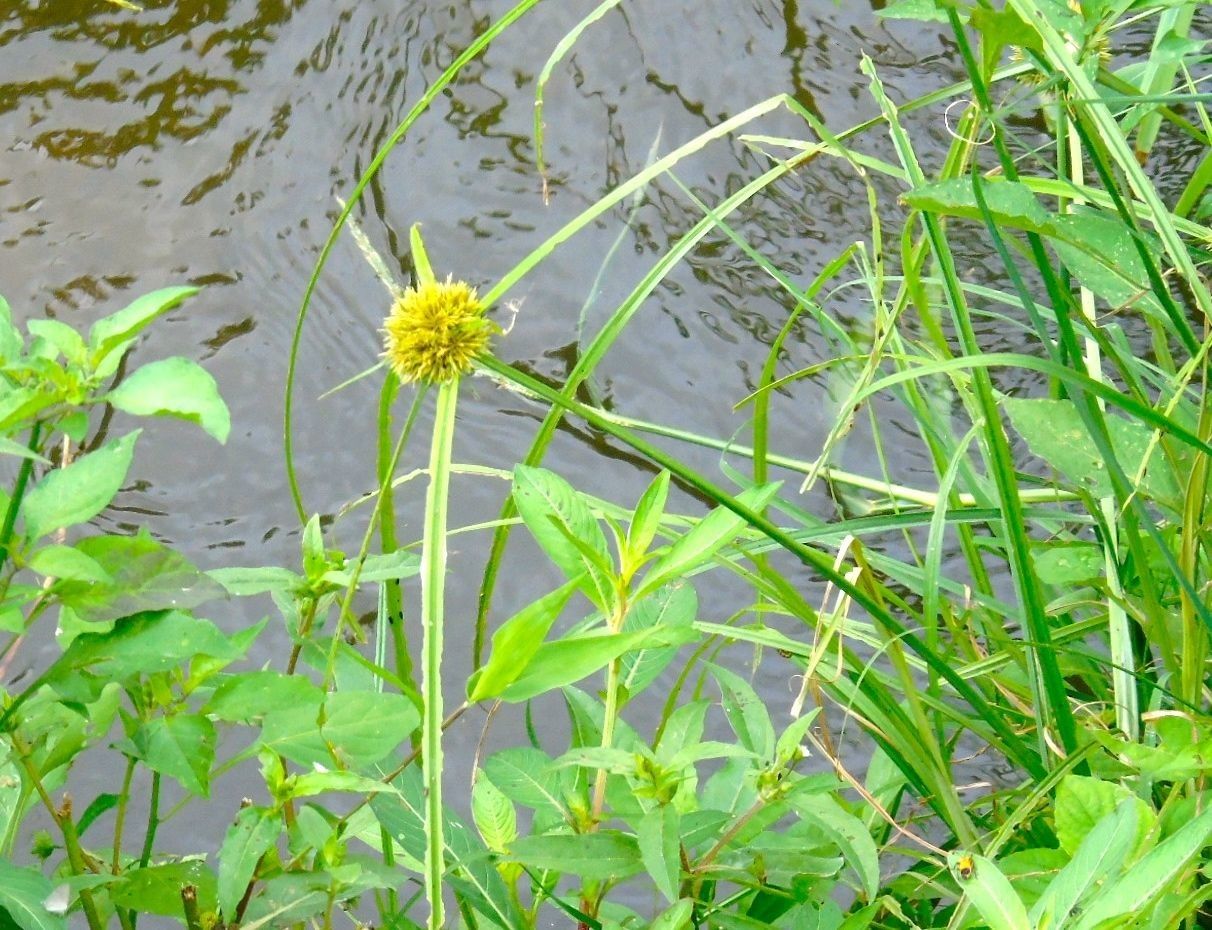
Cyperus seslerioides is a species of sedge that is native to southern parts of North America, Central America and parts of South America.The species was first formally described by the botanist Carl Sigismund Kunth in 1816.
How to keep Cyperus Seslerioides.
Water
Texas flatsedge flourishes in wet conditions and can tolerate overwatering. To ensure its optimal growth, maintain a consistent water supply for the roots, particularly when using trays. However, when temperatures decrease, it's important to reduce watering to prevent root rot. In addition, always leaving a portion of the tray dry will help promote the plant's overall health.
Pruning
Texas flatsedge features slender stems and grows in tufts. To encourage fresh shoots and improve air circulation and light penetration, prune the old growth in early spring. Be careful not to cut too close to the base to avoid damaging the plant. Consistently follow this pruning schedule to ensure optimal plant health.
Botanical profile.
- Life Cycle
- Perennial
- Genus
- Cyperus
- Family
- Cyperaceae
Other names.
Reader questions.
What are the sun requirements for Texas flatsedge (Cyperus seslerioides)?
Texas flatsedge, also known as Cyperus seslerioides, thrives in conditions where it can receive ample sunlight. The plant is adaptable to both full sun, which means it prefers to be in direct sunlight for more than 6 hours a day, and partial sun, necessitating about 3-6 hours of sunlight daily. It's important to observe the way sunlight moves through your garden throughout the day to find the ideal locations that provide a balanced environment of light and shade, ensuring the plants remain healthy and happy.