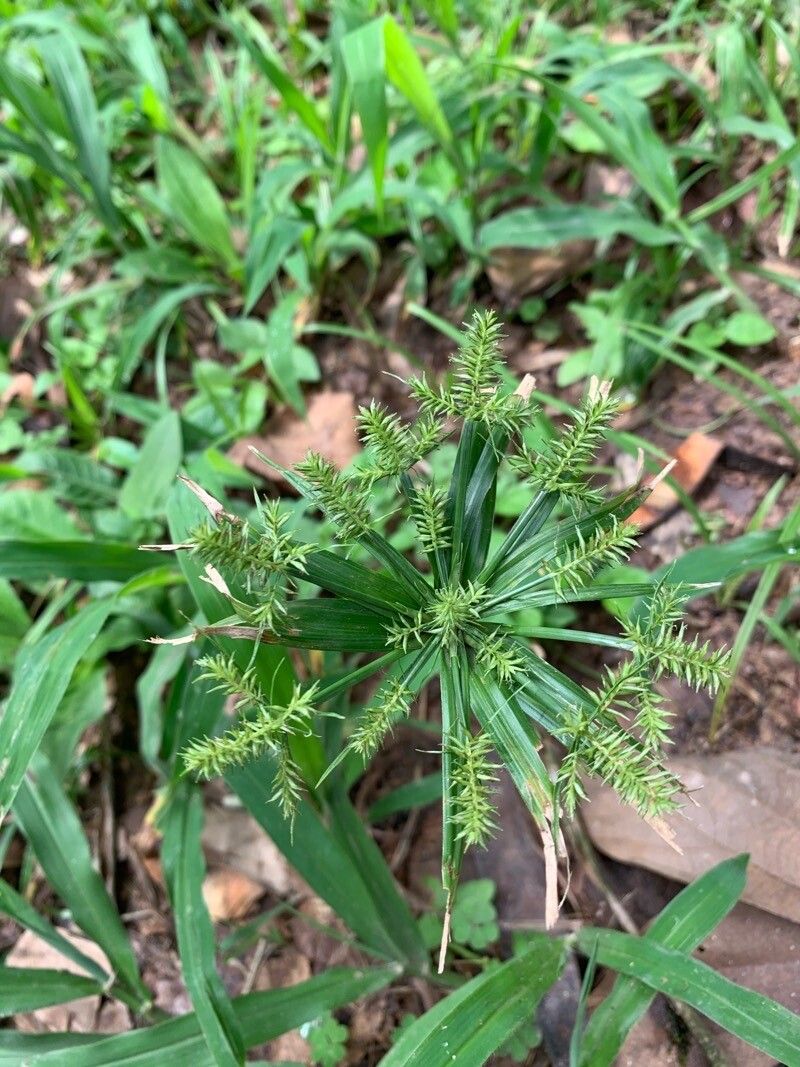
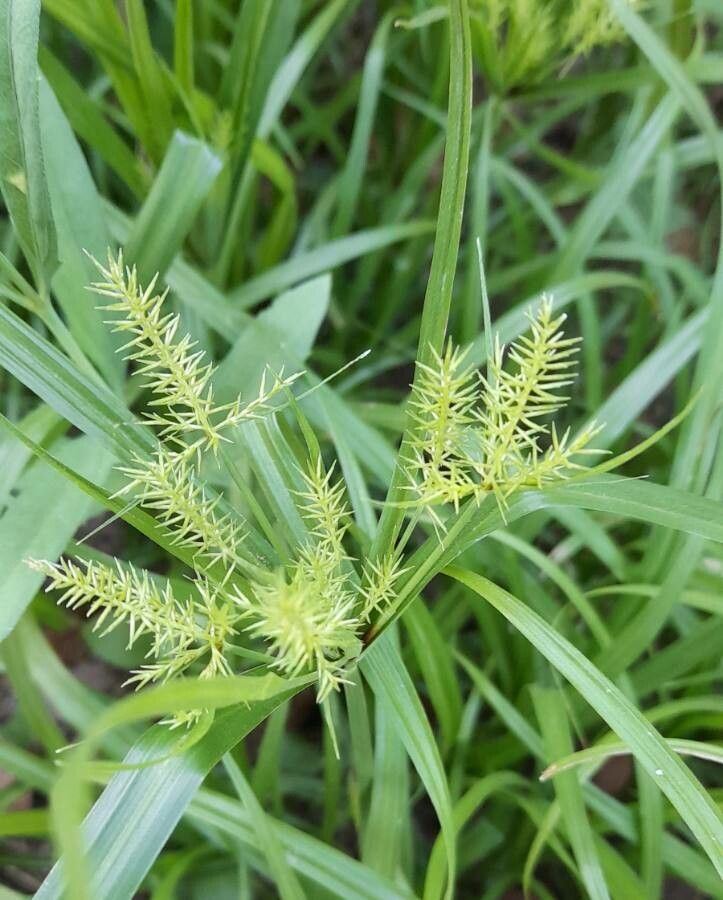
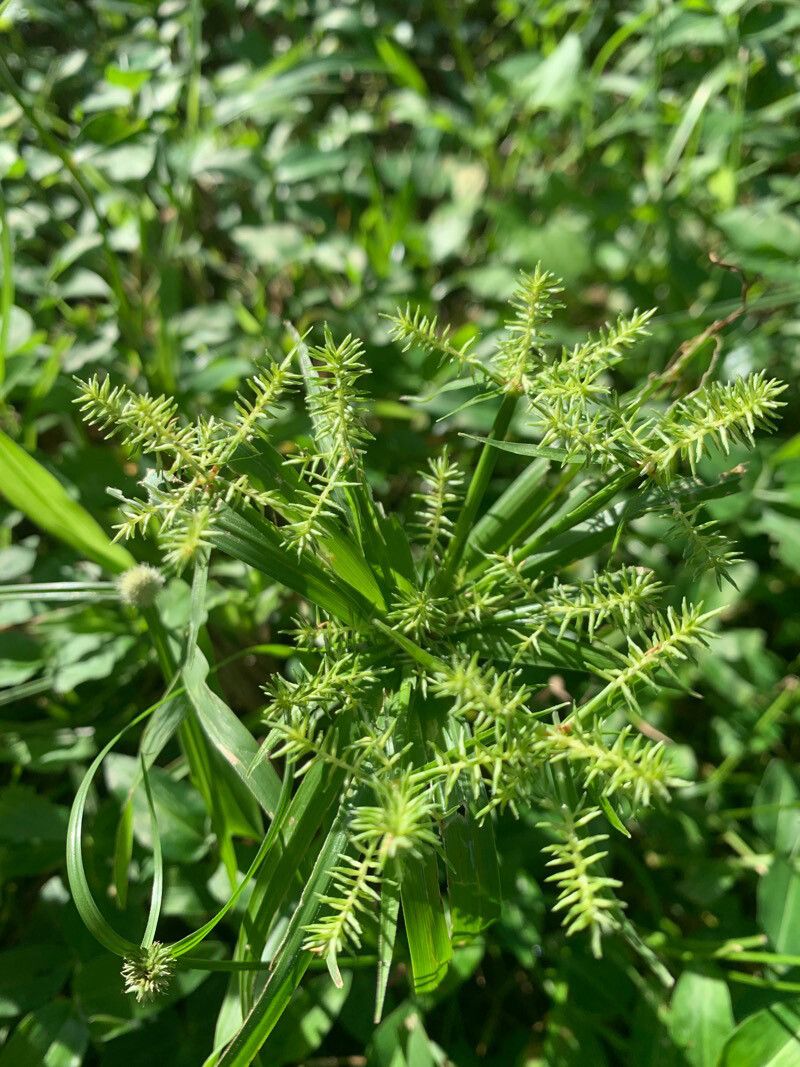
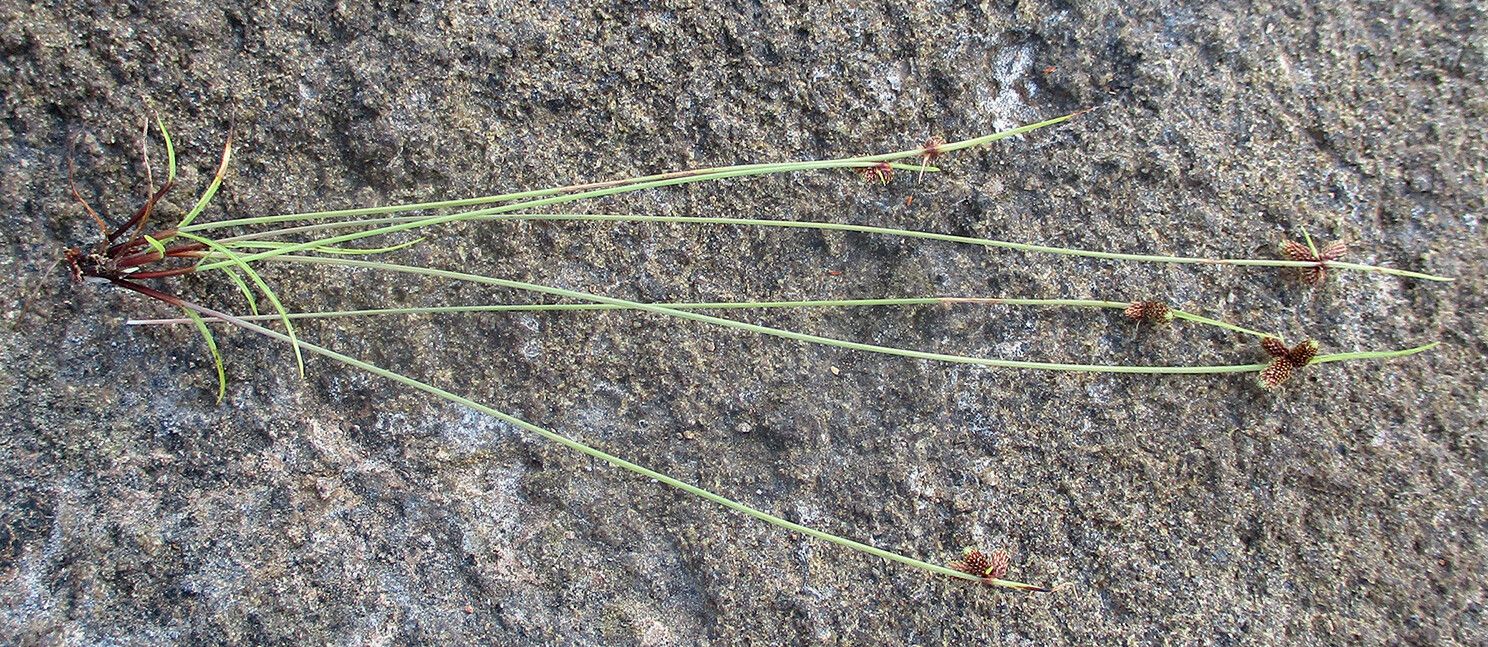
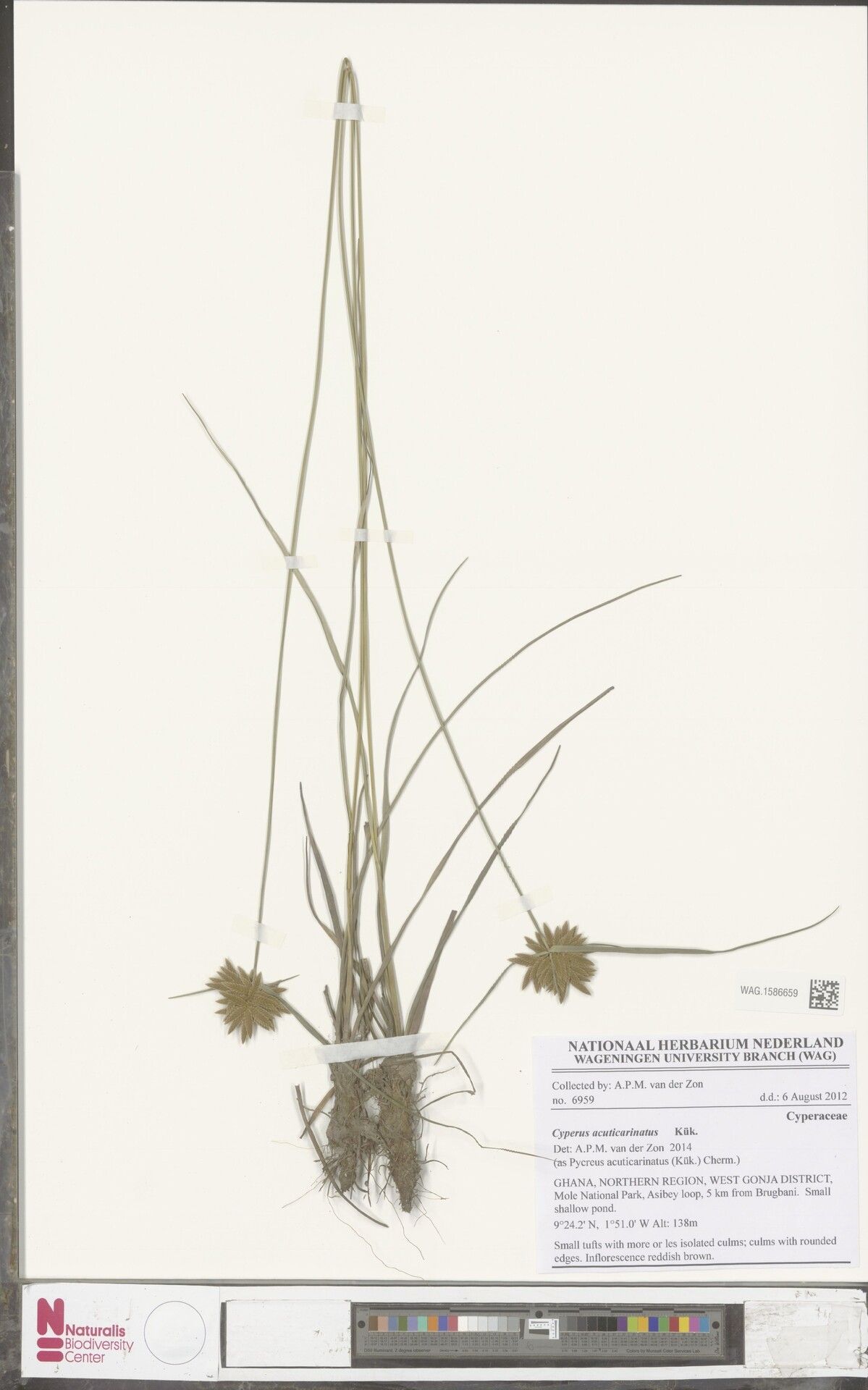
Cyperus meyenianus, commonly known as Meyen's flatsedge, is a species of sedge that is native to tropical areas of South America.The species was first formally described by the botanist Carl Sigismund Kunth in 1837.
Meyen's flatsedge is highly resistant to disease and is usually not susceptible to illnesses. In terms of care, this plant is fairly low-maintenance. When grown outdoors it needs only minimal watering, and larger or mature plants typically do not require pruning. Smaller plants, however, should be pruned after they finish blooming. Meyen's flatsedge is appropriate for anyone with an outdoor area, such as a garden or deck, and does not demand much gardening experience.
How to keep Cyperus Meyenianus.
Light
A sun-loving perennial herbaceous species, Meyen's flatsedge originates from open habitats and is frequently found in meadows and grasslands. It favors full sun but can also tolerate partial sun conditions.
Water
Meyen's flatsedge thrives in waterlogged conditions and needs consistent moisture to grow well. When using trays or pots, make sure they have high edges to reduce the frequency of watering. However, you should decrease watering during cooler temperatures to prevent root rot, leaving the top of the tray or pot dry.
Temperature
Meyen's flatsedge comes from tropical areas, where the climate is usually warm and humid. Consequently, it is adapted to high heat and moisture. It is sensitive to abrupt temperature changes and prefers a steady thermal environment, so avoiding temperature fluctuations indoors is important. It typically does not tolerate cold and needs warmer conditions to grow. If the surrounding temperature falls too low, the plant may stop growing or even die.
Fertilizer
Meyen's flatsedge needs extra nutrients to encourage healthy new growth. In spring, adding some compost around the plant's base can effectively supply the nutrition it requires. Fertilizing helps promote vigorous growth and aids the plant in resisting diseases and pests.
Pruning
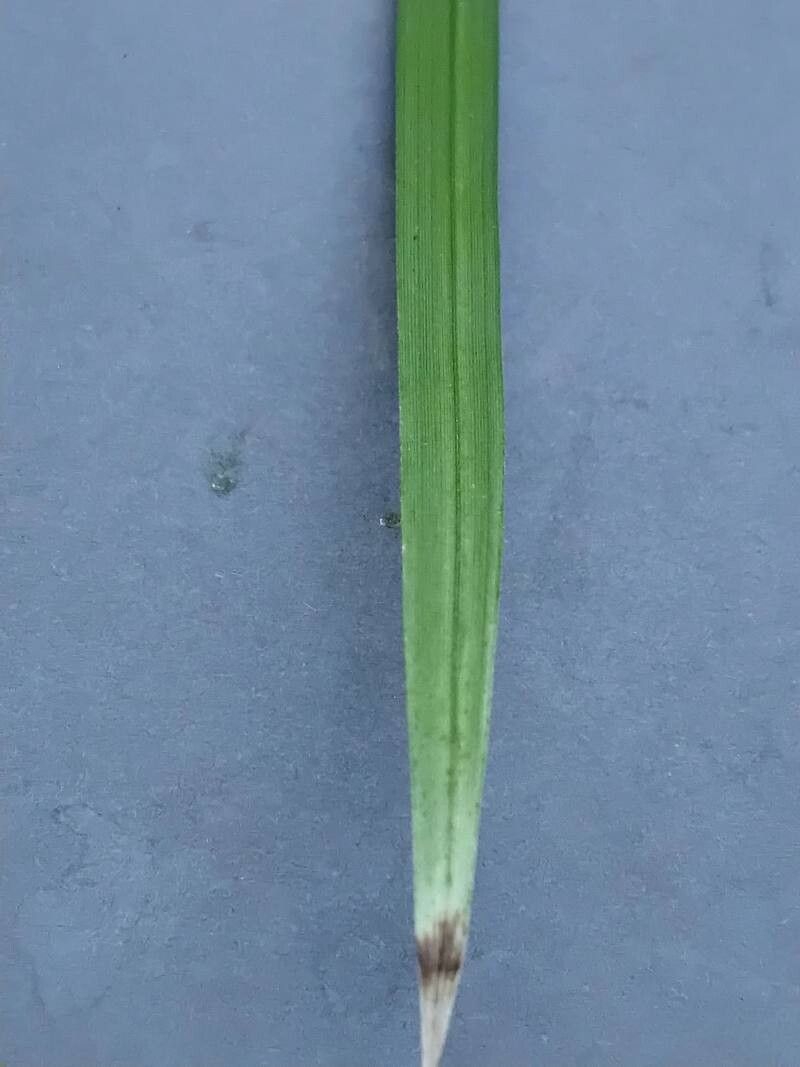
Meyen's flatsedge is characterized by its tufted growth and slender leaves. Pruning should be done in early spring to promote healthy growth, remove damaged stems, and improve air circulation. Regular pruning helps control the plant's spread and enhances its visual appeal, contributing to a vibrant presence in your garden.
Botanical profile.
- Plant Type
- Grass
- Life Cycle
- Perennial
- Genus
- Cyperus
- Family
- Cyperaceae
- Hardiness Zone
- 8-11
- Mature Height
- 30 cm to 61 cm
- Mature Spread
- 20 cm to 40 cm
- Leaf Color
- Green, Dark Green
- Leaf Type
- Evergreen
- Flower Size
- 0.20 cm to 0.25 cm
- Bloom Time
- Summer, Early fall, Mid fall
- Planting Time
- Spring, Summer, Autumn
- Harvest Time
- Late summer, Fall, Early winter
- Native Area
- Uruguay, Colombia, Paraguay, Argentina, Bolivia, Venezuela, Peru, Brazil, Ecuador, Trinidad and Tobago, Panama
Other names.
Reader questions.
What are the sun requirements for Meyen's flatsedge?
For Meyen's flatsedge, or Cyperus meyenianus, the sun requirements vary depending on the type of sunlight exposure. Full sun exposure, which is above 6 hours of direct sunlight daily, is suitable for the plant. It can also thrive in partial sun, characterized by about 3-6 hours of sunlight daily. It's important to watch how sunlight moves through your garden to ensure that you're choosing spots that offer a perfect balance of light and shade. This careful placement ensures the happiness and health of your Meyen's flatsedge.