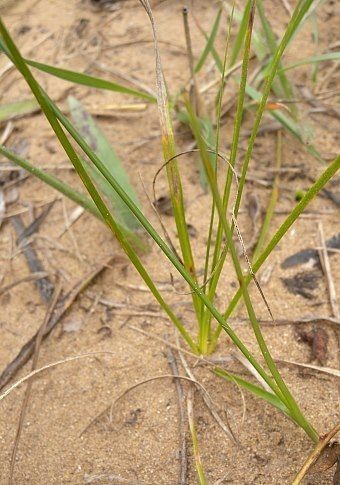
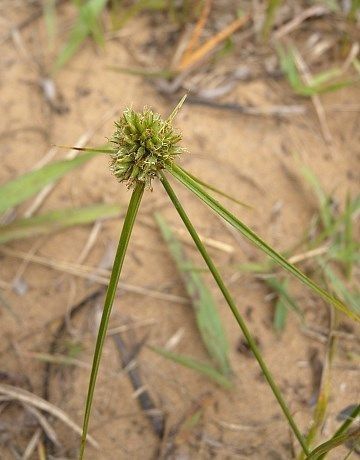
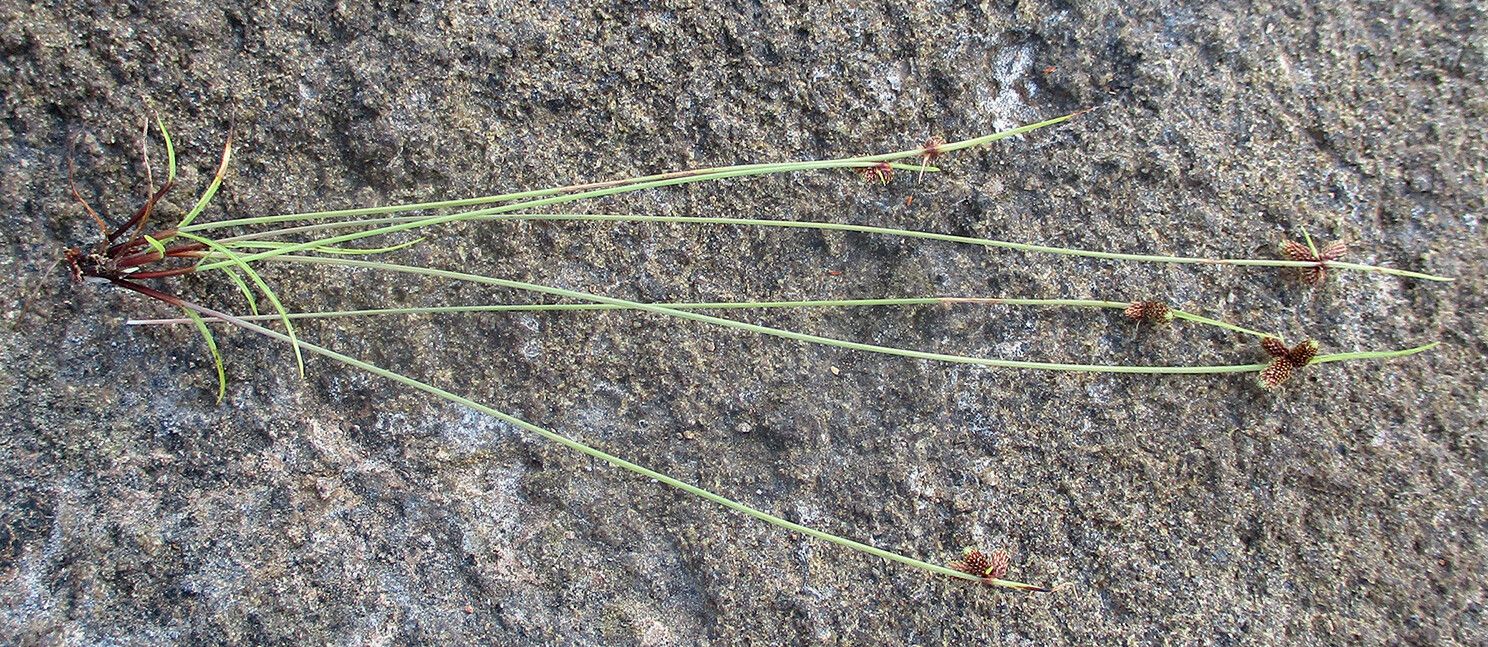
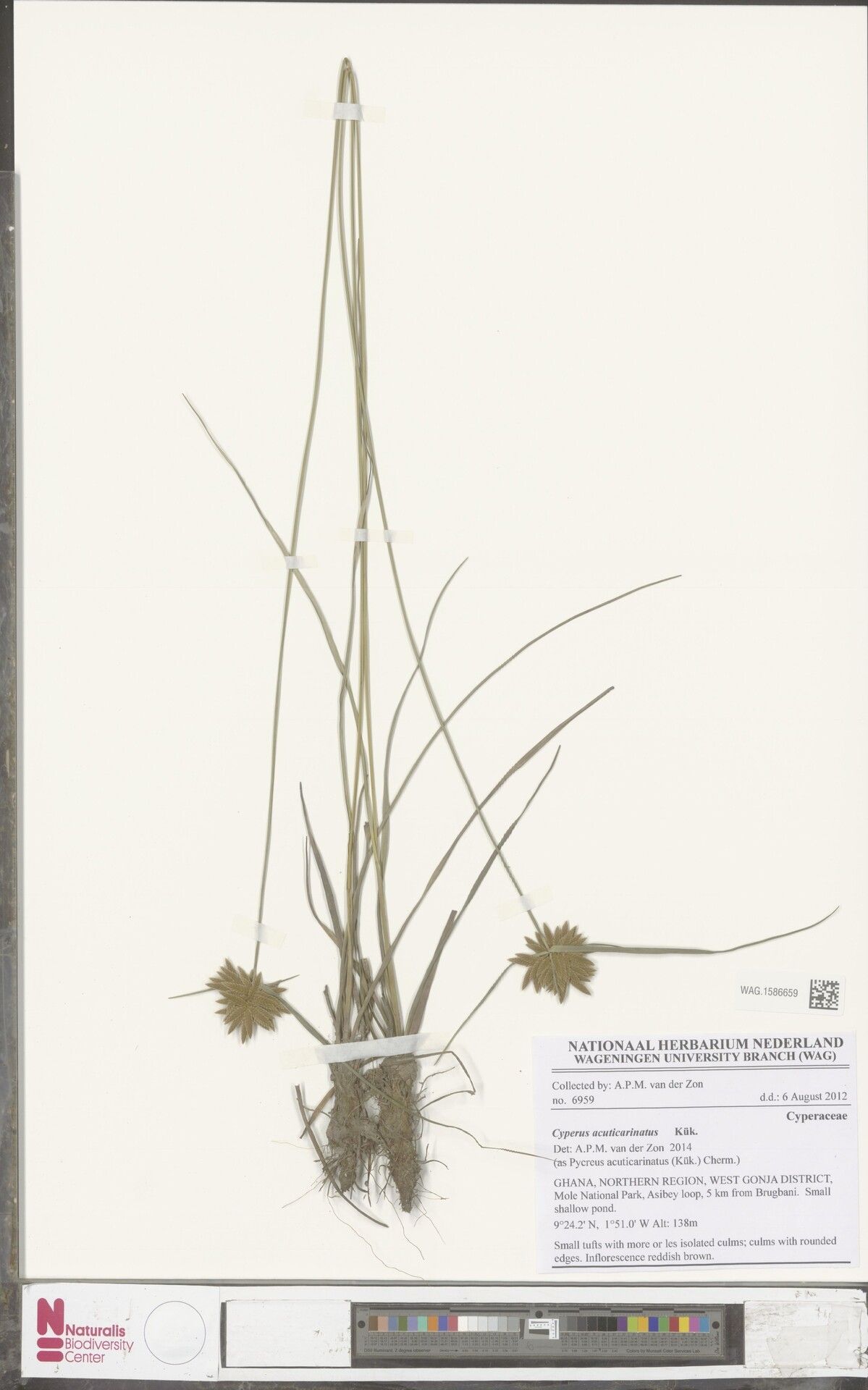
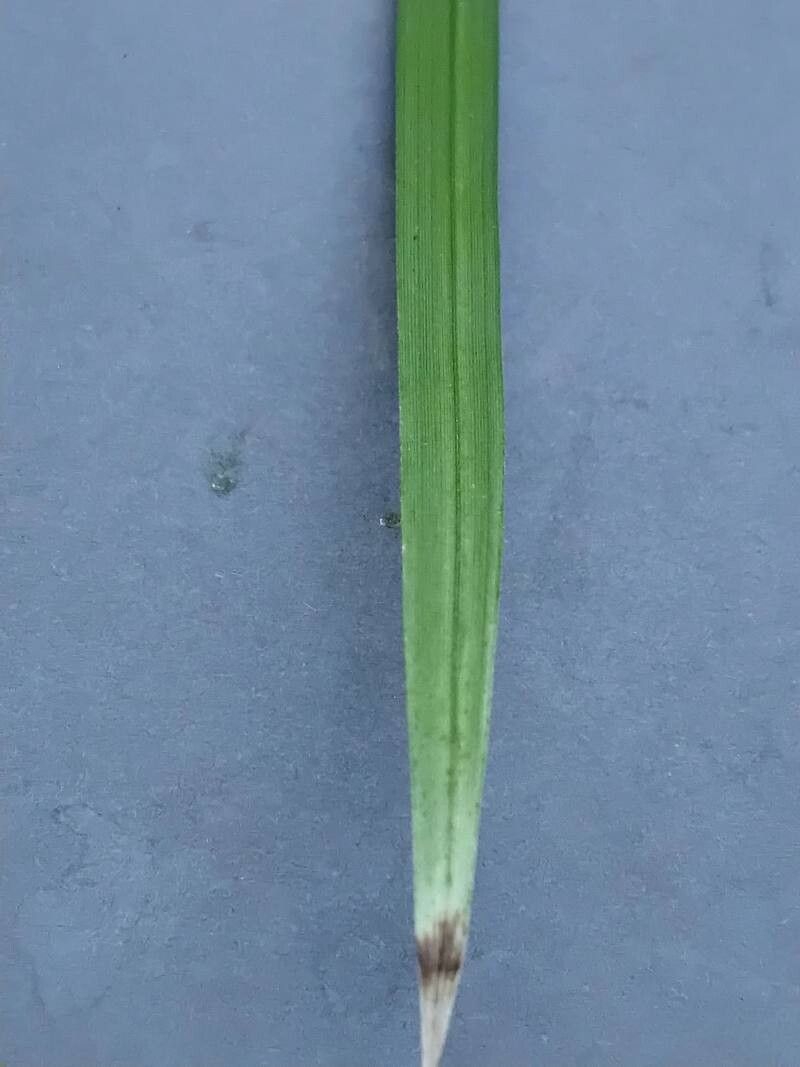
Cyperus lupulinus, the Great Plains flatsedge, is a plant species native to North America. It is widespread across southeastern Canada and the central and northeastern United States as far west as Wyoming, Colorado and New Mexico, with more isolated populations reported in Washington (Asotin County), Idaho (Idaho County) and Oregon (Wallowa County). It grows in open, sun-lit locations such as fields, prairies, roadsides, farms, etc.
Great plains flatsedge demonstrates strong resistance to disease and is usually not susceptible to illnesses. With regard to care, this plant is fairly low maintenance. When grown outdoors it needs minimal watering, and larger plants typically do not require pruning. Smaller plants, however, should be pruned after they have finished blooming. Great plains flatsedget is appropriate for anyone with an outdoor area, such as a garden or deck, and does not demand much care experience.
How to keep Cyperus Lupulinus.
Light
The Great Plains flatsedge is a perennial herbaceous plant that thrives in the sunlight. It is native to open areas and is frequently found in grasslands and meadows. Although it prefers full exposure to the sun, the plant can also survive under partially sunny conditions.
Water
Great plains flatsedge thrives in wet conditions and can tolerate overwatering. To keep it healthy, maintain consistent water levels, especially in drip trays. During colder temperatures, reduce watering to prevent root rot. Ensure there is some space in the pot for air circulation to avoid excess moisture.
Temperature
The Great plains flatsedge is capable of adjusting to an array of temperature conditions, however, specific combinations of heat and water circumstances can restrict its distribution. It flourishes optimally in conditions with abundant rain or watering during the hot summer season. Extended durations of overcast and wet weather, along with prolonged high heat, can augment the chances of the Great plains flatsedge perishing. With the right protection against cold temperatures in winter, the survival probability of the plant can be enhanced.
Fertilizer
Extra nutrients are essential for the healthy new growth of Great plains flatsedge. Depositing some compost around the plant's base in the spring can successfully supply the required nutrition. Fertilization assists in promoting robust growth and strengthens the plant's ability to resist diseases and pests.
Pruning
Great Plains flatsedge features a tufted growth habit and produces nut-like spikelets. It benefits from early spring pruning, which helps remove dead stems. To manage its size and improve airflow, prune the older stems. Make sure to use clean tools to prevent disease. This practice not only helps maintain the plant's shape but also supports root development. Be sure to tailor your pruning approach to your local climate guidelines.
Botanical profile.
- Plant Type
- Grass
- Life Cycle
- Perennial
- Genus
- Cyperus
- Family
- Cyperaceae
- Hardiness Zone
- 4-9
- Mature Height
- 10 cm to 52 cm
- Mature Spread
- 15 cm to 30 cm
- Leaf Color
- Green
- Leaf Type
- Semi-evergreen
- Flower Size
- 0.20 cm to 0.25 cm
- Bloom Time
- Summer
- Planting Time
- Spring
- Harvest Time
- Late summer, Early fall, Mid fall
Other names.
Reader questions.
What are the sun requirements for Great Plains Flatsedge?
Great Plains Flatsedge (Cyperus lupulinus) thrives in different sunlight conditions based on how much sun exposure it gets throughout the day. If the plant receives above 6 hours of sunlight, it's considered to be in 'full sun.' Meanwhile, if it gets about 3-6 hours of sunlight, it falls under 'partial sun.' It's important to observe how sunlight moves through your garden throughout the day. Choosing the right spots that offer an ideal balance of light and shade is crucial to ensure the plants' optimal growth and happiness.