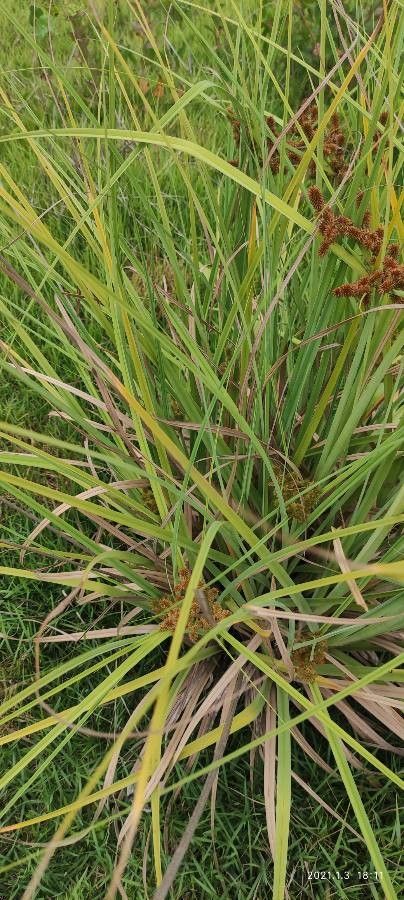
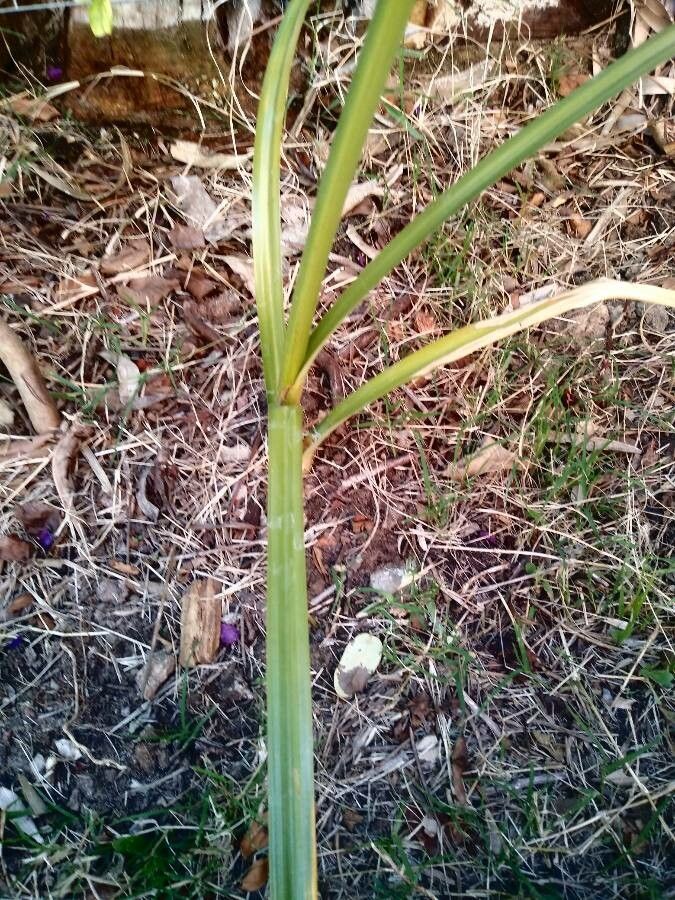
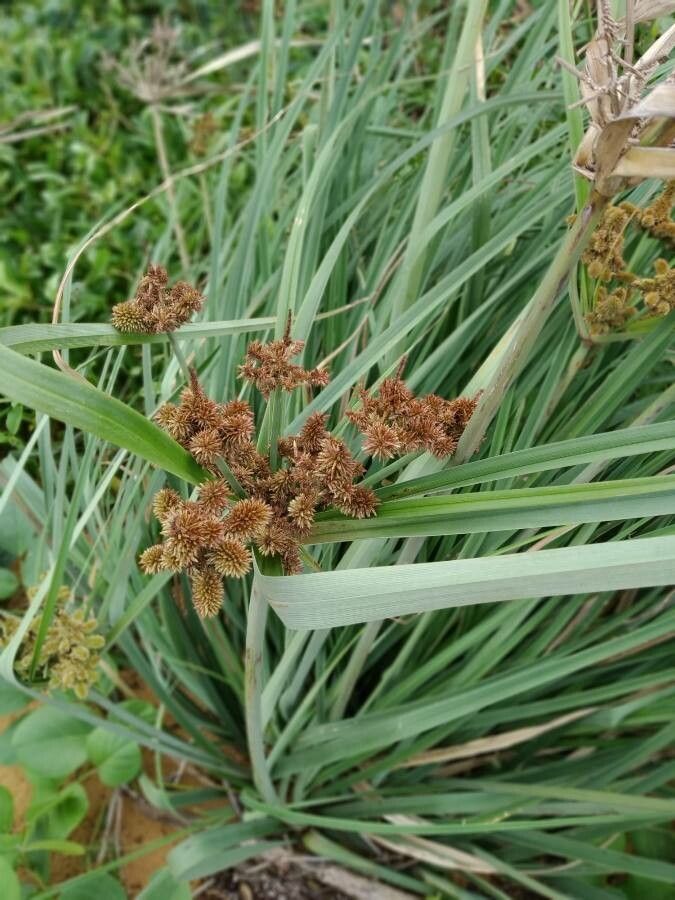
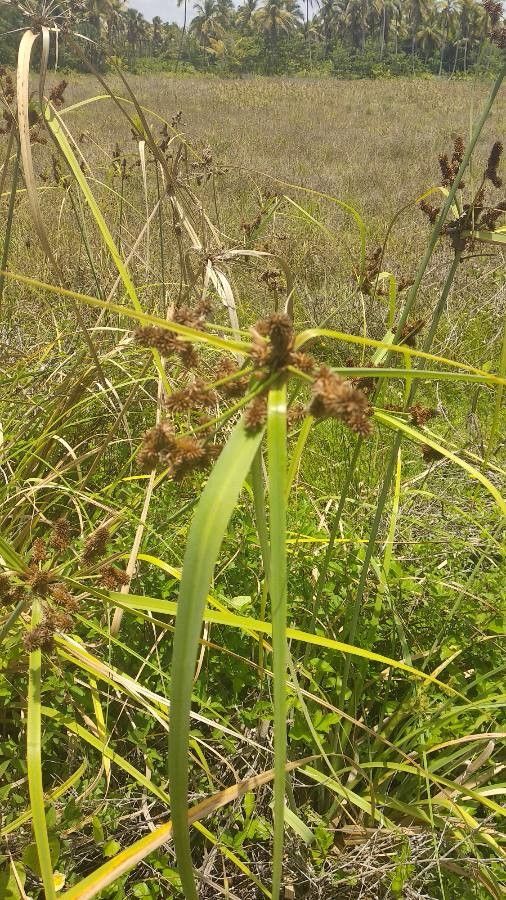
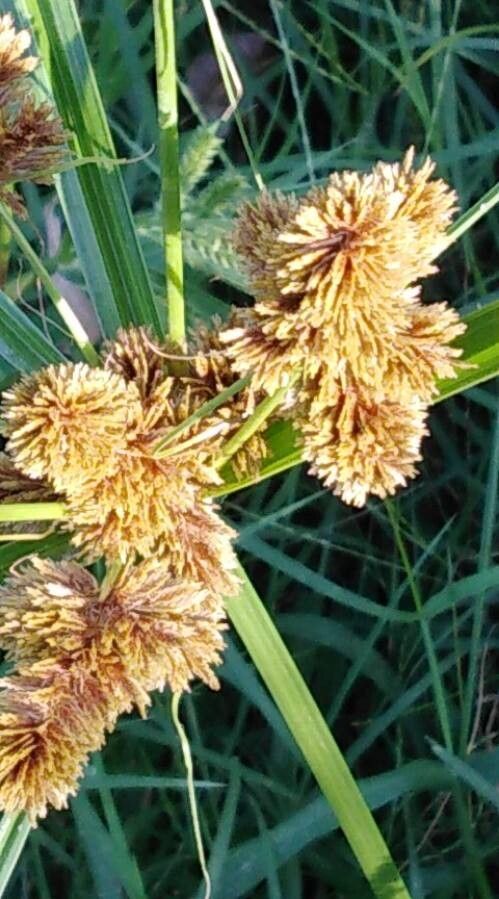
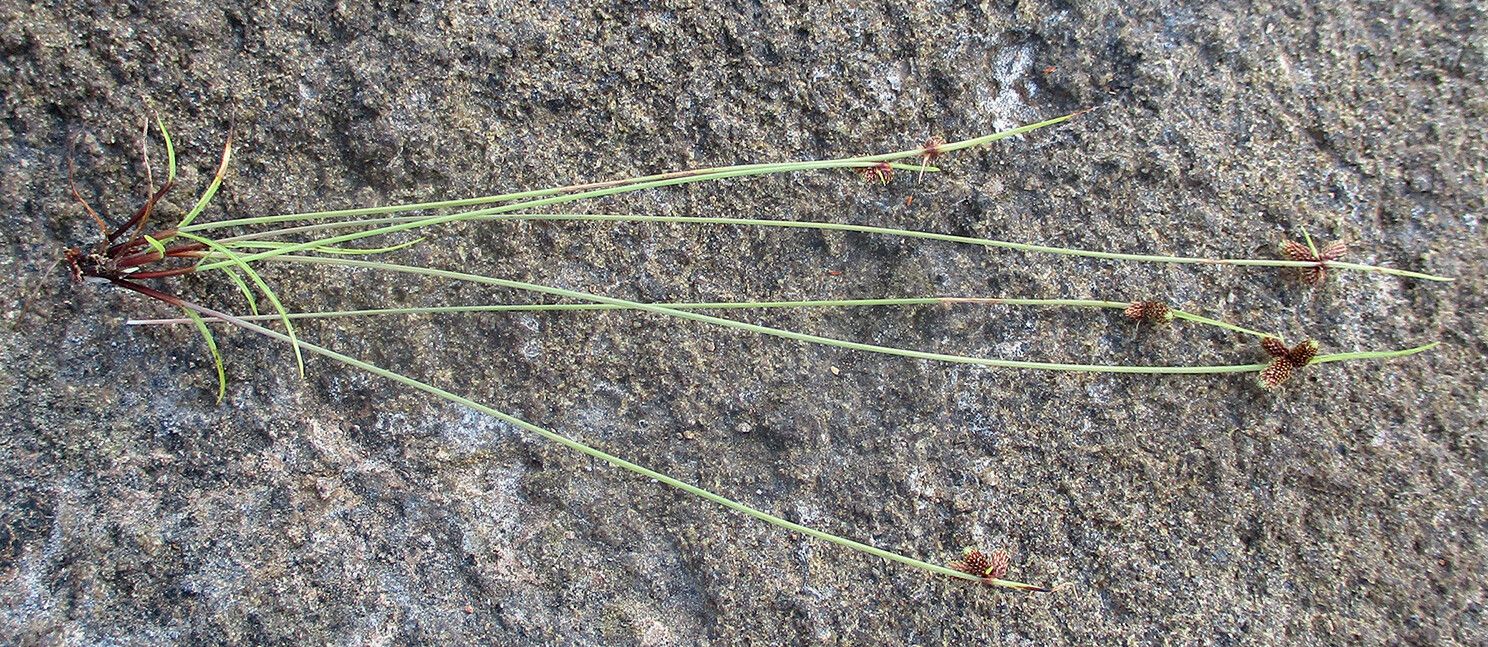
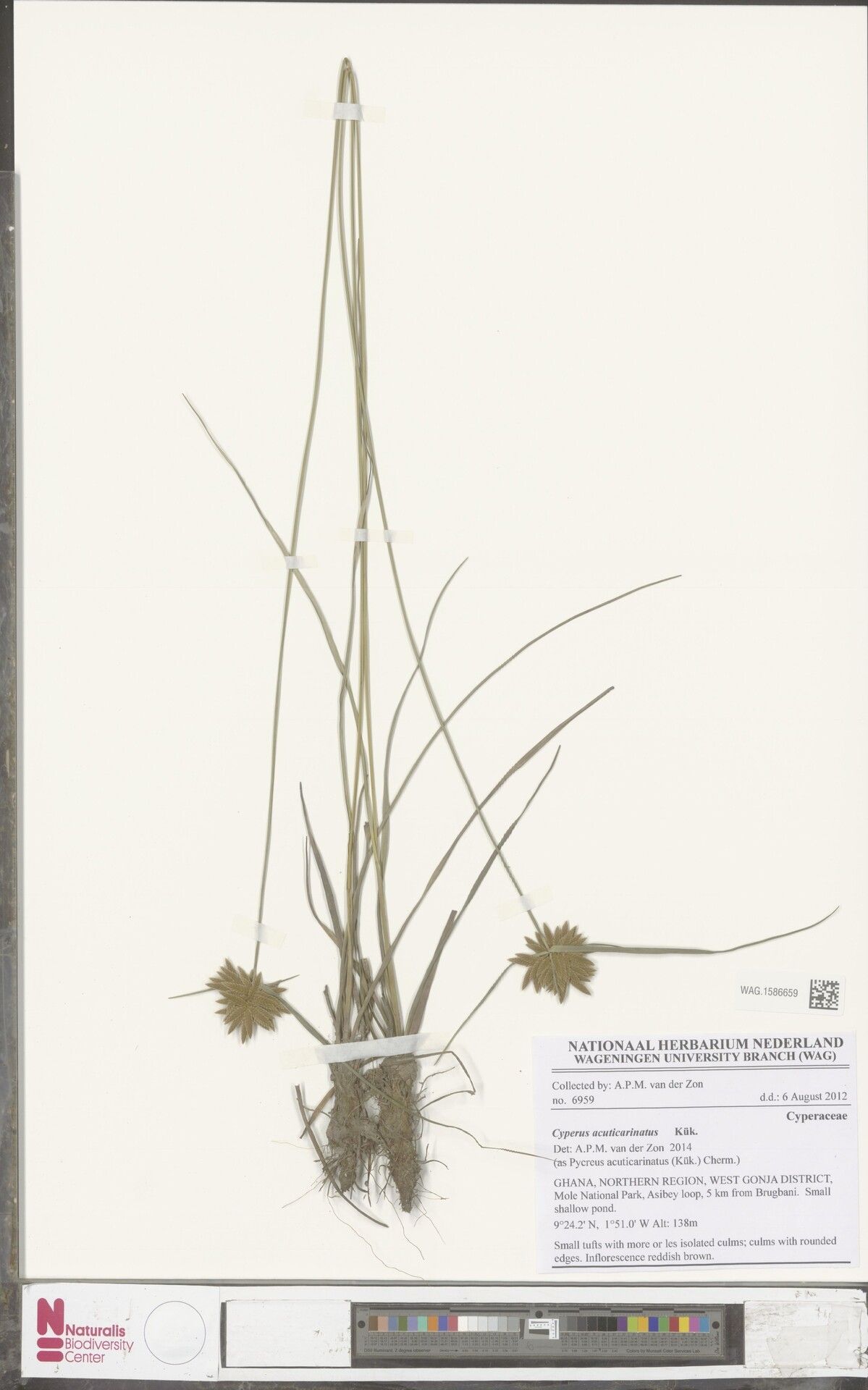
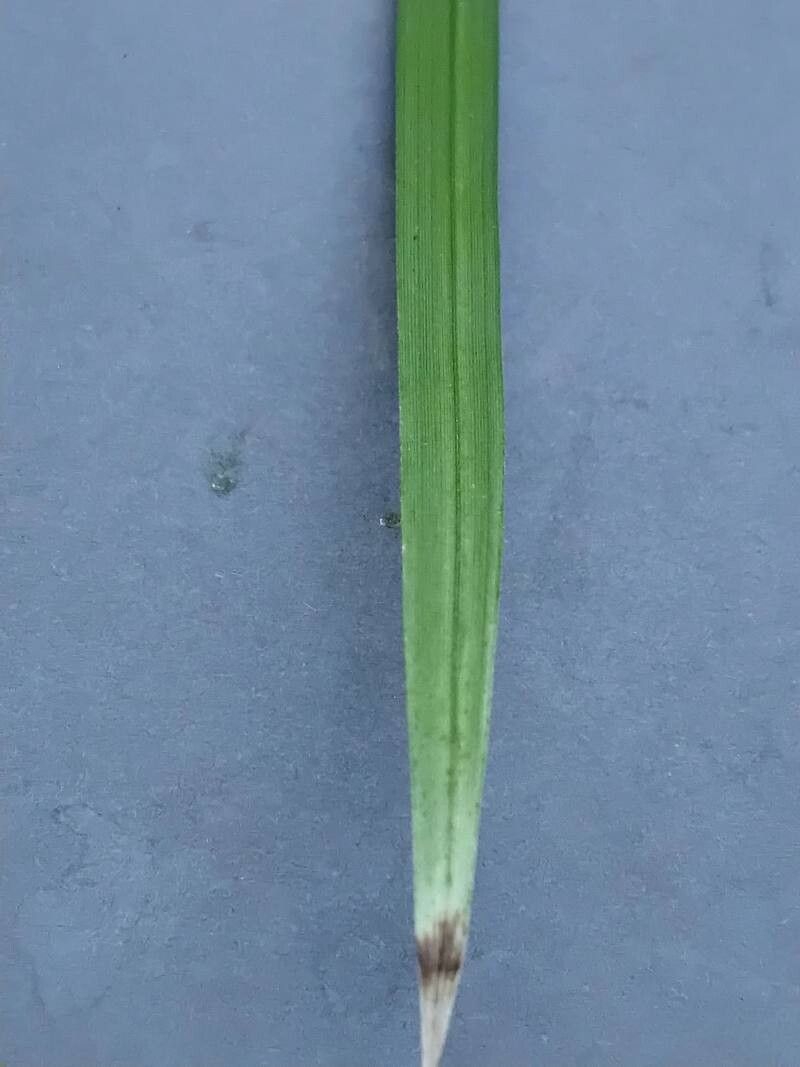
Cyperus ligularis, commonly known as the Swamp Flatsedge, is a perennial plant in the Cyperaceae family. It is native to tropical and subtropical regions of Africa, Asia, and Australia. The plant typically grows up to 1 meter in height and has long, narrow, green leaves.
The Swamp Flatsedge thrives in wetland habitats such as swamps, marshes, and along riverbanks. It has a high tolerance for waterlogged soils, making it an ideal plant for wetland restoration projects.
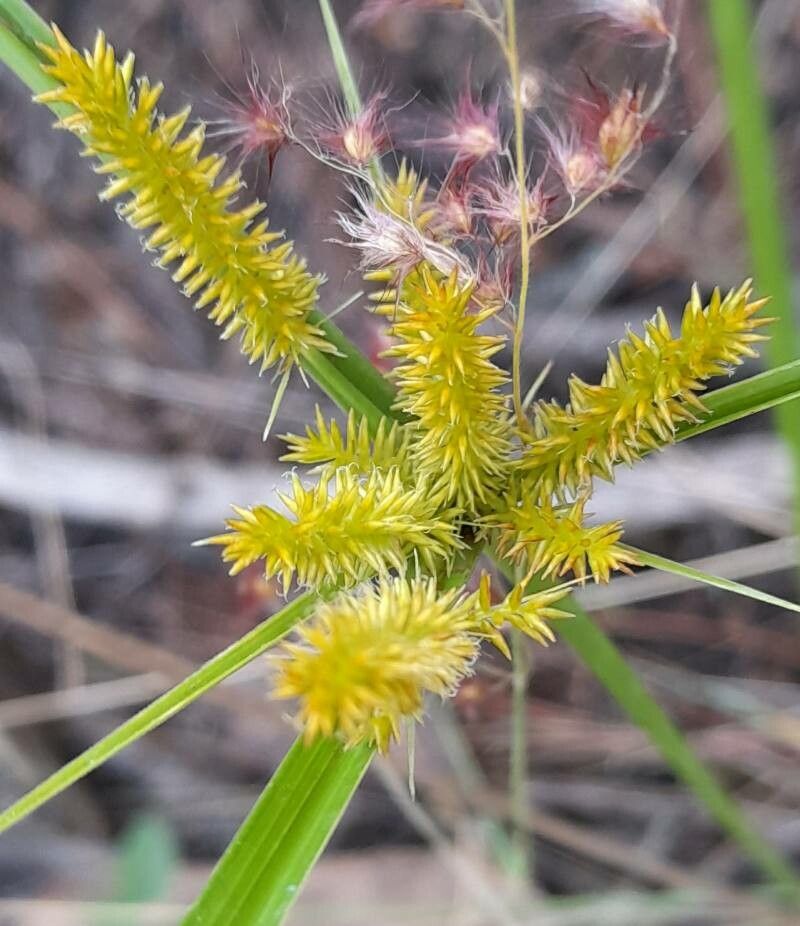
The plant produces small brown flowers that are arranged in clusters at the ends of long stems. These flowers bloom from summer through fall, attracting pollinators such as bees and butterflies.
Cyperus ligularis has several medicinal properties, including anti-inflammatory effects, making it useful for treating conditions such as arthritis. Additionally, its roots have traditionally been used by indigenous communities to treat a variety of ailments, including fever and dysentery.
Overall, Cyperus ligularis is an important wetland species with significant ecological value. It helps stabilize soil erosion along riverbanks and provides habitat for various wildlife species, including birds and insects.
Swamp flatsedge is highly resistant to disease and is generally not susceptible to illnesses. In terms of care, this plant is fairly low maintenance. When planted outdoors it needs minimal watering, and larger plants typically do not require pruning; smaller plants, however, should be pruned after they have bloomed. Swamp flatsedget is suitable for anyone with an outdoor space, such as a garden or deck, and doesn't require a great deal of care experience.
How to keep Cyperus Ligularis.
Light
The swamp flatsedge does best with a moderate amount of sunlight, though it can tolerate a greater amount of sun if required. Native to areas where bright light filters through scattered trees, it has strong resistance to damage from intense light. However, without adequate sun exposure its growth can become stunted and weakened.
Water
Swamp flatsedge, which naturally grows in marshy environments, thrives in conditions of high humidity and moist soil. To keep the soil adequately moist, it needs to be watered twice a week. When grown outdoors, it's important to monitor the soil moisture closely, especially during the growing season, as the plant's need for water increases during this time.
Temperature
Swamp flatsedge comes from tropical areas, where the climate is usually warm and humid. Consequently, it is adapted to high temperatures and humidity. It is sensitive to sudden temperature changes and prefers a steady temperature, so avoiding fluctuations indoors is important. It generally does not tolerate cold and needs warmer conditions to grow. If the ambient temperature falls too low, the plant may stop growing or even die.
Fertilizer
Fertilize swamp flatsedge monthly using a balanced lawn fertilizer at half the recommended strength to ensure healthy growth. During warmer months, you may increase the frequency of fertilization, but in cooler seasons, reduce it accordingly. To aid absorption and prevent root burn, water the plant both before and after applying the fertilizer. Be sure to follow the label instructions carefully, as swamp flatsedge is sensitive to chemicals.
Pruning
Swamp flatsedge flourishes in moist environments and is characterized by its flat blades. To encourage growth and improve airflow, prune away any dead foliage from early to late spring. However, be careful not to over-prune, as this can stress the plant. By trimming strategically, you can promote vigorous growth and improve the plant's overall health and appearance.
Botanical profile.
- Plant Type
- Grass
- Life Cycle
- Perennial, Annual, Biennial
- Genus
- Cyperus
- Family
- Cyperaceae
- Hardiness Zone
- 8-11
- Mature Height
- 0.3 m to 1.22 m
- Mature Spread
- 30 cm to 61 cm
- Leaf Color
- Green, Dark Green
- Leaf Type
- Evergreen
- Flower Color
- Brown
- Flower Size
- 0.76 cm to 1.52 cm
- Bloom Time
- Late spring, Summer, Early fall
- Planting Time
- Spring, Autumn
- Harvest Time
- Mid summer, Late summer, Fall
- Native Area
- Belize, Mexico, Guatemala, Nigeria, Guinea-Bissau, Jamaica, Benin, Cuba, Sierra Leone, Equatorial Guinea, Cameroon, Liberia, Venezuela, Brazil, Ghana, Congo, Honduras, Peru, Guinea, Panama, Colombia, Bahamas, Bolivia, Togo, El Salvador, Senegal, Nicaragua, Guyana, Ecuador, Costa Rica, Côte d'Ivoire, Gambia, Congo (DRC)
Other names.
Reader questions.
What are the sunlight requirements for Swamp flatsedge?
Swamp flatsedge thrives under partial to full sun conditions, requiring about 3-6 hours of sunlight daily for partial sun and more than 6 hours of sunlight for full sun. It's adapted to environments with vibrant light but can withstand intense light without significant damage. However, insufficient sunlight can stunt growth and weaken the plant. Observing the movement of sunlight through your garden helps in choosing spots with the ideal balance of light and shade, ensuring the plant's well-being.
How can artificial lighting benefit Swamp flatsedge indoors?
When natural sunlight is insufficient, especially during winter or in less sunny spaces, artificial lighting serves as an essential solution for Swamp flatsedge. Optimal growth is achieved with adequate lighting, where LED lights are preferred for their ability to provide specific wavelengths needed by the plant. The requirements vary based on the type of plant: full sun plants need 30-50W/sq ft, partial sun plants require 20-30W/sq ft, and full shade plants need 10-20W/sq ft of artificial light. The correct positioning (12-36 inches above the plant) and duration (8-12 hours per day) of the light source are crucial to mimic natural sunlight conditions.
What are signs of insufficient light in Swamp flatsedge?
When Swamp flatsedge is grown indoors with inadequate light, several symptoms may manifest, including smaller new leaves, leggy or sparse growth, and faster leaf drop. These signs indicate the plant's struggle to conserve resources and maintain growth without sufficient sunlight. Additionally, slower or no new growth, lighter-colored new leaves, chlorosis, sunscald, leaf curling, wilting, and leaf scorching are potential issues. These symptoms highlight the negative impact of both insufficient and excessive sunlight on the plant’s health.
How can you address light-related issues with Swamp flatsedge?
To optimize Swamp flatsedge growth, gradually exposing the plant to increasing amounts of sunlight, ideally 3-6 hours daily, can be beneficial for adaptation to changing light conditions. For indoor plants that are large or hard to move, providing additional light through artificial sources like desk or ceiling lamps for at least 8 hours a day, or investing in professional plant grow lights, is advisable. Outdoors, moving plants to sunnier spots gradually helps avoid sunburn. For ground plants, reducing obstructions by pruning or transplanting during the dormant period can improve sunlight access. Note that while parts of the plant affected by insufficient sunlight may not fully recover, new growth can be healthy with better light conditions.