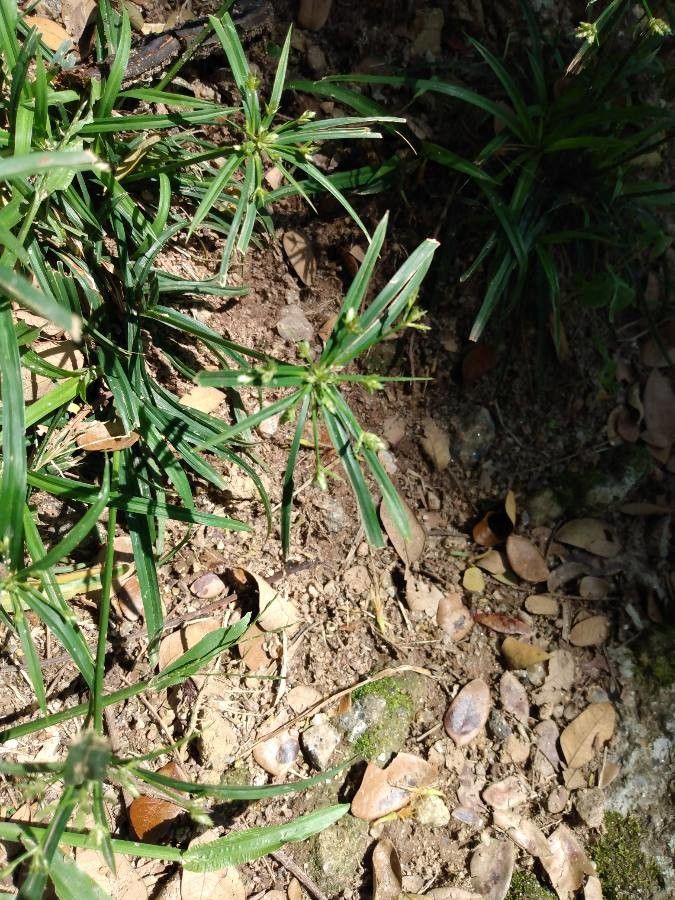
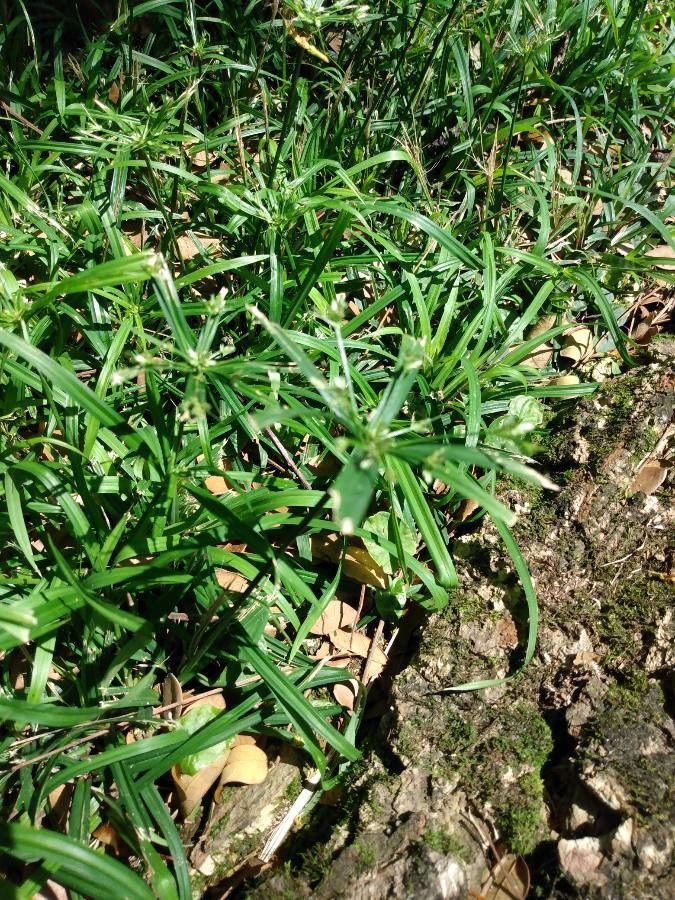
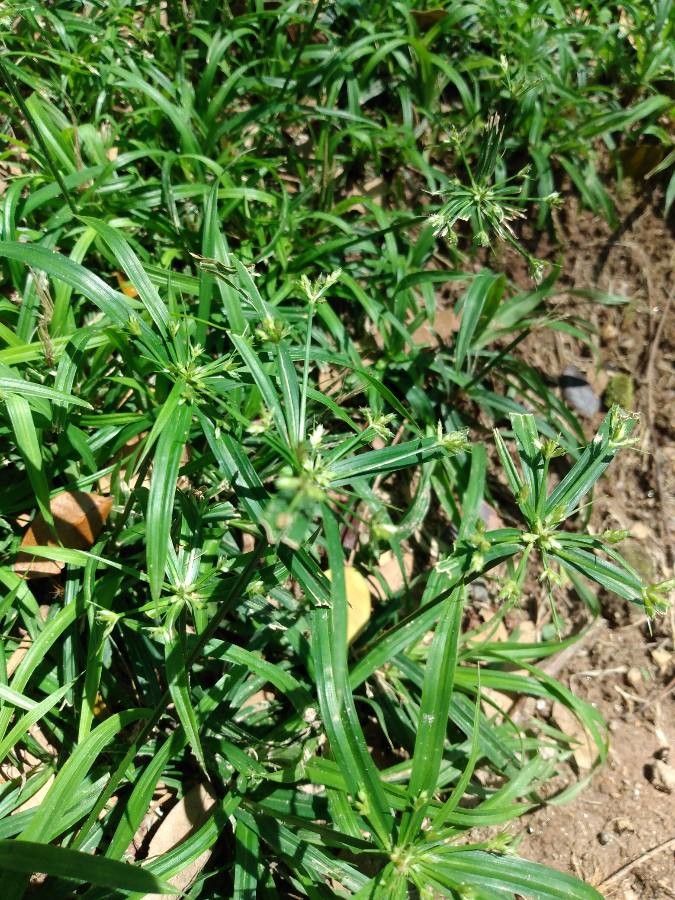
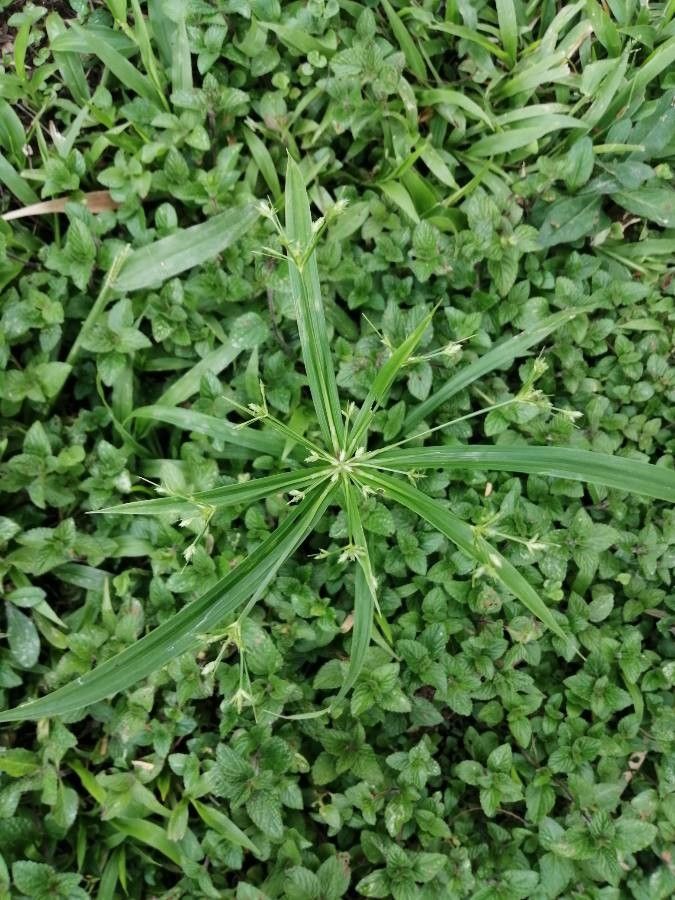
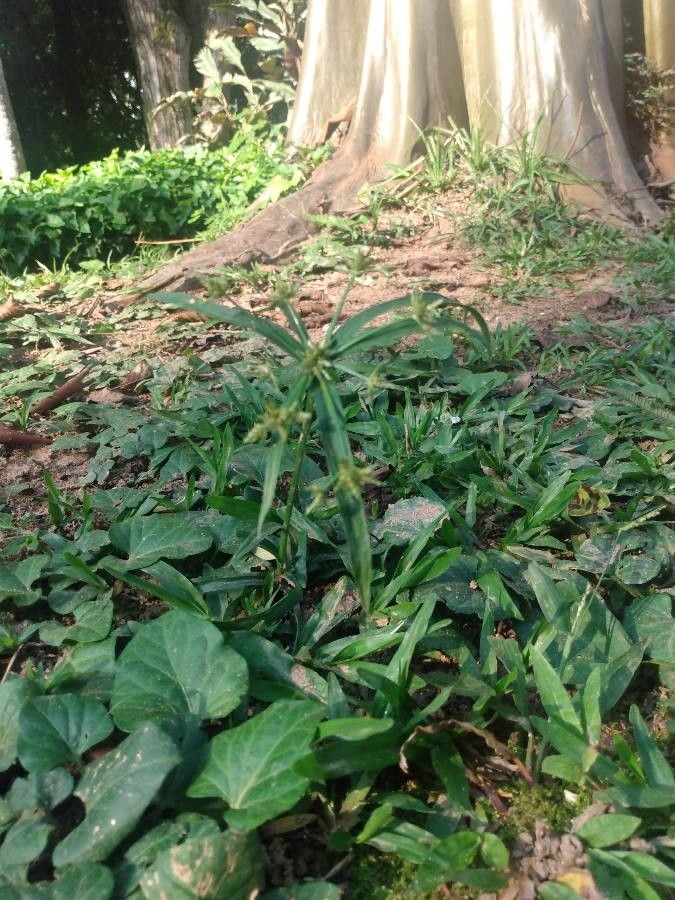
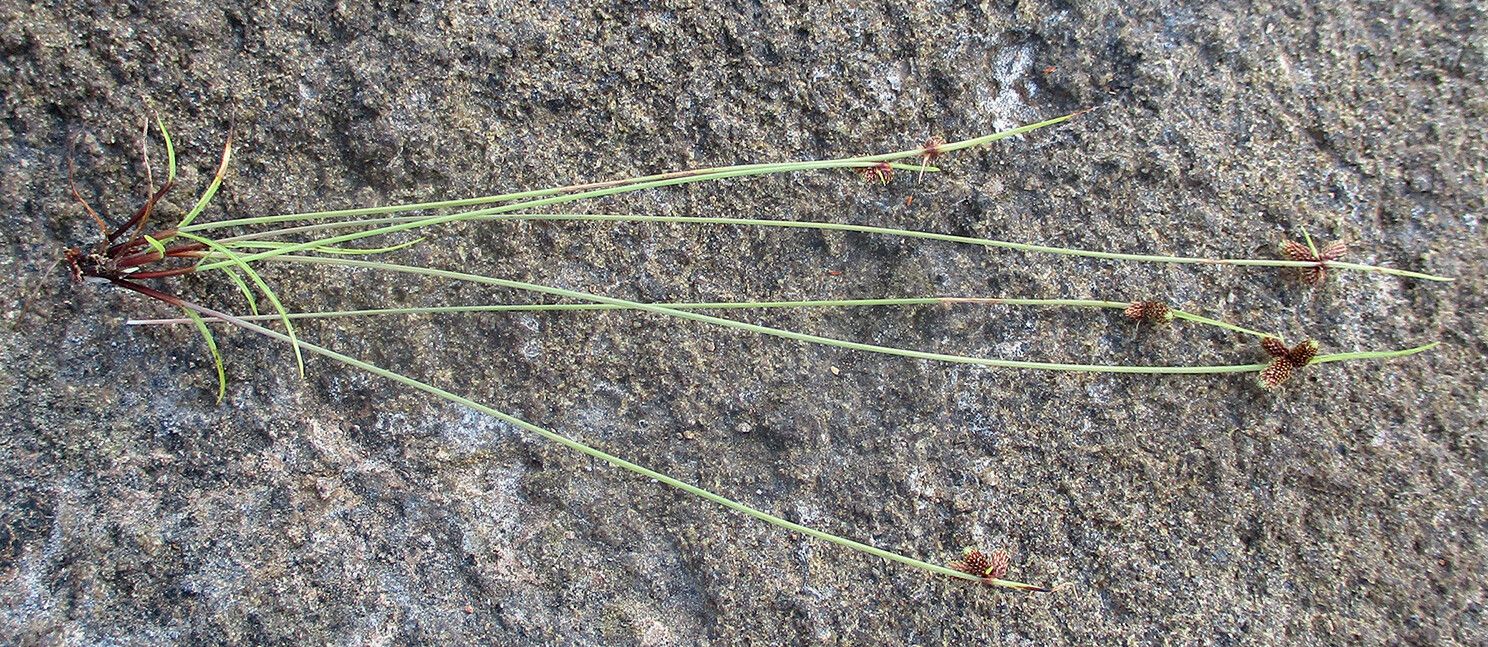
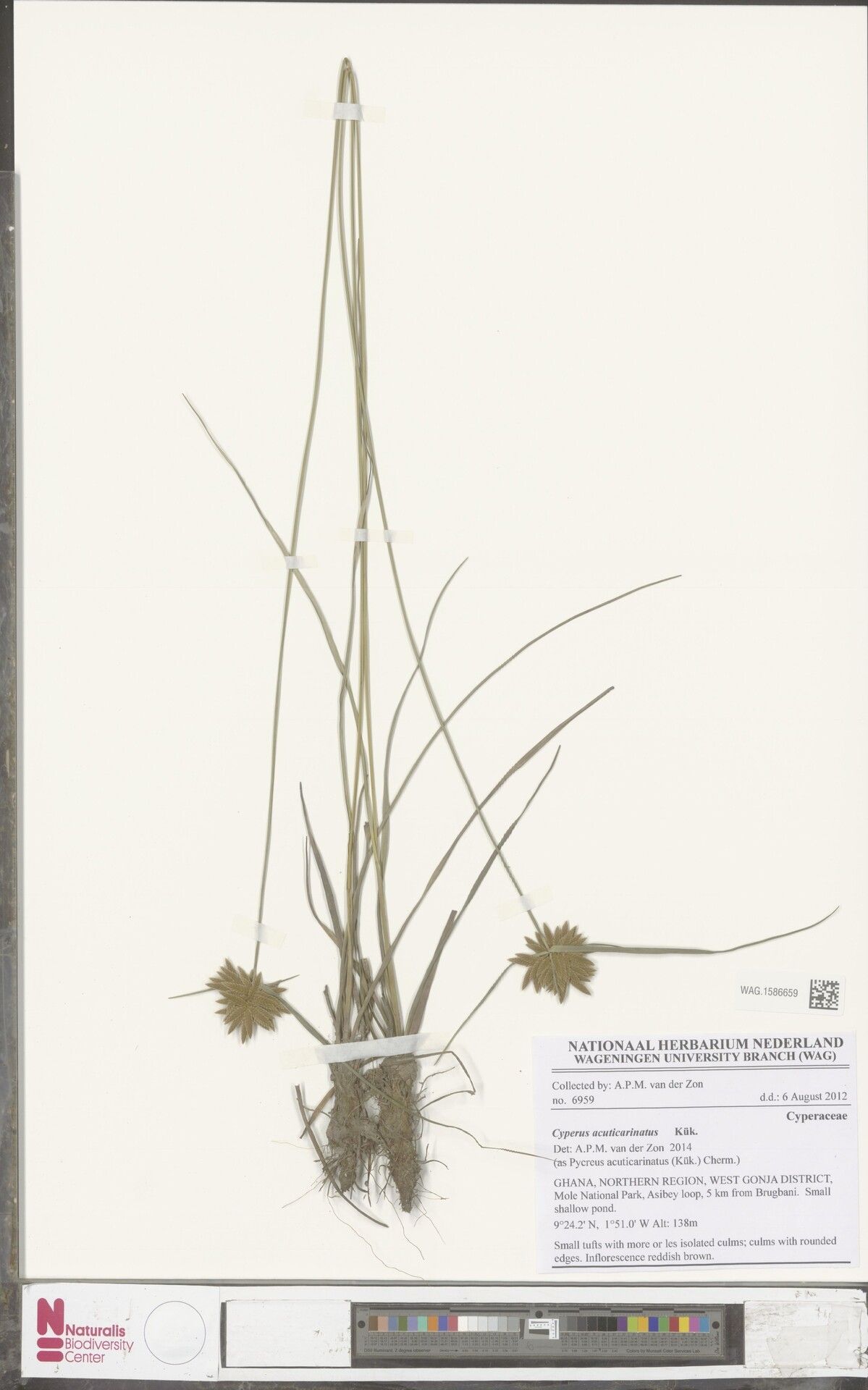
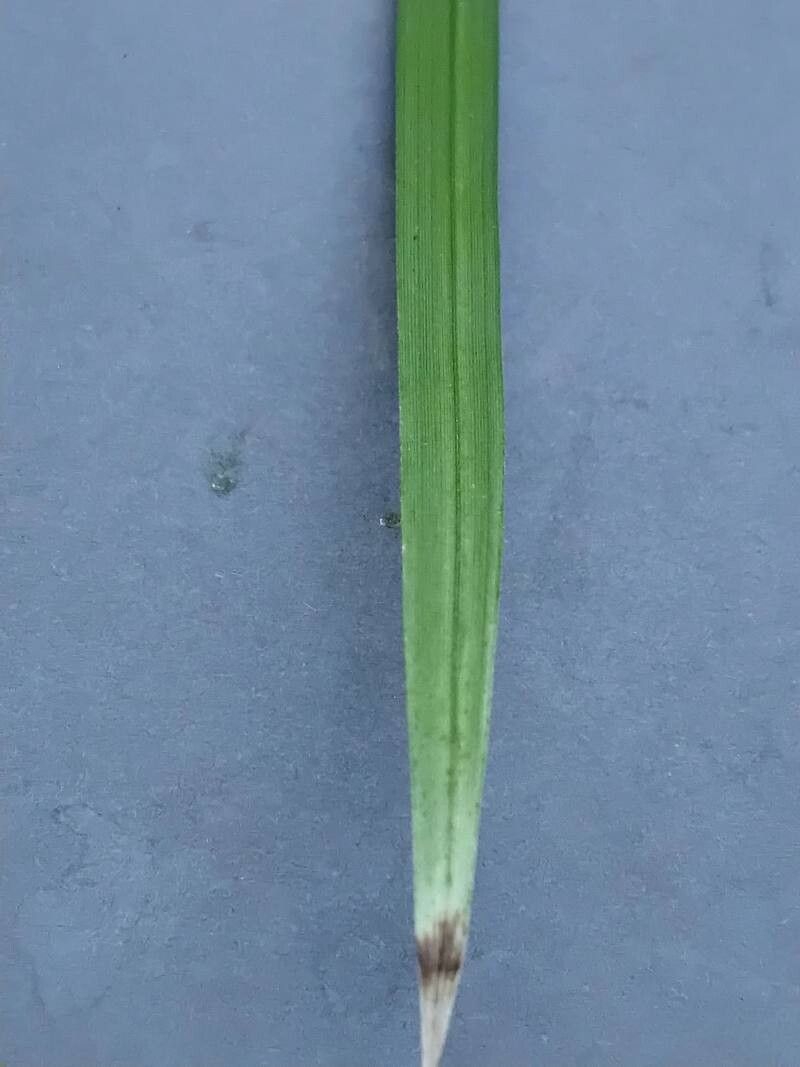
Cyperus laxus is a sedge species in the Cyperaceae. It is native to tropical regions of the Western Hemisphere (from central Mexico and the West Indies south to Argentina) and also to Africa (from Liberia to Zimbabwe and Tanzania). The species is reportedly naturalized in Assam and the Andaman and Nicobar Islands.
Slender cyperus is resistant to disease and typically not susceptible to illnesses. Regarding care, this plant is fairly low-maintenance. Outdoors it needs only light watering, and larger specimens usually do not require pruning. Smaller ones, however, should be trimmed after they finish blooming. Slender cyperus is suitable for anyone with an outdoor area, such as a garden or deck, and does not demand extensive care experience.
How to keep Cyperus Laxus.
Light
Slender cyperus favors sites that receive abundant sunlight during the day, but it can also do well where the light is somewhat filtered. Excessive exposure can scorch its leaves, while too little light may cause weak growth. Its native habitat clearly reflects this relationship with light.
Temperature
Slender cyperus comes from tropical areas, where the weather is typically warm and humid. As a result, it is well suited to high temperatures and moisture. It does not tolerate sudden temperature shifts and prefers a stable thermal environment, so it’s important to prevent temperature fluctuations indoors. It generally cannot withstand cold and requires warmer conditions for growth. If the surrounding temperature falls too low, the plant may stop growing or even die.
Fertilizer
For the thin cyperus to flourish, it needs extra nutrients to encourage robust new growth. During the spring season, adding some compost around the plant's base can supply the vital nutrients it requires. Using plant food aids in boosting strong growth, and it also assists the plant in fending off diseases and pests.
Botanical profile.
- Plant Type
- Grass
- Life Cycle
- Perennial
- Genus
- Cyperus
- Family
- Cyperaceae
- Hardiness Zone
- 9-11
- Mature Height
- 0.4 m to 1.07 m
- Mature Spread
- 30 cm to 61 cm
- Leaf Color
- Green
- Leaf Type
- Deciduous
- Flower Color
- Green, Red
- Flower Size
- 0.20 cm to 0.25 cm
- Bloom Time
- Summer, Early fall, Mid fall
- Planting Time
- Summer, Autumn, Winter
- Harvest Time
- Late summer, Fall, Early winter
- Native Area
- Sri Lanka, Burkina Faso, Somalia, India, Malaysia, Angola, Madagascar, Rwanda, Kenya, Uganda, Tanzania, Zimbabwe, Jamaica, Mali, Benin, Sierra Leone, Indonesia, Cambodia, Equatorial Guinea, Liberia, Mozambique, Venezuela, Cameroon, Brazil, Burundi, Ghana, Ethiopia, Botswana, Congo, Nepal, Malawi, Central African Republic, Honduras, Peru, South Africa, Zambia, Sudan, Philippines, Guinea, China, Colombia, Vietnam, Myanmar, Japan, Togo, Guyana, Senegal, Eswatini, Singapore, Nicaragua, Ecuador, Côte d'Ivoire, Bhutan, Congo (DRC), Thailand, Gabon
Other names.