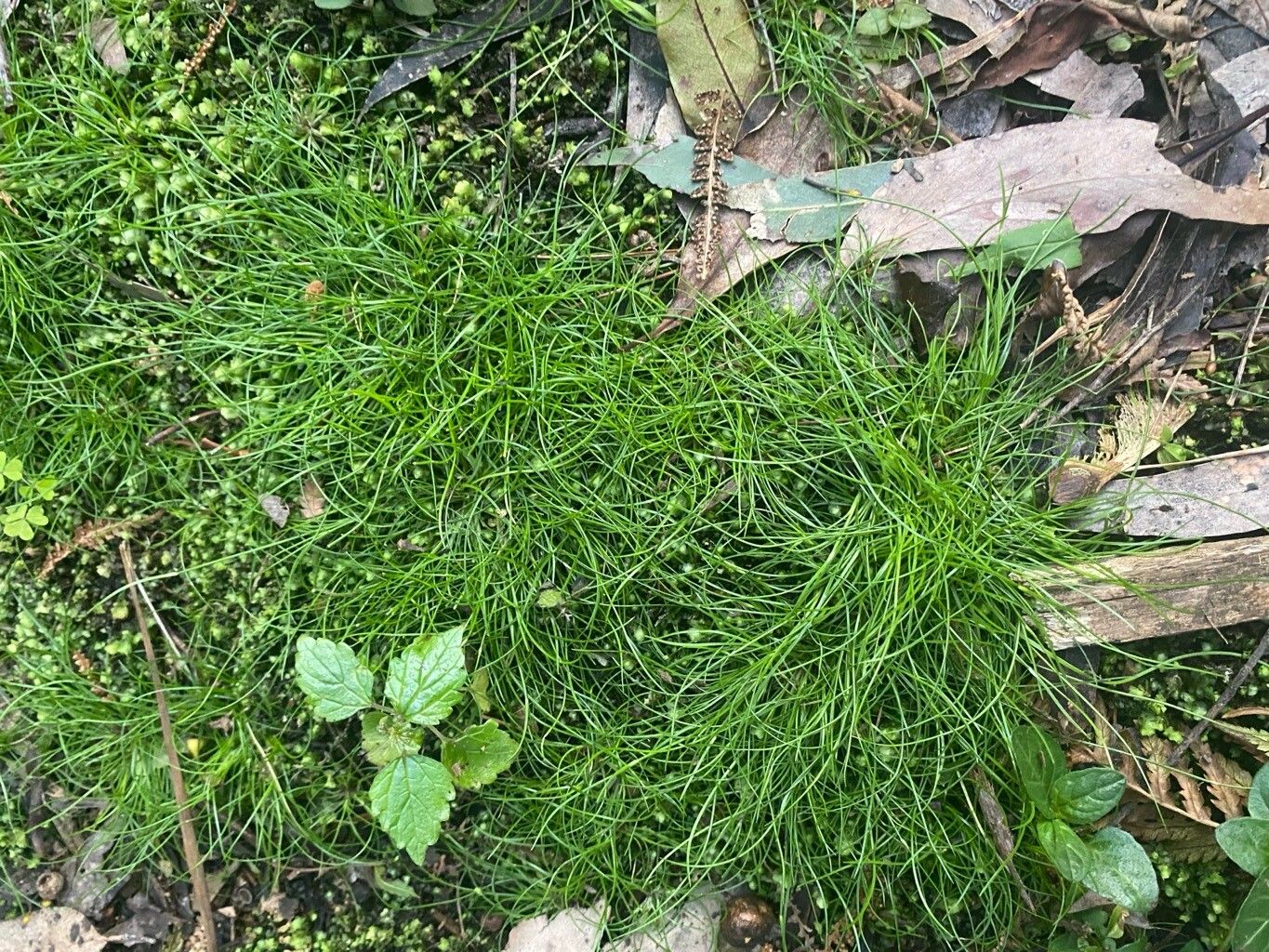
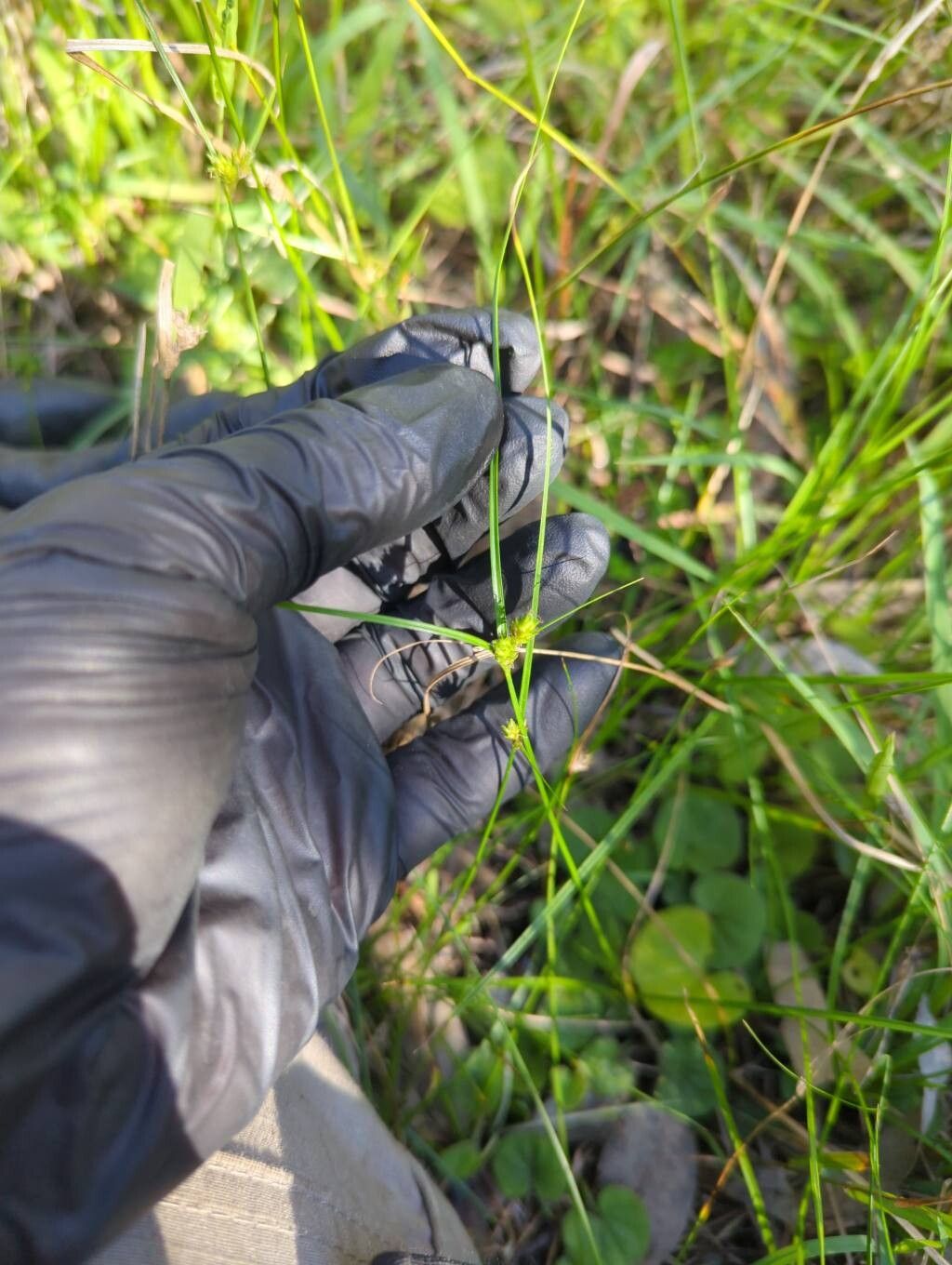
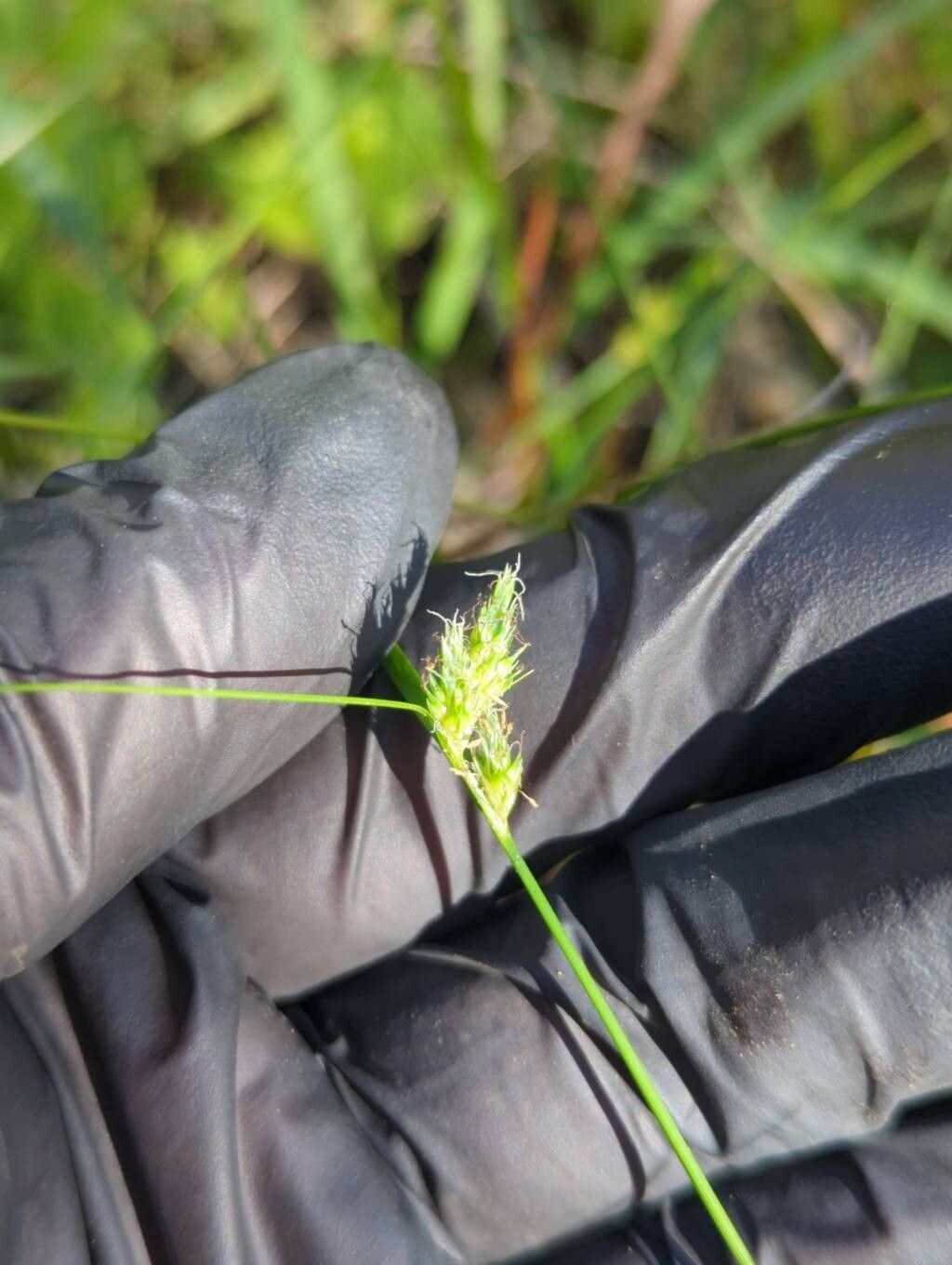
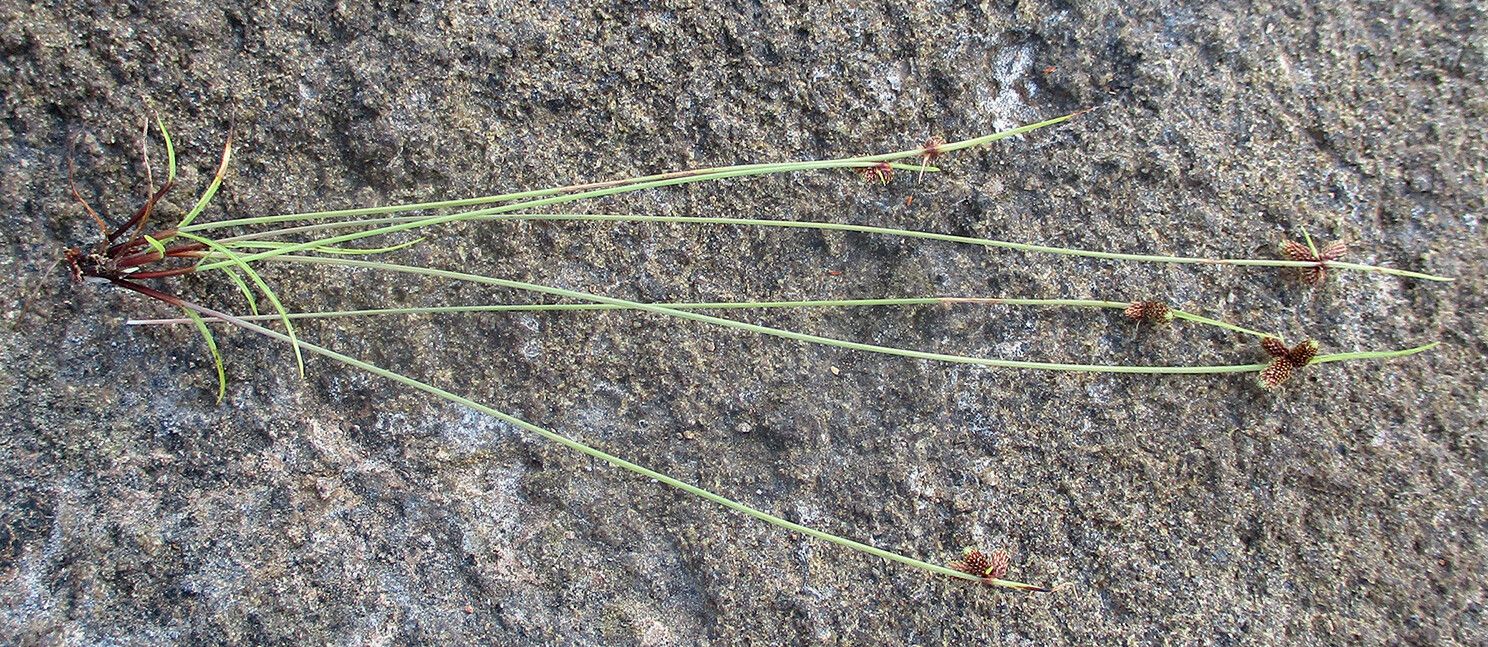
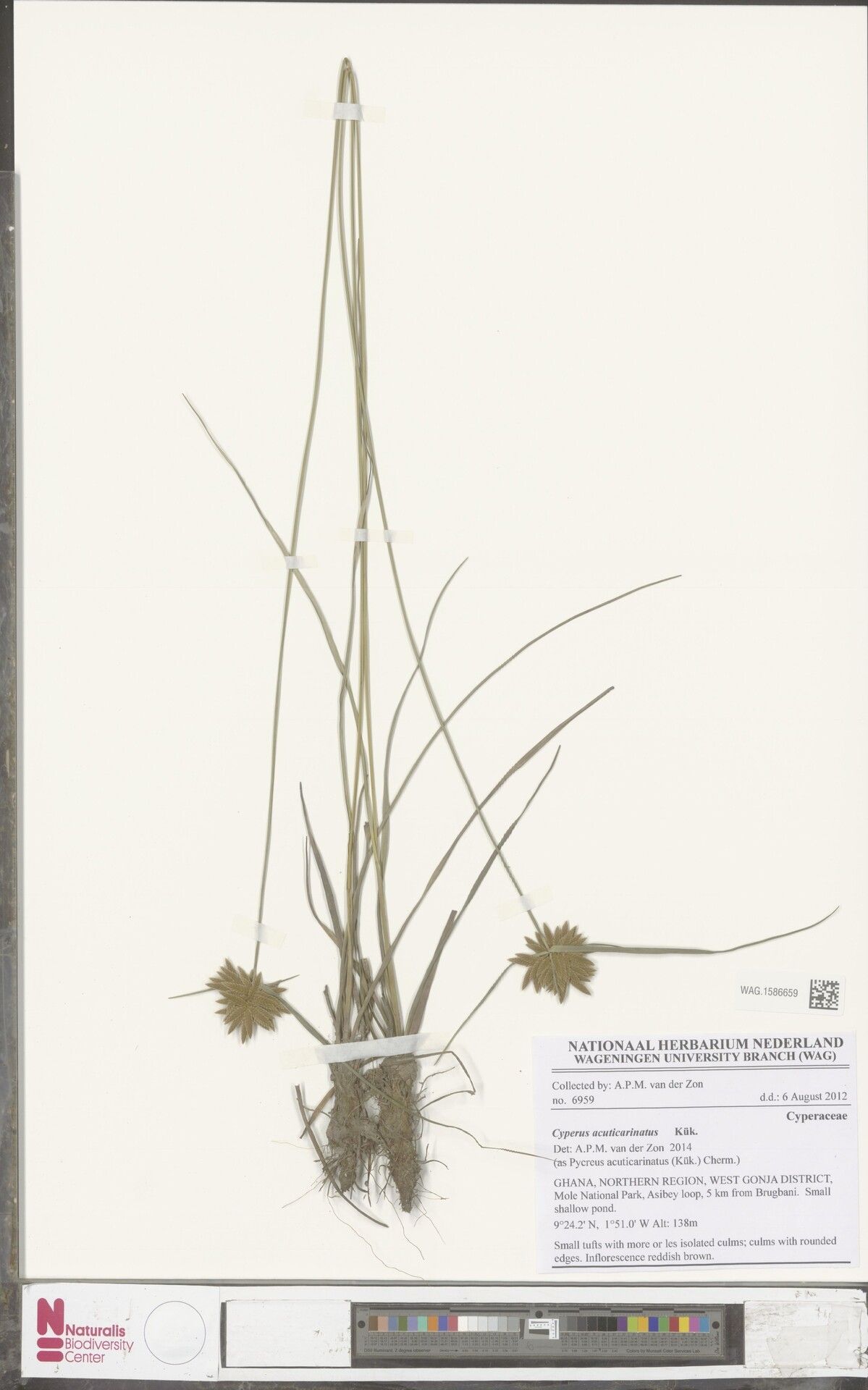
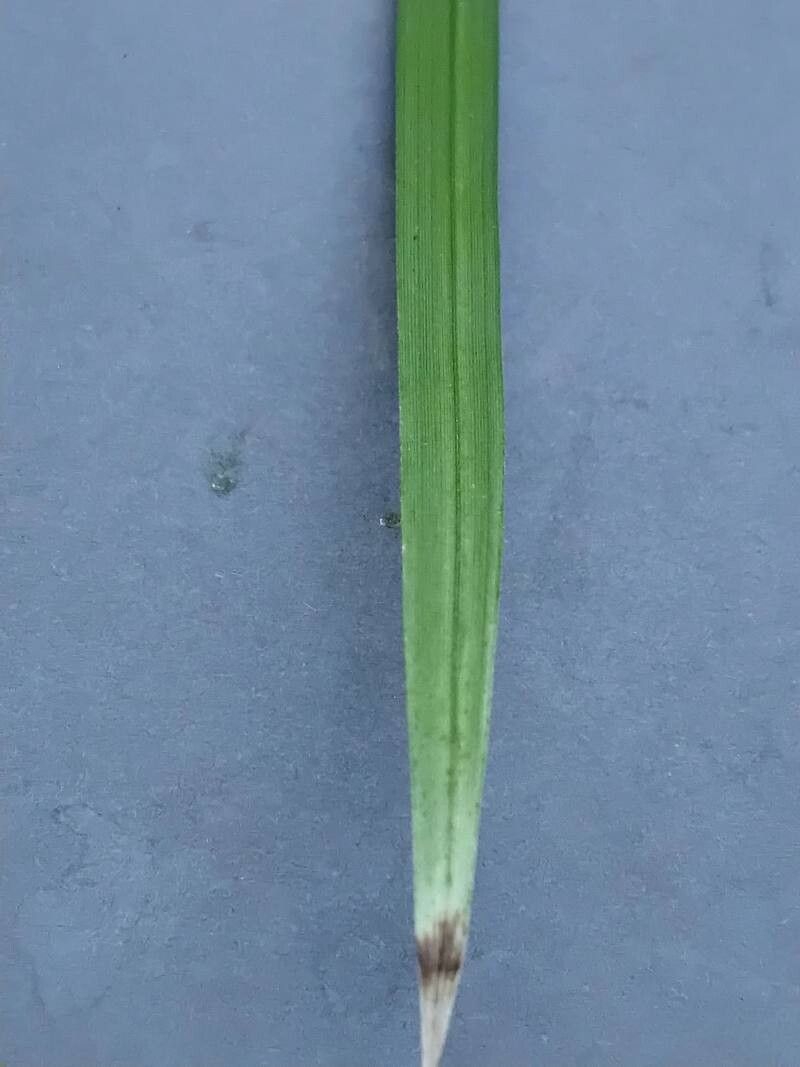
Cyperus gracilis, commonly known as slender flat sedge and slimjim flatsedge, is a species of sedge native to Australia. The species epithet gracilis refers to the graceful form of the leaves.
Yellow nutsedge is fairly resistant to disease and usually does not suffer from illnesses. However, it can be affected by pests and diseases present in its surroundings. These issues tend to be mild. In terms of care, the plant requires moderate maintenance. It should be pruned regularly to maintain an attractive appearance and healthy growth. Fertilizing can also help encourage flowering. Yellow nutsedge is suitable for people with outdoor spaces like a garden or patio and does not demand extensive care experience. It may need more attention when grown indoors.
How to keep Cyperus Gracilis.
Light
The yellow nutsedge thrives under widespread exposure to sunlight, a condition that significantly aids its robust growth. It is native to areas characterized by ample sunlight, but can also adapt to settings with moderate light exposure. Nevertheless, excessive or inadequate light exposure could potentially hamper its growth.
Temperature
Yellow nutsedge is indigenous to areas with a temperature range of 59 to 95 °F (15 to 35 ℃). These conditions are optimal for its growth, but with meticulous seasonal care, it can adapt to different temperatures.
Fertilizer
Typically, a lone application of fertilizer in spring is enough for Yellow nutsedge. However, to boost growth, it can be fed multiple times. This should be done every four to six weeks. The benefits of fertilization are enhanced leaf look and capability, which leads to a uniform color and robust texture. It also encourages the growth of roots and the intake of nutrients, contributing to the overall well-being of the plant in the long run.
Botanical profile.
- Plant Type
- Herb
- Life Cycle
- Perennial
- Hardiness Zone
- 8-10
- Mature Height
- 91 cm
- Mature Spread
- 5 cm to 13 cm
- Leaf Color
- Green, Yellow, Gold
- Leaf Type
- Deciduous
- Flower Color
- Yellow, Brown
- Flower Size
- 0.08 cm to 0.23 cm
- Bloom Time
- Early summer, Mid summer
- Planting Time
- Spring
- Harvest Time
- Mid summer, Late summer
- Native Area
- Burkina Faso, Libya, Belize, India, Turkey, Guatemala, Madagascar, Pakistan, Nigeria, Croatia, Guinea-Bissau, Uganda, Tanzania, Benin, Sierra Leone, Indonesia, Cameroon, Mozambique, Ethiopia, Central African Republic, Portugal, Saudi Arabia, Malawi, Tunisia, Honduras, Peru, Bulgaria, Cyprus, Laos, Panama, Chad, Lebanon, Colombia, Afghanistan, Italy, Togo, El Salvador, Senegal, Eswatini, Côte d'Ivoire, Ecuador, Azerbaijan, Gambia, Costa Rica, Congo (DRC), Somalia, Egypt, Lesotho, Namibia, Rwanda, Eritrea, Yemen, Kenya, Niger, Jamaica, Zimbabwe, Mali, Cambodia, Equatorial Guinea, Liberia, Burundi, Venezuela, Brazil, Ghana, Botswana, France, Nepal, Congo, South Africa, Sudan, Mauritania, Zambia, Greece, Guinea, Bahamas, Spain, Bolivia, Vietnam, Myanmar, Nicaragua, Albania, Algeria, Hungary
Other names.