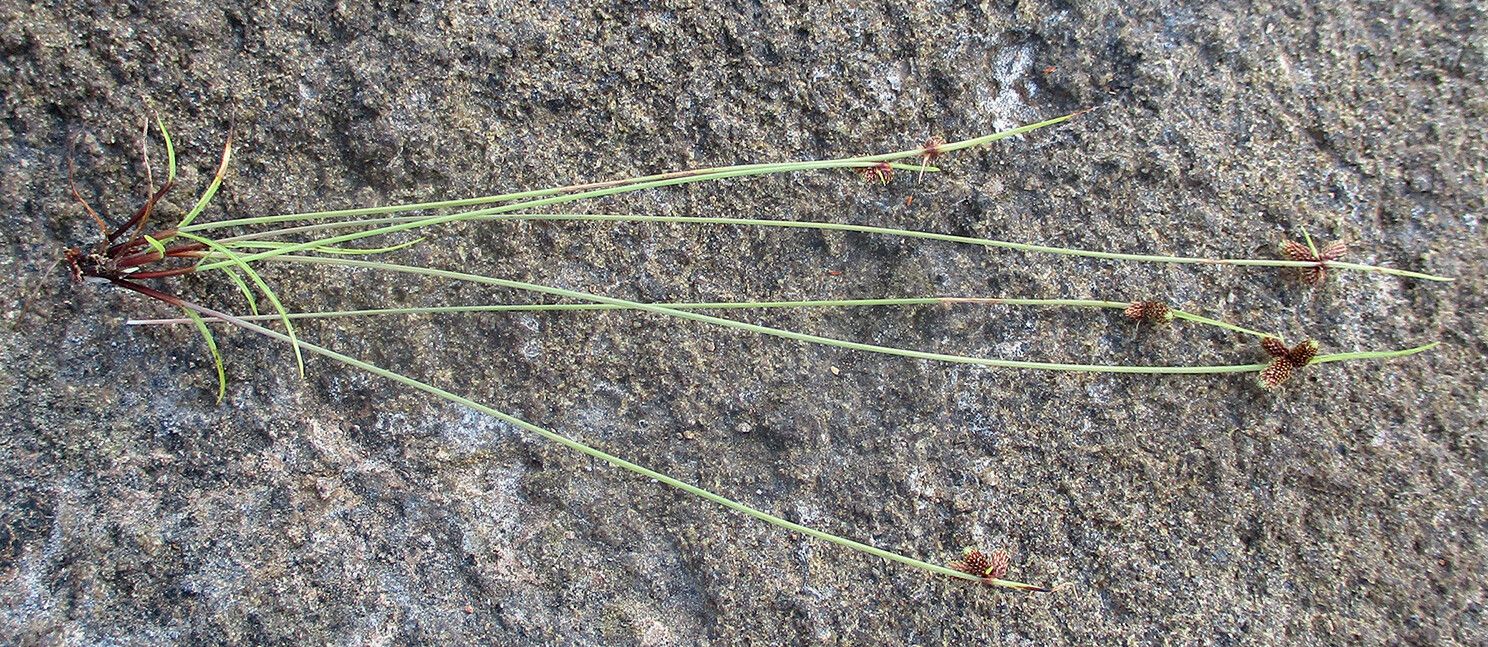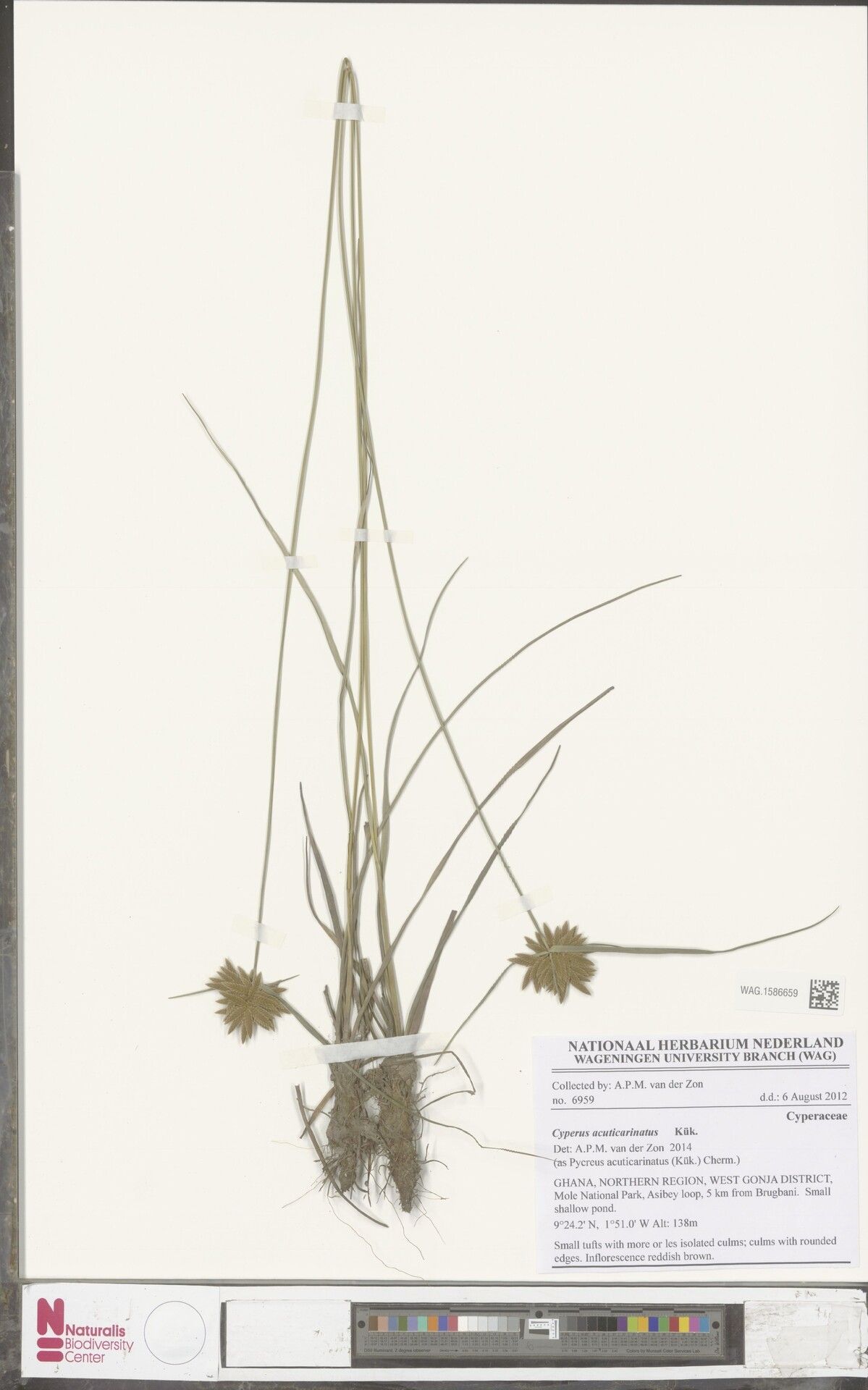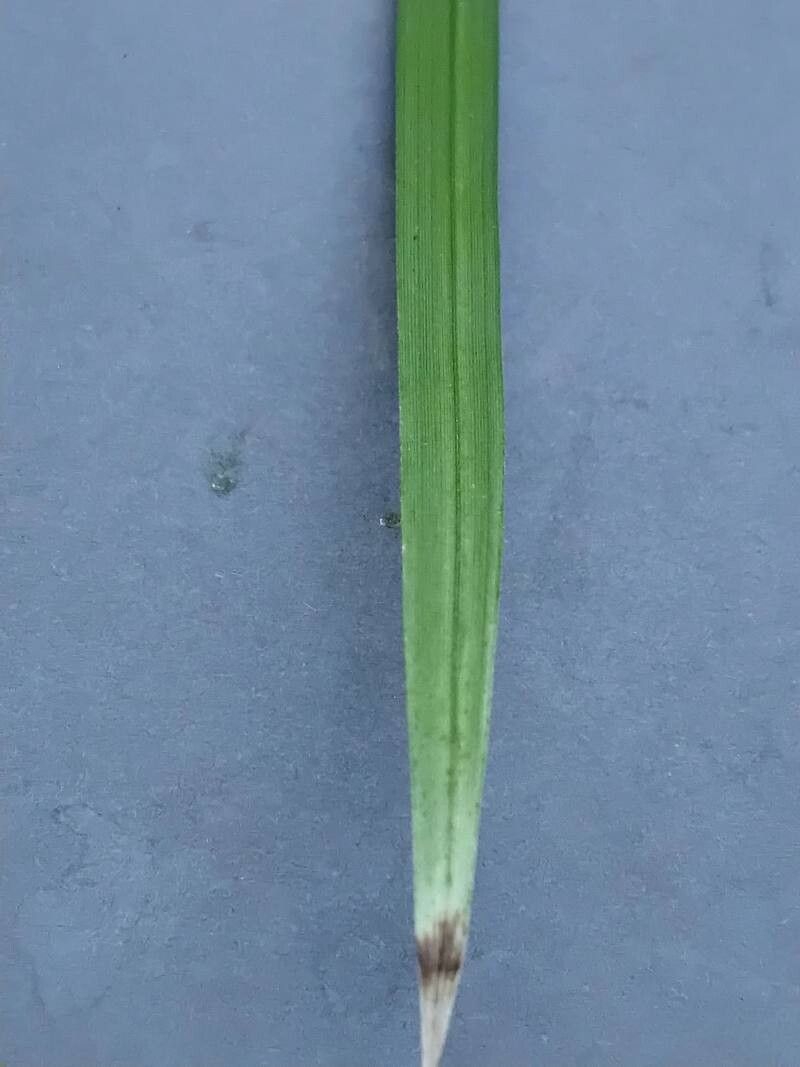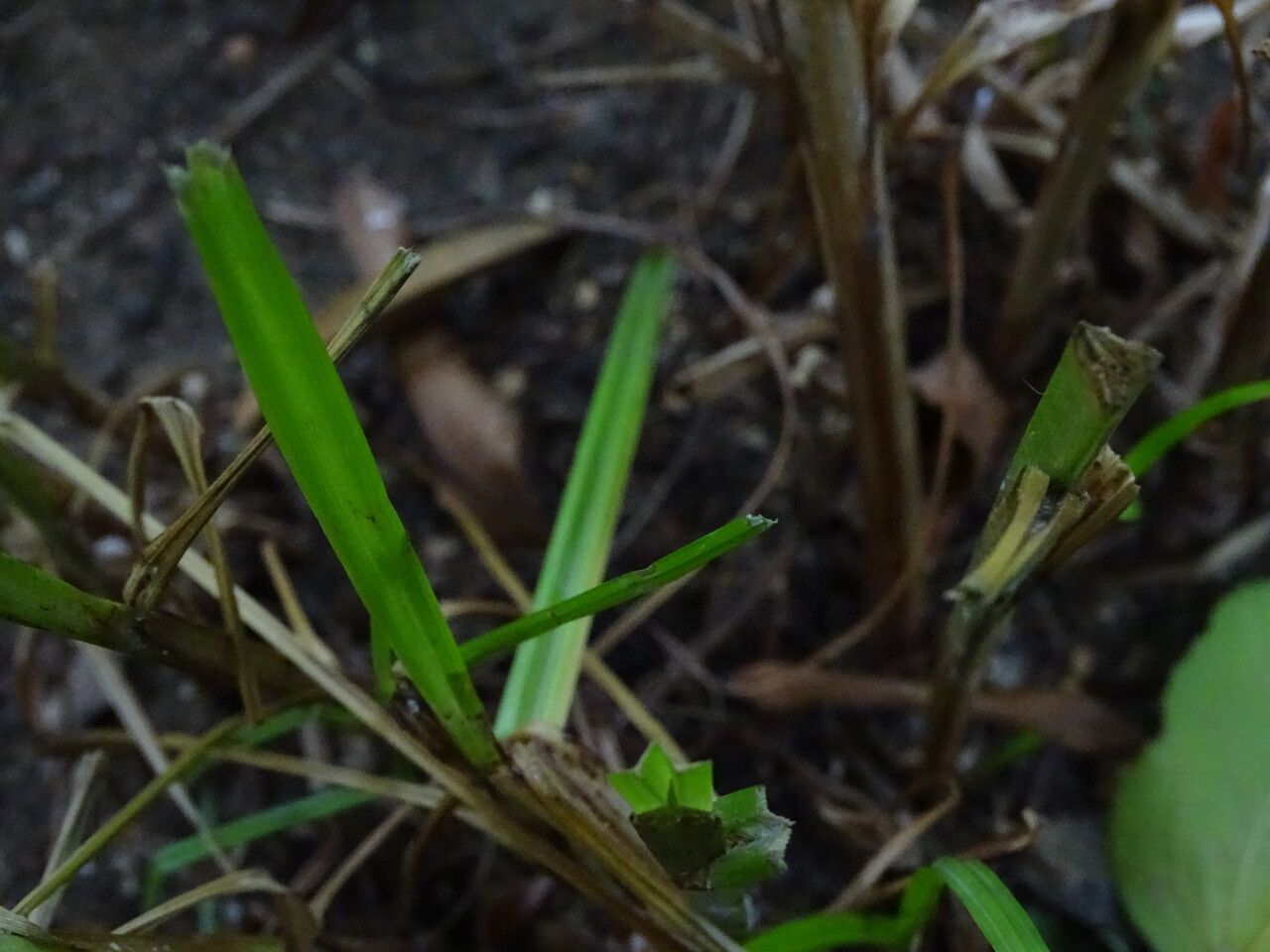
Cyperus distans, also known as slender cyperus, is a species of sedge native to tropical and subtropical wetlands in sub-Saharan Africa, Asia (India, Indochina, China, Indonesia, Philippines, etc.), Madagascar, New Guinea, Australia, Latin America (from Mexico to Argentina), the West Indies, the southeastern United States (Florida, Georgia, North Carolina) and various oceanic islands.
Strawcolored flatsedge resists disease well and is typically not susceptible to illnesses. Regarding care, this species is fairly low-maintenance. When grown outdoors it needs little watering, and mature specimens usually do not require pruning. Smaller specimens, however, should be trimmed after they have finished blooming. Strawcolored flatsedget is appropriate for anyone with an outdoor area, such as a garden or deck, and does not demand extensive care experience.
How to keep Cyperus Distans.
Light
Strawcolored flatsedge performs best with continuous, full-day sunlight. It can also withstand moderate amounts of light. Light has a strong effect on its growth, reflecting its origin in open, unobstructed fields. Both excessive and insufficient sunlight can harm its health.
Water
Slender cyperus flourishes in the moist soils commonly found in wetlands and prefers high humidity. While it can tolerate moderate drought, it requires weekly watering to stay healthy. This plant is best grown outdoors in areas that mimic its natural wet habitat for optimal growth conditions.
Temperature
Strawcolored flatsedge is native to habitats that experience a range of temperatures. It tolerates temperatures from 41 to 95 ℉ (5 to 35 ℃). In cooler conditions it may alter its growth patterns to conserve energy. In warmer conditions it may require extra watering to prevent dehydration and sustain growth.
Fertilizer
Strawcolored flatsedge needs extra nutrients to encourage healthy new growth. In spring, putting compost around the base of the plant will effectively supply the nutrition it requires. Fertilizing supports vigorous growth and helps the plant resist diseases and pests.
Pruning
To maintain the ideal shape and encourage healthy growth, slender cyperus should be pruned regularly, preferably in early spring. Remove any dead stems and thin out the plant to improve air circulation and prevent overcrowding and disease. By following these steps, you can promote robust and attractive growth throughout the growing season.
Botanical profile.
- Plant Type
- Grass
- Life Cycle
- Perennial
- Genus
- Cyperus
- Family
- Cyperaceae
- Hardiness Zone
- 4-9
- Mature Height
- 61 cm
- Mature Spread
- 30 cm
- Leaf Color
- Green
- Leaf Type
- Deciduous
- Flower Color
- Yellow, Green
- Flower Size
- 1.02 cm to 4.06 cm
- Bloom Time
- Early summer, Mid summer
- Planting Time
- Spring, Summer
- Harvest Time
- Mid summer, Late summer
- Native Area
- Mexico, Cuba
Other names.
Reader questions.
What are the sunlight requirements for Slender Cyperus?
Slender Cyperus thrives best in full sun, requiring more than 6 hours of sunlight daily, but it can also grow in partial sun, with about 3-6 hours of sunlight. It's important to monitor how sunlight moves through your garden, ensuring you place your plants in spots that provide the right balance of light and shade to match their needs.
Can Slender Cyperus adapt to different light conditions?
Yes, Slender Cyperus has a natural affinity for abundant sunlight but can also thrive in areas where sunlight is filtered. Overexposure to sun can cause leaf scorch, while not enough light may result in weak growth. This plant’s adaptability to light conditions is rooted in its natural habitat, highlighting the importance of providing the right light levels for optimal growth.
How do I use artificial lighting for my indoor Slender Cyperus?
For indoor Slender Cyperus, adequate lighting is crucial, especially when natural sunlight is lacking. Artificial lights, like LED lamps tailored to provide specific wavelengths, can promote healthier growth. Full sun plants need 30-50W/sq ft of light, partial sun plants require 20-30W/sq ft, and shade plants need 10-20W/sq ft. Position the light source 12-36 inches above your plant and mimic natural daylight hours by keeping the lights on for 8-12 hours per day.
What are the symptoms of inadequate lighting for Slender Cyperus?
Symptoms of light deficiency in Slender Cyperus include smaller new leaves, leggy or sparse growth, early leaf drop to conserve resources, slower or no new growth, paler new leaves, chlorosis or yellowing due to chlorophyll breakdown, sunscald from intense light exposure, leaf curling as a defense mechanism against excessive light, wilting from increased water loss, and leaf scorching characterized by brown, dry edges on leaves.
How can I remedy the light-related issues of Slender Cyperus?
To improve light conditions for Slender Cyperus, gradually increase its exposure to sunlight by moving it closer to a south-facing window or a sunnier outdoor spot each week, aiming for at least 6 hours of direct light daily. Use curtains to manage light intensity and consider providing additional artificial light if the plant is too large to move. Outdoor plants should be transitioned cautiously to prevent sunburn. If your plant has suffered from light deficiency, focus on encouraging healthy new growth.