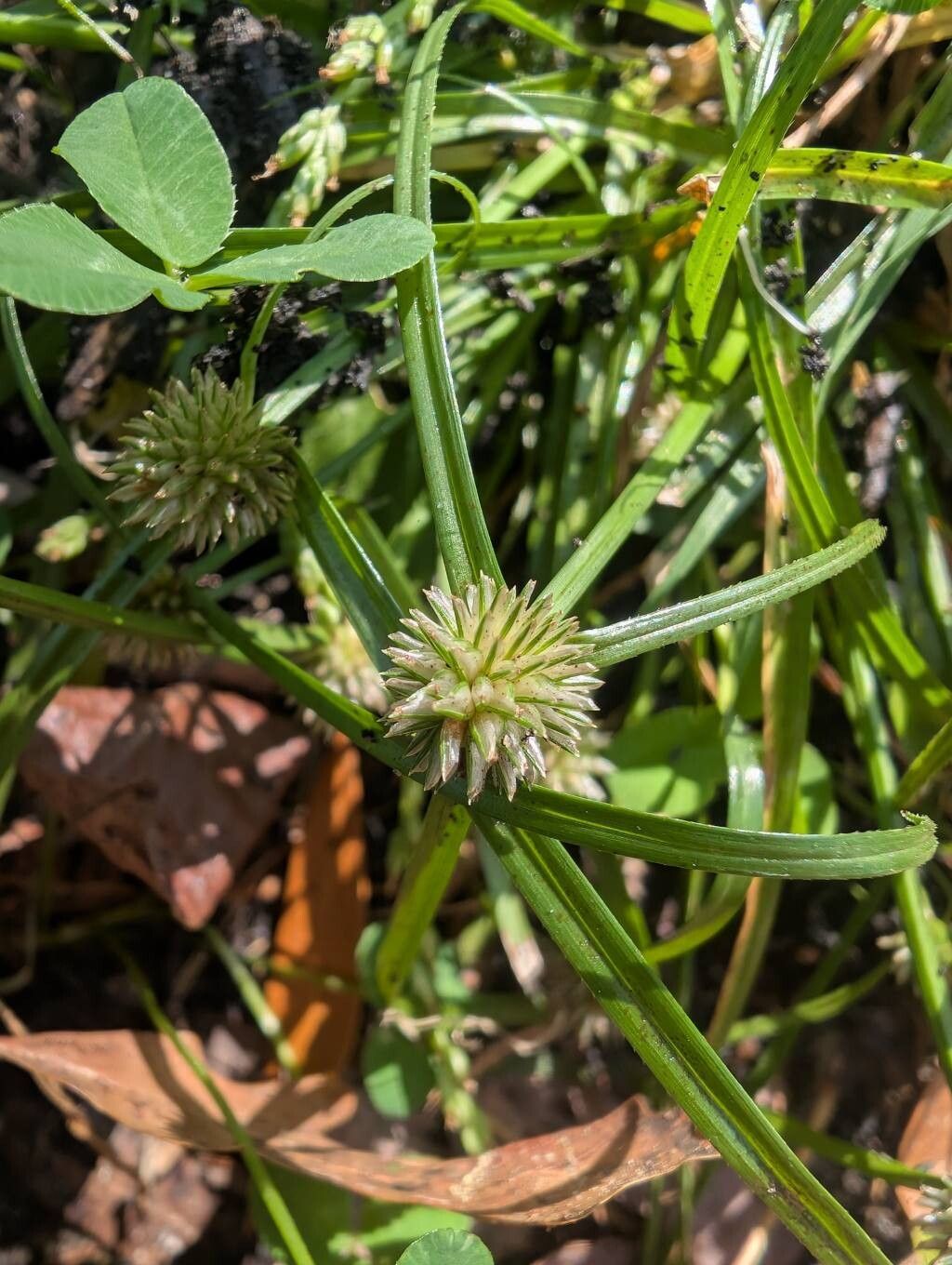
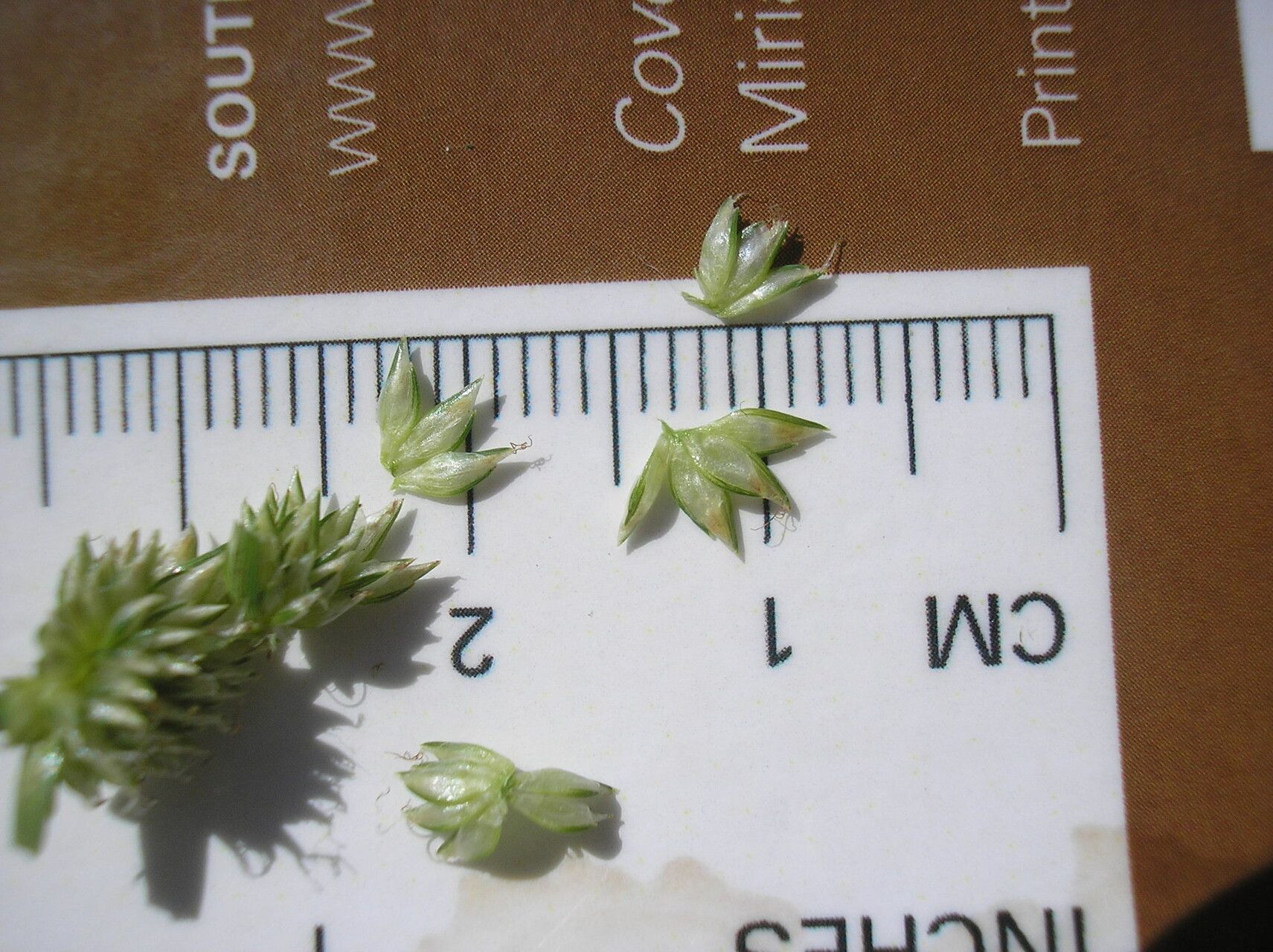
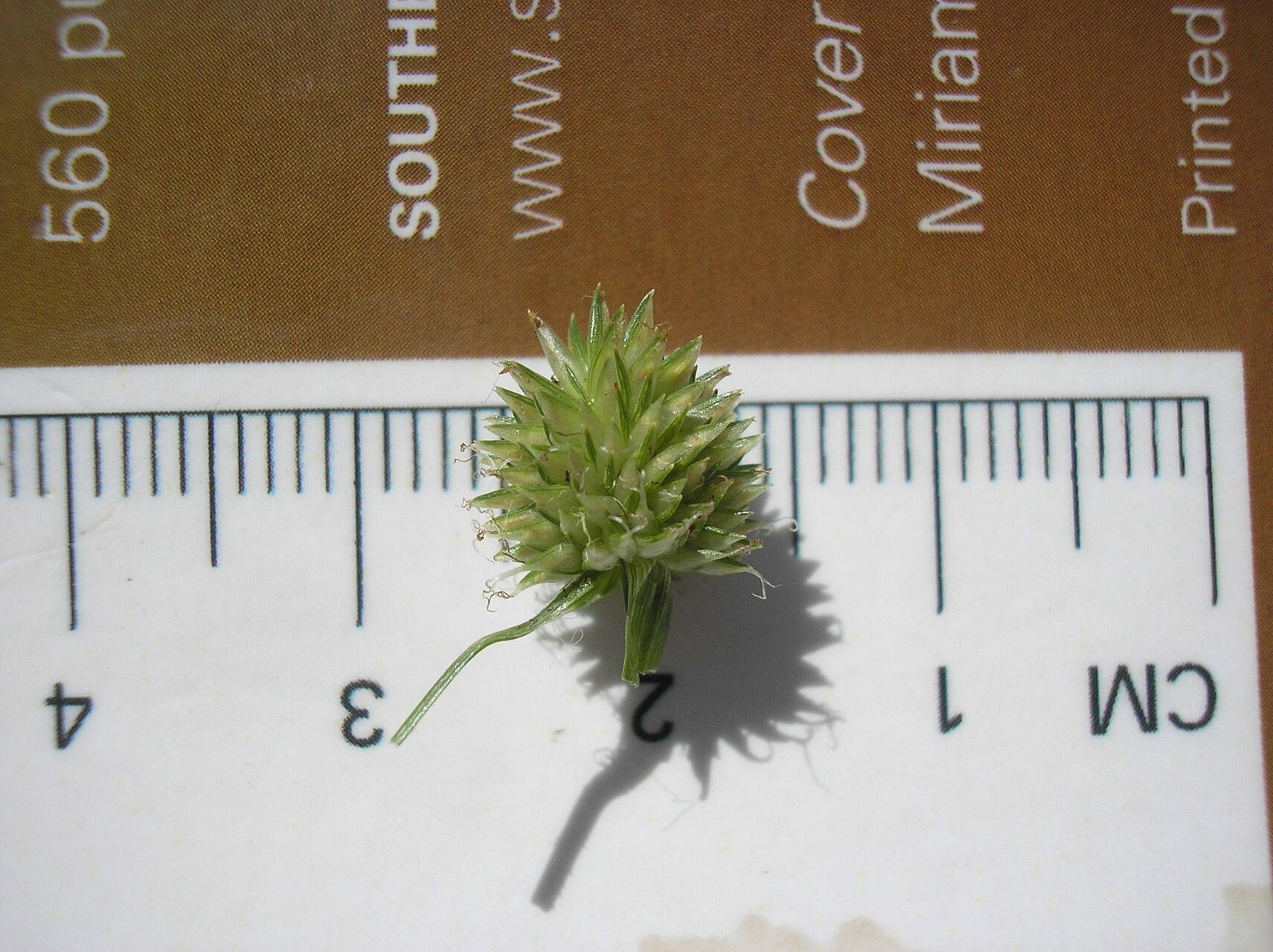
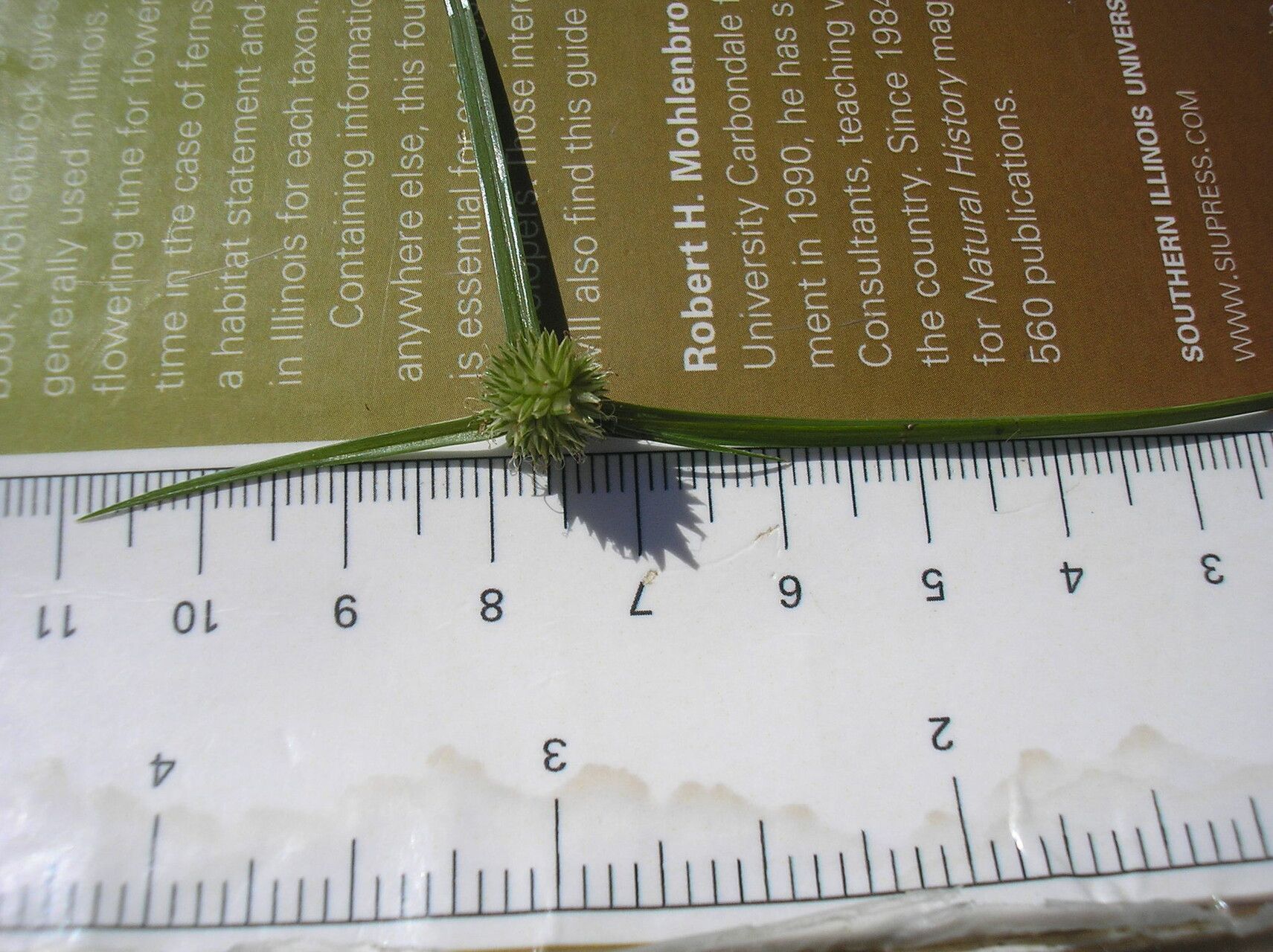
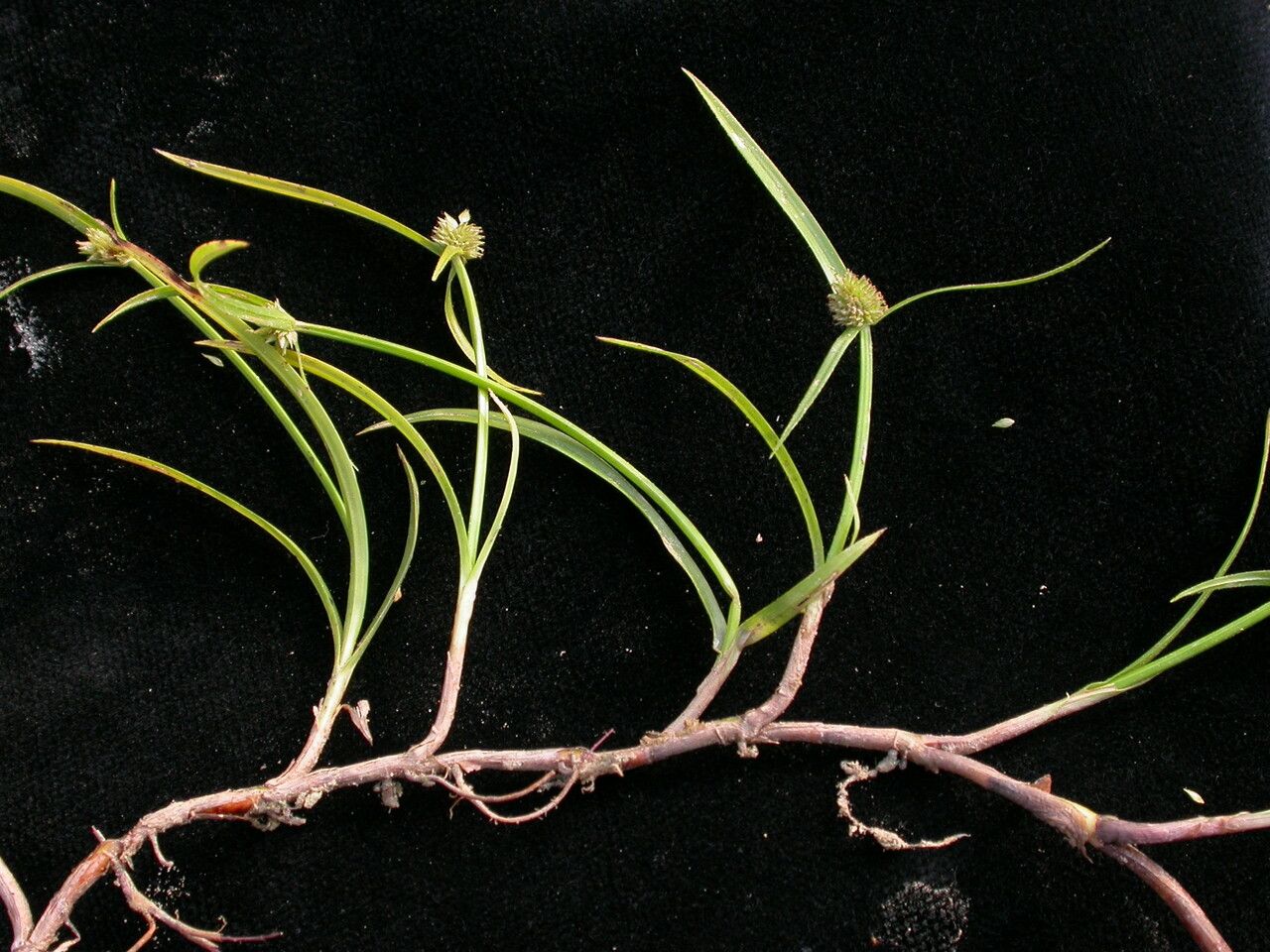
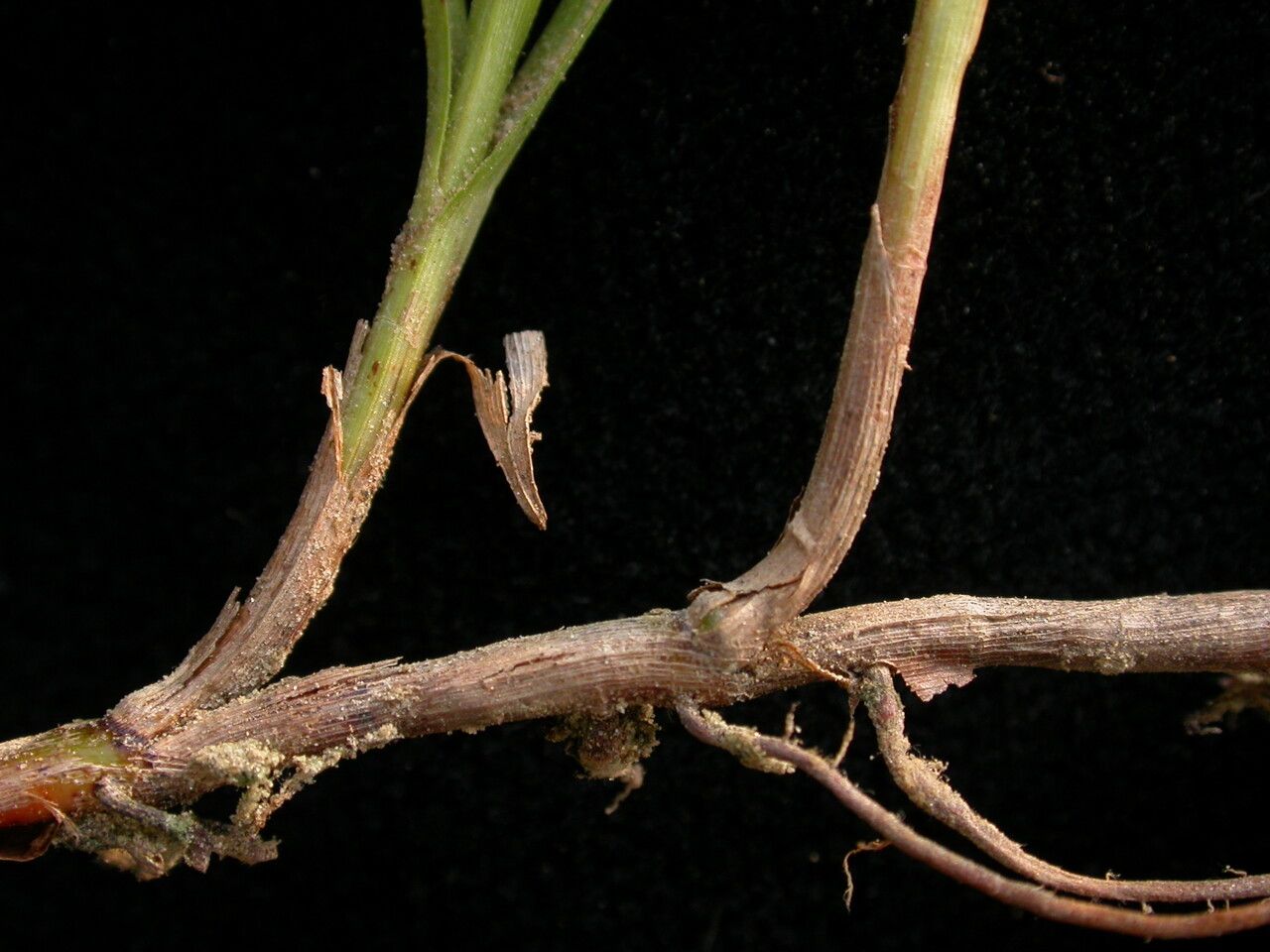
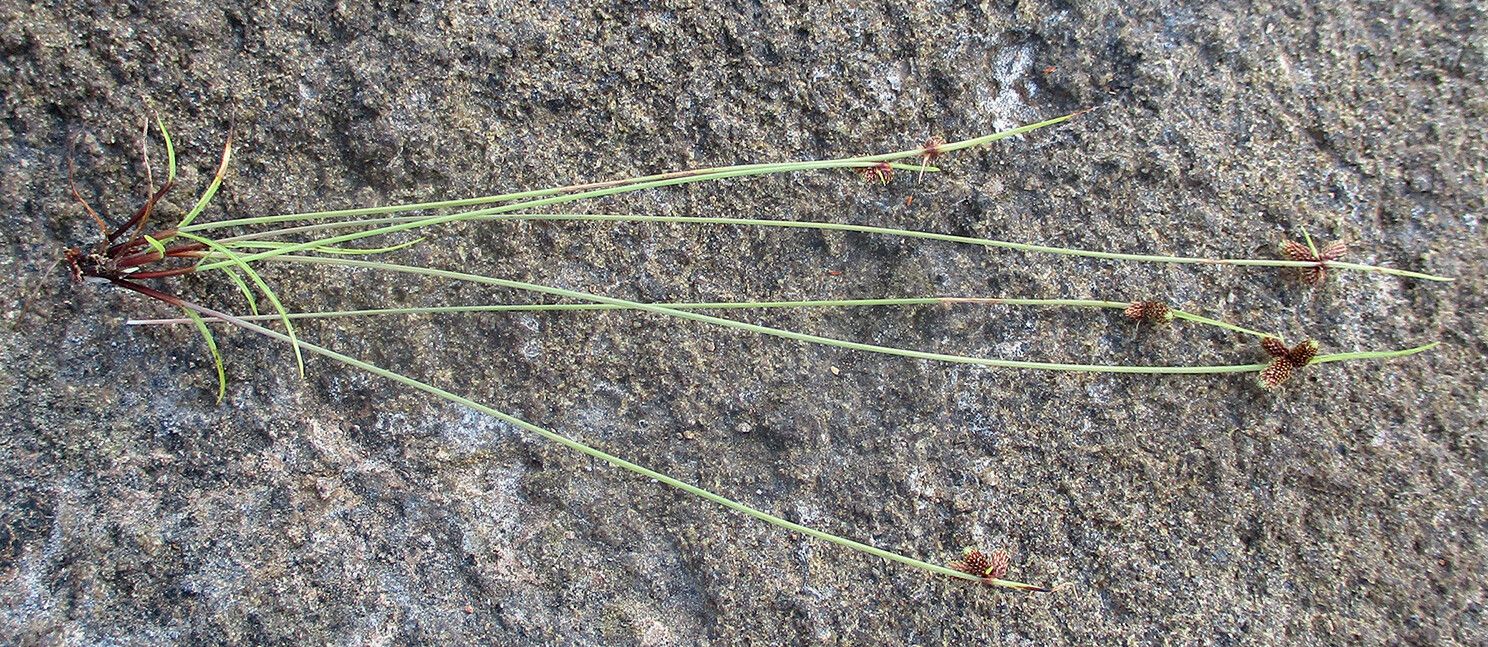
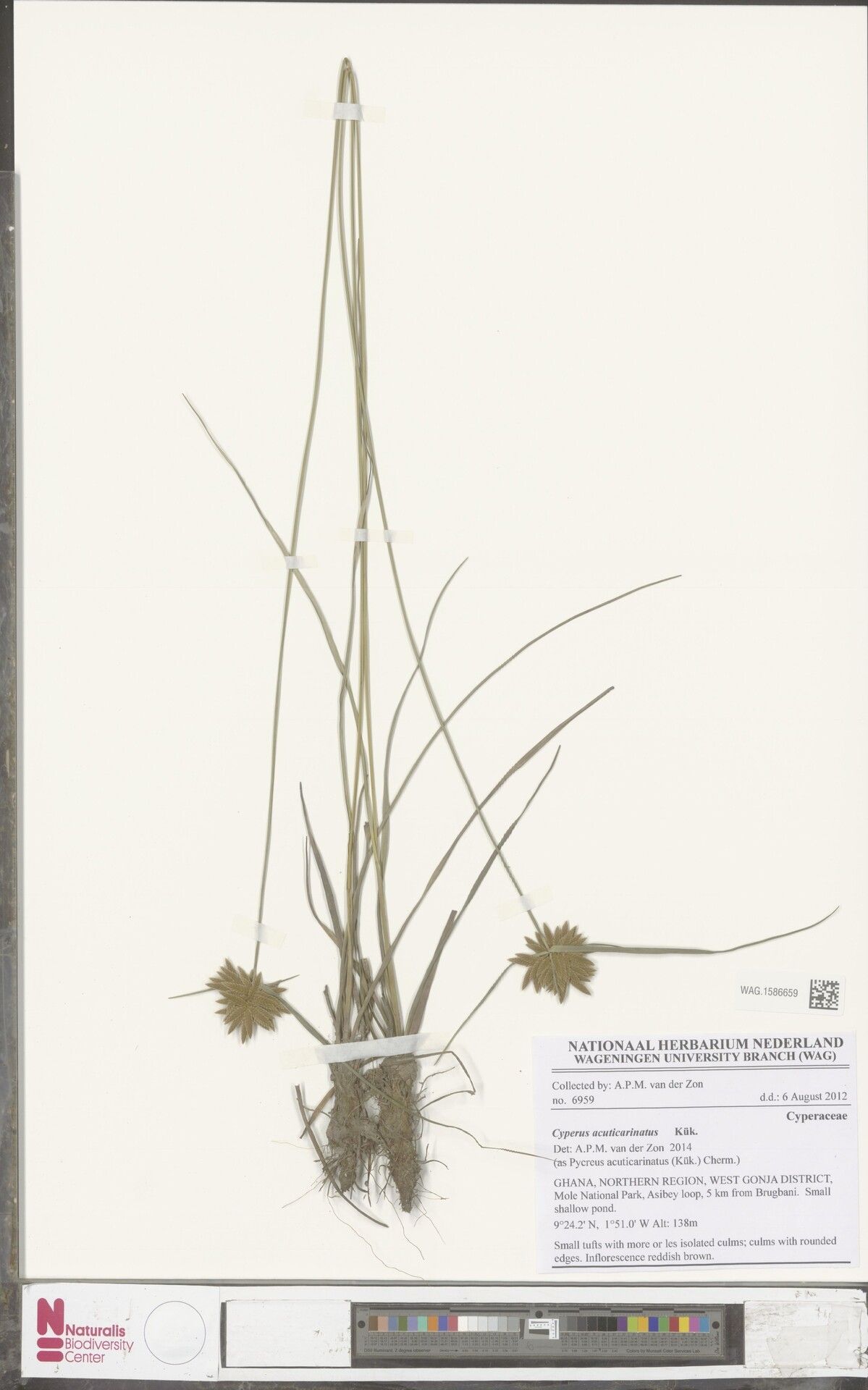
Cyperus brevifolioides exhibits strong disease resistance and is, for the most part, not prone to illnesses. In terms of maintenance, this plant is relatively easy to care for. When placed outdoors it needs only minimal watering, and larger plants typically do not require pruning; smaller plants, however, should be trimmed after they have bloomed. Cyperus brevifolioidest is well suited to anyone with an outdoor area, such as a garden or deck, and does not need extensive plant-care experience.
How to keep Cyperus Brevifolioides.
Light
Cyperus brevifolioides occurs naturally in habitats like forest understories and rocky sites, where it grows in natural shade. It prefers partial sun but can tolerate full sun or complete shade, demonstrating its versatility and hardiness.
Water
Cyperus brevifolioides thrives in standing water and marshes, so overwatering is unlikely to be an issue. To keep it healthy, ensure a constant water supply, especially with the use of drip trays. During cooler temperatures, reduce watering to prevent root rot, but always leave the tray partially dry to maintain optimal health.
Temperature
Cyperus brevifolioides comes from tropical areas, where the climate is generally warm and humid. As a result, it is well suited to high temperatures and humidity. It does not tolerate sudden temperature changes and prefers a stable temperature, so it's important to avoid fluctuations in indoor temperature. It typically cannot withstand cold and requires warmer conditions to grow. If the ambient temperature falls too low, the plant may stop growing or even die.
Fertilizer
Cyperus brevifolioides needs extra nutrients to stimulate robust new development. By positioning some compost around the plant's base in springtime, you can efficiently supply the vital nutrition it requires. Fertilization assists in promoting strong growth and contributes to the plant's resistance against diseases and pests.
Pruning
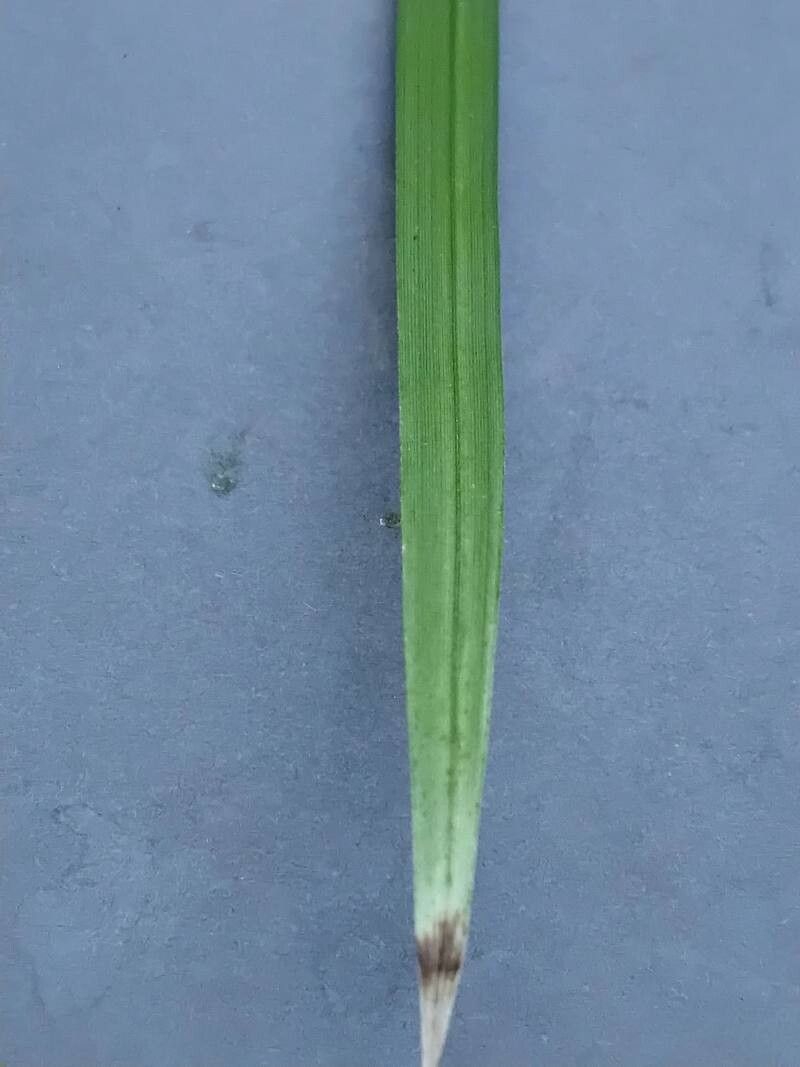
In the fall, trim the dead stems of Cyperus brevifolioides to prevent disease. Prune carefully to avoid causing brown tips on the leaflets. These brown tips serve as a natural defense and won't improve if cut. If you do notice brown tips, let them grow out naturally as the plant develops.
Botanical profile.
- Plant Type
- Grass
- Life Cycle
- Perennial
- Genus
- Cyperus
- Family
- Cyperaceae
- Hardiness Zone
- 8-11
- Mature Height
- 0 cm to 91 cm
- Mature Spread
- 15 cm to 30 cm
- Leaf Color
- Dark Green
- Leaf Type
- Evergreen
- Flower Size
- 0.20 cm to 0.25 cm
- Bloom Time
- Summer, Early fall, Mid fall
- Planting Time
- Spring, Summer
- Harvest Time
- Late summer, Fall, Early winter
- Native Area
- Russia, Nepal, India, Japan, Koppen, Laos, South Korea, China
Other names.