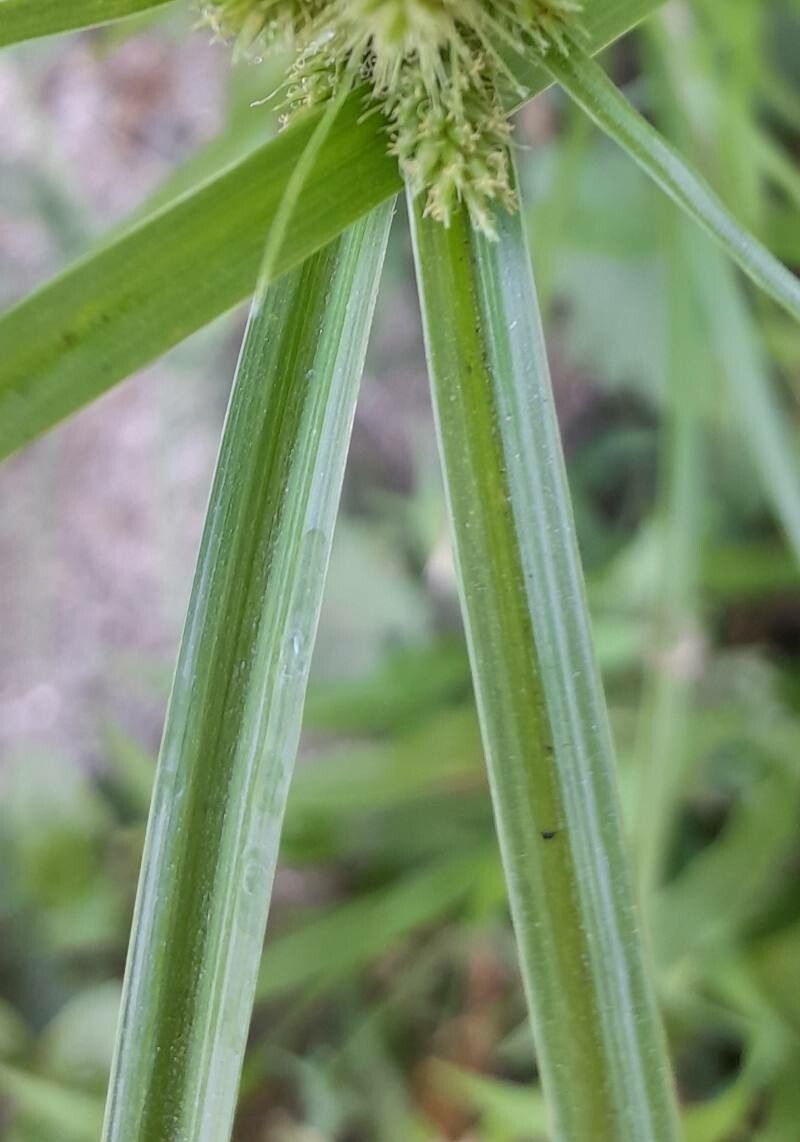
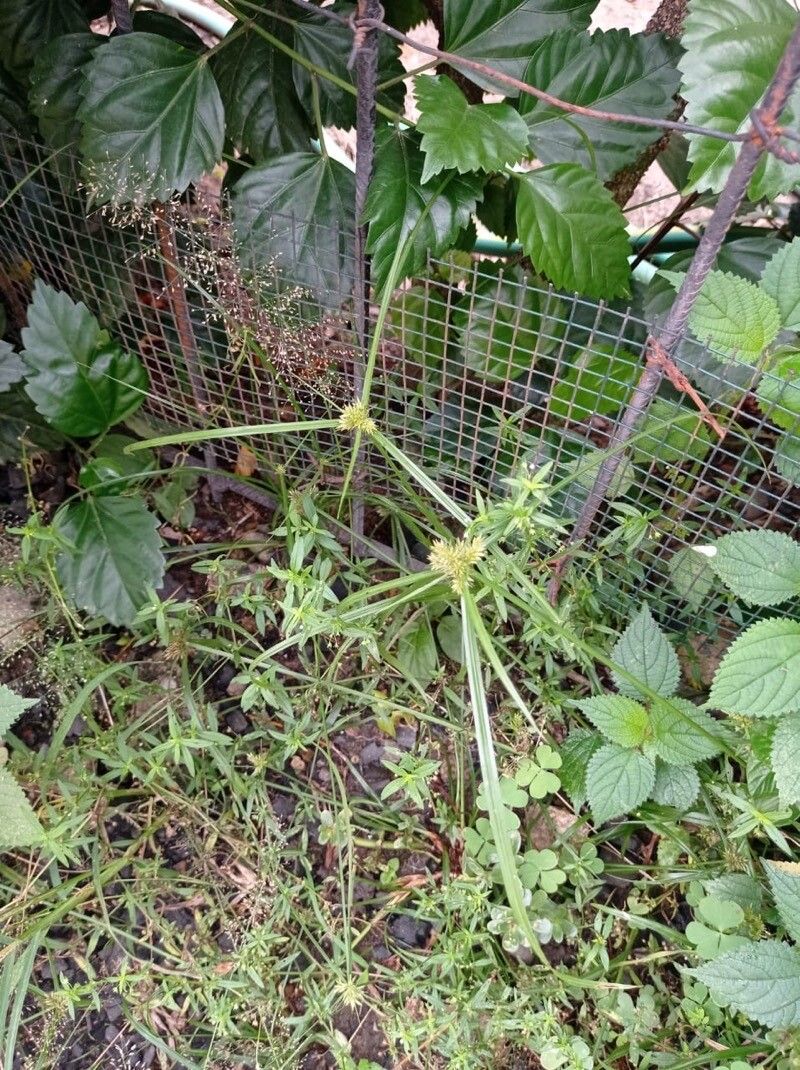
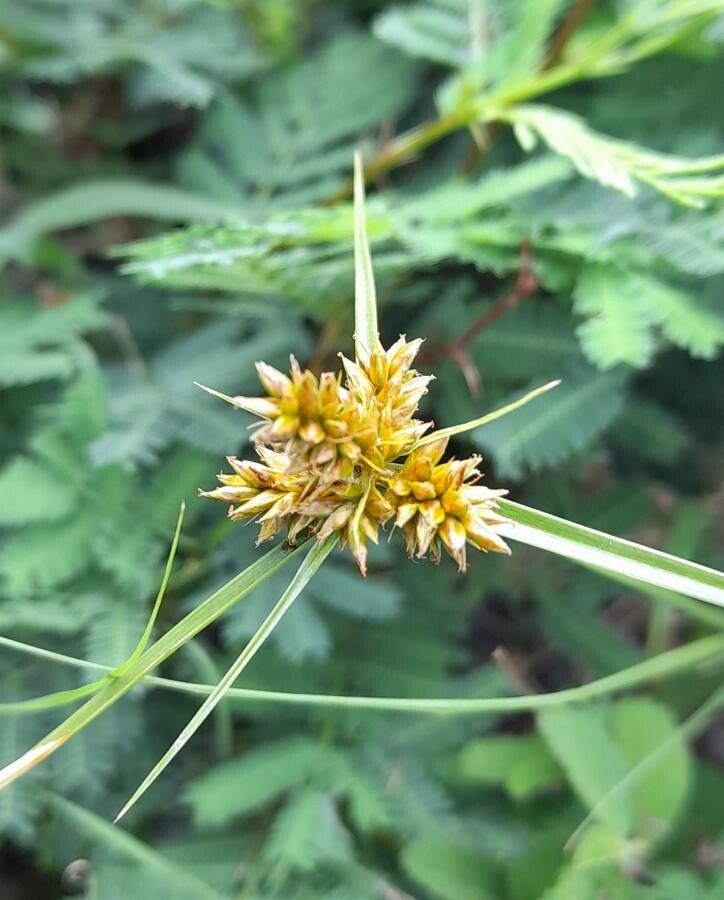
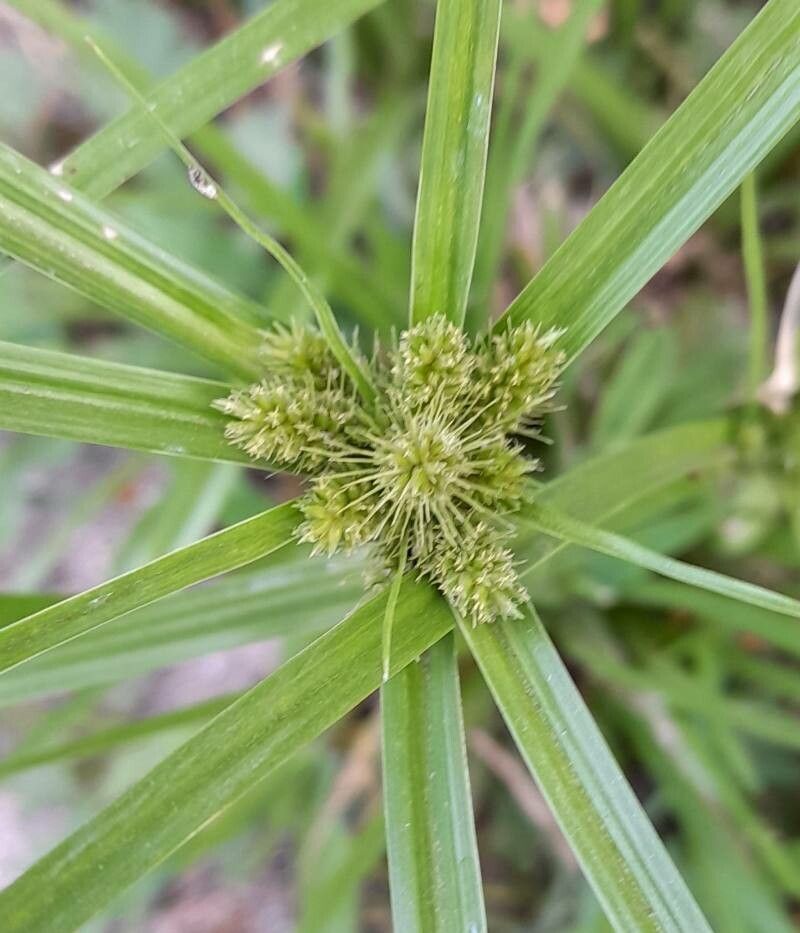
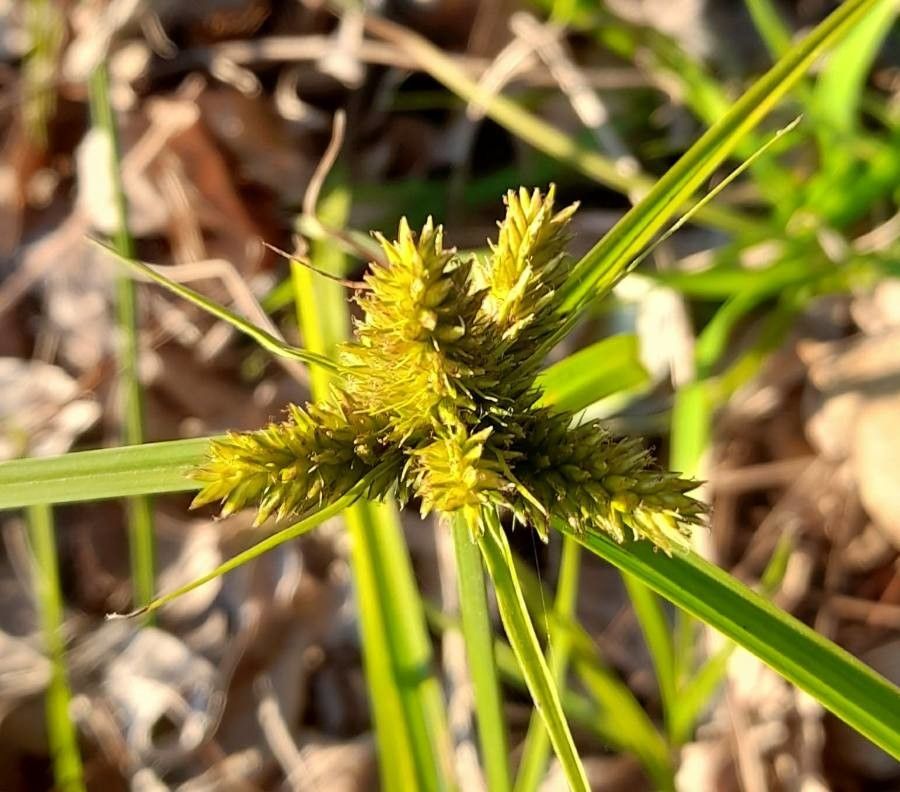
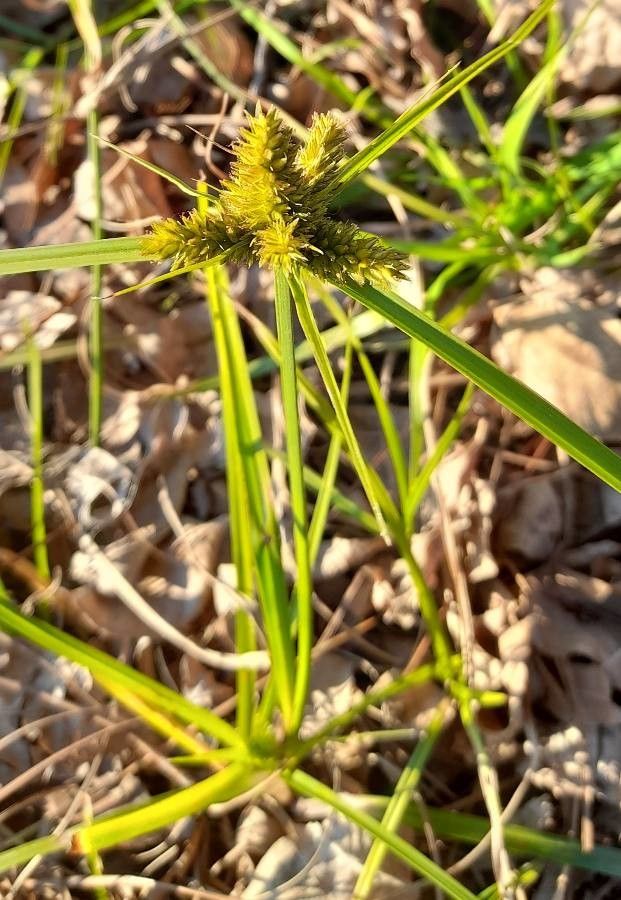
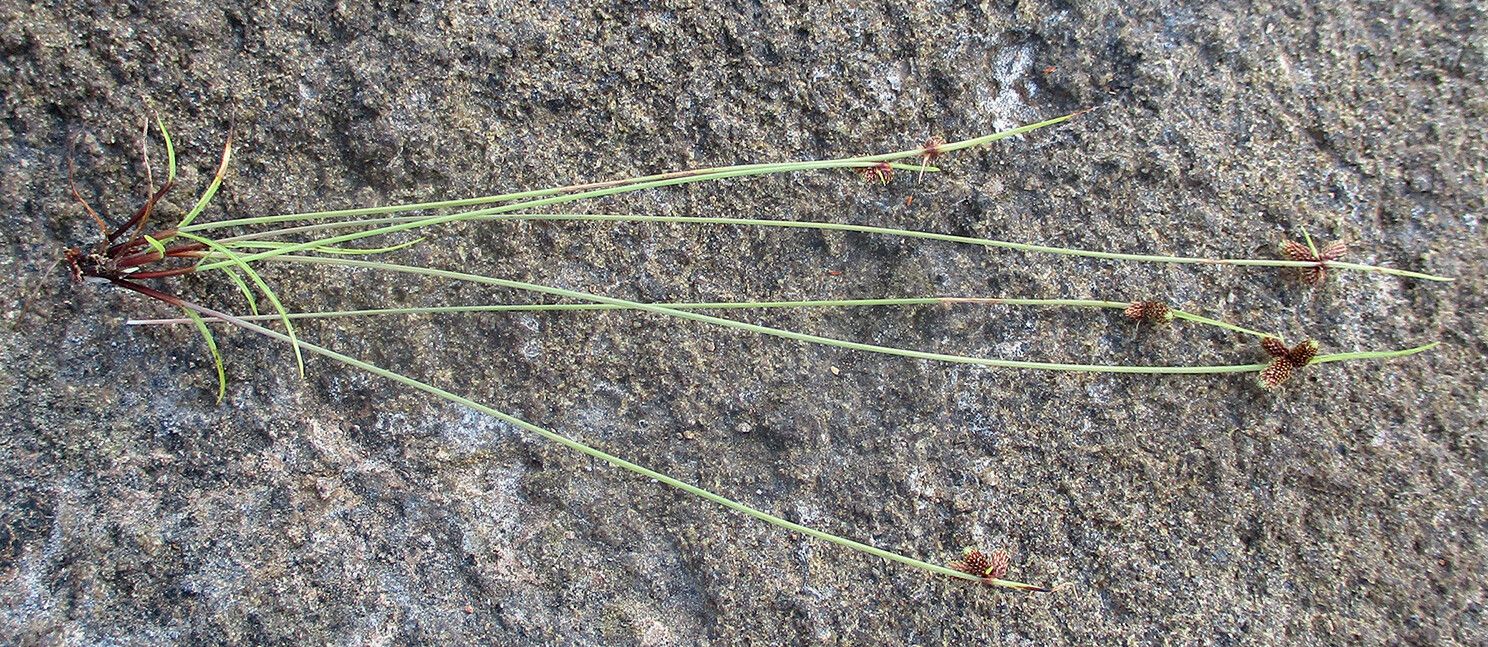
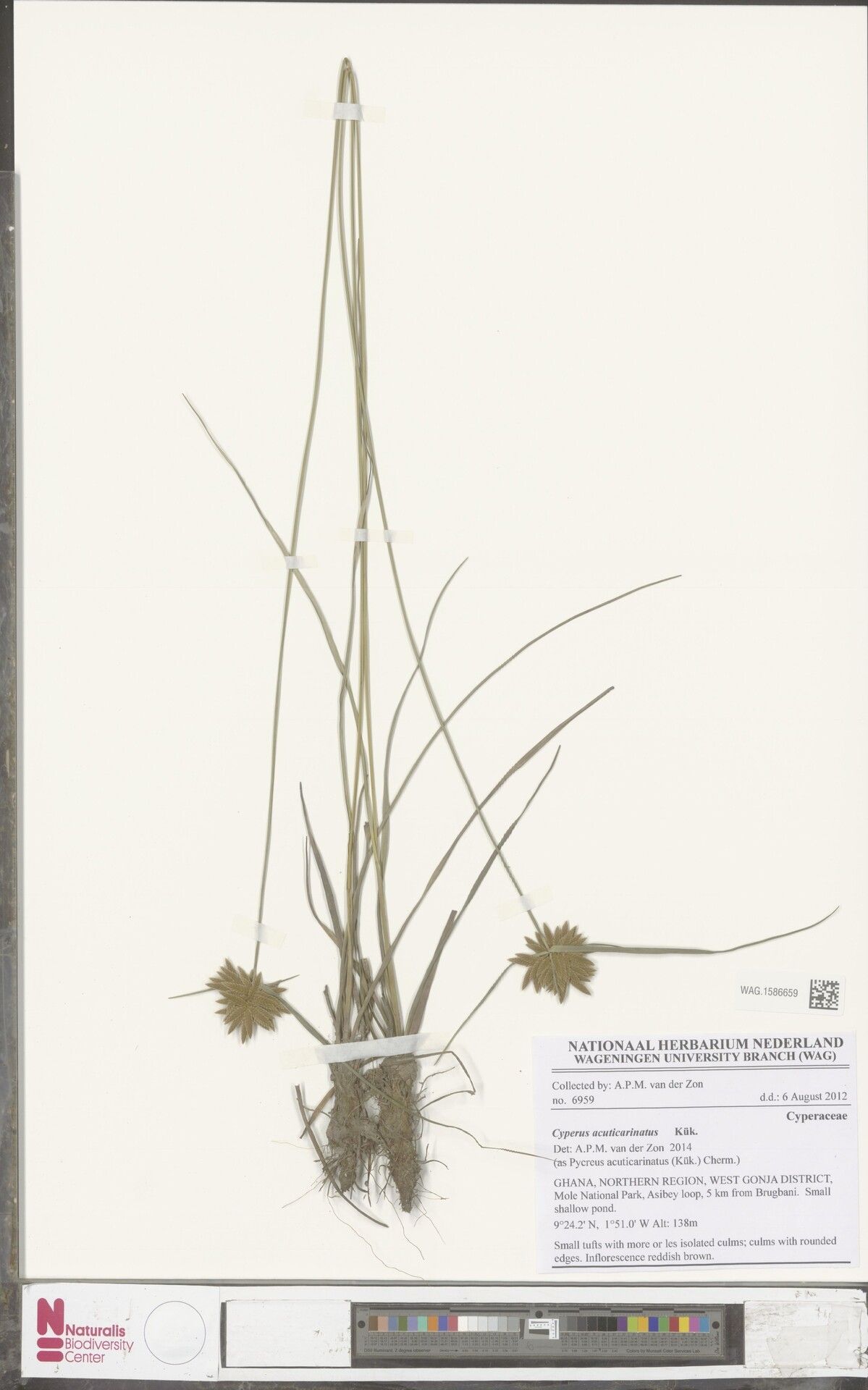
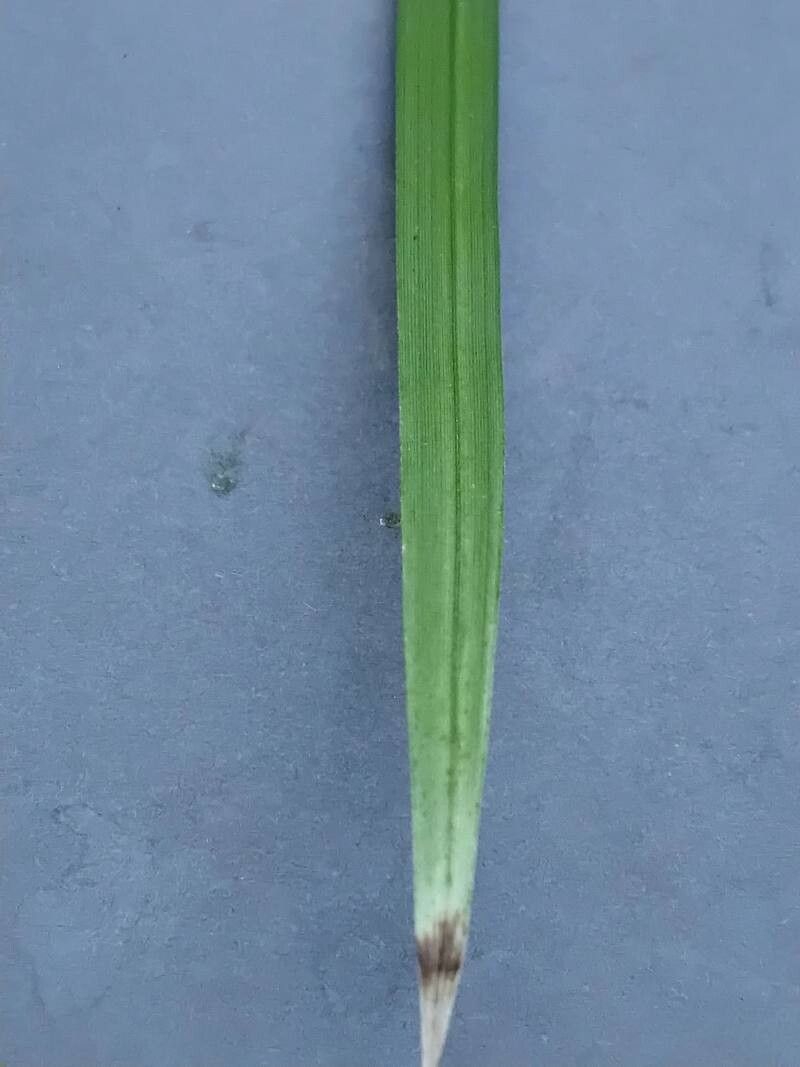
Cyperus aggregatus, commonly known as the inflatedscale flatsedge, is a species of sedge that is native to the Americas.
Inflated-scale flat sedge has good resistance to disease and is generally not prone to disease. Regarding care, this plant is relatively low-maintenance. When grown outdoors it needs only minimal watering, and larger plants generally do not require pruning. Smaller plants, however, should be pruned after they have finished blooming. Inflated-scale flat sedget is suitable for anyone with an outdoor area, such as a garden or deck, and does not demand much gardening experience.
How to keep Cyperus Aggregatus.
Light
Inflated-scale flat sedge is a sun-loving, perennial herbaceous plant that comes from open habitats and is commonly found in meadows and grasslands. It prefers full sun but can also tolerate partial sun.
Water
The inflated-scale flat sedge flourishes in wet conditions and can withstand overwatering. To maintain this plant successfully, keep the water levels consistent in drip trays. Make sure the edges of the trays are high to reduce the frequency of watering. When temperatures decrease, reduce watering to prevent root rot, and always leave some areas of the tray or pot dry, no matter the temperature.
Temperature
Inflated-scale flat sedge comes from tropical areas, where the climate is typically warm and humid. As a result, it is adapted to high temperatures and humidity. It dislikes sudden temperature shifts and prefers a steady temperature environment, so it’s important to prevent temperature fluctuations indoors. It generally cannot tolerate cold and requires higher temperatures to grow. If the surrounding temperature falls too low, the plant may stop growing or even die.
Fertilizer
Inflated-scale flat sedge needs extra nutrients to encourage healthy new growth. In spring, spreading compost around the plant's base can effectively supply the nutrition it requires. Fertilizing supports vigorous growth and helps the plant withstand diseases and pests.
Pruning
In the fall, trim the dead stems of the inflated-scale flat sedge to prevent diseases. Be careful not to cut the leaflets, as doing so can cause unsightly brown tips. These brown tips are part of the plant's natural defense. Allow them to outgrow naturally since cutting them won't stop new ones from forming.
Botanical profile.
- Plant Type
- Grass
- Life Cycle
- Perennial
- Genus
- Cyperus
- Family
- Cyperaceae
- Hardiness Zone
- 8-11
- Mature Height
- 30 cm to 61 cm
- Mature Spread
- 20 cm to 40 cm
- Leaf Color
- Dark Green
- Leaf Type
- Evergreen
- Flower Size
- 0.25 cm to 0.51 cm
- Bloom Time
- Summer, Early fall, Mid fall
- Planting Time
- Spring, Summer, Autumn
- Harvest Time
- Late summer, Fall, Early winter
- Native Area
- Colombia, Belize, Cuba, Honduras, Mexico, Bolivia, Venezuela, Peru, Guyana, El Salvador, Nicaragua, Brazil, Ecuador, Costa Rica, Panama, Jamaica
Other names.