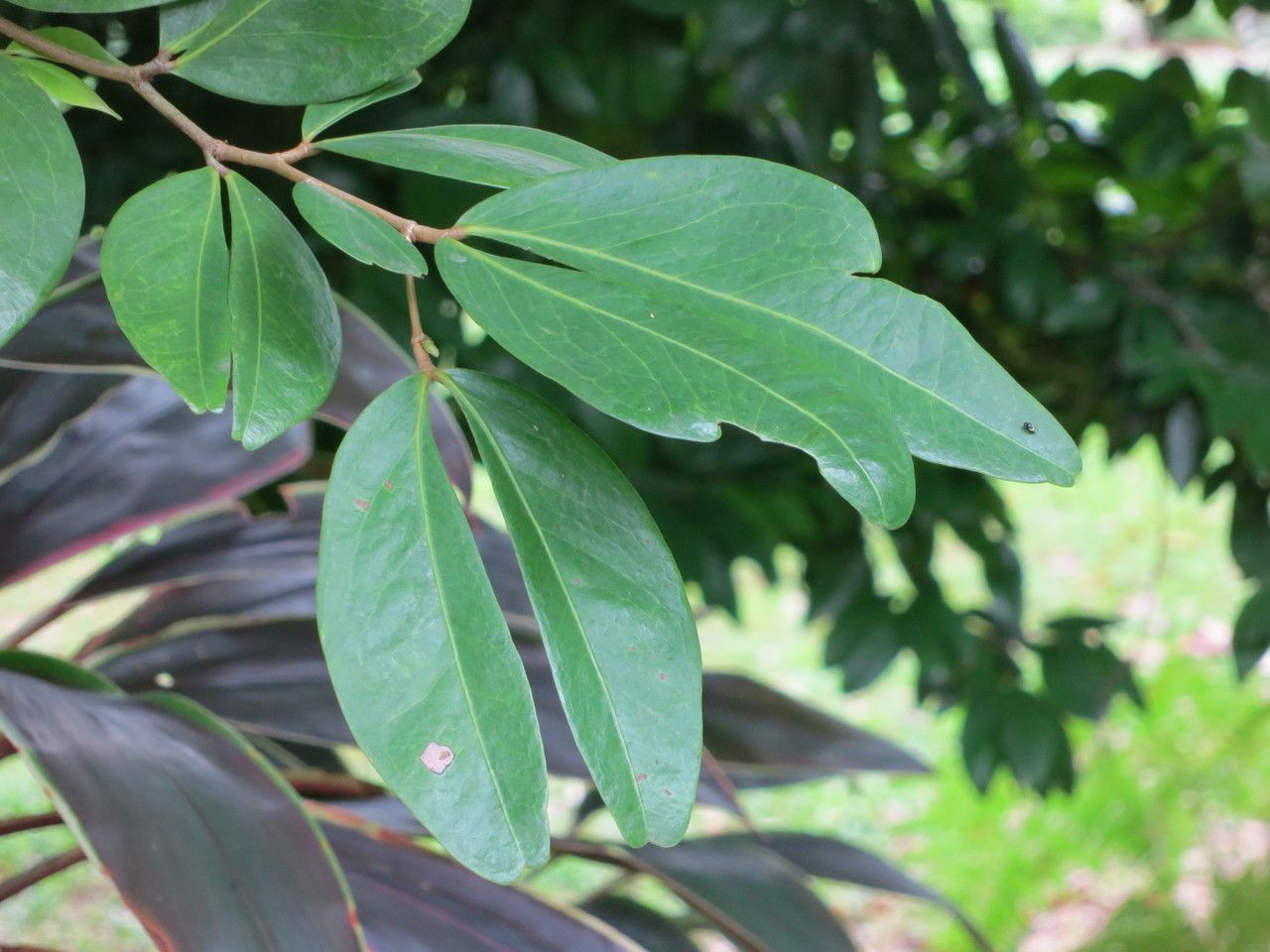
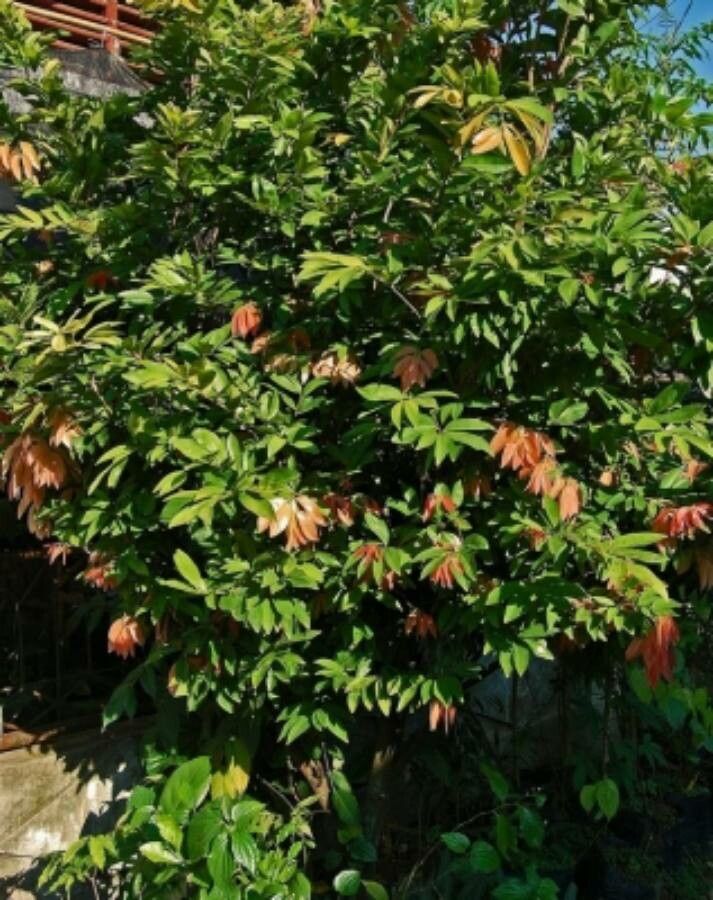
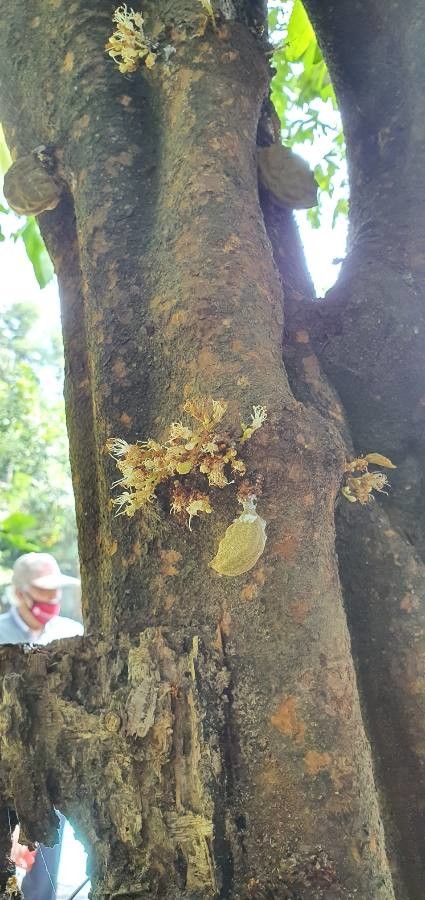
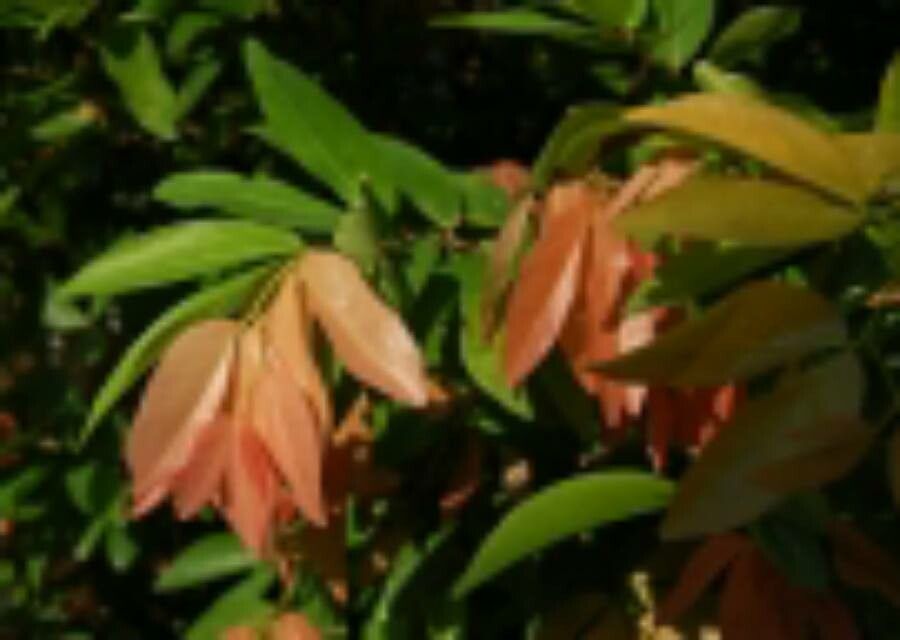
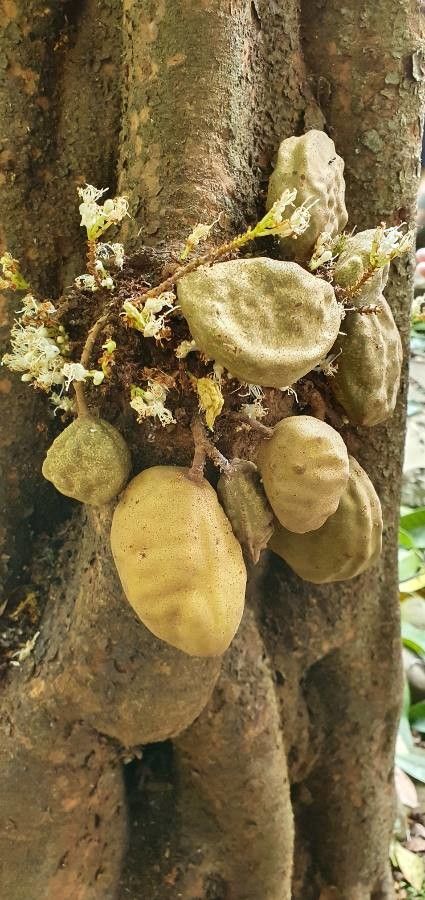
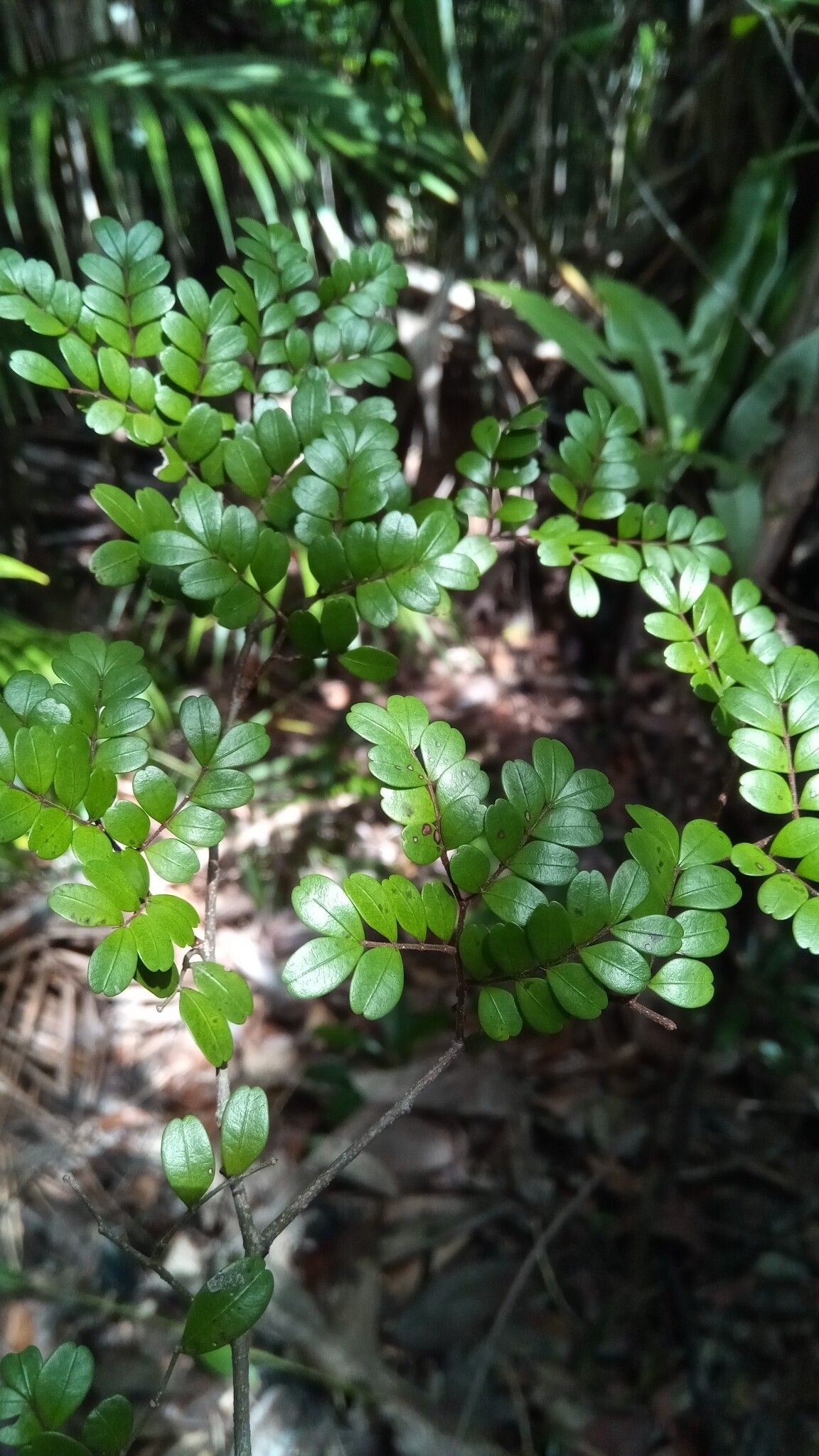
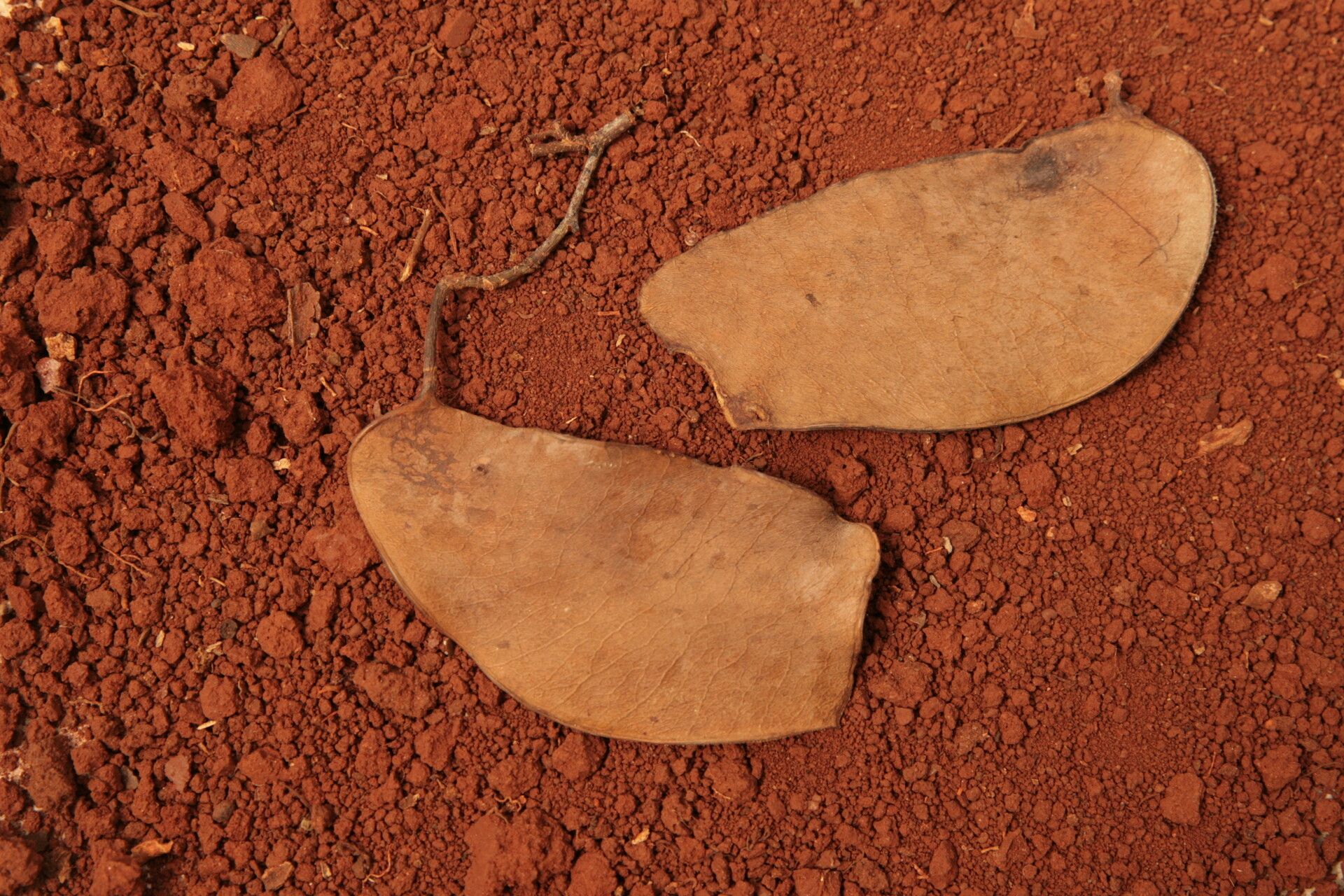
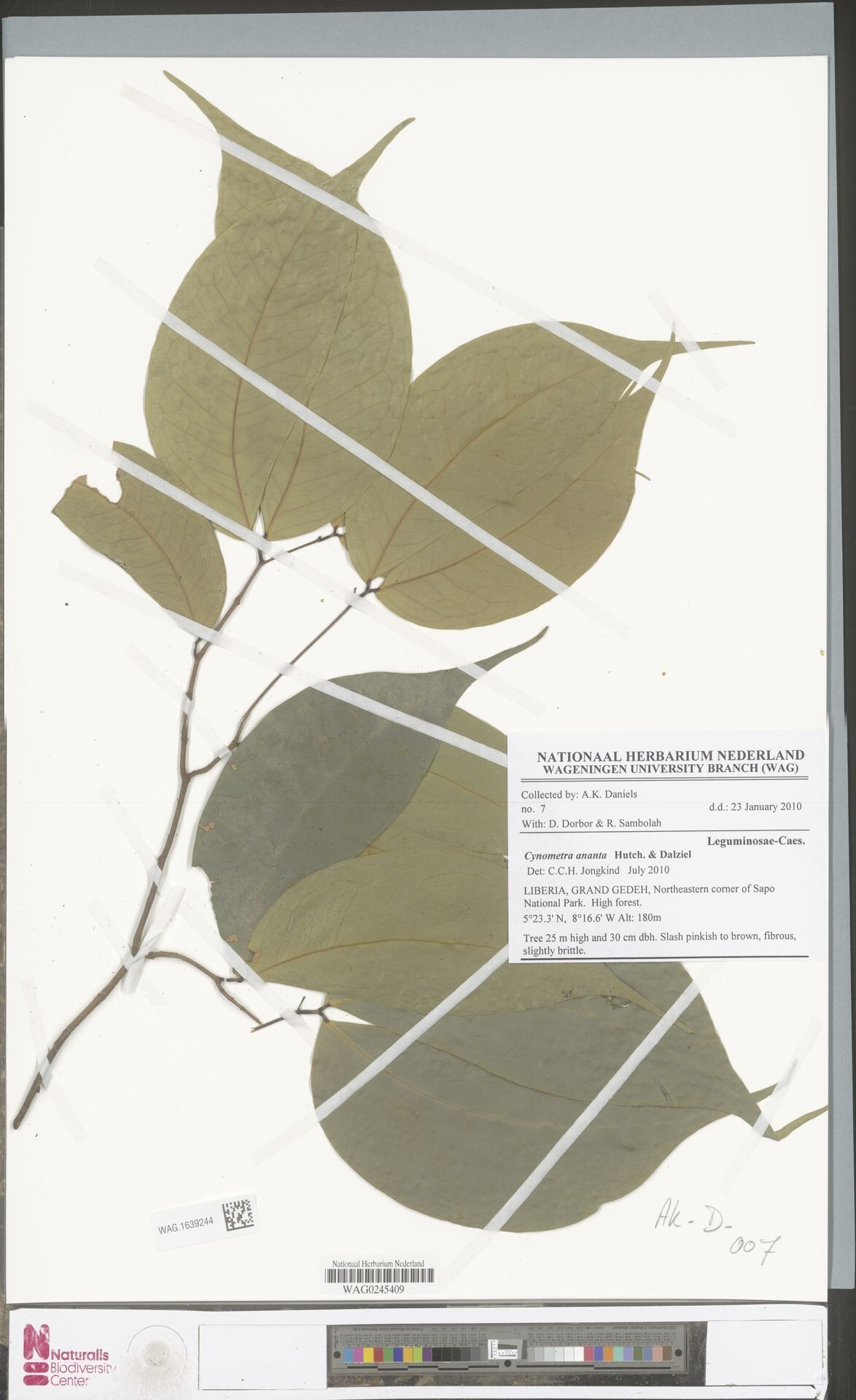
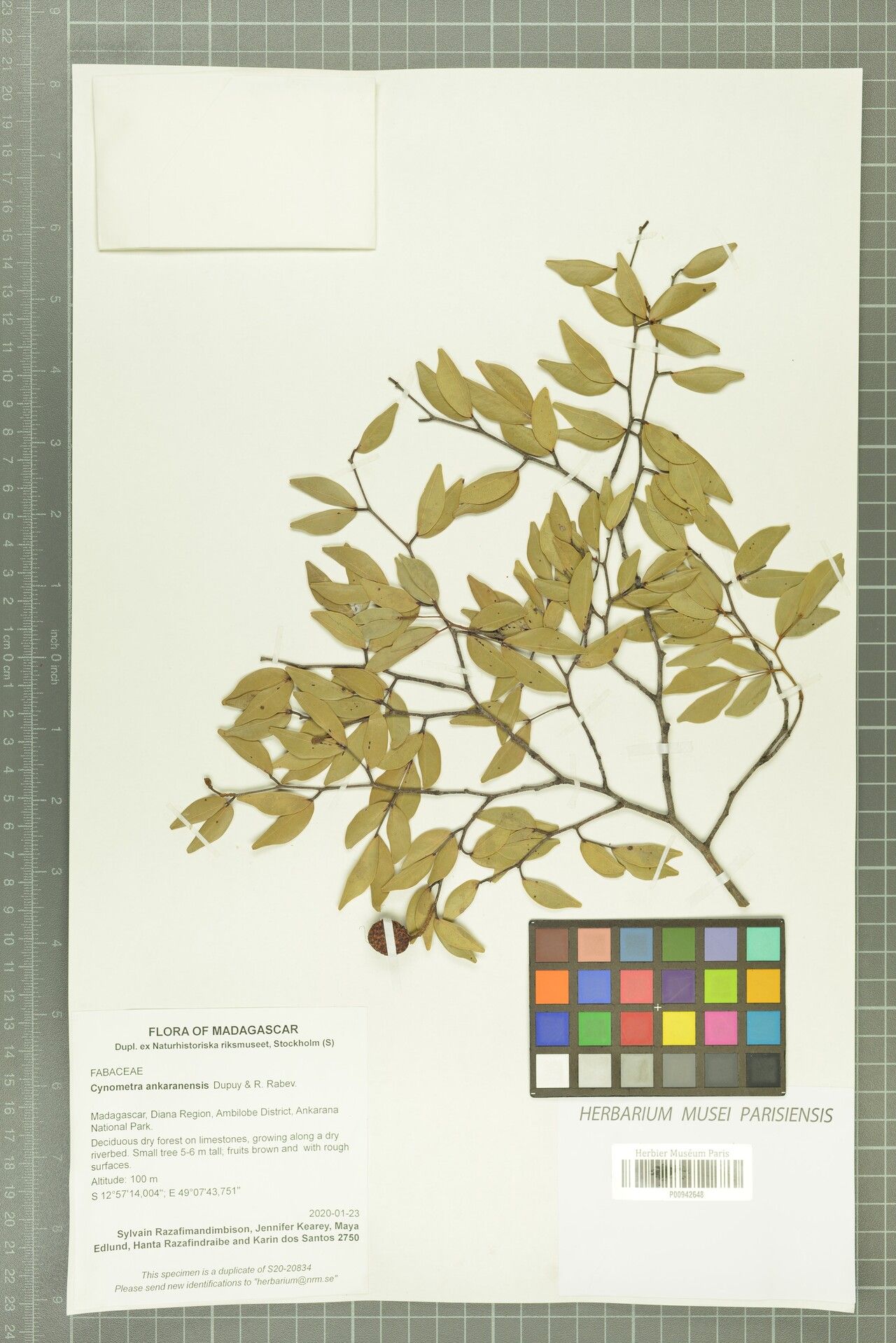
Cynometra cauliflora is a small, cauliflorous tree with a thick, heavily branched stem, and rather small flowers, about 1.2 cm (0.5 in) across, that appear on the stem in clusters. It is known in Indonesian as namu-namu, after the flattened, crescent shaped pods, which look similar to the Indonesian pastry, namu-namu. In the city of Ternate, it is called namo-namo, and ñam-ñam in the Maldives. It is a species of the genus Cynometra, native to Malaysia, and found mainly in northern peninsular Malaysia.
Namu-namu is highly resistant to disease and is generally not susceptible to illnesses. When it comes to care, the plant is fairly low-maintenance. Planted outdoors, it needs only minimal watering, and larger plants generally do not require pruning. Smaller plants, however, should be pruned after they have bloomed. Namu-namut is suitable for anyone with an outdoor area, such as a garden or deck, and does not demand extensive care experience.
How to keep Cynometra Cauliflora.
Light
Namu-namu prefers strong sunlight and generally does well in locations where it gets unobstructed sun. Native to a sun-filled environment, this plant depends on abundant light for healthy growth. Both excessive and inadequate light can negatively affect its development and well-being.
Water
Namu-namu, originally from the humid tropics, thrives in environments with high moisture. While it can tolerate drought, it prefers consistent humidity levels. Water the plant every 2-3 weeks, allowing the soil to dry out slightly between waterings. Namu-namu is usually grown outdoors and benefits from mulching to help retain moisture, mimicking its natural rainforest habitat.
Temperature
Namu-namu comes from tropical areas, where the weather is generally warm and humid. Consequently, it is adapted to high heat and moisture. It does not tolerate abrupt temperature shifts and favors a consistent thermal environment, so preventing temperature swings indoors is important. It typically cannot endure cold and needs warmer conditions to grow. If the surrounding temperature falls too much, the plant may stop growing or even die.
Fertilizer
Choose organic fertilizers (e.g., fish emulsion, compost) instead of chemical fertilizers for Namu-namu. Provide young plants with higher nitrogen and phosphorus during spring. Incorporate compost or fertilizer into the soil before or after planting. For mature plants, supplement in spring with a balanced fertilizer or one aimed at specific deficiencies. Nutrient deficiency causes small leaves, short branches, yellow or bronze foliage, acidic fruits, premature fruit drop, and splitting.
Pruning
Namu-namu benefits greatly from winter pruning, which is best done from early to late winter while the plant is dormant. Key techniques include removing dead branches, thinning crowded areas to improve air circulation, and shaping the canopy to allow better sunlight penetration. These practices enhance fruit production and support overall plant health.
Botanical profile.
- Plant Type
- Tree
- Life Cycle
- Perennial
- Genus
- Cynometra
- Family
- Fabaceae
- Hardiness Zone
- 10-12
- Mature Height
- 10.06 m to 14.94 m
- Mature Spread
- 4.88 m to 7.92 m
- Leaf Color
- Dark Green, Forest Green
- Leaf Type
- Evergreen
- Flower Color
- Pink, White
- Flower Size
- 1.02 cm to 2.03 cm
- Bloom Time
- All year round
- Planting Time
- Summer
- Harvest Time
- All year round
Other names.
Reader questions.
How should I water my Namu-namu plant?
Your Namu-namu plant is not fussy about how you water it. You can use any common watering tool, like watering cans, hoses, or even cups. It's best to water the plant directly onto the soil, making sure to evenly moisten all areas to provide water to the entire root system. Using filtered water is recommended to avoid any harmful particles found in tap water. It's also better to use water that is at or slightly above room temperature, as extreme temperatures can shock the Namu-namu. However, the plant generally responds well to any type of water you use.
What are the sunlight requirements for Namu-namu?
Namu-namu requires full sun, which means it needs above 6 hours of sunlight daily to thrive. It's important to observe how sunlight moves through your garden to find spots that offer an ideal balance of light and shade, ensuring the plant's happiness. Namu-namu has a strong affinity for sunlight and comes from an environment abundant in sun, hence its healthy growth heavily depends on ample lighting.
What is Namu-namu?
Namu-namu, scientifically known as Cynometra cauliflora, is a plant species with no further details provided about its essentials or symptoms.
What should I do if I give my Namu-namu plant too much water or too little water?
Outdoor plants, especially newly planted ones or seedlings, can easily suffer from lack of watering. To ensure the tree's growth, remember to water it consistently for the first few months. Once the roots are established, rainfall will typically be sufficient for the plant. However, when Namu-namu is planted in pots, overwatering becomes more common. If you accidentally overwater your Namu-namu, there are steps you can take to address the issue. First, stop watering the plant immediately to minimize the impact. Then, remove the plant from its pot and check the roots for signs of root rot. If no root rot is found, you can return the plant to its container. But if root rot is present, trim the affected roots and consider using a fungicide for added protection. Finally, repot the Namu-namu in well-draining soil. In the case of underwatering, simply increase the frequency of watering. If the plant shows signs of drooping, drying, and leaf loss, it is a clear indication that more water is needed. To avoid further issues, adjust your watering schedule promptly when underwatering occurs.
Can artificial lighting be used for Namu-namu, and if so, how?
Yes, artificial lighting can be used for Namu-namu, especially indoors where natural sunlight may be insufficient, like during winter or in less sunny spaces. LED lights are a popular choice because they can be customized to provide specific wavelengths of light needed by the plant. For full sun plants like Namu-namu, 30-50W per square foot is recommended. The light source should be placed 12-36 inches above the plant to mimic natural sunlight and it should be kept on for 8-12 hours per day to mimic natural daylight hours.
How many times should I water my Namu-namu plant?
If your area lacks rainfall, it's important to water your outdoor plants adequately. During the spring and fall, watering every 2 weeks should be enough, but in the summer, you will need to water more frequently. In the winter, when growth slows down, you can water less often or not at all. However, if your Namu-namu plant is young or newly planted, you should water it more frequently to help it establish and become more tolerant to drought. For potted plants, there are two ways to determine how often to water your Namu-namu. Setting a predetermined watering schedule, such as once a week or once every other week, is one option. However, this may not work well as it doesn't consider the specific conditions of your growing environment. Another approach is to monitor the soil moisture. It's best to wait until the top two to four inches of soil have completely dried out before watering again. Keep in mind that during summer, the plant's water needs will be higher, so a predetermined schedule may not be sufficient.
What are the important symptoms of light deficiency or excessive sunlight in Namu-namu?
Namu-namu can exhibit various symptoms in response to light deficiency or excessive sunlight. Symptoms of light deficiency include small new leaves, leggy or sparse growth, faster leaf drop, slower or no new growth, and lighter-colored new leaves. Excessive sunlight can cause chlorosis (leaves losing their green color), sunscald (pale, bleached areas on plant tissue), leaf curling, wilting, and leaf scorching (brown, dry edges on leaves). These symptoms provide important cues about the plant's need for either more or less sunlight.
How much water does my Namu-namu plant need?
When you water your Namu-namu plant, you may be surprised to learn that it doesn't always need a lot of water. If only a few inches of soil have dried since the last watering, you can promote healthy growth by giving it about five to ten ounces of water each time you water. You can also gauge the amount of water based on the moisture of the soil. Take note of how many inches of soil have dried out between waterings. To ensure your Namu-namu gets sufficient moisture, water enough to moisten all the dry soil layers since the previous watering. If more than half of the soil has dried out, consider giving more water than usual. In such cases, continue watering until you see excess water draining from the pot's drainage holes. If your Namu-namu is planted in an area that receives ample rain outdoors, it may not require additional watering. When the plant is young or becoming established, make sure it receives 1-2 inches of rain per week. As it continues to grow, it can rely solely on rainwater, except in hot weather without any rainfall for 2-3 weeks. In such cases, give your Namu-namu a thorough watering to prevent stress.
What solutions can be applied for Namu-namu experiencing light-related issues?
For light-related issues, a gradual approach to adjusting light exposure is recommended. Indoors, plants can be gradually moved to sunnier locations until they receive at least 6 hours of sunlight daily, using south-facing windows or artificial light if necessary. Outdoors, plants should also be moved gradually to avoid sunburn. If sunlight is obstructed, consider pruning obstructions or transplanting the plant to a sunnier location, ensuring it's done during the plant's dormant period for minimal stress.
How can I know if I'm giving enough water to my Namu-namu plant?
Overwatering is a common issue for the Namu-namu plant. There are a few signs to watch out for if you suspect overwatering. Typically, an overwatered Namu-namu will have yellowing leaves and may drop some leaves. Overwatering can also cause the plant to shrink and potentially lead to root rot. On the other hand, an underwatered Namu-namu will also start to wilt and may have brown or brittle leaves. If you see signs of overwatering or underwatering, it's important to take action and restore the health of your Namu-namu.
How do I water my Namu-namu plant when it is growing at different stages?
When the Namu-namu is young, especially during its seedling stage, it requires more water compared to when it is mature. It is crucial to keep the soil consistently moist during the early stages to promote root development. This rule also applies if you have recently transplanted a Namu-namu to a different growing location. Moreover, with proper care, the Namu-namu can produce vibrant flowers and fruits. During the flowering or fruiting phase, you may need to increase the watering slightly to support the growth of these plant structures.
How do I make sure my Namu-namu plant gets enough water throughout the year?
The amount of water needed for your Namu-namu plant will vary based on the season. In the hot summer months, especially if it is exposed to a lot of sunlight, you will need to increase the frequency of watering. This is because the strong summer sunlight can make the soil dry out faster than usual. On the other hand, during the winter when the plant is not actively growing, it will require less water. You can water it once every 2 to 3 weeks, or even less often. If you have the plant indoors, be cautious of devices like air conditioners, as they can make the plant dry out faster and require more frequent watering.