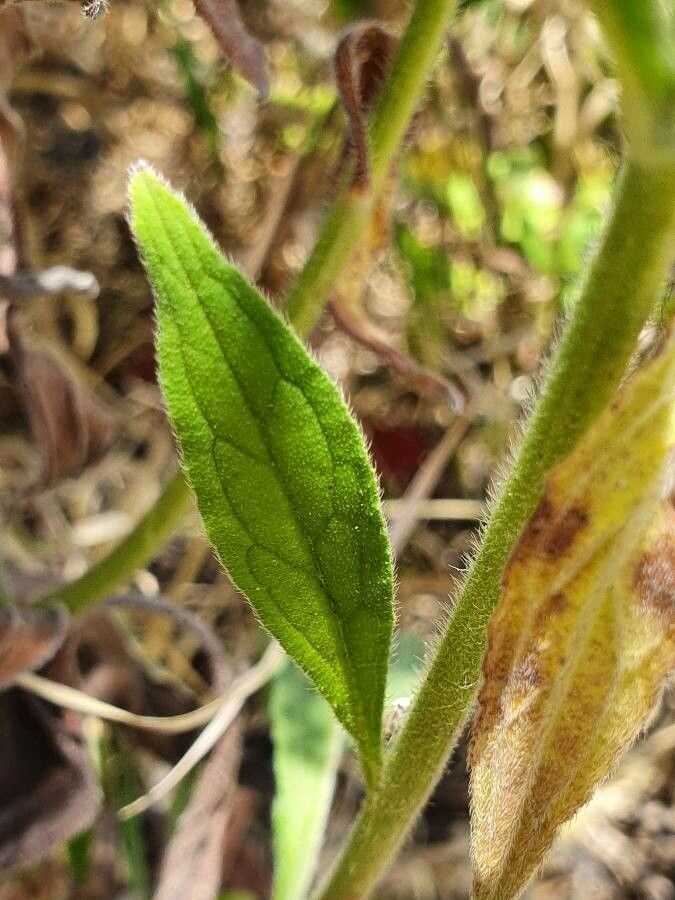
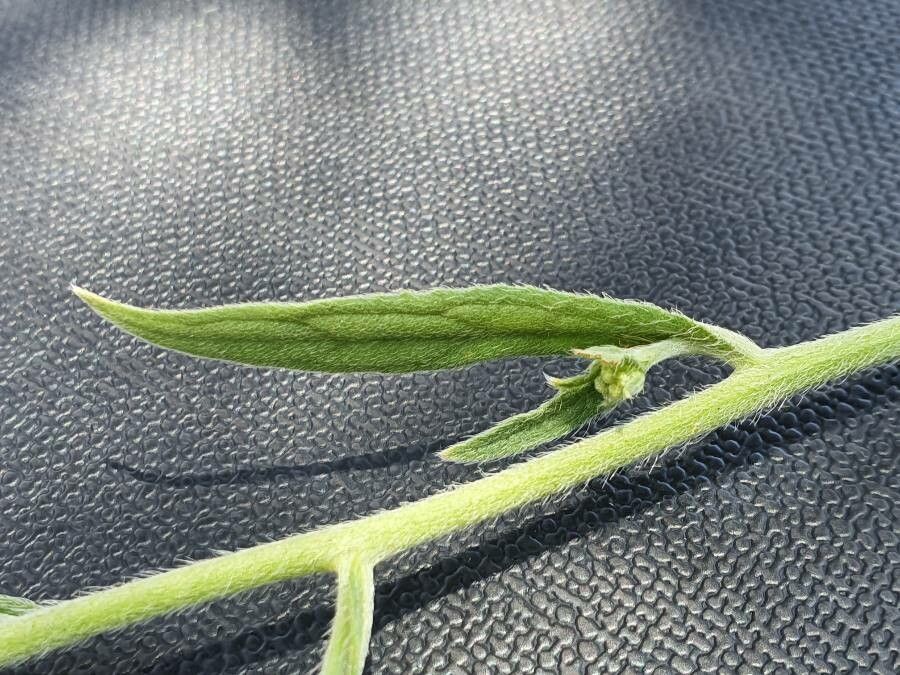
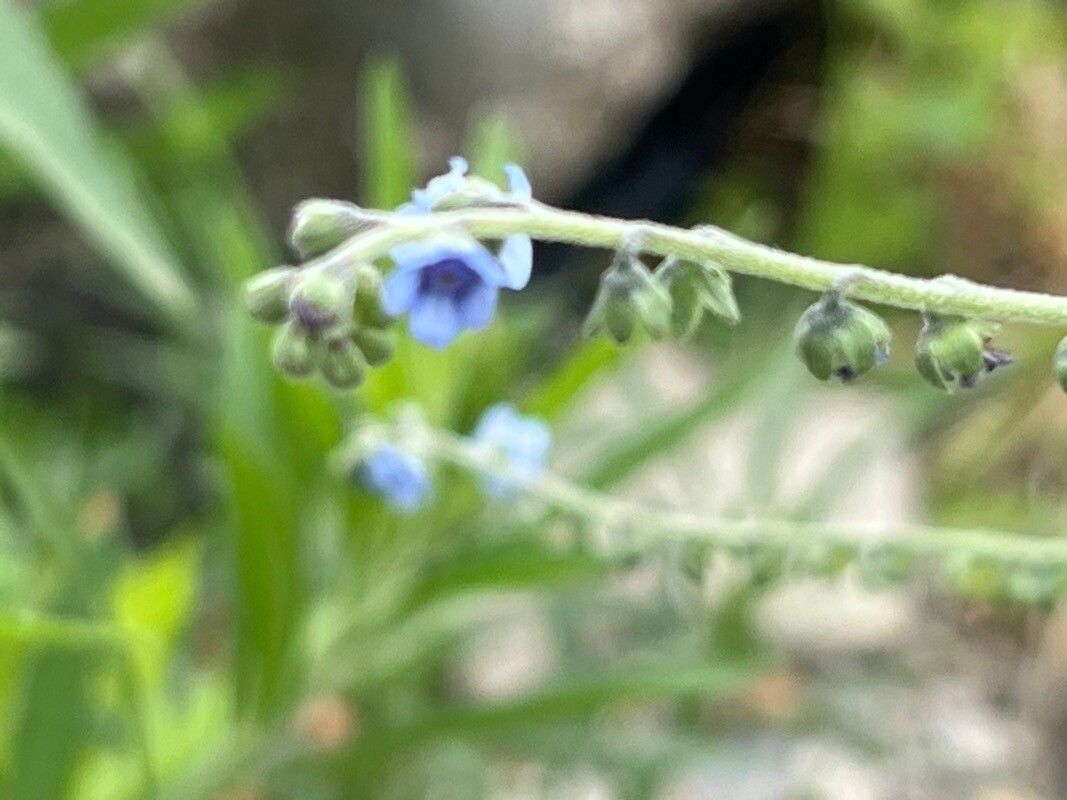
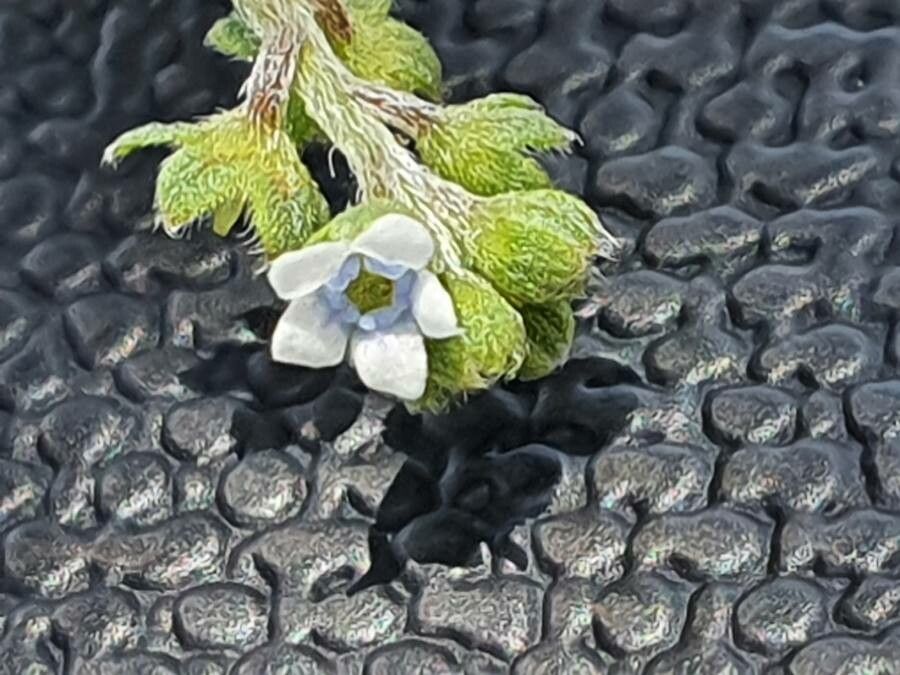
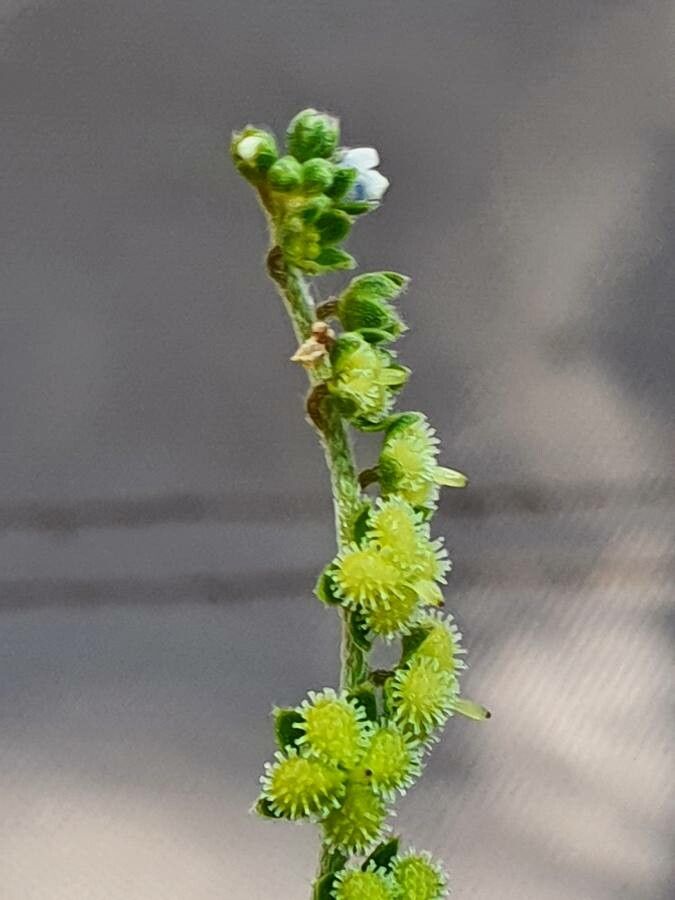
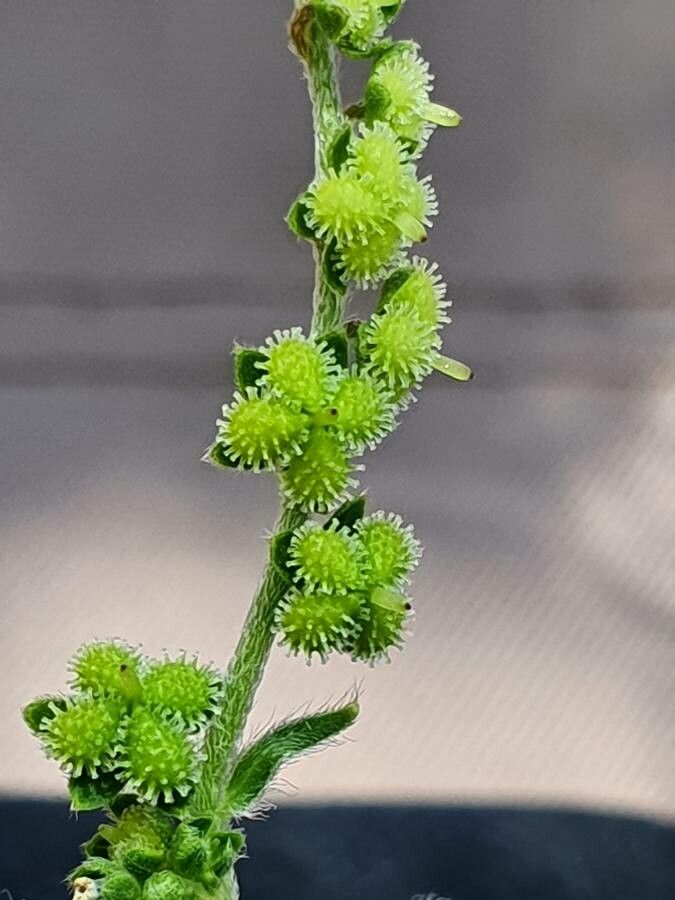
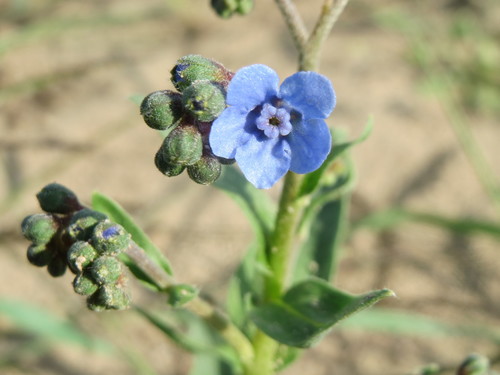
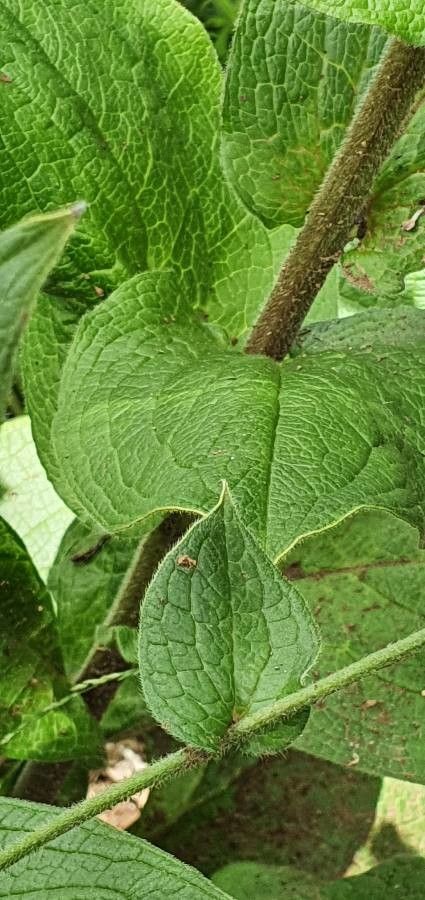
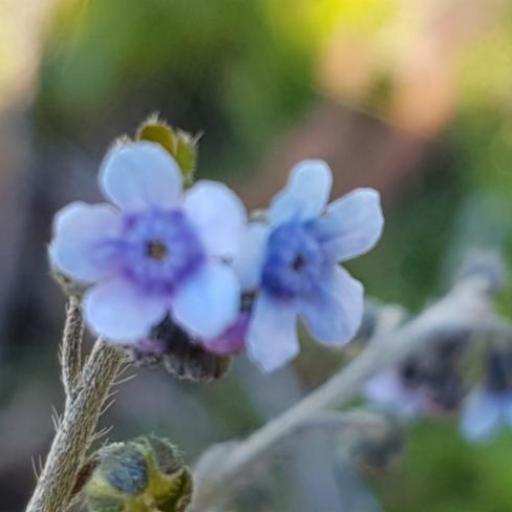
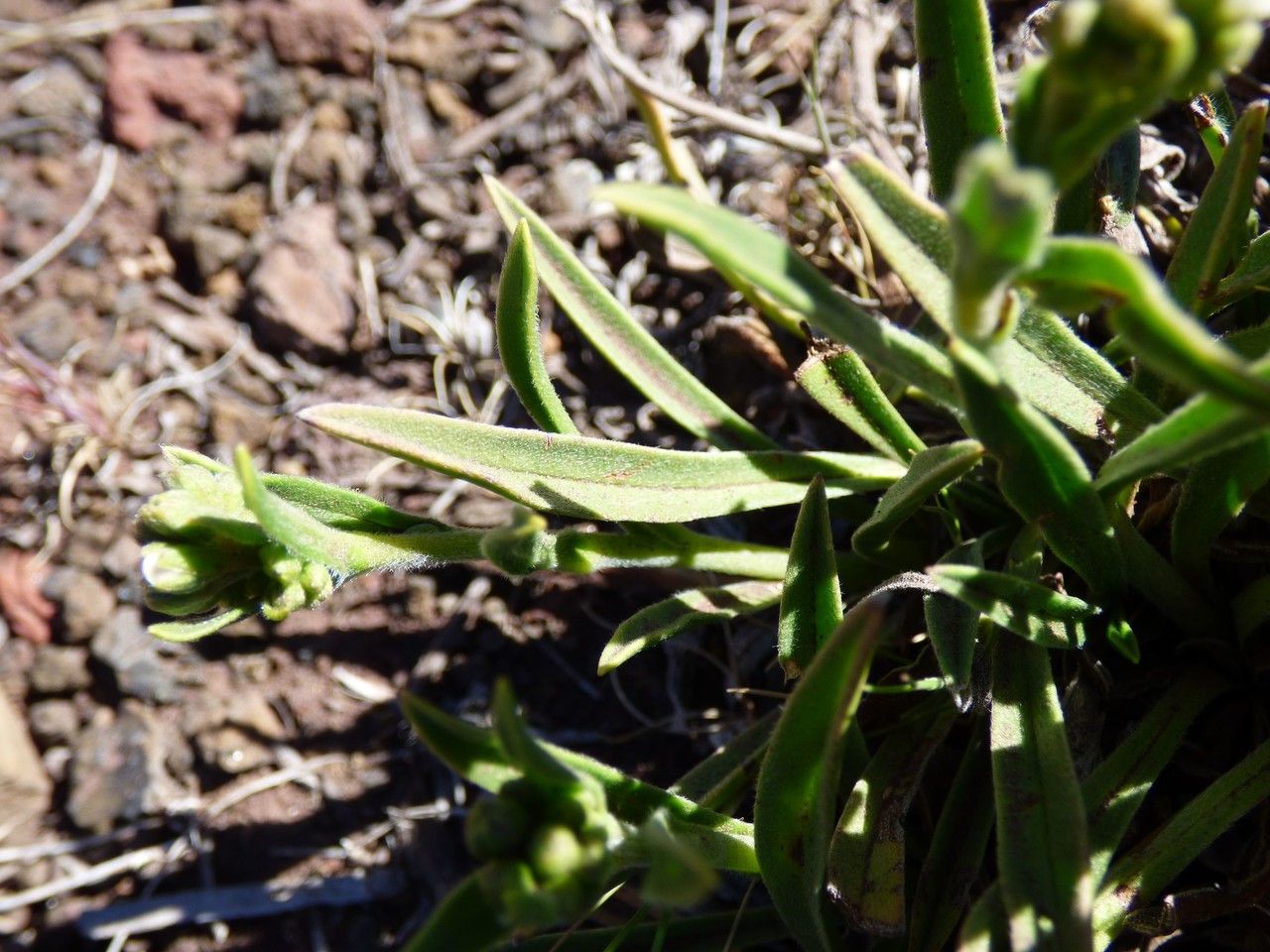
Cynoglossum lanceolatum Forssk. is closely related to and grades into Cynoglossum coeruleum Hochst. ex A.DC. It is a much-branched biennial plant, occurring widely with an anthropogenic distribution, harvested from the wild and used as both food and medicine. This species was first described by the Swede Peter Forsskål in 1775 in Flora Aegyptiaco-Arabica 41. Parts of the plant are used as a diaphoretic, a colic medicine for children, a diuretic expectorant, and as a febrifuge and vermifuge. A poultice made from crushed plant parts is applied to wounds by the Basuto, while the roots are used in the treatment of eye ailments. The plant is used in soup. Tests for bitters, alkaloid, volatile oil, hydrocyanic acid, saponin and triterpenoids have proven negative.
Small hounds tongue is fairly disease-resistant and generally not prone to illnesses. However, it can be affected by pests and diseases present in its environment. These problems are usually mild. For care, the plant needs moderate maintenance. It should be pruned regularly to keep a good appearance and encourage healthy growth. Fertilizing can also help stimulate flowering. Small hounds tongue is suitable for anyone with an outdoor area, such as a garden or patio, and does not require extensive care experience. It may need extra attention if grown indoors.
How to keep Cynoglossum Lanceolatum.
Light
Small hounds tongue is native to habitats with dappled sunlight, such as forest understories or rocky sites that provide natural shade. It does well in partial sun but can also tolerate full sun conditions.
Temperature
Small hounds tongue can tolerate a wide span of temperature conditions, but its distribution can still be limited by certain combinations of water and heat. It does best in warm summer climates with sufficient rainfall or regular watering. Extended periods of cloudy, rainy weather or prolonged high temperatures raise the chance of Small hounds tongue dying. In winter, adequate protection from cold can increase the plant's survival rate.
Fertilizer
Small hounds-tongue are regarded as heavy feeders in terms of nutrients. They require frequent, low doses of nitrogen and potassium fertilizers and periodic applications of phosphorus, micronutrients, sulfur, and magnesium to maintain healthy growth and bright coloration. Continuous fertilization throughout the growing season prevents deficiency symptoms and maintains optimal growth.
Botanical profile.
- Plant Type
- Herb
- Life Cycle
- Biennial
- Genus
- Cynoglossum
- Family
- Boraginaceae
- Hardiness Zone
- 6-9
- Mature Height
- 20 cm to 91 cm
- Mature Spread
- 20 cm to 40 cm
- Leaf Color
- Green
- Leaf Type
- Deciduous
- Flower Color
- Blue
- Flower Size
- 5.08 cm to 11.43 cm
- Bloom Time
- Mid spring, Late spring, Early summer
- Planting Time
- Spring, Summer, Autumn
- Harvest Time
- Summer