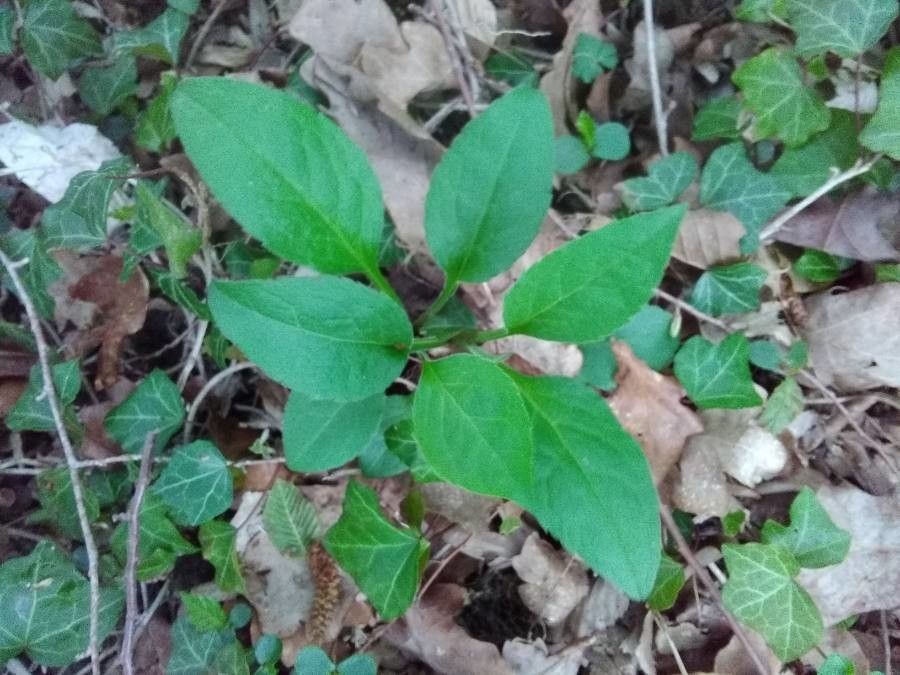
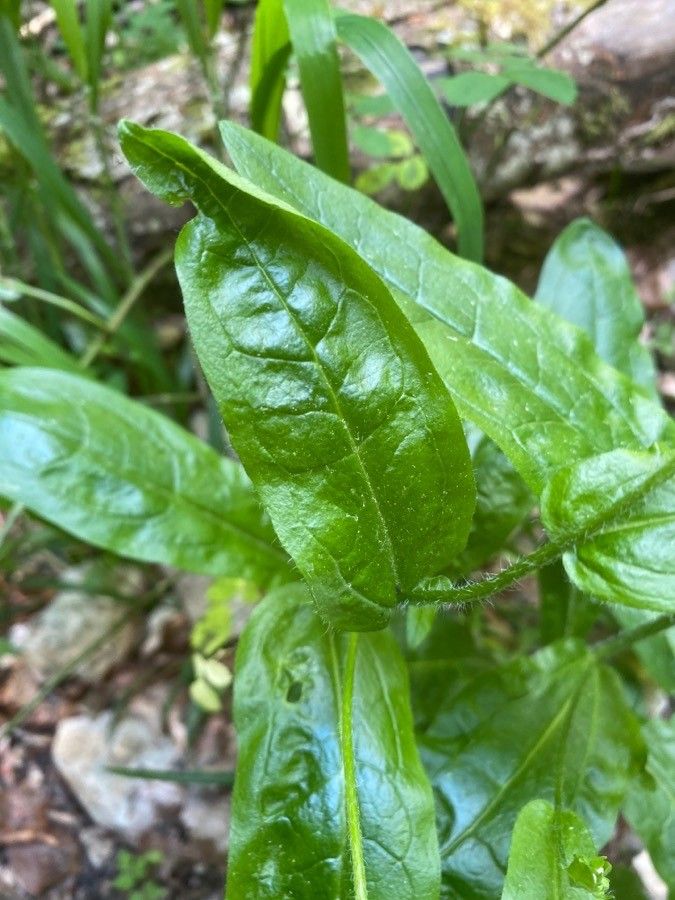
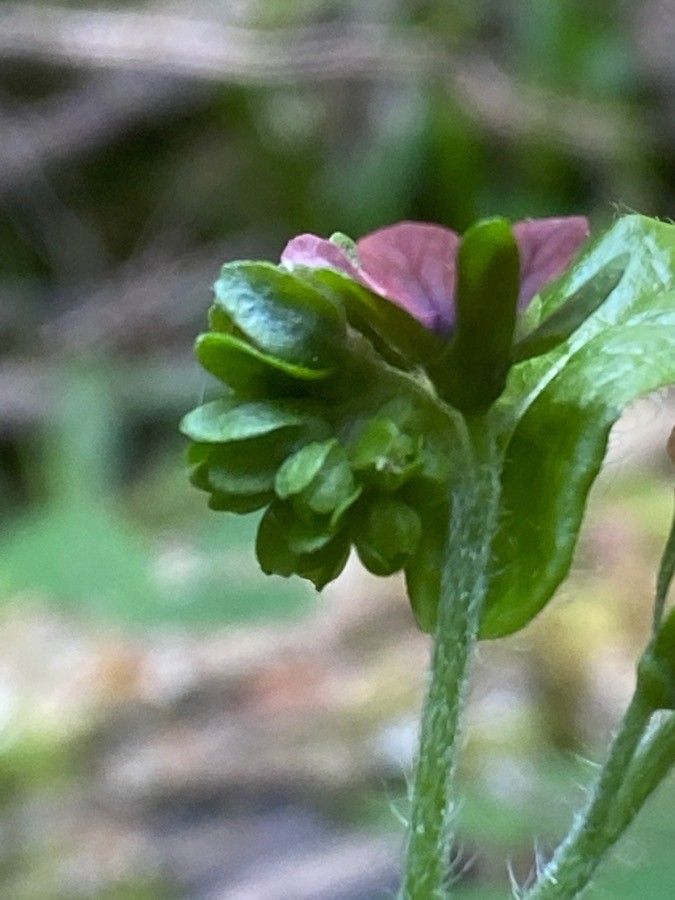
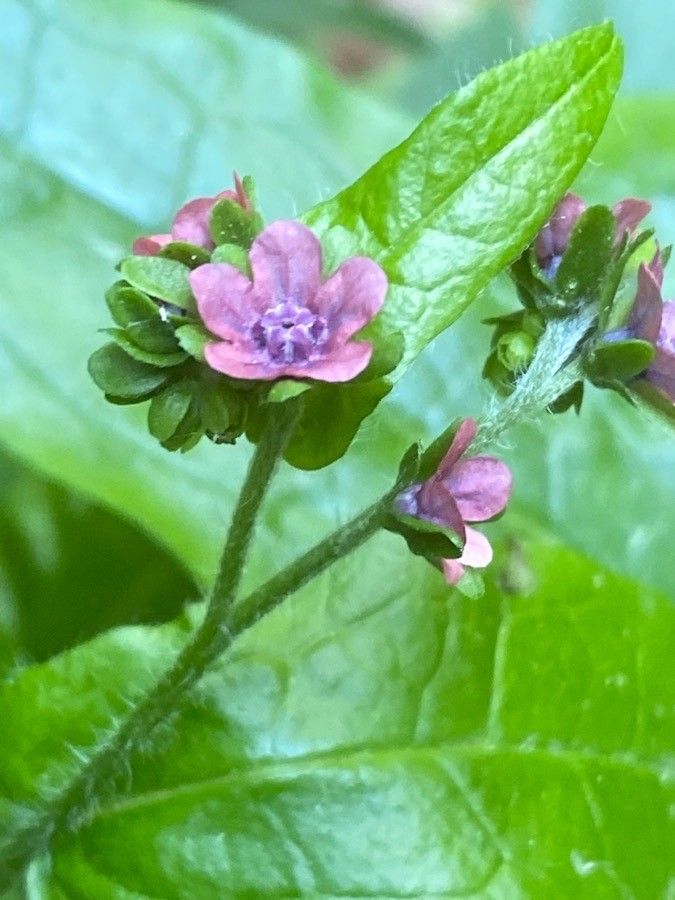
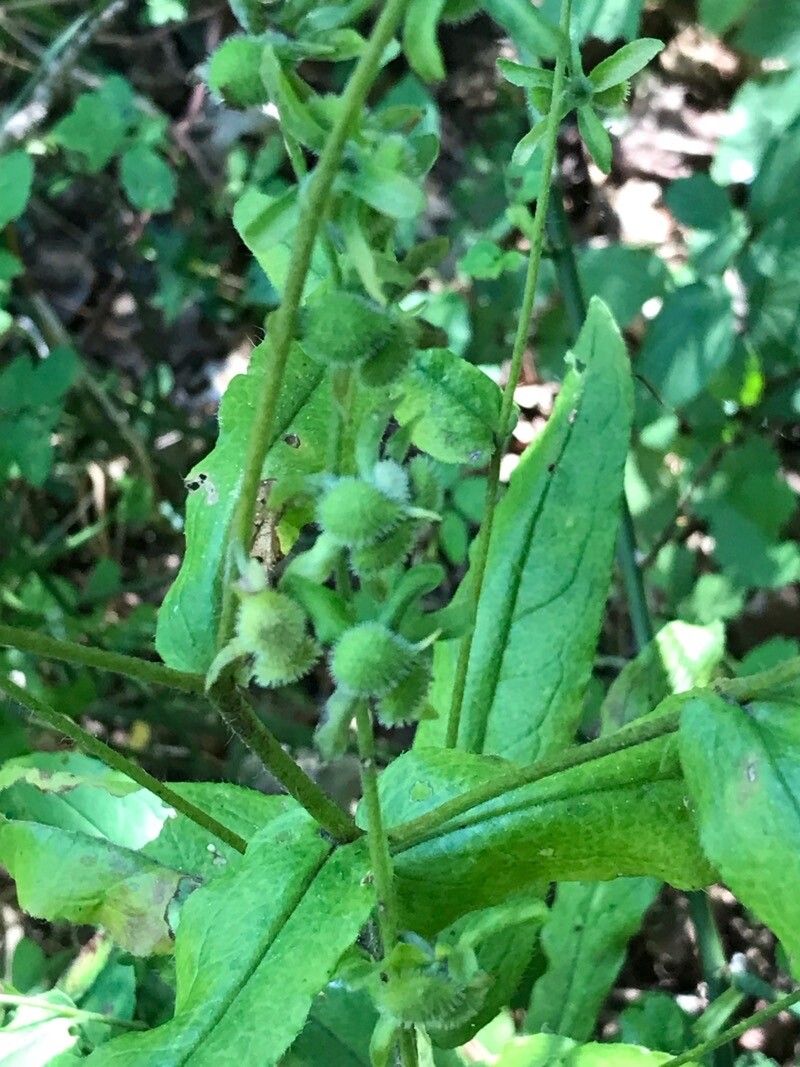
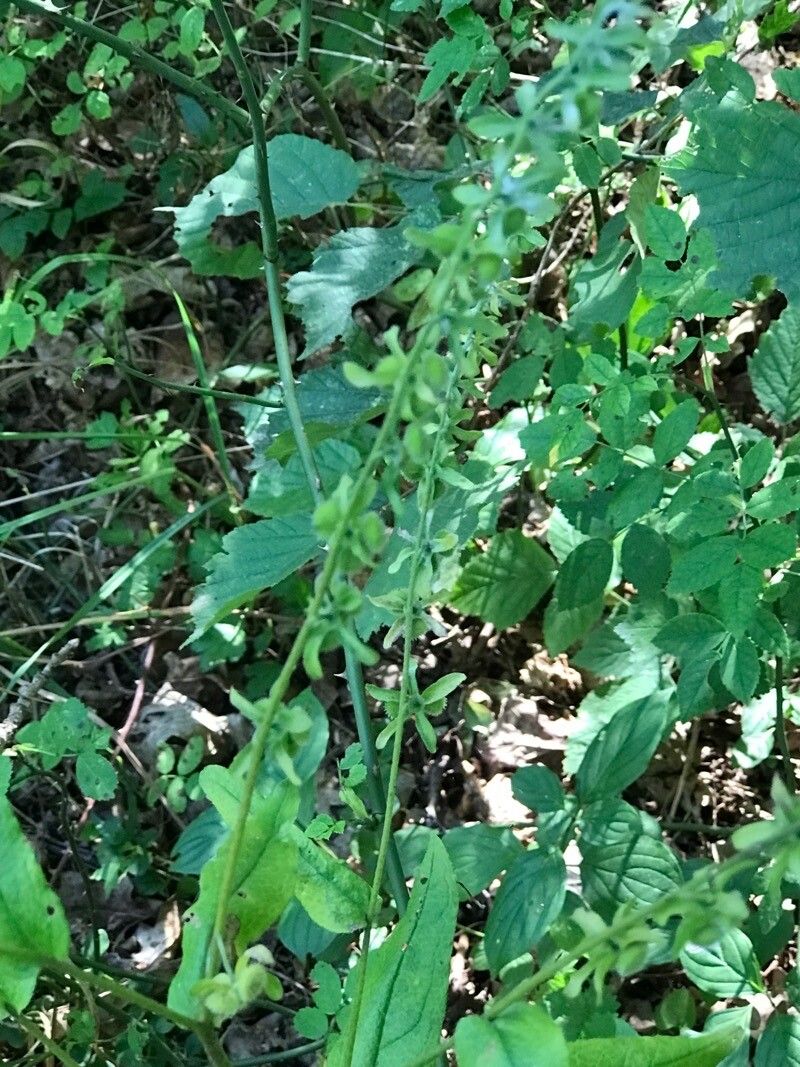
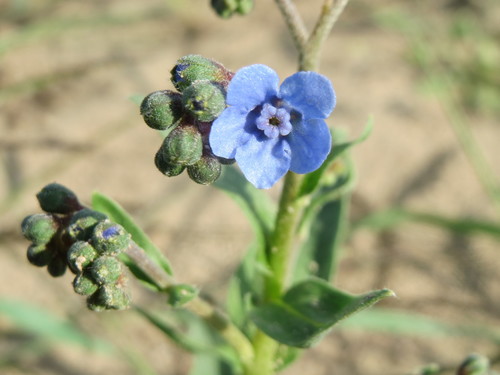
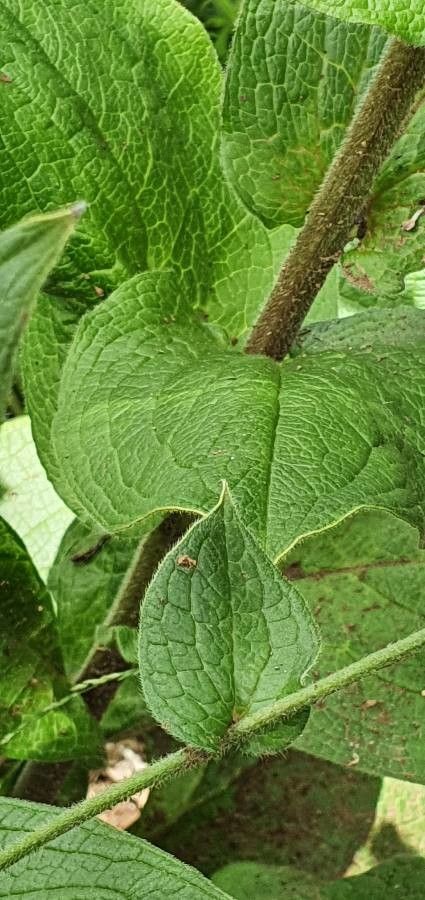
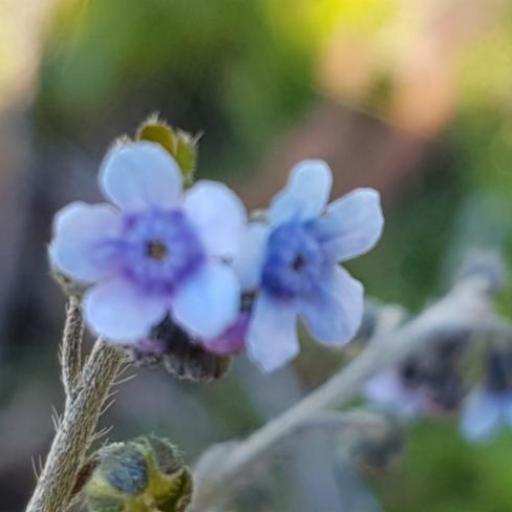
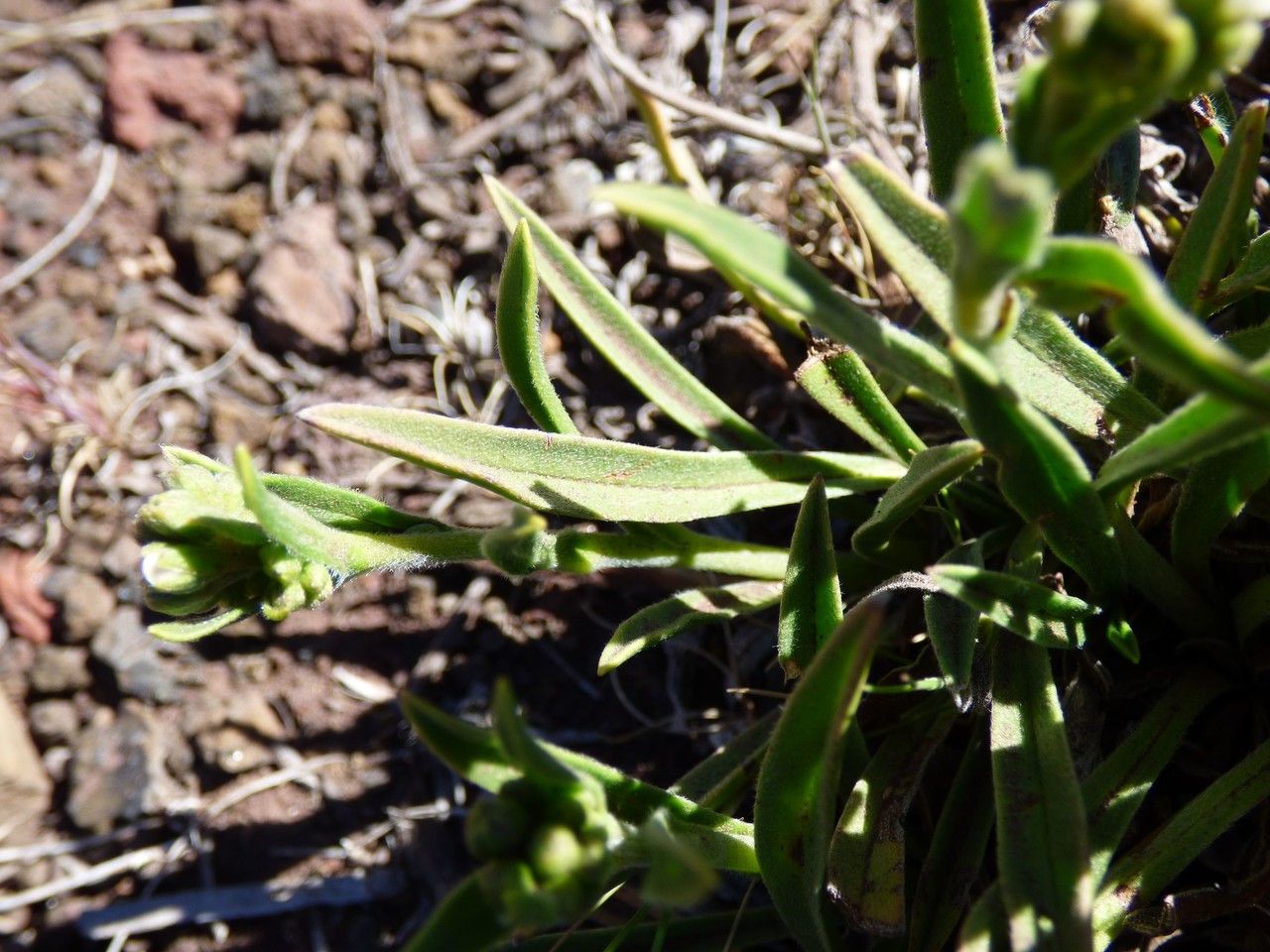
Cynoglossum germanicum, commonly known as German hound's tongue, is a perennial herbaceous plant in the Boraginaceae family. Native to Europe and western Asia, it typically grows in meadows, woodland edges, and roadsides.
The plant can reach a height of up to 60 cm and features a basal rosette of lance-shaped leaves with hairy undersides. Its hairy stem supports small clusters of blue-purple flowers that bloom from May to August.
Traditionally, Cynoglossum germanicum has been used for its anti-inflammatory properties. However, it contains pyrrolizidine alkaloids, which can be toxic if consumed in large quantities.
Ecologically, the plant is important as it provides nectar for pollinators such as bees and butterflies. Additionally, it serves as a host plant for the caterpillars of certain moth species.
Overall, Cynoglossum germanicum is a fascinating herbaceous perennial with both medicinal properties and ecological significance.
Green hound's tongue has strong disease resistance and is generally not susceptible to illnesses. However, it can be affected by pests and diseases present in its surroundings. These problems are usually mild. Care-wise, this plant needs moderate maintenance. Regular pruning is required to preserve a neat appearance and support healthy growth. Fertilizing can also encourage flowering. Green hound's tongue is well suited to people with outdoor space, such as a garden or patio, and does not demand extensive care experience. It may need more attention if grown indoors.
How to keep Cynoglossum Germanicum.
Light
Green hound's tongue comes from habitats with dappled sunlight, such as forest understories or rocky spots that provide natural shade. It does well in partial sun but can also tolerate full sun conditions.
Water
Green hound's tongue thrives with moderate moisture and should be watered twice a week to avoid waterlogging or dryness. It is best suited for outdoor cultivation, where its watering needs match its active growth cycles. During these peak periods, it's important to carefully monitor the soil moisture.
Temperature
Green hound's tongue can adapt to a wide range of temperature conditions, though its distribution may still be limited by different combinations of water and heat. It grows best in warm summer climates with adequate rainfall or watering. Prolonged periods of cloudy, rainy weather and extended high temperatures can increase the likelihood of Green hound's tongue dying. In winter, proper protection from cold can improve the plant's survival rate.
Fertilizer
Green hound's tongue does well with regular, dilute applications of fertilizer to encourage healthy leaf development. You should feed Green hound's tongue roughly once a month during the summer. Nitrogen is vital for foliage, and adding nitrogen-rich sources helps Green hound's tongue thrive.
Pruning
Green hound's tongue is a biennial plant known for its rough leaves and bluish flowers. To maintain its health and appearance, key pruning tasks include removing dead stems in early spring, thinning out growth to improve air circulation, and regularly deadheading flowers to prolong blooming. Pruning helps enhance the plant's shape, vigor, and resilience.
Botanical profile.
- Plant Type
- Herb
- Life Cycle
- Annual
- Genus
- Cynoglossum
- Family
- Boraginaceae
- Hardiness Zone
- 4-8
- Mature Height
- 30 cm to 76 cm
- Mature Spread
- 20 cm to 40 cm
- Leaf Color
- Green, Dark Green
- Leaf Type
- Deciduous
- Flower Color
- Blue, Purple
- Flower Size
- 0.51 cm to 0.76 cm
- Bloom Time
- Mid spring, Late spring, Early summer
- Planting Time
- Spring, Autumn
- Harvest Time
- Summer
Other names.
Reader questions.
What are the sunlight requirements for Green hound's tongue (Cynoglossum germanicum)?
Green hound's tongue, or Cynoglossum germanicum, thrives under specific sunlight conditions. It needs full sun, which is defined as more than 6 hours of direct sunlight per day, to grow optimally. However, it can also tolerate partial sun exposure, meaning about 3-6 hours of sunlight per day. When planning where to plant your Green hound's tongue, it's essential to observe the patterns of sunlight in your garden over time. Finding locations that offer a suitable balance of light and shade will ensure the best conditions for your plant's growth and happiness.
What is Green hound's tongue?
Green hound's tongue is referred to by its botanical name, Cynoglossum germanicum. However, the provided information does not include specifics about its essentials, content, additional details, or symptoms related to this plant.