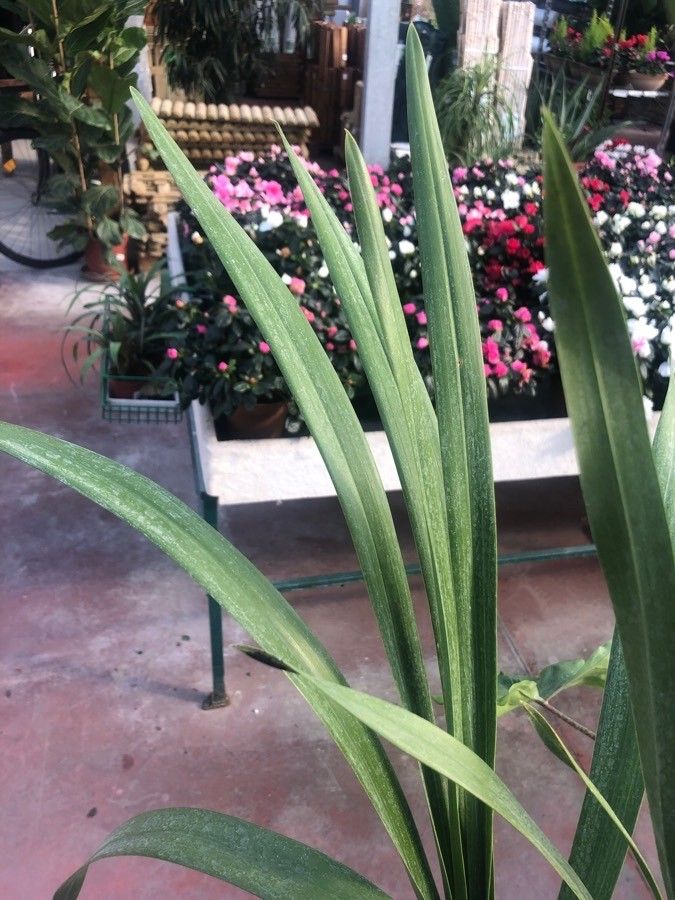
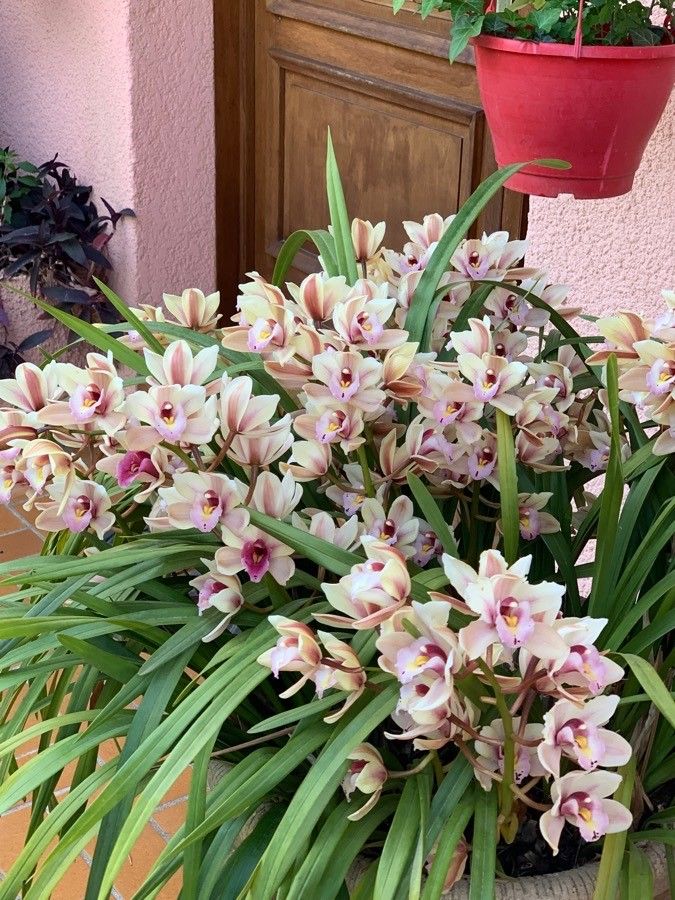
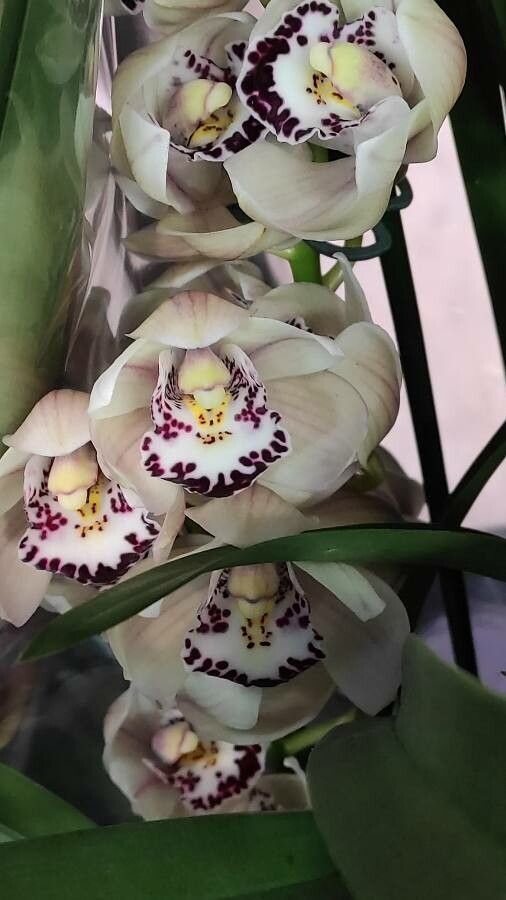
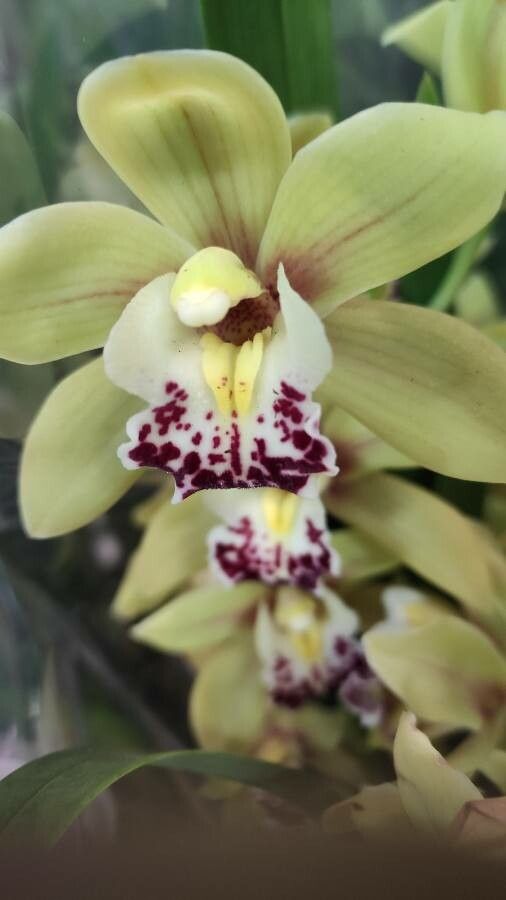
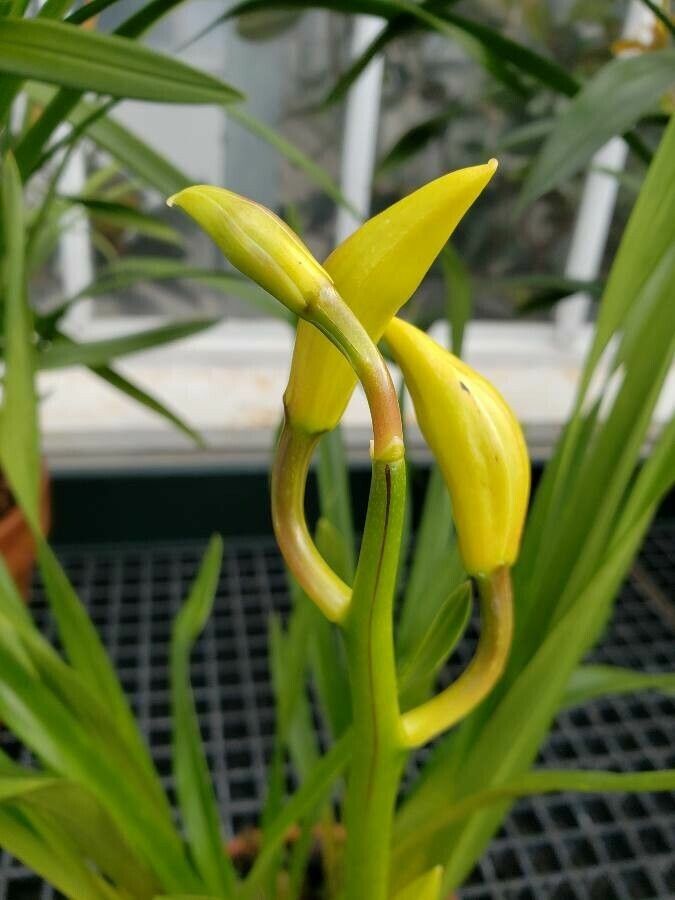
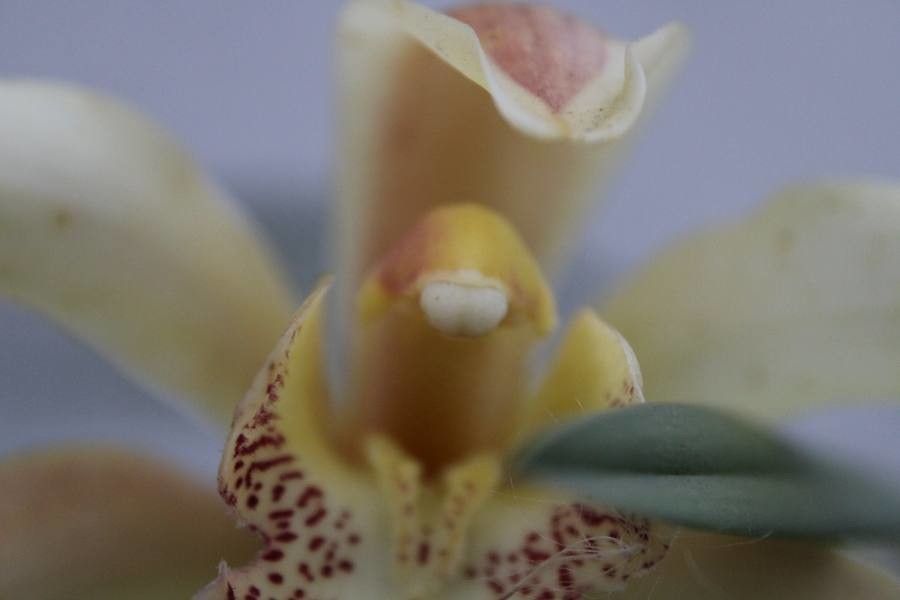
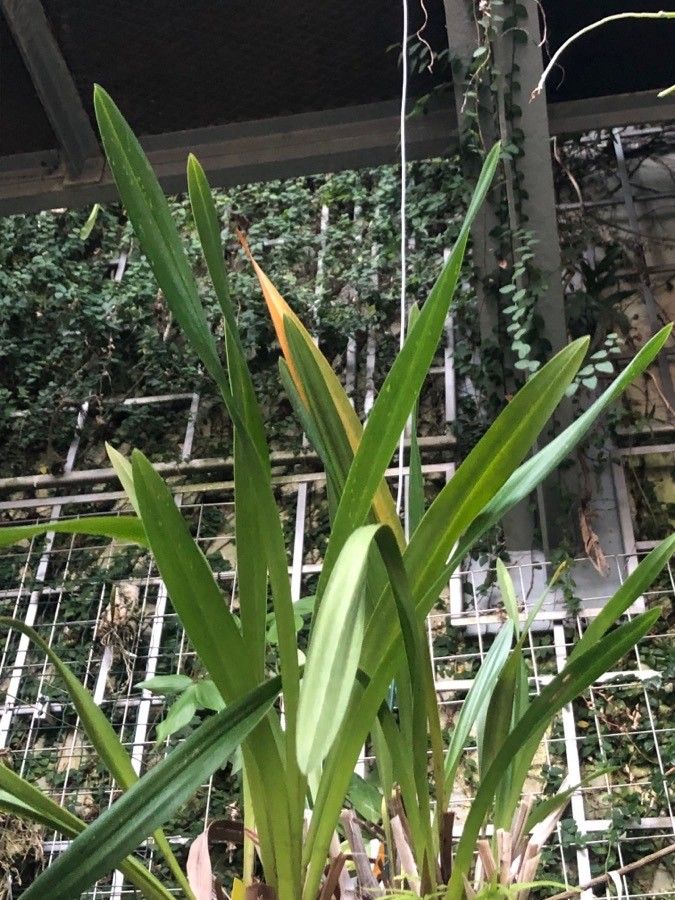
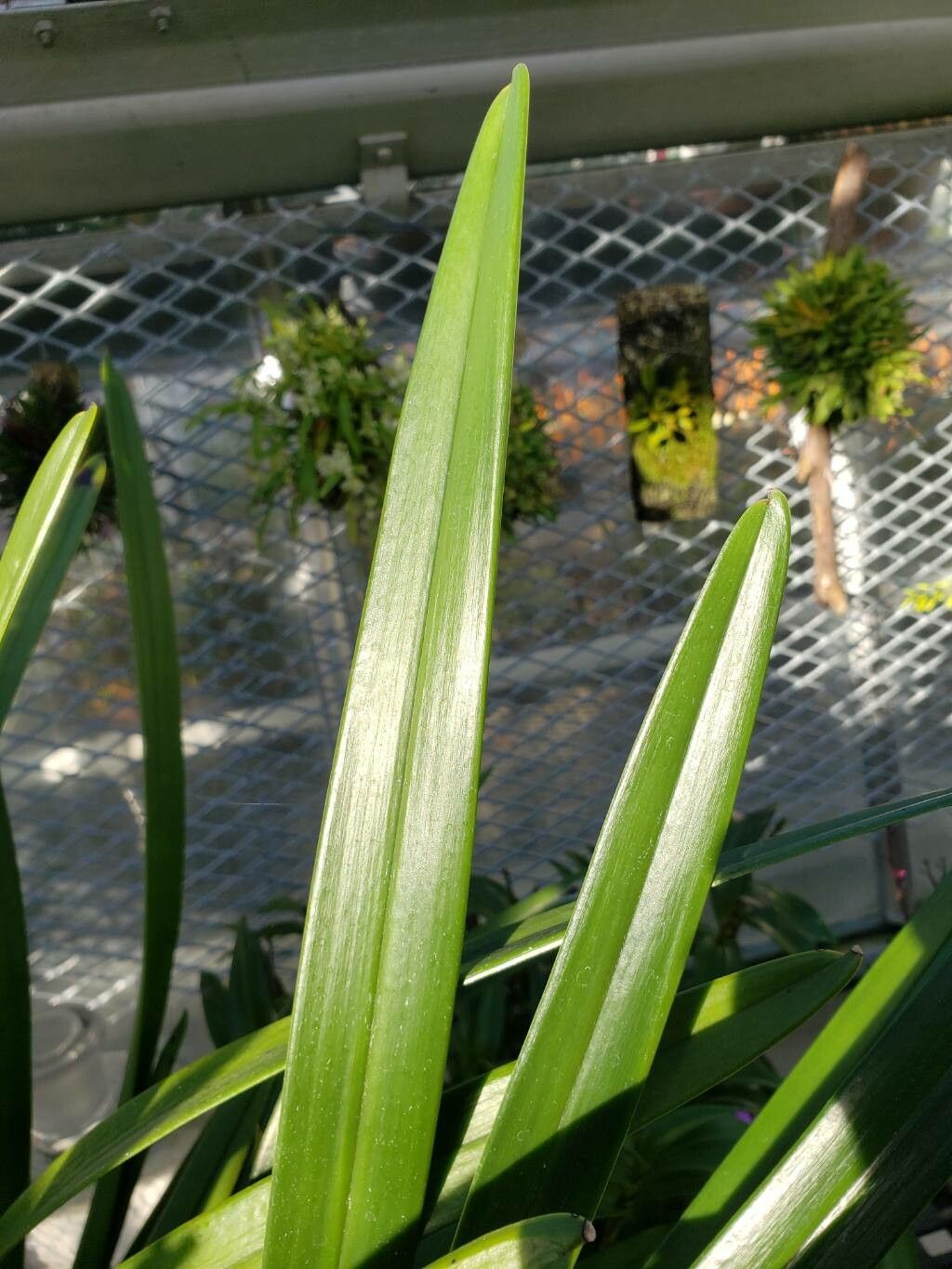
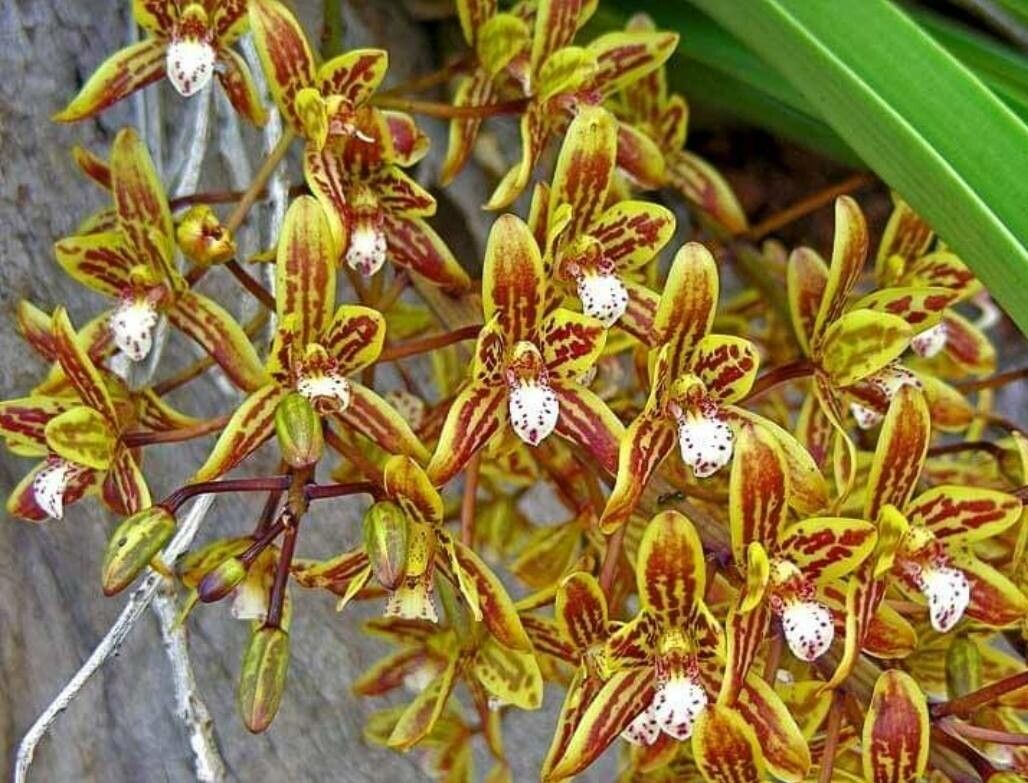
Cymbidium Orchids are more cold-tolerant than most common species of orchids. It grows up 2 feet tall and blooms in mid-autumn to mid-spring. It typically has a pink, green, yellow, and white tint to it. Cymbidiums are native to Asia and Australia.
How to keep Cymbidium Spp.
Water
Water these orchids frequently during their growing season. Remember that the purer the water, the healthier it gets. In the winter season, reduce watering. However, do not let the plant dry out completely. Instead, keep the soil slightly damp.
Temperature
These orchids are fine with cold weather. Nights with temperatures down to 40°F are just fine although they can also withstand summer heat without wilting. Outdoor cymbidium orchids can tolerate most humidity levels except during the dry season. About 40% to 60% humidity level is ideal for indoors. If humidity needs to be raised, simply place the plant’s container on a tray of pebbles filled with water.
Fertilizer
Feed with a weak orchid fertilizer every other month during its growing season. Orchid fertilizers have a 20-20-20 NPK ratio. Scattering slow-release pellets at beginning of the season is also a good alternative.
Pruning
Use sharp and clean utility scissors. Cut off any completely spent bloom spikes after they begin to wilt. Sever the stem at the base between the leaves and cut off dead roots. Discard the trimmed parts.
Toxicity
Cymbidium Orchids are safe for both animals and humans unless ingested as the body might give unpredictable reactions to this plant.
Further reading →
The toxicity and danger assessments provided are for reference only. We do not assure their accuracy, so it's crucial not to depend on them. Seek professional advice when necessary for accurate guidance.
Botanical profile.
- Genus
- Cymbidium
- Family
- Orchidaceae
Other names.