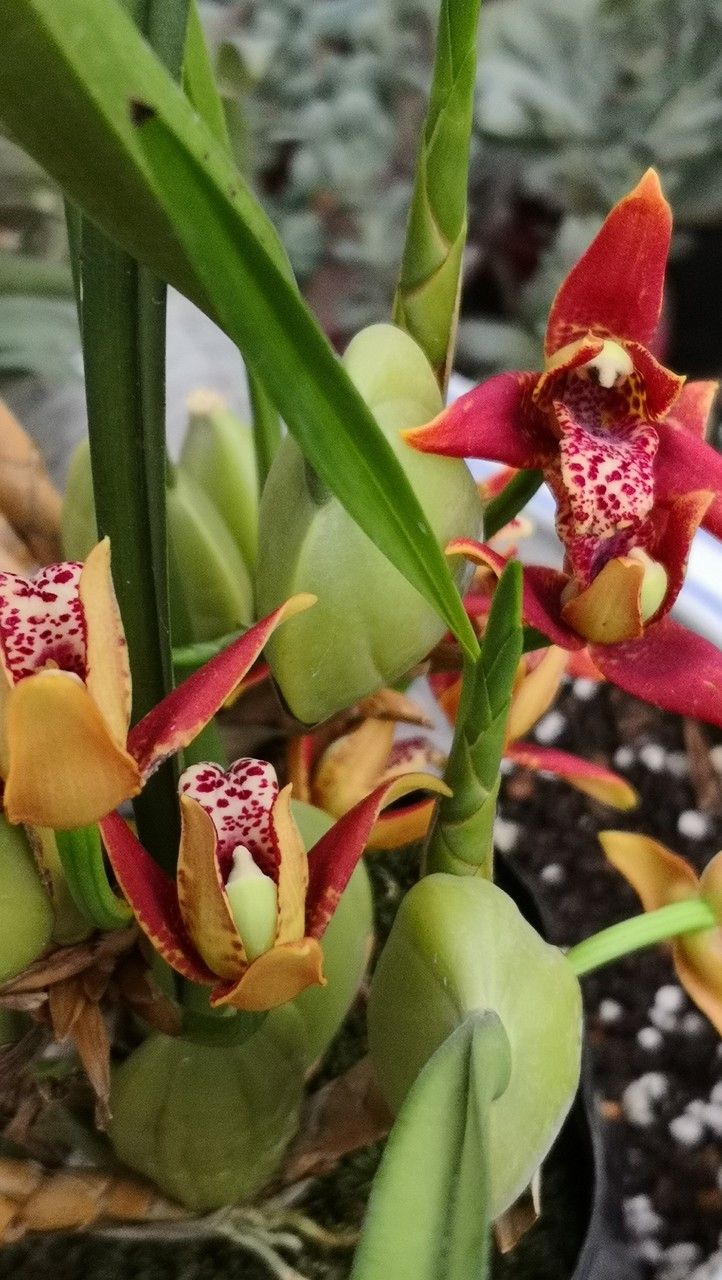
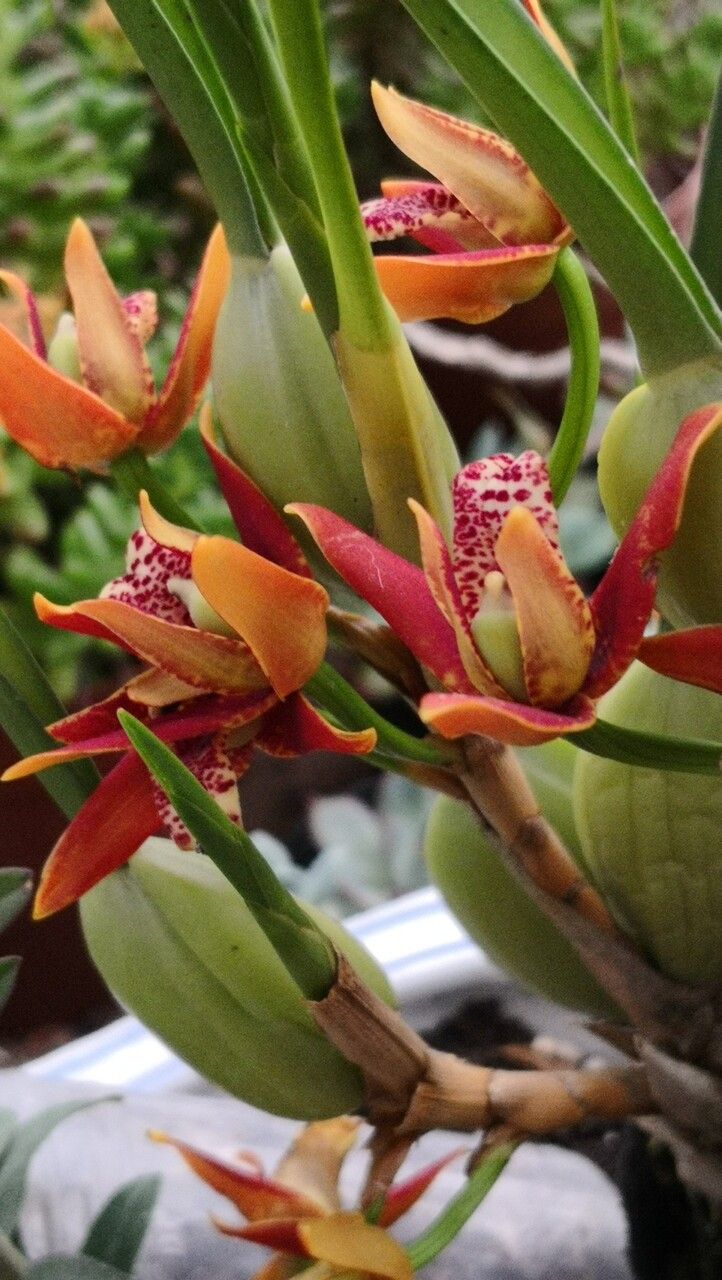
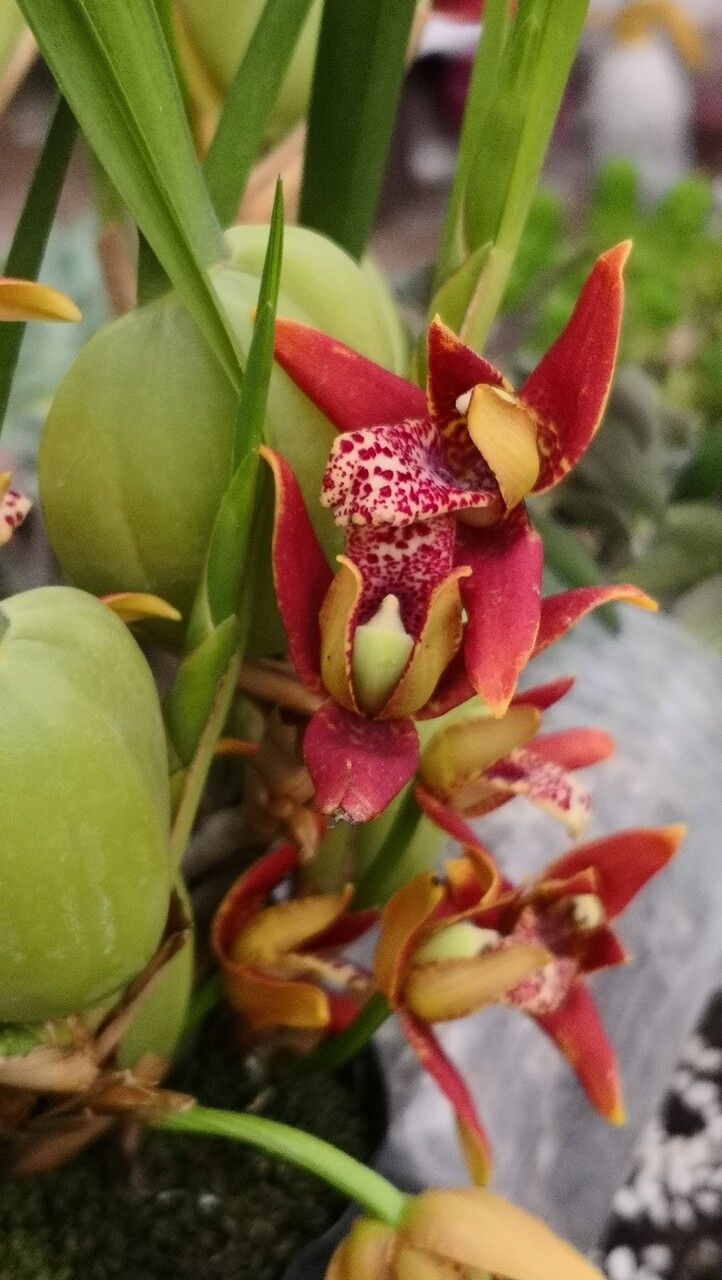
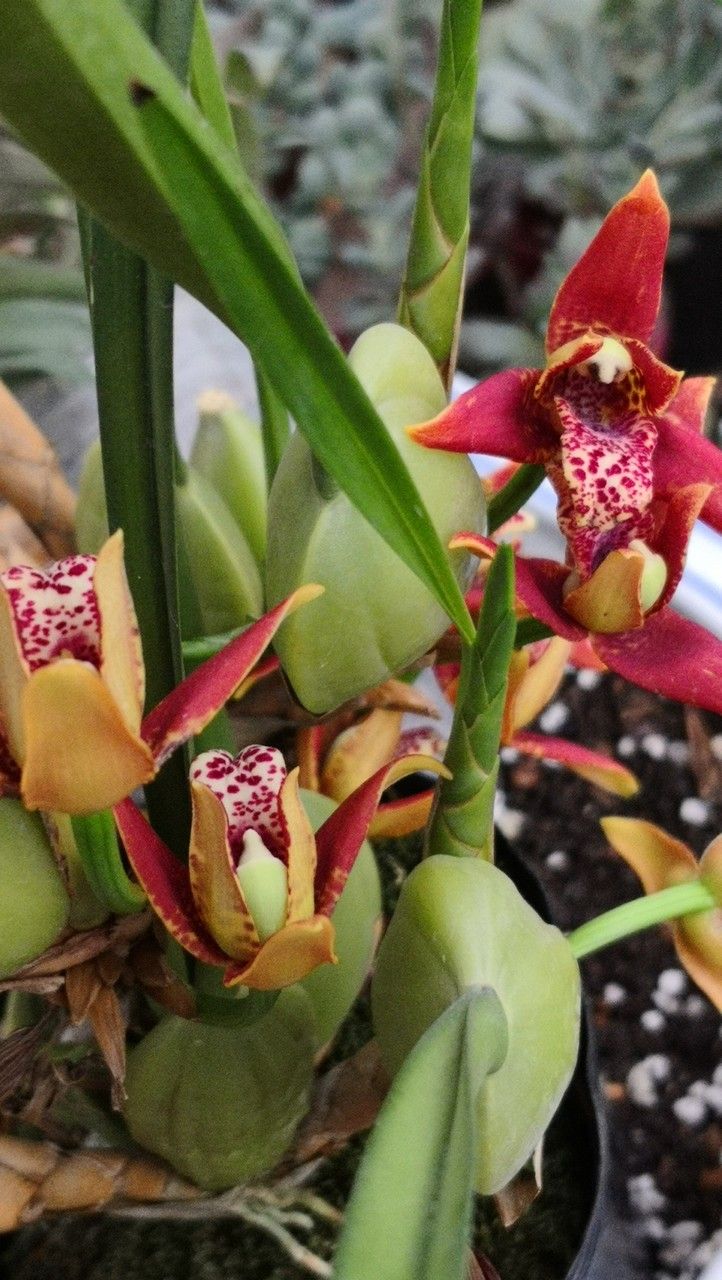
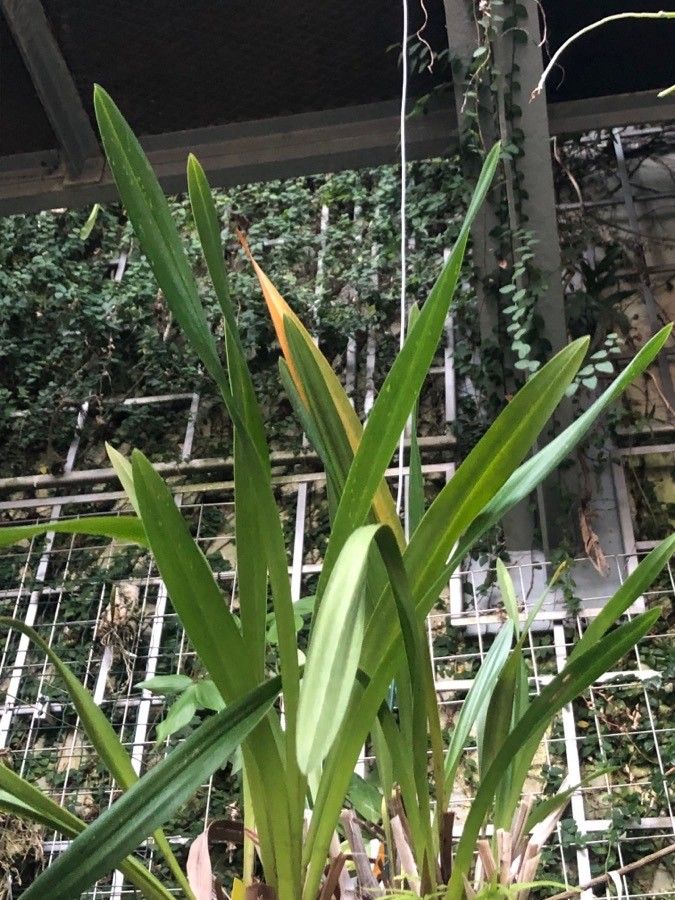
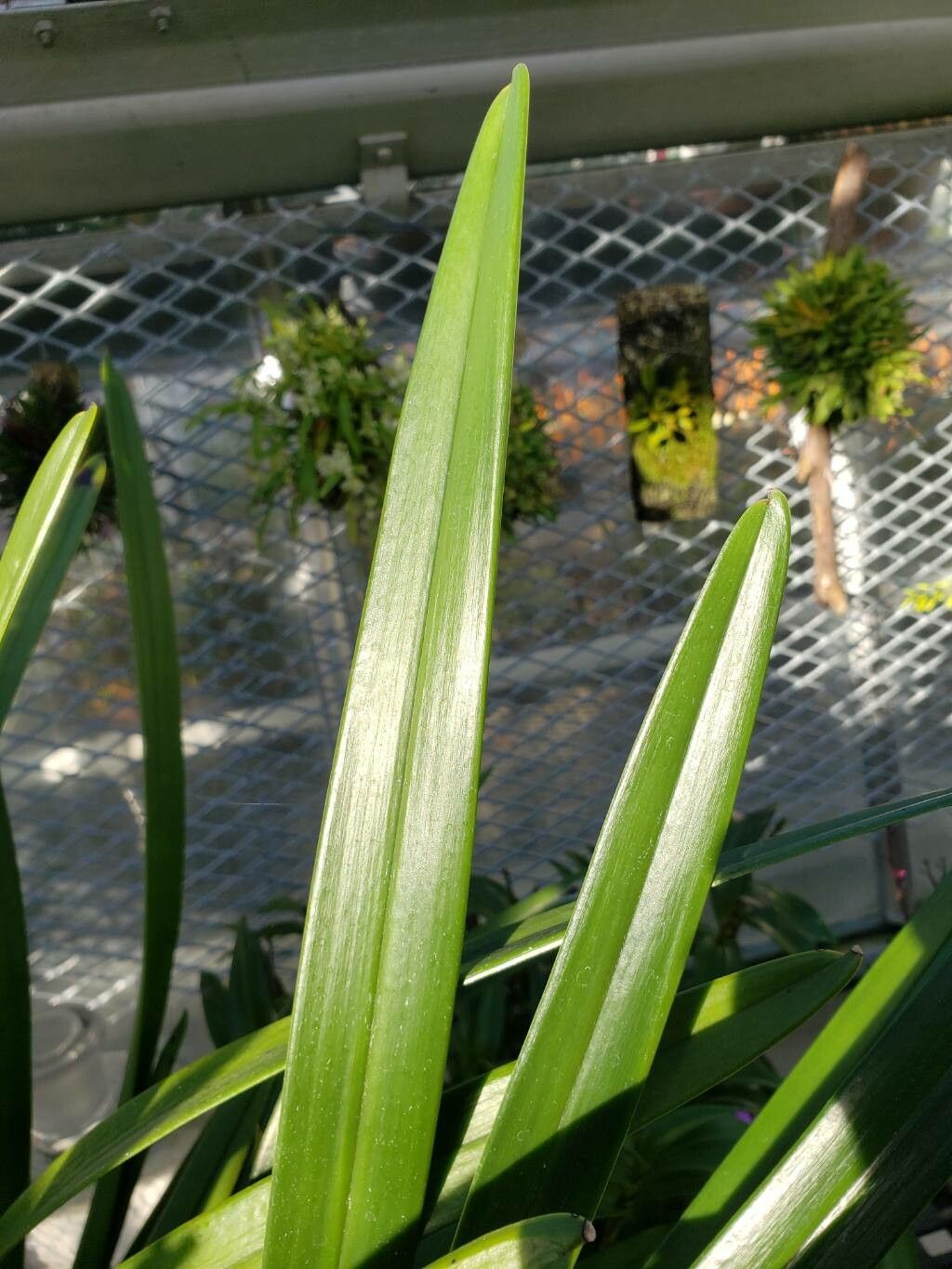
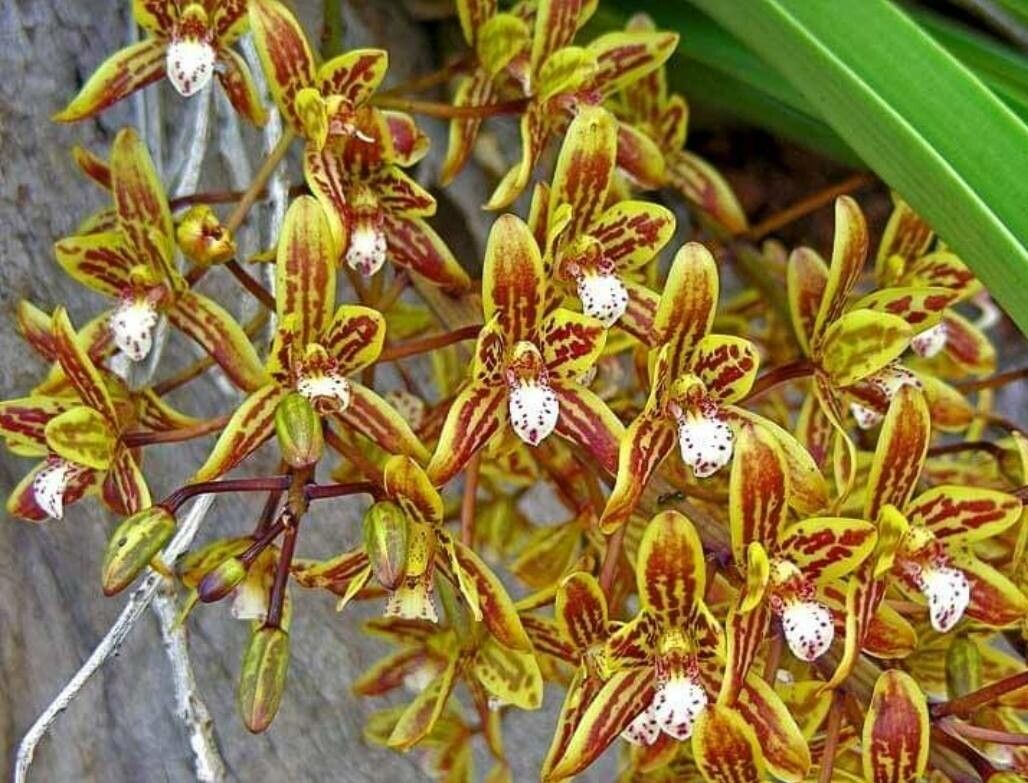
Chinese cymbidium is generally resistant to disease and encounters relatively few insect pests. Its care is considered challenging because it needs high humidity together with good ventilation and a low presence of harmful pathogens. Overwatering can cause root rot. Although anyone can grow Chinese cymbidium, keeping it healthy and prompting it to flower again requires more growing experience.
How to keep Cymbidium Sinense.
Light
Chinese cymbidium grows best with plenty of sunlight, though it can tolerate lower light levels. Native to areas with abundant sun, the plant's growth and overall health benefit from sunlight. Still, excessive exposure can cause damage, and inadequate light will impede its development.
Water
The Chinese cymbidium, originally from the understories of Asian forests, prefers consistent moisture and high humidity. To keep the soil moist without causing waterlogging, it should be watered weekly. Often cultivated indoors, the Chinese cymbidium benefits from elevated air humidity, which enhances the health of its foliage and the vitality of its blooms.
Temperature
The Chinese cymbidium is native to regions characterized by mild to tropical climates, often preferring temperatures between 59 and 95 °F (15 to 35 ℃). As the seasons change, minor adjustments should be made to mimic its natural habitat.
Fertilizer
The best time to fertilize a Chinese cymbidium is in early spring, as it comes out of dormancy and begins active growth. Fertilization supplies essential nutrients for healthy development. Although Chinese cymbidiums have relatively low fertilizer needs, applying fertilizer annually can improve their survival and encourage better, longer-lasting flowers.
Pruning
The Chinese cymbidium is known for its arching leaves and fragrant blooms. To promote healthy growth, it's important to prune the plant from late winter to early spring. Remove any dead or damaged parts during this time. Always use sterilized tools to prevent infections. Pruning during the plant's dormant phase helps minimize stress and improves its appearance.
Botanical profile.
- Plant Type
- Herb
- Life Cycle
- Perennial
- Genus
- Cymbidium
- Family
- Orchidaceae
- Hardiness Zone
- 8-10
- Mature Height
- 76 cm
- Mature Spread
- 20 cm to 37 cm
- Leaf Color
- Green, Red, Brown
- Leaf Type
- Evergreen
- Flower Color
- Green, White, Pink
- Flower Size
- 5.08 cm
- Bloom Time
- Spring
- Planting Time
- Spring, Summer, Autumn
- Harvest Time
- Early summer, Mid summer
- Native Area
- Sri Lanka, India, Vietnam, Myanmar, Japan, Thailand, China
Other names.
Reader questions.
How should I water my Chinese cymbidium plant?
How you water your Chinese cymbidium depends on whether it is in a growth phase or not. If it is growing, water the soil and occasionally spray water on the leaves in warm weather. In winter or cool, wet weather, stick to watering the soil only. Look for signs of needing more water like thin, dry roots and leaves or discoloration. Overwatered Chinese cymbidium plants will look mushy and limp. Plant your cymbidium in a pot with good drainage. During the growing season, water it multiple times per week, but make sure the water drains quickly. The size of the pot determines how much water to give, with larger pots needing less water and smaller pots needing more frequent watering. Rainwater and distilled water are best, and use water that matches the air temperature.
Why should I add fertilizer to my Chinese cymbidium plant?
Fertilization plays a vital role in the growth of Chinese cymbidium and other plants. It provides essential nutrients for both above-ground and below-ground development. Although Chinese cymbidiums have relatively low fertilization requirements, annual fertilization can greatly benefit the plant. Not only does it ensure the plant's survival, but it may also enhance flower quality and longevity. Therefore, those who want their Chinese cymbidium to thrive should prioritize annual fertilization.
How many hours of sunlight does Chinese cymbidium need for it to grow?
Chinese cymbidium plants need 3-6 hours of direct sunlight daily, but also need shade during the hottest parts of the day to avoid damage. Morning sunlight is best, but they can handle some afternoon sun if it's not too hot. Planting them in an area with partial sun, like under a tree or on the east side of a building, helps strike the right balance of sunlight.
What temperature is best for Chinese cymbidium?
Plants can be affected by colder temperatures, especially during winter. Unlike when they are exposed to the sun and can warm up again, the same doesn't happen in winter. Chinese cymbidium, for instance, prefer temperatures between 70~85℉(21~30℃). They can handle temperatures as low as 20~30℉(-6~0℃) or even 15℉(-10℃), but not for long as it can cause frost damage. It's important to maintain maximum temperatures within the 70~85℉(21~30℃) range. Additionally, make sure to provide them with water and some shade to prevent wilting.
What should I do if I give my Chinese cymbidium plant too much or too little water?
To keep your Chinese cymbidium healthy, avoid keeping its soil too moist for too long. Although these plants need frequent watering while growing, they also require well-draining soil. Overwatering can cause the roots to rot and the plant to become mushy. If you notice signs of root rot, carefully remove the affected roots with sterilized pruning shears. Repot the plant in a container with good drainage and use a fast-draining potting mix. However, be cautious about repotting too often, as Chinese cymbidium may not respond well to excessive repotting. If you notice the plant shriveling and feeling dry, it may be underwatered. In this case, increase the watering frequency because the soil is drying faster than expected.
When should I fertilize my Chinese cymbidium plant for the best results?
The best time to fertilize a Chinese cymbidium is in late winter to early spring. This is when the plant is coming out of its dormant phase and starting to grow again. Fertilizing at this time helps the plant grow well. It's also okay to fertilize in the fall, but it's not recommended to fertilize in the summer or winter.
What happens if Chinese cymbidium doesn't get enough sunlight?
Chinese cymbidium is sensitive to excessive sunlight, which can cause yellowing, drying, or even burning of its leaves. Additionally, the plant may wilt or become stunted. To protect it from sun damage, it is important to provide some shade during the hottest times of the day. This can be done using a shade cloth or by placing Chinese cymbidium near taller plants that offer natural shade.
Do I need to change the temperature for Chinese cymbidium at different stages of growth?
To ensure successful growth of Chinese cymbidium, it is important to research and maintain the appropriate temperature. Some growers may try to lower thermostat settings during the growing season to save on HVAC costs. However, it is crucial to understand that temperature can impact flowering, pest management, and overall plant quality. Winter temperatures can cause certain Chinese cymbidium species to enter a dormant state, halting growth. As seasons change and temperatures rise, the base temperature for growth increases, resulting in faster growth for Chinese cymbidium plants naturally found in warm habitats. It is important to note that cool temperatures can negatively affect seed uniformity and cause delays. Lowering the temperature during flowering can be beneficial, but not during other growth phases. Additionally, cooler nighttime temperatures require less water, so irrigation adjustments may be necessary.
How frequently should I water my Chinese cymbidium?
To care for your Chinese cymbidium during the active growth stage in spring and summer, water it once or twice per week. If the weather gets hot and dry, increase the frequency to three times per week or more. In winter, water your Chinese cymbidium, but not as frequently. During the coldest months, watering it two to three times per month should be enough. Remember that if you keep it indoors during winter, the soil may dry out faster, so you might need to water it more often. Use the fall to gradually reduce the watering frequency from the summer rate to the reduced winter schedule.
When is the best time to not fertilize my Chinese cymbidium?
To properly care for your Chinese cymbidium plant, it is important to know when to fertilize. Generally, you should avoid fertilizing this plant during most of the year, except for the late winter and early spring. This is because the plant has low fertilization needs and a single feeding during this time is enough. Fertilizing during spring, summer, and fall can actually lead to overfertilization and its associated problems. However, if you happened to miss fertilizing in the spring, it is acceptable to feed the plant in the fall. Additionally, it is best to refrain from fertilizing during the winter. During this time, the Chinese cymbidium is in a dormant growth phase, so fertilization is not advised.
What will happen if Chinese cymbidium gets too much sunlight? What happens if Chinese cymbidium gets too much sunlight?
If your Chinese cymbidium doesn't receive sufficient sunlight, it may become tall and thin with not many leaves. Additionally, the leaves might turn yellow or pale green, indicating that the plant isn't producing enough chlorophyll due to the lack of sunlight. To fix this issue, you can try moving the Chinese cymbidium to a sunnier location or trim nearby foliage to enable more light to reach the plant.
How do I keep my Chinese cymbidium plant warm during cold seasons?
To help the plant withstand colder temperatures as they begin to drop, one option is to stop fertilizing to prevent new growth and allow the existing ones to become more robust. Additionally, constructing structures like cages or trellises around the Chinese cymbidium can keep them warm. Another option is to use heat mats, which gently warm the soil and consistently maintain the ideal temperature range for the Chinese cymbidium.