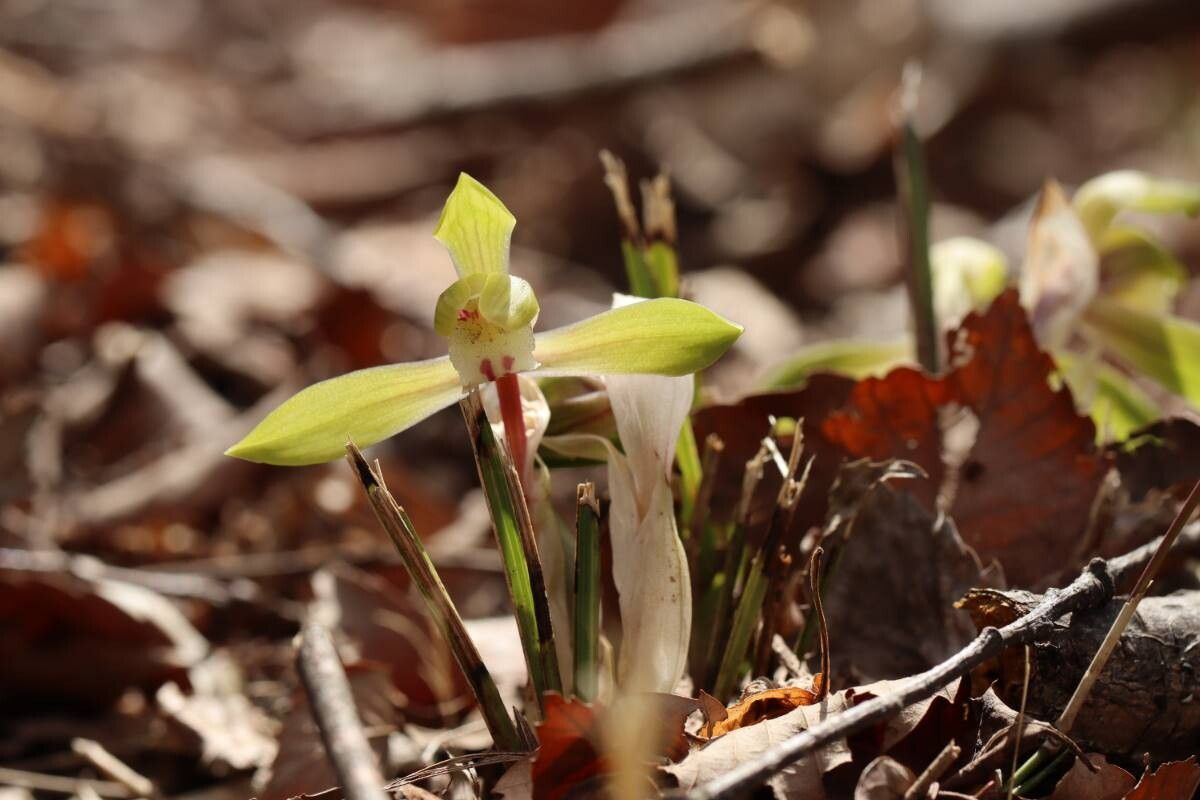
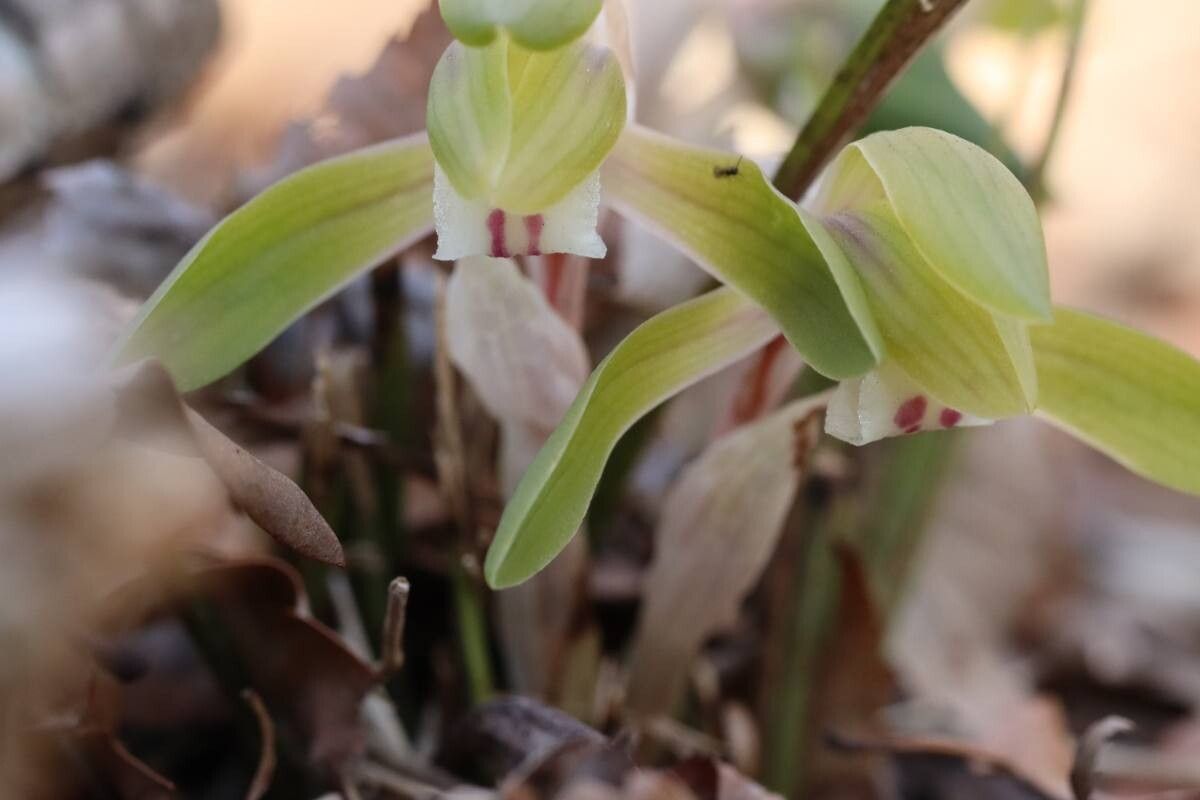
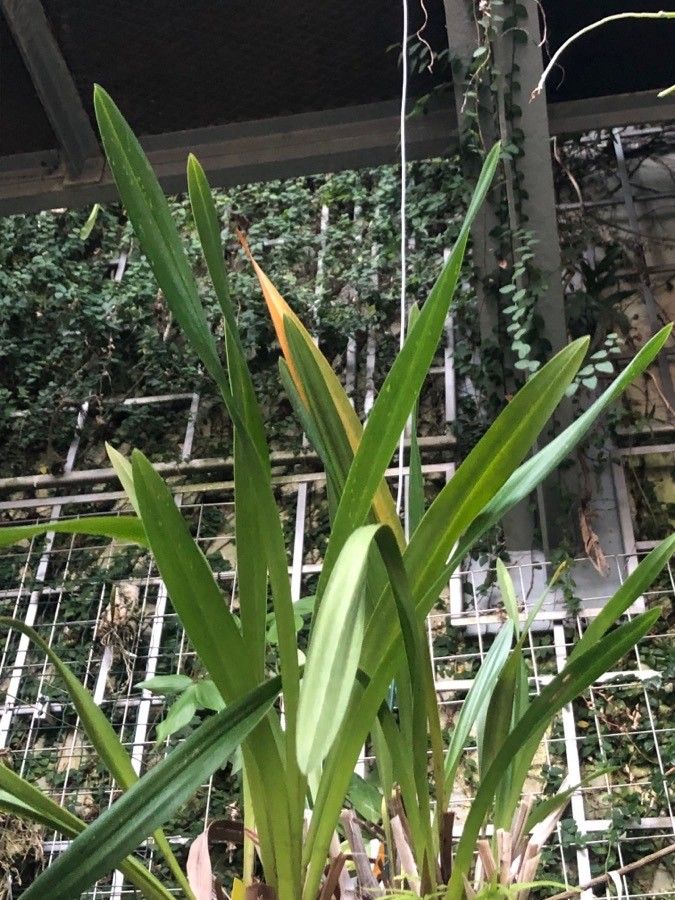
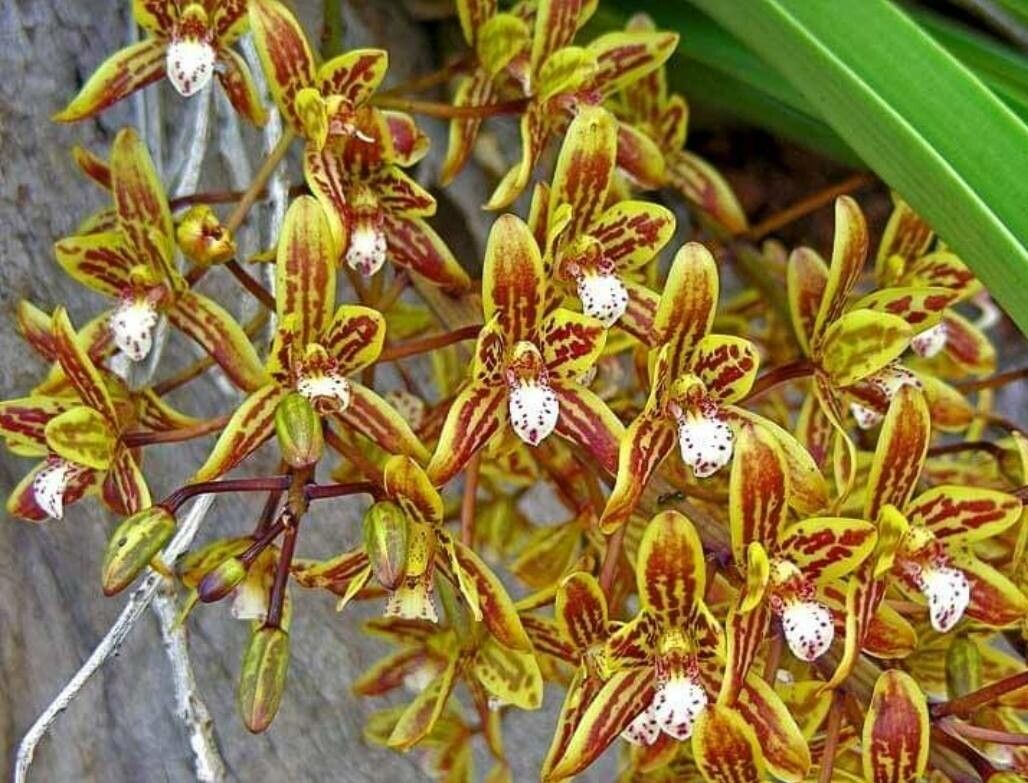
Cymbidium goeringii, commonly known as chun lan, is a species of terrestrial orchid native to Asia including Bhutan, China, north-western India, Japan, and Korea.
Noble orchid is generally disease-resistant and has relatively few insect pests. Its care is regarded as difficult because it needs high humidity combined with good ventilation and an environment with few harmful pathogens. Overwatering can cause root rot. Growing Noble orchid is appropriate for anyone, but keeping it healthy and getting it to bloom again demands more growing experience.
How to keep Cymbidium Goeringii.
Light
The noble orchid thrives in spots with partial sunlight — not in full sun nor in deep shade. This preference comes from the orchid's native habitat, where those lighting conditions are common. Too much light causes leaf scorching, while too little light prevents proper growth and flowering. Its need for sunlight changes little across different stages of growth.
Water
The noble orchid thrives in humid environments and is moderately drought-tolerant, needing weekly watering. Typically grown indoors, it benefits from stable temperatures and regulated moisture during its active growing season, which is crucial for maintaining its lush foliage and vibrant blooms.
Temperature
The noble orchid naturally occurs in habitats with moderate temperatures of 50 to 95 °F (10 to 35 °C). It remains comfortable in these conditions. Seasonal changes may require adjustments to reproduce this natural climatic preference.
Fertilizer
The best time to fertilize a Noble orchid is in early spring, as it comes out of dormancy and begins active growth. Fertilization supplies essential nutrients for healthy development. Although the Noble orchid has relatively low fertilizer needs, annual feeding can improve its survival and encourage better, longer-lasting flowers.
Pruning
Pruning your noble orchid between late winter and early spring encourages healthy growth. Be sure to remove any dead pseudobulbs and spent flower stems to stimulate new growth and prevent diseases. Regular trimming helps maintain the plant's shape, enhances air circulation, and improves its blooming potential for the next season.
Pot & Repot
When repotting a Noble orchid, select a pot a bit larger than the current one that drains well, preferably a clear orchid pot. Use a well-draining, orchid-specific medium containing bark or moss. Carefully clean the roots and remove any that are dead or rotting. Repot after flowering, usually in spring or fall, water thoroughly, and place in bright, indirect light. After repotting, avoid disturbing the roots.
Botanical profile.
- Plant Type
- Herb
- Life Cycle
- Perennial
- Genus
- Cymbidium
- Family
- Orchidaceae
- Hardiness Zone
- 6-9
- Mature Height
- 10 cm to 30 cm
- Mature Spread
- 1 cm to 2 cm
- Leaf Color
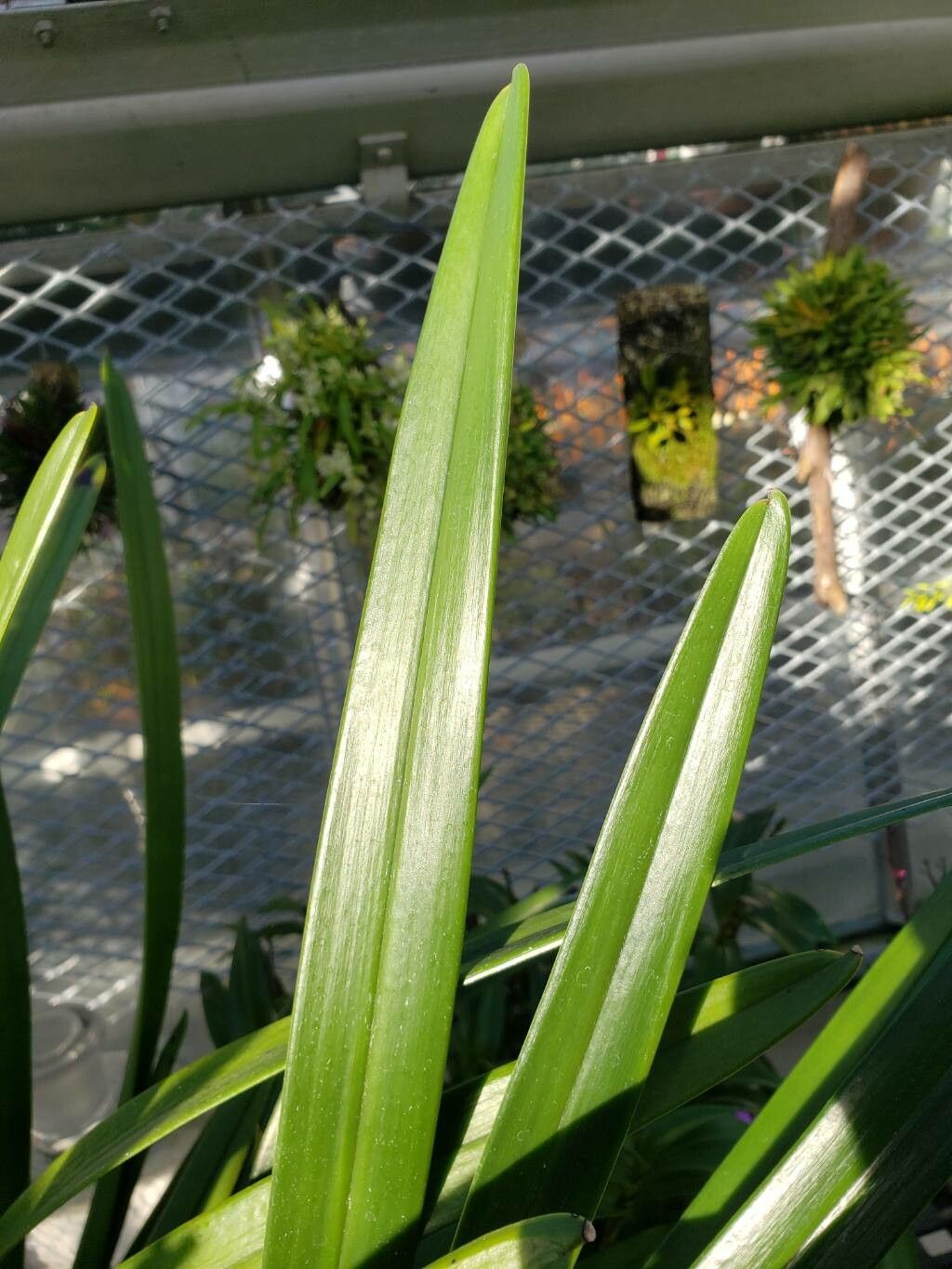
- Green
- Leaf Type
- Evergreen
- Flower Color
- White, Yellow, Green, Purple
- Flower Size
- 4.06 cm to 6.35 cm
- Bloom Time
- Late winter, Early spring, Mid spring
- Planting Time
- Spring, Summer, Autumn, Winter
- Harvest Time
- Late spring, Early summer, Mid summer
- Native Area
- India, Japan, Bhutan, South Korea, China
Other names.