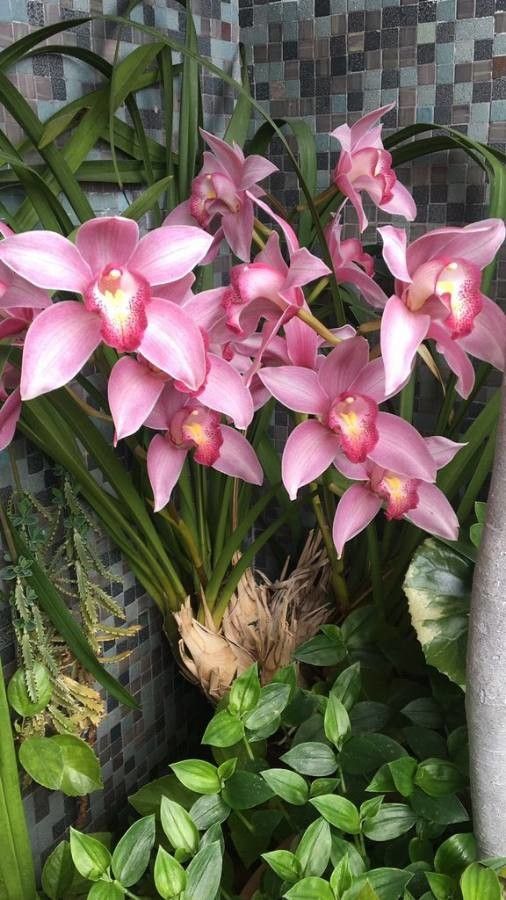
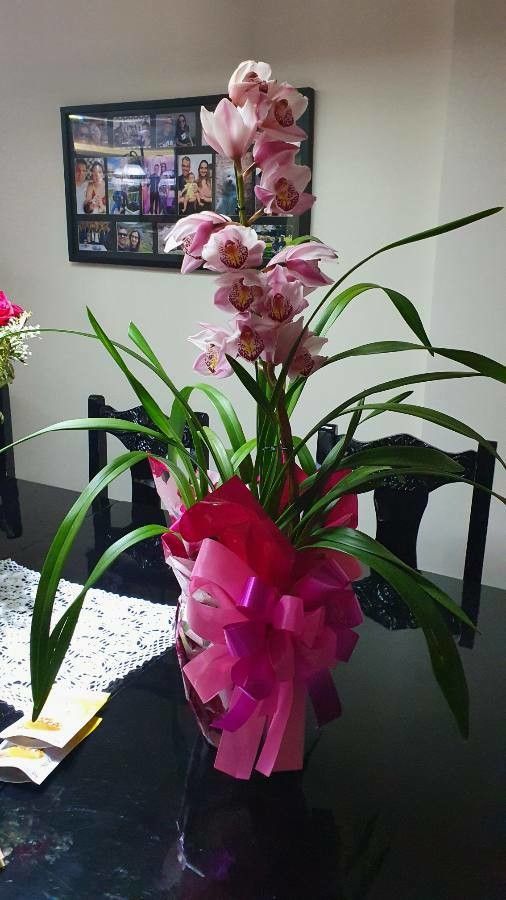
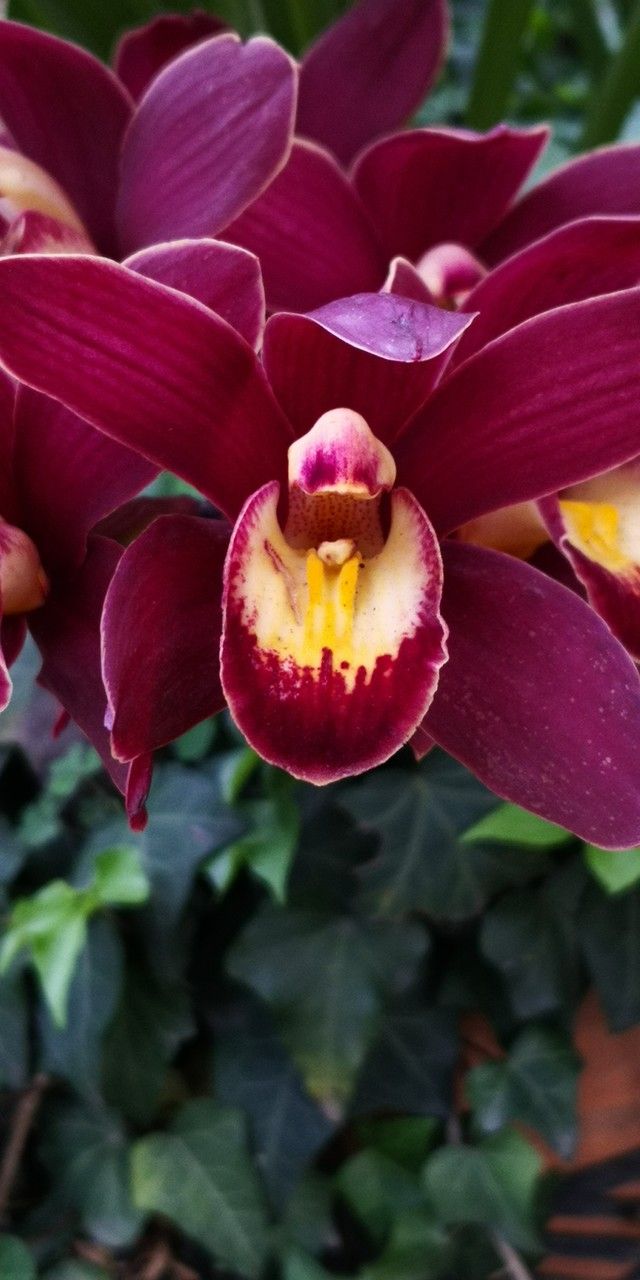
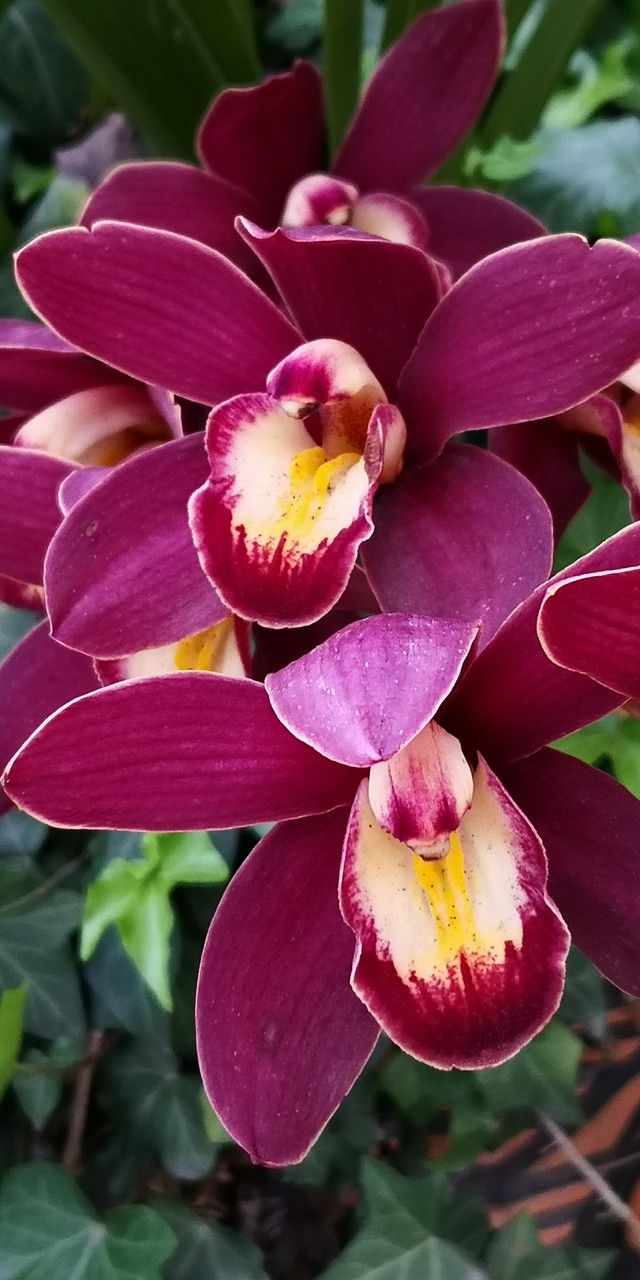
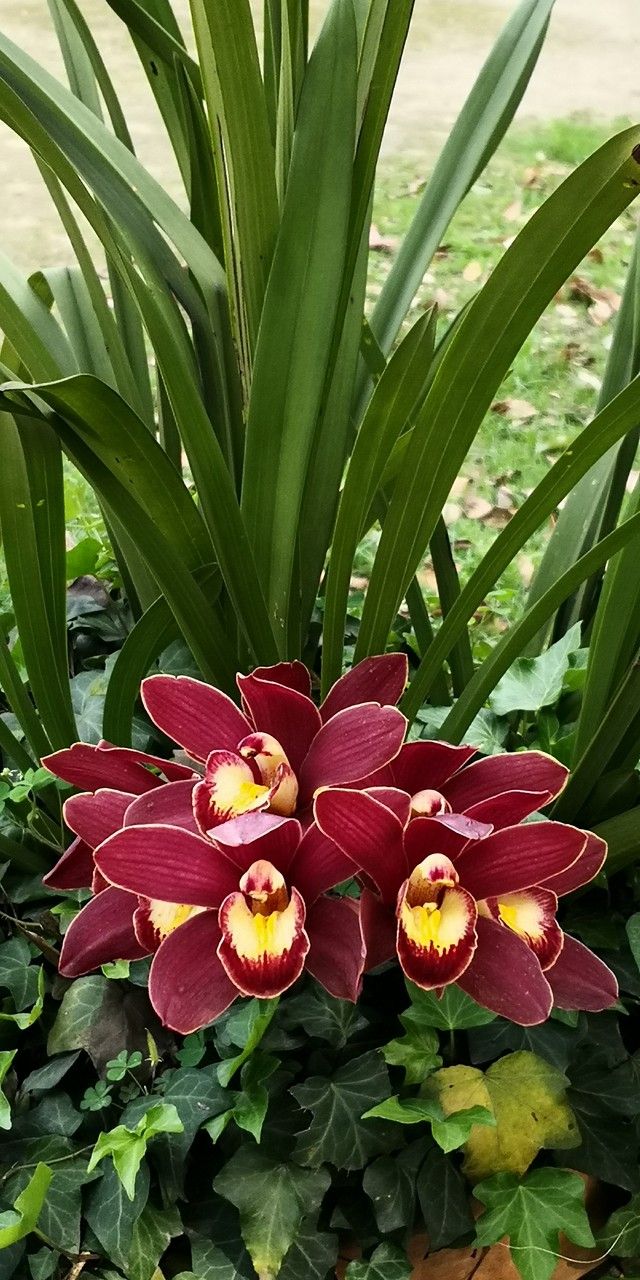
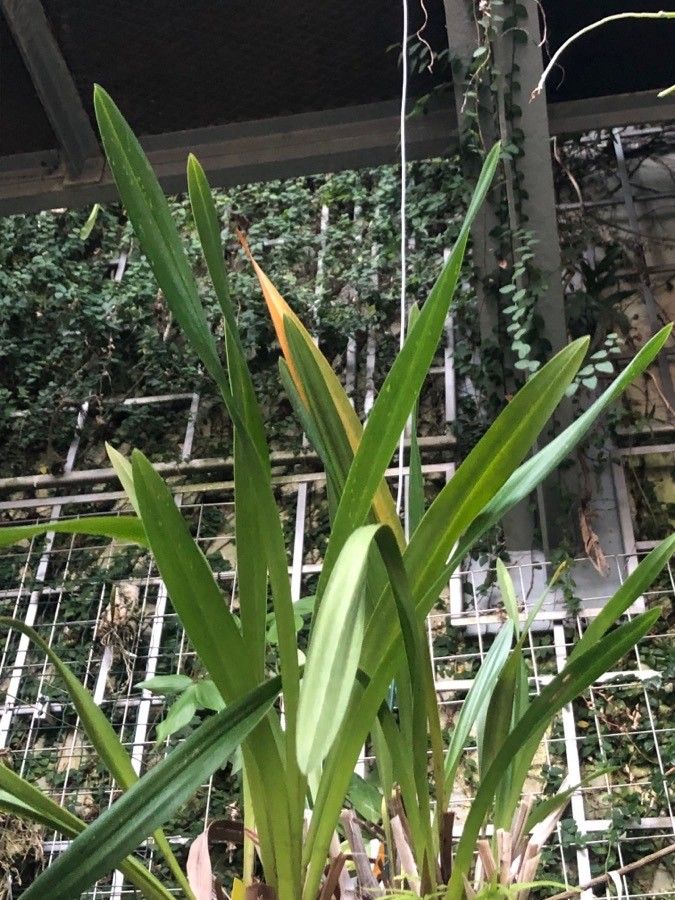
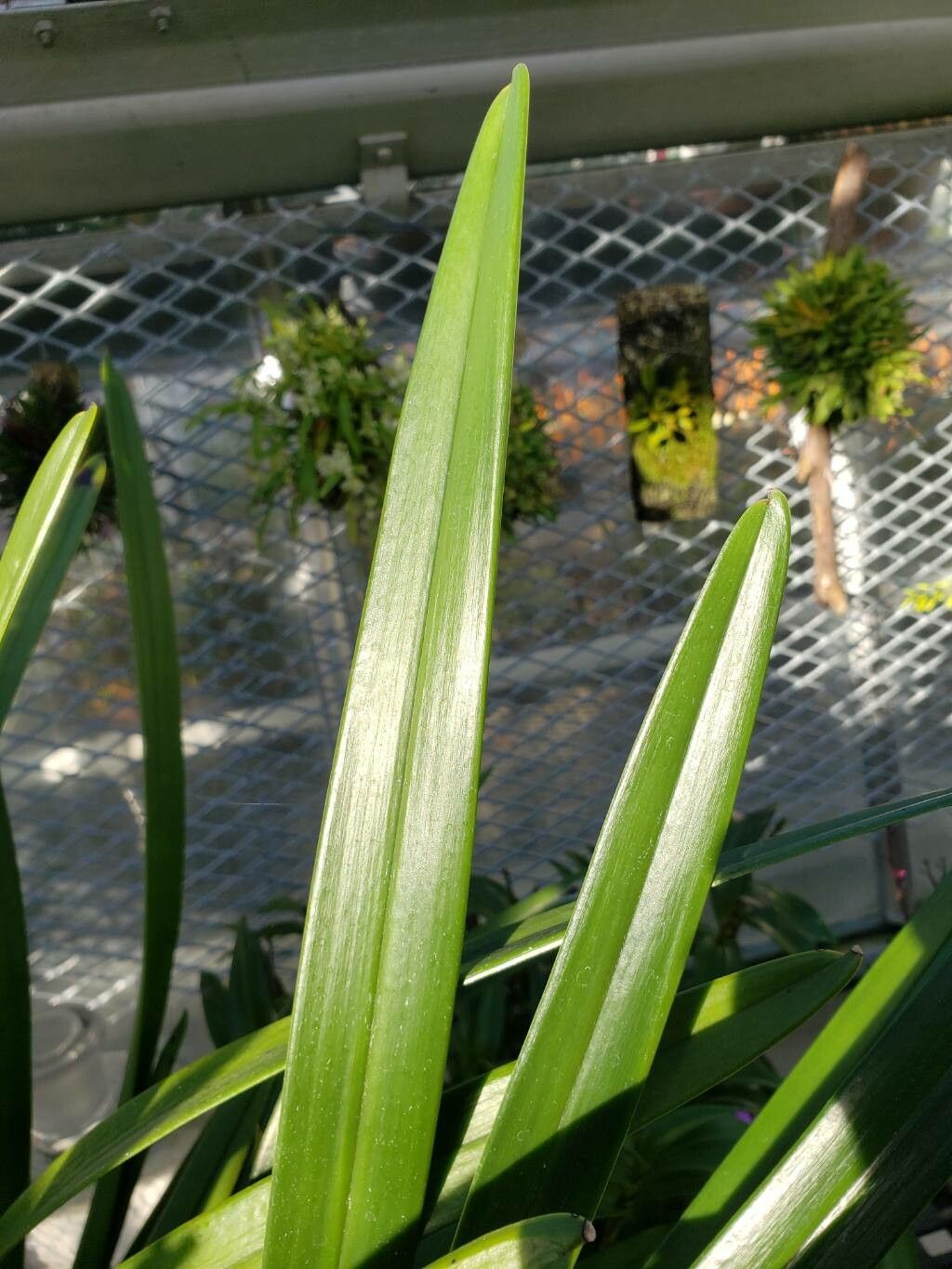
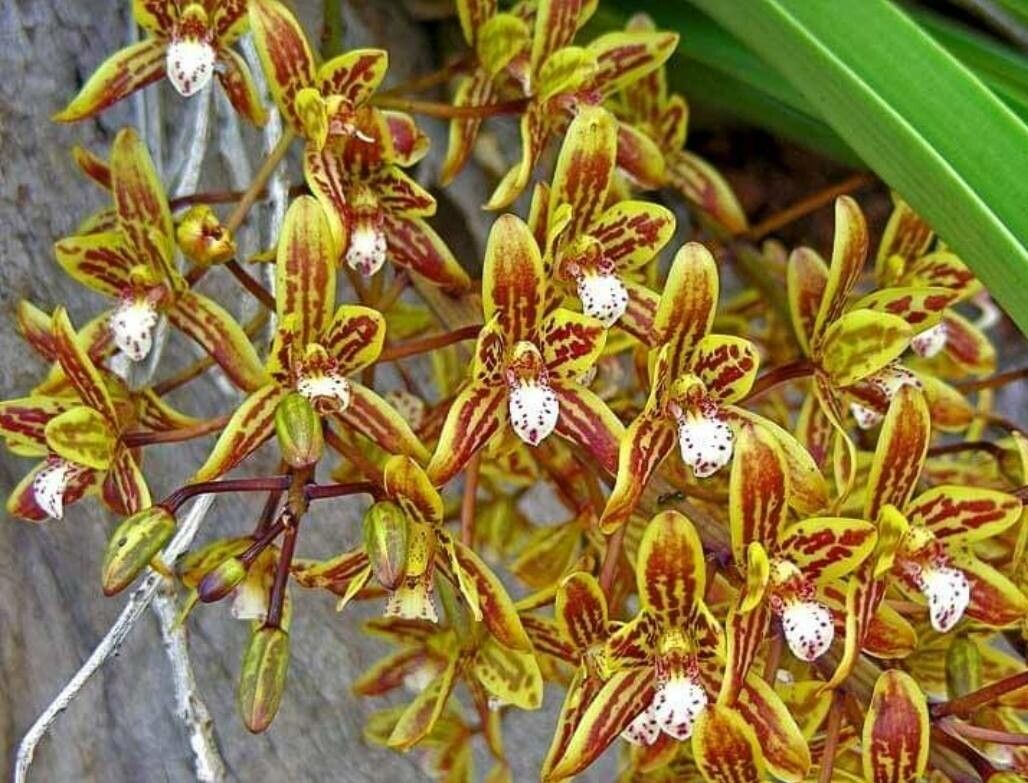
Cymbidium faberi, commonly known as Faber's cymbidium is a species of boat orchid. It is a pseudobulbous geophyte found from Nepal to Taiwan and Myanmar.
Multi-flower orchid typically has strong resistance to diseases and is affected by relatively few insect pests. Its care is regarded as difficult because it needs a high-humidity yet well-ventilated environment with minimal harmful pathogens. Too much watering can cause root rot. Although anyone can grow Multi-flower orchid, maintaining its health and achieving repeat flowering requires greater growing experience.
How to keep Cymbidium Faberi.
Light
The multi-flower orchid does best in conditions with moderate sunlight. It can tolerate lower light levels that resemble its native woodland habitat beneath taller vegetation. Still, too much or too little light can damage it and hinder its growth.
Water
The multi-flower orchid thrives in the consistently moist and humid conditions found in tropical understory environments. For optimal hydration, it needs to be watered weekly and prefers stable humidity levels. When grown indoors, the orchid benefits from regular misting or placing it on a pebble tray, especially during its active growth period.
Temperature
Multi-flower orchid can tolerate a wide range of temperatures, but its distribution can still be restricted by different combinations of moisture and heat. It grows best in warm summer conditions with sufficient rainfall or watering. Long periods of cloudy, rainy weather and extended high temperatures increase the chances of the Multi-flower orchid dying. In winter, adequate protection from cold can raise the plant’s survival rate.
Fertilizer
The best time to fertilize a Multi-flower orchid is in early spring, when it is coming out of dormancy and starting active growth. Fertilization supplies essential nutrients needed for healthy development. Although the Multi-flower orchid has fairly low fertilizer requirements, feeding it once a year can improve its survival and encourage better, longer-lasting blooms.
Pruning
The multi-flower orchid boasts multiple blossoms and thrives when you properly prune spent flowers and remove dead leaves. Ideally, this should be done from early spring to late winter. Pruning in this way encourages new growth and improves airflow, resulting in healthier plants and more vibrant blooms. Always use sterilized tools during pruning to prevent the spread of disease.
Botanical profile.
- Plant Type
- Herb
- Life Cycle
- Perennial
- Genus
- Cymbidium
- Family
- Orchidaceae
- Hardiness Zone
- 9-11
- Mature Height
- 30 cm to 61 cm
- Mature Spread
- 30 cm to 49 cm
- Leaf Color
- Green
- Leaf Type
- Evergreen
- Flower Color
- Yellow, White
- Flower Size
- 0.76 cm to 1.02 cm
- Bloom Time
- Early spring, Mid spring
- Planting Time
- Spring, Summer, Autumn
- Harvest Time
- Late spring, Early summer, Mid summer
- Native Area
- Nepal, India, Vietnam, Myanmar, China
Reader questions.
How should I water my Multi-flower orchid?
The way you water your Multi-flower orchid depends on its growth phase. If it's growing actively, water the soil and occasionally mist the leaves if it's warm. In winter or cool, wet weather, stick to watering the soil only. Signs your orchid needs more water include thin and dry roots and leaves with discoloration. Too much water makes the plant mushy and limp. Use a well-draining potting mix and ensure proper drainage. During the growing season, water multiple times per week, ensuring the water drains quickly. The pot size determines the frequency of watering. Use rainwater or distilled water that matches the air temperature ideally.
Why do I have to put plant food on my Multi-flower orchid?
Fertilization plays a crucial role in the growth of the Multi-flower orchid and other plants. It provides essential nutrients for both above-ground and below-ground development. Although the Multi-flower orchid has relatively low fertilization requirements, annual fertilization can greatly benefit the plant. By providing the necessary nutrients, it not only ensures the plant's survival but also encourages the production of long-lasting, beautiful flowers. Therefore, those wanting their Multi-flower orchid to thrive should maintain regular annual fertilization.
What are the sunlight requirements for a multi-flower orchid?
A multi-flower orchid thrives in environments with moderate amounts of sunlight, mimicking its native woodland habitat where it emerged beneath the canopy of larger vegetation. It requires about 3-6 hours of sunlight daily, classified as partial sun, and can also manage in full shade conditions, which are less than 3 hours of sunlight. However, both an excess and a lack of sunlight can harm its health. It's crucial to observe the movement of sunlight through your garden to find spots that offer the ideal balance of light and shade, ensuring the plant's happiness.
What is the Multi-flower orchid?
The Multi-flower orchid, known botanically as Cymbidium faberi, is a species of orchid. It doesn't have additional information provided about its essentials or symptoms related to care in the provided data.
What if I give my Multi-flower orchid too much or too little water?
One of the most common ways to kill a Multi-flower orchid is by keeping it in overly moist soil for too long. While these plants need regular watering during active growth, they also require a well-draining growing medium. Overwatering can cause the plant to become mushy and develop root rot. If this happens, you can use sterile pruning shears to remove any rotted roots. Afterward, repot the orchid in a container with good drainage and fill it with a fast-draining potting mix. However, Multi-flower orchids don't respond well to frequent repotting, so it's important to find the right watering balance. If the orchid starts to shrivel and feel dry, it's likely underwatered and the soil is drying out faster than expected. In this case, increase the watering frequency.
When should I fertilize my Multi-flower orchid for the best results?
The best time to fertilize a Multi-flower orchid is in late winter to early spring when it is transitioning from dormancy to active growth. Fertilizing at this time promotes healthy growth and sets the plant up for a successful season. Although it is generally recommended to fertilize in early spring, it is also acceptable to fertilize in the fall. However, it is not advisable to feed the orchid in summer or winter.
How can artificial lighting be used for multi-flower orchids?
Artificial lighting is essential for the growth of indoor plants, like the multi-flower orchid, especially when natural sunlight is insufficient. LED lights are recommended due to their ability to be customized for specific wavelengths needed by the plant. Full sun plants should have 30-50W/sq ft of light, partial sun plants 20-30W/sq ft, and full shade plants 10-20W/sq ft. Position the light source 12-36 inches above the plant to mimic natural sunlight and ensure it receives 8-12 hours of light per day to promote faster, healthier growth.
How frequently should I give water to my Multi-flower orchid?
During the active growth stage in spring and summer, water your Multi-flower orchid once or twice per week. If the weather is hot and dry, increase watering to three times per week or more. In winter, you still need to water the orchid, but not as much. Watering two to three times per month is sufficient during the coldest months. However, if you keep the orchid indoors, be aware that indoor growing locations can make the soil dry out faster. This may require more frequent watering. In the fall, gradually decrease watering from multiple times per week to the reduced winter schedule.
When is it not a good idea to fertilize my Multi-flower orchid?
To ensure optimal growth and prevent overfertilization, it is best to fertilize your Multi-flower orchid only in late winter and early spring. This plant has low fertilization needs, so a single annual feeding during this time is sufficient. Avoid fertilizing during the rest of the growing season – spring, summer, and fall – as this can easily lead to overfertilization and its associated complications. However, if you happened to skip fertilizing in spring, it is acceptable to feed the plant in the fall. Additionally, it is unnecessary to fertilize the orchid during winter when it is in a dormant growth phase and not actively producing new growth.
What are the symptoms of inadequate light exposure in multi-flower orchids?
Inadequate light exposure can lead to several symptoms in multi-flower orchids, including smaller new leaves, leggy or sparse growth, faster leaf drop, slower or no new growth, lighter-colored new leaves, chlorosis (leaves turning yellow), sunscald, leaf curling, wilting, and leaf scorching. These symptoms indicate that the orchid is either receiving too little or too much sunlight, affecting its ability to grow healthily.
What do I need to think about when watering my Multi-flower orchid in different seasons and growth stages?
When planning the watering schedule for your Multi-flower orchid, it's helpful to consider two important growth phases. The first phase is the active growth period, which occurs in spring and summer. During this time, the orchid should be watered multiple times per week. The second phase is the rest period, which happens in winter for about two to three months. During this period, the orchid requires less water and fertilization. It is recommended to water the plant once or twice per month. In the fall, you should gradually reduce the watering frequency from multiple times per week to once or twice per month, which is suitable for the winter period.
What kind of plant food does my Multi-flower orchid need?
For a Multi-flower orchid, almost any general-purpose fertilizer with balanced amounts of the main plant nutrients will work well. However, there are some specific nutrient blends that can be even more beneficial. Many gardeners believe that a higher amount of phosphorus in the fertilizer can lead to stronger roots and better flowers. Since the Multi-flower orchid is a flowering plant, using a phosphorus-rich fertilizer may be the best option. You can use either granular or liquid fertilizers as long as they contain plenty of nutrients. Besides manufactured fertilizers, you can also improve the soil for your Multi-flower orchid using organic materials like compost and manure. These organic means can greatly contribute to creating a healthy growing medium for your Multi-flower orchid.