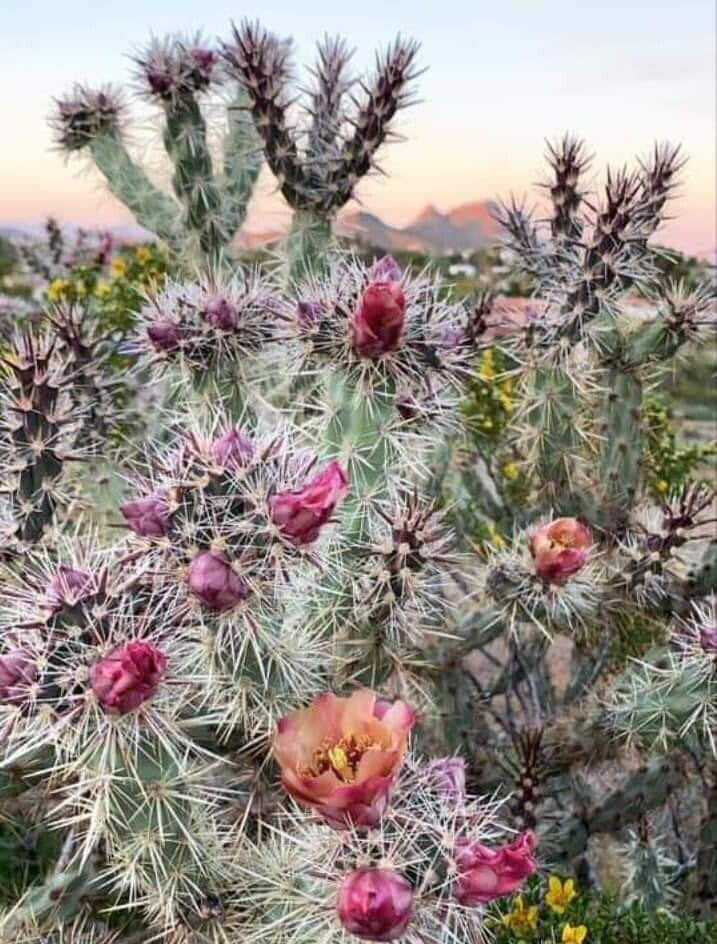
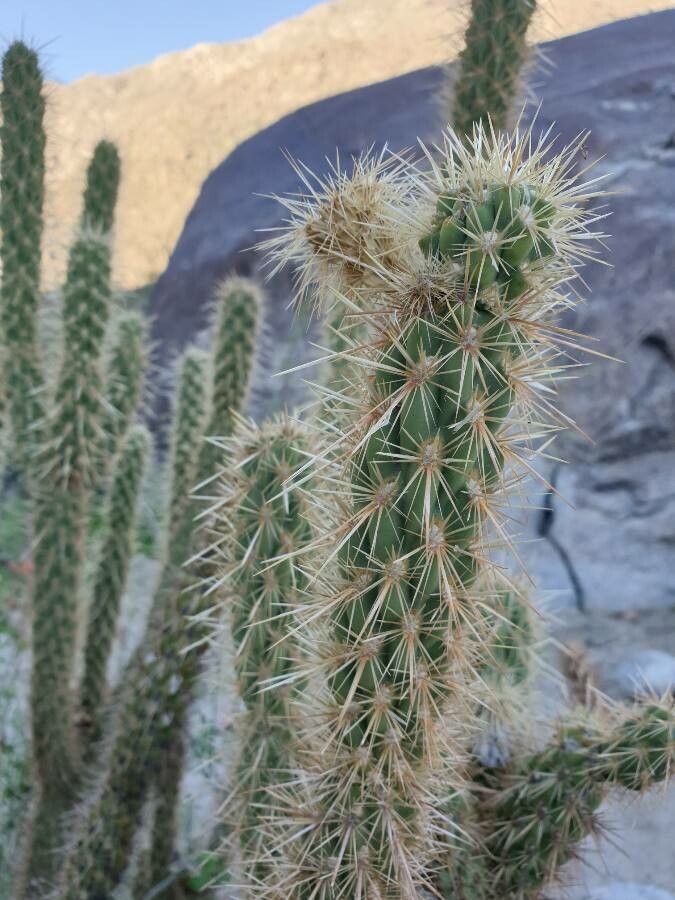
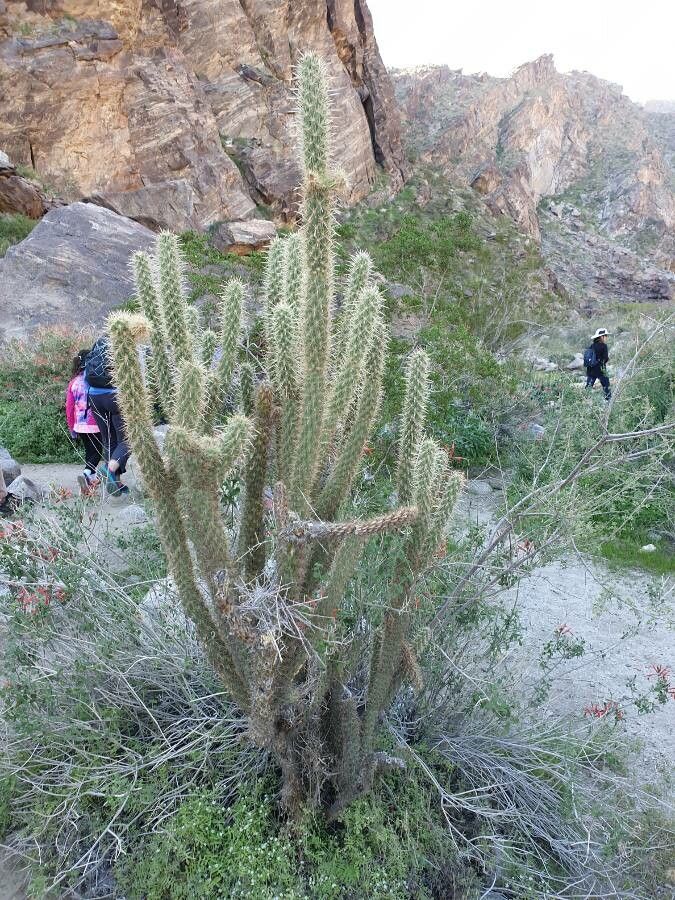
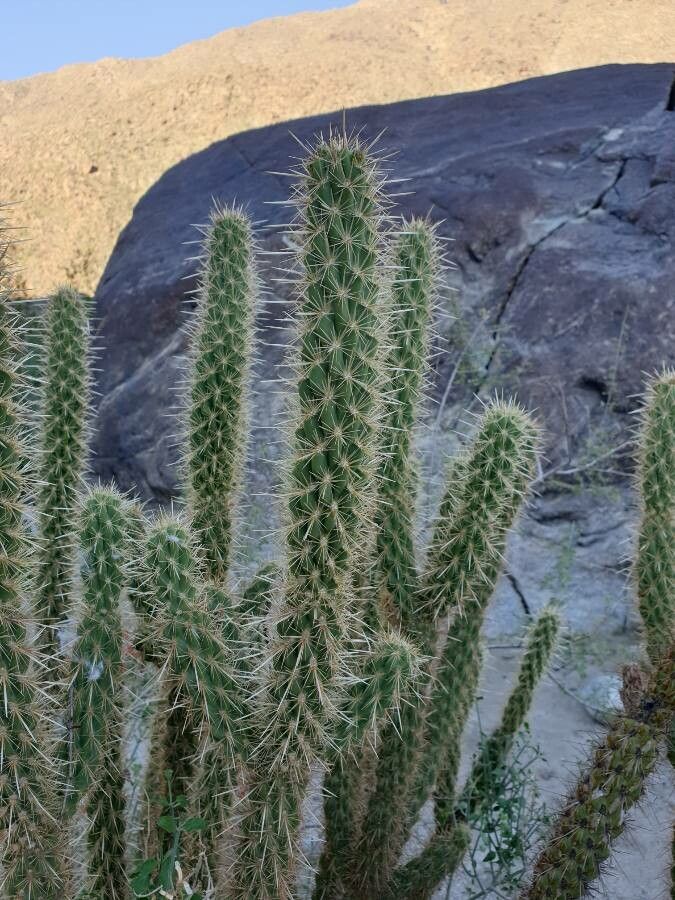
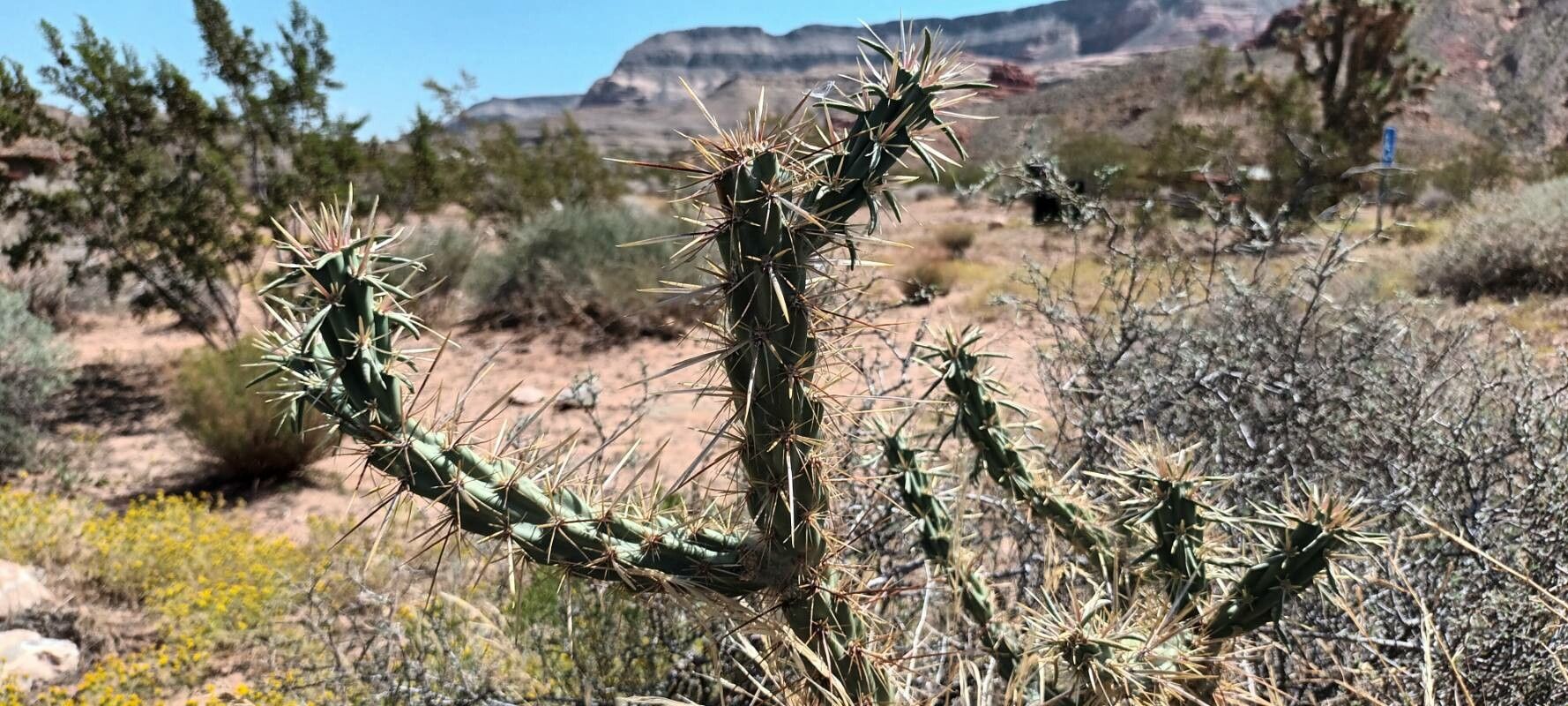
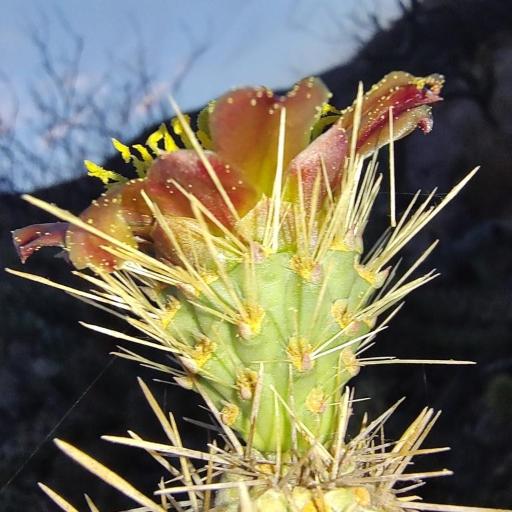
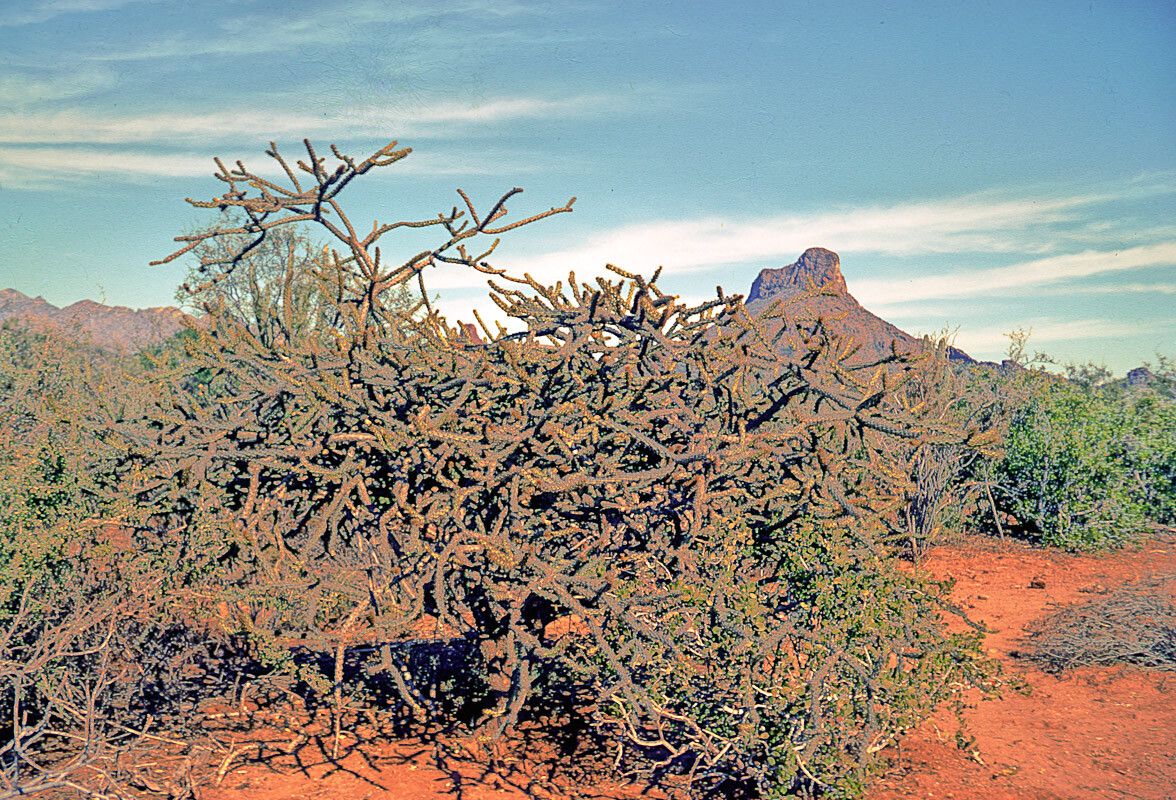
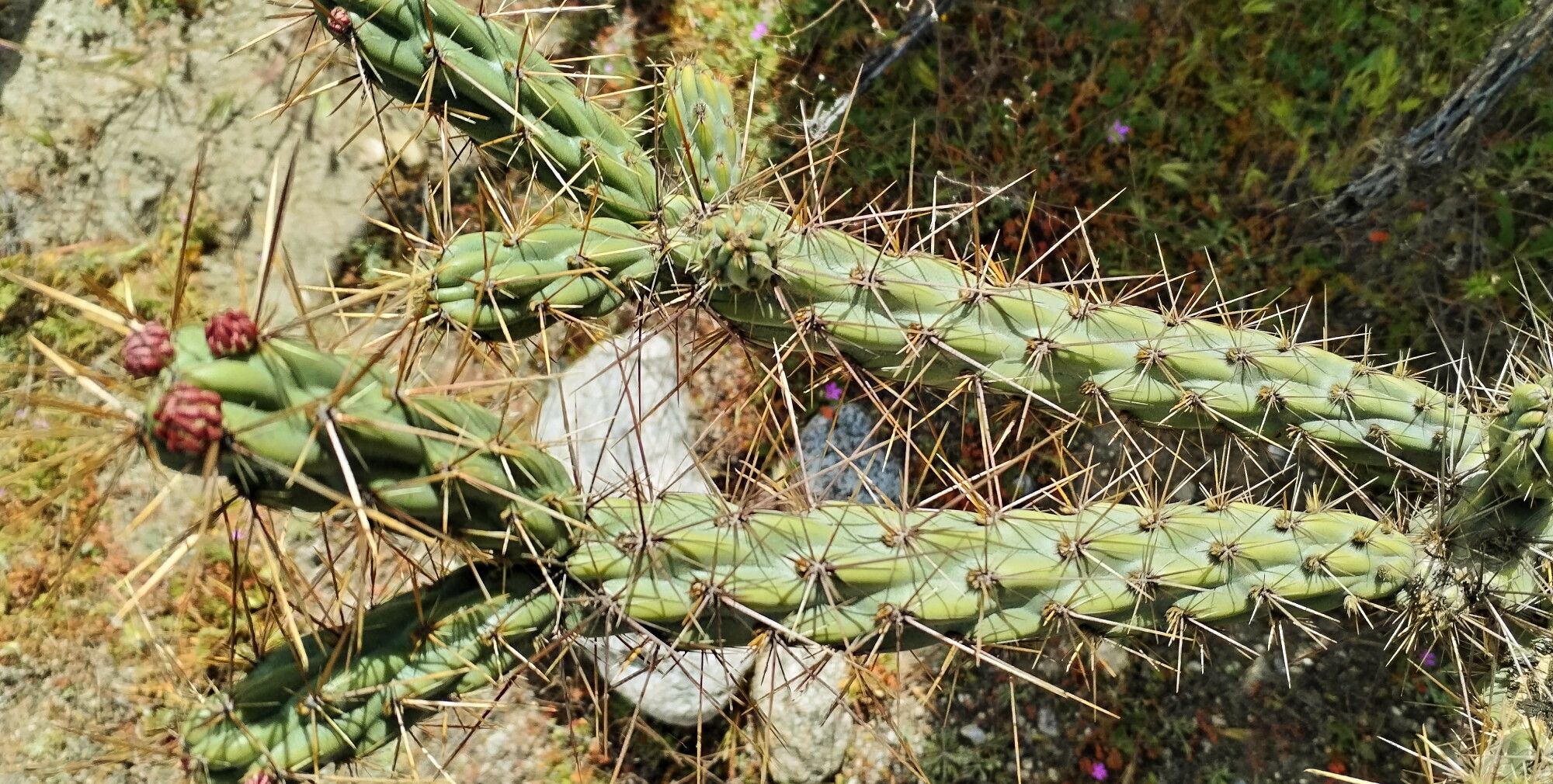
Cylindropuntia wolfii is a species of cactus known by the common name Wolf's cholla.
Wolf's opuntia resists diseases well and can tolerate normal care without becoming ill easily. It can, however, be vulnerable to mealybugs; these pests may cause some damage but are usually not a major problem. Regarding care, Wolf's opuntia is drought-tolerant and does not require frequent watering. It can endure long stretches without water and needs little fertilizer. That said, it is very prone to root rot if light is inadequate and it is overwatered. Overall, Wolf's opuntia is a good choice for people who prefer low-maintenance plants, though its basic needs should still be met. It is especially suitable for those who are away for long periods and may forget to water regularly.
How to keep Cylindropuntia Wolfii.
Light
Indigenous to dry regions, Wolf's opuntia performs best in full sun, as its native habitat features intense sunlight and little shade. It can also tolerate partial sun, giving it some flexibility in how it grows.
Water
Wolf's opuntia is drought-tolerant and needs to be watered thoroughly only when the soil is completely dry. During the growing seasons from spring to fall, water it one to two times a week. In the winter, reduce watering to once a week. It's best to use rainwater or distilled water to prevent mineral buildup and avoid splashing water on the stem.
Temperature
Wolf's opuntia does best in warm conditions and needs elevated temperatures during the growing season to stimulate growth and metabolism. It prefers abundant sunlight, suitable moisture, and good airflow. That said, it is vulnerable to harm from very low temperatures and from overwatering. Maintaining a balance is essential, and excessively high heat or overly dry conditions should also be avoided.
Fertilizer
Light applications of fertilizer 1-2 times a year during the growing season are sufficient for Wolf's opuntia. Avoid fertilizing in winter and summer when it is dormant. Use reduced amounts for repotted plants and wait a couple of months after repotting before applying fertilizer. Fertilizing supports healthy growth and promotes blooming.
Pruning
Wolf's opuntia, with its dense and spiny stems, benefits greatly from pruning in early spring. To do this, wear gloves and use sterilized tools to carefully remove any damaged parts of the plant. Pruning in this manner promotes healthier growth, improves air circulation, reduces the risk of pests, and encourages more vigorous flowering. As a result, the plant's vitality and appearance are enhanced throughout the growing season.
Botanical profile.
- Plant Type
- Shrub, Succulent
- Life Cycle
- Perennial
- Genus
- Cylindropuntia
- Family
- Cactaceae
- Hardiness Zone
- 9-11
- Mature Height
- 0.49 m to 1.52 m
- Mature Spread
- 49 cm to 91 cm
- Leaf Color
- Green
- Leaf Type
- Evergreen
- Flower Color
- Yellow, Gold
- Flower Size
- 3.05 cm to 5.08 cm
- Bloom Time
- Mid spring, Late spring
- Planting Time
- Spring, Summer, Autumn
- Harvest Time
- Summer
- Native Area
- Mexico
Reader questions.
What is Wolf's Opuntia?
Wolf's Opuntia, scientifically known as Cylindropuntia wolfii, is a species of plant. Unfortunately, there's no detailed information provided regarding its essentials or symptoms related to its presence or cultivation.