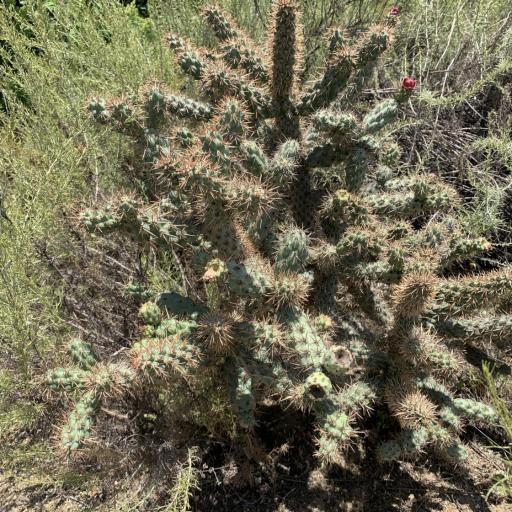
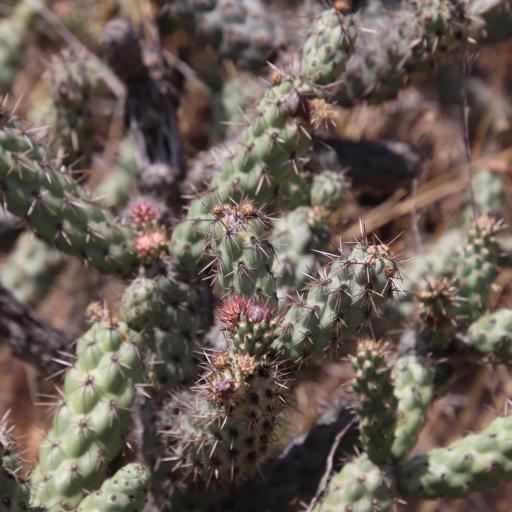
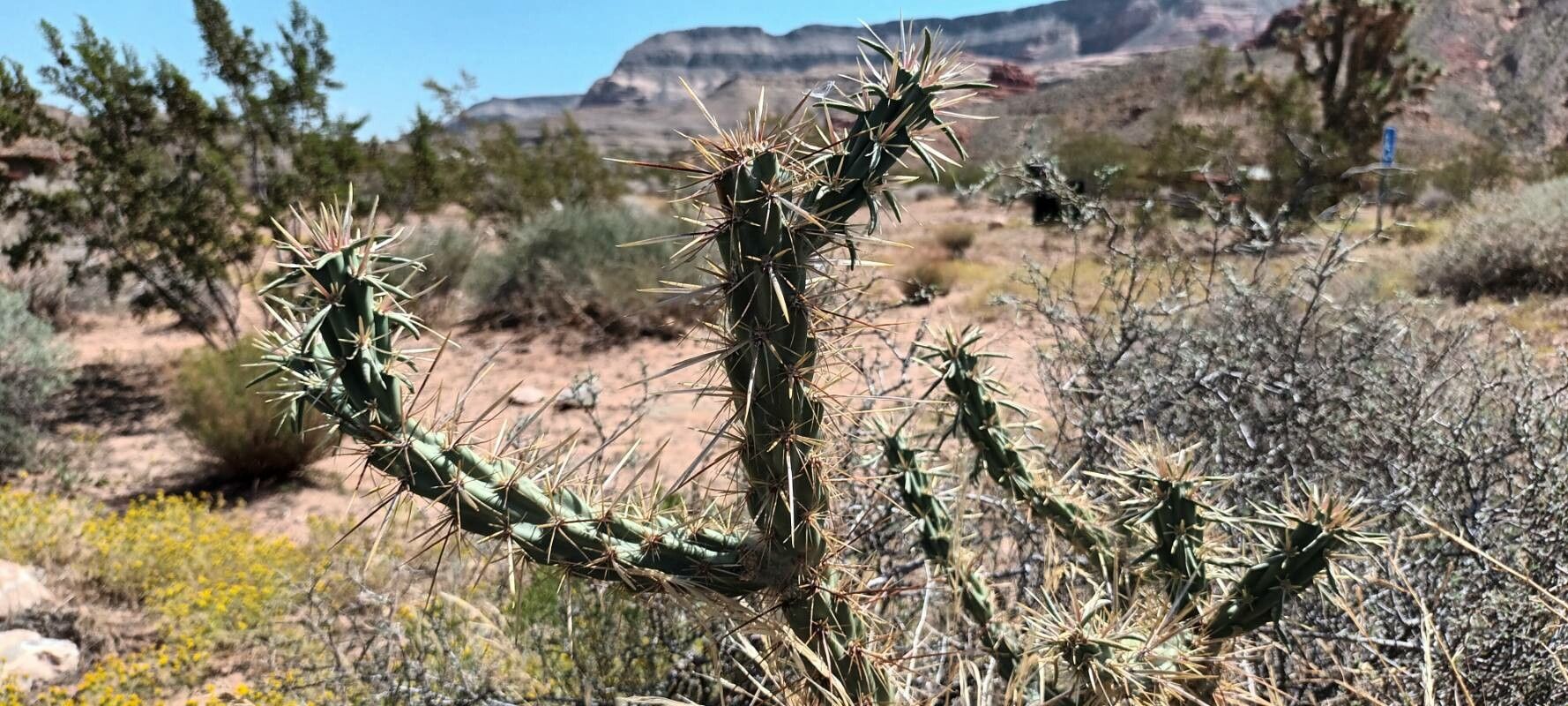
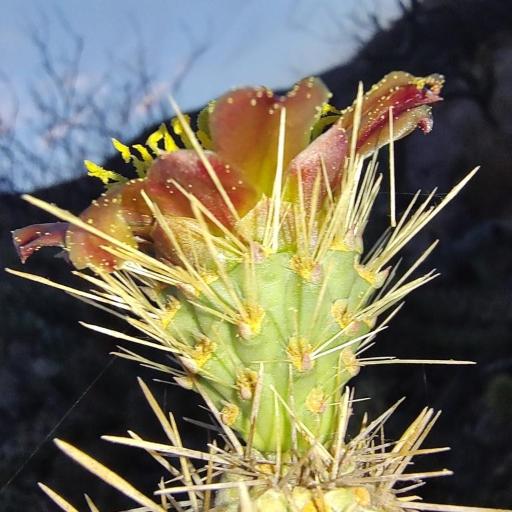
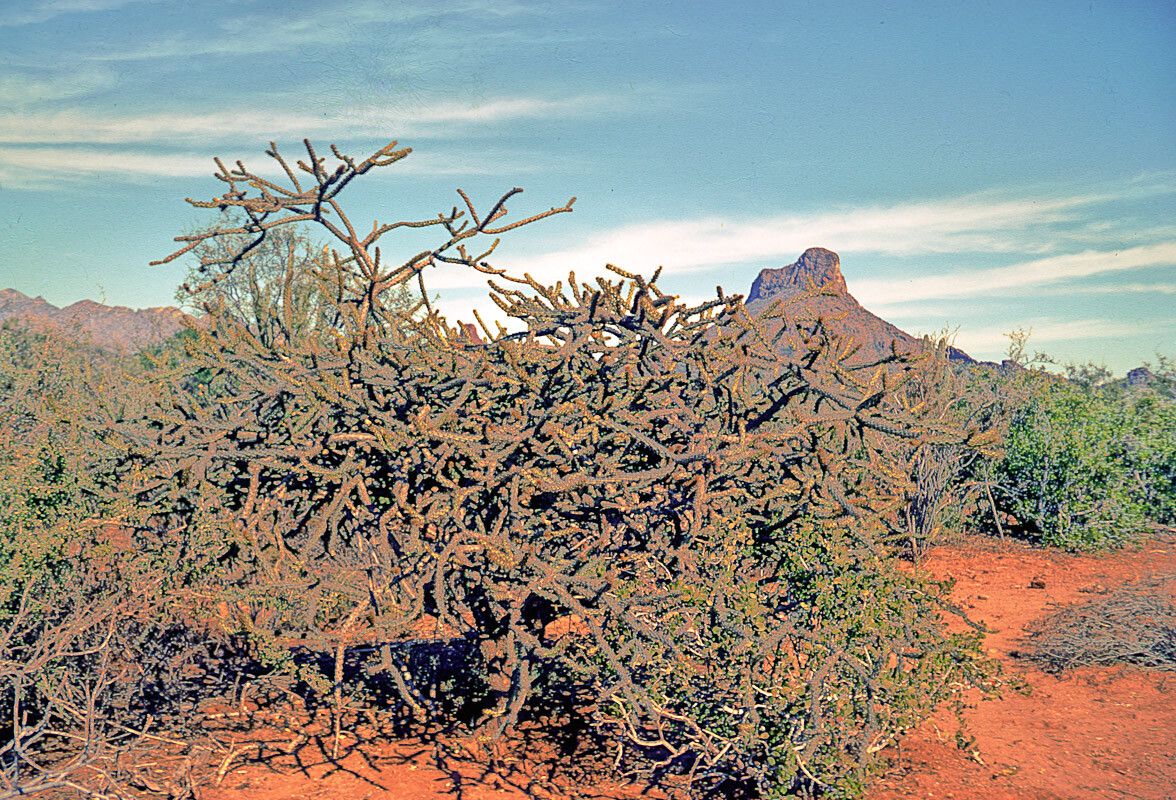
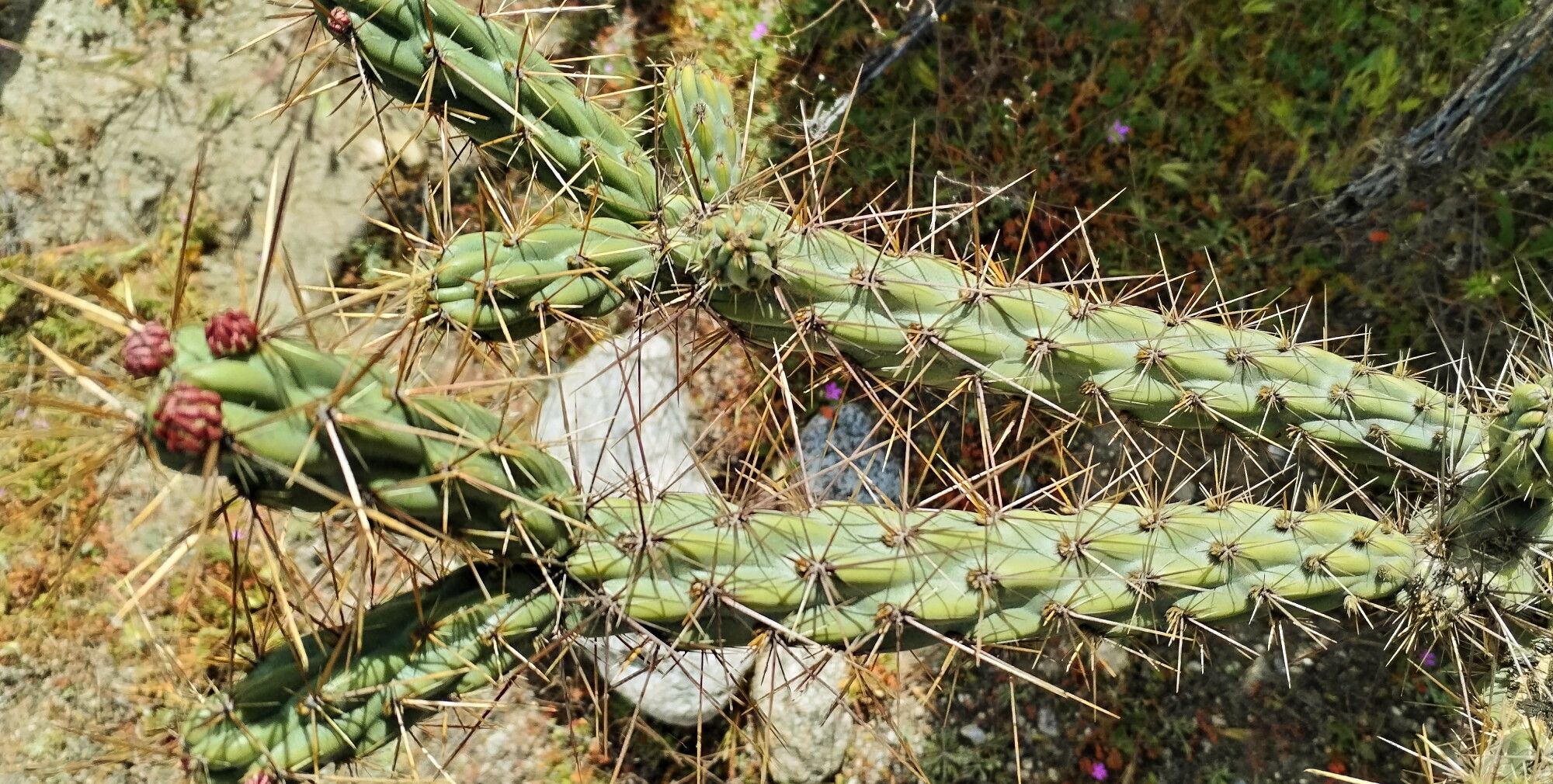
Cylindropuntia prolifera, known by the common name Coastal cholla, is a species of cactus.
Coastal cholla is resistant to disease and tolerates normal care without becoming ill easily. It can, however, be vulnerable to mealybugs; they may cause some damage but are typically not a serious threat. Regarding care, Coastal cholla is drought-tolerant and does not require frequent watering. It can withstand long periods without water and needs little fertilizer. But it is highly prone to root rot if lighting is poor and it is overwatered. Overall, Coastal cholla is suitable for people who want a low-maintenance plant, though its basic needs still need to be met. It is particularly well suited to those who often go out for long periods and may forget to water their plants regularly.
How to keep Cylindropuntia Prolifera.
Light
The coastal cholla does best when it gets strong, unfiltered sunlight for most of the day. Native to coastal environments, it is adapted to settings with abundant sunshine. However, prolonged exposure to sunlight without periods of rest can cause sunburn. Conversely, insufficient sunlight can stunt growth and produce pale coloration.
Water
Coastal cholla is exceptionally well-suited for arid environments due to its excellent drought tolerance. It requires minimal watering, typically about once every four weeks. This outdoor plant thrives in well-draining soil, which helps retain the right amount of moisture while preventing root rot, a feature that highlights its adaptation to dry habitats.
Temperature
Coastal cholla is native to regions with mild climates, thriving at temperatures from 68 to 95 °F (20 to 35 ℃). It grows best with steady temperatures and may require extra attention during colder periods.
Fertilizer
Coastal cholla only needs light fertilizer applications once or twice a year during the growing season. Do not fertilize in winter or in summer when the plant is dormant. Use less fertilizer for plants that have been repotted and wait a couple of months after repotting before you fertilize. Fertilizing helps maintain healthy growth and promotes flowering.
Pruning
Coastal cholla plants have cylindrical stems with joints covered in spines. They thrive when pruned in late spring. To promote healthy growth, it is important to remove any damaged segments. Pruning also helps regulate the plant's size and enhances light and air circulation. When handling these plants, it's crucial to wear thick gloves to prevent injuries from the spines. By following these practices, you can maintain a robust and attractive plant structure.
Pot & Repot
Repot coastal cholla every 2 to 3 years between late spring and early summer. Use a wide and deep container with well-draining soil. After repotting, gradually reintroduce the plant to full sun to prevent shock and support its recovery.
Botanical profile.
- Plant Type
- Shrub
- Life Cycle
- Perennial
- Genus
- Cylindropuntia
- Family
- Cactaceae
- Hardiness Zone
- 9-10
- Mature Height
- 0.91 m to 2.44 m
- Mature Spread
- 1.83 m
- Leaf Color
- Green
- Leaf Type
- Deciduous
- Flower Color
- Red, Green, Purple
- Flower Size
- 1.27 cm to 2.03 cm
- Bloom Time
- Late spring, Early summer
- Planting Time
- Spring, Summer, Autumn
- Harvest Time
- Mid summer, Late summer, Early fall
- Native Area
- Mexico
Other names.