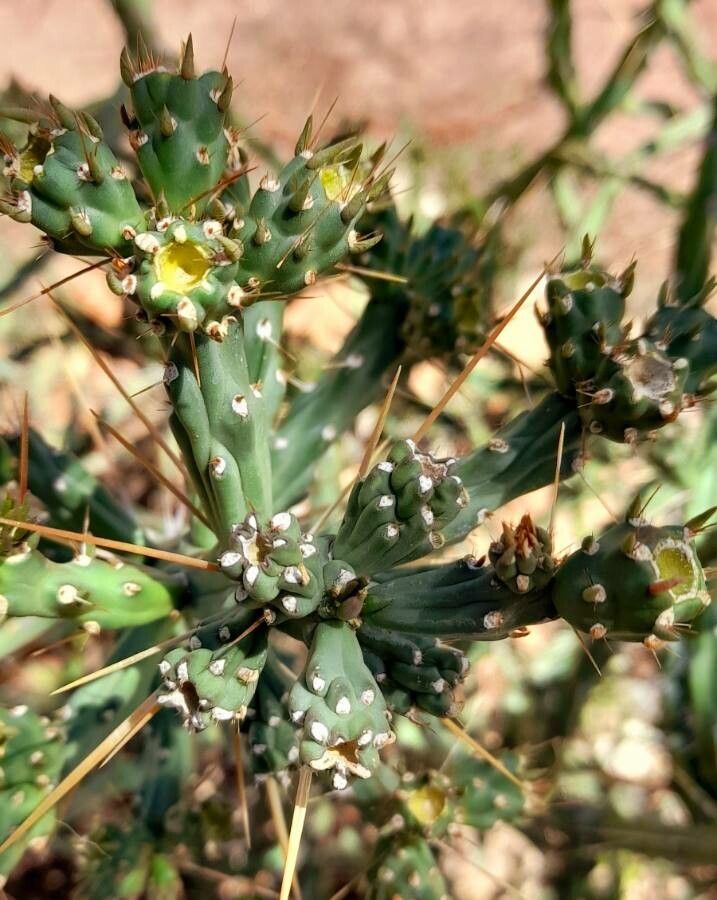
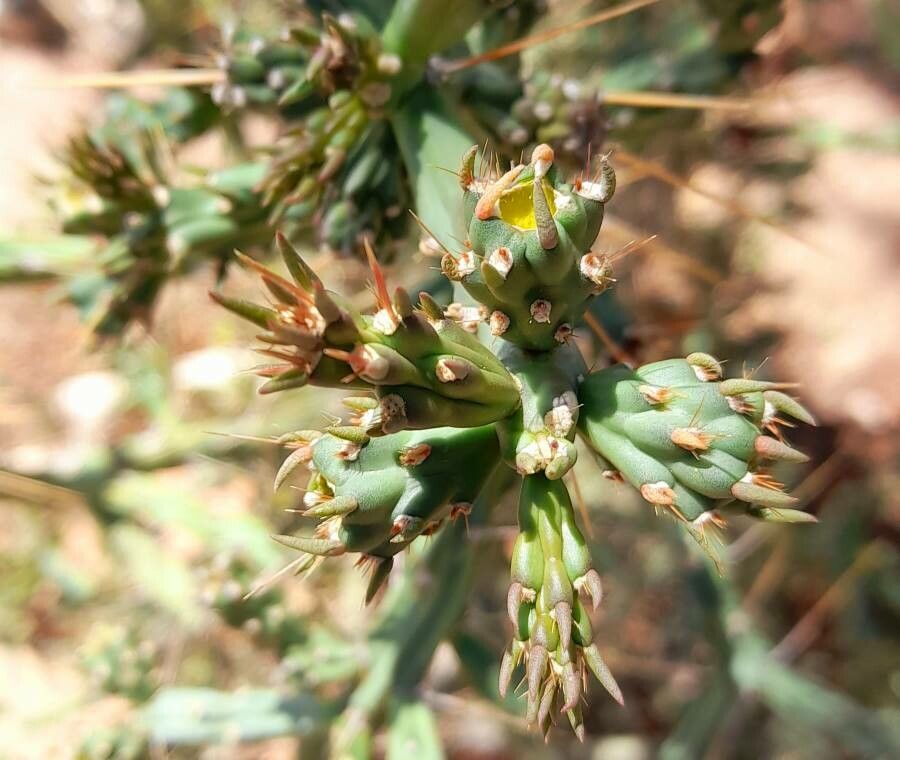
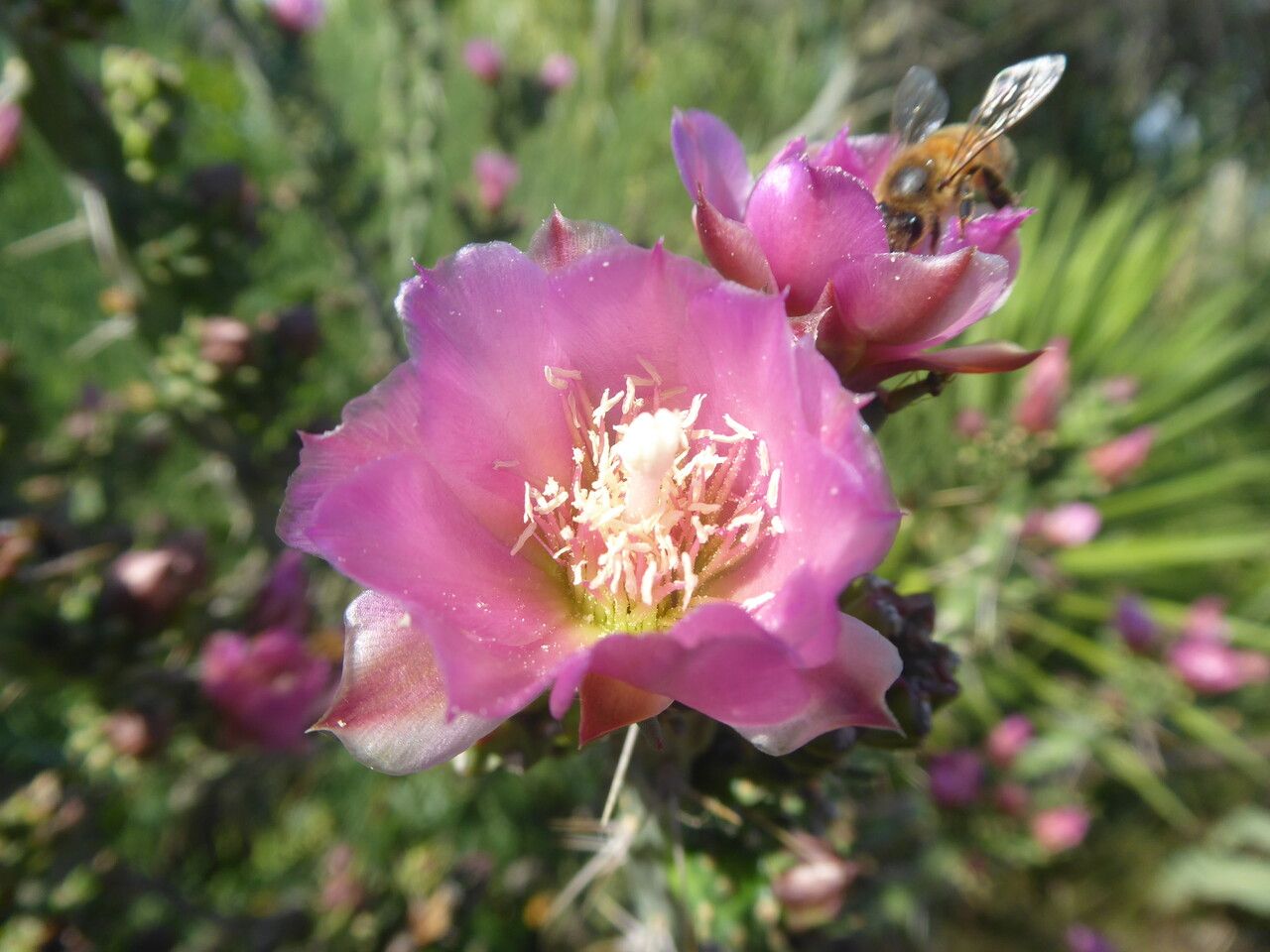
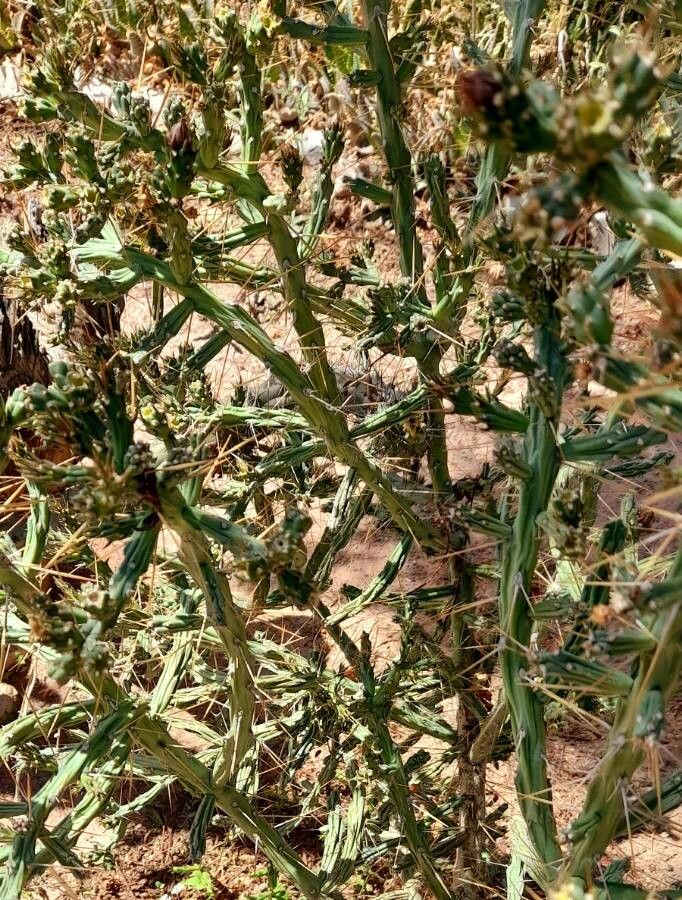
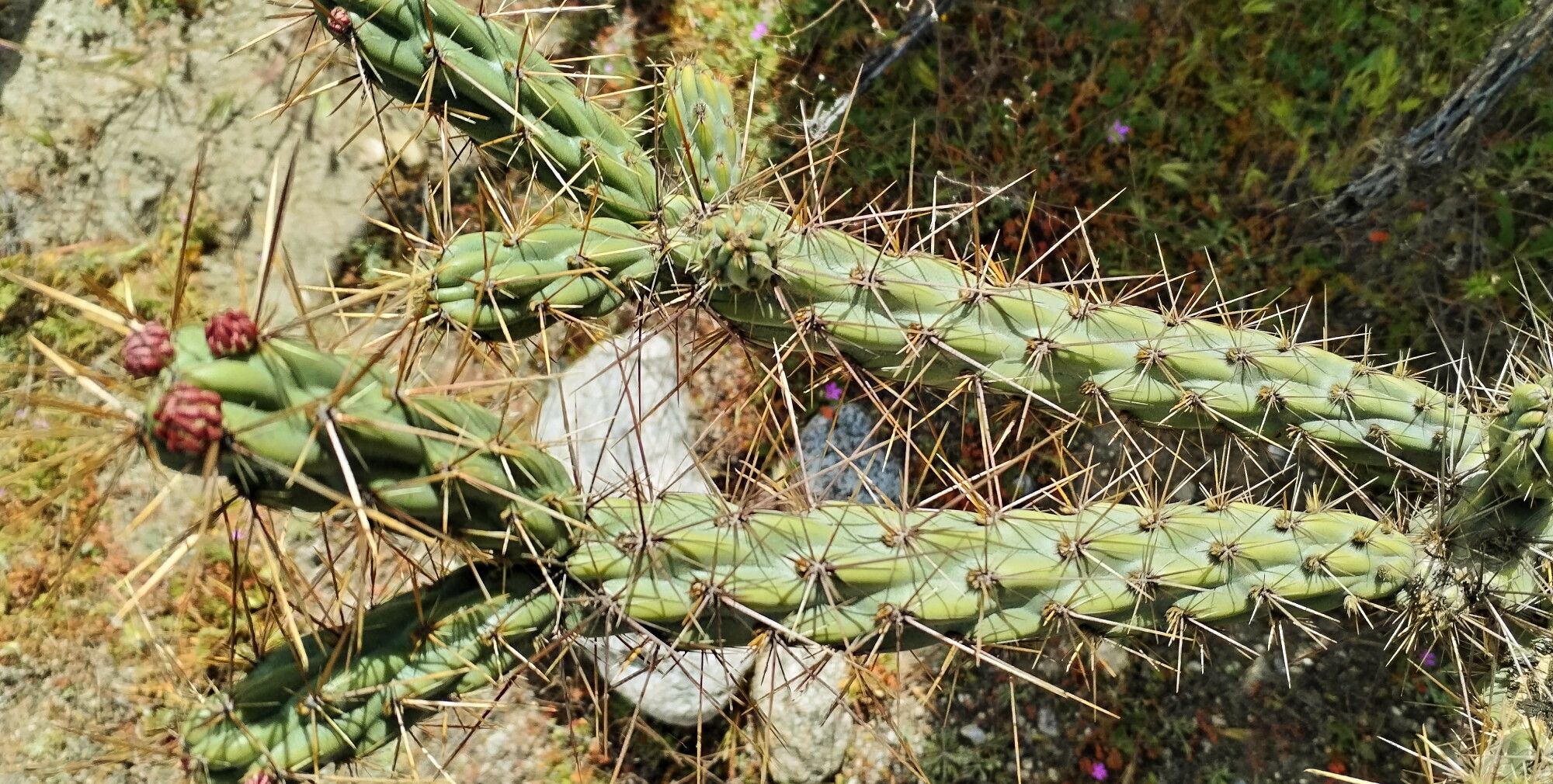
Candle cholla has strong resistance to disease and tolerates normal care without becoming ill easily. It can, however, be vulnerable to mealybugs; these pests may cause some harm but are generally not a serious danger. Regarding care, Candle cholla is drought-tolerant and does not require frequent watering. It can endure long periods without water and needs little fertilizer. On the other hand, it is highly prone to root rot if kept in poor light and given too much water. Overall, Candle cholla is a good choice for people who prefer spending less time on plant care, though it remains important to learn and meet its basic needs. It is especially well suited to those who are away for long periods and might forget to water regularly.
How to keep Cylindropuntia Kleiniae.
Light
Candle cholla prefers places with abundant sunlight. Sunlight is essential for strong growth and for maintaining its vitality. From seedling through maturity and flowering, it requires plenty of sun exposure. Yet too much sun can scorch it, while too little may cause poor growth. Having originated in sunny habitats, those bright conditions are important to its wellbeing.
Temperature
Candle cholla is native to habitats with temperatures between 68 and 105.8 °F (20 to 41 ℃). It favors a warmer climate, so lowering temperatures in winter and raising them in summer may be necessary for its wellbeing.
Fertilizer
For Candle cholla, apply light doses of fertilizer once or twice a year during the growing season. Avoid fertilizing in winter and summer when the plant is dormant. Cut back on fertilizer for repotted plants and wait a couple of months after repotting before fertilizing. Fertilizing supports healthy growth and encourages blooms.
Pruning
The candle cholla, which features cylindrical stems and sparse spines, benefits from early spring pruning. By removing dead or crossing stems, you can encourage healthy growth and improve airflow. Be sure to disinfect your tools to prevent the spread of disease. Handle the plant carefully due to its spines, which helps promote new growth and maintain its vigor.
Botanical profile.
- Plant Type
- Shrub
- Life Cycle
- Perennial
- Genus
- Cylindropuntia
- Family
- Cactaceae
- Hardiness Zone
- 10-13
- Mature Height
- 2.13 m
- Mature Spread
- 0.49 m to 1.52 m
- Leaf Color
- Green, Olive Drab
- Leaf Type
- Semi-evergreen
- Flower Color
- Pink
- Flower Size
- 2.03 cm to 3.05 cm
- Bloom Time
- Early summer, Mid summer
- Planting Time
- Spring, Summer, Autumn
- Harvest Time
- Late summer, Early fall, Mid fall
- Native Area
- Mexico
Other names.
Reader questions.
What's the best way to water my Candle cholla?
To ensure excellent root development, it is recommended to place a garden hose at the base of the plant. When watering, avoid spraying the leaves directly. If the plants are outdoors and in direct sunlight, the leaves may require more water. Bubblers can be used to moisten the roots of each plant, while soaker hoses can cover the entire garden or bed and help the roots penetrate deeper when adding or removing plants. After watering, drain any excess water and allow the soil to dry before watering again. Watering at ground level is advisable to prevent diseases. On a sunny day, it may be beneficial to spray water on the entire bush. Regardless of whether the Candle cholla is potted or planted in the ground, it prefers deep watering rather than light sprinkling.
Why should I put fertilizer on my Candle cholla plant?
Candle cholla requires regular fertilization primarily because their showy leaves demand a significant amount of energy for production and maintenance. The challenge lies in balancing the energy allocation to keep the leaves in good shape and supporting the growth of its other vital structures such as stems, branches, and roots. Neglecting fertilization can result in two likely outcomes. Firstly, the leaves of the Candle cholla will lose their natural color and texture, appearing generally unhealthy, which greatly decreases its aesthetic appeal. Secondly, overall growth may slow down, and weak growth prone to breakage could occur.
How much sunlight does Candle cholla need to grow?
Tropical ornamental plants that thrive in full sun require at least 6 hours of direct sunlight each day. These plants are well-suited to areas with strong and direct sunlight, as they need this light to flourish. In their natural habitats, they tend to grow in open fields or along forest edges, where they can enjoy abundant sunlight all day long.
What temperature is best for Candle cholla?
To help your tropical plants thrive, it's best to maintain a temperature range of 75℉ to 90℉ (25-32℃). While different species can tolerate temperatures outside this range, sticking within a few degrees of these limits will ensure optimal growth. However, there are extreme temperature limits to be aware of. Anything below 50℉ (10℃) or above 95℉ (35℃) can hinder growth and cause issues with the leaves and stems. Low temperatures are particularly damaging, as even a light frost can lead to the death of your tropical plants. In fact, cellular death can occur rapidly, with some species dying within 12 to 24 hours.
What do I need to do if I give Candle cholla too much or too little water?
An overwatered Candle cholla may exhibit yellow, wilting leaves that eventually drop off. It may appear dull and unhealthy, with mushy stems. If these signs are present, it's recommended to adjust your watering schedule. Conversely, wilting may also indicate under watering, in which case the leaves might become crispy and dry. When the soil is dry but watering alone isn't enough, provide a thorough watering. This will help the Candle cholla recover, but the plant may still have dry and yellow leaves due to root damage. Once it returns to normal, the yellowing of leaves will cease. Indoors, always check the moisture levels in the pot and avoid overwatering. Look out for black spots and if present, let the soil dry out for a few days before watering again. Overwatering can lead to root rot, so consider transferring the plant to a different pot if you notice discolored and slimy roots. Preventing root rot is crucial, so avoid overly soggy soil. Additionally, when planting the Candle cholla outdoors, ensure the soil is adequately watered. If it feels too dry when checking with your fingers, it may indicate under watering. Providing sufficient water will aid in the plant's recovery.
When should I fertilize my Candle cholla?
Candle cholla plants do not require a set feeding schedule, but they will benefit from occasional feedings. One simple way to fertilize is to apply fertilizer when watering the plant. During the growing season, it is important to provide a good amount of water for the Candle cholla. Feeding the plant once every two to three weeks is sufficient, and this should be continued as long as the plant is producing new growth.
What happens if Candle cholla doesn't get enough sunlight?
Tropical ornamental plants that need full sun may face issues if they don't receive enough sunlight. They might become leggy and weak, and their leaves could turn yellow or pale. Furthermore, they may stop producing flowers. Ultimately, if these plants continue to lack the required amount of direct sunlight, there is a possibility that they may die.
Does Candle cholla need varying temperatures during different stages of growth?
Candle cholla does not need temperature changes to go through different growth phases, but it is important to maintain consistent temperatures. Fluctuations in temperature can slow down its growth regardless of the phase it is in, so it is best to keep it in a controlled environment. The optimum temperature range of 75℉ to 90℉ (25-32℃) is crucial to maintain, with staying above the lower limit being especially important. While exceeding 90℉ (32℃) is not ideal, as a tropical plant, it can tolerate it to some extent. However, dropping below 50℉ (10℃), especially around 40℉ (5℃), can directly harm this heat-loving plant species.
How often should I water my Candle cholla? (meaning: How often should I give water to my Candle cholla plant?)
The Candle cholla prefers deep and infrequent watering, especially when planted in pots. To ensure proper hydration, soak them in a gallon of water each time. In pots, the water storage is limited and the soil tends to dry out faster. If you live in a cold region, water every 3 to 5 days. It's best to water early in the morning when the soil is dry, whether indoors or outdoors. Check the soil inside the pot, and if the top 2-3 inches are dry, it's time to fully water the plant. On hot days, monitor the moisture daily as the heat can quickly dry out the pot's soil. If you have a garden, irrigation is also necessary. In hot climates, water once a week when you notice around 2 to 3 inches of soil drying out. Take into account rainfall and avoid overwatering to prevent root rot. Candle cholla typically grows during spring and fall. Outdoors, add 3 to 4 inches of mulch to conserve water. Adjust watering frequency based on soil type – sandy soil drains faster, so water more frequently, while clay soil requires less watering to avoid root rot. Keep track of watering dates and monitor drooping leaves as an indicator of potential delayed watering.
When is it not a good idea to add fertilizer to my Candle cactus?
For most of the year, you can regularly fertilize your Candle cholla. This is especially important during the active growing season in spring, summer, and early fall. However, during the winter, it's important to avoid fertilizing this plant. During winter, the Candle cholla goes into a dormant phase where it doesn't grow much or at all. Since there is minimal growth and the plant uses less energy during this time, it doesn't require fertilization.
What happens if Candle cholla gets too much sunlight?
Tropical ornamental plants that thrive in full sun require ample direct sunlight, but excessive exposure to intense sunlight can harm them. Prolonged periods of direct sunlight can cause sunburned leaves or the development of unsightly brown spots. Additionally, if the soil dries out too rapidly in full sun, these plants may become dehydrated.
Does Candle cholla require varying temperatures for different seasons?
Candle cholla does not require different temperatures for different growing seasons. The most crucial part of caring for this plant is maintaining the temperature within the optimal range. To achieve this, it is recommended to keep the plant indoors as it allows for better temperature control regardless of the outside climate. In terms of light, tropical species like candle cholla prefer partial or filtered sunlight. It is best to provide bright but indirect light when growing these plants indoors. Excessive direct sunlight can harm the plant's leaves and impede its growth.