Cyclosorus interruptus, commonly known as the Interrupted Fern, is a species of fern in the family Dryopteridaceae. Native to North America, it thrives in diverse habitats, including forests, wetlands, and rocky slopes.
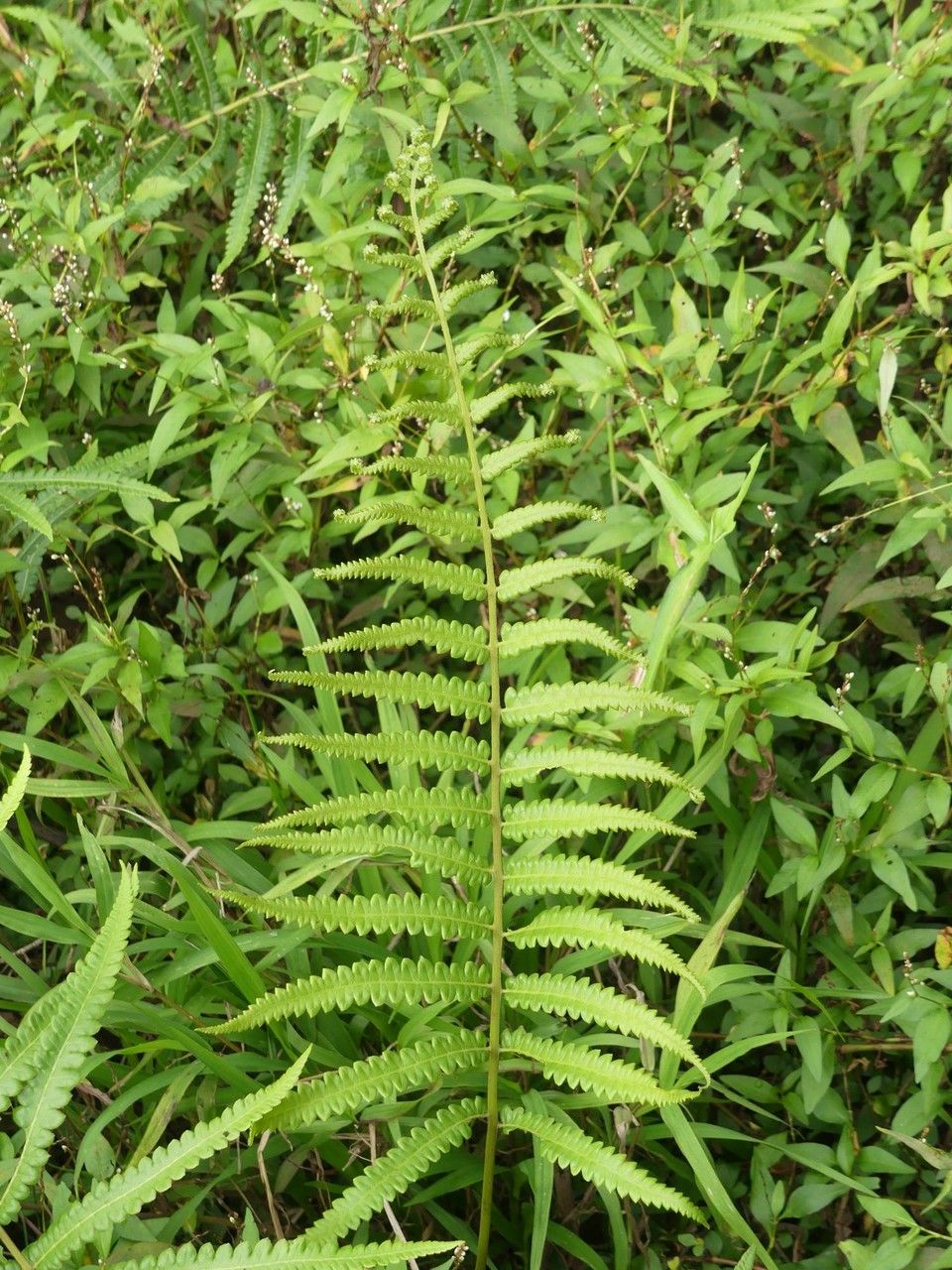
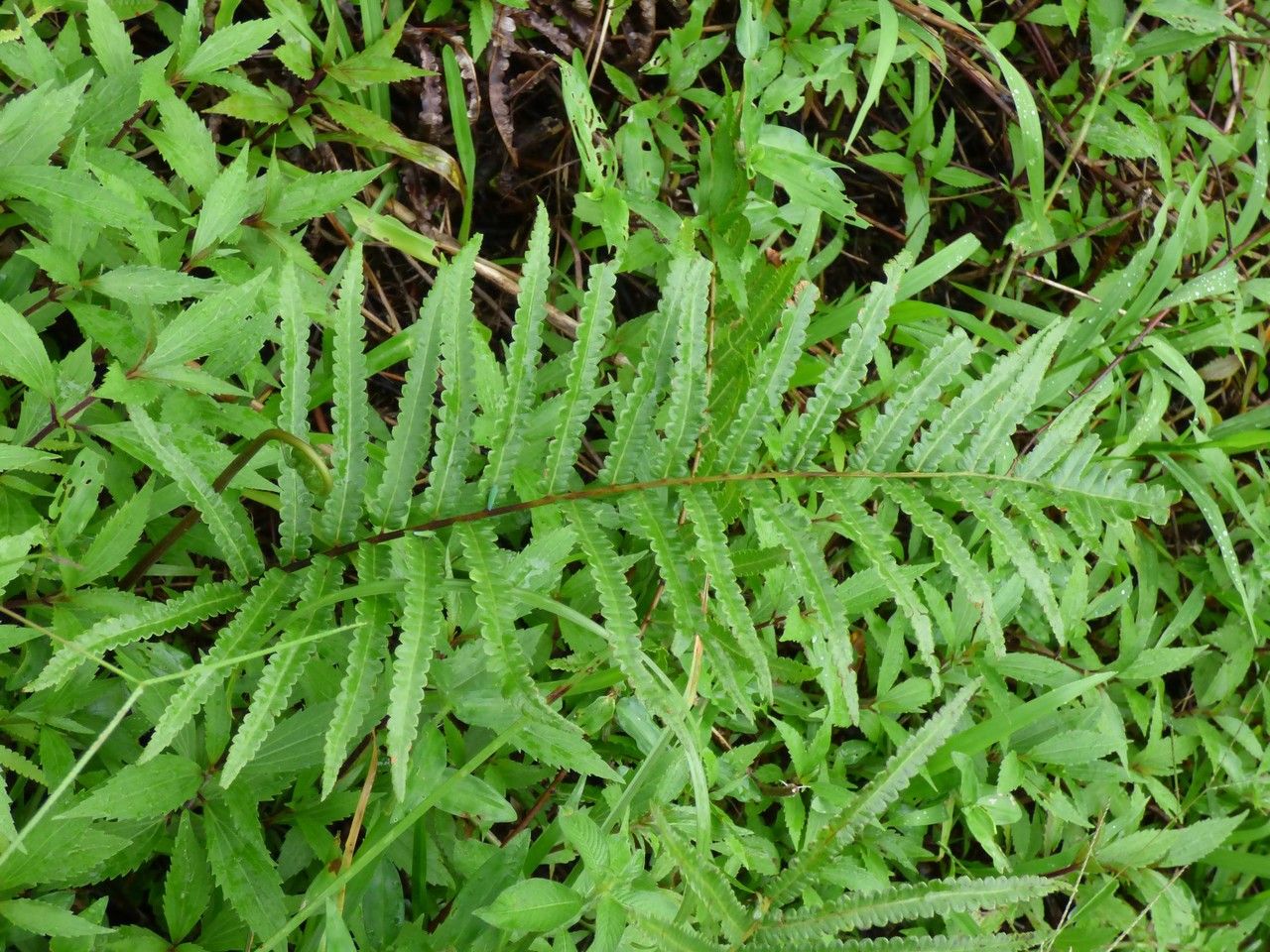
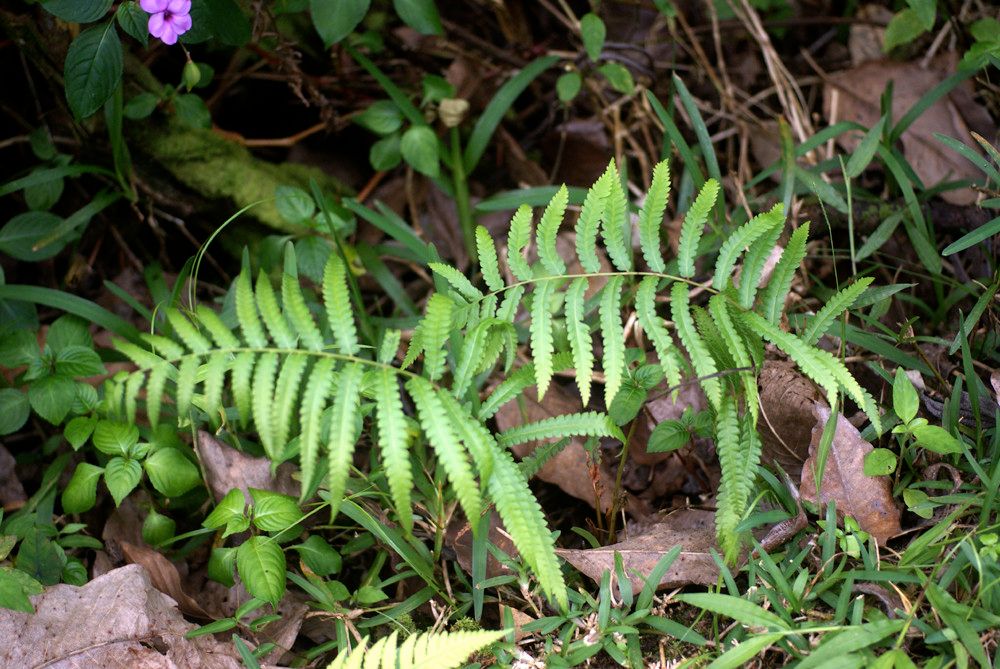
This fern has a distinctive appearance, characterized by fronds that feature a gap in the middle, resembling an hourglass shape. The fronds can grow up to 3 feet long and are light green with finely divided leaflets.
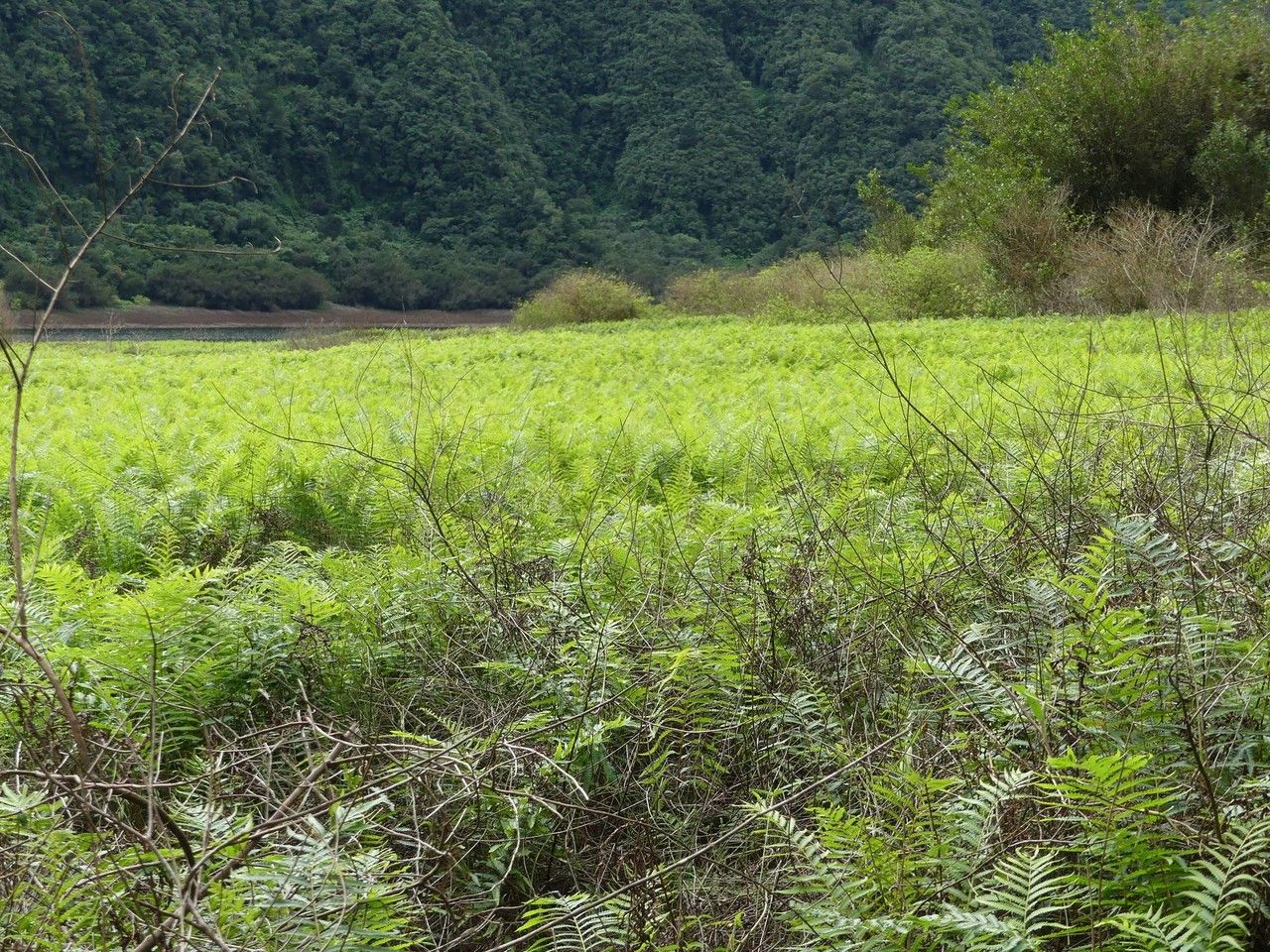
Cyclosorus interruptus is an easy-to-grow plant that prefers moist soil and partial shade, although it can tolerate full sun if provided with sufficient water. It propagates through underground rhizomes, making it an excellent ground cover for shady areas.
Traditionally, Native Americans have used the Interrupted Fern for medicinal purposes, treating ailments such as fever, coughs, and wounds. Additionally, it serves as a food source for wildlife including deer and rabbits.
Overall, Cyclosorus interruptus is a beautiful fern species with unique characteristics that distinguish it from other ferns. Its adaptability makes it suitable for various landscaping applications, while its medicinal properties add value to traditional medicine practices.
Hottentot fern shows strong resistance to disease and is typically unlikely to develop illnesses. Still, it can be affected by pests and diseases present in its environment. Such infections tend to be mild. Regarding maintenance, this plant is moderately demanding. It should be trimmed regularly to preserve a neat appearance and encourage healthy growth. Applying fertilizer can also aid in stimulating flowering. Hottentot fern is appropriate for anyone with outdoor areas like a garden or patio and does not demand extensive gardening experience. It may need extra attention when kept indoors.
How to keep Cyclosorus Interruptus.
Light
The hottentot fern performs well with a considerable amount of sunlight. Native to sunnier habitats, this light encourages its health and growth. However, too much exposure can be harmful, because the hottentot fern is not tolerant of extreme light. Conversely, too little light can lead to poor plant health and development.
Water
The Hottentot fern thrives in humid conditions and exhibits moderate drought tolerance, flourishing in the consistent moisture typical of tropical environments. To maintain its lush foliage, a weekly watering schedule is beneficial. Natural rainfall also supports its growth, making this evergreen plant well-suited for outdoor cultivation.
Temperature
Hottentot fern grows best in temperate conditions, preferring temperatures of 59 to 95 °F (15 to 35 ℃). In colder seasons, consider increasing indoor ambient temperature to support its growth.
Fertilizer
Typically, a single fertilizer application in spring is enough for Hottentot fern, though repeated feedings can enhance growth. Apply fertilizer about every one to one and a half months. Fertilization improves the leaves' appearance and function, helping maintain even color and a healthy texture. It also promotes root development and nutrient uptake, supporting the plant's long-term health.
Pruning
To keep your Hottentot fern healthy and vibrant, prune it from early to late spring. Remove any dead or yellowing fronds to encourage growth and improve air circulation. Be sure to use sterilized shears for clean cuts, taking care not to damage the delicate fronds. Pruning during the active growth period helps boost the plant's vigor and prevents disease.
Botanical profile.
- Plant Type
- Herb
- Life Cycle
- Perennial
- Genus
- Cyclosorus
- Family
- Thelypteridaceae
- Hardiness Zone
- 8-10
- Mature Height
- 91 cm
- Mature Spread
- 49 cm to 91 cm
- Leaf Color
- Light Green, Green
- Leaf Type
- Evergreen
- Planting Time
- Spring, Summer, Autumn
- Native Area
- Sri Lanka, India, Malaysia, Angola, Mexico, Guatemala, Vanuatu, Madagascar, Rwanda, Kenya, Uganda, Tanzania, Zimbabwe, Niger, Jamaica, Fiji, Cuba, Indonesia, Cambodia, Burundi, Liberia, Mozambique, Venezuela, Brazil, Ethiopia, South Korea, Congo, Nepal, Malawi, Central African Republic, Honduras, Peru, Philippines, Zambia, Sudan, Bangladesh, Laos, Guinea, Panama, New Zealand, Chad, China, Colombia, Bolivia, Vietnam, Myanmar, Japan, Guyana, El Salvador, Senegal, Singapore, Nicaragua, Ecuador, Costa Rica, Côte d'Ivoire, Gambia, Congo (DRC), Thailand
Other names.
Reader questions.
How do I water my Hottentot fern properly?
To properly water the Hottentot fern, use filtered water at room temperature. Tap water may contain harmful particles, so filtered water is preferable. The fern prefers warm water because it comes from a warm environment, and cold water can be a shock. Avoid overhead watering as it can lead to foliage issues. Instead, thoroughly soak the soil with your filtered room temperature water. This helps moisten the roots and allows them to spread and collect necessary nutrients.
What kind of sunlight does the Hottentot fern need?
Hottentot ferns require full sun each day, with at least six hours of sunlight being necessary to maintain their leaves, roots, and blooms in a healthy state. While most perennials also need six hours of sunlight, certain plants such as the Orange Daylily or Giant Coreopsis can survive with as little as three hours of direct sunlight daily. However, it should be noted that while these flowering perennials can manage with less sun, they will not be able to flourish as they would in brighter conditions.
What temperature is best for Hottentot fern?
Plants can be affected by colder temperatures because they tend to match the temperature of the surrounding air. When they are outside in the sun, they can warm up again, but this doesn't happen in winter. The Hottentot fern typically thrives in temperatures ranging from 70 to 85℉ (21 to 30℃). It might be able to tolerate temperatures as low as 20 to 30℉ (-6 to 0℃), or even 15℉ (-10℃), but only for short periods as frost damage can occur. It's important to keep the temperature within the range of 70 to 85℉ (21 to 30℃), and make sure to periodically mist the fern with water and provide some shade to prevent wilting.
If I give my Hottentot fern too much or too little water, what should I do?
Overwatering is a more common issue for Hottentot ferns and can cause wilting, yellowing, and diseases like root rot, mold, and mildew. Underwatering is less common but can make the leaves brittle and brown. It's important to notice signs of overwatering early and reduce watering immediately. If the soil doesn't drain well, replace it with a loose, well-draining potting mix. If the fern is not getting enough water, increase watering until the signs improve.
Does sunlight harm Hottentot fern? How can I shield Hottentot fern from the sun and heat damage?
In warm climates, some Perennial Flowering Plants may struggle with excessive heat and suffer from sun damage. They can wilt, dry out, or even experience growth problems if they are consistently exposed to the intense afternoon sun. However, not all plants require protection from the light afternoon sun. For those that are harmed by intense afternoon exposure, it is recommended to provide them with some shade in warmer climates. Gardeners can achieve this by planting these plants in areas that do not receive direct heat during the afternoon, such as under trees or behind bushes.
Do I need to change the temperature for Hottentot fern as it grows?
To ensure successful growth of Hottentot fern, it is important to research and maintain the correct temperature. Some growers may lower the temperature during the growing season to save on heating and cooling costs. However, it is crucial to understand that temperature influences flowering, pest control, and overall plant quality. During the winter, certain species of Hottentot fern may become dormant and stop growing. When the seasons change and the temperature rises, the ferns can grow at a faster rate. Species adapted to warm climates require higher temperatures compared to those that thrive in cooler environments. Exposing Hottentot fern seeds to cool temperatures can negatively impact their uniformity and cause delays in growth. Lowering the temperature during flowering, but not during other phases, may be beneficial. Furthermore, cooler night temperatures will result in lower water requirements, so irrigation should be adjusted accordingly.
How often do I need to water my Hottentot fern?
If your Hottentot fern is in a pot, the most accurate way to check if it needs watering is by putting your finger in the soil. If the top two to three inches of soil are dry, then it's time to water it. If your Hottentot fern is planted outdoors in the ground, you can use the same method to test the soil. Once the top few inches of soil are dry, it's time to water it. Typically, during spring and early fall, you'll need to water this plant about once a week using this method. However, during extremely hot weather, you may need to increase watering to twice or more per week. It's worth noting that mature, well-established Hottentot ferns can handle drought quite well.
Should I keep the Hottentot fern out of direct sunlight?
Certain perennial plants require ample sunlight to reach their maximum bloom. However, in warmer climates, some of these plants actually benefit from less sun. For instance, individuals residing in hotter regions might find it beneficial to shade their flowering perennials during the intense afternoon sun, especially during summer months. Although many perennial flowering plants prefer partial shade in the hottest climates, there are exceptions. Take the Giant Coreopsis, for example, as it is not bothered by excessive sun exposure. These plants can flourish even when placed in the full sun during scorching weather.
How do I keep Hottentot fern warm when it's cold?
To help your plant adapt to colder temperatures, stop fertilizing it so that new growth is discouraged and the existing growth becomes hardier. To provide some extra protection, you can construct structures like cages or trellises around the Hottentot fern. Alternatively, you can consider using heat mats, which gently warm the soil and help maintain an optimal temperature range for the plant.
How much water does my Hottentot fern require?
To properly water your Hottentot fern, don't hold back on the amount of water you give it. Wait until the top two to three inches of soil are dry, then give the plant a thorough watering. Make sure to soak the soil completely, allowing excess water to flow out of the pot's drainage holes. If you don't see any excess water draining, you may have not given enough water. However, be careful not to let water accumulate in the soil, as this can harm the plant. On the other hand, if water doesn't drain through the pot, it could mean that the soil doesn't drain well, which is bad for the plant's health. If your plant is outdoors, 1 inch of rain per week should be enough.
What will happen if the Hottentot fern doesn't get enough sunlight?
If your Hottentot fern isn't getting enough sunlight, there will be signs that its needs are not being met. Inadequate sunlight can result in fewer blooms on most plants, compared to those that receive full sun exposure. Some plants may also develop dry spots on their leaves, but they will still bloom, although not as fully or with smaller flowers.
How can I protect my Hottentot fern from getting damaged by temperature?
To protect the Hottentot fern from frost during winter, cover it with items like cloths, tarps, burlaps, sheets, or plastic buckets. Secure them tightly to prevent them from being blown away. But be careful not to let the plastic sheets or burlap covers touch the plant, as this can lead to burns from the cold temperatures transferring to the material. Once the daytime temperatures start to rise, you can remove the covers.