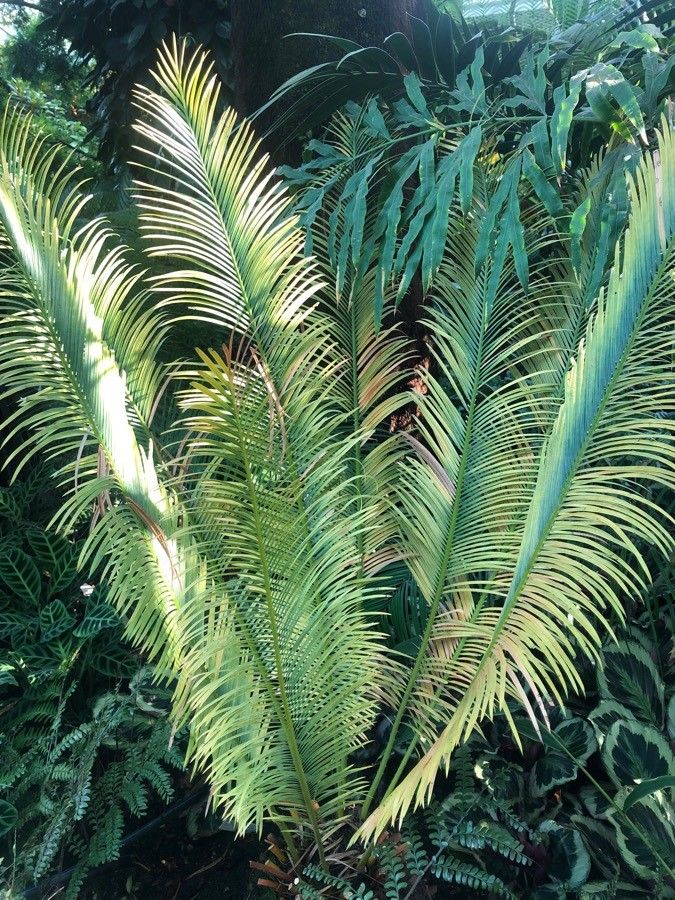
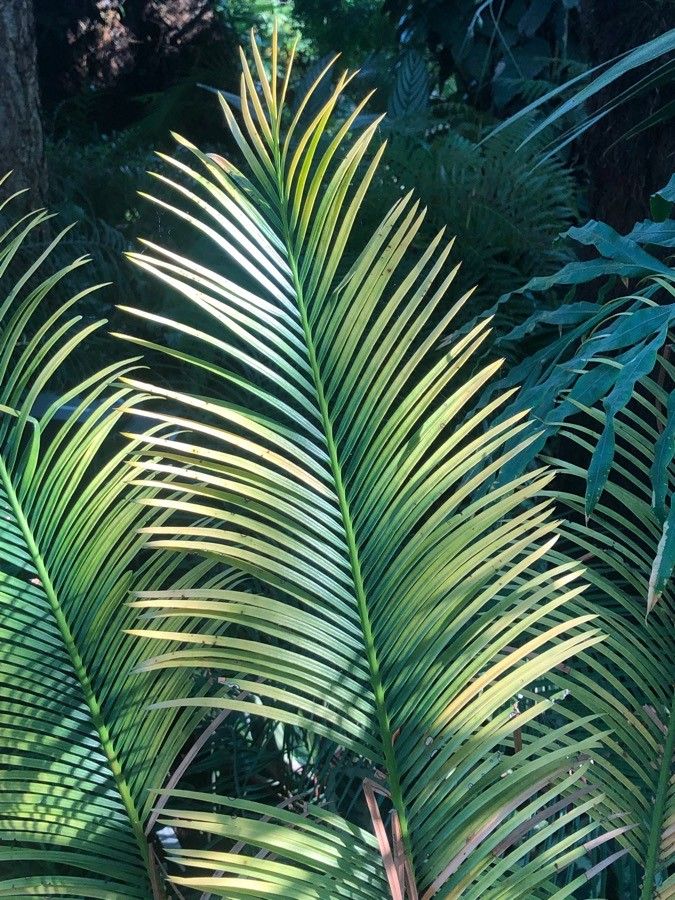
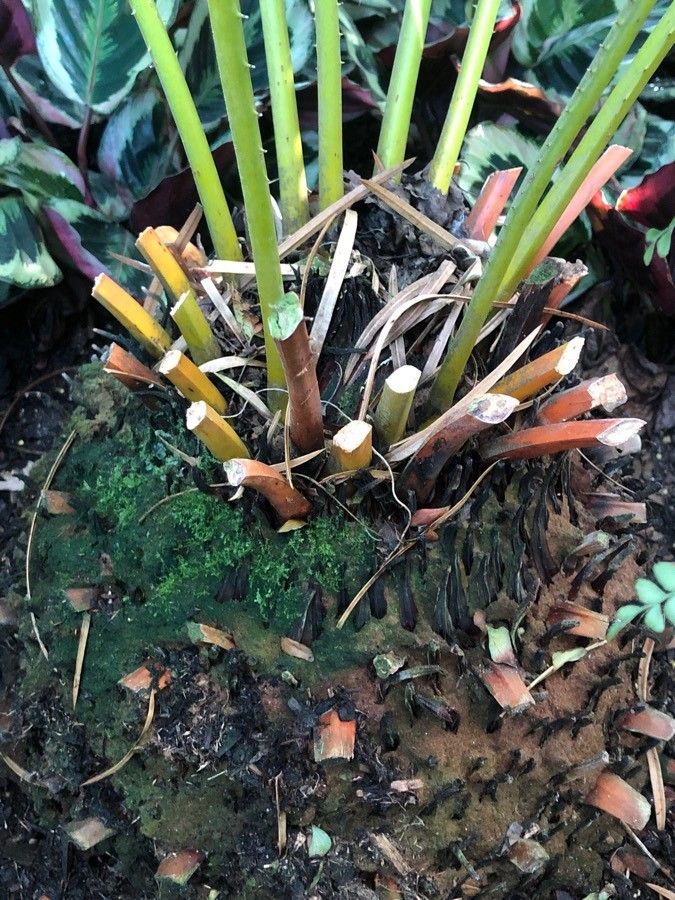
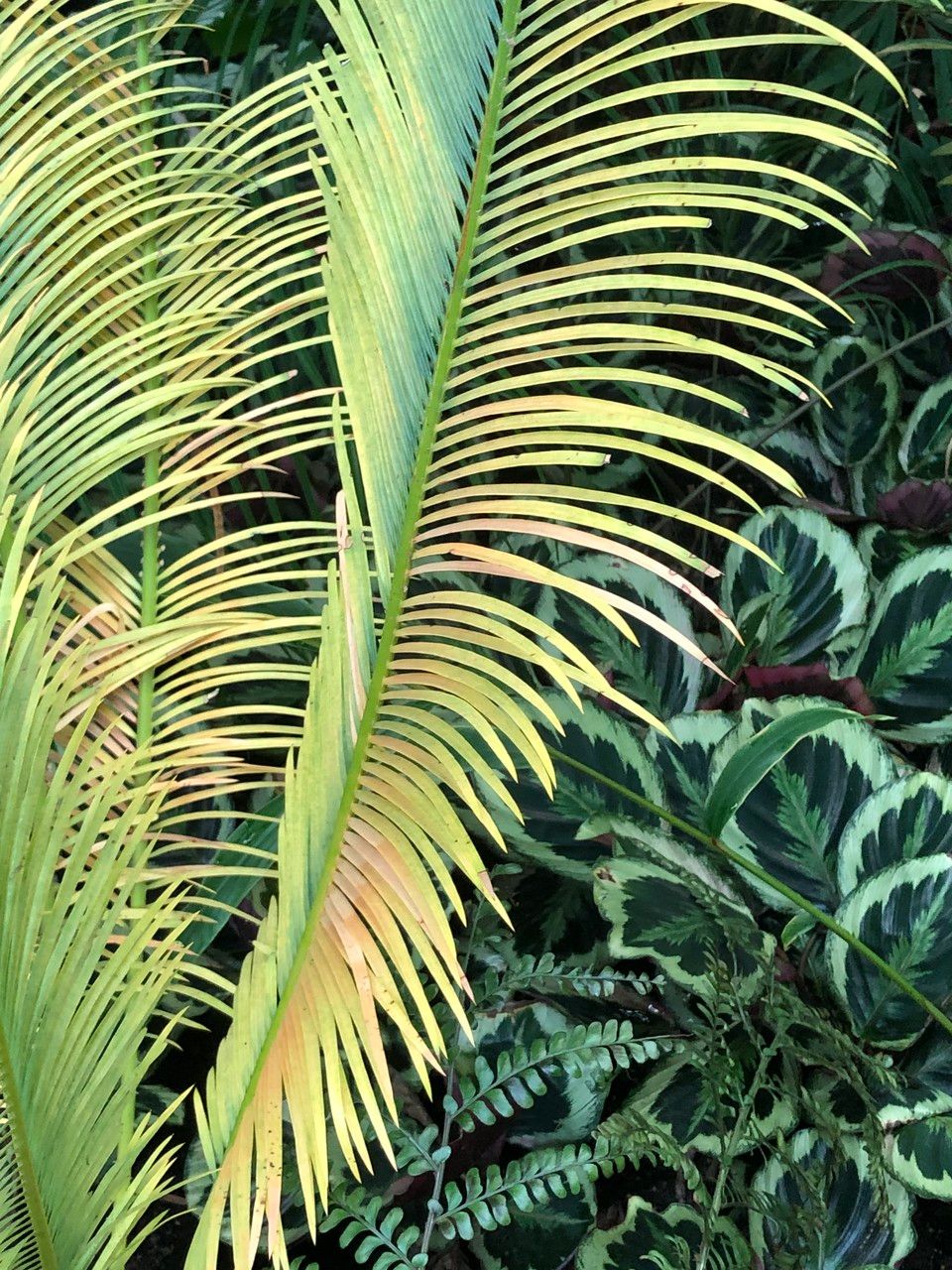
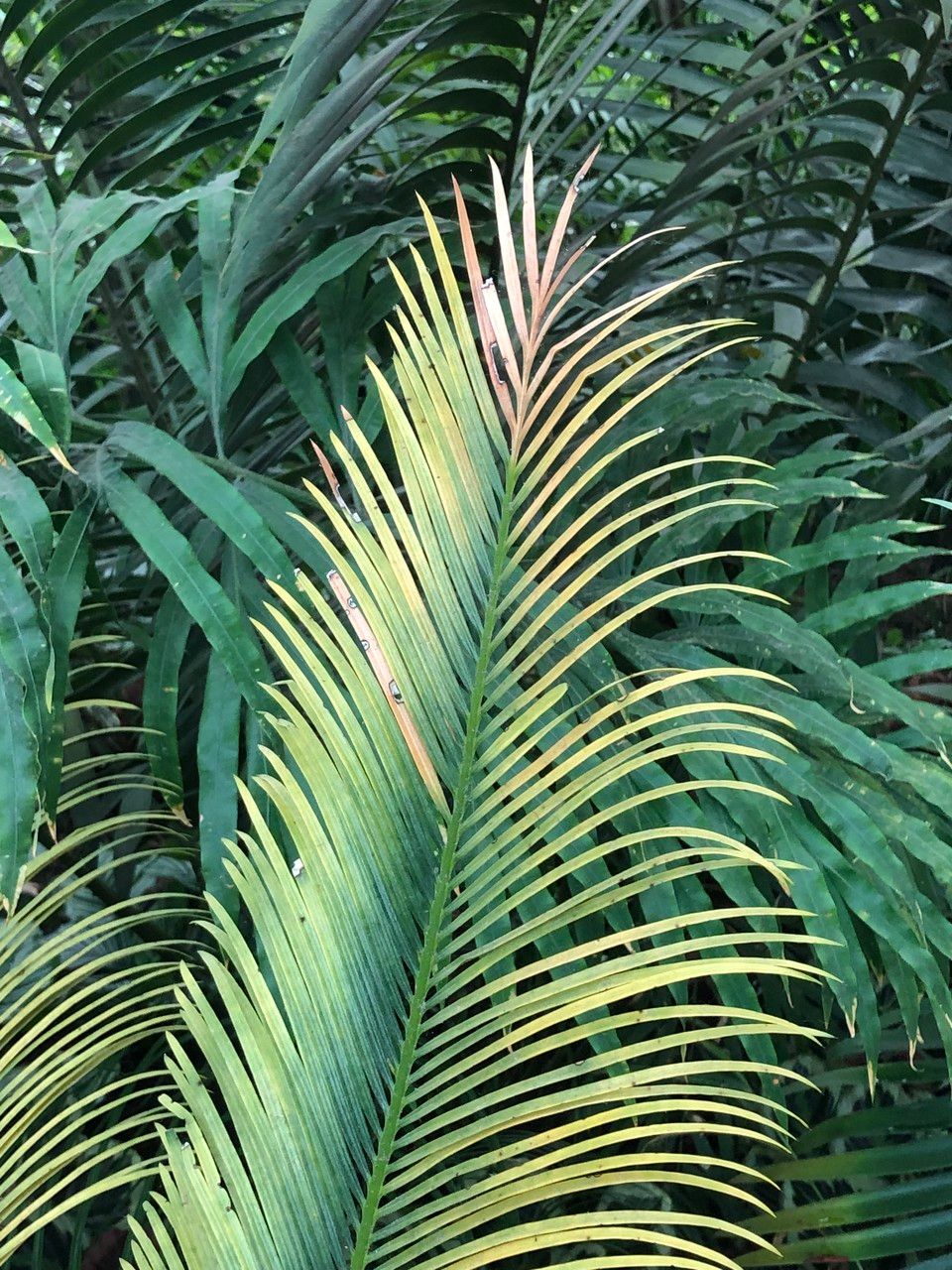
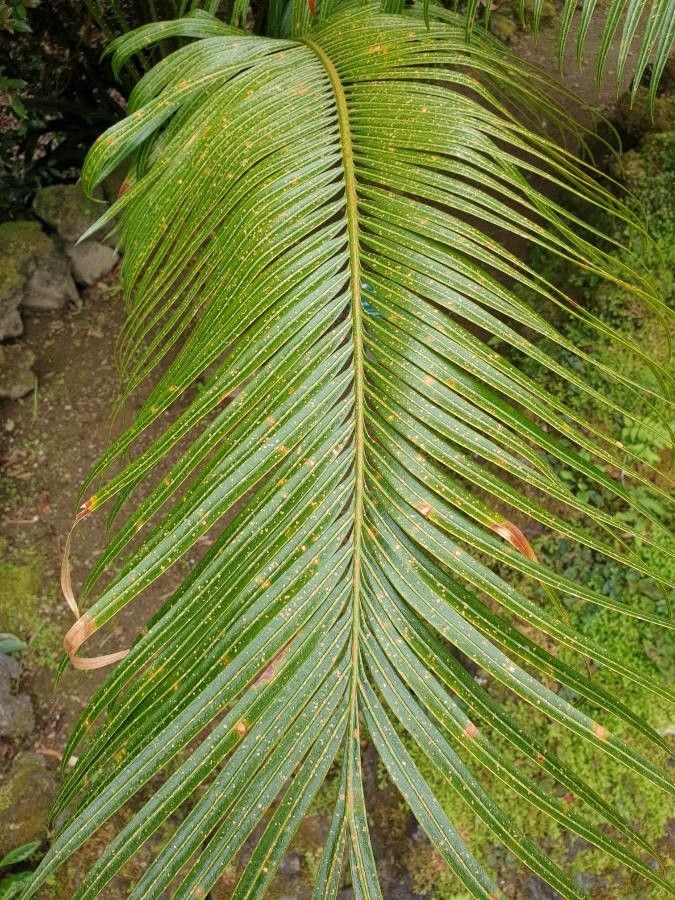
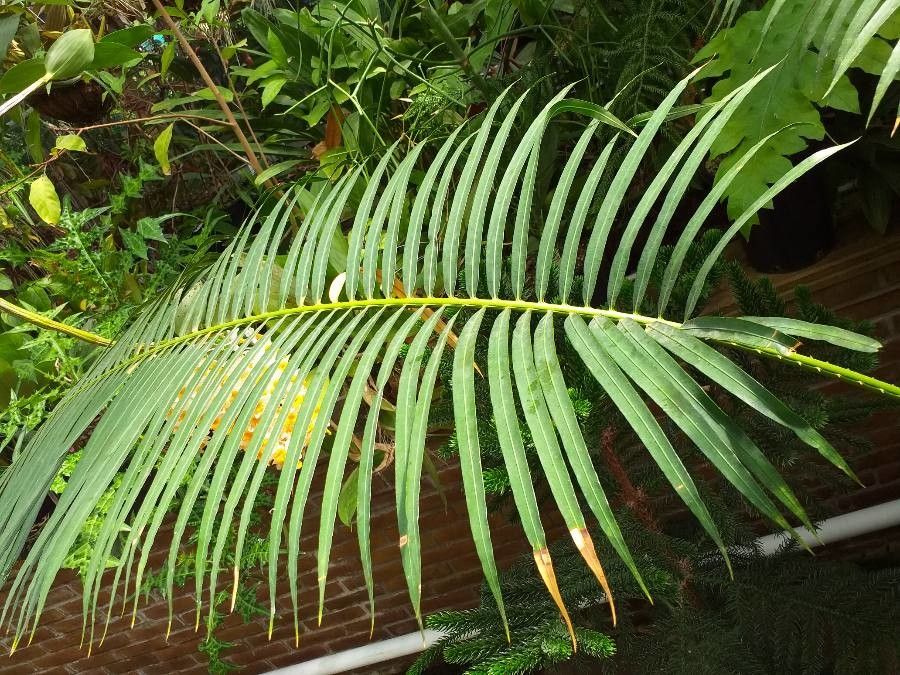
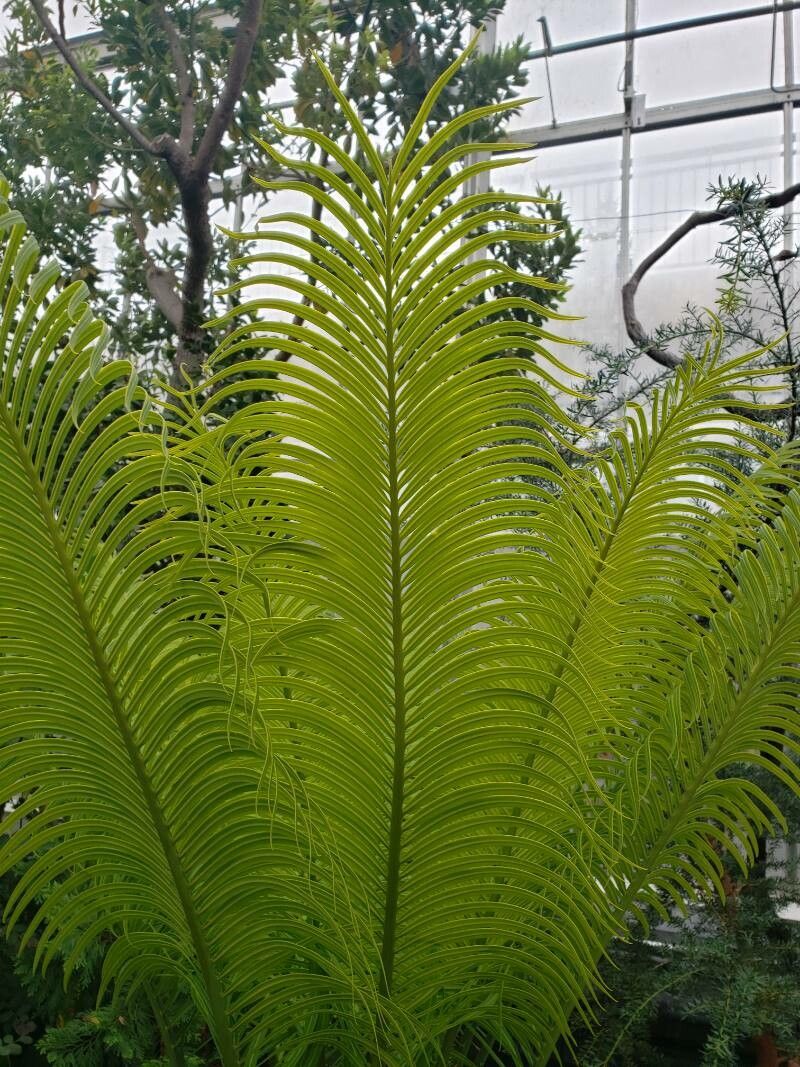
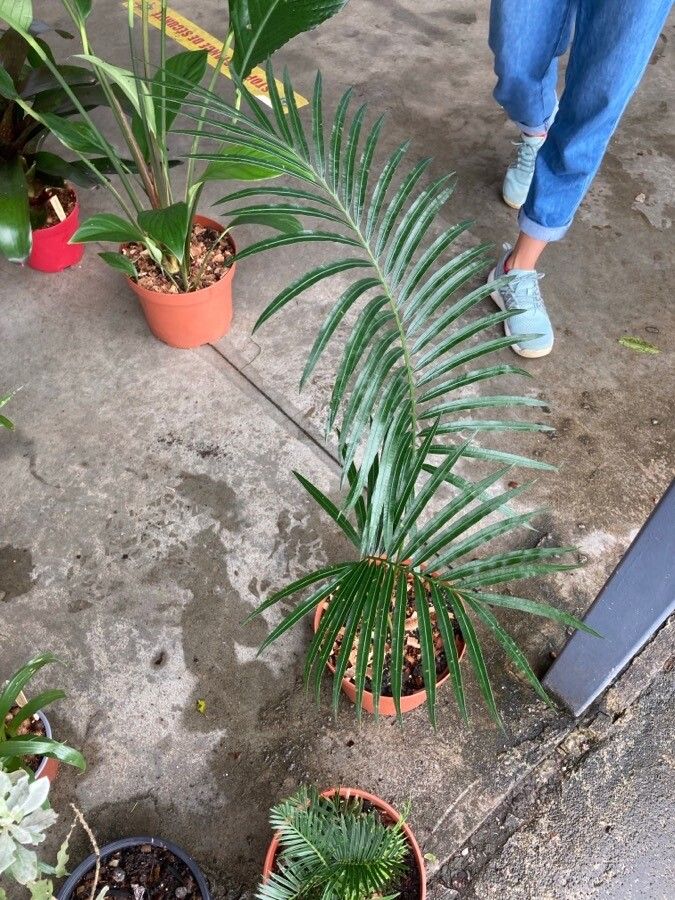
Cycas panzhihuaensis is a rare and vulnerable species of cycad known in the wild only from Sichuan and Yunnan provinces in China. It can be seen at the South China Botanical Garden in Guangzhou and is also cultivated for horticulture, where it is often known as the Dukou sago palm. In Europe in Iturraran Parco Natural, Guipuzcoa, Spain.
The Panzhihua sago palm is highly disease-resistant and generally not susceptible to illnesses. In terms of care, this species is relatively low-maintenance. When grown outdoors it needs only minimal watering, and larger plants typically do not require pruning. Smaller plants, however, should be pruned after they have finished blooming. The Panzhihua sago palm is suitable for anyone with outdoor space, such as a garden or deck, and does not demand much gardening experience.
How to keep Cycas Panzhihuaensis.
Light
Panzhihua sago palm is native to habitats like forest understories and rocky areas, where it grows in natural shade. It prefers partial sun but can tolerate full sun or full shade, demonstrating its versatile and hardy nature.
Water
The Panzhihua sago palm thrives when it receives plenty of water and has excellent drainage. It should be watered twice a week, especially if it is outdoors. During its dormant period, you should reduce the amount of water it receives. To help the plant retain moisture, build a 3-inch mound of soil around its base. When watering, ensure the top 10 inches of soil is thoroughly soaked. However, be careful to maintain proper drainage to prevent root rot.
Temperature
The Panzhihua sago palm generally adapts well to temperature, tolerating high heat and considerable temperature swings. In hot weather, it is necessary to ensure proper watering and provide suitable shade to prevent sunburn. Conversely, this sago palm has relatively weak cold tolerance. While it can endure a certain amount of cold, extremely low temperatures can cause frost damage.
Fertilizer
Panzhihua sago palm has specific nutrient needs and does not require heavy fertilization. Spring is the best time to apply fertilizer for optimal growth. Supplying nutrients improves its health, increases its resistance to pests and diseases, and helps sustain its long lifespan.
Pruning
The Panzhihua sago palm is a slow-growing, evergreen plant with stiff fronds. To promote growth and improve airflow, it is best to prune the plant in early spring. Remove dead leaves by cutting the old fronds near the base, being careful to avoid new growth. Use clean tools to prevent contamination and help maintain the plant's attractive shape.
Botanical profile.
- Plant Type
- Tree
- Life Cycle
- Perennial
- Genus
- Cycas
- Family
- Cycadaceae
- Hardiness Zone
- 9-11
- Mature Height
- 6.1 m
- Mature Spread
- 3.96 m
- Leaf Color
- Dark Green, Forest Green
- Leaf Type
- Evergreen
- Bloom Time
- Late spring, Early summer
- Planting Time
- Spring, Summer, Autumn
- Harvest Time
- Late summer, Early fall, Mid fall
Other names.