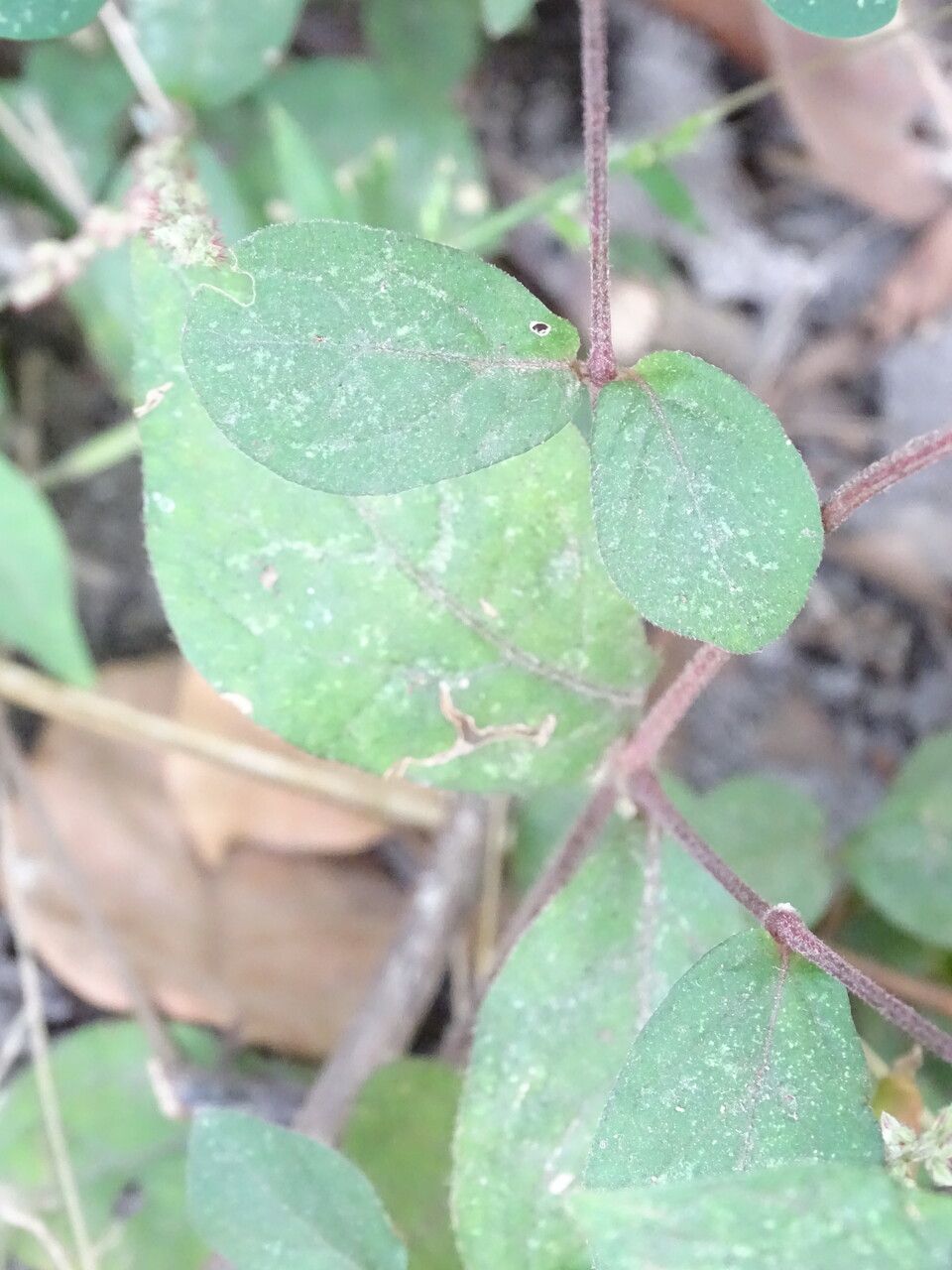
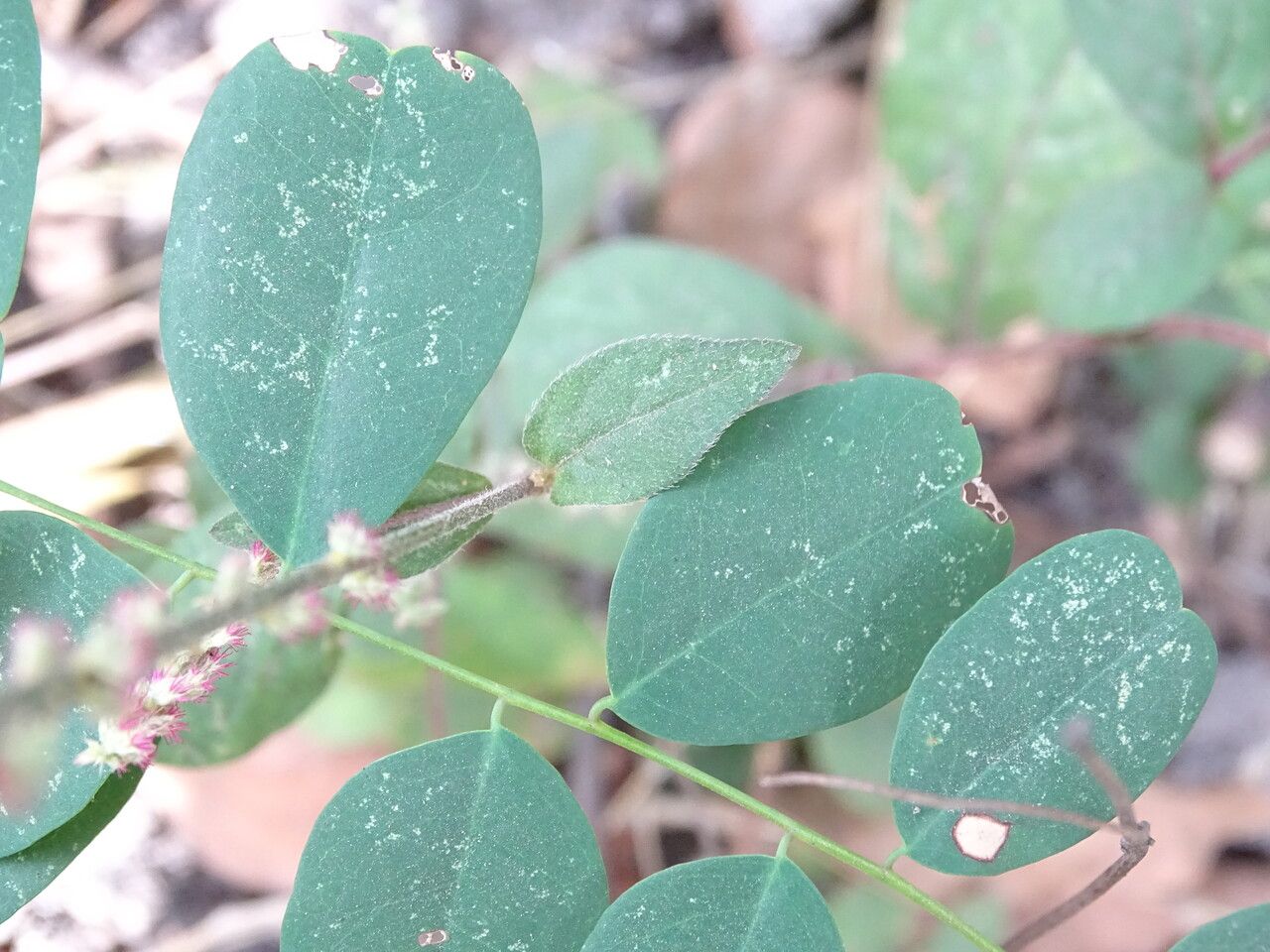
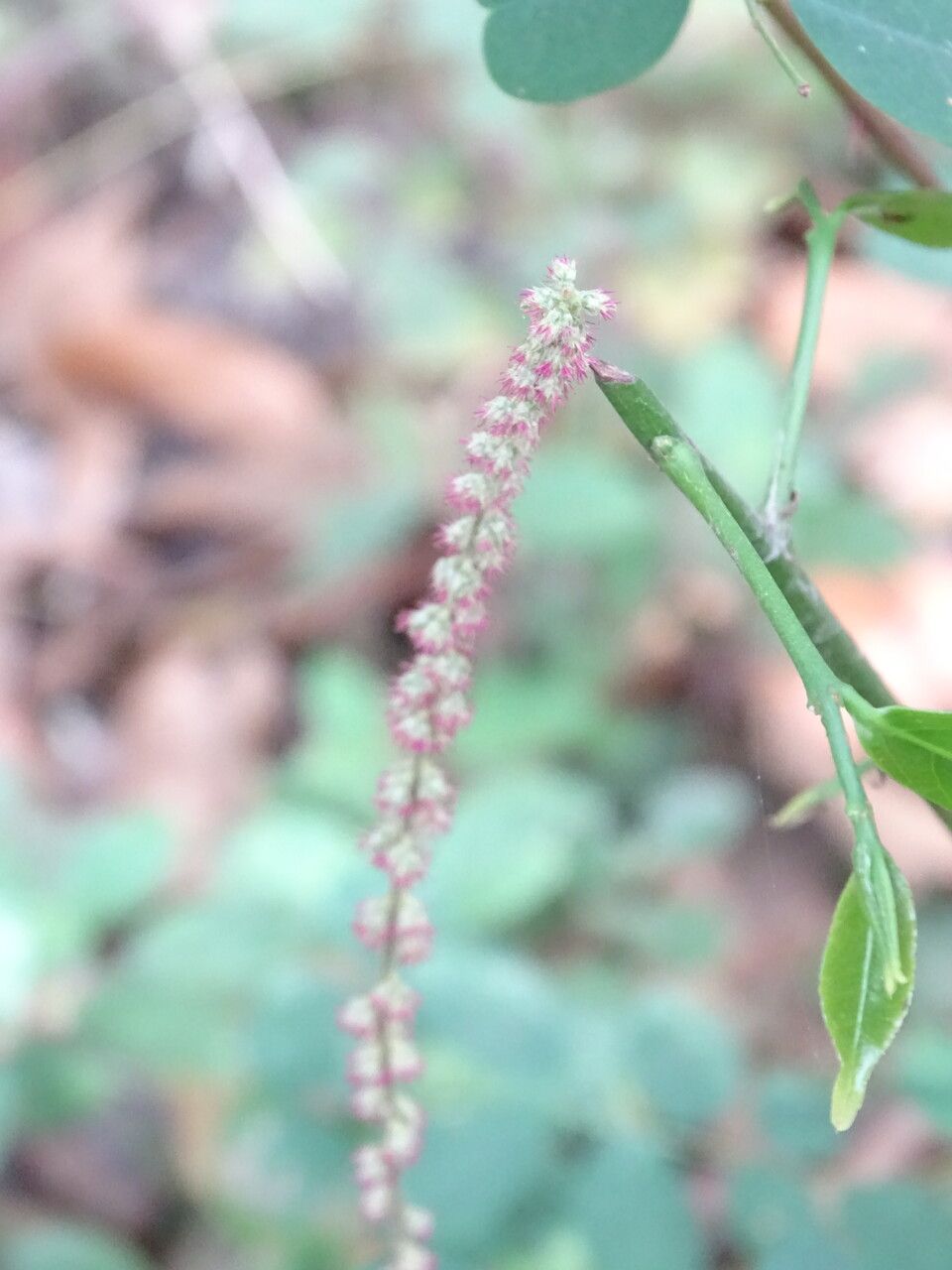
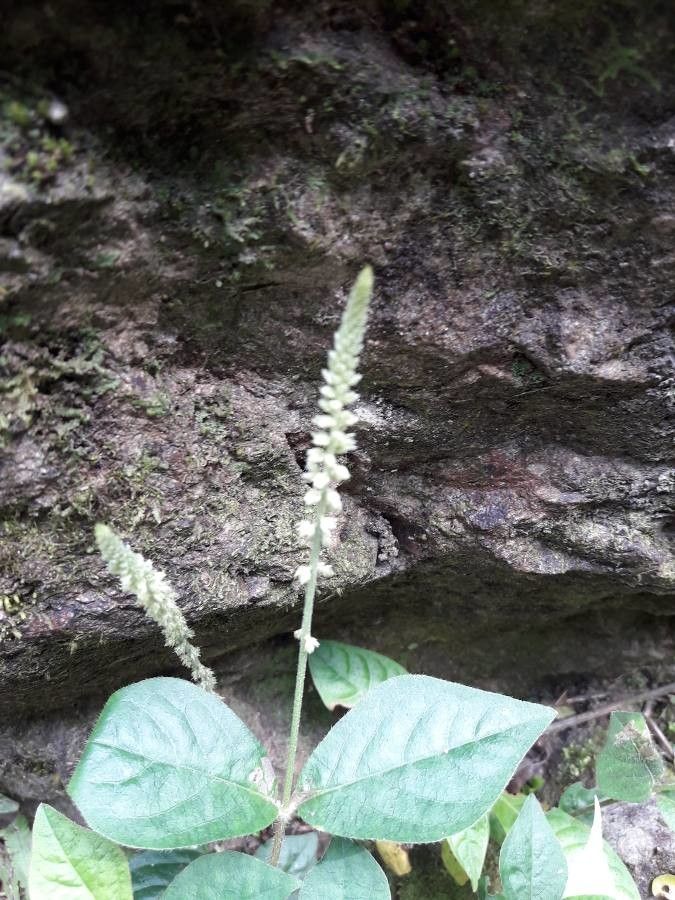
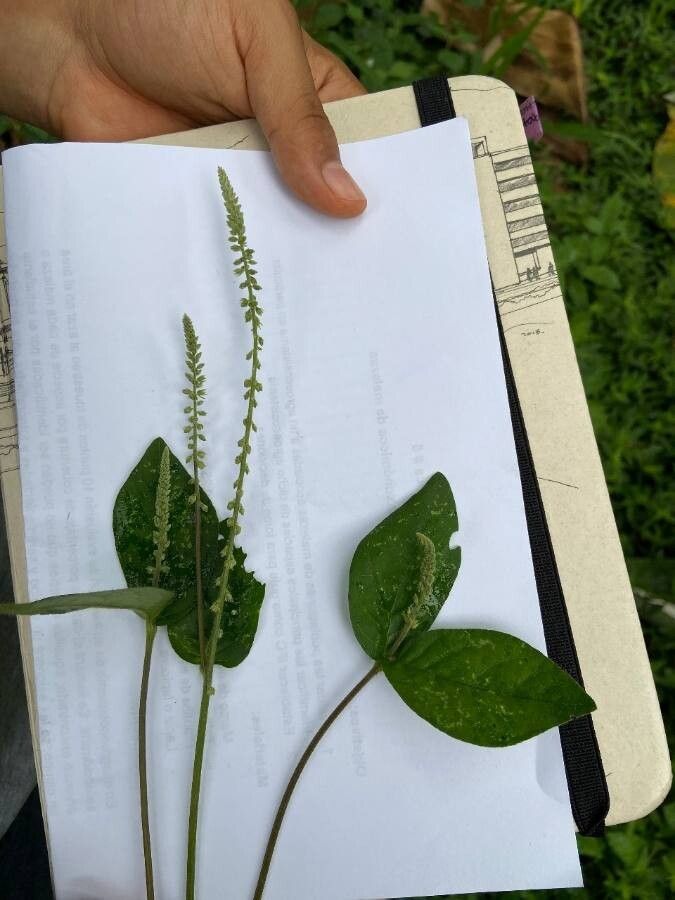
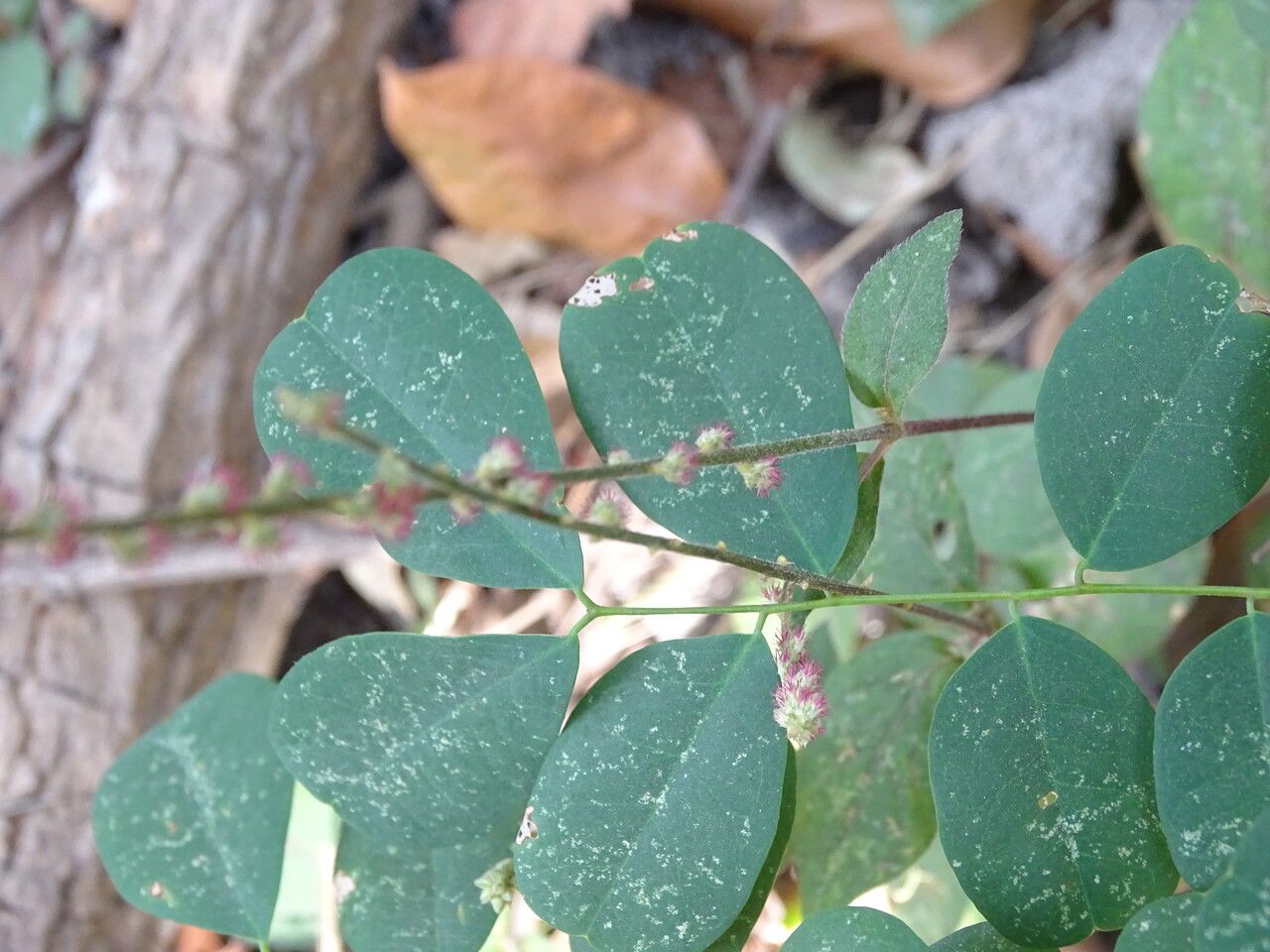
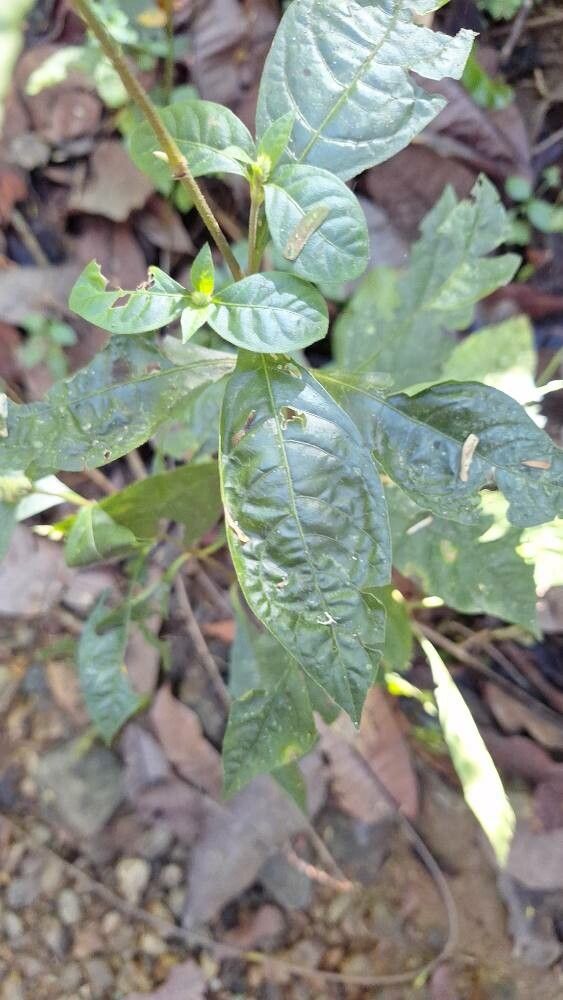
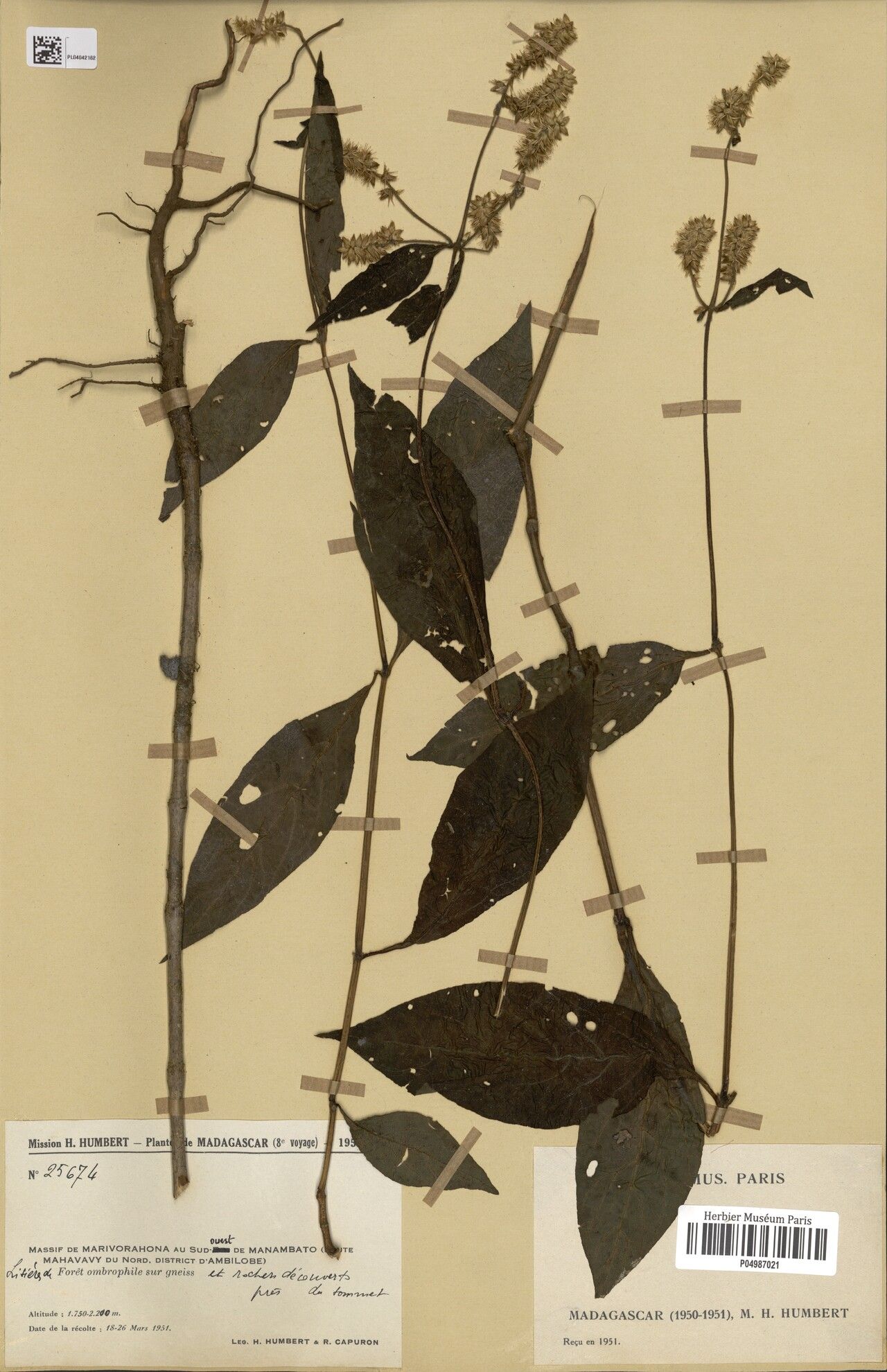
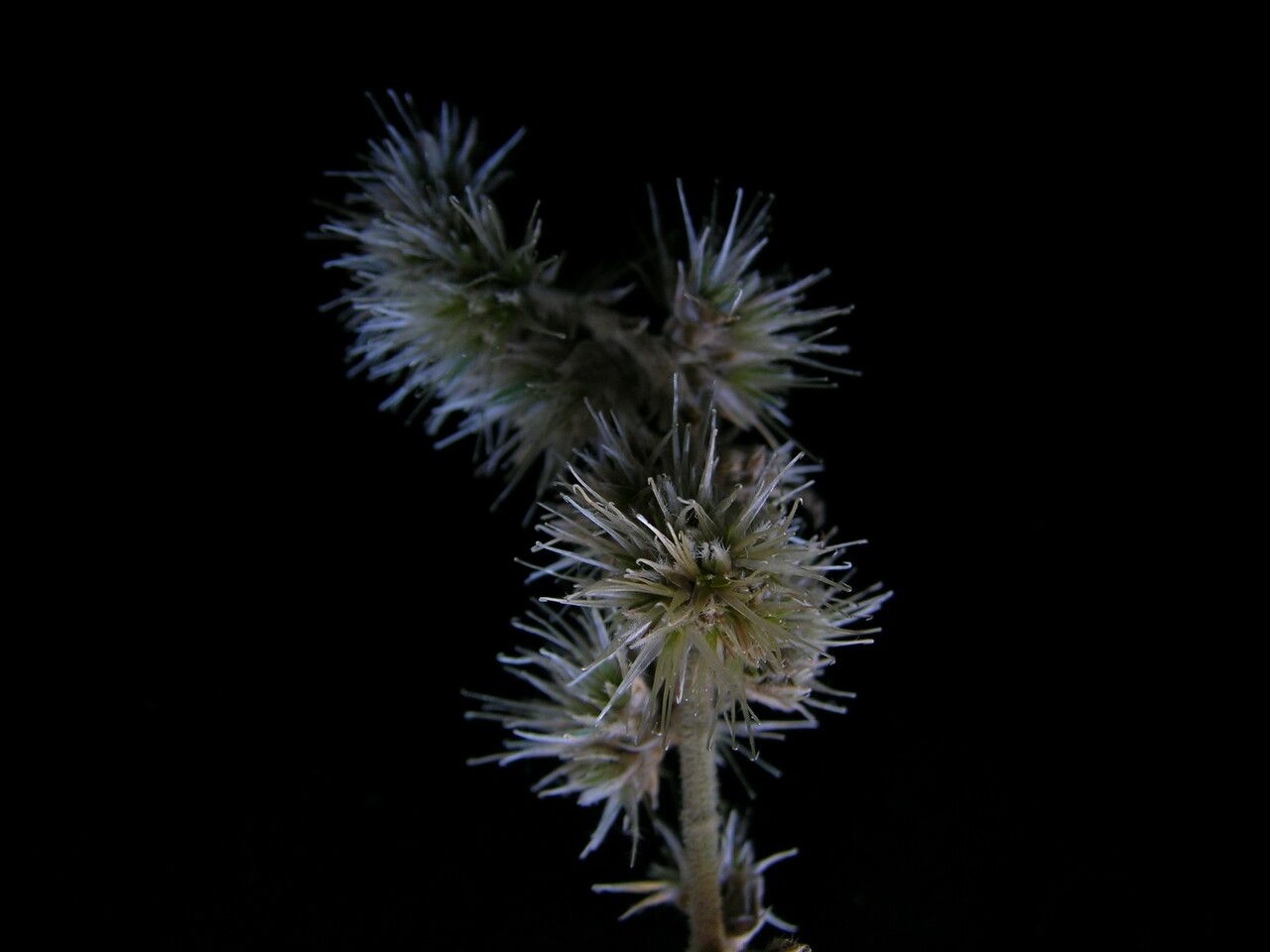
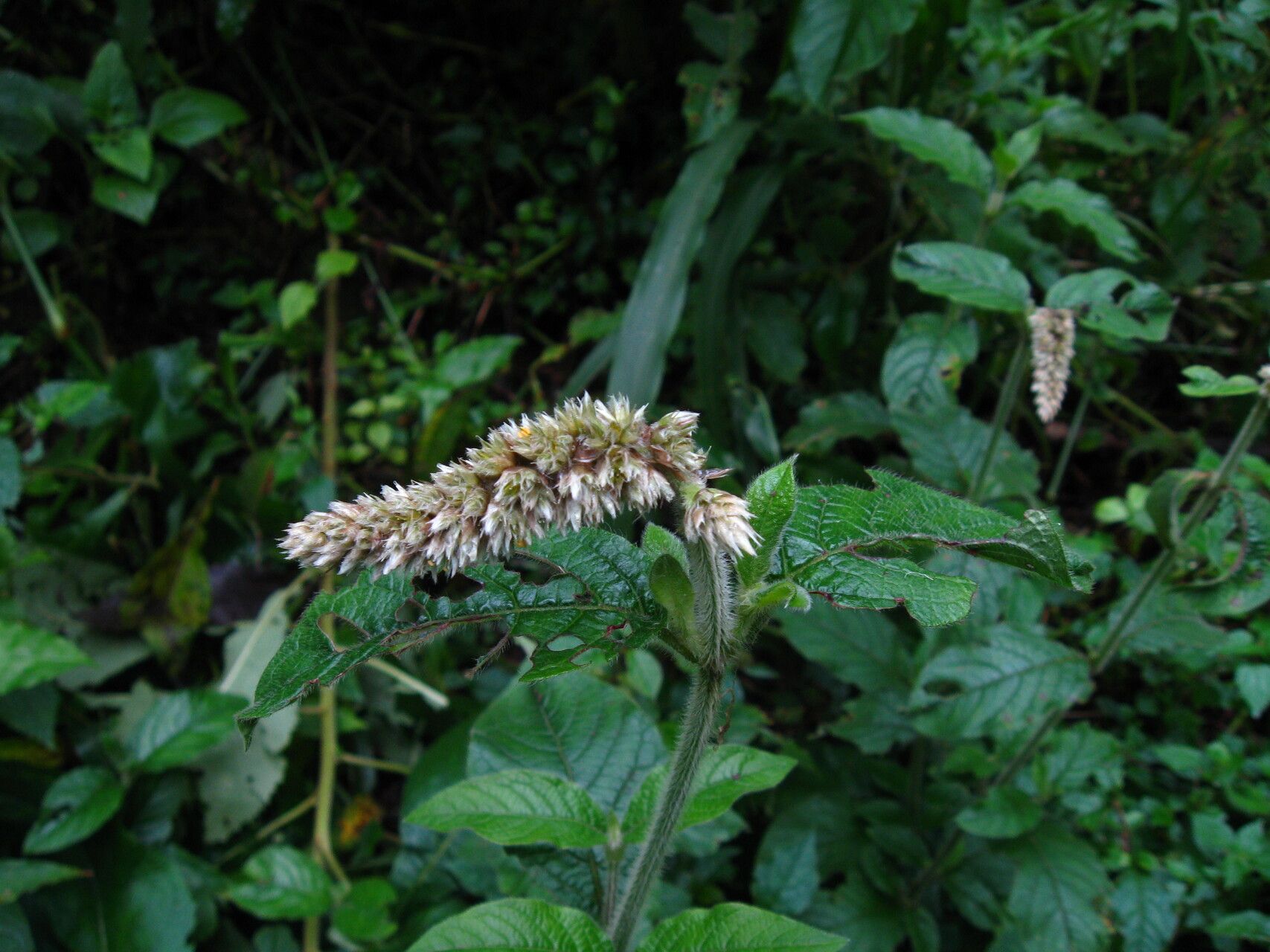
Cyathula prostrata, commonly known as the devil's horsewhip or nagadamni, is a perennial herbaceous plant in the family Amaranthaceae. It is native to the tropical and subtropical regions of Asia and Africa. The plant grows prostrate with stems that can extend up to 1 meter in length. The leaves are simple, alternate, and ovate with serrated margins.
The flowers of Cyathula prostrata are small and inconspicuous, arranged in dense spikes at the ends of stems or branches. They are greenish-white or pinkish-red and bloom from July to September.
Traditionally, Cyathula prostrata has been used for medicinal purposes by healers in Asia and Africa for centuries. It is believed to possess anti-inflammatory, analgesic, and anti-diabetic properties, among others.
Cyathula prostrata can be propagated through seeds or stem cuttings but prefers well-drained soils high in organic matter for optimal growth. It thrives in full sun but can tolerate partial shade.
In conclusion, Cyathula prostrata is an important medicinal herb valued for its numerous health benefits, such as its anti-inflammatory properties. Traditional healers across Asia and Africa have utilized it for centuries.
Pastureweed is fairly resistant to diseases and is usually not prone to them. That said, it can be affected by pests and diseases present in its environment. These problems are typically mild. For care, this plant requires moderate maintenance. It should be pruned regularly to maintain a neat appearance and support healthy growth. Fertilizing can also help encourage flowering. Pastureweed is suitable for people with outdoor spaces like a garden or patio and does not demand extensive care experience. It may need more attention when grown indoors.
How to keep Cyathula Prostrata.
Light
Pastureweed grows best when it gets a generous amount of sunlight each day and is not sheltered. It can, however, tolerate partially shaded conditions. Its affinity for light comes from its original open-field habitat. Too little or too much light can harm its health, possibly resulting in stunted or scorched growth.
Water
Pastureweed is a tropical plant that thrives in environments with consistent moisture. It prefers soil that is evenly moist, and should be watered weekly to mimic its native rainfall patterns. This regular watering promotes robust growth during its active growing season. However, be careful not to overwater, as waterlogged soil can harm the plant.
Temperature
Pastureweed comes from tropical areas, where the climate is generally warm and humid. Consequently, it is well suited to high temperatures and humidity. It does not tolerate sudden temperature changes and prefers a steady temperature environment, so avoiding temperature fluctuations indoors is important. It usually cannot withstand cold and needs warmer conditions to grow. If the surrounding temperature drops too low, the plant may stop growing or even die.
Fertilizer
Pastureweed needs the most fertilizer during its active growing period, which occurs mainly in spring, summer, and early fall. Fertilizing supplies essential nutrients the soil may lack, supporting healthy root and stem growth and encouraging attractive foliage, which is a key characteristic of this plant.
Pruning
For optimal growth, pastureweed benefits from pruning during early to late spring. This is the key time for its active growth phase. When pruning, concentrate on removing dead stems, improving air circulation, and controlling excessive growth. Correct pruning enhances the plant's health, encourages dense foliage, and helps manage its invasiveness. Always use sterilized tools to prevent the spread of disease.
Botanical profile.
- Plant Type
- Herb
- Life Cycle
- Perennial
- Genus
- Cyathula
- Family
- Amaranthaceae
- Hardiness Zone
- 10-12
- Mature Height
- 30 cm to 49 cm
- Mature Spread
- 30 cm to 49 cm
- Leaf Color
- Green
- Leaf Type
- Deciduous
- Flower Color
- Yellow, Green
- Flower Size
- 4.06 cm to 33.53 cm
- Bloom Time
- Summer, Early fall, Mid fall
- Planting Time
- Spring, Summer, Autumn
- Harvest Time
- Late summer, Fall, Early winter
- Native Area
- Sri Lanka, Burkina Faso, Angola, Malaysia, India, Vanuatu, Madagascar, Timor-Leste, Nigeria, Guinea-Bissau, Uganda, Tanzania, Zimbabwe, Benin, Mali, Sierra Leone, Indonesia, Cambodia, Cameroon, Liberia, Mozambique, Venezuela, Brazil, Ghana, Ethiopia, Congo, Nepal, Malawi, Central African Republic, Honduras, Peru, Philippines, Zambia, Sudan, Bangladesh, Laos, Guinea, Chad, China, Colombia, Vietnam, Myanmar, Togo, El Salvador, Senegal, Singapore, Papua New Guinea, Nicaragua, Ecuador, Côte d'Ivoire, Bhutan, Costa Rica, Gambia, Congo (DRC), Thailand, Gabon
Other names.
Reader questions.
How should I water my Pastureweed in the best way?
To properly water the Pastureweed, you should follow these guidelines: - Use filtered water that is at room temperature. Tap water can have harmful particles, so filtered water is preferred. - Make sure the water is at room temperature or slightly warmer. Cold water might be a shock to the plant since it prefers a warm environment. - Avoid overhead watering as it can cause problems with the foliage. Instead, focus on applying filtered room temperature water directly to the soil. - Keep watering until the soil is completely soaked. This benefits the plant by moistening the roots and aiding their spread through the soil to collect necessary nutrients.
What kind of sunlight does Pastureweed need?
Pastureweed requires full sun every day, with a minimum of six hours of sunlight to maintain the health of its leaves, roots, and blooms. While most perennials also need six hours of sunlight each day, certain plants like the Orange Daylily or Giant Coreopsis can survive on as little as three hours of sun. However, it's important to note that even though these perennial flowering plants can survive with only three hours of direct sunlight, they may not thrive as well as they would in sunnier conditions.
What should I do if I give my Pastureweed too much or too little water?
Overwatering poses a greater threat to the health of your Pastureweed compared to underwatering. When Pastureweed is overwatered, its stems and leaves wilt and turn yellow. Prolonged overwatering can lead to diseases like root rot, mold, and mildew, which can be fatal for the plant. On the other hand, underwatering is less common for Pastureweed due to its decent drought tolerance. However, when underwatering occurs, the leaves become brittle and brown. It's crucial to recognize signs of overwatering early on to prevent irreversible damage, as some diseases like root rot are difficult to correct once they progress. Reduce watering immediately if you notice early signs of overwatering and consider replacing poorly draining soil with a loose, well-draining potting mix. If signs of underwatering are evident, increase watering until the symptoms improve.
Does sunlight harm Pastureweed? How can you keep Pastureweed safe from sun and heat damage?
In warm climates, some Perennial Flowering Plants may struggle with excessive heat and suffer from sun damage. They can wilt, dry out, or even experience growth problems if they are consistently exposed to the intense afternoon sun. However, not all plants require protection from the light afternoon sun. For those that are harmed by intense afternoon exposure, it is recommended to provide them with some shade in warmer climates. Gardeners can achieve this by planting these plants in areas that do not receive direct heat during the afternoon, such as under trees or behind bushes.
How frequently should I give water to my Pastureweed?
If your plant is in a pot, the most accurate way to determine if your Pastureweed needs water is to stick your finger into the soil. If the top two to three inches of soil feel dry, it's time to water it. If you're growing your Pastureweed outdoors in the ground, you can use the same method to test the soil. When the top few inches of soil are dry, it's time to water the plant. Typically, during the spring and early fall, you'll need to water this plant about once a week using this method. However, during extremely hot weather, you may need to increase watering to about twice a week or more. Nevertheless, mature, well-established Pastureweed plants have admirable drought tolerance.
Should I keep Pastureweed out of the sun?
Certain perennial plants require ample sunlight to reach their maximum bloom. However, in warmer climates, some of these plants actually benefit from less sun. For instance, individuals residing in hotter regions might find it beneficial to shade their flowering perennials during the intense afternoon sun, especially during summer months. Although many perennial flowering plants prefer partial shade in the hottest climates, there are exceptions. Take the Giant Coreopsis, for example, as it is not bothered by excessive sun exposure. These plants can flourish even when placed in the full sun during scorching weather.
How much water does my Pastureweed require?
When it's time to water your Pastureweed, don't be afraid to give it a lot of water. Make sure the top few inches of soil are dry, then give it a thorough watering so that the soil is completely soaked. You should add enough water so that it drains out of the pot's drainage holes. If you don't see excess water draining, you probably didn't give it enough water. However, you don't want water to accumulate in the soil, as it can harm the plant. If water doesn't drain out, it could mean the soil isn't draining well, which is not good for the plant's health. If the plant is outside, it should receive about 1 inch of rain per week, which is enough.
What will happen if Pastureweed doesn't get enough sunlight?
If your Pastureweed is not getting enough sunlight, you will see signs that its needs are not being met. These signs include fewer blooms compared to plants that receive full sun exposure. Some plants may develop dry spots on their leaves, but most will still manage to bloom in the limited sun. However, the flowers produced will be smaller and less lush.
How do I water my Pastureweed when it is growing at different stages?
The water needs of the Pastureweed can vary depending on its growth stages. When the plant is in its early years or has just been transplanted, it requires more water than usual. During these stages, the Pastureweed uses a lot of energy to develop new roots, which need extra moisture to support future growth. As the plant matures, its water requirements decrease. Additionally, during the bloom period, the Pastureweed may need more water since flower development utilizes significant moisture.
Does Pastureweed require specific attention to sunlight at different stages of growth?
Pastureweed is a great choice for garden flowers and will thrive with at least six hours of sunlight each day. In hot weather, it's beneficial to provide some partial shade to the flowers to keep them fresh longer. For younger plants, it's important to balance sunlight exposure with avoiding intense afternoon heat. However, for fully mature plants, it's best to give them plenty of sunlight to support their growth.
How do I water my Pastureweed during different seasons?
The Pastureweed has different water needs depending on the season. It needs the most water during the hottest months of the year, especially during the height of summer. You may need to water it more than once per week, depending on how quickly the soil dries out. In contrast, during winter, the plant enters a dormant phase and requires significantly less water. In fact, you may not need to water it at all during the winter months. However, if you choose to water it in winter, it should be done no more than once per month. Overwatering during this time can increase the risk of disease for the Pastureweed.
How much light does Pastureweed need to make its own food?
Pastureweed requires at least six hours of light for optimal photosynthesis. Sunlight is crucial for the growth of foliage and blooms in these flowering plants. On the other hand, perennial flowering plants such as the Giant Coreopsis may require anywhere from eight to twelve hours of full sun daily to sustain their large flowers and healthy foliage.