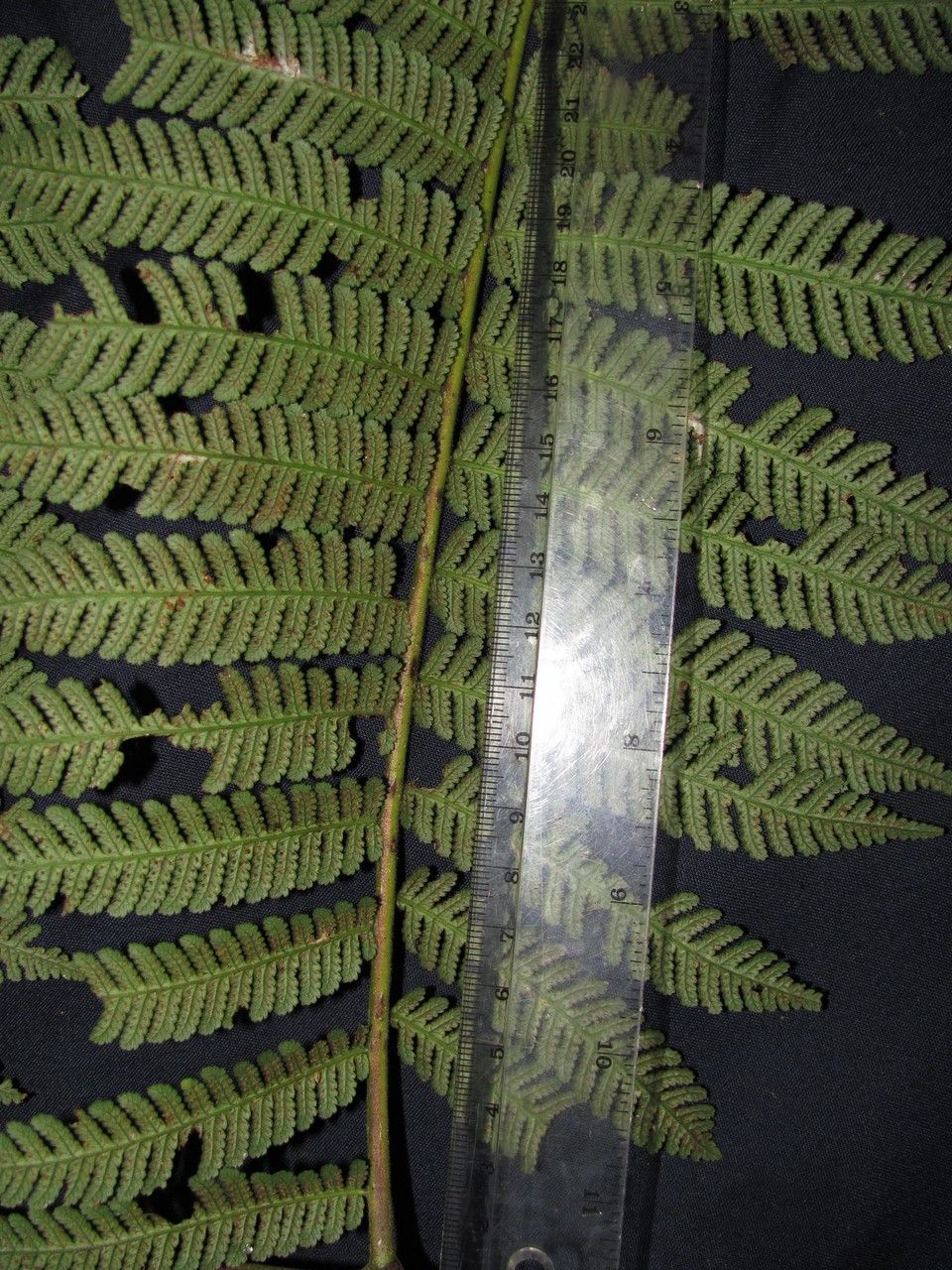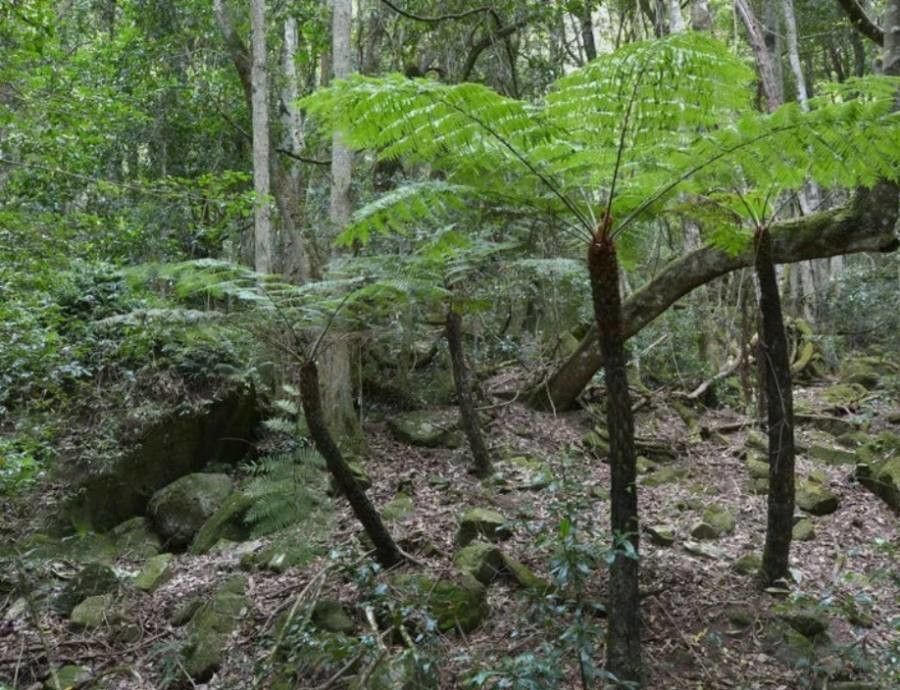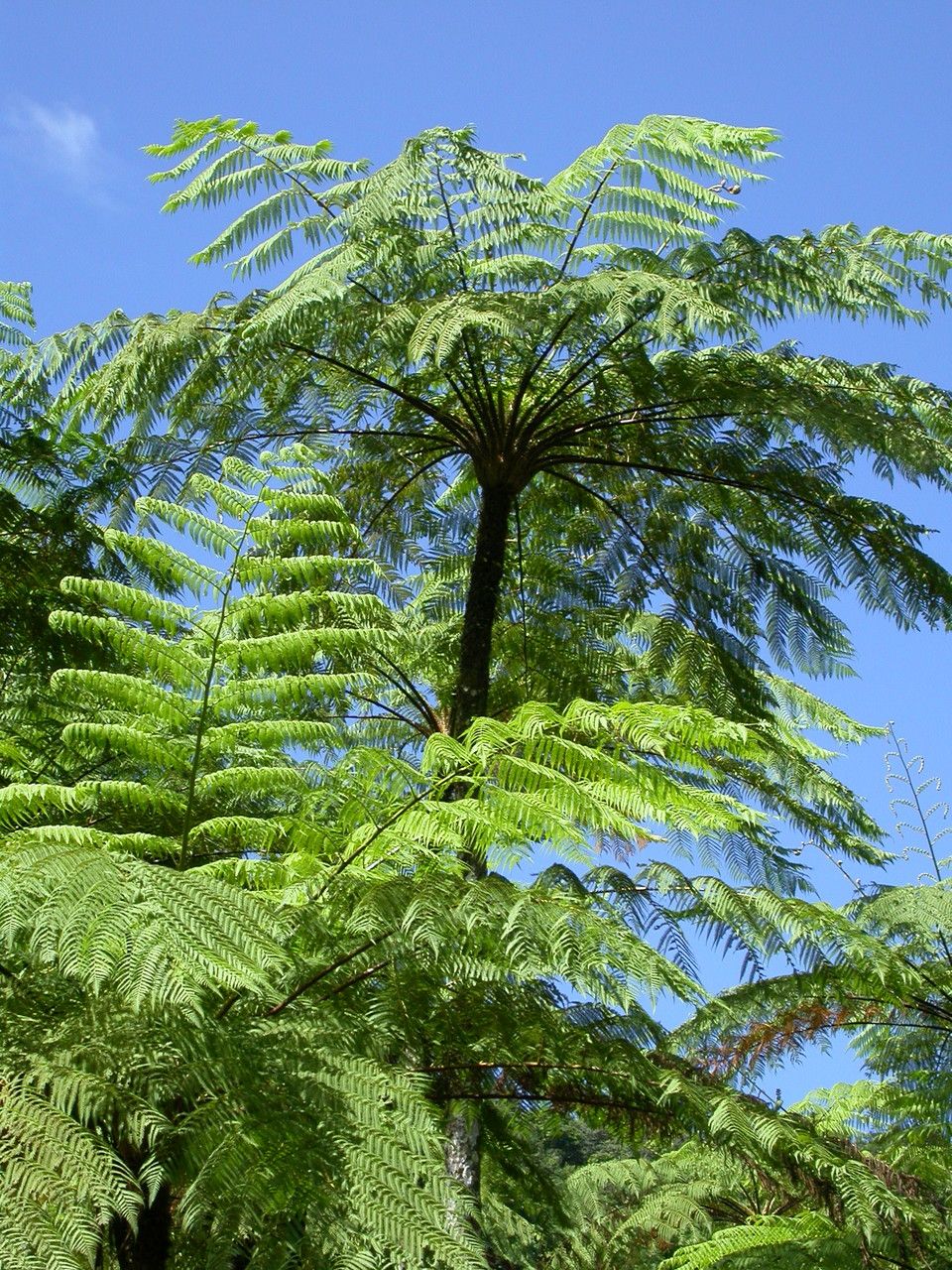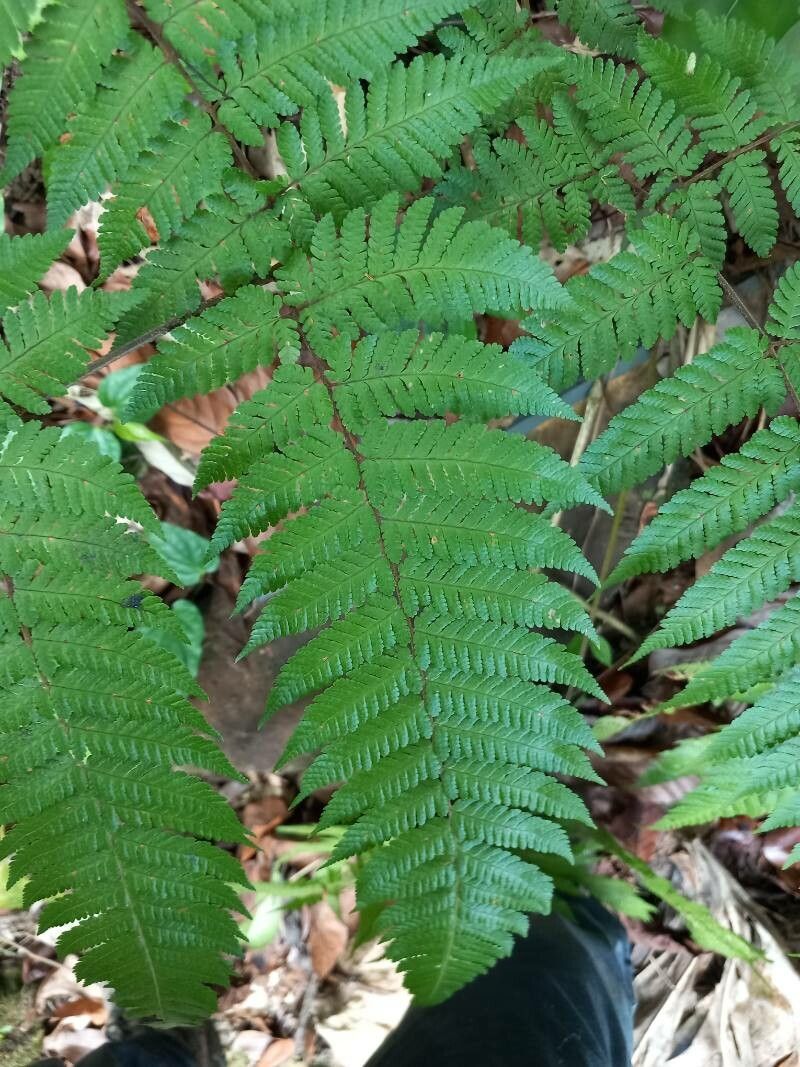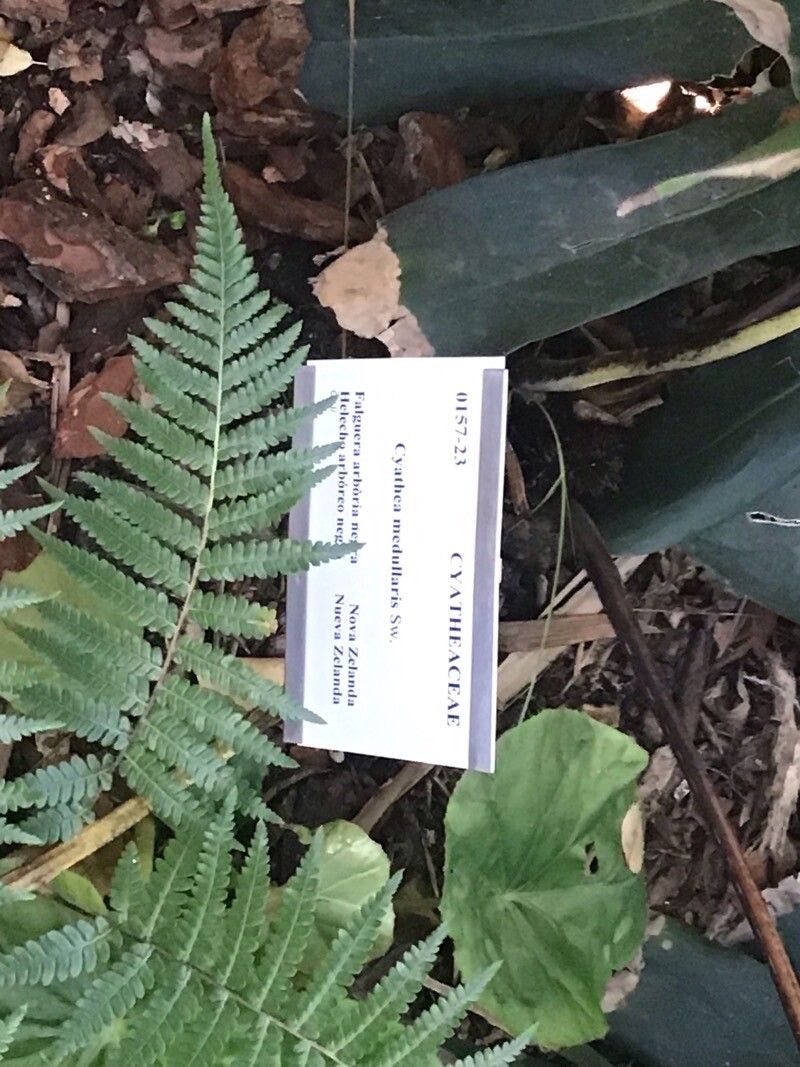
Sphaeropteris medullaris, synonym Cyathea medullaris, commonly known as mamaku or black tree fern, is a large tree fern up to 20 m (66 ft) tall with a trunk up to 20 cm diameter at breast height. It is distributed across the south-west Pacific from Fiji to Pitcairn Island and is a common plant found in forests of New Zealand.
Tree fern sago typically resists disease well and has relatively few insect pests. Its care is regarded as difficult because it needs a moist environment and frequent watering. At the same time, the roots can rot if the plant is overwatered or the surrounding air is poorly ventilated. Tree fern sago is appropriate for growers with some experience, since most people can keep it alive for a certain period. Still, it can struggle to thrive, and its fronds may dry out and lose vigor over time.
How to keep Cyathea Medullaris.
Light
Tree fern sago grows best with moderate sunlight, though it can naturally adjust to conditions with less light. This preference helps protect it from scorching and bleaching. However, if light is too low, its growth may slow and the plant’s health could be affected.
Temperature
Tree fern sago comes from tropical areas, where the climate is usually warm and humid. Because of this, it is adapted to high temperatures and humidity. It is sensitive to sudden temperature changes and prefers a stable temperature environment, so indoor temperature fluctuations should be avoided. It generally does not tolerate cold and needs warmer conditions to grow. If the environmental temperature falls too low, the plant may stop growing or even die.
Botanical profile.
- Plant Type
- Fern
- Life Cycle
- Perennial
- Genus
- Cyathea
- Family
- Cyatheaceae
- Hardiness Zone
- 9-11
- Mature Height
- 91 cm
- Mature Spread
- 4.88 m
- Leaf Color
- Dark Green, Forest Green
- Leaf Type
- Evergreen
- Planting Time
- Spring, Summer, Autumn
- Native Area
- Fiji, New Zealand