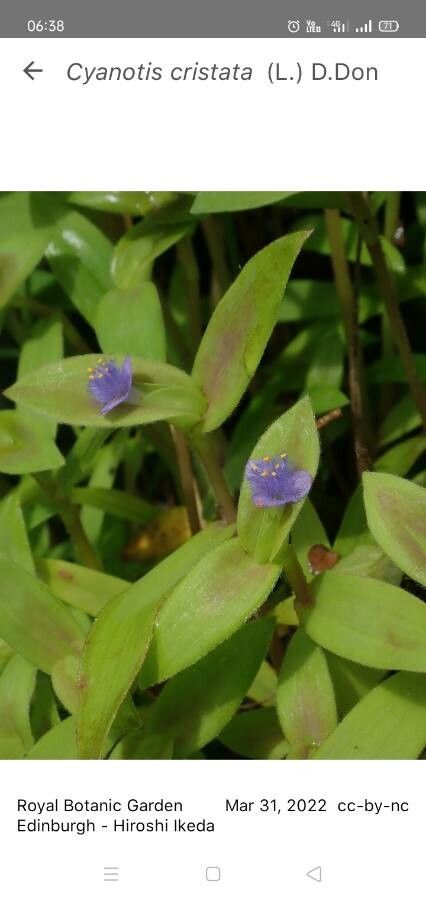
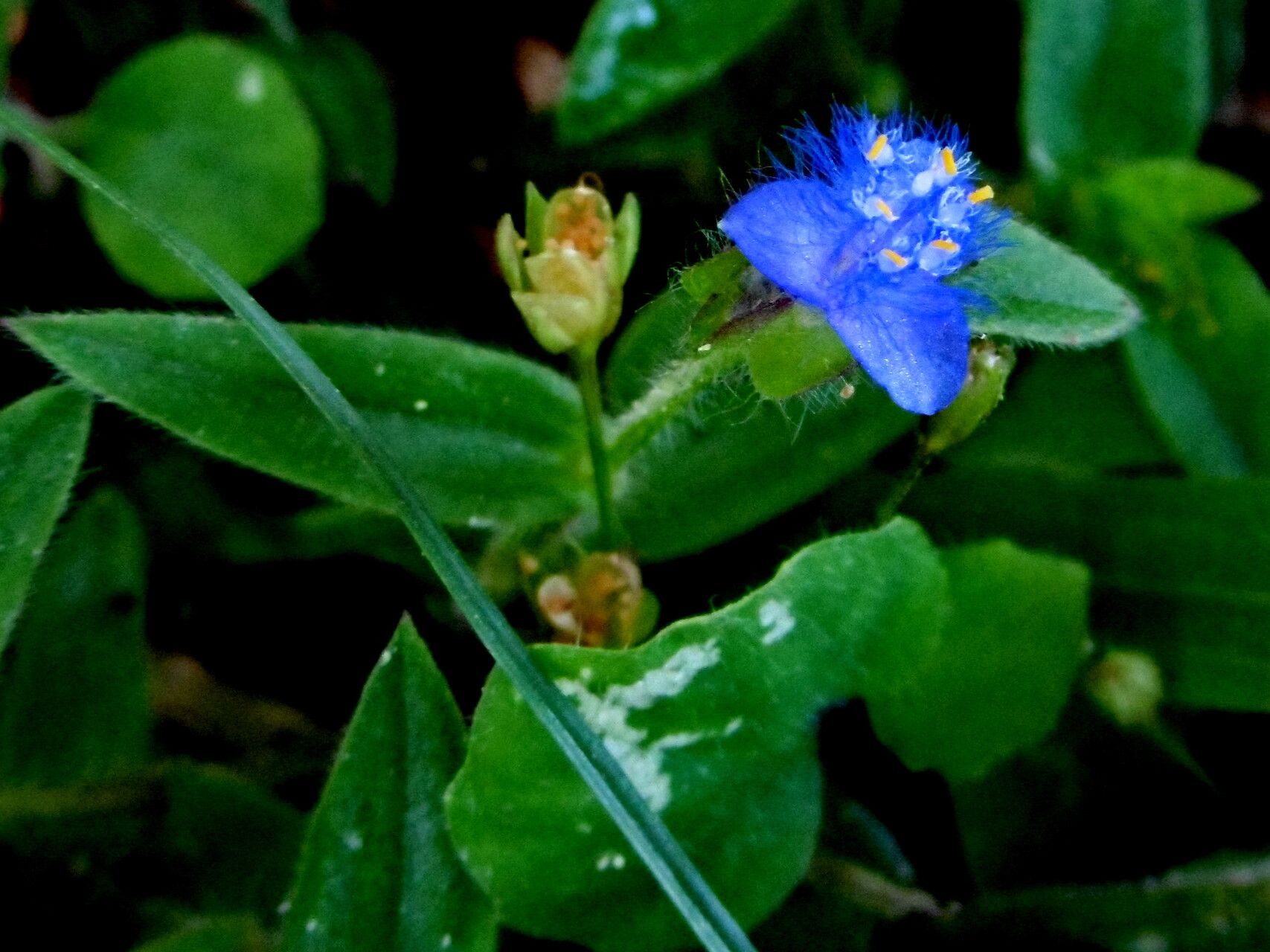
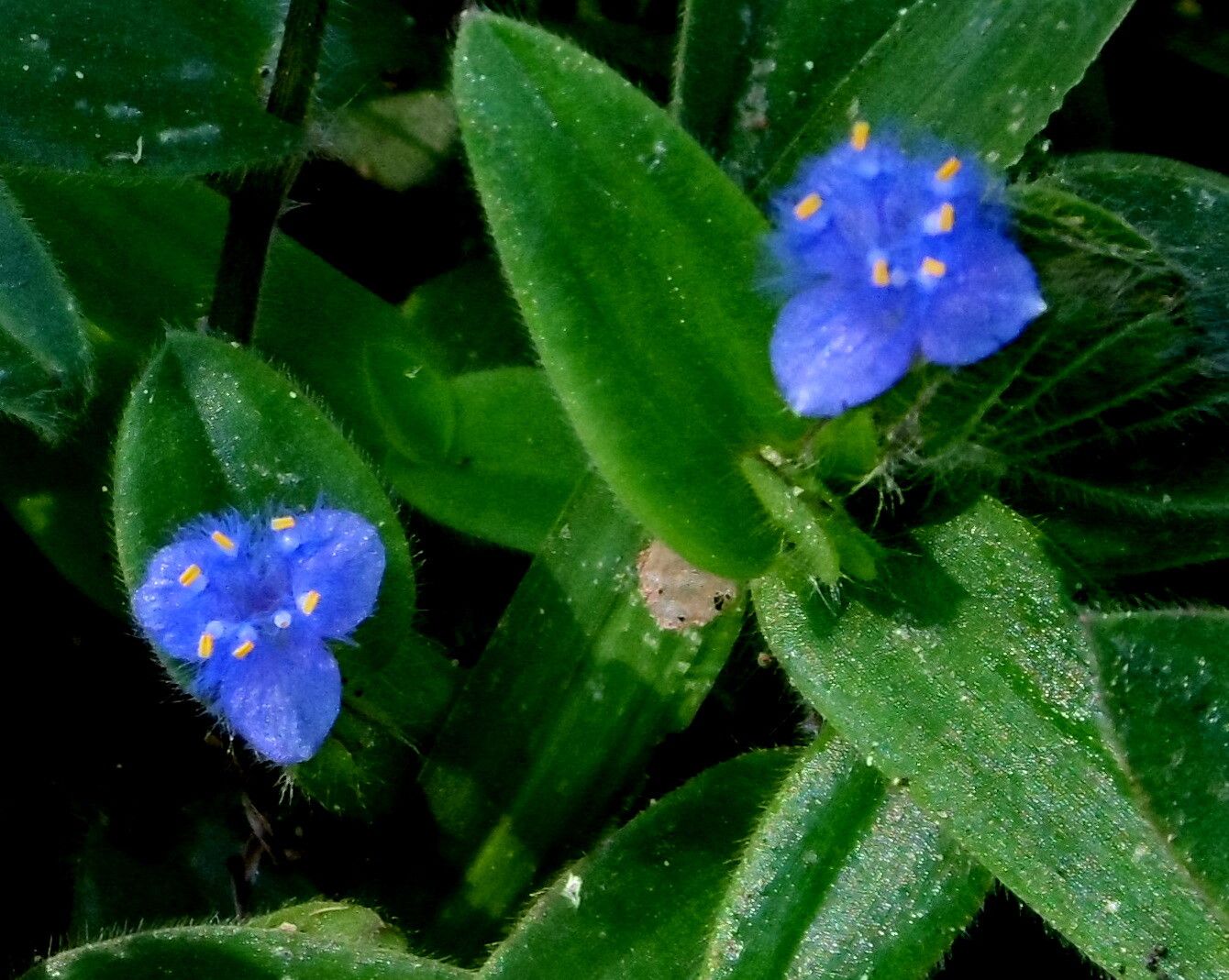
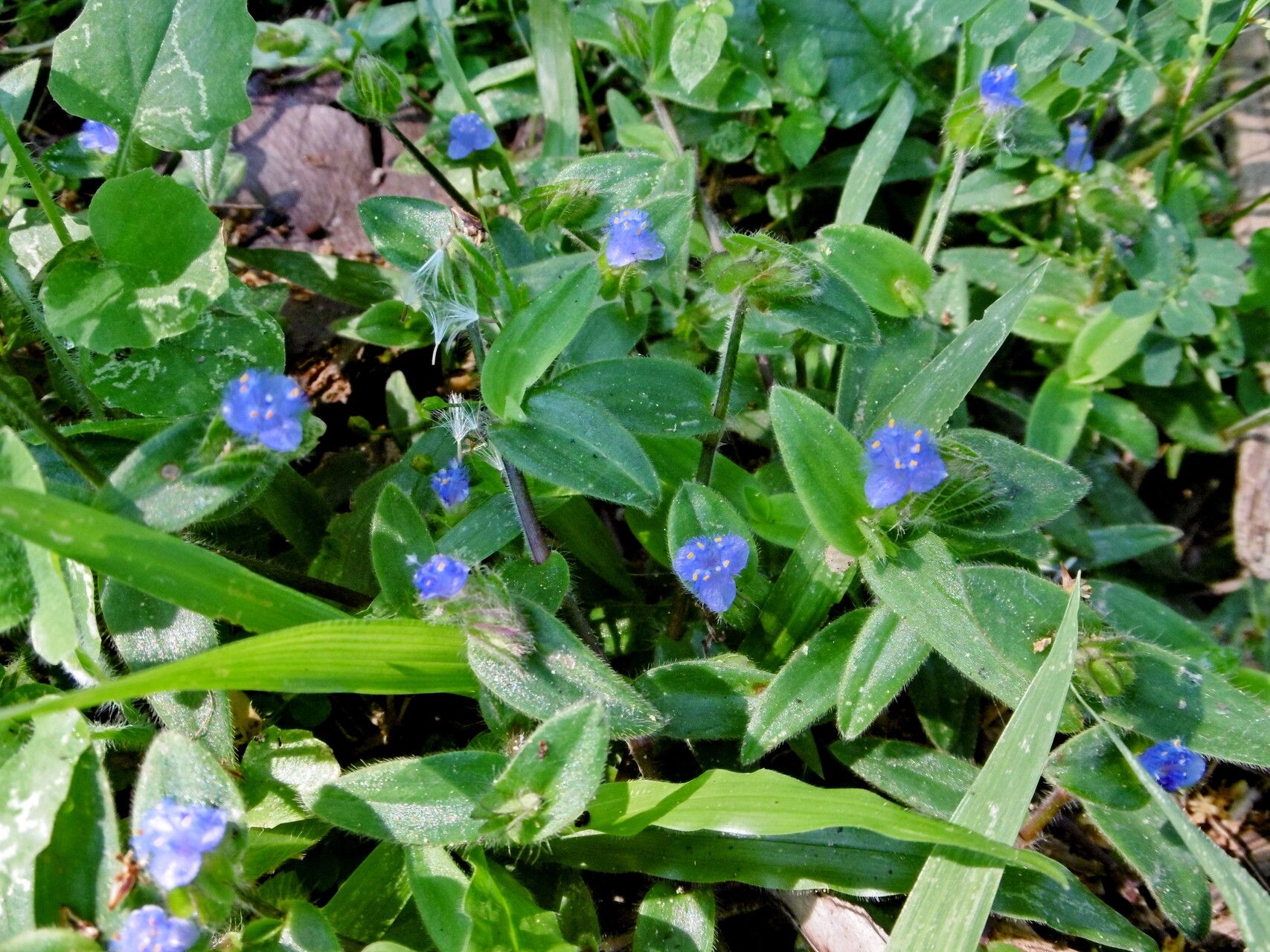
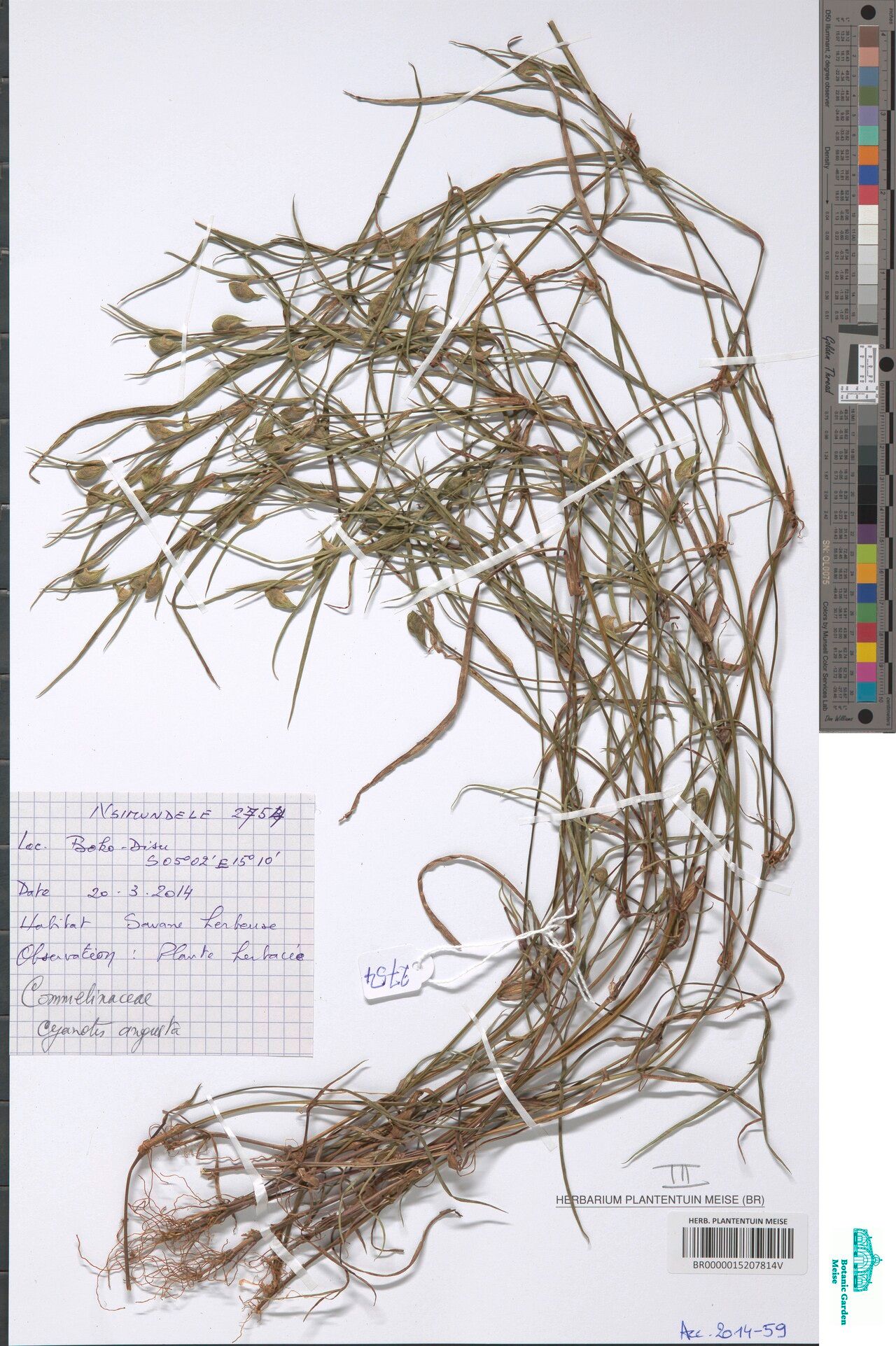
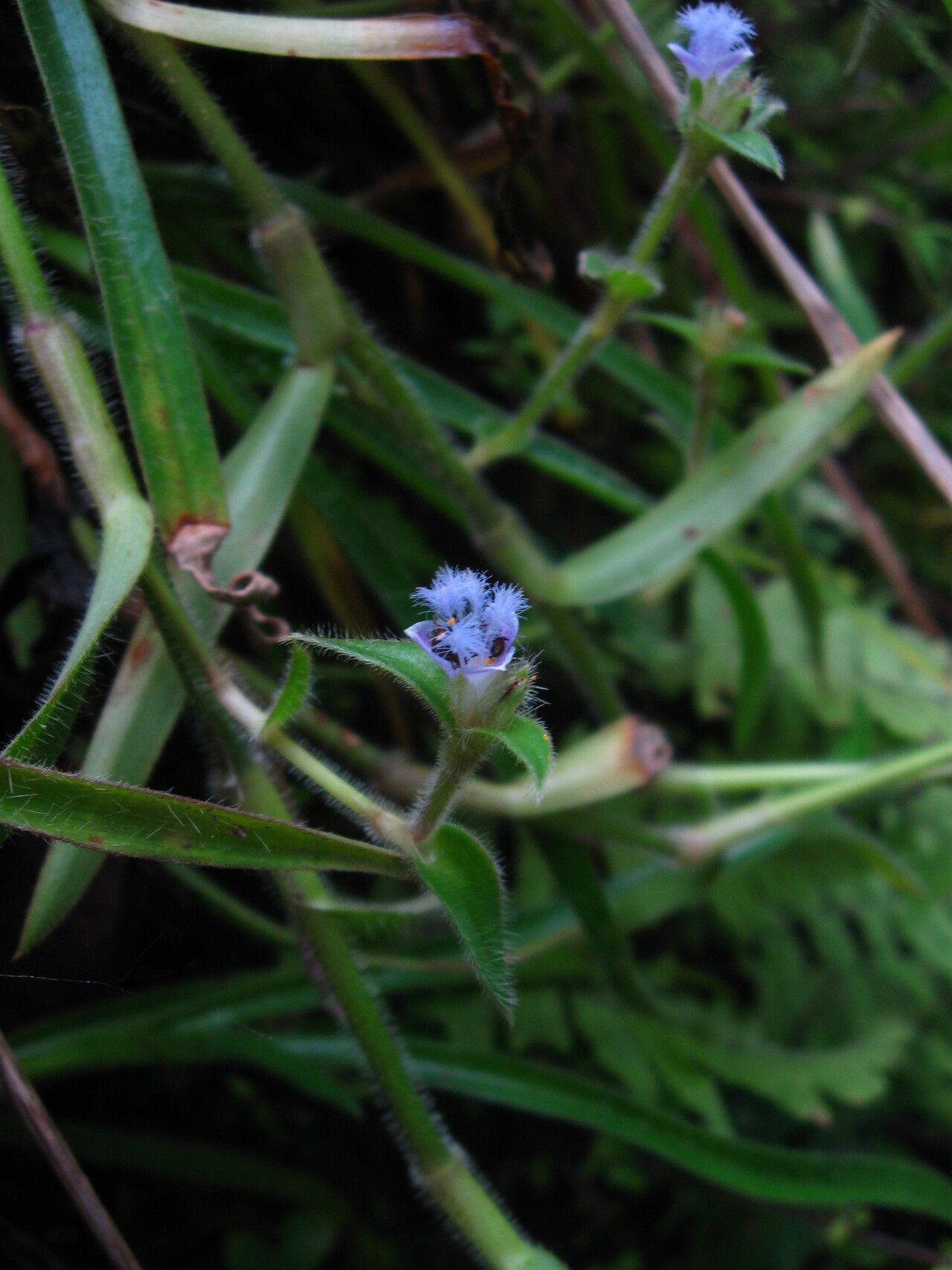
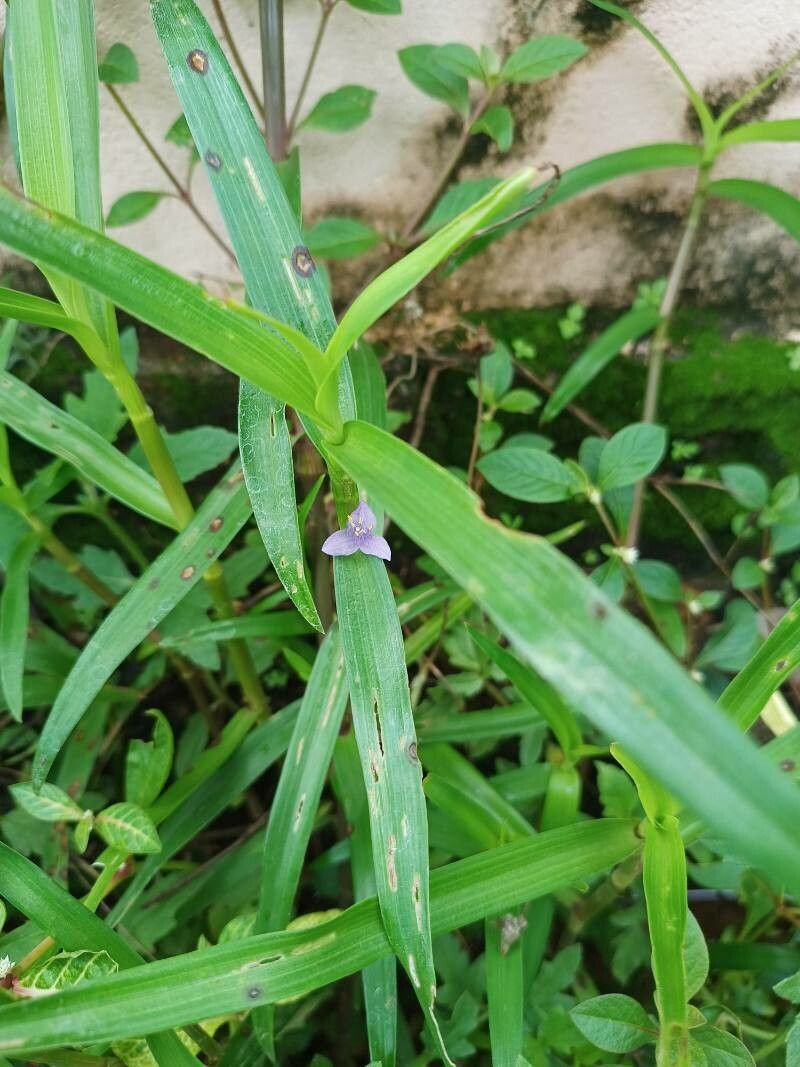
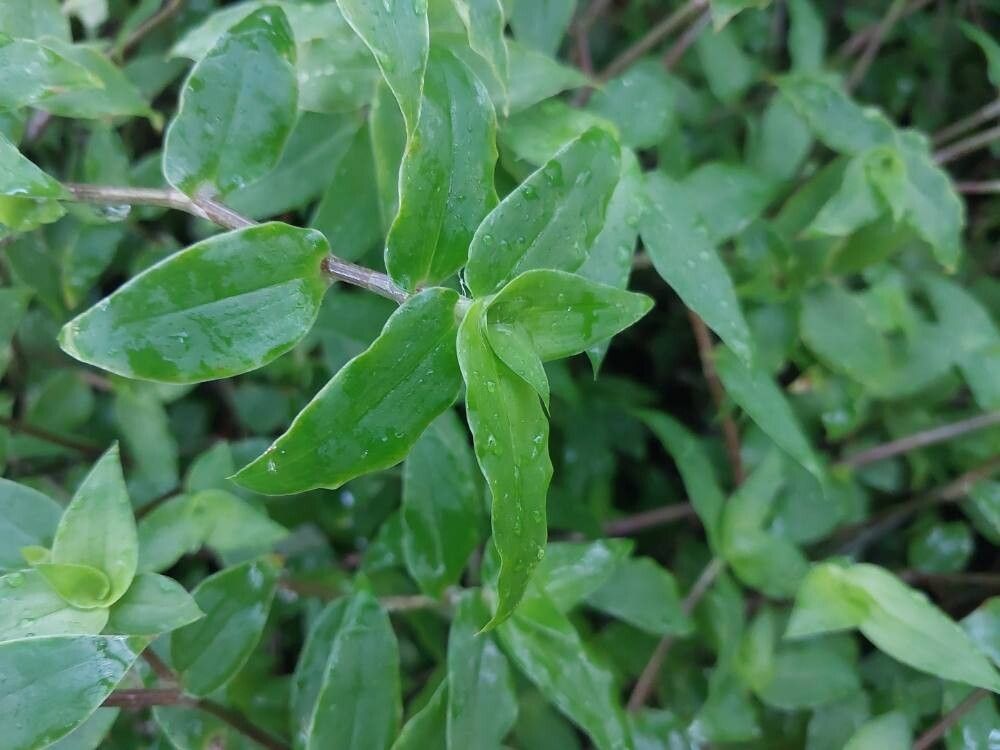
Cyanotis cristata is a species of perennial plants in the family Commelinaceae. It is native to Indian Subcontinent, southern China, Southeast Asia, Ethiopia, Socotra, Mauritius, Java, and the Philippines.Cyanotis cristata is a creeping herb found in sandy or grassy spots. It is common in eastern hills of Nepal.
Nabhali has good resistance to disease and is generally not easily affected by illnesses. However, it can be vulnerable to pests and diseases present in its environment. These infections are generally mild. Regarding care, this plant needs moderate maintenance. It should be pruned regularly to keep a neat appearance and support healthy growth. Fertilizing can also encourage flowering. Nabhali is suitable for anyone with outdoor space, such as a garden or patio, and does not demand extensive care experience. It may need more attention when cultivated indoors.
How to keep Cyanotis Cristata.
Light
Nabhali is a sun-loving species that requires full sun exposure to grow optimally. It can also tolerate moderate sunlight, showing its resilience. This preference for sun originates from its original habitat, where it prospered under maximum solar exposure. Insufficient sunlight can slow its growth, while excessive exposure may scorch its leaves.
Water
Nabhali thrives in humid environments and requires consistent moisture, needing to be watered twice a week. Although it can tolerate short periods of dryness, higher levels of indoor humidity are beneficial for its growth. Being an evergreen, it relies on a consistent water supply year-round to maintain its vibrant foliage.
Temperature
Nabhali comes from tropical areas where the climate is generally warm and humid. Consequently, it is well suited to high heat and humidity. It does not tolerate sudden temperature shifts and prefers a steady temperature, so avoiding indoor temperature fluctuations is important. It typically cannot endure cold conditions and needs warmer temperatures to grow. If the surrounding temperature falls too low, the plant may stop growing or even die.
Fertilizer
When most of Nabhali's blooms have opened to full size, resume fertilizing. During the peak flowering period, apply fertilizer every three to four weeks, weather permitting. Once Nabhali begins producing fewer new blooms, stop fertilizing; there's no need to fertilize when the plant can no longer produce more blooms.
Pruning
Nabhali is characterized by its vibrant blue, hairy flowers and serves as an effective ground cover. To maintain its shape and health, prune the plant from early to late spring. Be sure to remove any dead stems and thin out dense areas to improve air circulation. However, be cautious not to over-prune, as this can cause stress and reduce the plant's vigor.
Botanical profile.
- Plant Type
- Herb
- Life Cycle
- Annual, Perennial
- Genus
- Cyanotis
- Family
- Commelinaceae
- Hardiness Zone
- 10-12
- Mature Height
- 10 cm to 34 cm
- Mature Spread
- 10 cm to 49 cm
- Leaf Color
- Green
- Leaf Type
- Evergreen
- Flower Color
- Blue, Purple
- Flower Size
- 1.52 cm
- Bloom Time
- Summer, Early fall, Mid fall
- Planting Time
- Spring
- Harvest Time
- Late summer, Fall, Early winter
- Native Area
- Nepal, Sri Lanka, India, Malaysia, Indonesia, Cambodia, Vietnam, Myanmar, Philippines, Bhutan, Bangladesh, Laos, Thailand, China