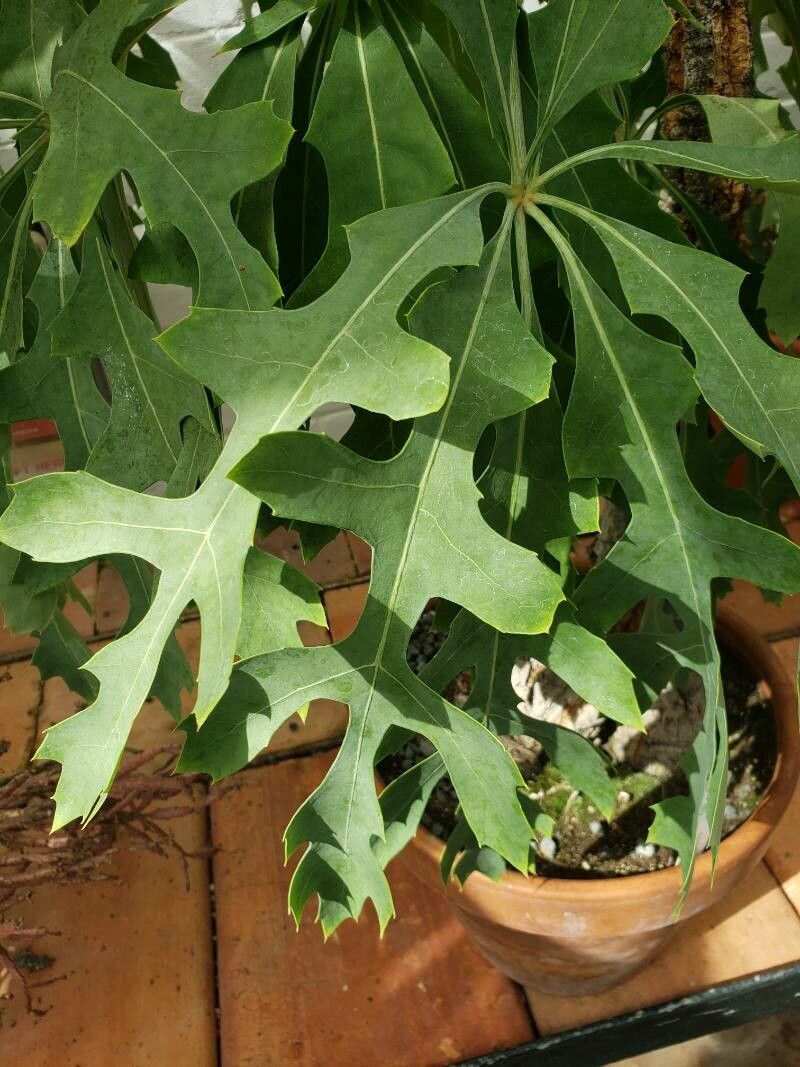
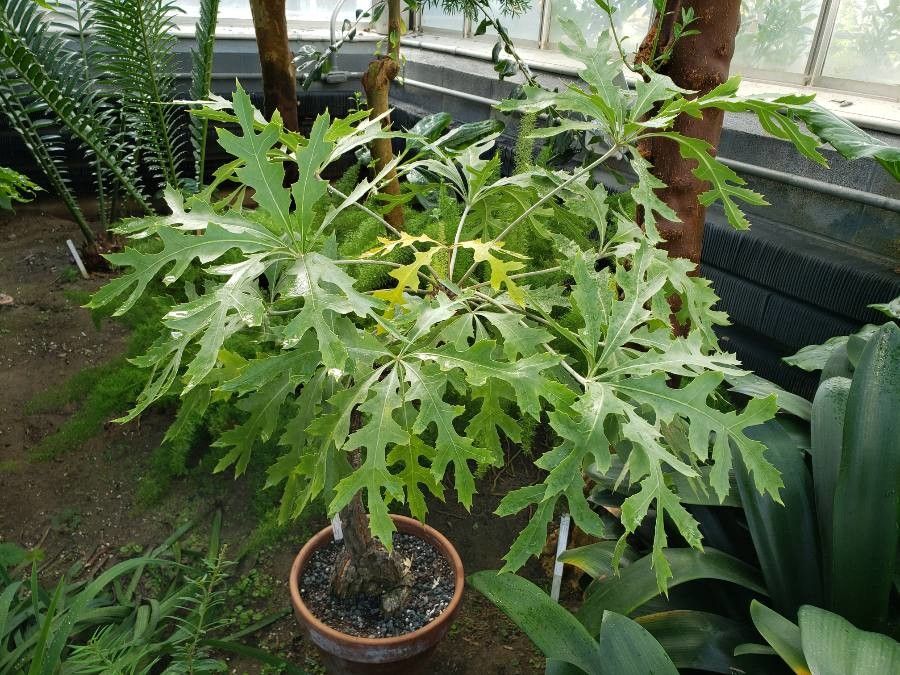
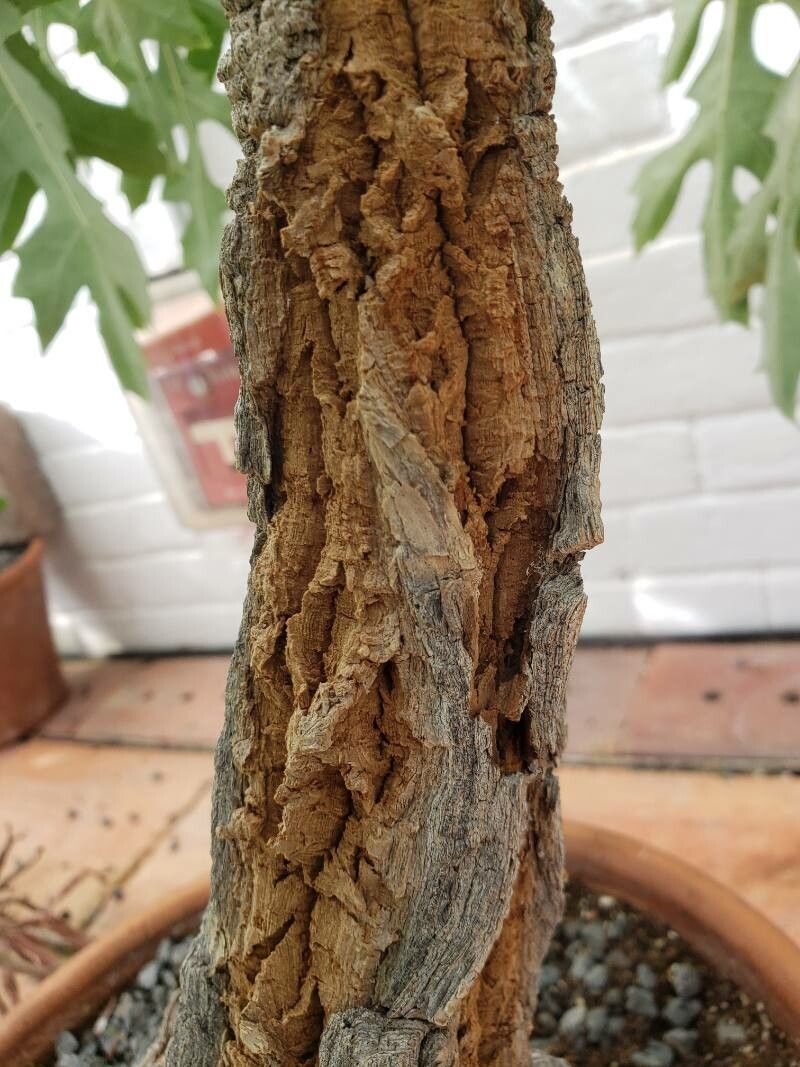
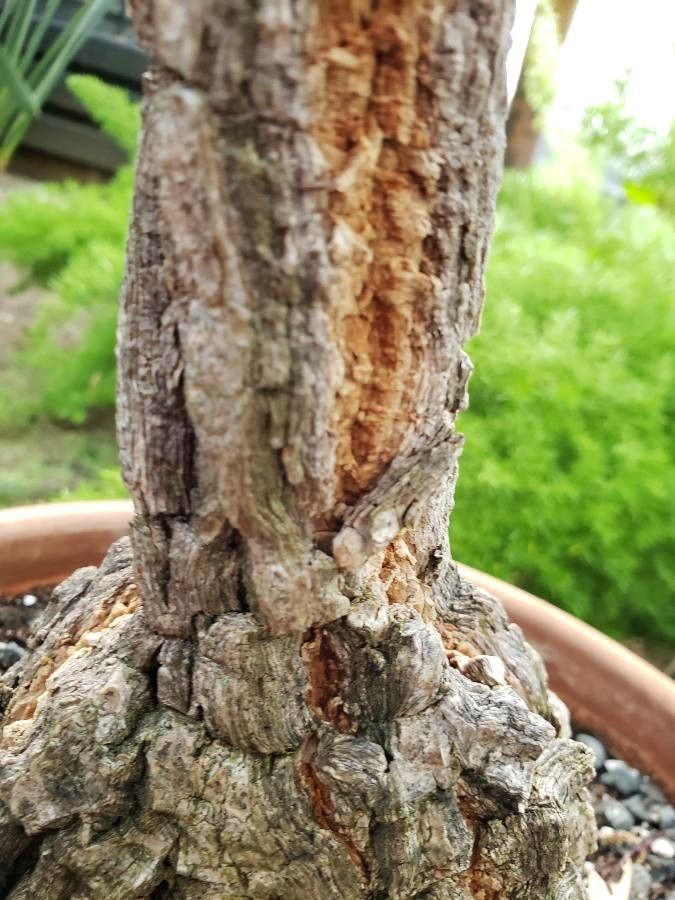
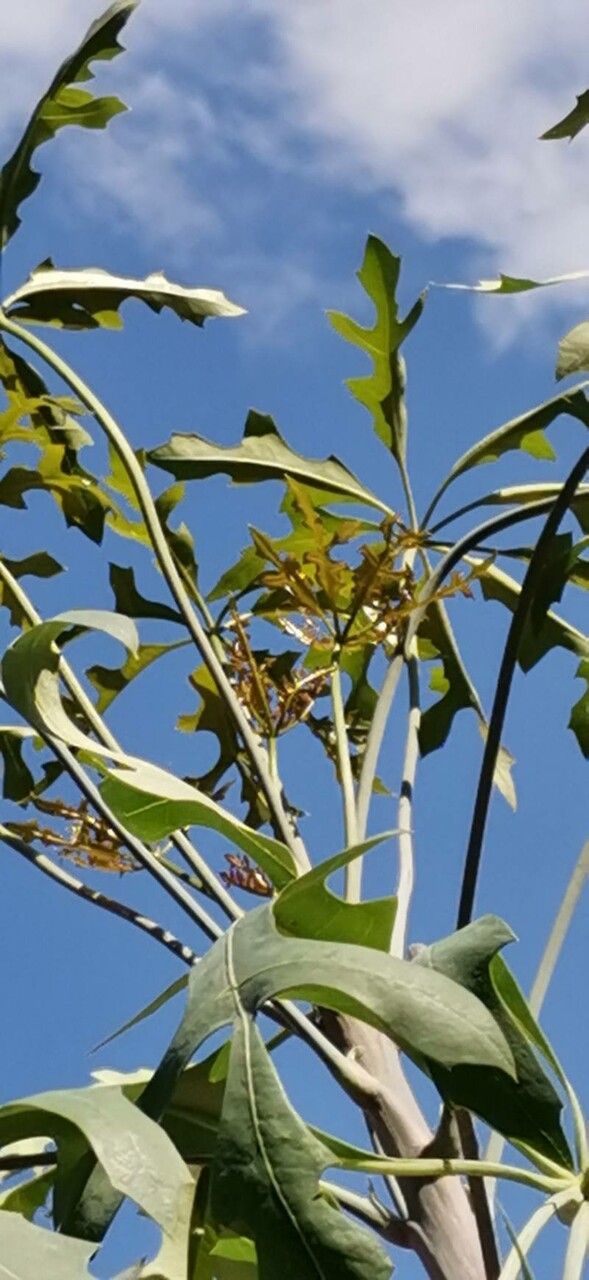
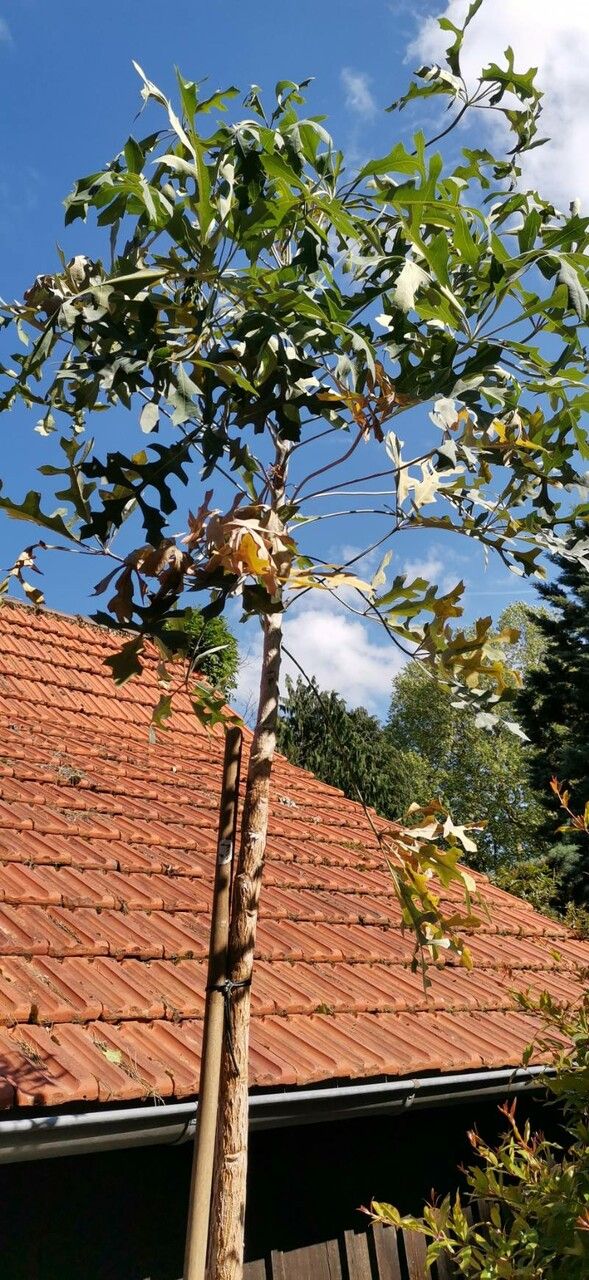
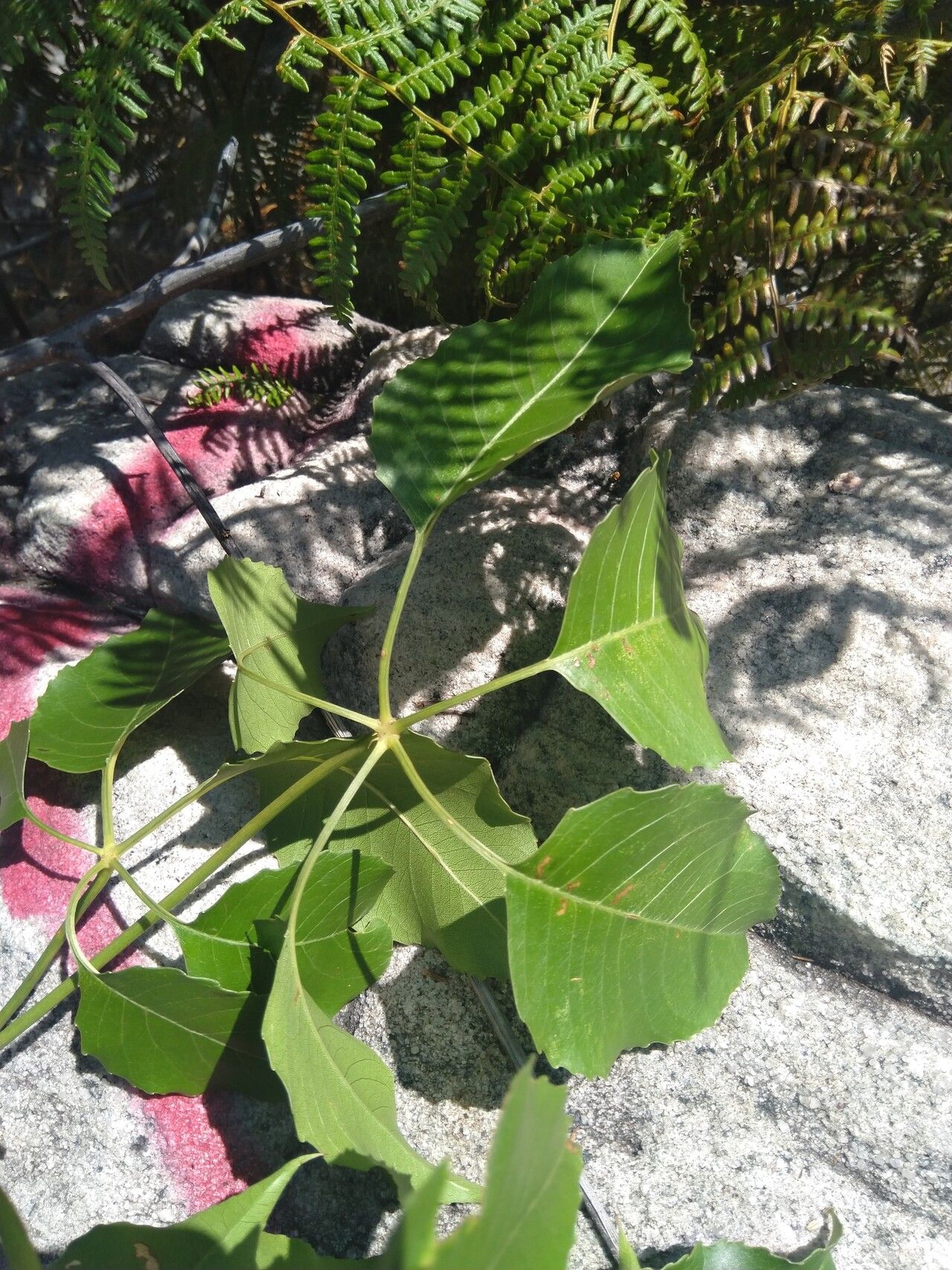
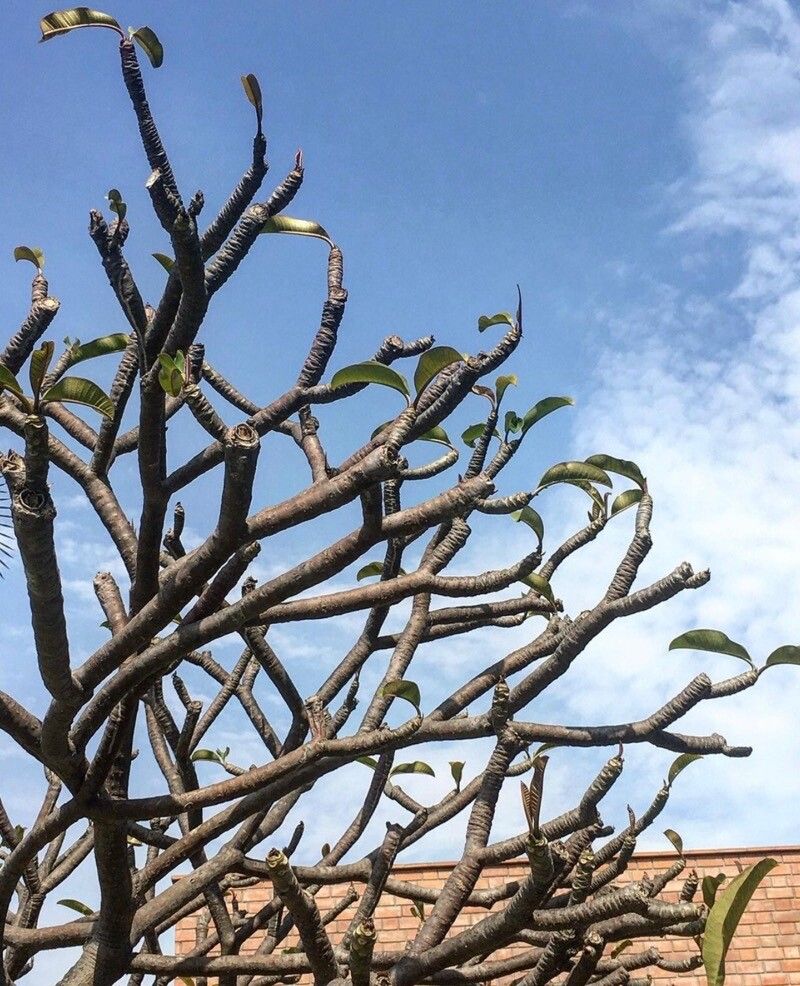
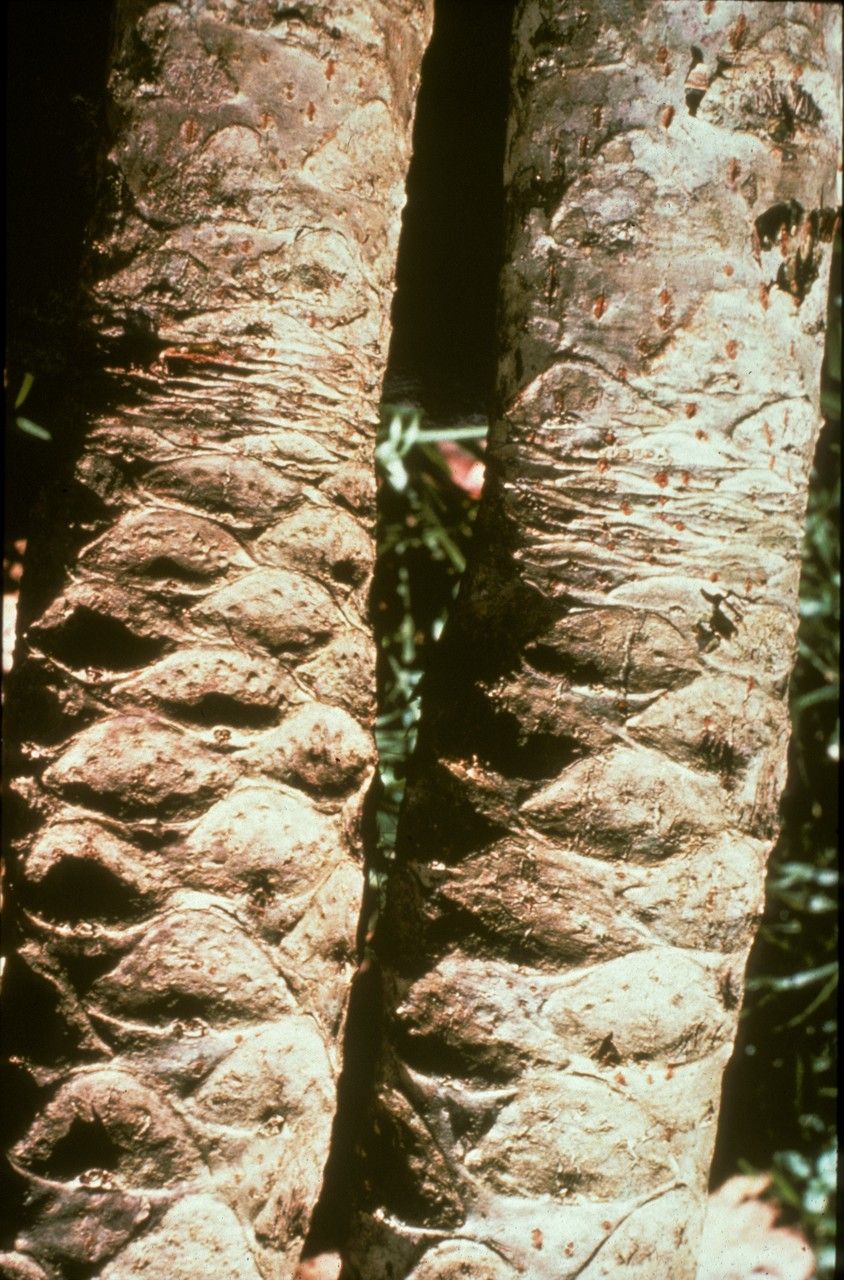
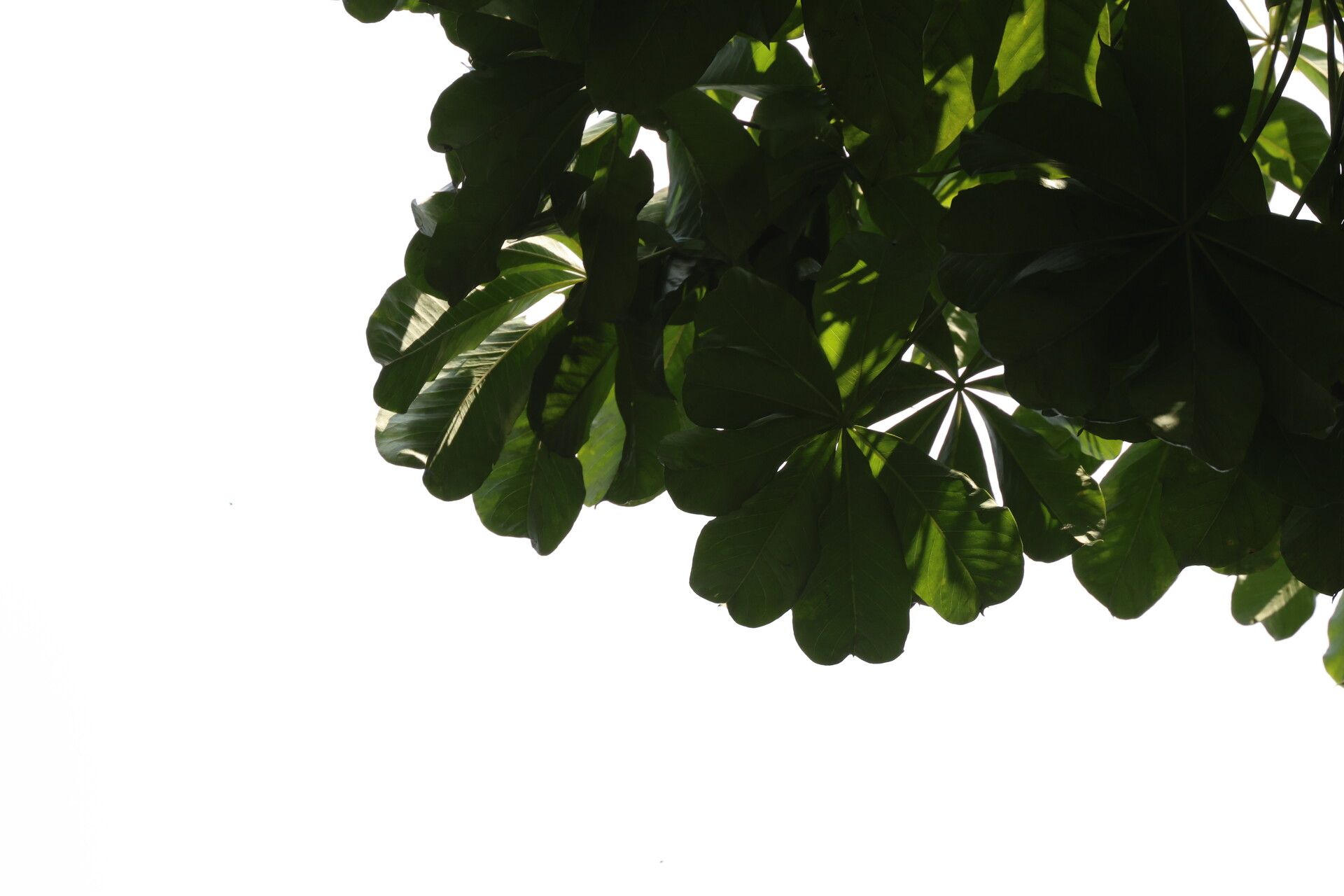
Cussonia paniculata, commonly known as the Mountain Cabbage Tree, is a large and striking tree native to southern Africa. Belonging to the Araliaceae family, it can grow up to 10 meters tall and feature a trunk diameter of up to 1 meter. The tree boasts a distinctive appearance, characterized by its large, lobed leaves that can reach up to 1 meter in length and its thick trunk adorned with rough bark.
The Mountain Cabbage Tree is an evergreen species that produces small white flowers in the summer, followed by small berries. Traditional healers use the leaves for medicinal purposes to treat various ailments such as fever, coughs, and stomach problems.
This plant thrives in well-drained soils and can flourish in either full sun or partial shade. While it is drought-tolerant once established, it requires regular watering during its early growth stages. Due to its unique appearance, the Mountain Cabbage Tree has gained popularity as an ornamental plant. Additionally, it serves important ecological functions by providing habitats for birds and insects.
In summary, the Cussonia paniculata is an impressive species with both aesthetic appeal and practical uses in traditional medicine. It also contributes positively to local ecosystems where it naturally grows.
The mountain cabbage tree is fairly disease-resistant and typically not susceptible to illnesses. Regarding care, this species is relatively low-maintenance. When grown outdoors it needs only minimal watering, and larger specimens usually do not require pruning. However, smaller specimens should be pruned after they finish blooming. The mountain cabbage tree is appropriate for anyone with outdoor space, such as a garden or a deck, and does not demand extensive gardening experience.
How to keep Cussonia Paniculata.
Light
The mountain cabbage tree comes from open habitats, such as sunny meadows and forest edges, which provide abundant light. It prefers Full Sun but can also tolerate Partial Sun, adapting well to various sunlight conditions.
Water
The mountain cabbage tree, native to subtropical highlands, thrives in environments with moderate humidity. It prefers its soil to dry out between waterings, so giving it a weekly watering without making the soil soggy is ideal. Although it grows well outdoors where there is plenty of rainfall, it can also withstand dry spells, demonstrating excellent drought tolerance.
Humidity
This plant needs special care because it loves high humidity levels of 60-80% or more. The best way to achieve this is by placing a humidifier near the plant. Daily misting is also essential! Make sure the room has good ventilation.
Temperature
The mountain cabbage tree is fairly adaptable to temperature, capable of withstanding high heat and considerable temperature fluctuations. In hot conditions, attention should be paid to watering and providing adequate shade to prevent sunburn. Conversely, the mountain cabbage tree has limited cold tolerance. While it can endure some cold, overly low temperatures can cause frost damage.
Fertilizer
Timing is important when fertilizing the Mountain cabbage tree. Apply fertilizer in early spring and continue monthly through early summer. Fertilizer promotes attractive blooms and supplies energy during both dormant and active growth phases.
Pruning
The mountain cabbage tree is known for its distinctive branching and leaf structure. To maintain its health and appearance, it is best to prune the tree from early to late winter. During this time, remove any dead branches and thin out crowded areas to improve air circulation. This practice not only enhances the tree's appearance but also promotes its vigor and minimizes the risk of disease, ensuring optimal growth and a strong, healthy plant.
Botanical profile.
- Plant Type
- Tree
- Life Cycle
- Perennial
- Genus
- Cussonia
- Family
- Araliaceae
- Hardiness Zone
- 9-11
- Mature Height
- 3.05 m to 6.1 m
- Mature Spread
- 2.13 m to 3.96 m
- Leaf Color
- Dark Green, Olive Drab
- Leaf Type
- Evergreen
- Flower Size
- 0.20 cm to 0.25 cm
- Bloom Time
- Mid winter, Late winter, Early spring
- Planting Time
- Spring, Autumn
- Harvest Time
- Mid spring, Late spring, Early summer
Other names.
Reader questions.
What are the sunlight requirements for a Mountain cabbage tree?
A Mountain cabbage tree, also known by its botanical name, Cussonia paniculata, thrives in various sunlight conditions. For optimal growth, it needs full sun, which is defined as more than 6 hours of sunlight per day. However, it can also grow well in partial sun, receiving about 3-6 hours of sunlight daily. It's important to observe the movement of sunlight through your garden to find the ideal location that offers a balance of light and shade, ensuring the well-being of your Cussonia paniculata.
What is the mountain cabbage tree?
The mountain cabbage tree, known botanically as Cussonia paniculata, is a distinctive plant species. Unfortunately, the additional information such as its essential features, typical symptoms (if any), and other relevant details are not provided in the data.