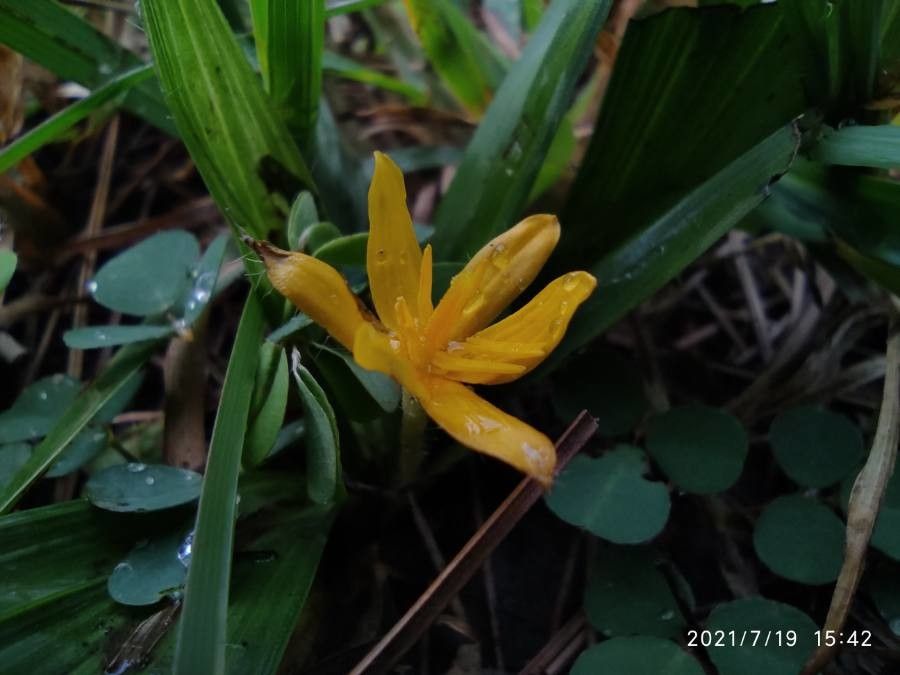
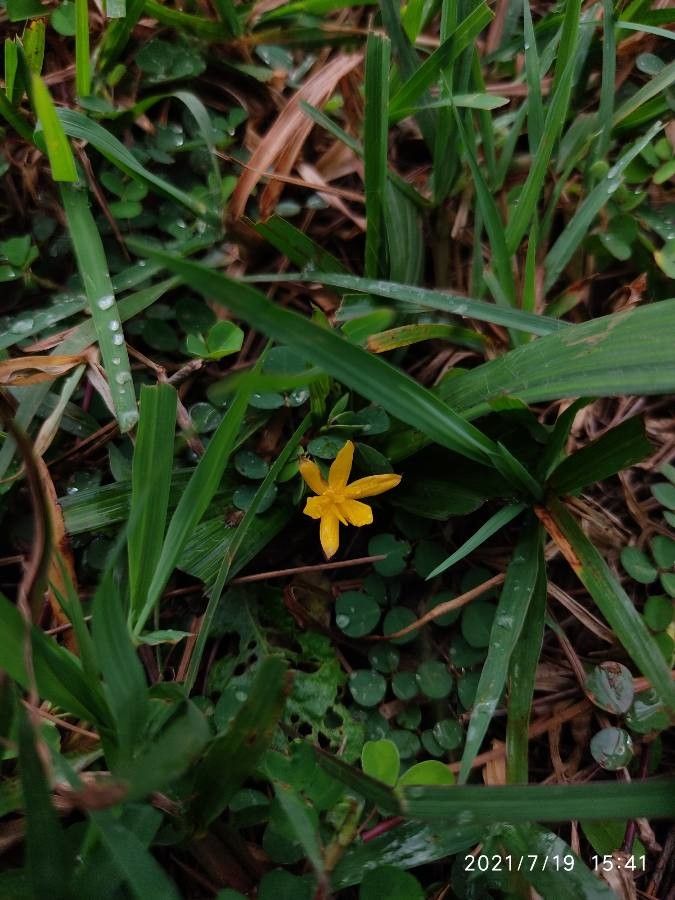
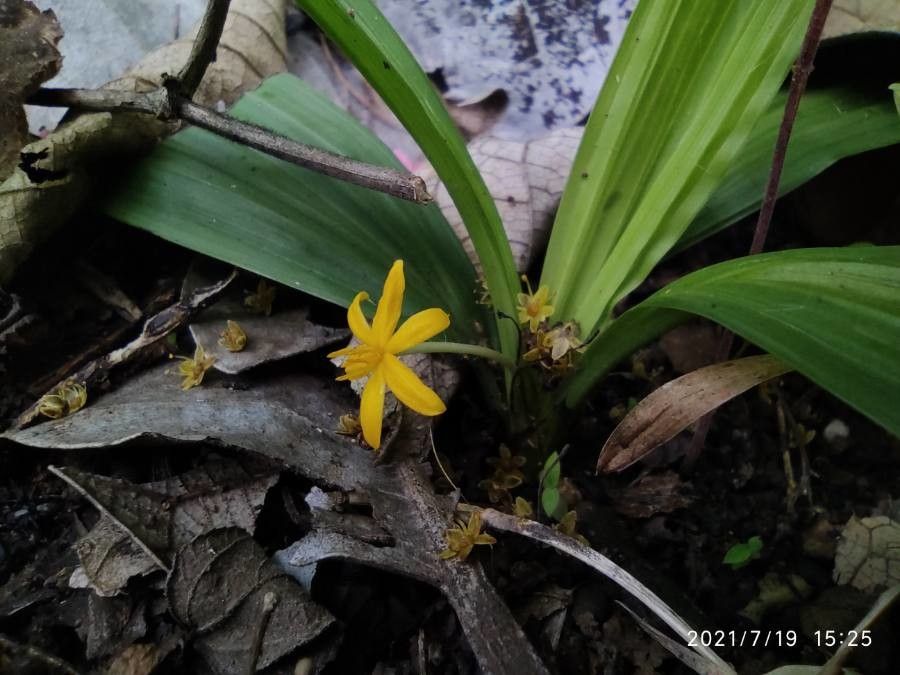
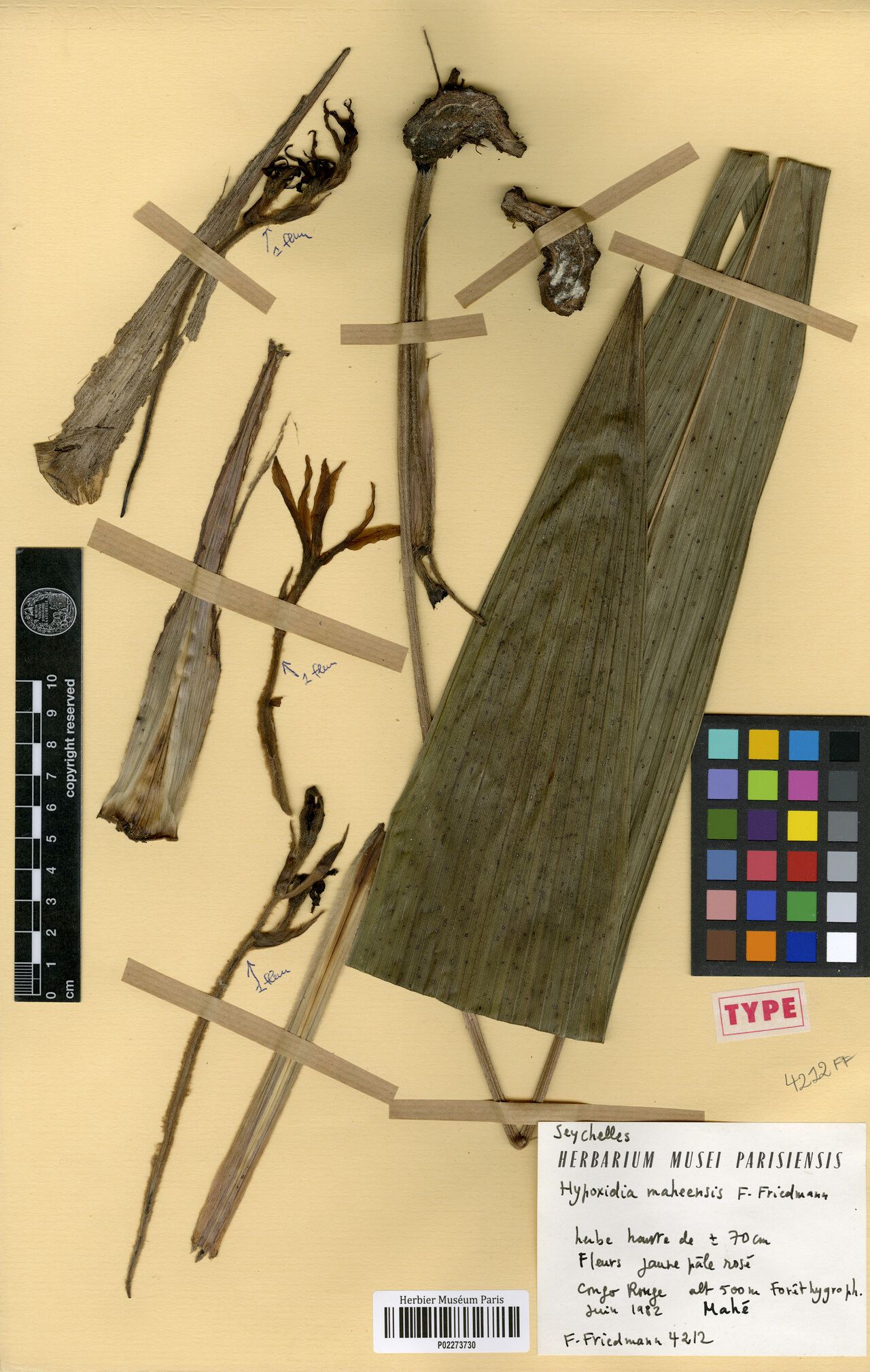
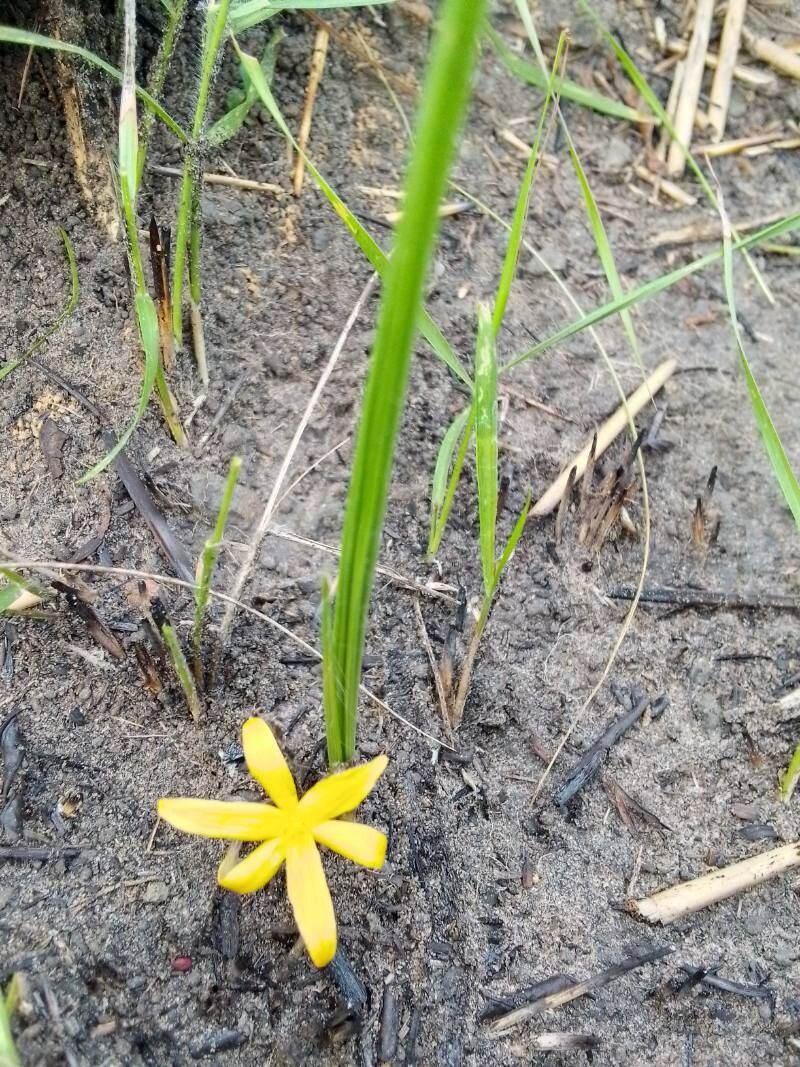
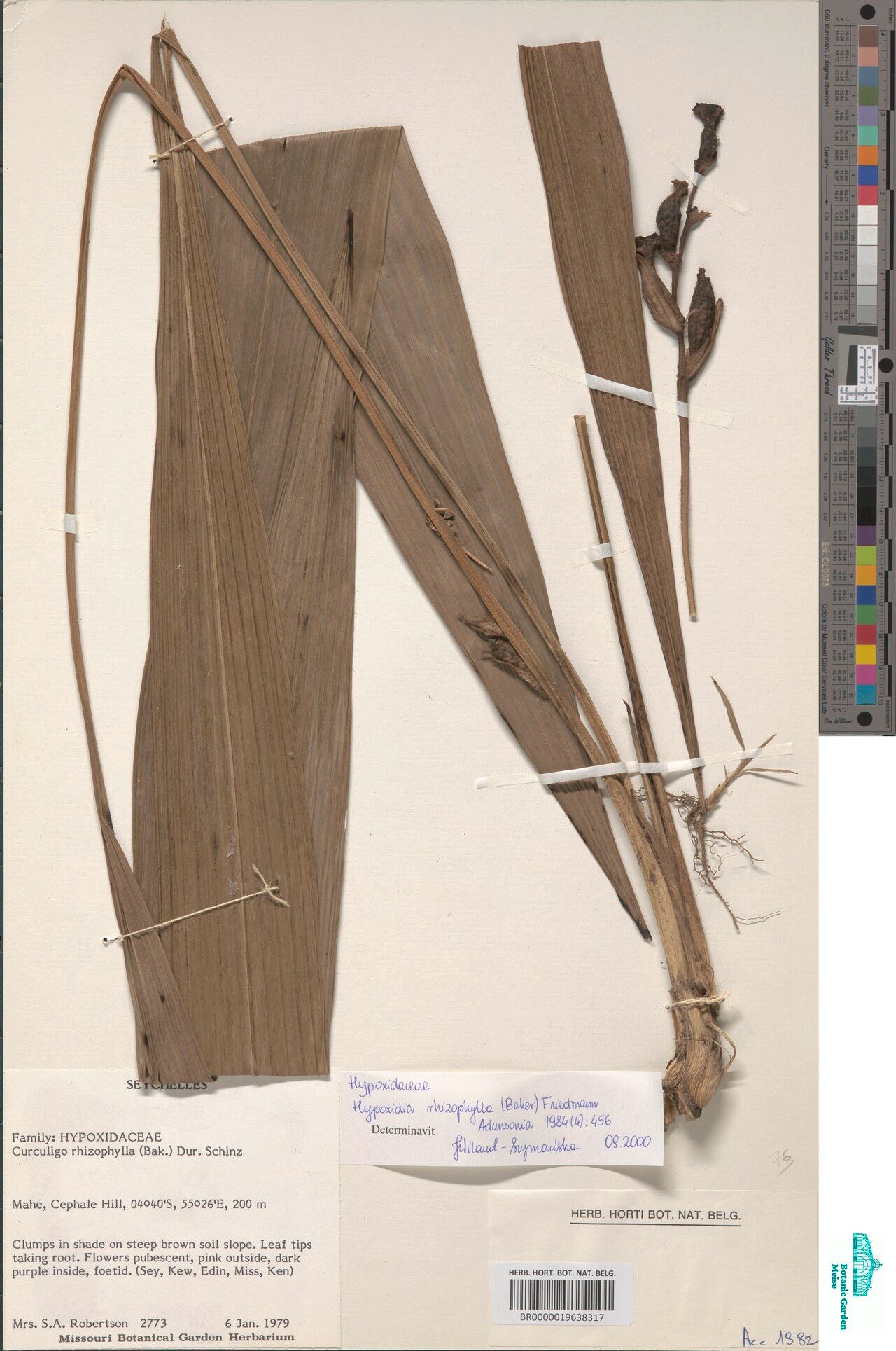
Curculigo orchioides, also known as Kali Musli or Black Musli, is a perennial herb belonging to the family Hypoxidaceae. Native to India, it has been utilized in traditional Ayurvedic medicine for centuries due to its numerous medicinal properties.
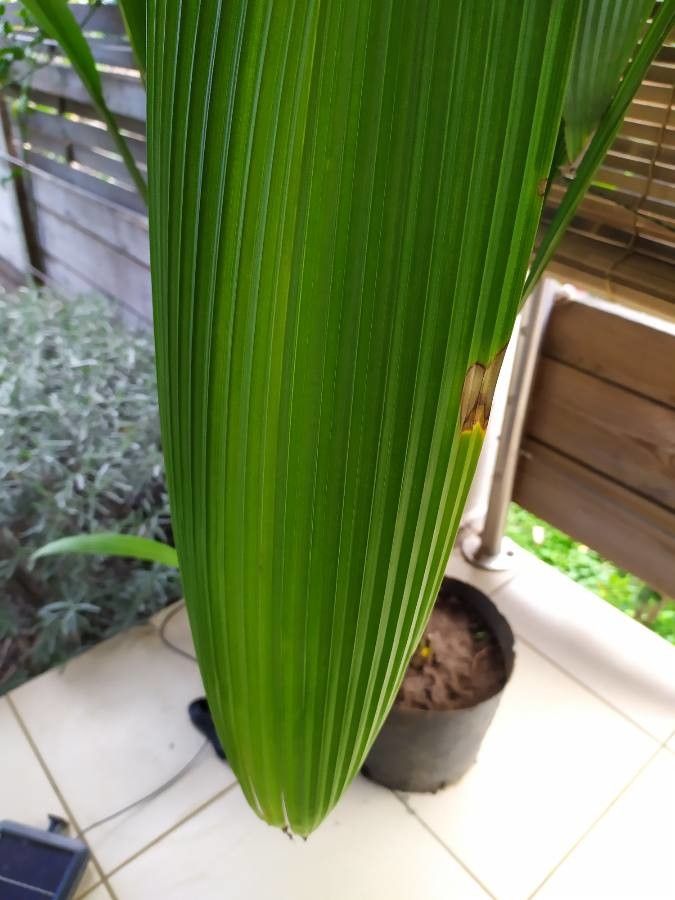
The plant features a short stem and long leaves that grow in a rosette pattern. It produces small yellow flowers that bloom during the summer months. Its roots are tuberous and have been recognized for their aphrodisiac properties.
Curculigo orchioides contains various bioactive compounds, such as curculigoside, curculigine, and glycosides, which exhibit anti-inflammatory, antioxidant, and anti-cancerous properties, among others.
In traditional medicine, Curculigo orchioides is commonly used to treat sexual disorders, including impotence and premature ejaculation, thanks to its aphrodisiac effects. Additionally, it aids digestion by stimulating the secretion of digestive enzymes.
Beyond its medicinal uses, Curculigo orchioides also possesses ornamental value. Its attractive foliage makes it an ideal choice for indoor gardening.
Overall, Curculigo orchioides is an important herb with numerous health benefits, making it an essential part of traditional medicine practices across India today.
Golden eye-grass has strong disease resistance and is generally unlikely to develop illnesses. However, it can be vulnerable to pests and diseases present in its surroundings. These problems are usually not serious. Regarding care, this plant requires moderate maintenance. It should be trimmed regularly to keep a good appearance and healthy growth. Fertilizing can also help encourage flowering. Golden eye-grass is well suited for anyone with outdoor space, such as a garden or patio, and does not demand much gardening experience. It may need more attention when grown indoors.
How to keep Curculigo Orchioides.
Light
Golden eye-grass grows best with plenty of sunlight, but it can also tolerate lower light levels. Too little light may hinder its healthy development. Its natural habitat has abundant sunshine, indicating it prefers similar conditions.
Water
Golden eye-grass comes from tropical areas and needs consistent moisture and high humidity to thrive. To prevent drought stress, water it weekly and mist it occasionally to mimic its natural environment. This plant is ideal for growing indoors and flourishes in soil that remains evenly moist but not waterlogged, which helps maintain its vibrant foliage.
Temperature
Golden eye-grass is adapted to a native growing environment with temperatures between 68 and 100°F (20 to 38℃). This plant performs well in warmer conditions, so modifying warmth levels across the seasons supports its growth.
Fertilizer
Correct fertilization is essential for Golden eye-grass's health and appearance. Apply fertilizer in summer and repeat the application monthly throughout the summer. Nutrients provide the energy for growth and support the plant's tissues. Fertilizing improves Golden eye-grass's floral display, helping to produce the best blooms.
Pruning
Golden eye-grass is a perennial herb recognized by its lance-shaped leaves and yellow, star-like flowers. To promote healthy growth, improve its appearance, and encourage a bushier form, prune the plant in late winter or early spring. Always use clean, sharp tools for pruning to ensure vigor is maintained and to prevent disease.
Botanical profile.
- Plant Type
- Herb
- Life Cycle
- Perennial
- Genus
- Curculigo
- Family
- Hypoxidaceae
- Hardiness Zone
- 10-12
- Mature Height
- 49 cm
- Mature Spread
- 49 cm
- Leaf Color
- Dark Green
- Leaf Type
- Evergreen
- Flower Color
- Yellow
- Flower Size
- 1.27 cm to 2.03 cm
- Bloom Time
- Summer, Early fall, Mid fall
- Planting Time
- Spring, Summer, Autumn
- Harvest Time
- Late summer, Fall, Early winter
- Native Area
- Nepal, Sri Lanka, India, Indonesia, Cambodia, Vietnam, Myanmar, Japan, Philippines, Bhutan, Bangladesh, Pakistan, Laos, Thailand, China
Other names.
Reader questions.
How should I water my Golden eye-grass?
To properly water the Golden eye-grass, it is recommended to use filtered water at room temperature or slightly warmer. This plant prefers filtered water because tap water may contain harmful particles. It is important to use water at room temperature because the Golden eye-grass is native to warm environments and cold water can be too much of a shock for it. Do not water this plant overhead as it can cause issues with the foliage. Instead, water the plant by applying filtered room temperature water directly to the soil until it is completely soaked. This helps to moisten the roots and support their spread through the soil to collect necessary nutrients.
Why is it necessary to fertilize my Golden eye-grass?
Fertilizer and soil nutrients are crucial for the healthy growth of your Golden eye-grass. Plants, including the Golden eye-grass, use these nutrients to develop new plant material and maintain their existing components. Specifically for the Golden eye-grass, fertilization is necessary to enhance the quality of its flowers. Since the flowers are the main attraction of this plant, most gardeners prioritize ensuring that they appear in their best form. Fertilization is a dependable method to help your Golden eye-grass produce the most beautiful blooms.
How much sunlight does Golden eye-grass need to grow?
Golden eye-grass requires a minimum of six to eight hours of direct sunlight daily. If growing the plant outdoors, choose a location with full sunlight all day. Indoors, place it near a south-facing window or another sunny spot. However, do not expose the plant to direct sunlight during temperatures over 35°C(95℉) or hot summer afternoons. Intense sunlight can scorch or wilt the leaves. To prevent this, use sheer curtains or blinds to filter the sunlight or move the plant to a shadier area.
What temperature is best for the Golden eye-grass plant?
To help your tropical plants thrive, it's best to maintain a temperature range of 75℉ to 90℉ (25-32℃). While different species can tolerate temperatures outside this range, sticking within a few degrees of these limits will ensure optimal growth. However, there are extreme temperature limits to be aware of. Anything below 50℉ (10℃) or above 95℉ (35℃) can hinder growth and cause issues with the leaves and stems. Low temperatures are particularly damaging, as even a light frost can lead to the death of your tropical plants. In fact, cellular death can occur rapidly, with some species dying within 12 to 24 hours.
What should I do if I give my Golden eye-grass too much water or not enough water?
Overwatering and underwatering can both harm your Golden eye-grass, but overwatering is more common. Too much water can cause wilting, yellowing of stems and leaves, and even diseases like root rot, mold, and mildew that can kill the plant. Underwatering is less common, as the plant is fairly drought-tolerant, but it can still happen and result in brittle, brown leaves. It's important to recognize the signs of overwatering early and take immediate action, as some diseases may be irreversible if left unaddressed. Reduce watering if you notice early signs of overwatering and consider replacing poorly draining soil with a loose, well-draining potting mix. If your Golden eye-grass shows signs of needing more water, simply increase the frequency of watering until the signs disappear.
When should I fertilize my Golden eye-grass?
The Golden eye-grass goes through two main phases each year. The first phase is the dormant phase, which occurs in winter and involves minimal new growth. The second phase is the active growth phase, which happens in spring and fall. During this phase, your Golden eye-grass will need fertilization the most. In general, it is best to start fertilizing your Golden eye-grass in spring. You should continue feeding it once a month throughout spring and most of summer. As fall approaches, you can gradually decrease the amount of fertilization.
What happens if Golden eye-grass doesn't get enough sunlight?
Insufficient sunlight for your Golden eye-grass can hinder its growth, causing it to become weak and leggy. This lack of sunlight can also result in yellowing leaves, a sign that the plant lacks chlorophyll production. In severe instances, the plant may perish.
Does Golden eye-grass need different temperatures at different stages of growth?
Golden eye-grass can transition between growing phases without temperature changes, but it is important to maintain consistency. Fluctuations in temperature can impede growth regardless of the current phase, so it is best to keep the plant in a controlled environment. The optimal temperature range for the plant is between 75℉ and 90℉ (25-32℃), with emphasis on staying above the lower limit. While temperatures above 90℉ (32℃) are not ideal, the tropical nature of the plant allows it to tolerate high temperatures reasonably well. However, temperatures below 50℉ (10℃), particularly 40℉/5℃, will cause direct damage to this species, which thrives in heat.
How often should I water my Golden eye-grass plant?
If your Golden eye-grass is in a pot, the most accurate way to determine if it needs water is by checking the soil moisture. Simply put your finger into the soil and if the top two to three inches are dry, it's time to water. If you have planted your Golden eye-grass outdoors in the ground, you can still use a similar method to test the soil. Once again, if the top few inches of soil are dry, it's a sign that it needs water. Typically, during spring and early fall, watering once a week is sufficient. However, during extremely hot weather, you may need to increase the frequency to around twice a week or even more. It's worth mentioning that mature and well-established Golden eye-grass has shown the impressive ability to endure drought.
When is it not a good idea to fertilize my Golden eye-grass?
To promote the growth of Golden eye-grass, it is important to not cause root burn. This plant requires additional nutrients during its active growth in the spring and summer. However, when it enters its dormant stage in the fall and winter, it is best to cease fertilizing.
What happens if Golden eye-grass gets too much sunlight?
Golden eye-grass requires full sunlight, but it should not be exposed to excessive direct sunlight. If the plant is exposed to intense sunlight for a prolonged period, it can develop sunburn, which is characterized by brown or scorched leaves. To prevent this, closely observe the plant and relocate it to a less sunny area if needed.
Does Golden eye-grass require varying temperatures throughout the year?
Golden eye-grass does not require different temperatures for different growing seasons. The key to seasonal care is maintaining an optimal temperature range. To ensure this consistency, it is advisable to keep this plant indoors. By doing so, you will have control over the temperature regardless of the climate outside. In addition to temperature, light is also crucial for tropical species such as golden eye-grass. These plants thrive with a partial side level of sun exposure. Therefore, any light they receive should be dappled or filtered, with bright but indirect light being the best option when growing them indoors. Excessive direct sunlight can harm the plant’s leaves and impede its growth potential.