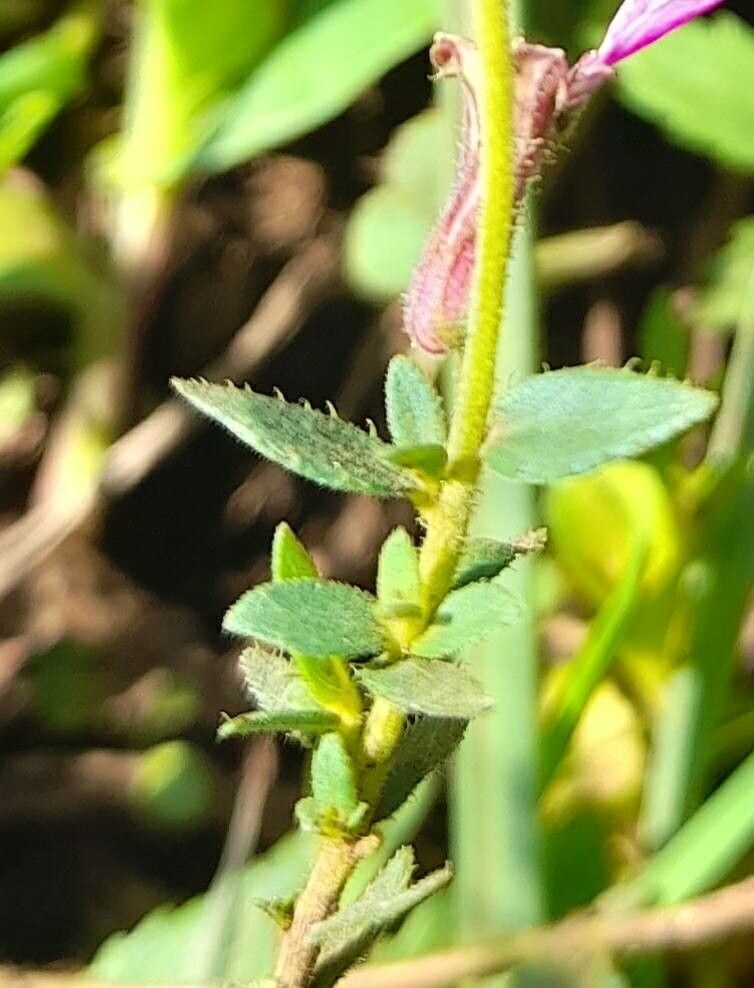
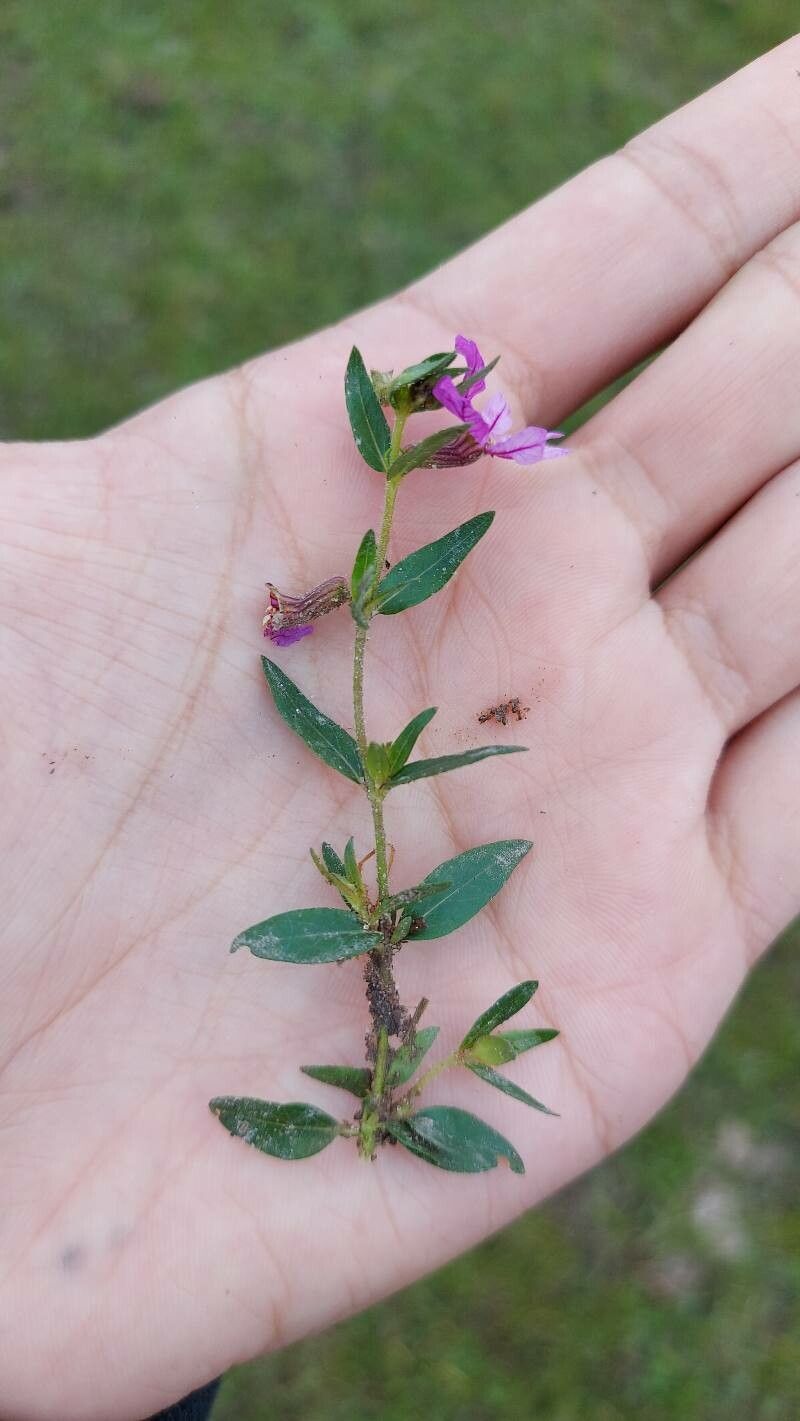
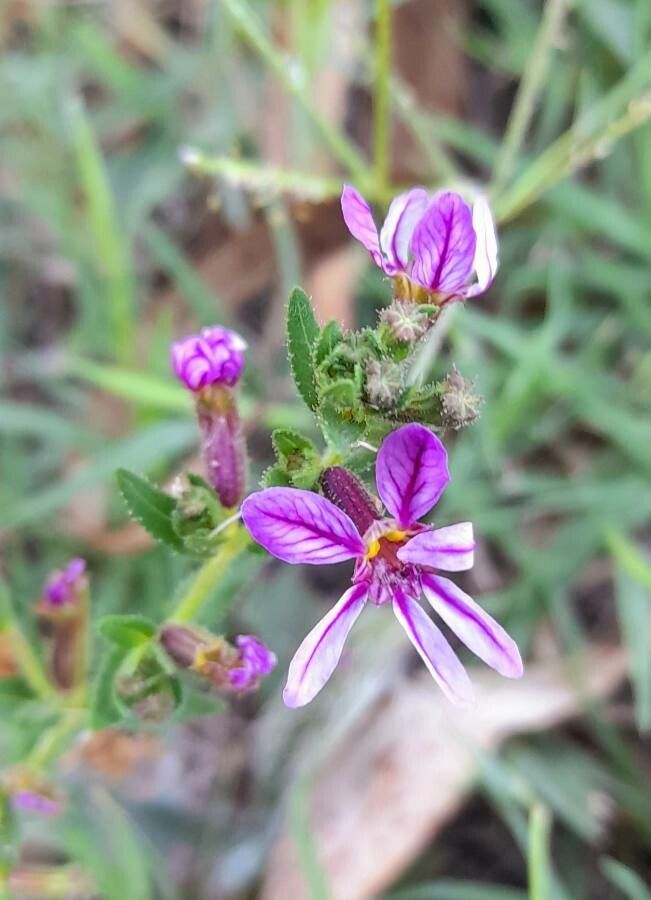
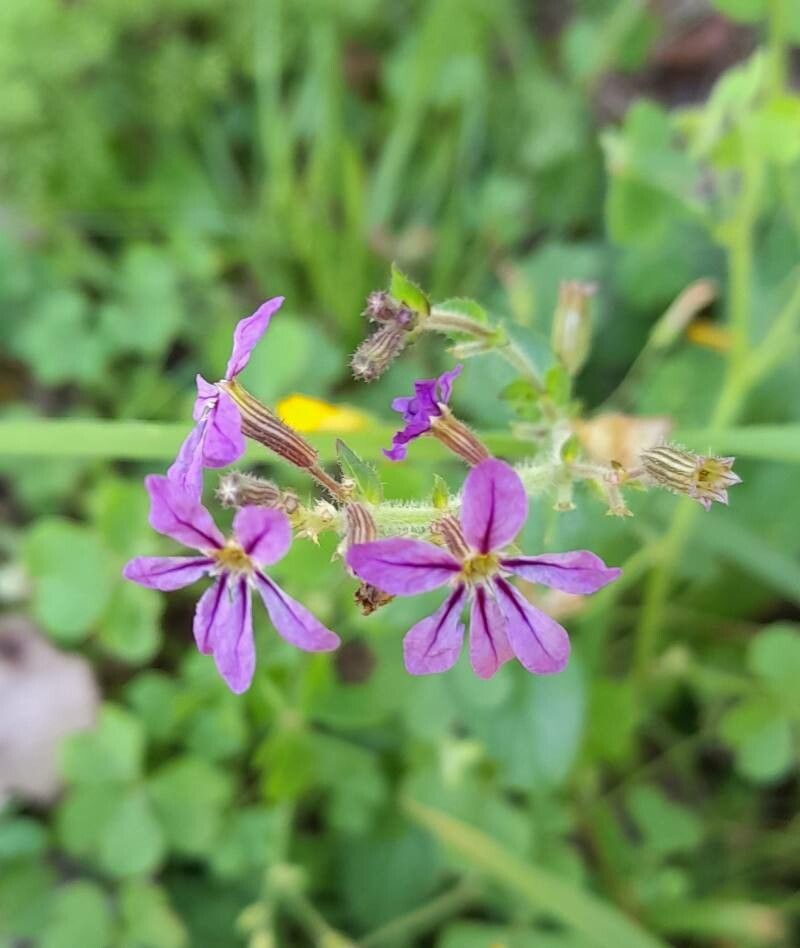
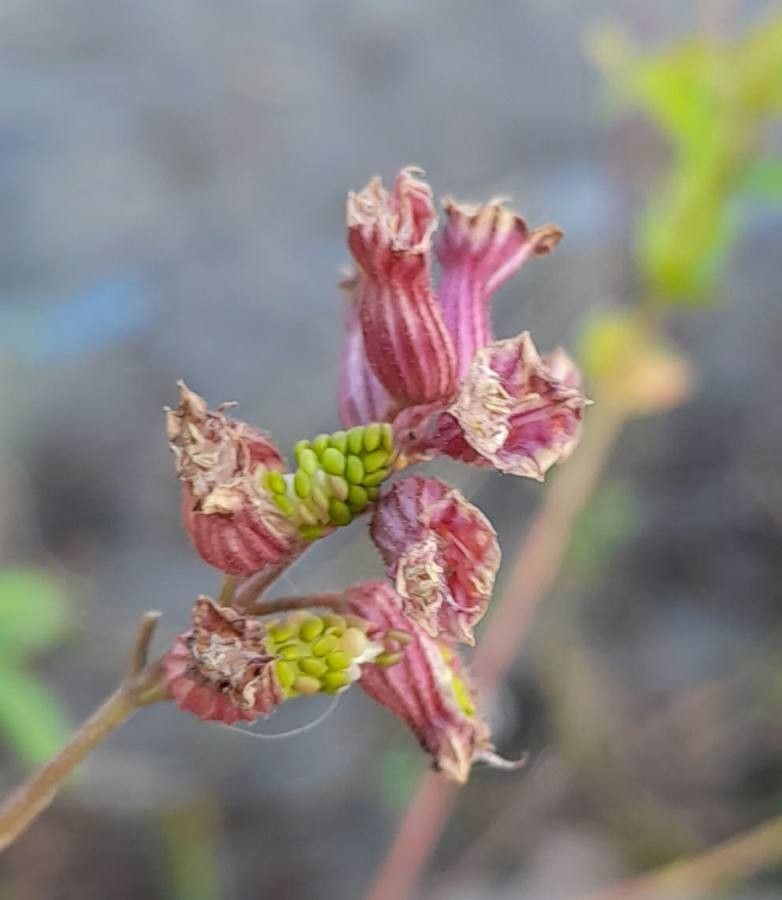
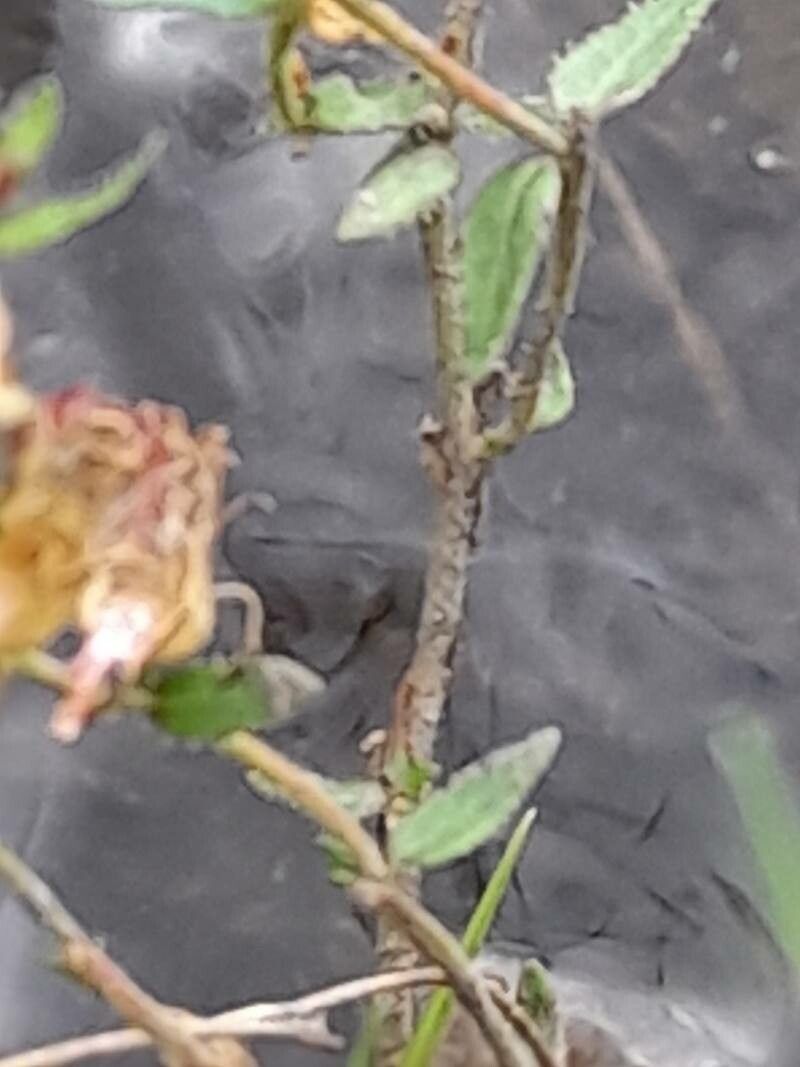
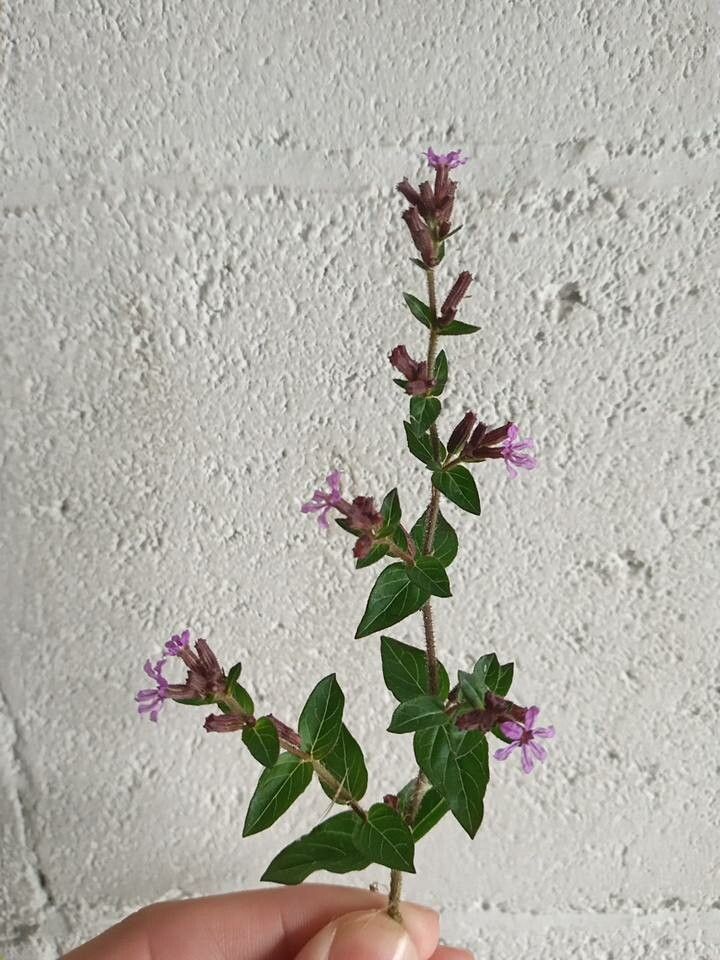
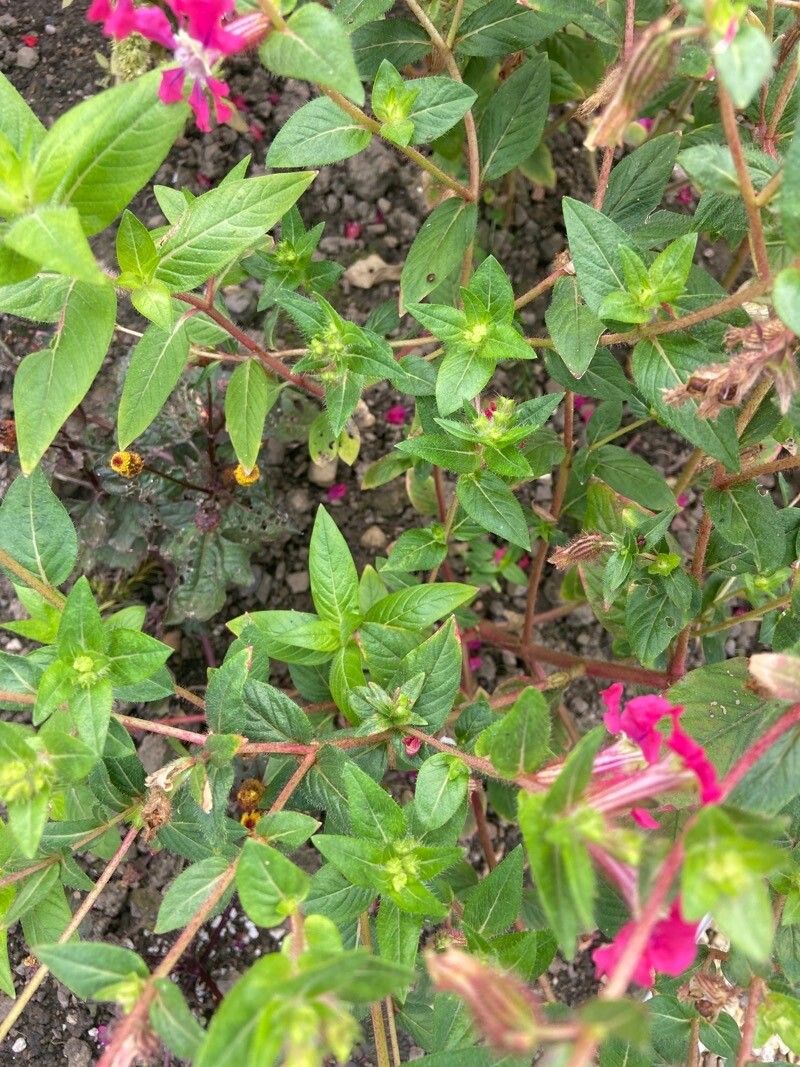
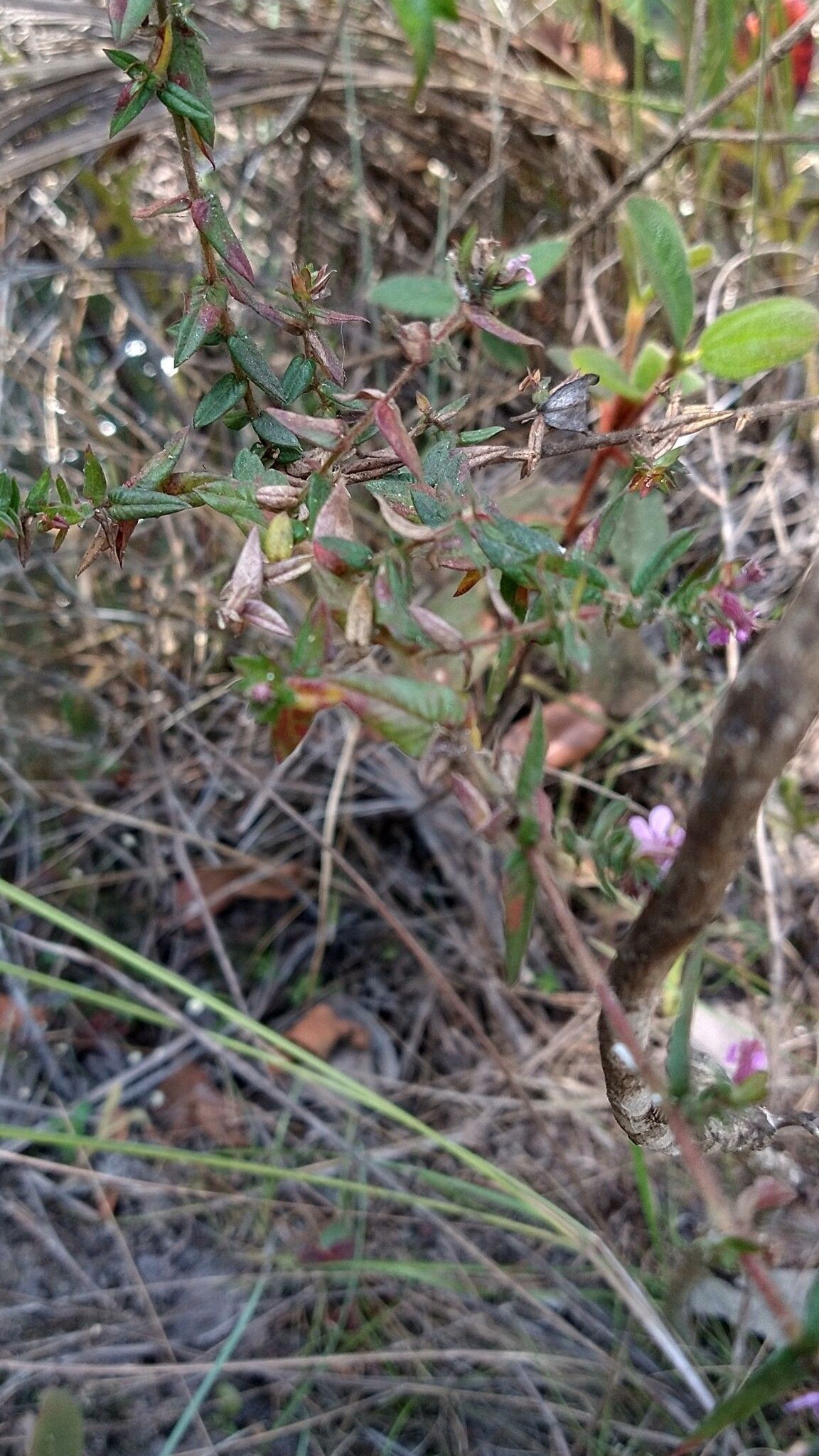
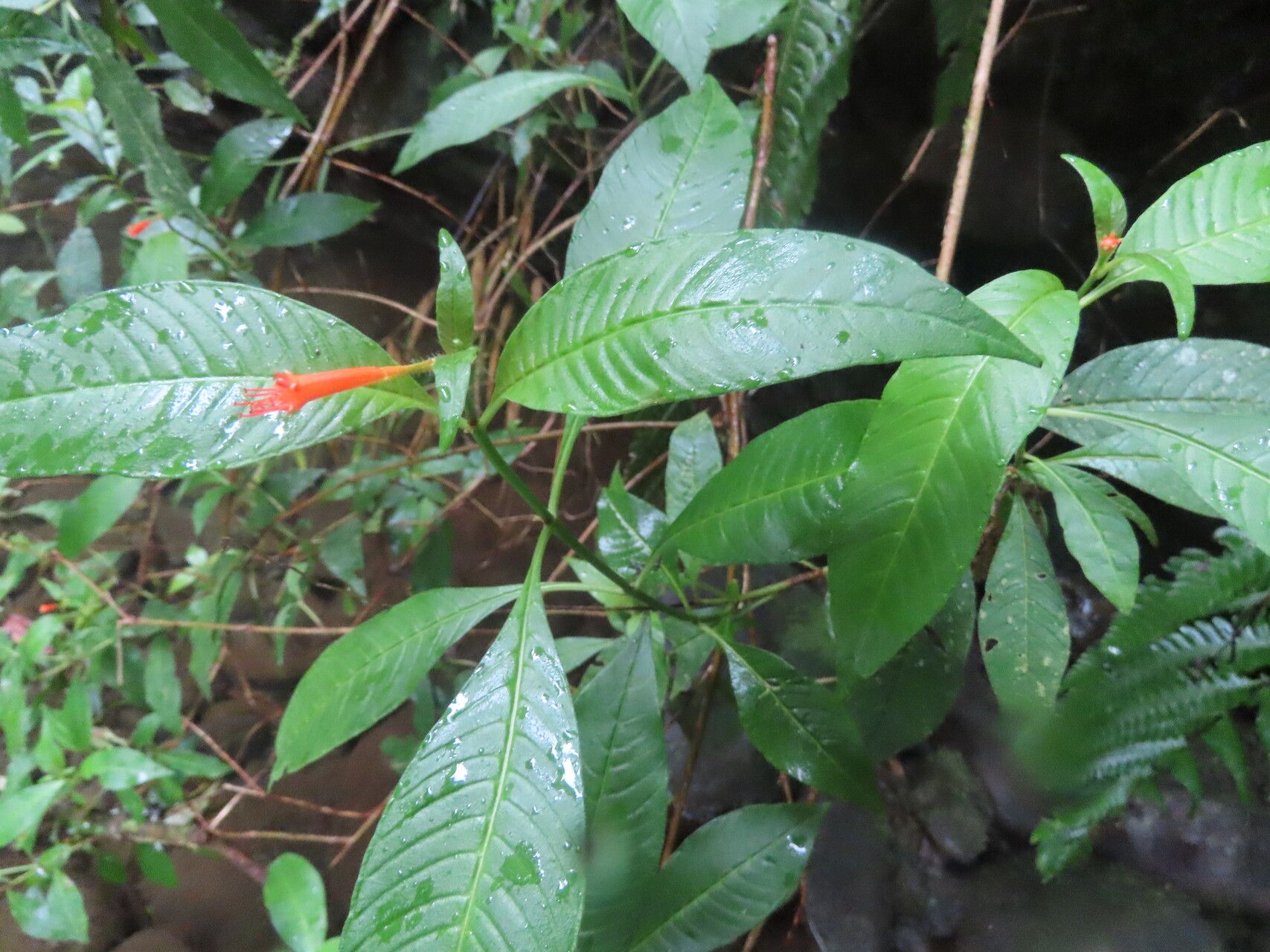
Sticky waxweed shows strong resistance to disease and is typically not very susceptible to illnesses. Still, it can be vulnerable to pests and diseases found in its environment. Such infections are generally mild. Regarding care, this plant needs a moderate level of maintenance. It should be pruned on a regular basis to preserve an attractive appearance and support healthy growth. Applying fertilizer can also encourage flowering. Sticky waxweed is well suited for anyone with outdoor areas like a garden or patio and does not demand extensive gardening experience. It may need more attention when cultivated indoors.
How to keep Cuphea Glutinosa.
Light
Sticky waxweed is a sun-loving perennial herbaceous plant native to open habitats, commonly found thriving in meadows and grasslands. It prefers full sun but can also tolerate partial sun.
Water
Most varieties of sticky waxweed need approximately 1 inch (2.5 cm) of water each week during the growing season. The most effective method is to water at the soil level using a drip system. If you use overhead watering, it should be done early in the day to minimize the risk of disease. Aim to keep the soil moist but not saturated.
Temperature
Sticky waxweed is fairly adaptable to temperature, able to withstand higher heat and considerable temperature fluctuations. In hot conditions, it is important to monitor watering and provide suitable shading to avoid sunburn. However, sticky waxweed has limited tolerance for low temperatures. While it can endure some cold, very low temperatures can cause frost damage.
Fertilizer
The best time to fertilize a Sticky waxweed is in early spring, as it is coming out of dormancy and starting active growth. Fertilizing supplies essential nutrients for healthy development. Although Sticky waxweed has fairly low fertilizer requirements, a yearly application can improve its survival and encourage better, longer-lasting blooms.
Pruning
Sticky waxweed, known for its sticky, glandular stems and vibrant flowers, benefits from regular pruning. To keep the plant healthy, prune it in early spring by removing dead stems and controlling overgrowth. This helps improve air circulation and access to sunlight, which in turn boosts flowering and overall plant well-being. Regular pruning is essential for the care of sticky waxweed.
Botanical profile.
- Plant Type
- Herb
- Life Cycle
- Perennial
- Genus
- Cuphea
- Family
- Lythraceae
- Hardiness Zone
- 8-11
- Mature Height
- 30 cm to 61 cm
- Mature Spread
- 30 cm to 46 cm
- Leaf Color
- Forest Green
- Leaf Type
- Evergreen
- Flower Color
- Purple
- Flower Size
- 1.02 cm to 1.52 cm
- Bloom Time
- Late spring, Summer, Fall, Early winter
- Planting Time
- Spring, Summer, Autumn
- Harvest Time
- Mid summer, Late summer, Fall, Early winter, Mid winter
- Native Area
- Brazil, Bolivia
Other names.
Reader questions.
What are the sunlight requirements for Sticky Waxweed (Cuphea glutinosa)?
Sticky Waxweed, scientifically known as Cuphea glutinosa, thrives in different sunlight conditions depending on the specific needs. For full sun exposure, it requires above 6 hours of sunlight a day, which is essential for its optimal growth and health. Alternatively, it can also grow in partial sun, needing about 3-6 hours of sunlight daily. It's important to observe the way sunlight moves throughout your garden to ensure you're placing your Sticky Waxweed in an area that offers a good balance of light and shade, thus ensuring the plant's wellbeing.
What is Sticky waxweed?
Sticky waxweed is known by its botanical name, Cuphea glutinosa. Detailed information about its essentials, symptoms, or other specific characteristics isn't provided, suggesting a focus on its identity rather than its uses or cultivation details.