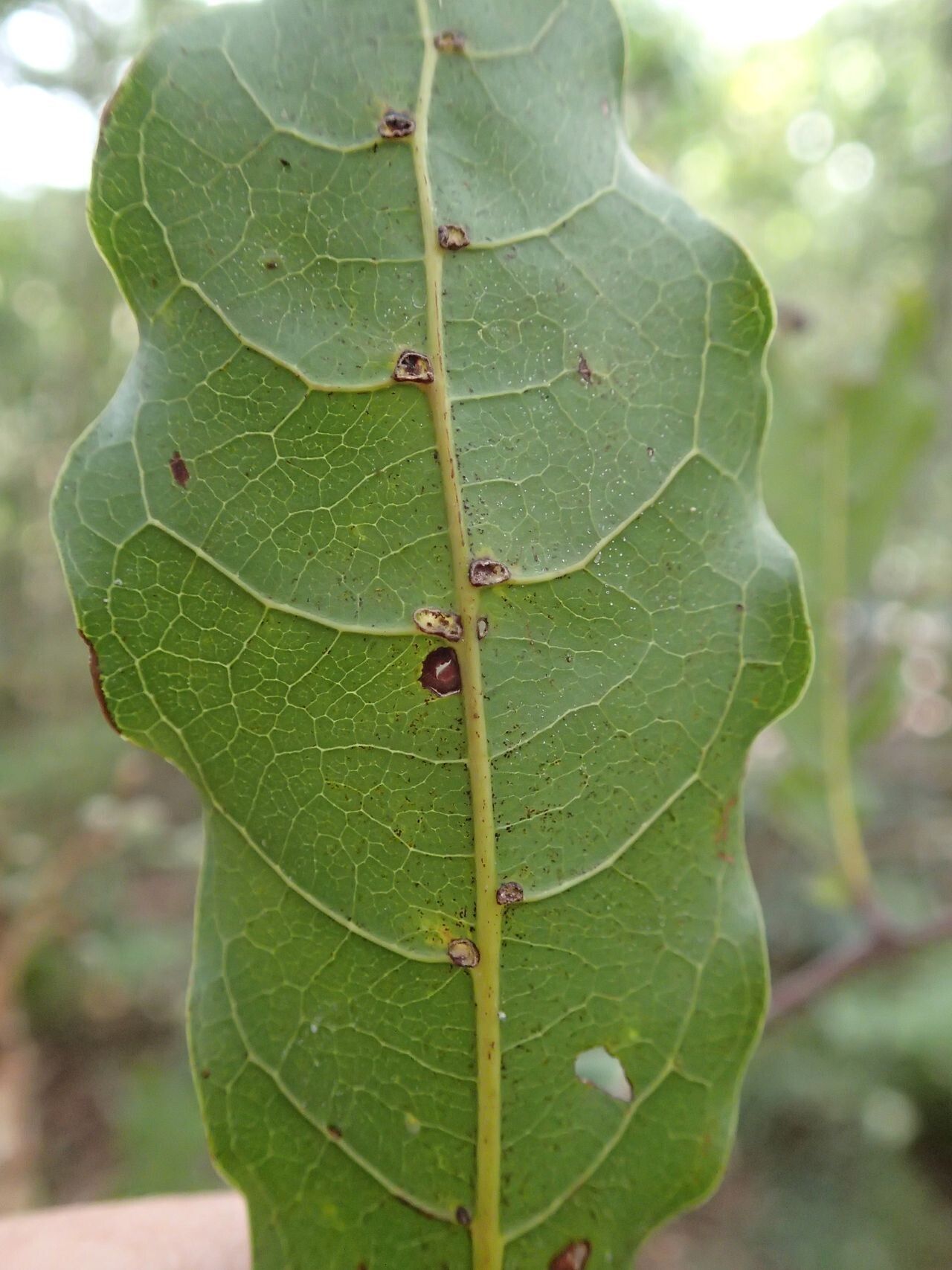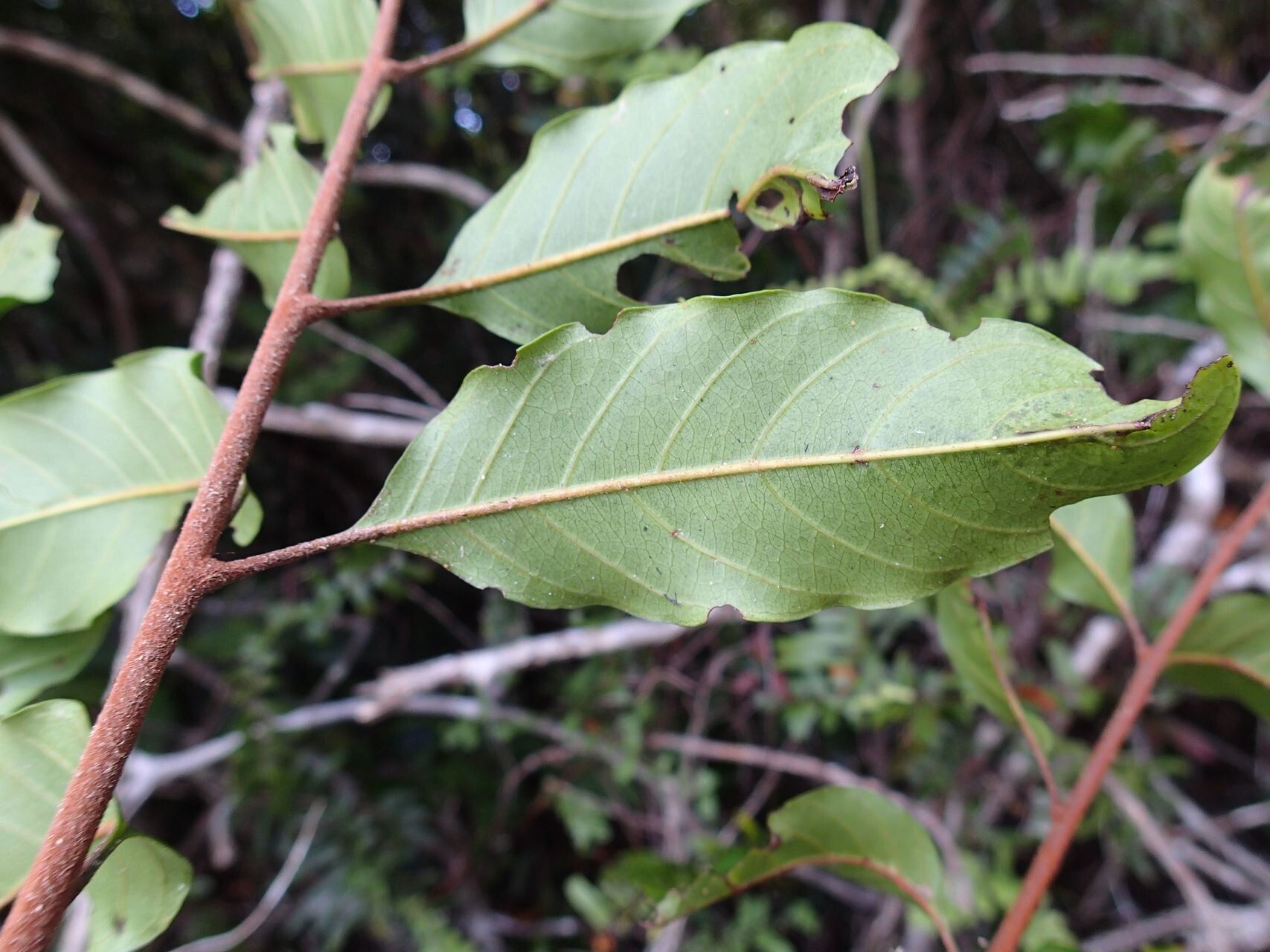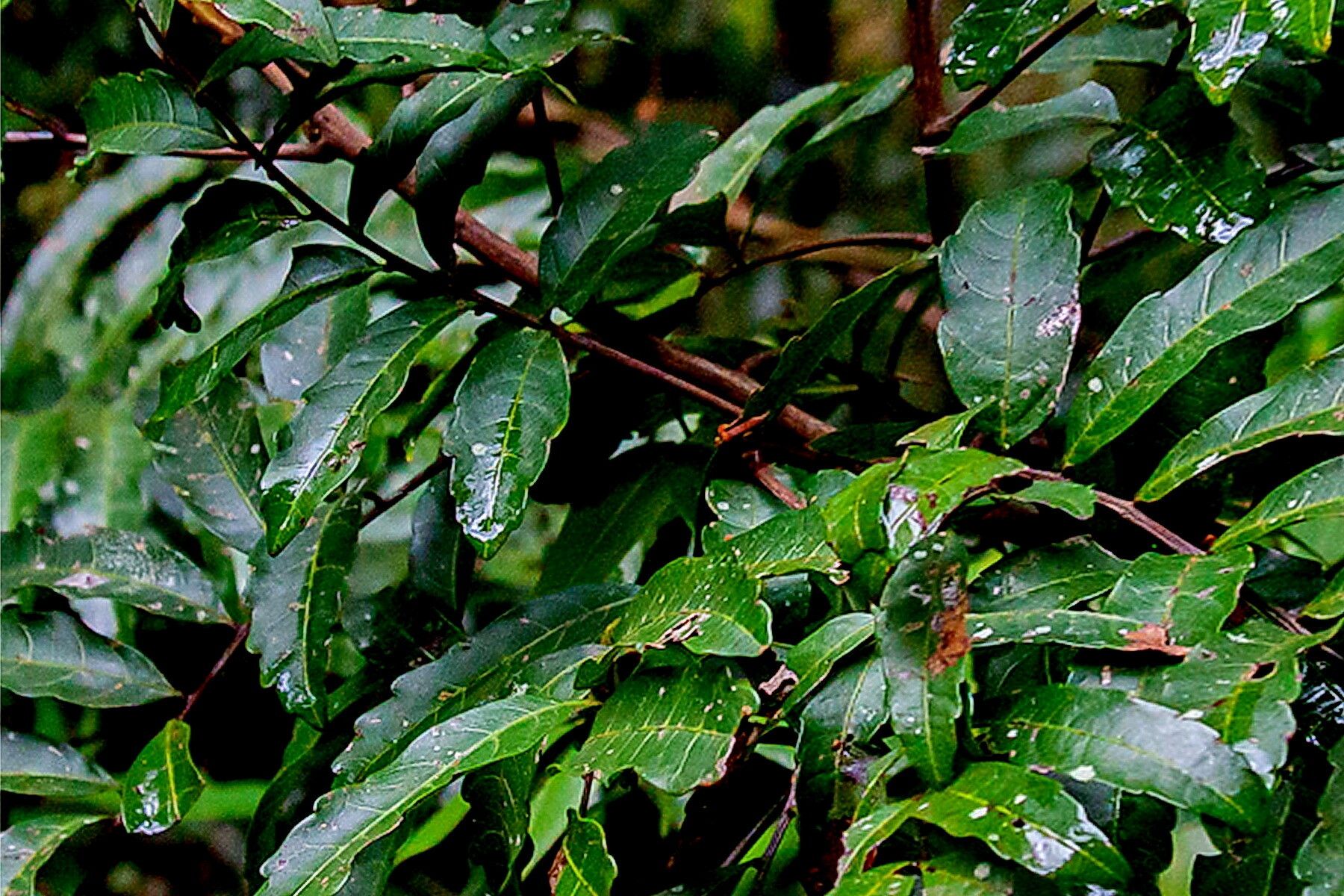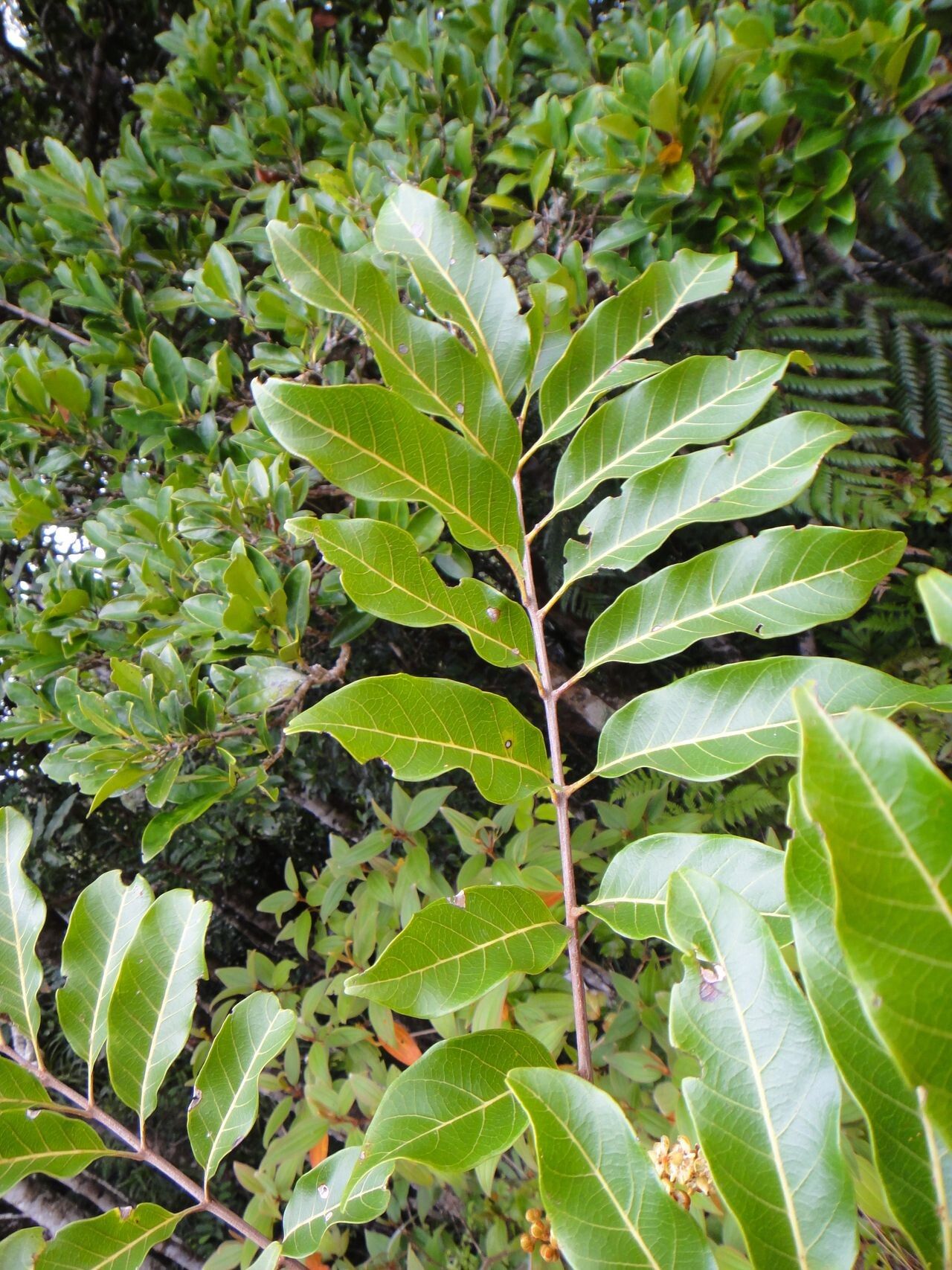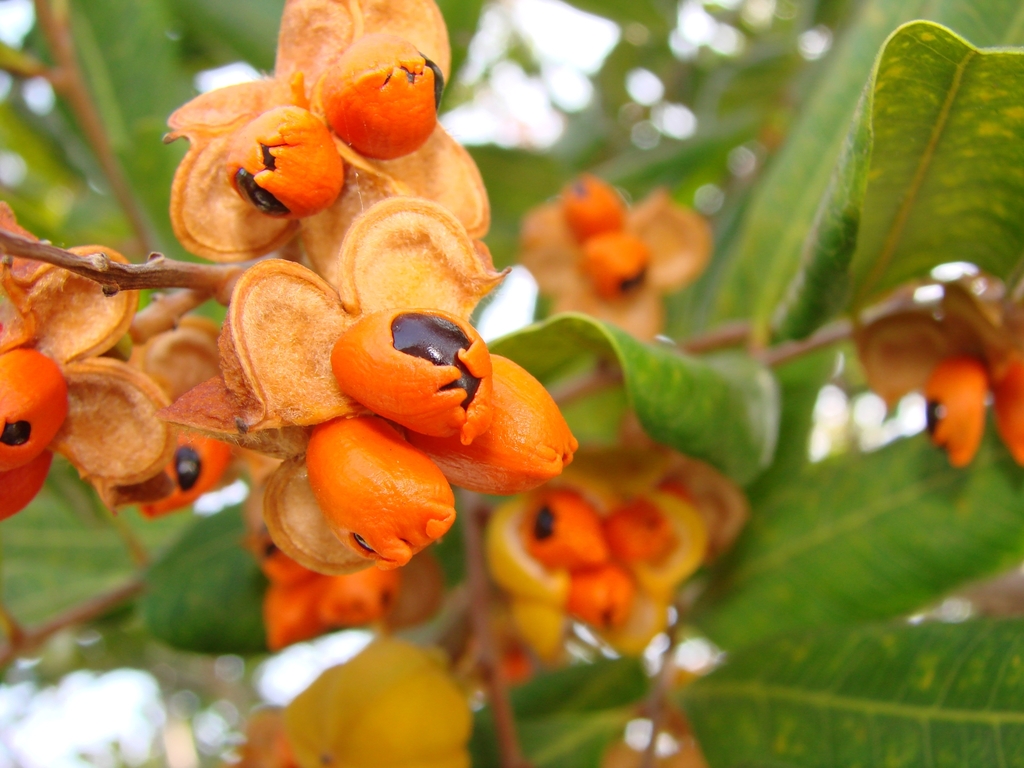
Cupaniopsis anacardioides, commonly known as tuckeroo or carrotwood, is a small to medium-sized evergreen tree native to Australia. Belonging to the Sapindaceae family, it can grow to a height of 10-15 meters. The tree features a dense, rounded canopy with glossy, pinnate green leaves.
During the summer months, the tuckeroo produces clusters of small white flowers, which are followed by small orange berries that attract birds and other wildlife. While the fruit is edible, it is not commonly consumed by humans.
The tuckeroo is highly adaptable and can thrive in various soil types, including sandy, clay, or loamy soils. It prefers full sun but can also tolerate partial shade.
In coastal Australia, carrotwood is a significant source of timber used for making lathes, spindles, and bowls. The tree also attracts a variety of Australian birds, including the Australasian figbird, olive-backed oriole, and pied currawong. FUN FACT · FROM THE LIBRARY
Often used as an ornamental tree due to its attractive foliage and ability to provide shade, tuckeroos are also valuable for erosion control. Their deep root system helps stabilize soil on slopes.
Although the plant is generally free from major pests and diseases, all parts of the tuckeroo contain toxins that may cause skin irritation if handled improperly.
Overall, Cupaniopsis anacardioides is a versatile plant with numerous aesthetic and functional uses within its native range in Australia as well as in other regions where it has been introduced for ornamental purposes.
Carrotwood is named for its distinctive orange-colored inner bark and young taproot.
Carrotwood is highly disease-resistant and is generally not susceptible to diseases. Carewise, this plant is fairly low-maintenance. When planted outdoors it needs minimal watering, and larger specimens typically do not require pruning. Smaller plants, however, should be pruned after they have bloomed. Carrotwoodt is suitable for anyone with an outdoor space, such as a garden or deck, and does not require much care experience.
How to keep Cupaniopsis Anacardioides.
Light
Carrotwood grows best with plenty of sunlight each day, though it can tolerate some shade. Coming from an environment with abundant light, a lack of sun can hinder its growth. Too much sun can cause minor wilting, but it generally bounces back quickly.
Water
Carrotwood, originally from coastal rainforests, thrives in consistently moist environments and shows moderate drought tolerance. To keep the soil moist without causing waterlogging, it should be watered every 1-2 weeks. As an evergreen, carrotwood retains its foliage throughout the year, which affects its water needs during different seasons.
Temperature
The carrotwood originates from warm, subtropical regions and requires temperatures of 68 to 100 ℉ (20 to 38 ℃) to thrive. In winter the plant tolerates light frosts and can endure temperatures down to 23 ℉ (-5 ℃). In colder conditions, consider giving it extra protection with mulch or blankets.
Fertilizer
Fertilization is essential for Carrotwood care. Regular feeding during the growing season maintains the energy for its showy leaves and supports overall growth. Failing to fertilize can lead to unhealthy foliage, reduced ornamental value, and stunted or weak growth that is more susceptible to breakage.
Pruning
Carrotwood trees have glossy leaves and a dense canopy, which require regular pruning for optimal shape and health. Important pruning techniques include removing damaged branches and improving air circulation within the tree. It's best to prune during the tree's dormant period, from early to late winter, to prevent invasiveness and enhance its appearance. Always use clean, sharp tools for effective pruning.
Botanical profile.
- Plant Type
- Tree
- Life Cycle
- Perennial
- Genus
- Cupaniopsis
- Family
- Sapindaceae
- Hardiness Zone
- 9-11
- Mature Height
- 10.06 m to 12.19 m
- Mature Spread
- 9.14 m
- Leaf Color
- Green, Yellow
- Leaf Type
- Evergreen
- Flower Color
- White
- Flower Size
- 2.54 cm
- Bloom Time
- Mid spring, Late spring
- Planting Time
- Spring, Autumn
- Harvest Time
- Summer
- Native Area
- Papua New Guinea, Madagascar
Other names.
Reader questions.
How should I water my Carrotwood plant?
Your Carrotwood plant is not picky about how you water it. You can use common watering tools like watering cans, hoses, or even cups. It's important to water the plant by applying the water directly to the soil. Make sure to evenly moisten all areas of the soil to provide water to the entire root system. Using filtered water is recommended to avoid harmful particles that might be present in tap water. Additionally, using water at or slightly above room temperature is beneficial as very cold or hot water can shock the Carrotwood. However, the Carrotwood plant generally responds well to any type of water.
Why should I provide fertilizer for my Carrotwood tree?
Carrotwood trees require regular fertilization due to their energy-intensive showy leaves. In addition to maintaining vibrant foliage, these trees must also allocate enough energy for the growth of stems, branches, roots, and other essential structures. Neglecting fertilization can result in two common outcomes. Firstly, the leaves may lose their natural color and texture, giving them an unhealthy appearance that detracts from their ornamental appeal. Secondly, the overall growth of the tree may slow down or produce weak growth that is vulnerable to breakage.
What are the sunlight requirements for Carrotwood?
Carrotwood (Cupaniopsis anacardioides) thrives best when exposed to full sun, which is defined as more than 6 hours of sunlight daily, but it can also tolerate partial sun, receiving about 3-6 hours of sunlight a day. It's essential to watch how sunlight moves through your garden to find the perfect spots that offer the right balance of light and shade, ensuring your Carrotwood plant's happiness and optimal growth.
What is the native climate for Carrotwood?
Carrotwood, or Cupaniopsis anacardioides, is native to warm, subtropical regions. It thrives in temperatures ranging from 68 to 100°F (20 to 38°C). The plant prefers warm temperatures and struggles in cold, being able to withstand mild frosts down to 23°F (-5°C) with proper care, such as extra protection with mulch or blankets. During colder months, it's beneficial to keep the plant indoors or in temperatures above 20°C to ensure its growth, as it is extremely heat-loving and sensitive to the cold.
What should I do if I give my Carrotwood plant too much or too little water?
Outdoor plants, especially new ones or seedlings, can easily suffer from lack of watering. It's important to water them consistently for the first few months, particularly when they're small or newly planted. Once the roots are established, Carrotwood plants can rely on rain most of the time. But when you have Carrotwood in pots, overwatering becomes more likely. If you accidentally overwater your Carrotwood, take immediate action to rectify the situation. Stop watering the plant right away to minimize the impact of overwatering. Then, remove the Carrotwood from its pot and check its roots for signs of root rot. If none of the roots are affected, you can return the plant to its container. However, if you do find signs of root rot, trim away the affected roots and consider applying a fungicide to prevent further damage. Finally, repot the Carrotwood in well-draining soil. On the other hand, if your Carrotwood is underwatered, simply water it more frequently. Underwatering is usually easily fixable. When a plant is underwatered, its leaves may wilt, dry out, and fall off, but they will quickly bounce back after receiving sufficient water. Be sure to adjust your watering frequency as soon as you notice underwatering.
When should I fertilize my Carrotwood tree?
Carrotwood plants do not require a set feeding schedule when initially planted because they benefit from occasional feedings. One simple method of fertilizing Carrotwood is to apply fertilizer while watering the plant on occasion. Throughout the growing season, adequate water is necessary for Carrotwood. You can feed the plant every two to three weeks to ensure it receives the necessary nutrients for continuous new growth.
How does sunlight affect the growth of Carrotwood?
Sunlight plays a crucial role in the growth of Carrotwood, as it originates from a habitat where sunlight is abundant. Ample exposure each day to sunlight is essential, but the plant can also tolerate some shade. Insufficient sunlight can hinder its growth, and while too much sun might cause slight wilting, Carrotwood typically recovers quickly. For indoor plants, especially during winter or in less sunny spaces, artificial lighting can be a pivotal solution for promoting healthier, faster growth.
How do you care for Carrotwood in low temperatures?
In lower temperatures, particularly during winter, it's crucial to ensure Carrotwood is kept in an environment above 0°C to prevent cold damage. If the temperature falls below -5°C, the leaves may lighten and eventually turn brown or black, showing signs of wilting and drooping due to frost damage. To care for it, you should trim off the frost-damaged parts and move the plant indoors to a warmer environment, ideally near a south-facing window for ample sunlight. It's also important to avoid placing the plant near heaters or air conditioning vents to prevent the air from becoming too dry.
How frequently should I water my Carrotwood tree?
To help your outdoor plants grow properly, they usually rely on rainfall. However, if your area doesn't get enough rain, you'll need to water them every 2 weeks in the spring and fall, and more often in the summer. In the winter, when plants need less water, you can water them less frequently. Young or newly planted Carrotwood plants need more water to establish themselves and become more resilient to drought. For potted plants, there are two ways to determine how often to water your Carrotwood. One way is to follow a set watering schedule, such as once a week or every other week. However, this may not always be accurate for your specific plant's needs. Another approach is to check the soil moisture. Usually, you should wait until the top two to four inches of soil have completely dried out before watering again. This method ensures you're not over or under-watering your plant.
When is it better not to use fertilizer for my Carrotwood?
For most of the year, you can follow a regular fertilization schedule for your Carrotwood plant. This includes the active growing season of spring, summer, and early fall. However, during the winter, it is important to refrain from fertilizing the plant. In winter, the Carrotwood enters a period of dormancy, during which it either does not grow at all or grows minimally. Since the plant requires less energy during this time, fertilization is not necessary.
What are the recommendations for artificial lighting for indoor Carrotwood plants?
For indoor Carrotwood plants requiring artificial lighting, LED lights are recommended due to their ability to be customized for specific wavelengths needed by plants. Full sun plants need 30-50W/sq ft, partial sun plants require 20-30W/sq ft, and full shade plants need 10-20W/sq ft of artificial light. Place the light source 12-36 inches above the plant to mimic natural sunlight and determine the duration to mimic natural daylight hours, which is typically 8-12 hours of light per day.
How does high temperature affect Carrotwood, and what are the solutions?
Carrotwood plants should be kept in temperatures below 100°F (38°C) during summer to avoid heat stress. When temperatures exceed 109°F (43°C), the leaves may lighten, indicating the plant is susceptible to sunburn. To mitigate the damage from high temperatures, trim away sunburned and dried parts of the plant. Move the Carrotwood to a shaded area, particularly to avoid the midday and afternoon sun. Furthermore, water the plant in the morning and evening to maintain soil moisture and help the plant stay hydrated.