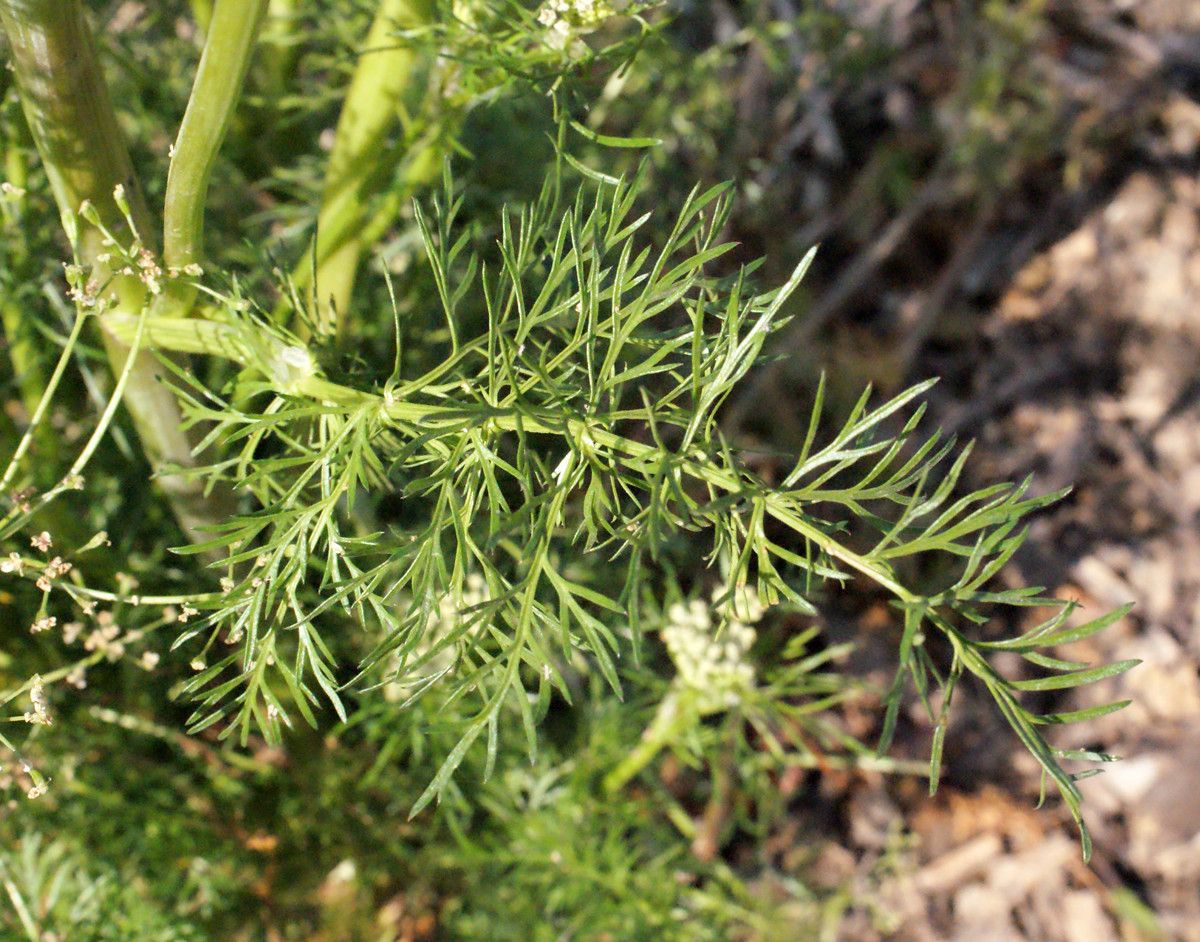
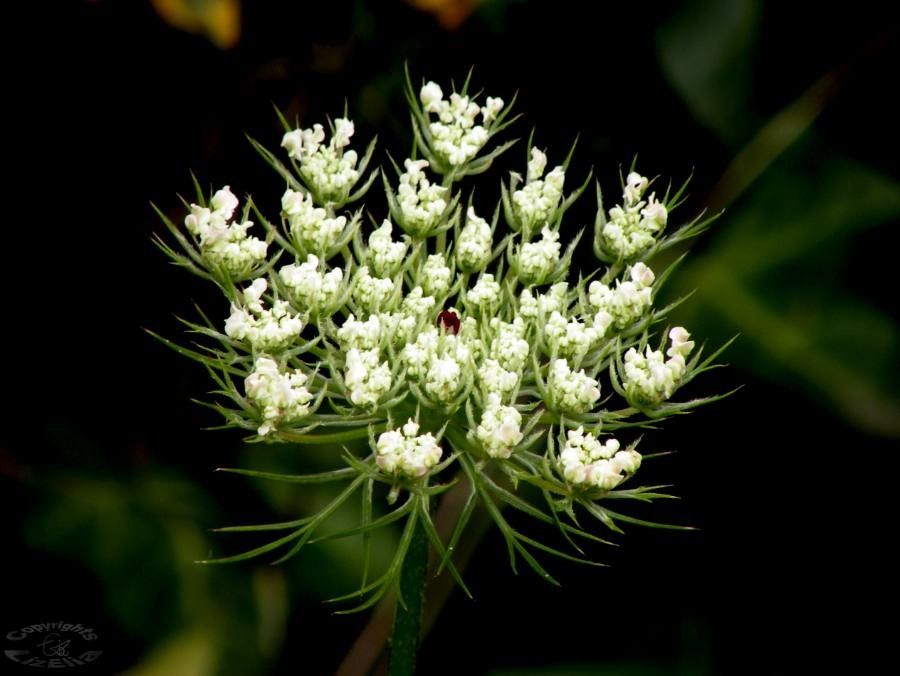
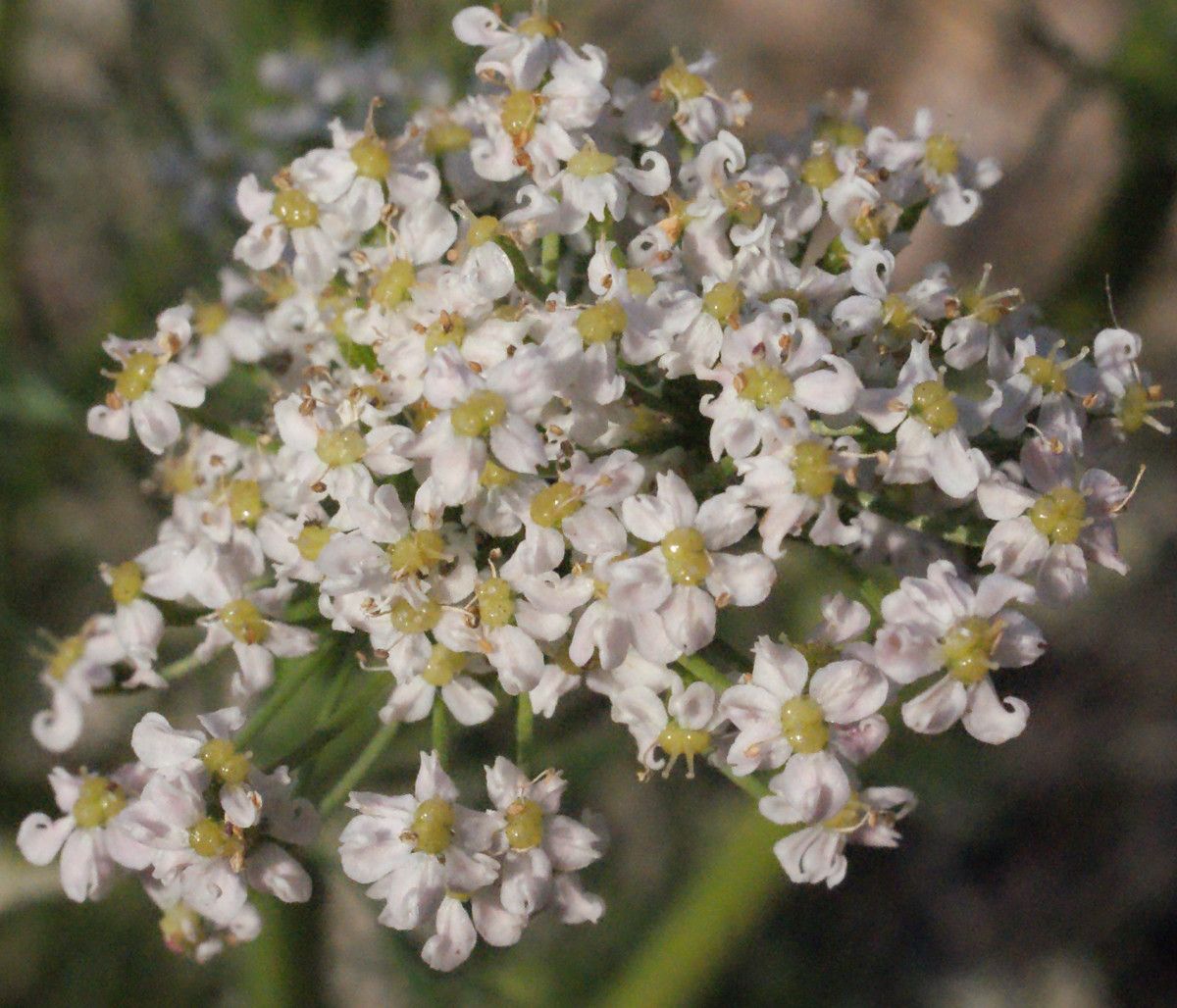
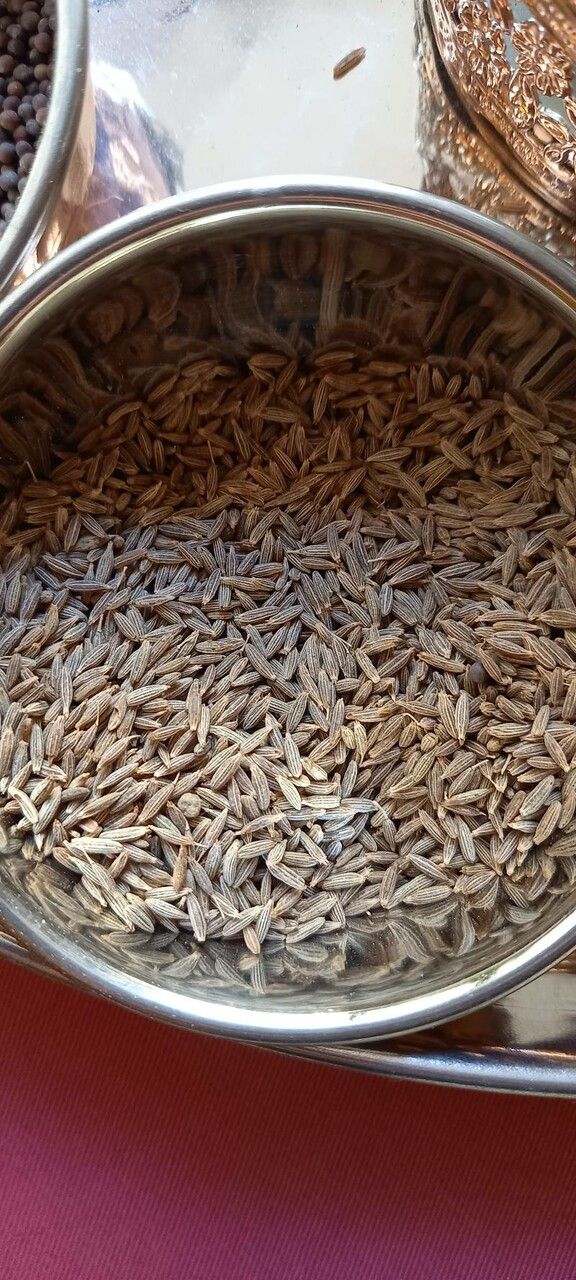
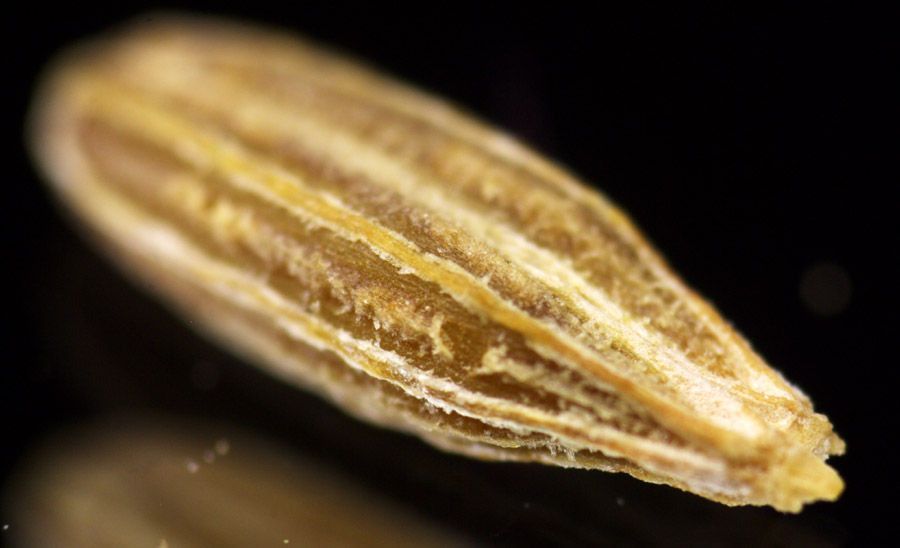
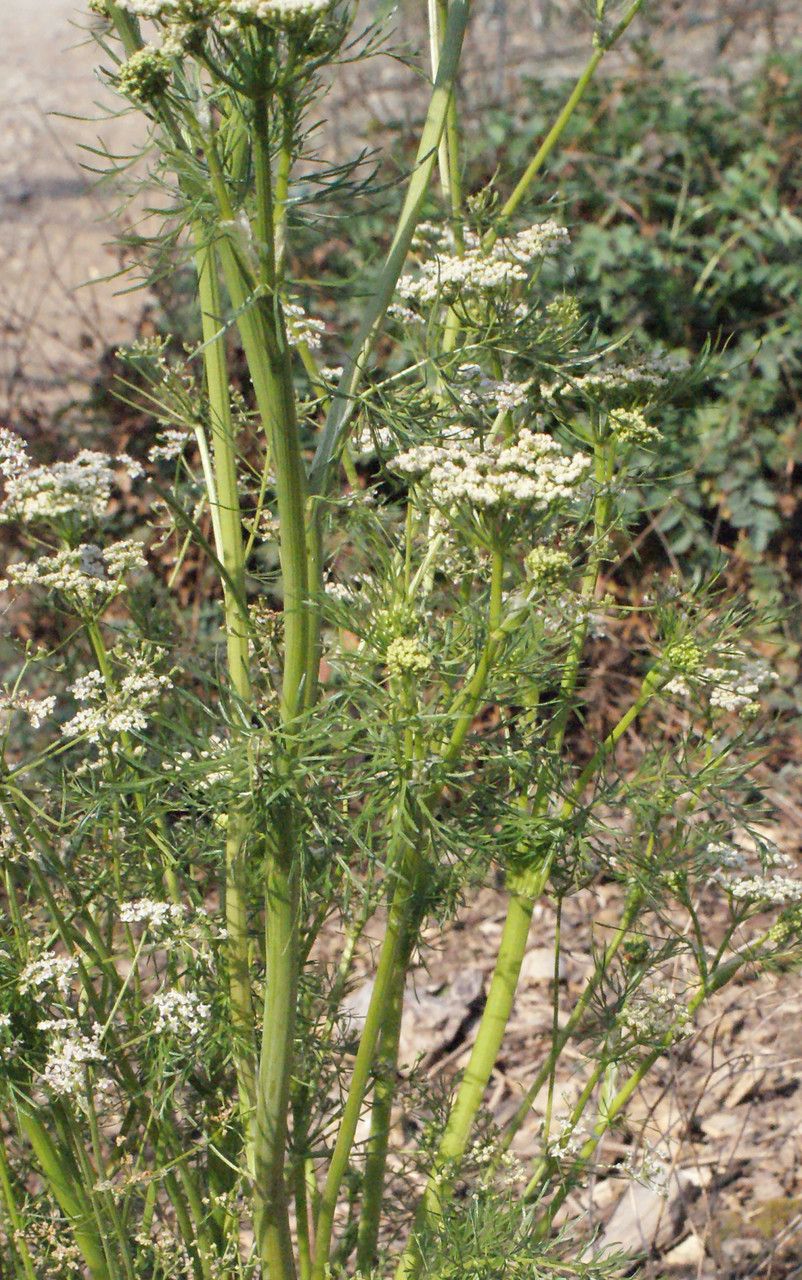
Cumin ( or US: , or ) (Cuminum cyminum) is a flowering plant in the family Apiaceae, native to the Irano-Turanian Region. Its seeds – each one contained within a fruit, which is dried – are used in the cuisines of many cultures in both whole and ground form. Although cumin is thought to have uses in traditional medicine, there is no high-quality evidence that it is safe or effective as a therapeutic agent.
Cumin has moderate disease resistance and can be prone to illnesses like leaf spot. Its vulnerability to insect pests differs by cultivar, but most cultivars are relatively weak against pests. For care, cumin requires consistent watering and fertilization, along with frequent removal of yellow leaves. It is essential to manage pests and diseases as they occur and to harvest the plant promptly. Cumin is best for growers who can spare some time and effort for ongoing care.
How to keep Cuminum Cyminum.
Light
Cumin does best with plenty of sunlight and shows slower growth when light is limited. Native to sunny regions, its developmental stages are highly affected by light. Both excessive and insufficient sun can be detrimental, so a balanced light regime is important for its health.
Water
Cumin, originating from the Nile Valley, thrives in semi-arid conditions with minimal moisture. While it is adaptable to dry spells, regular weekly watering helps keep the plant healthy. To encourage lush foliage and optimal seed production, consistent moisture during the peak growing season is essential.
Temperature
Cumin originates from a region where temperatures typically range from 68 to 100 °F (20 to 38 °C). Its success within this temperature band indicates a preference for warmer climates. In colder months, consider bringing cumin indoors or covering it for protection.
Fertilizer
For Cumin, choose natural organic amendments like compost, grass clippings, or manure. Slow-release granular fertilizer or commercial fertilizer may be applied sparingly. Incorporate the organic fertilizer into the soil before planting. Usually, one to two fertilizer applications per growing season are enough to yield a plentiful harvest.
Pruning
Cumin benefits from pruning in early to late spring, which encourages bushy growth. By trimming away dead or weak stems, you can improve airflow and light exposure, helping to prevent disease and promote overall plant health. Regular pruning also increases productivity, allowing you to maximize cumin's culinary and medicinal advantages.
Botanical profile.
- Plant Type
- Herb
- Life Cycle
- Annual, Biennial
- Genus
- Cuminum
- Family
- Apiaceae
- Hardiness Zone
- 8-12
- Mature Height
- 30 cm to 49 cm
- Mature Spread
- 3 cm to 5 cm
- Leaf Color
- Green, Blue
- Leaf Type
- Semi-evergreen
- Flower Color
- White, Pink
- Flower Size
- 0.20 cm to 0.25 cm
- Bloom Time
- Early summer, Mid summer
- Planting Time
- Spring
- Harvest Time
- Late summer, Early fall
- Native Area
- Morocco, Libya, Tunisia, Algeria
Other names.
Reader questions.
How should I water my Cumin plant?
The Cumin has specific preferences for water and how it is applied. It is important to use the proper watering technique to avoid damaging your tomatoes. The best way to water Cumin is to slowly and gently apply water directly to the soil. Do not pour all of the water at once or use overhead watering. Additionally, water deeply to ensure the soil surrounding your Cumin is adequately moist.
Why do I have to add fertilizer to my Cumin plant?
Determining if your Cumin needs fertilizing depends on the soil conditions in your garden. A good harvest without fertilizer suggests it may not be necessary. To be sure, you can test the soil yourself or send it to a lab for analysis. Knowing the nutrient levels helps you decide if additional fertilizer is needed.
How much sunlight does Cumin require to grow?
To ensure successful growth and fruit production, it is generally recommended that Cumin receives a minimum of 6 to 8 hours of sunlight per day.
What temperature is best for Cumin?
Cumin has a preferred temperature range of 70-85℉(21-30℃), where it feels most comfortable. Within this range, the foliage of Cumin is less likely to get damaged by extreme cold or heat. However, if you notice a change in leaf colors, it may indicate that Cumin is unhappy. Although it's best to keep the temperature within the preferred range, don't worry if it occasionally goes above 85℉(30℃) during the day or drops below 70℉(21℃) at night.
What do I do if I give my Cumin too much or too little water?
If you have overwatered your Cumin and are worried about disease, take immediate action. The best solution is usually to remove the plant from its current location and let the roots dry before replanting it in a well-draining soil. If you are growing in pots, consider using a pot with better drainage. On the other hand, if you have underwatered your Cumin, simply increase the watering frequency.
When should I fertilize my Cumin?
To ensure a good harvest of Cumin, follow these steps: First, mix a layer of organic fertilizer into the soil at least one week before planting. Then, apply another layer on top of the soil during the spring to give young plants an extra boost. Generally, one to two fertilizer applications during the growing season should be enough.
What kind of sunlight does Cumin require?
To thrive, cumin needs full sun, which means it should be planted in an area that receives uninterrupted direct sunlight. Avoid locations where trees, fences, or buildings cast shadows. Generally, the faster the cumin plant grows, the more sunlight it requires. Morning sun is particularly beneficial for photosynthesis.
How can I keep Cumin safe from extreme outdoor temperatures?
If you have Cumin planted outside, it's difficult to move it indoors. However, you can protect it from extreme temperatures. For hot weather, you can create a shade tent using stakes and cloth to block out intense sunlight. In cold weather, you can build a small greenhouse around the plant using stakes and clear or translucent plastic. This will create a greenhouse effect and keep the plant warm. Once temperatures reach 40℉(10℃) at night, you can remove the greenhouse.
How frequently should I water my Cumin plants?
Cumin needs a lot of water throughout the growing season. To meet this high water requirement, you should water it frequently during spring and summer. In the beginning, water your Cumin once or twice a week. As the season progresses, increase the frequency of watering, potentially up to twice a day or more in the summer, depending on the weather. After your Cumin has gone through its main growth phases, you can reduce watering to about once a week until the end of the growing season.
When should I not put fertilizer on my cumin?
It is not necessary to fertilize Cumin after most of the vegetables have been harvested, as this crop needs to be replanted annually. Additionally, if you are already gardening in soil that is nutrient-rich, avoid fertilizing Cumin. This crop does not require excessive fertilizer to thrive and produce flavorful, well-sized vegetables. Only consider fertilizing Cumin if your soil test reveals any deficiencies in essential nutrients.
Is it necessary to protect Cumin from the sun?
In most climates, cumin does not require protection from the sun. However, in desert or equatorial regions, the sun may be too harsh for certain plants to grow, although this is not the norm.
Does Cumin require varying temperatures during different seasons?
Cumin generally prefers a consistent temperature range throughout the year. However, its care requirements may vary depending on the season. In the warmer months, Cumin will benefit from some extra shade and a gentle breeze to handle hot days. Conversely, in cooler climates where temperatures drop below 40℉(10℃), it should be moved away from cold windows and doors.