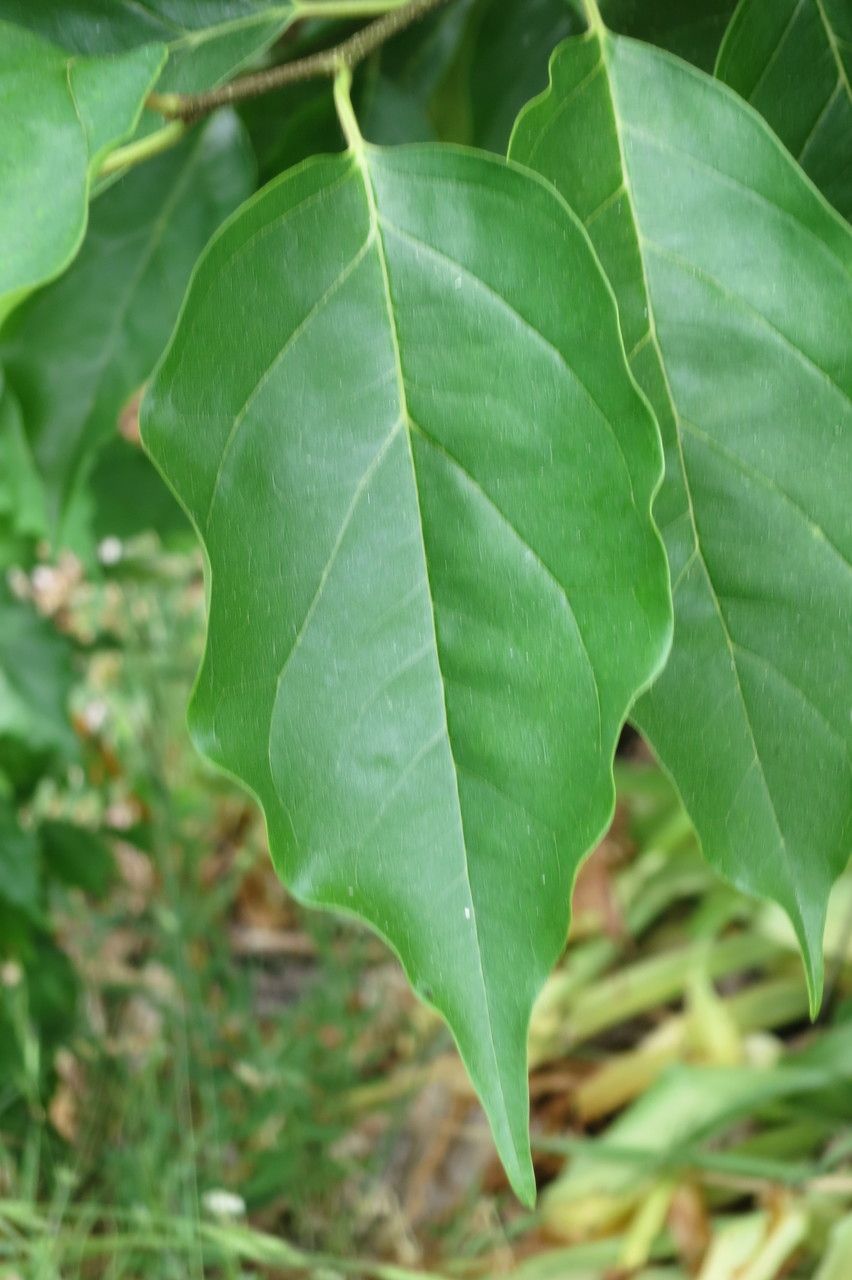
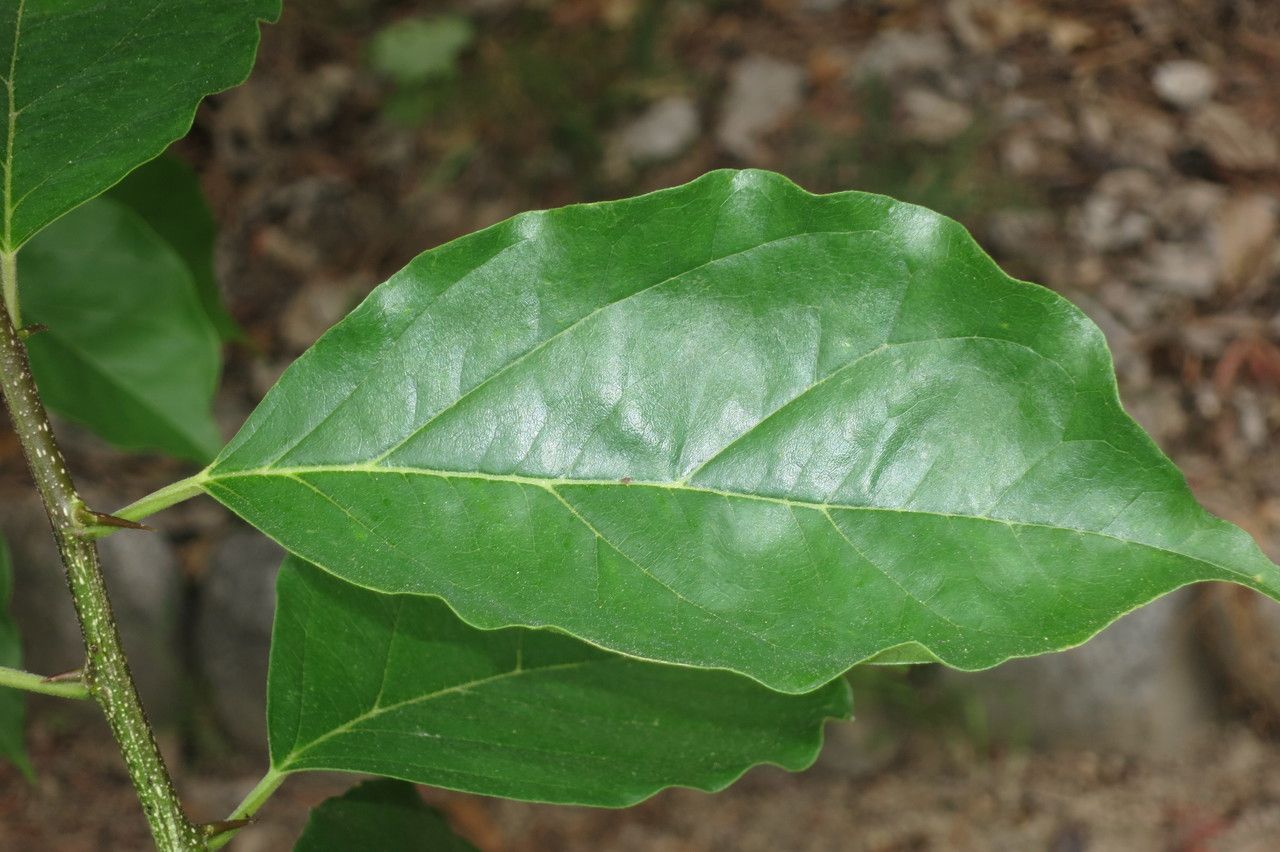
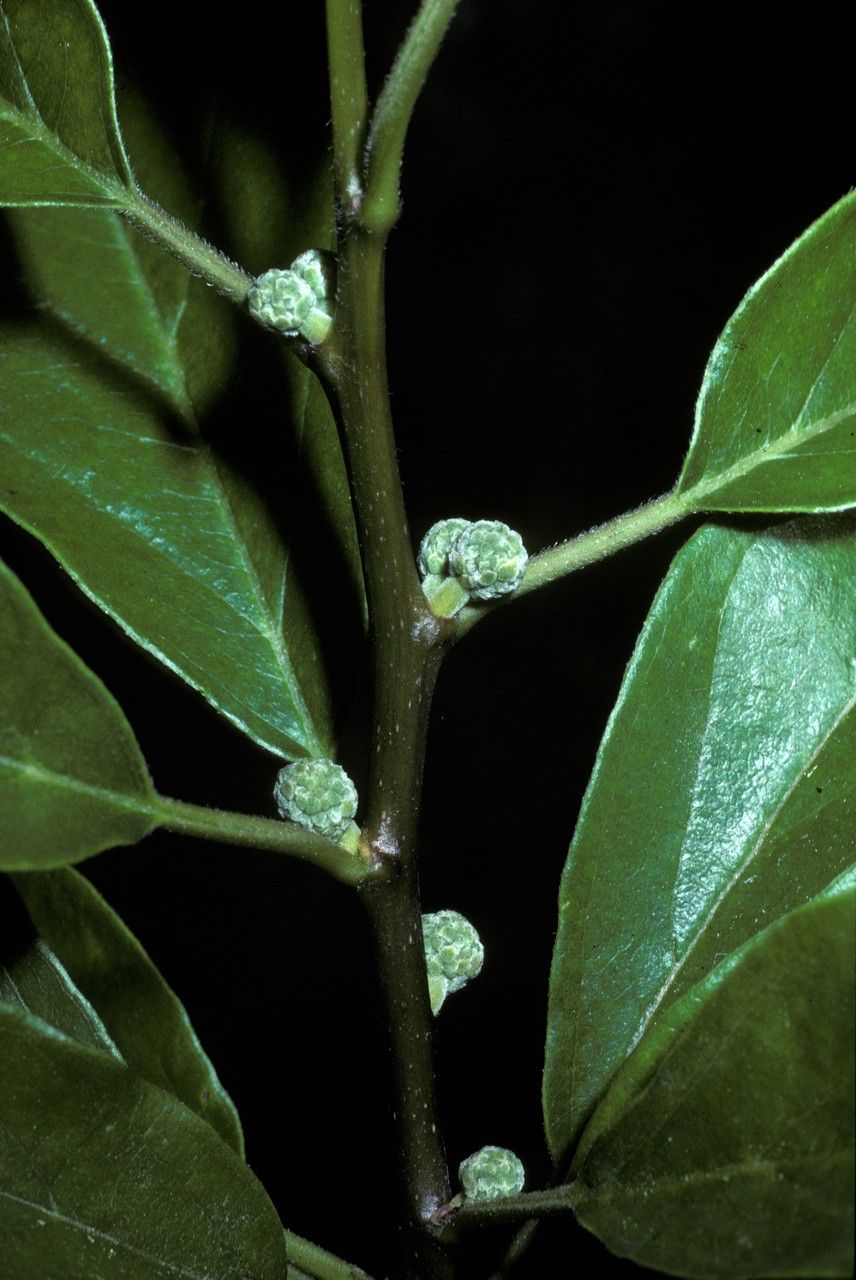
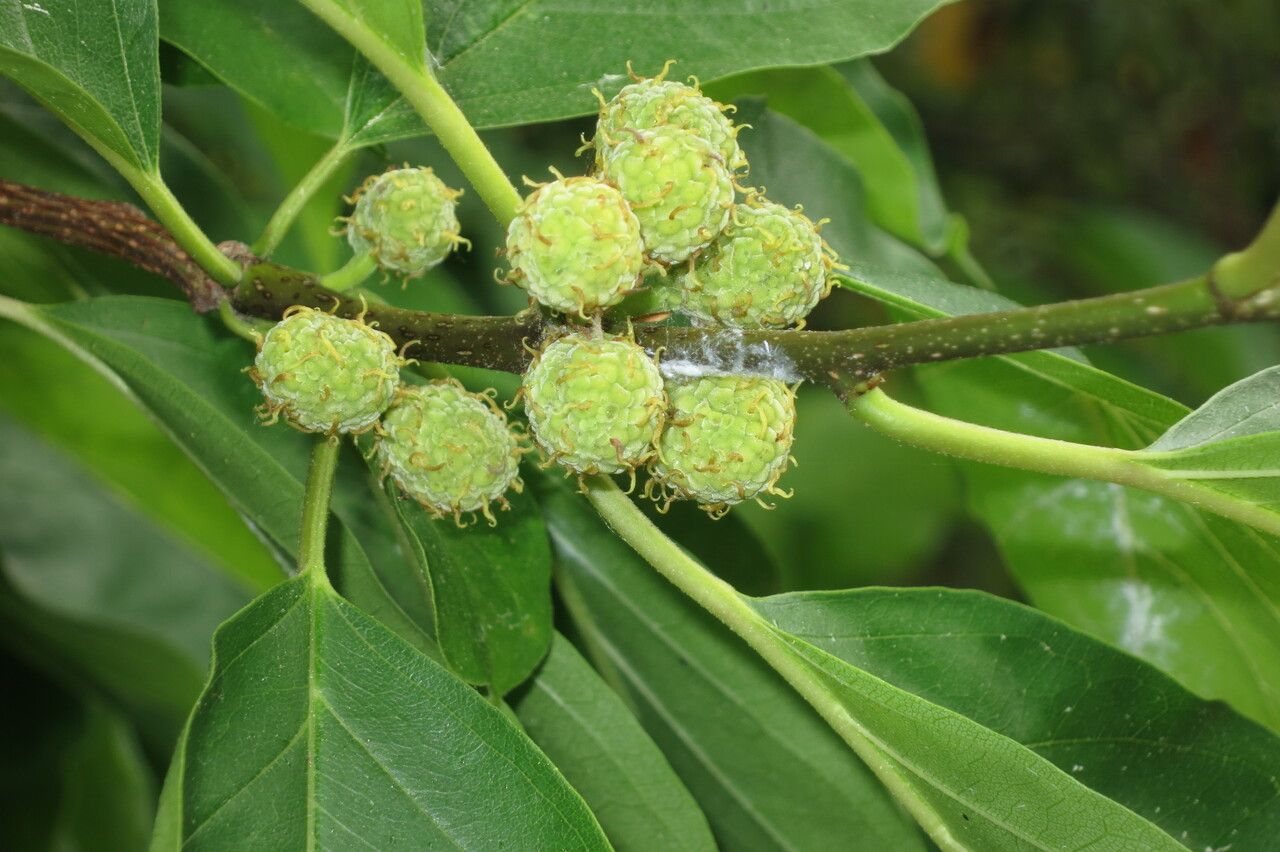
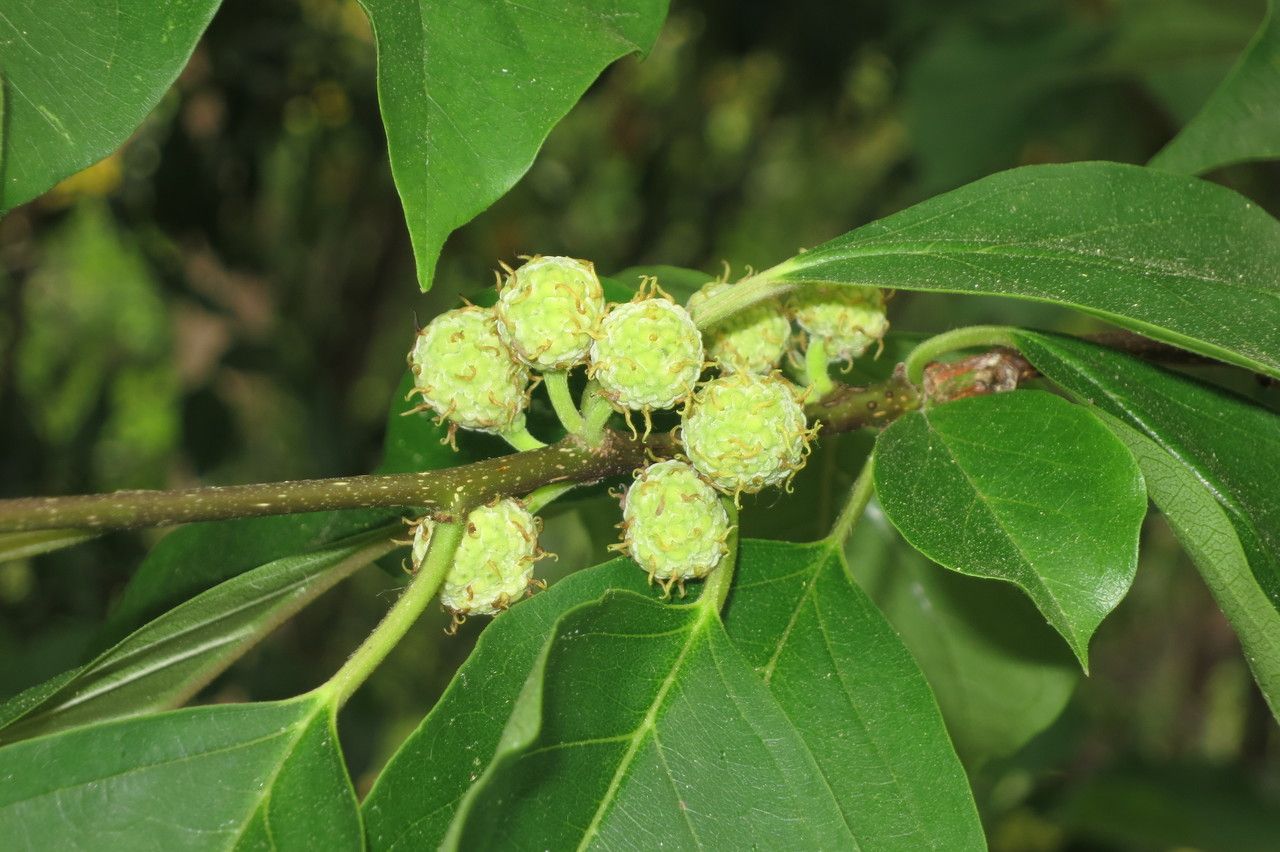
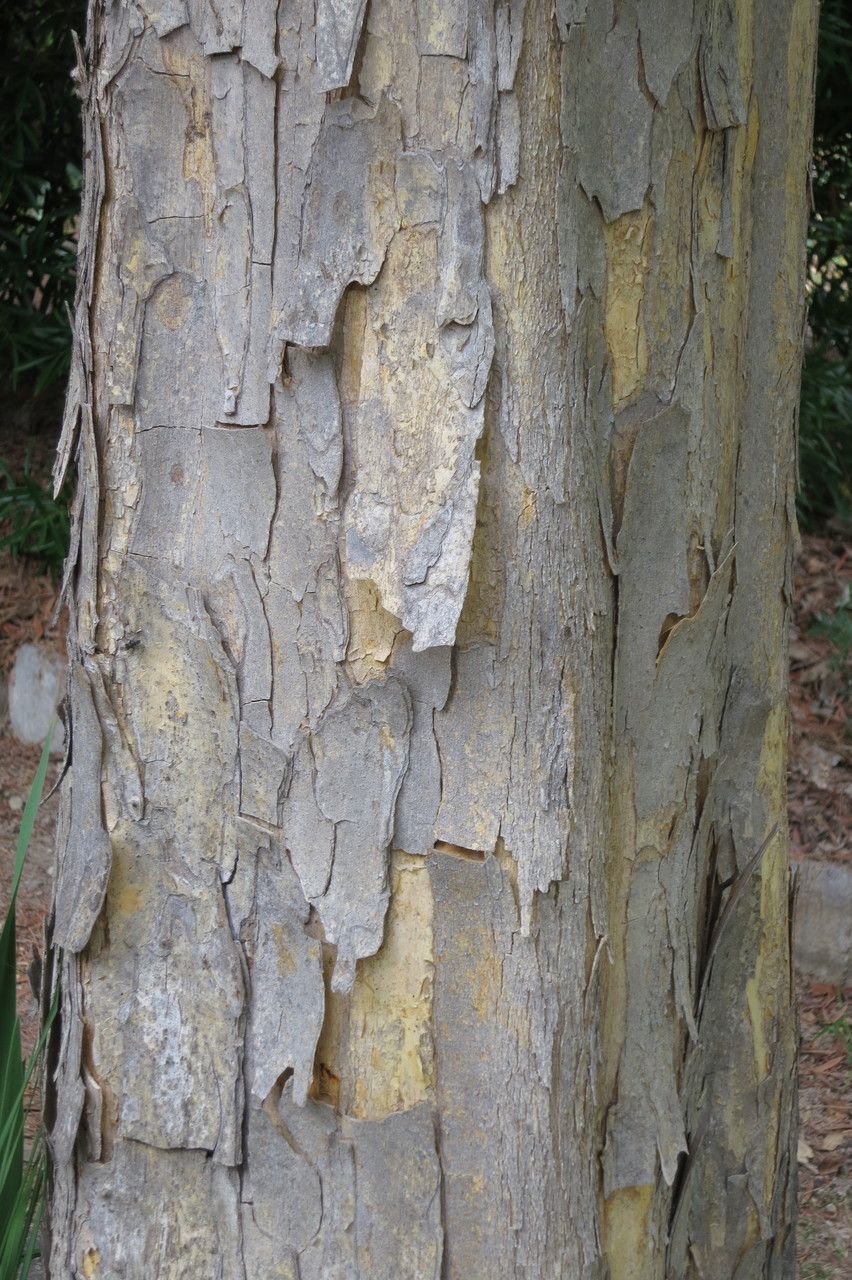
Maclura tricuspidata is a tree native to East Asia, occasionally grown for its fruit, somewhat similar to that of the related mulberry (Morus spp.). It is also known by common names including cudrang, kujibbong, storehousebush, mandarin melon berry, silkworm thorn, zhe or che (Chinese: 柘; pinyin: zhè), and Chinese mulberry (but not to be confused with Morus australis also known by that name). It grows up to 6 m high. The Tanzhe Temple west of Beijing, China is named for this tree.
Storehousebush is resistant to disease and generally not susceptible to illnesses. In terms of care, this plant is fairly low-maintenance. When grown outdoors it needs only minimal watering, and larger specimens typically do not require pruning. Smaller plants, however, should be pruned after they finish blooming. Storehousebusht is appropriate for anyone with an outdoor area, such as a garden or a deck, and does not demand much care experience.
How to keep Cudrania Tricuspidata.
Light
The storehousebush flourishes with a generous amount of sunlight. Exposure to excess or insufficient light can impede its strong growth, and it has no resilience to any level of shade. Coming from habitats with considerable sunlight, needing a high degree of light remains essential during all phases of its development.
Water
The storehousebush thrives in environments with balanced moisture and can tolerate drought, adapting well to periods of irregular rainfall. For optimal growth, it should be watered every two weeks, particularly during its active growing season when consistent moisture fosters strong development.
Temperature
Storehousebush is native to environments experiencing temperatures in the range of 50 to 95 °F (10 to 35 ℃). It flourishes in such conditions and its requirements for temperature fluctuate as seasons vary. Make sure to modify the temperature in sync with seasonal changes to emulate its natural habitat, this will promote its best growth.
Fertilizer
For the best fruit yield, the Storehousebush plant needs ample nutrients. Apply fertilizer in the early part of spring to encourage fresh growth and blossom formation. Periodic fertilization aids the plant in maintaining its health and producing tastier fruit, while also warding off problems associated with nutrient scarcity, such as discolored leaves and sub-par fruit yield.
Pruning
Storehousebush is a deciduous shrub known for its trifoliate leaves and vibrant orange-red fruit. To promote healthy growth, remove dead branches, and improve air circulation, prune the shrub in late winter. Regular pruning encourages fruit production, maintains the shrub's shape, and ensures both its vitality and visual appeal.
Botanical profile.
- Plant Type
- Tree, Shrub
- Life Cycle
- Perennial
- Genus
- Cudrania
- Family
- Moraceae
- Hardiness Zone
- 6-9
- Mature Height
- 6.1 m
- Mature Spread
- 6.1 m
- Leaf Color
- Green, Yellow, Blue
- Leaf Type
- Deciduous
- Flower Color
- Green
- Flower Size
- 0.51 cm
- Bloom Time
- Early summer, Mid summer
- Planting Time
- Spring, Summer, Autumn
- Harvest Time
- Early fall, Mid fall
- Native Area
- South Korea, Vietnam, China
Other names.
Reader questions.
What is the best way to water my Storehousebush?
To ensure excellent root development, place a garden hose at the base of the plants without spraying the leaves directly. If the plants are outdoors and exposed to direct sunlight, the leaves will need more water. You can use bubblers on each plant to keep the roots moist, or soaker hoses to cover the entire garden or bed. When adding or removing plants, use soaker hoses to help the roots grow deeply. Drain any excess water and wait for the soil to dry before watering again. It is best to water at ground level to prevent diseases. On a sunny day, spraying the entire bush with water is recommended. Whether the plants are in pots or in the ground, remember that Storehousebush thrives on deep watering rather than light sprinkling.
Why should I add plant food to my Storehousebush?
Plants need nutrients to grow, and as they grow, they use up the nutrients in the soil. This is especially true for fast-growing plants. To keep Storehousebush healthy and help it produce delicious fruit, it's important to regularly fertilize it. If plants go too long without fertilization, they can face various issues. One common problem is yellow leaves, which is a sign of nutrient deficiency. Other problems can include leaves turning reddish, deformed shapes, withered tips, or large portions of the plant dying back. Some nutrient deficiencies can even affect the bark, causing disorders, slow growth, poor shoot development, and a lack of fruit production.
How many hours of sunlight does Storehousebush need each day to grow well?
To ensure healthy growth, Storehousebush needs a minimum of 3-6 hours of sun daily. While most plants that can handle part sun can also thrive in full sun, Storehousebush is more flexible due to its lower light requirements for photosynthesis.
What temperature does Storehousebush prefer?
Storehousebush thrives best in temperatures between 65~80℉ (18~27℃). During the primary growing phase, it can tolerate temperatures as high as 95℉ (35℃) and as low as 15℉ (-10℃). This species can survive freezing winters as it is tolerant of low temperatures. Here are the ideal, highest, and lowest temperature ranges: - Ideal: 65~80℉ (18~27℃) - Highest: 85~95℉ (30~35℃) - Lowest: -5~15℉ (-20~-10℃) or below.
What should I do if I give Storehousebush too much or too little water?
If a Storehousebush is overwatered, its leaves can start turning yellow, dropping off, and wilting. The plant may also look dull and unhealthy, with mushy stems. When these signs appear, it's best to adjust your watering schedule as needed. Wilting can also indicate under watering, where the leaves become crispy and dry. In such cases, check the soil and give a thorough watering if it's dry. Sufficient water will help the Storehousebush recover, but the plant may still exhibit dryness and yellow leaves for a few days due to damage to the root system. Once things return to normal, the yellowing of leaves will stop. Indoors, always check the moisture levels and avoid overwatering, watching out for black spots. If present, allow the soil to dry out for a few days before watering again. Overwatering can cause root rot, so transfer the plant to a different pot if you see discolored and slimy roots. Preventing root rot is important, so don't let the soil get too soggy. When planting a Storehousebush outside, ensure the soil is sufficiently moist, avoiding underwatering. Proper watering is needed for the plant to recover.
When should I put fertilizer on my Storehousebush?
The best time to fertilize Storehousebush is in early spring, before the buds appear. During this time, Storehousebush is coming out of winter dormancy and uses its stored reserves to grow new branches. To support the development of blooms, it is important to fertilize about 2 to 4 weeks before the expected blooming period. This allows the nutrients to seep into the soil and be absorbed by the plant, ensuring consistent growth. While you can continue to fertilize during spring, it is not recommended to do so in autumn. Fertilizing late in the season can lead to excessive foliage growth, making the leaves vulnerable to winter damage.
What kind of sunlight does Storehousebush need?
Storehousebush thrives in areas with full or partial sun exposure. For optimal growth, they prefer receiving direct morning light. However, during summer, it is essential to shield them from the intense afternoon sun. In temperate climates, excessive afternoon sun can scorch the leaves, causing harm to the plant's overall health and aesthetic.
Should I change the temperature for Storehousebush when it's growing in different stages?
According to research, when the temperature is high for extended periods, Storehousebush plants will show stunted growth. This is especially true during the growth of axillary buds and main shoots. To promote vigorous growth after germination or transplanting, it is recommended to maintain a consistent and cooler temperature of around 65℉ (18℃).
How often should I water my Storehousebush plant?
The Storehousebush prefers deep and infrequent watering, especially when planted in pots. In pots, the soil dries out faster due to limited water storage capacity. If you live in a cold region, water every 3 to 5 days. Water the plant early in the morning when the soil is dry, whether it is indoors or outdoors. Check the soil inside the pot to determine if watering is needed; if the top 2-3 inches are dry, it's time to water the plant. During hot days, monitor the moisture level daily as the heat can quickly dry out the soil in the pot. For gardens, irrigation of the soil is necessary. If you live in a hot climate, water once a week when approximately 2 to 3 inches of soil are too dry. Take into account the amount of rainfall and avoid overwatering to prevent root rot. If there is ample rainfall, additional watering may not be required. Storehousebush typically grows in spring and fall. When planting outdoors, use mulch about 3 to 4 inches deep to conserve water. The frequency of watering depends on the type of soil. Sandy soil drains faster, so watering should be more frequent. On the other hand, clay soil requires less frequent watering to allow the plant to dry out and prevent root rot. Keep track of watering dates on a calendar and be vigilant for drooping leaves, indicating a potential delay in watering.
When is the best time to not fertilize my Storehousebush?
Here are some tips for fertilizing Storehousebush plants: 1. In the first year of growth, avoid fertilizing completely. Only provide fertilizer if necessary and be cautious about it. 2. If you pruned 20% or more of the plant the previous year, refrain from fertilizing. 3. Don't fertilize plants that are diseased or damaged, as it can do more harm. 4. Remember that fertilizer is not a cure-all; address the root cause of the issue before considering fertilization. 5. Avoid fertilizing after the peak of summer, as this can create excess growth just before winter. 6. During hot and dry times of the year, it's best not to fertilize Storehousebush. Dry soil doesn't effectively deliver fertilizer, and the resulting growth may require more water than is available. 7. Apply fertilizer earlier in the season when temperatures are cooler. 8. Be mindful that Storehousebush can absorb fertilizer from nearby plants or lawns, so avoid inadvertently giving them a double dose.
Can sunlight harm Storehousebush? How can we prevent Storehousebush from getting damaged by the sun and heat?
When moving Storehousebush plants from indoors to outdoors, it's important to be careful with direct sunlight as it can cause damage. To avoid sunburns, it's best to gradually move the pots from a shaded area to a brighter spot. However, even if the plants are used to the summer sun, extreme heat can still harm them. During a heatwave, it is crucial to keep the soil consistently moist to help the plants handle the excessive heat. If there are extreme weather events, like high temperatures, moving the plants in containers to areas with afternoon shade or using a shade cloth can protect the sensitive Storehousebush.
How do I keep Storehousebush warm during cold seasons?
Storehousebush is a plant that can handle freezing temperatures when it is planted in the ground, as long as the temperature does not drop below 15℉(-10℃) during winter. However, if you plant it in pots or containers, you will need to protect its roots from the cold. You can do this by wrapping the container in a blanket or bringing it indoors for complete protection from the winter weather.