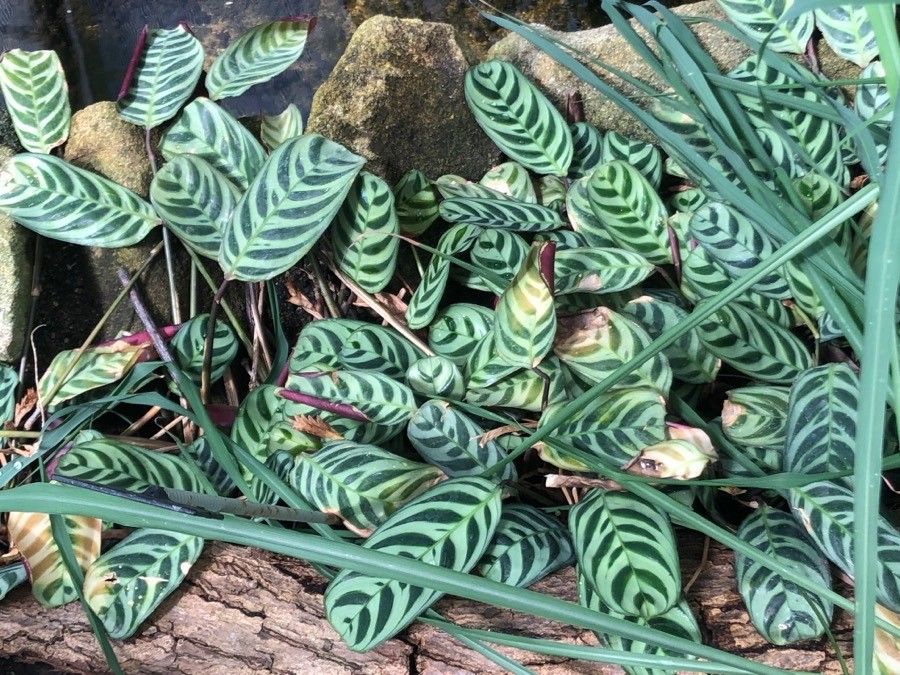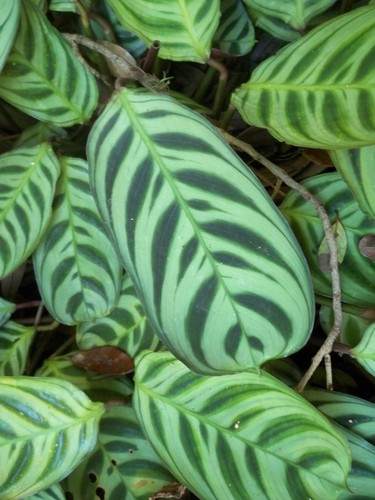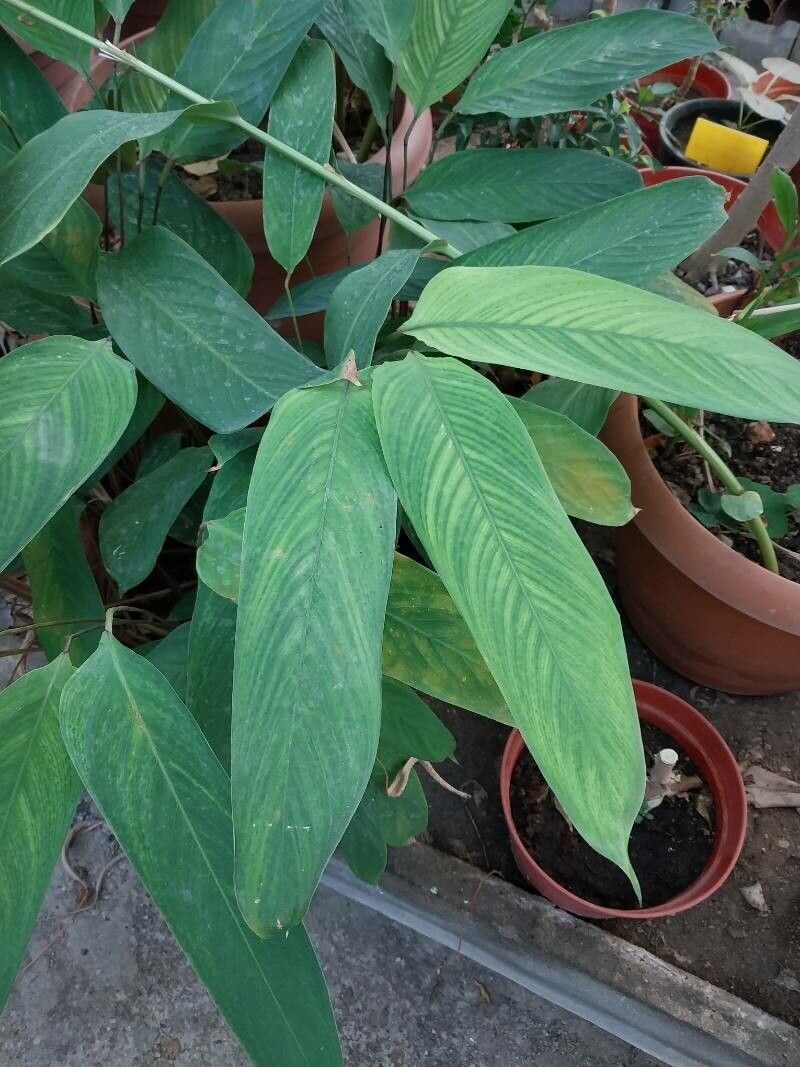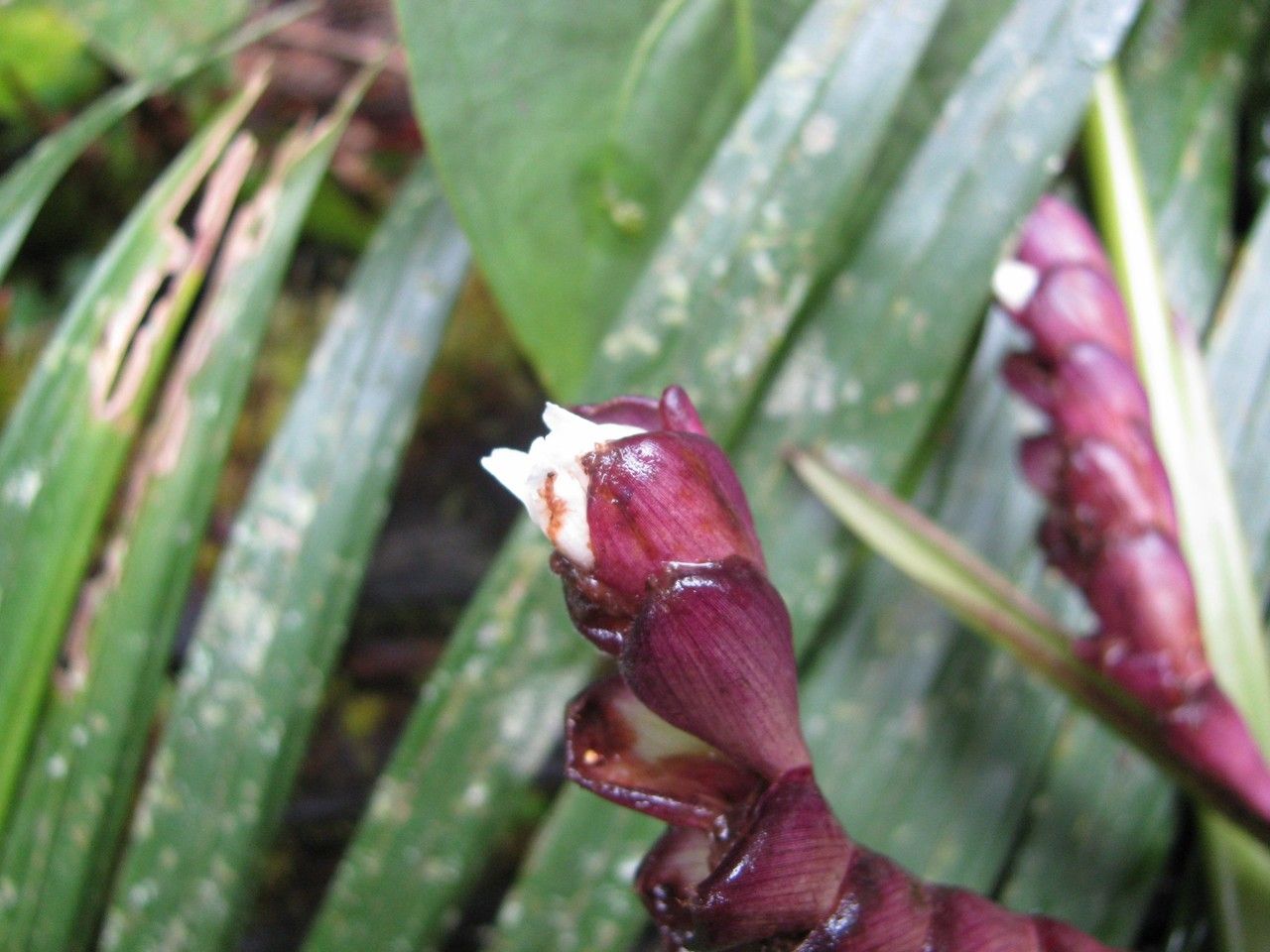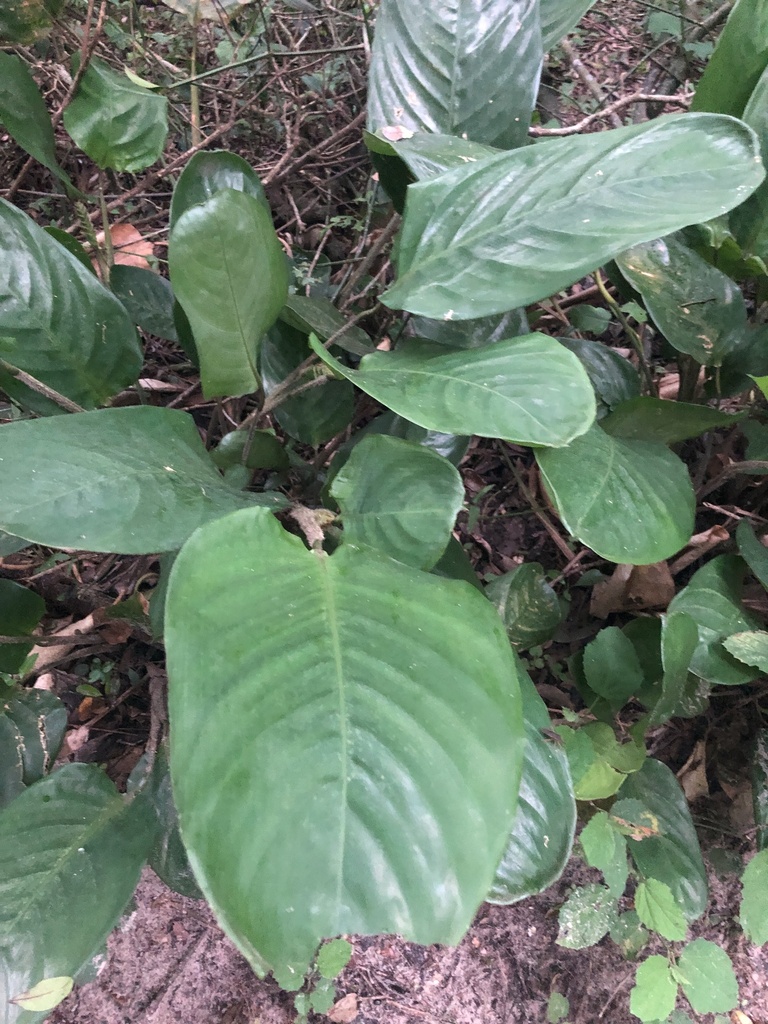
Never never plant has moderate resistance to disease but can be prone to leaf spot. Its leaves may curl and dry out when humidity is low. The plant is considered difficult to care for because it requires high humidity and good ventilation to grow properly. Those conditions can be hard to achieve in typical indoor environments. This plant is appropriate for people who can provide the necessary high humidity, although even experienced growers may find it challenging to get it to thrive. Beginners may be able to keep it alive, but it might not perform well.
How to keep Ctenanthe Setosa.
Light
The Never never plant prefers spots with moderate light and enough shade, reflecting its ancestral habitat. This indicates it has some tolerance for lower-light conditions, which protects it from damage caused by excessive light. However, if given too little light, its vigorous growth can be impeded and the plant may become weakened.
Water
The Never Never plant originates from tropical rainforests, where it thrives in high humidity and moist soil. To prevent waterlogging, it should be watered twice a week. Regular misting indoors helps maintain its decorative foliage and promotes lush leaf growth, mimicking its native humid environment.
Humidity
This plant needs special care because it loves high humidity levels of 60-80% or more. The best way to achieve this is by placing a humidifier near the plant. Daily misting is also essential! Make sure the room has good ventilation.
Temperature
The Never never plant comes from warm habitats and does best in temperatures of 59 to 95 °F (15 to 35 ℃). It prefers a warmer climate in spring and summer, but during autumn and winter it can handle slightly cooler conditions. Adjust accordingly.
Fertilizer
The best time to fertilize a Never never plant is in early spring, as it comes out of dormancy and begins active growth. Applying fertilizer supplies essential nutrients for healthy development. Although the Never never plant has relatively low fertilizer requirements, fertilizing once a year can improve its survival and encourage better, longer-lasting flowers.
Pruning
The Never Never plant is known for its striking foliage and compact growth. To keep it healthy and well-shaped, prune it in early spring to remove dead leaves and shape the plant. For a bushier appearance, trim the stems just above the nodes. Make sure to use clean tools to prevent disease. These practices will enhance the plant's vigor and appearance without affecting its sensitivity to heavy pruning.
Pot & Repot
When repotting a Never never plant, select a pot slightly larger than the current one that has good drainage. Repot during spring or fall, using a well-draining potting mix. Place the plant at the same depth as it was before. After repotting, water thoroughly and set it in a warm spot with bright, indirect light. Avoid overwatering to prevent root rot.
Botanical profile.
- Plant Type
- Herb
- Life Cycle
- Perennial
- Genus
- Ctenanthe
- Family
- Marantaceae
- Hardiness Zone
- 8-9
- Mature Height
- 0.91 m to 2.13 m
- Mature Spread
- 61 cm to 91 cm
- Leaf Color
- Green, Variegated
- Leaf Type
- Evergreen
- Flower Color
- White
- Flower Size
- 2.54 cm
- Bloom Time
- Summer, Early fall
- Planting Time
- Spring
- Harvest Time
- Late summer, Fall
- Native Area
- Brazil
Other names.
Reader questions.
What should I do if I give my Never never plant too much or too little water?
To determine if you have watering issues with your plant, carefully observe it. Overwatering can cause the leaves to turn yellow and develop yellow-brown patches at the tips. In more severe cases, the leaves may droop and curl due to root rot from excessive water. If you have an indoor Never never plant, be cautious as it cannot tolerate standing water. If you notice overwatering signs, such as standing water or leaf changes, stop watering and allow the soil to dry out for 3-5 days. If there is root rot, act quickly by removing the plant from its pot or ground, washing off the roots, removing any dead roots, and replacing the soil. If you plant outdoors, relocate the plant to a new spot. On the other hand, underwatering is also a concern. The Never never plant is sensitive to drought and will decline if not consistently watered. Signs of underwatering include curled, pendulous, lifeless leaves, yellowing from the bottom, and browning leaf edges. To address underwatering, increase the frequency of watering and consider increasing humidity or changing the plant's location if it is exposed to excessive sunlight or heat.
Why is it necessary to put fertilizer for my Never never plant?
The main structure of the Never never plant is made up of its leaves. Fertilization is an important way to make sure these leaves look good and function properly. When you fertilize the plant correctly, it will help the leaves stay consistently colorful and have a healthy texture. Fertilization also works underground to help the plant grow new roots and maintain the existing ones. This means that fertilization is not only important for the plant's current health, but it also helps it absorb nutrients from the soil better in the future.
What are the sunlight requirements for the Never never plant?
The Never never plant thrives in conditions that mimic its ancestral environment, requiring about 3-6 hours of sunlight a day and doing well under indirect sunlight throughout the day. It's important to watch how sunlight moves through your garden to ensure you find spots that offer a good balance of light and shade, aiming to replicate the moderately luminous locations with ample shade that the plant naturally prefers. This balance helps to avoid the risks associated with both under and overexposure to light, promoting healthy growth by preventing the plant from becoming weak due to insufficient light or damaged from too much direct sunlight.
What are the ideal temperature conditions for the Never never plant?
The Never never plant, or Ctenanthe setosa, thrives in toasty environments with temperatures ranging between 59 to 95 °F (15 to 35 ℃). It appreciates a warmer climate during the spring and summer months, however, in autumn and winter, it can withstand slightly cooler conditions. The plant has some cold tolerance and can generally endure temperatures above -5°C without requiring any additional cold protection measures. Yet, if temperatures are predicted to drop below -5°C, it's necessary to temporarily protect the plant using materials like plastic film or fabric, which should be removed once temperatures rise again.
How frequently should I water my Never never plant?
To keep your Never never plant healthy, it's generally recommended to water it once a week during spring. However, during summer, you should increase the frequency of watering compared to spring, and decrease it in winter. It's important to consider factors like humidity, temperature, and soil type when determining the watering schedule. To determine the appropriate watering frequency for your Never never plant, you can regularly check the soil condition using your finger or a Soil Moisture Meter. Aim to keep the soil moist but not soggy. Water the plant when the top 1.5-2 inches of soil has dried out, and adjust the watering schedule accordingly. Potted plants are more vulnerable to overwatering, so make sure to use a pot with proper drainage holes and well-draining soil. Ensure there's no excess water in the plant tray before watering. If your Never never plant is in the ground, it will benefit from rain. Typically, it needs about 1 inch of rain per week for optimal growth. However, if rainfall is insufficient, you may need to water the plant once a week to support its growth. Humidity also plays a role in proper watering. While plants can grow in normal room humidity, a higher humidity level of around 40 to 60 percent is preferable. Increased humidity keeps the soil moist for longer. For indoor plants, you can use a small humidifier near the plant, and for outdoor plants, misting them throughout the day can help maintain humidity.
When should I put fertilizer on my Never never plant?
If you grow your Never never plant outdoors each year, you'll see new growth in early spring. This is when you should start fertilizing. Normally, one round of fertilizer is enough, but if you want the plant to grow more, you can fertilize multiple times in spring and early summer. In this case, feed the plant every month to a month and a half.
How can artificial lighting be used for the Never never plant?
Artificial lighting can be crucial for the growth of indoor Never never plants, especially when natural sunlight is insufficient. LED lights are recommended because they can be tailored to provide specific wavelengths needed by your plants. The amount of artificial light required varies by the plant's sunlight needs: full sun plants need 30-50W/sq ft, partial sun plants need 20-30W/sq ft, and full shade plants need 10-20W/sq ft. The lights should be placed 12-36 inches above the plant to best mimic natural sunlight and should be on for 8-12 hours per day to simulate natural daylight hours.
How does the Never never plant react to low temperatures?
The Never never plant has a moderate tolerance to low temperatures, performing best when temperatures remain above 15°C. It should always be kept above -5°C during winter. If temperatures fall below -10°C, the plant's leaves may begin to droop, signaling mild distress. These leaves can recover in less severe cases, but in more extreme conditions, they will wilt and eventually fall off. The recommended solution to frost damage includes trimming off the frost-affected parts. To prevent future damage, the plant should be wrapped with protective materials like non-woven fabric or cloth and a wind barrier may be constructed to shield it from cold winds.
How should I water my Never never plant correctly?
There are various methods to water your Never never plant. If you have it in a small indoor pot, you can bring it to the kitchen sink and use the faucet to add water until it starts to drain out of the holes in the pot. Just be careful not to do this during winter or in cold climates, as the cold temperature can harm the plant's roots. If your tap water has high levels of fluorine, chlorine, or salts, it's better to use rainwater or lake water. The Never never plant can also be watered using a watering can, hose, or any other tool of your choice. If it's planted in the ground, aim the hose at the root system and water for over 10 minutes when there's not enough rain. Keep in mind that the Never never plant prefers soft, acidic water, so if you have hard water, consider using a water filter or letting the tap water sit for 24 hours to remove minerals and salts. Rainwater, with a pH of 6.5, is the best water choice for this plant, so you can collect and store it when it's raining.
When should I not use fertilizer on my Never never plant?
During late fall and winter, your Never never plant will stop growing and enter a dormant phase. It is important to refrain from fertilizing it during this time. In spring and summer, if you choose to fertilize, gradually decrease the amount as summer gets closer because the growth rate of the Never never plant will also decrease. In general, it is not advisable to fertilize the Never never plant during extremely hot weather or when the soil is very dry. Fertilizing in these conditions can cause stress and premature death of the plant.
What are the symptoms of insufficient light for the Never never plant?
The Never never plant exhibits several symptoms when subjected to insufficient light, such as smaller new leaves, leggy or sparse growth, faster leaf drop, slower or halted growth, and lighter-colored new leaves. These symptoms reflect the plant's struggle to adapt to suboptimal light conditions. Additionally, excessive sunlight can lead to chlorosis, sunscald, leaf curling, wilting, and leaf scorching. Each of these conditions negatively impacts the plant's health, indicating the need for light condition adjustments.
What should be done if the Never never plant is exposed to high temperatures?
The Never never plant should ideally be kept below 35°C during the summer. Exposure to temperatures above 38°C can cause the leaves to lighten in color, dry out at the tips, curl, and make the plant more prone to sunburn. To manage heat stress, trim away the sunburned and dried parts of the plant. Relocate the plant to a shaded area or utilize a shade cloth to protect it from the harsh midday and afternoon sun. Ensuring the soil remains moist with watering sessions in the morning and evening can also help mitigate the effects of high temperatures.