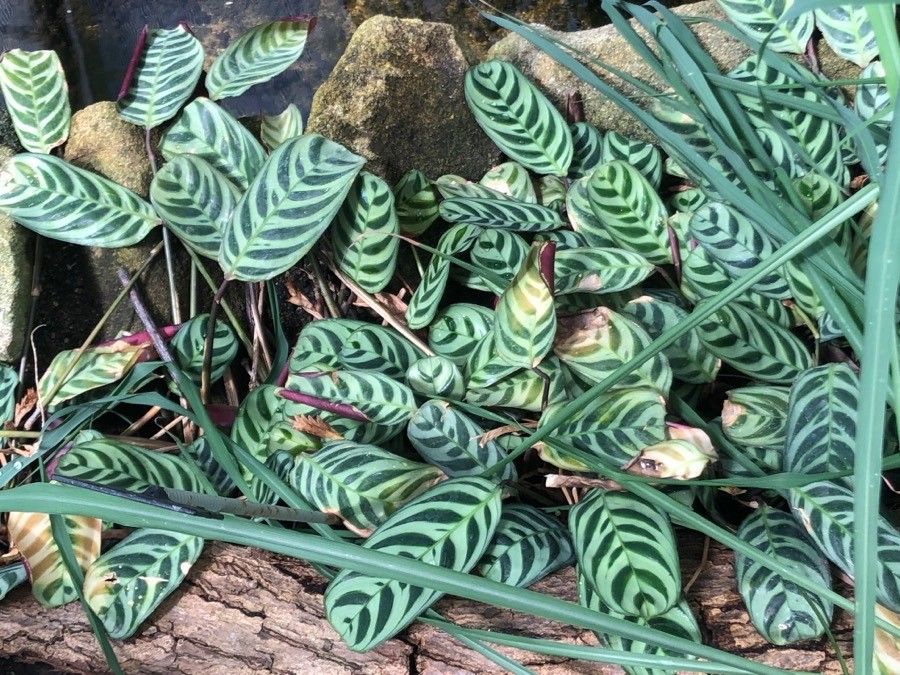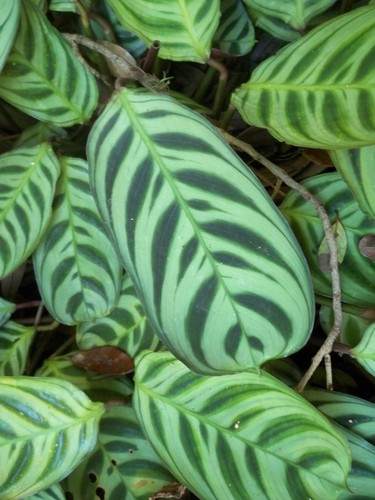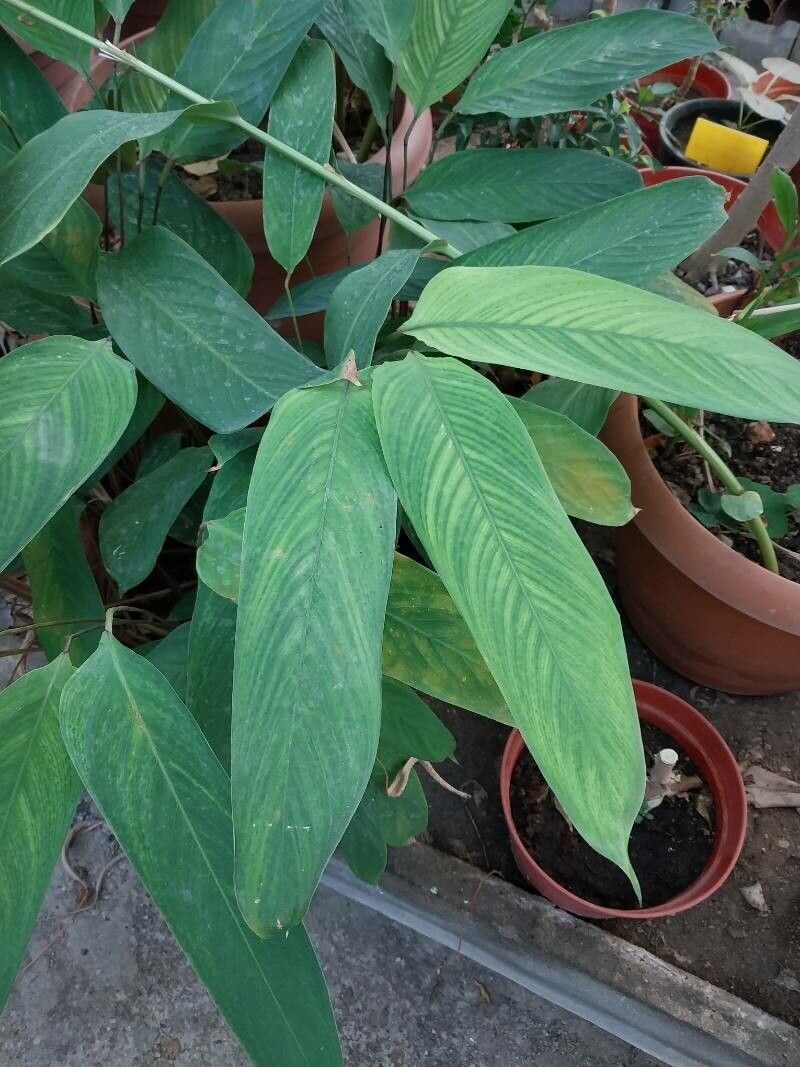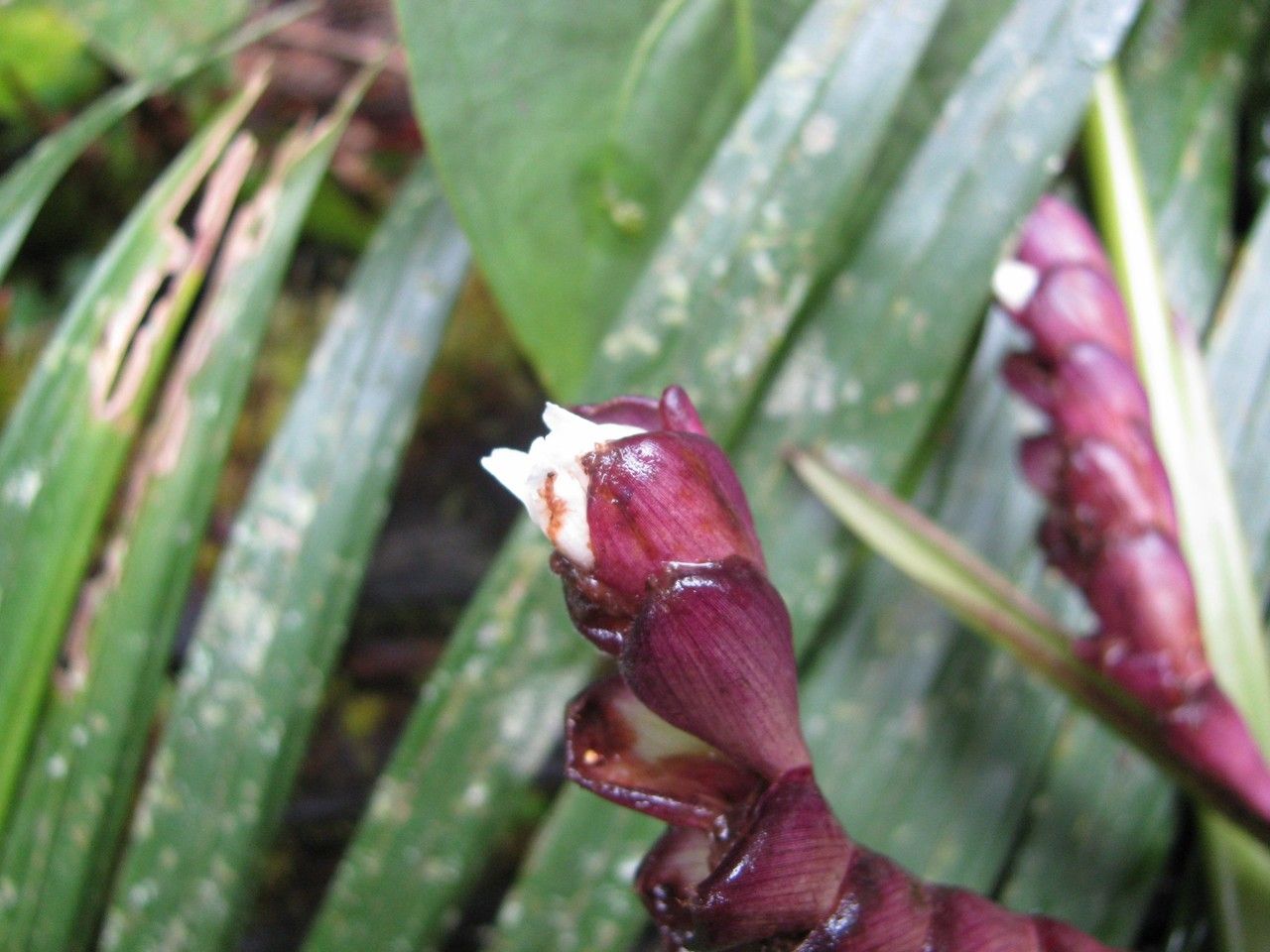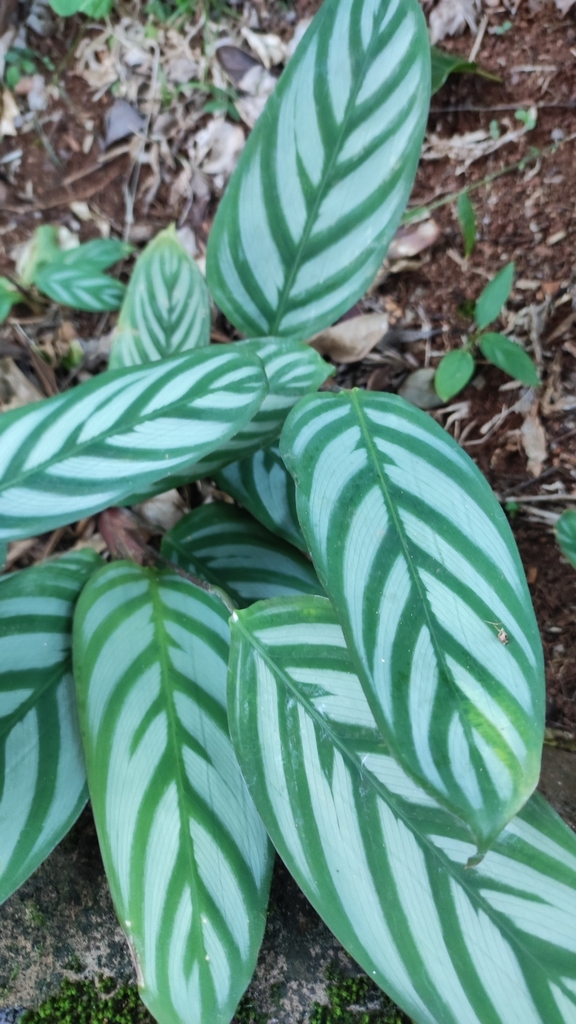
Ctenanthe oppenheimiana, commonly known as the Never Never Plant, is a tropical evergreen native to Brazil. This plant belongs to the Marantaceae family and is popular as a houseplant due to its striking foliage. The large, oval-shaped leaves feature vibrant patterns of green, silver, and purple on the upper surface, while the underside boasts a deep purple hue.
Under optimal conditions, which include bright indirect light and consistently moist soil, this plant can grow up to 2 feet tall and wide. It thrives in high humidity but can also tolerate lower humidity levels. Additionally, Ctenanthe oppenheimiana is non-toxic to pets, making it an excellent choice for pet owners seeking a beautiful indoor plant that won't harm their furry friends.
The Never-never-plant has moderate resistance to disease but can be prone to leaf spot disease. Its leaves can curl and dry out if humidity is low. The plant is considered challenging to care for, since it needs high humidity and good air circulation to grow well. These conditions can be hard to maintain in typical indoor settings. The Never-never-plant is best for people who can provide high humidity, but even experienced growers may find it difficult to get it to flourish. Beginners might be able to keep it alive, though it may not perform strongly.
How to keep Ctenanthe Oppenheimiana.
Light
Never-never-plant is indigenous to habitats such as forest understories or rocky areas, where it receives natural shade. It favors partial sun but can adjust to full sun or full shade, illustrating its adaptable and hardy nature.
Water
The Never-Never Plant thrives in tropical rainforests, where it prefers consistently moist soil and high humidity. To keep this plant healthy, water it weekly to maintain the right moisture balance. When grown indoors, regularly mist the plant to mimic its natural humid environment, which helps support its lush foliage even during the non-growing seasons.
Temperature
The never-never-plant comes from tropical areas where the climate is typically warm and humid. As a result, it is adapted to high temperatures and humidity. It dislikes sudden temperature changes and prefers a stable temperature environment, so it's important to avoid fluctuations in indoor temperature. It usually does not tolerate cold and needs higher temperatures to grow. If the surrounding temperature falls too low, the plant may stop growing or even die.
Fertilizer
Never-never-plant needs the most fertilizer during its active growth period, which takes place mainly in spring, summer, and early fall. Fertilizing is necessary to supply essential nutrients that may be missing from the soil, supporting healthy root and stem development as well as the attractive foliage that is a notable feature of this plant.
Pruning
The never-never plant has striking variegated leaves and greatly benefits from pruning in early spring. Pruning helps remove dead foliage, promotes denser growth, and improves airflow. To ensure the plant remains vibrant and healthy, use clean, sharp tools to minimize damage.
Pot & Repot
When repotting a Never-never-plant, select a pot slightly larger than the previous one that offers good drainage. Repot in spring or fall, using a well-draining potting mix. Plant it at the same depth as before. Water thoroughly after repotting and place in a warm spot with bright, indirect light. Avoid overwatering to prevent root rot.
Toxicity
The bamburanta species is non-toxic according to the APSCA. The plant doesn't contain any toxic substances and is generally safe to handle. It is safe to cultivate it indoors without worrying about poisoning your kids or animals. Some persons have reported mild allergic reactions, despite the fact that they are not hazardous.
Further reading →
The toxicity and danger assessments provided are for reference only. We do not assure their accuracy, so it's crucial not to depend on them. Seek professional advice when necessary for accurate guidance.
Botanical profile.
- Plant Type
- Herb
- Life Cycle
- Perennial
- Genus
- Ctenanthe
- Family
- Marantaceae
- Hardiness Zone
- 10-12
- Mature Height
- 61 cm to 91 cm
- Mature Spread
- 0.91 m to 1.22 m
- Leaf Color
- Red, Green, Cream
- Leaf Type
- Evergreen
- Flower Color
- White
- Flower Size
- 1.02 cm to 2.03 cm
- Bloom Time
- Summer, Early fall
- Planting Time
- Spring, Summer, Autumn
- Harvest Time
- Late summer, Fall
- Native Area
- Brazil
Other names.
Reader questions.
What are the sunlight requirements for a Never-never-plant?
The Never-never-plant, or Ctenanthe oppenheimiana, thrives under specific lighting conditions. It requires about 3-6 hours of sunlight daily, making partial sun exposure ideal. Additionally, this plant flourishes in environments where it can receive indirect sunlight throughout the day. It's essential to observe the movement of sunlight in your garden to find the best spots that offer a harmonious balance of light and shade. This careful placement ensures your Never-never-plant remains healthy and happy.
What is the common name of the Ctenanthe oppenheimiana?
The common name of the Ctenanthe oppenheimiana is the Never-never plant.
What are the symptoms of issues with the Never-never plant?
There were no symptoms provided for issues with the Never-never plant.
What are the essential care tips for the Never-never plant?
There were no essential care tips provided for the Never-never plant.