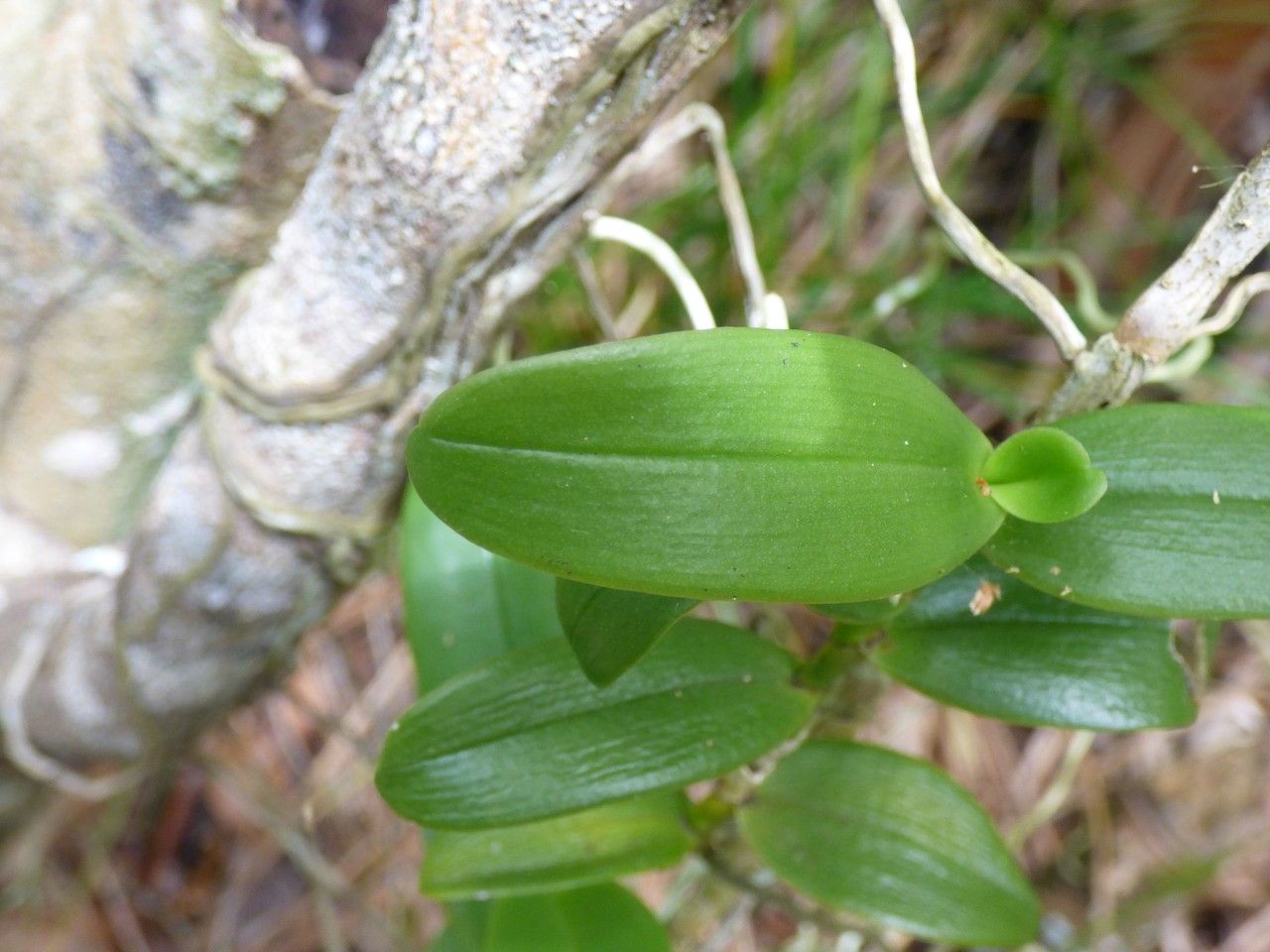
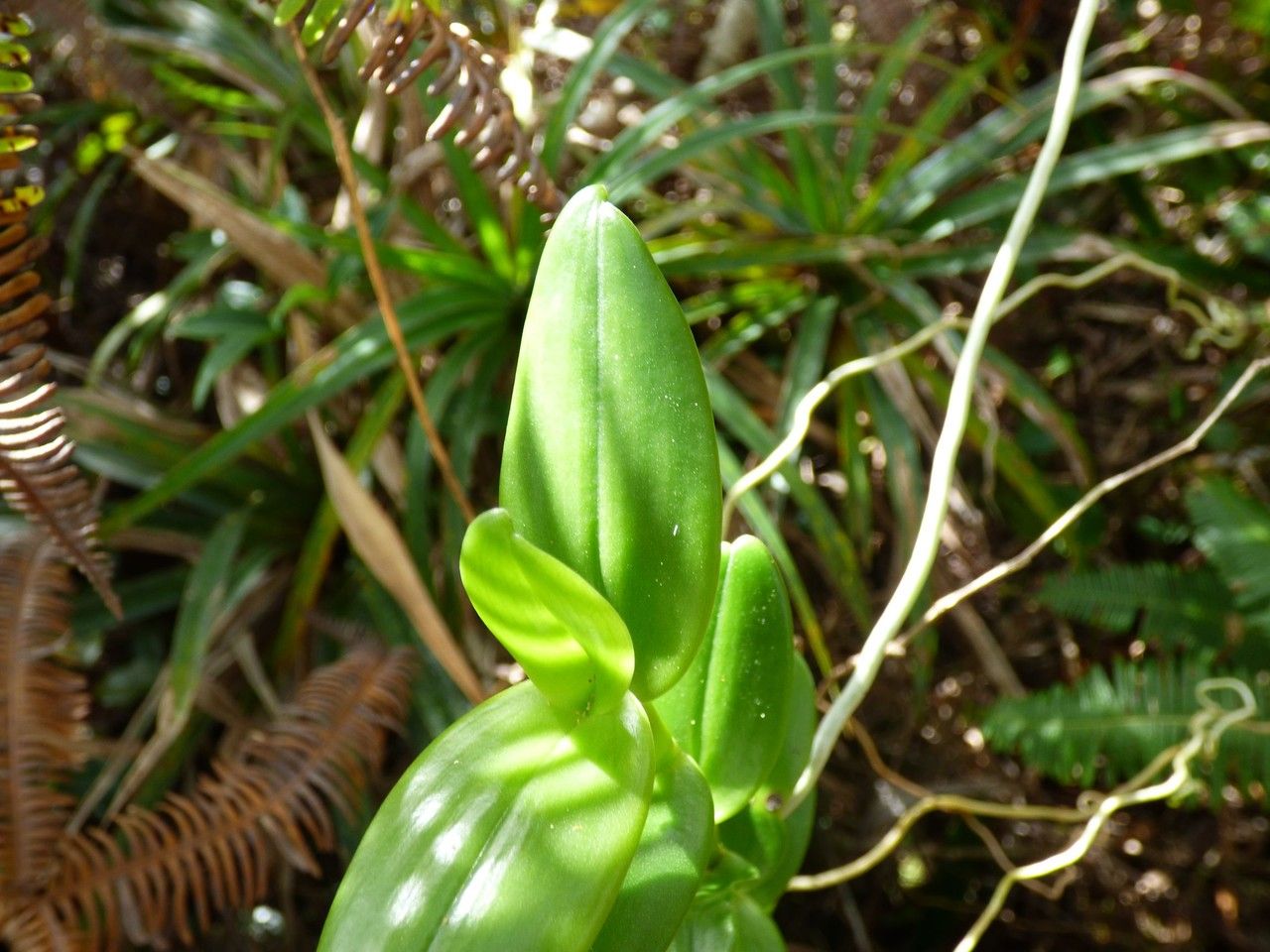
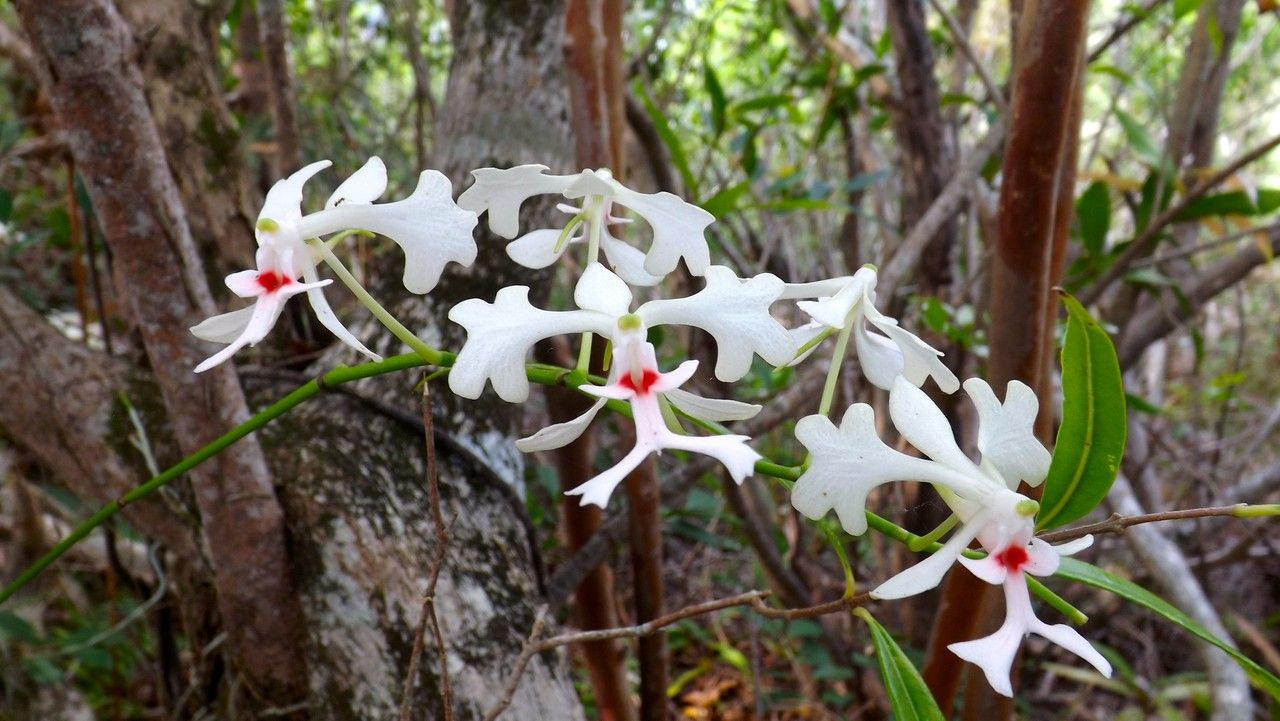
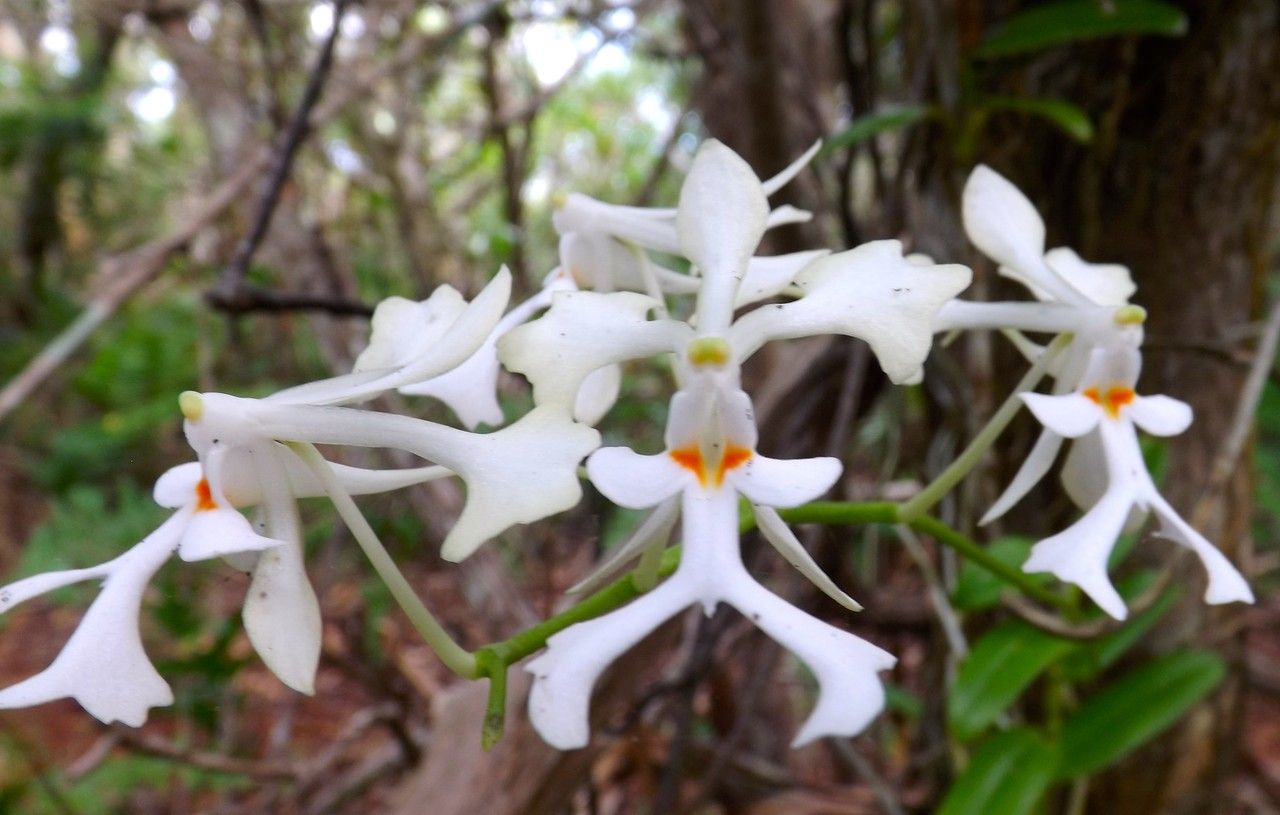
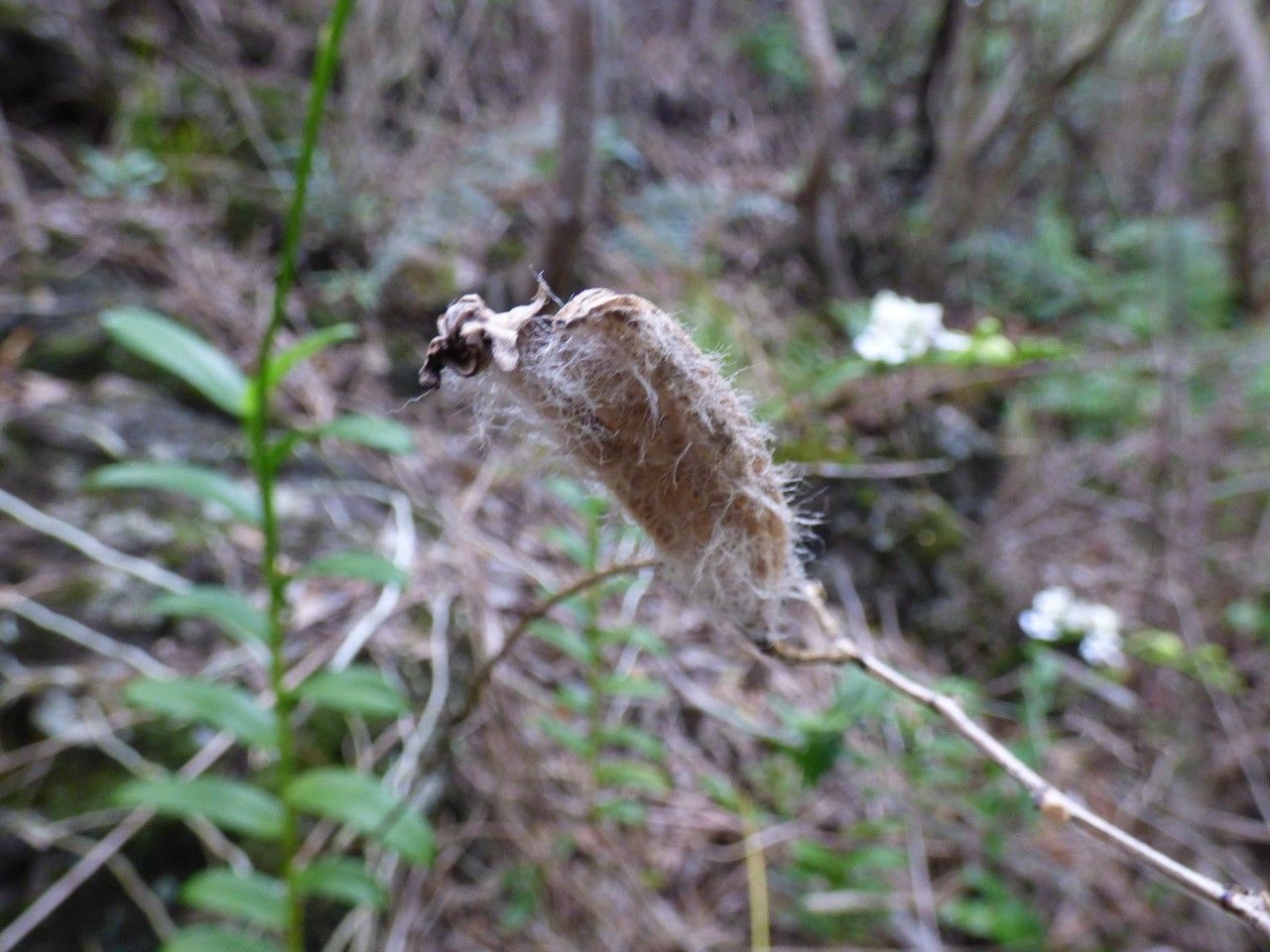
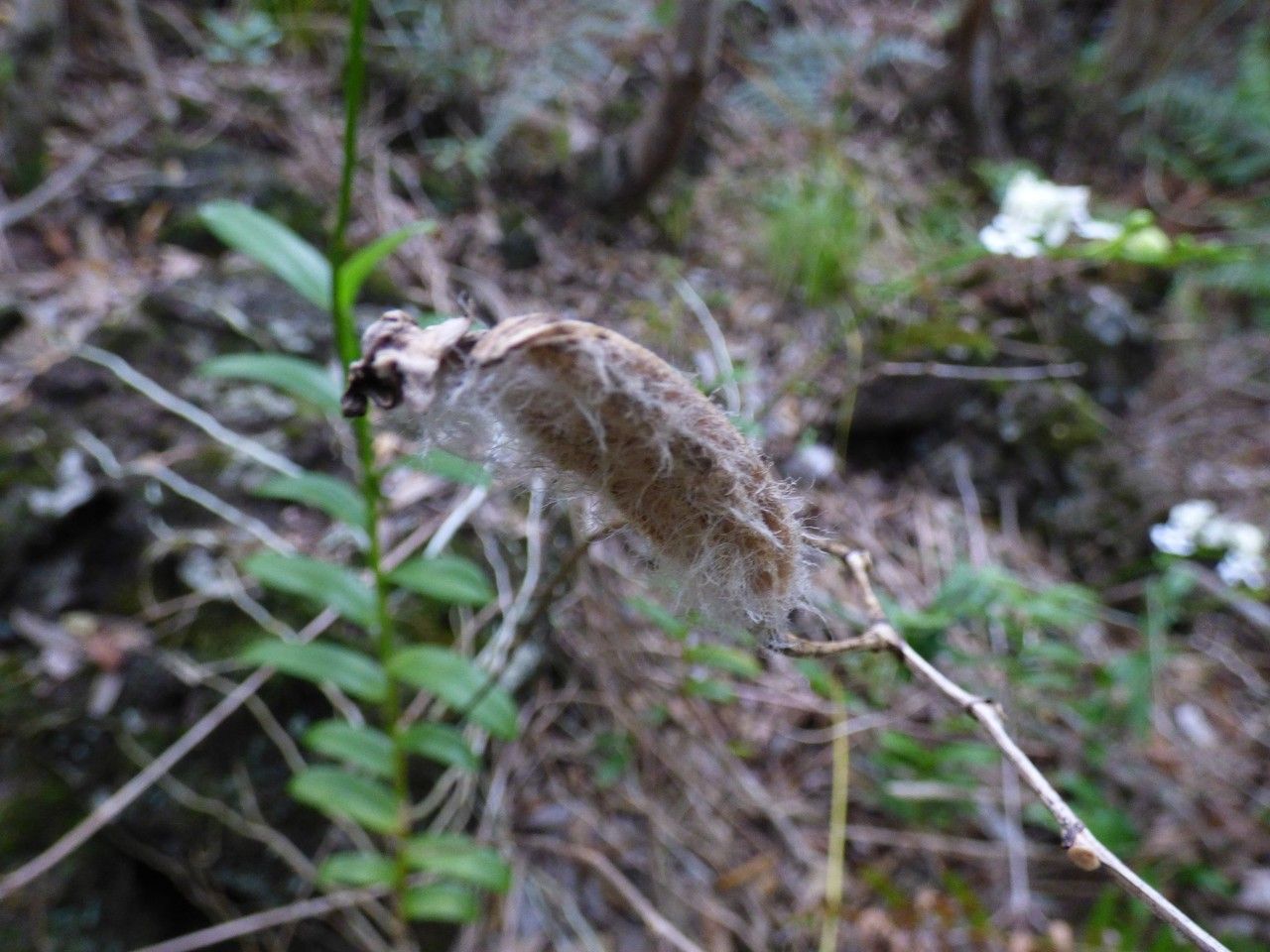
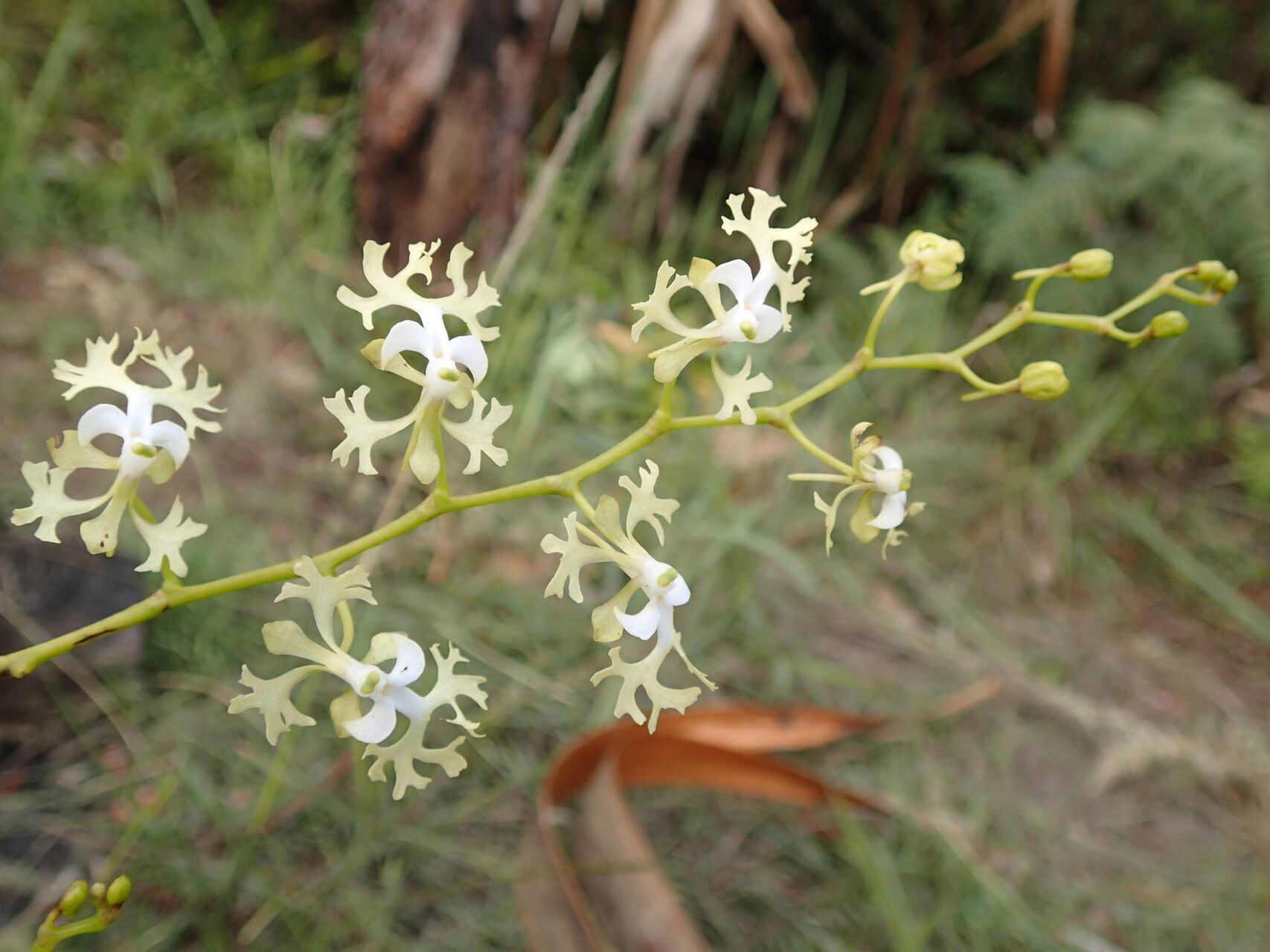
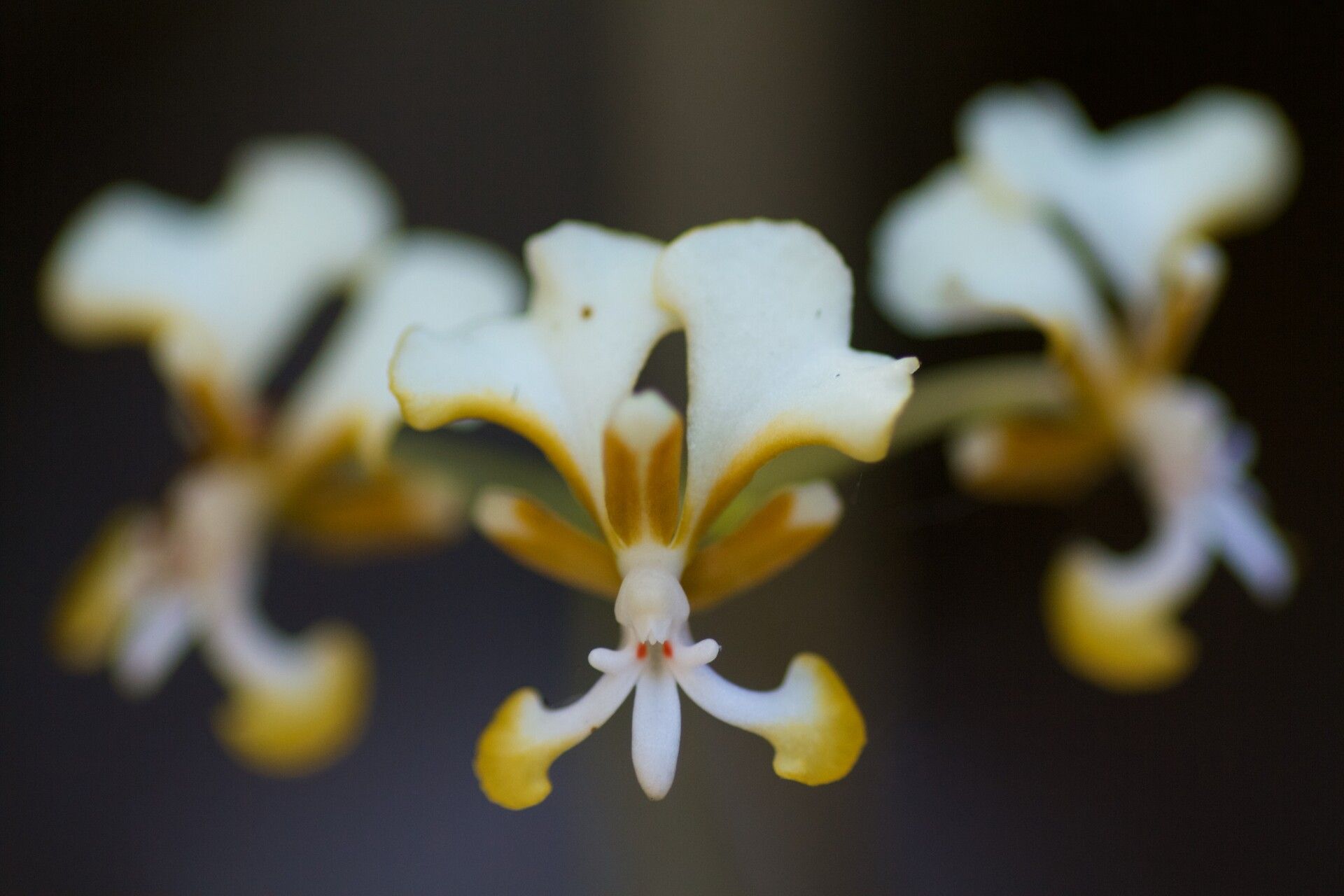
Stately cryptopus is typically resistant to disease and has comparatively few insect pests. Its care is classified as difficult, since it needs a high-humidity but well-ventilated environment with limited harmful pathogens. Too much watering can result in root rot. Although anyone can cultivate Stately cryptopus, keeping it healthy and inducing it to flower again requires more growing experience.
How to keep Cryptopus Elatus.
Light
Stately cryptopus is indigenous to habitats such as forest understories or rocky locales, where it occurs under natural shade. It prefers partial sun but can tolerate full sun or full shade, demonstrating its versatile and hardy nature.
Water
Originating from tropical forests, the stately Cryptopus plant thrives in high humidity and consistent moisture. To mimic its natural habitat, water it weekly. As an indoor epiphyte, it benefits from regular misting to maintain lush foliage throughout its growth cycles.
Temperature
Stately cryptopus flourishes in warm conditions. It does best at moderately high temperatures that are not excessively hot or humid. Sunlight helps warm the plant and encourages flowering. Nevertheless, extended direct sun in summer can cause sunburn, so it is important to limit the amount of light it receives during that season. The plant generally copes poorly with cold, so it needs proper protection and warmer conditions in winter to avoid freezing.
Fertilizer
Correct fertilization is essential for the health and appearance of Stately cryptopus. Fertilize Stately cryptopus during summer, applying it monthly throughout the season. Nutrients provide the energy for growth and help maintain the plant's parts. Regular feeding improves Stately cryptopus's floral display, ensuring the best blooms.
Pruning
The stately Cryptopus boasts elegant, arching foliage. To keep it healthy and attractive, it’s best to prune it from late winter to early spring. Remove any dead stems and thin out crowded areas to improve air circulation. This pruning encourages healthy growth, results in denser foliage, and helps prevent disease, ensuring that the plant remains attractive throughout the growing season.
Botanical profile.
- Plant Type
- Herb
- Life Cycle
- Perennial
- Genus
- Cryptopus
- Family
- Orchidaceae
- Hardiness Zone
- 10-12
- Mature Height
- 30 cm to 61 cm
- Mature Spread
- 20 cm to 30 cm
- Leaf Color
- Green
- Leaf Type
- Evergreen
- Flower Color
- White
- Flower Size
- 2.03 cm to 3.05 cm
- Bloom Time
- Early summer, Mid summer
- Planting Time
- Spring, Summer, Autumn
- Harvest Time
- Late summer, Early fall
Other names.
Reader questions.
What are the sunlight requirements for Stately cryptopus?
Stately cryptopus thrives in environments with partial sun, requiring about 3-6 hours of sunlight daily. It can also tolerate full shade, making it a versatile plant suited for various lighting conditions. While it can adapt to full sunlight, it is native to forest understories or rocky areas, experiencing natural shade.
What is the botanical name of the Stately cryptopus?
The botanical name of the Stately cryptopus is Cryptopus elatus. This detail specifies the scientific classification of the Stately cryptopus, aiding in its identification and study.
What should I do if my plant doesn't get enough natural light?
If your Stately cryptopus isn't receiving adequate natural sunlight, you can supplement with artificial lighting. LED lights are recommended because they can be customized to provide the specific wavelengths your plant needs. Full sun plants require 30-50W/sq ft, partial sun plants need 20-30W/sq ft, and full shade plants need 10-20W/sq ft of artificial light. Ensure the light source is 12-36 inches above the plant and mimic natural daylight hours, usually 8-12 hours per day.
What are the symptoms of insufficient light in Stately cryptopus?
Symptoms of insufficient light in Stately cryptopus include smaller new leaves, leggy or sparse growth, faster leaf drop, slower or no new growth, lighter-colored new leaves, chlorosis, sunscald, leaf curling, wilting, and leaf scorching. These symptoms indicate that your plant is not receiving the optimal amount of sunlight it requires for healthy growth.
How do I adjust my Stately cryptopus to the right amount of sunlight?
To optimize growth for your Stately cryptopus, gradually increase its exposure to sunlight. For indoor plants, shift them to sunnier spots each week or use artificial lighting for at least 8 hours daily. For outdoor plants, gradually move them to sunnier locations each week, avoiding sudden changes to prevent sunburn. If sunlight is blocked by obstructions like trees, consider pruning to improve light access. For smaller plants, transplanting during the dormant period to a sunnier location might be beneficial.