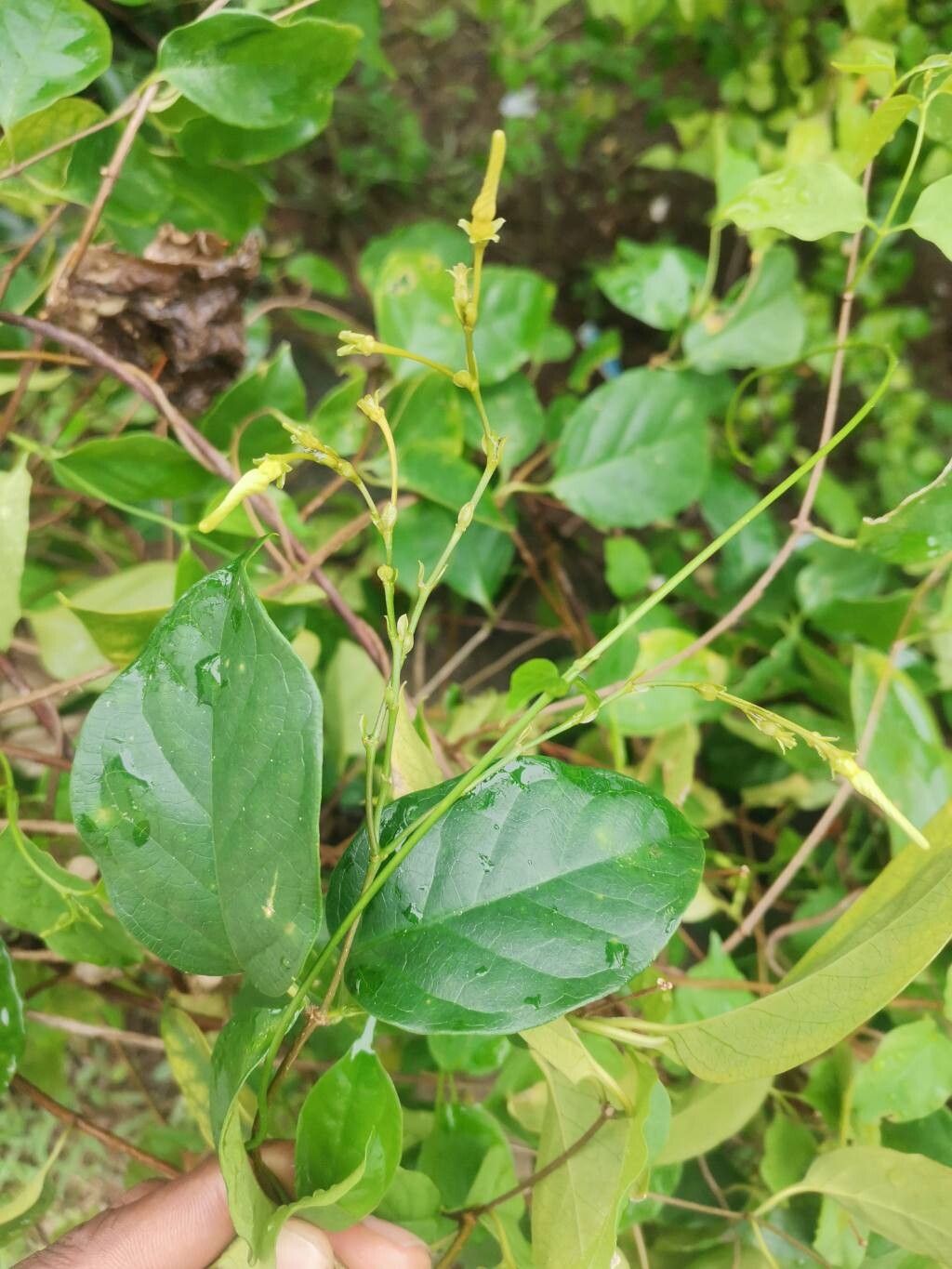
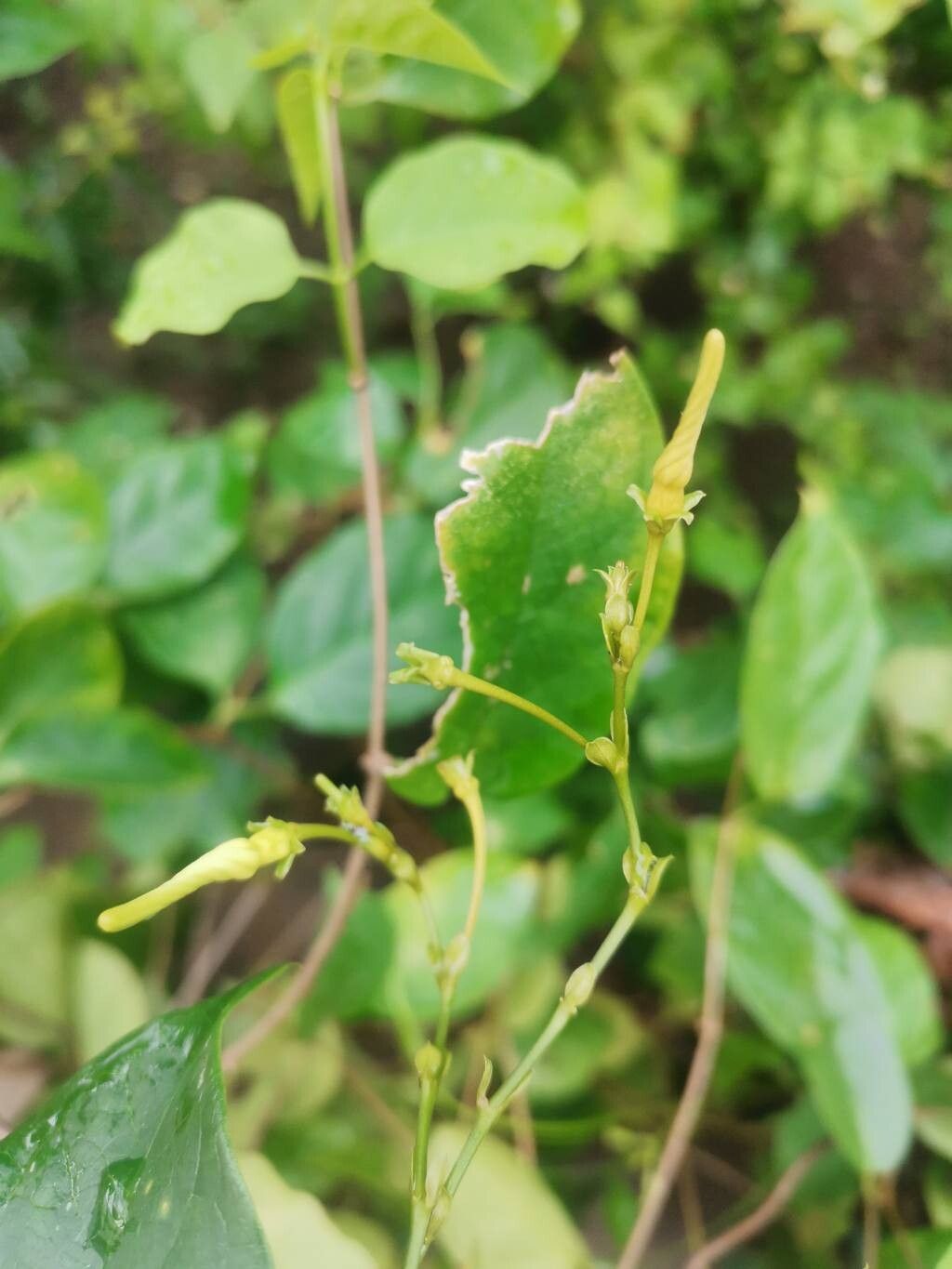
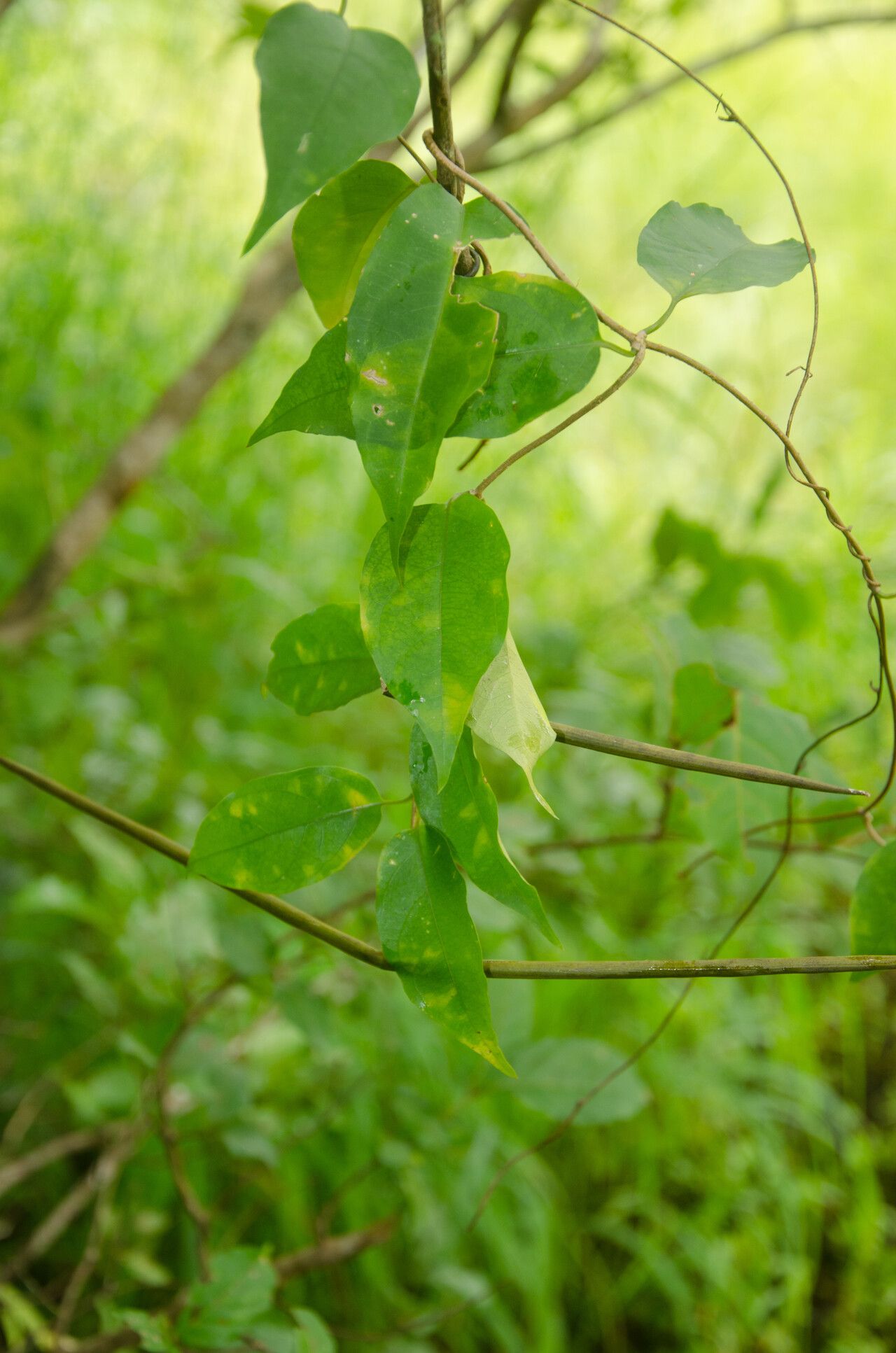
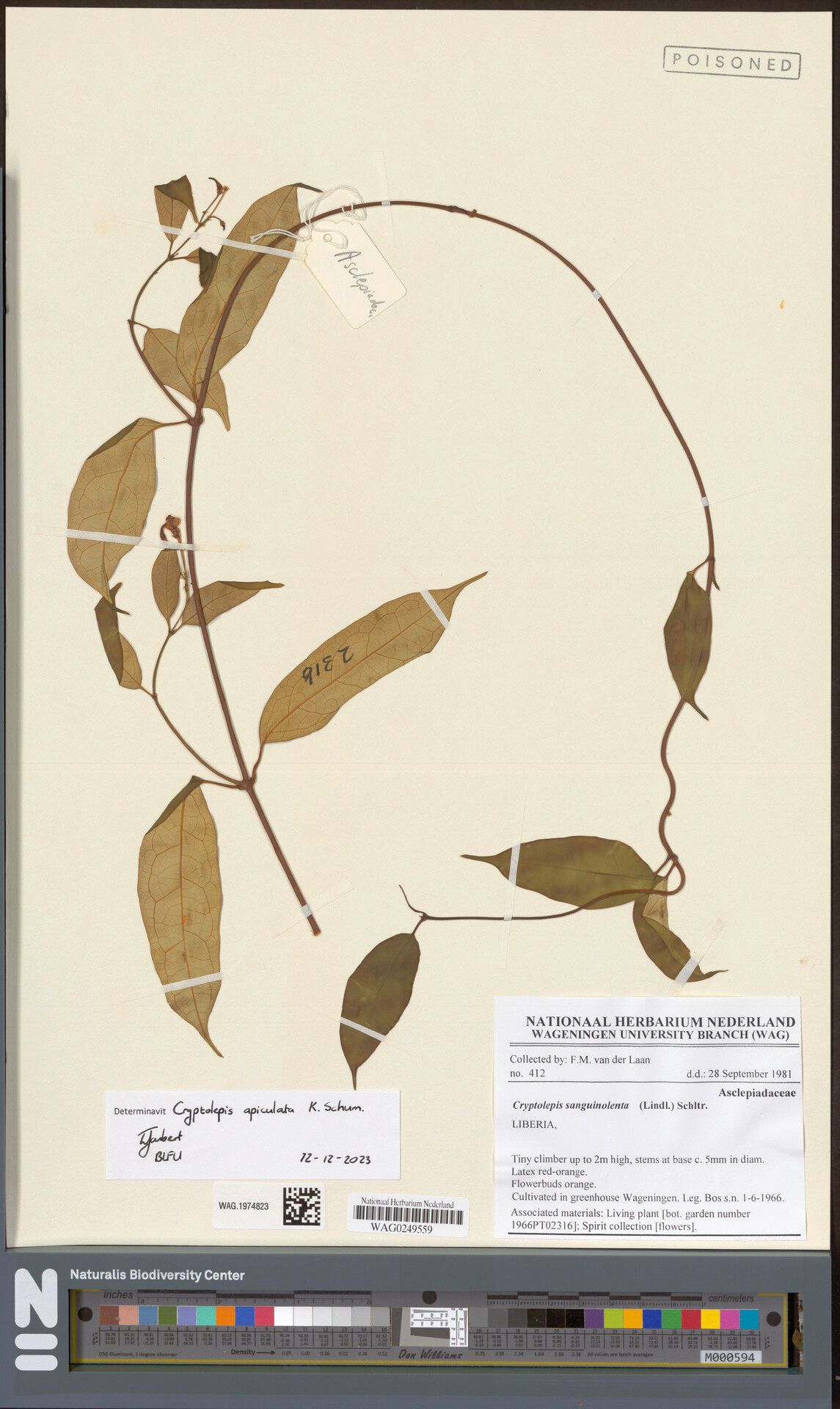
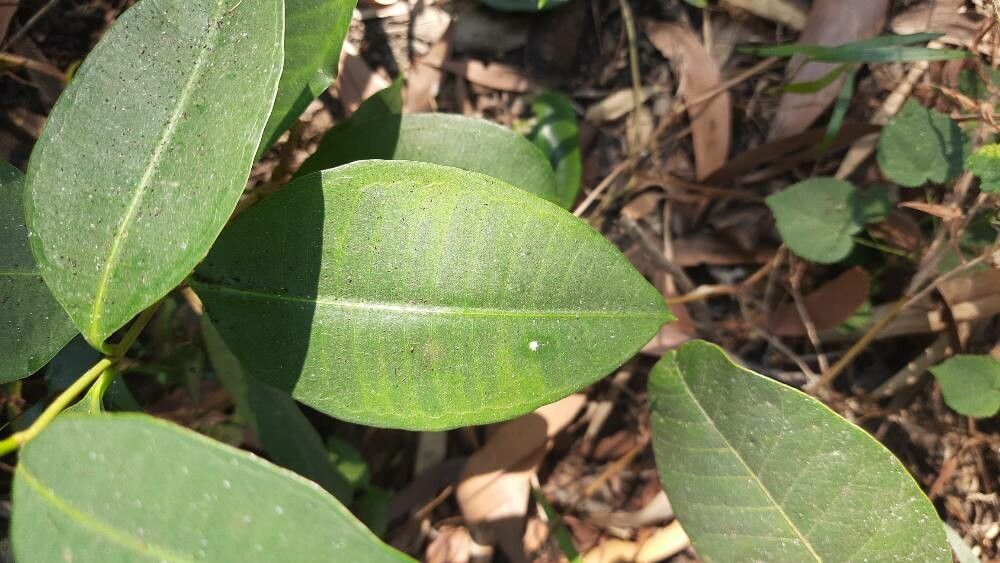
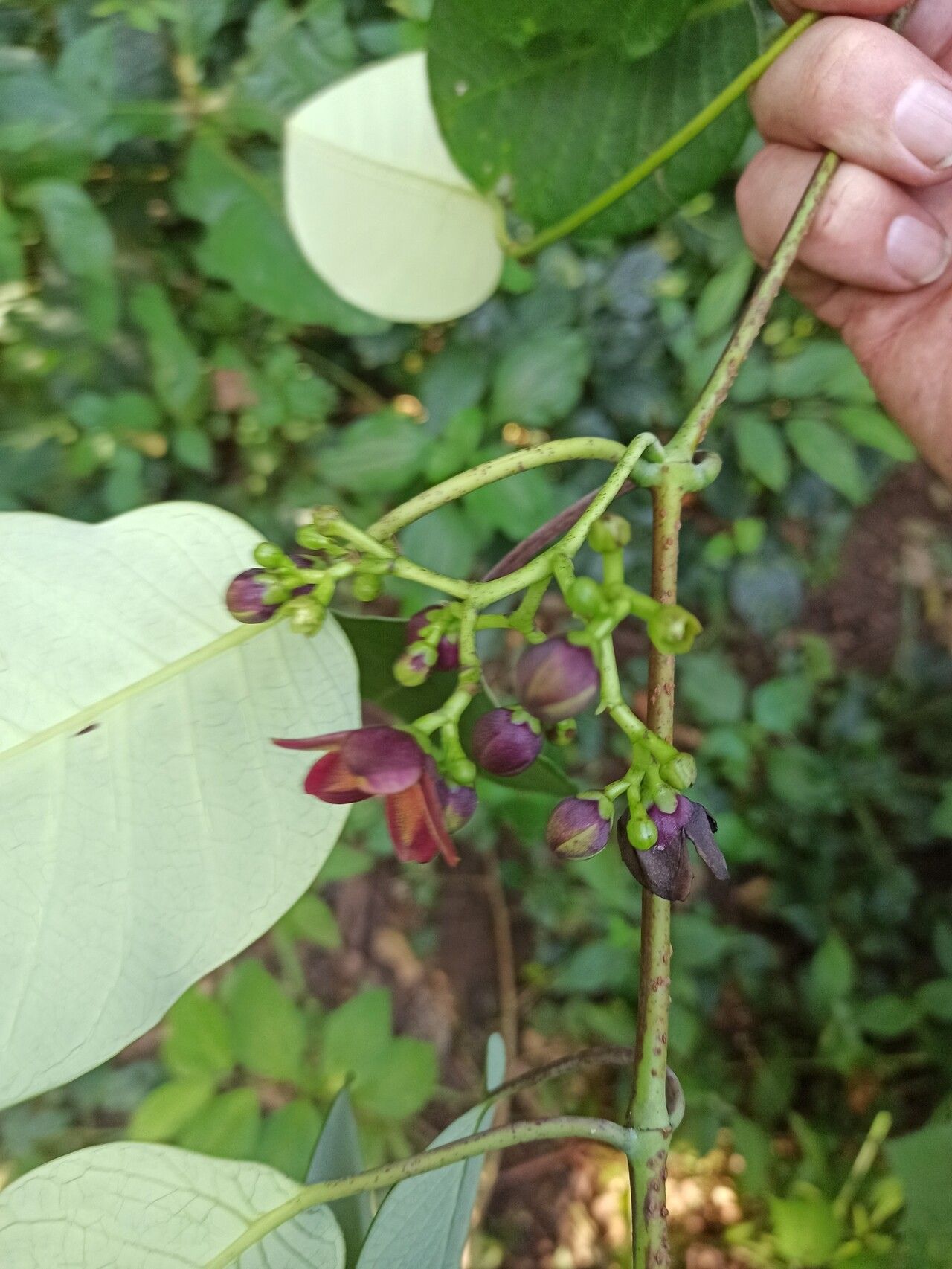
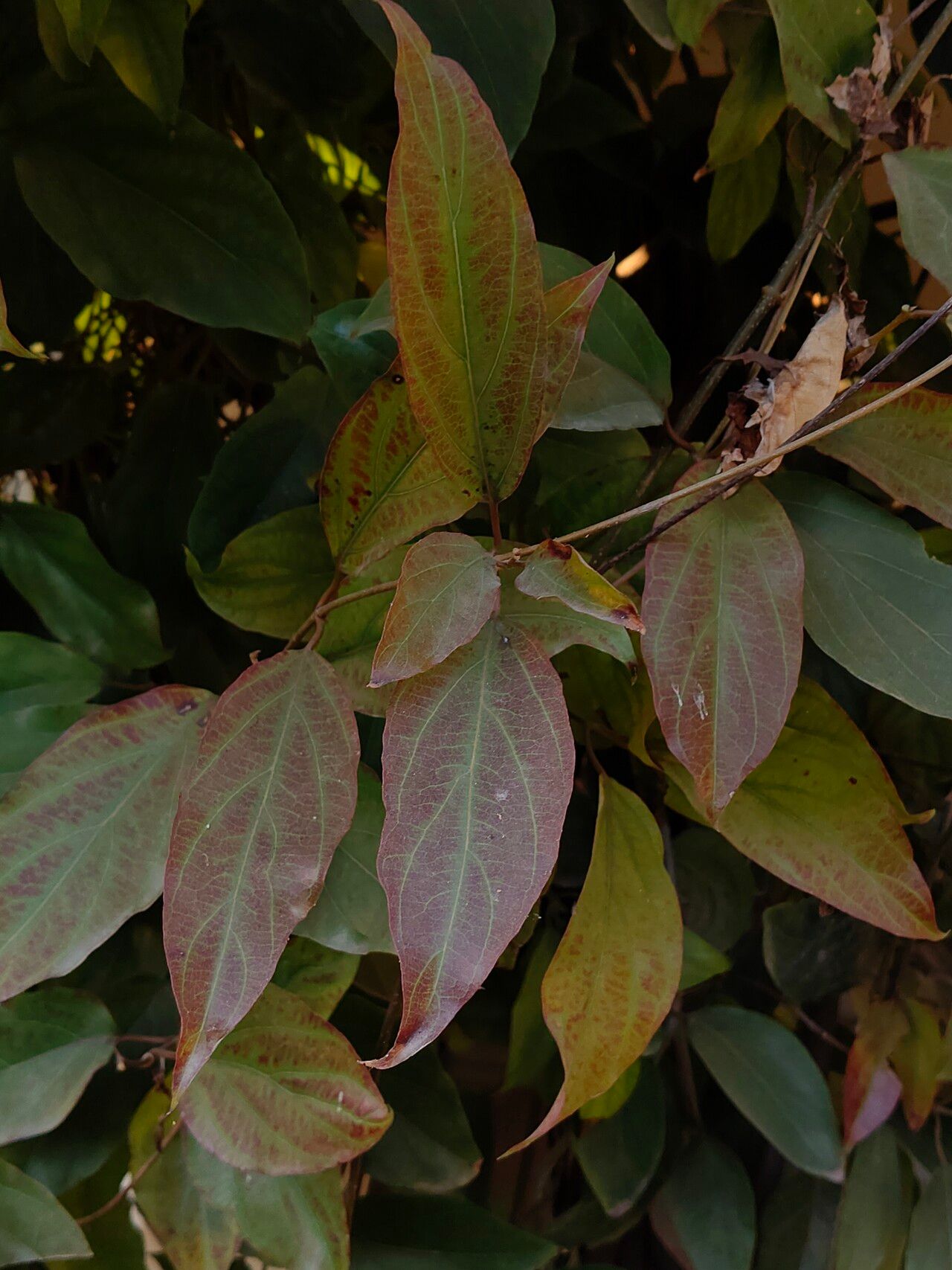
Cryptolepis sanguinolenta is resistant to disease and is generally unlikely to develop illnesses. In terms of care, this plant is fairly low maintenance. When grown outdoors it needs little watering, and larger specimens typically do not require pruning. However, smaller plants should be trimmed after they finish blooming. Cryptolepis sanguinolentat is appropriate for anyone who has an outdoor area, such as a garden or deck, and does not demand extensive care experience.
How to keep Cryptolepis Sanguinolenta.
Light
Cryptolepis sanguinolenta hails from open habitats like sunny fields and fringes of forests that offer plenty of light. It flourishes in areas with Full Sun, but is also tolerant to Partial Sun, demonstrating adaptability to a range of sun exposure levels.
Temperature
Cryptolepis sanguinolenta hails from areas with a tropical climate, where the weather conditions are typically hot and humid. Consequently, it is well-suited to environments with high temperatures and moisture levels. It dislikes abrupt changes in temperature and prefers consistency in this area, therefore, it's crucial to maintain steady indoor temperatures. Generally, it does not withstand chilly temperatures and requires warmth for its growth. Should the temperature in its surroundings become too cold, the plant might stop growing or even perish.
Fertilizer
The care of Cryptolepis sanguinolenta heavily relies on fertilization. Continual nourishment during the cultivation period aids in the maintenance of lively leaves and promotes comprehensive growth. Failure to provide adequate fertilization might lead to poor leaf health, reduced decorative value, and inhibited or frail growth which is susceptible to damage.
Botanical profile.
- Plant Type
- Vine
- Life Cycle
- Perennial
- Hardiness Zone
- 10-12
- Mature Height
- 2.13 m to 3.96 m
- Mature Spread
- 0.91 m to 2.13 m
- Leaf Color
- Dark Green
- Leaf Type
- Deciduous
- Flower Color
- Yellow
- Flower Size
- 0.51 cm to 0.76 cm
- Bloom Time
- Summer, Early fall, Mid fall
- Planting Time
- Spring, Summer, Autumn
- Harvest Time
- Late summer, Fall, Early winter
- Native Area
- Benin, Burkina Faso, Angola, Sierra Leone, Cameroon, Guinea-Bissau, Togo, Senegal, Ghana, Nigeria, Guinea, Congo (DRC)