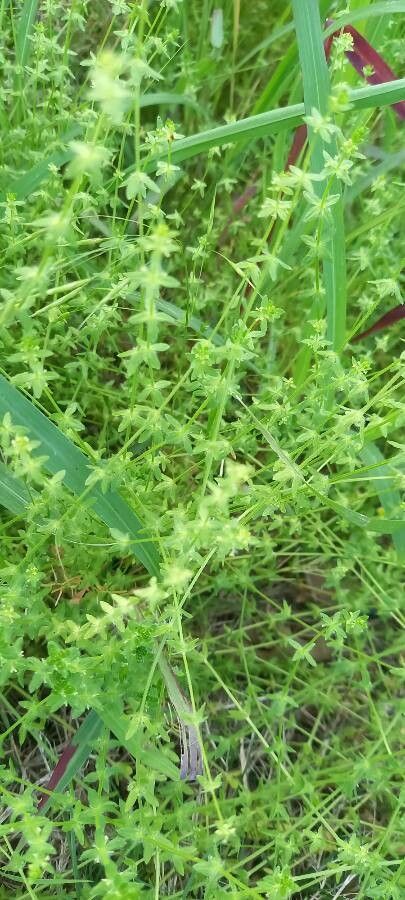
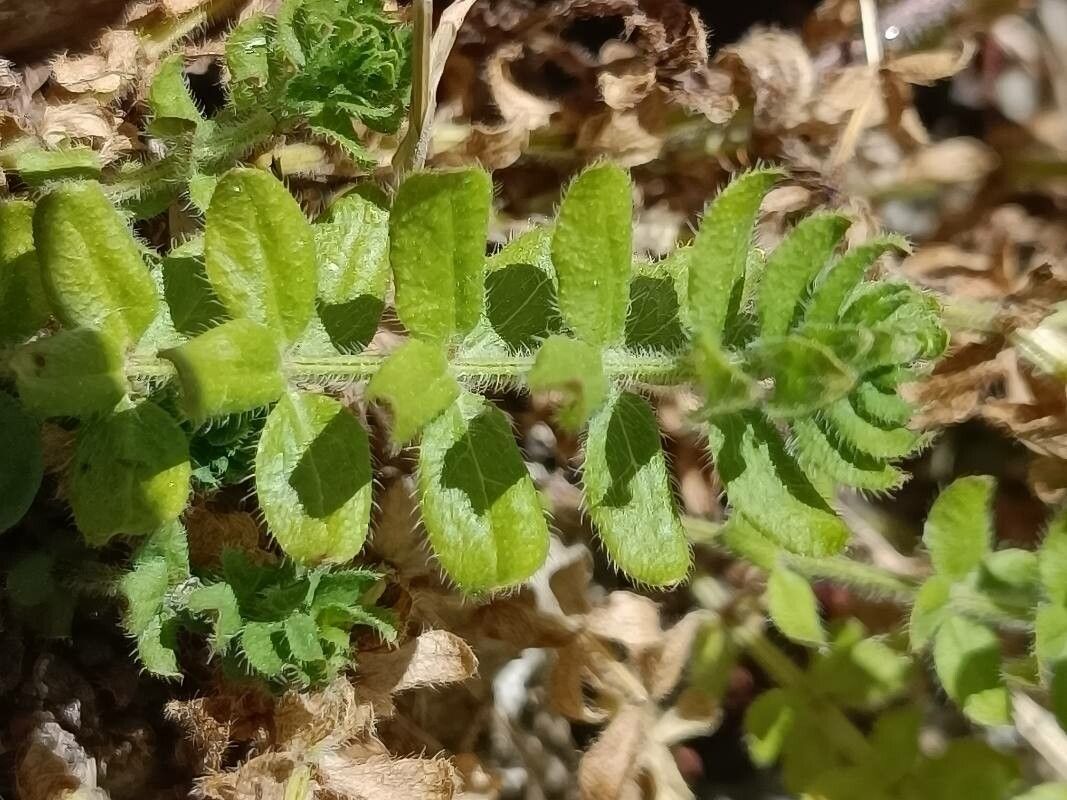
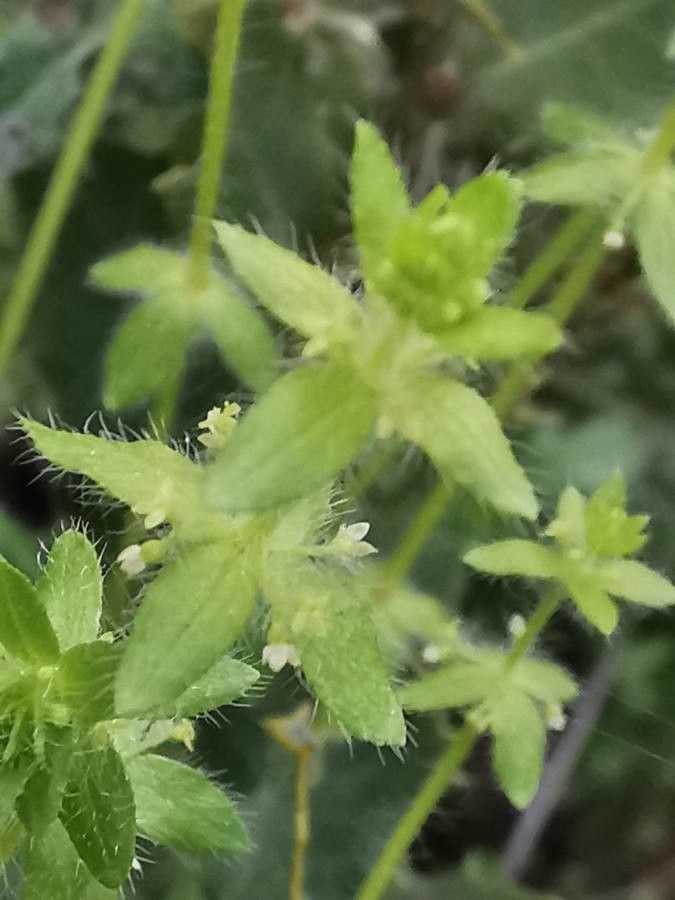
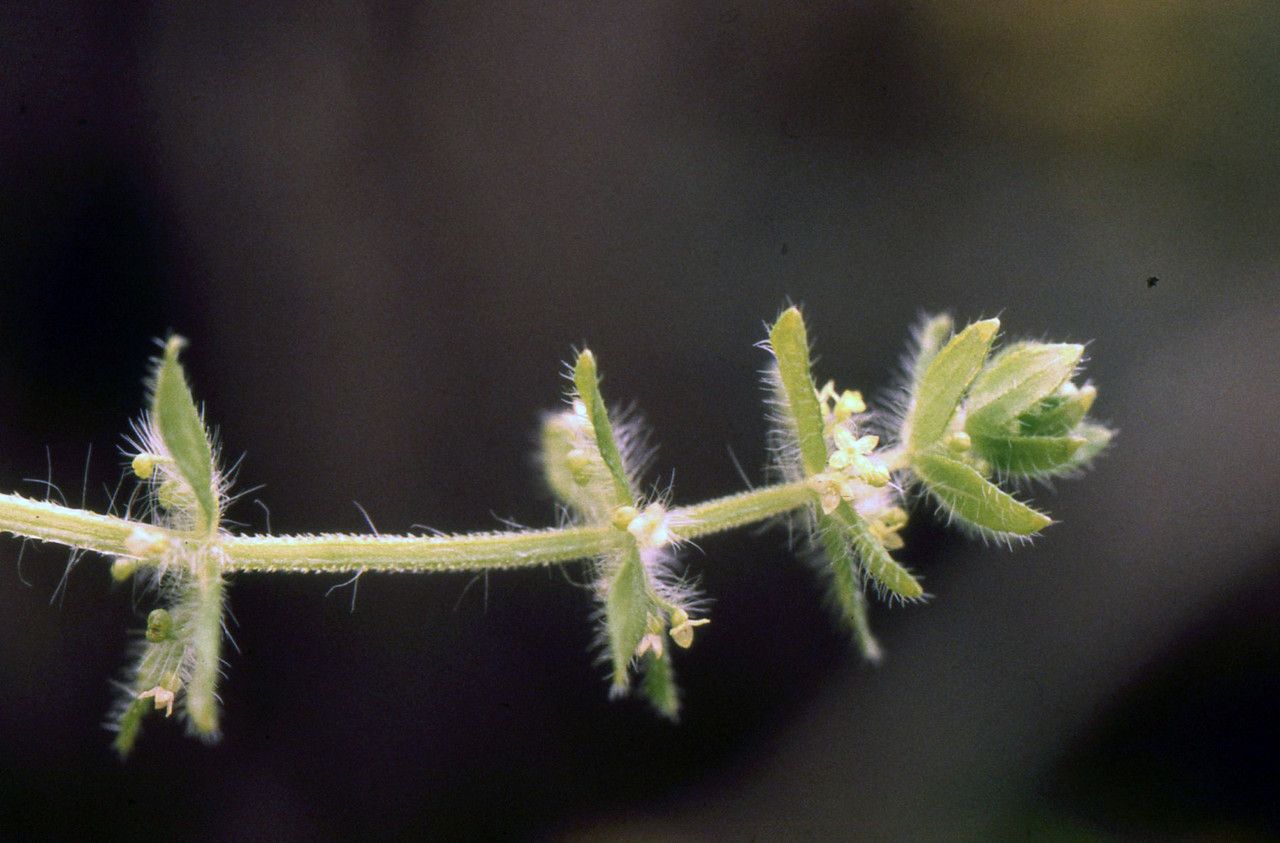
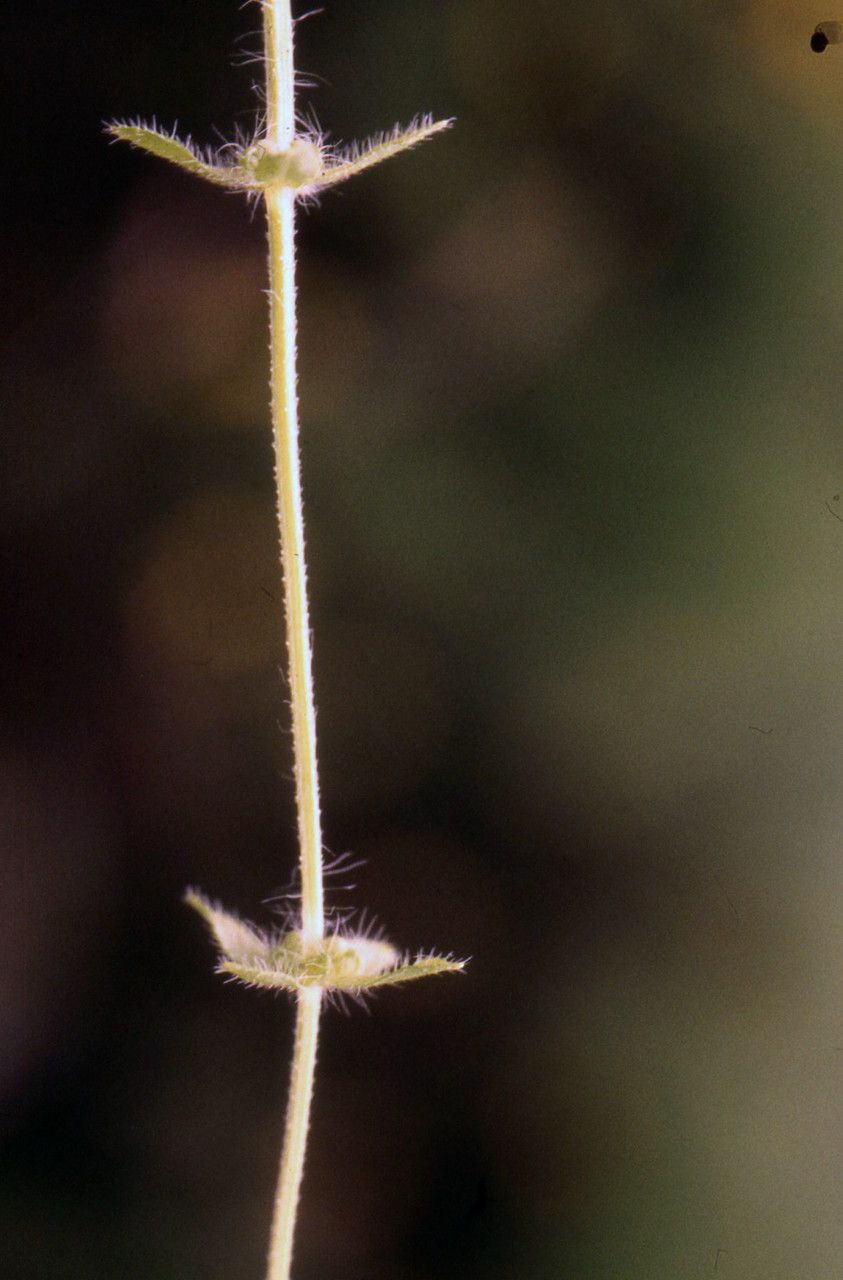
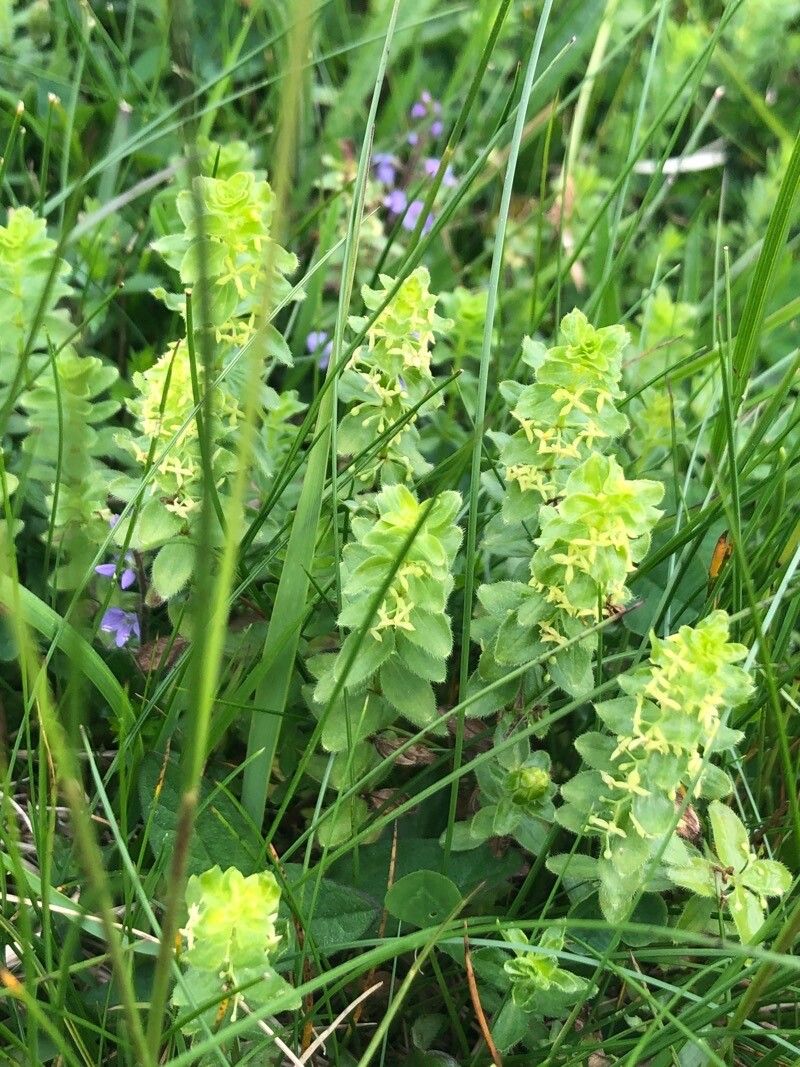
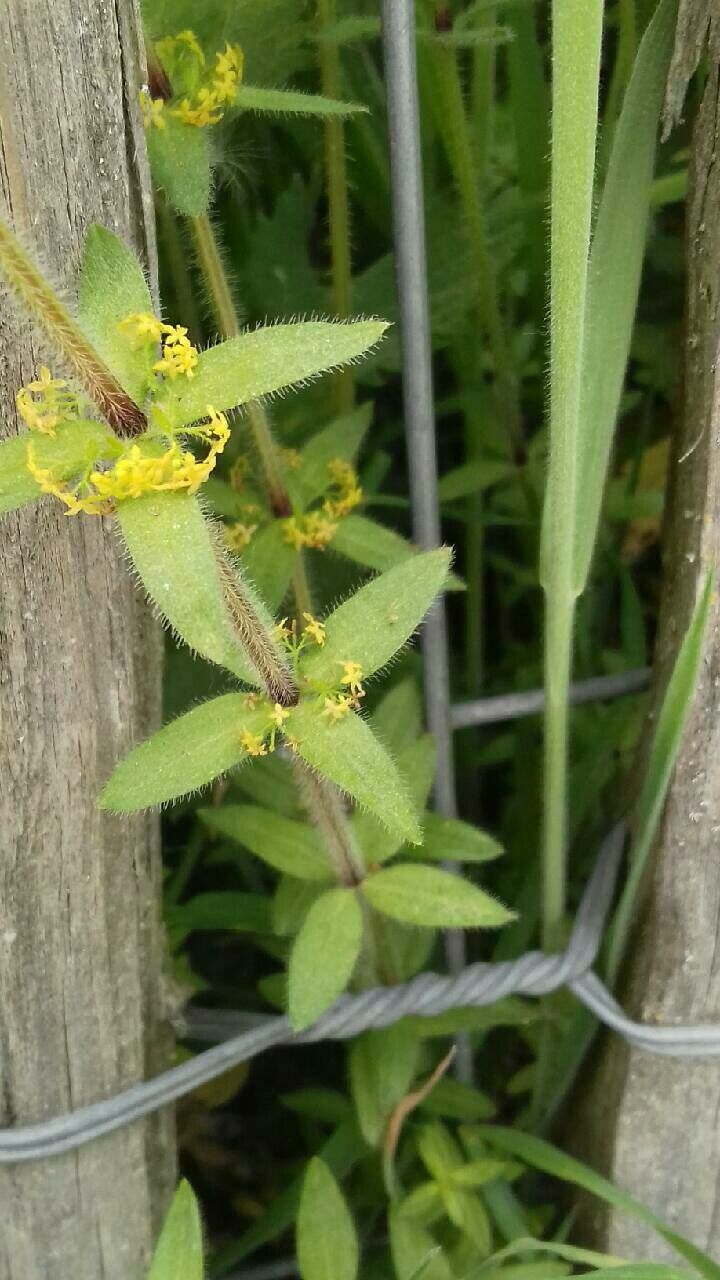
Cruciata pedemontana, commonly known as Piedmont crosswort, is a perennial herbaceous plant belonging to the Rubiaceae family. Native to the mountainous regions of Europe and Asia, this plant typically reaches up to 30 cm in height. It features a creeping rhizome that produces erect stems adorned with whorls of four lanceolate leaves, which are dark green with prominent veins.
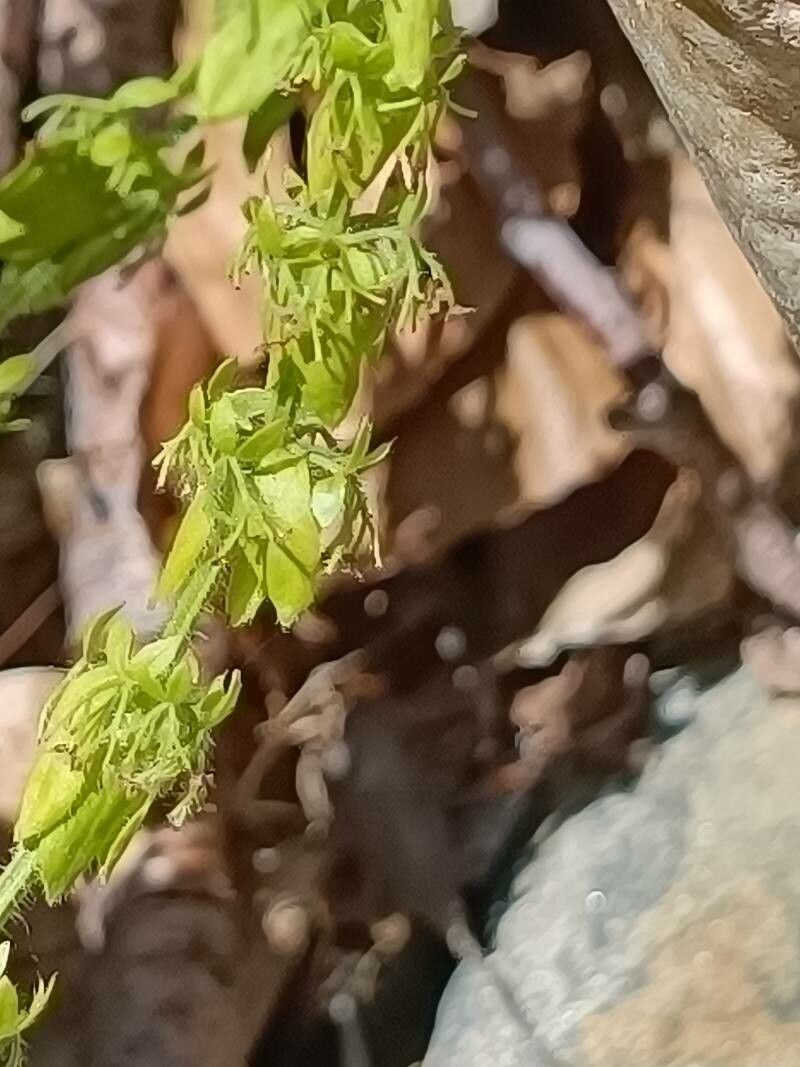
The flowers of Cruciata pedemontana are small and yellow-green, arranged in clusters at the tops of the stems. Blooming from May to July, these flowers are followed by small fruits, each containing two seeds.
Cruciata pedemontana thrives in moist, nutrient-rich soils but can also endure dry conditions once established. It is commonly found growing on forest edges, in meadows, on rocky slopes, or along streams at elevations ranging from 500 to 2,500 meters above sea level.
Historically, the plant has been valued for its anti-inflammatory properties, making it useful in treating various ailments such as arthritis and rheumatism.
Overall, Cruciata pedemontana is an attractive herbaceous perennial that enhances any garden with its beauty and medicinal benefits, making it a valuable addition both for its aesthetic appeal and practical uses.
Piedmont bedstraw is fairly disease-resistant and typically not prone to illnesses. However, it can be vulnerable to pests and diseases present in its environment. Such infections are usually mild. This plant requires a moderate level of care. It should be pruned regularly to keep a neat appearance and support healthy growth. Fertilizing can also encourage flowering. Piedmont bedstraw is suitable for anyone with outdoor space, like a garden or patio, and does not demand extensive gardening experience. It may need more attention when grown indoors.
How to keep Cruciata Pedemontana.
Light
Piedmont bedstraw comes from habitats with dappled light, such as forest understories or rocky spots that offer natural shade. It grows best in partial sun but can also adapt to full sun.
Water
Piedmont bedstraw thrives in moderately moist soil and requires consistent watering without becoming waterlogged. To keep it healthy, water the plant weekly. As an herbaceous perennial, Piedmont bedstraw grows best outdoors, with its growth cycles strongly connected to water availability. It reaches peak vitality during rainy seasons.
Temperature
Piedmont bedstraw can tolerate a broad range of temperatures, but its distribution may still be restricted by different combinations of moisture and heat. It performs best in warm summer climates with sufficient rainfall or watering. Extended periods of cloudy, rainy weather, and prolonged high temperatures can raise the chance of Piedmont bedstraw dying. In winter, adequate protection from cold can increase the plant's survival rate.
Fertilizer
Piedmont bedstraw responds well to regular, light fertilizer applications to encourage healthy leaf development. Fertilize Piedmont bedstraw about once a month during the summer. Nitrogen is important for foliage, and providing nitrogen-rich sources helps Piedmont bedstraw thrive.
Pruning
To encourage healthy growth and maintain the shape of your Piedmont bedstraw, prune it from early to late spring by removing dead or overgrown stems. Regular pruning enhances air circulation and light penetration, leading to vigorous regrowth and more blooms. For specific techniques and localized advice, consult horticultural guides.
Botanical profile.
- Plant Type
- Herb
- Life Cycle
- Annual
- Genus
- Cruciata
- Family
- Rubiaceae
- Hardiness Zone
- 6-9
- Mature Height
- 10 cm to 30 cm
- Mature Spread
- 15 cm to 25 cm
- Leaf Color
- Green
- Leaf Type
- Semi-evergreen
- Flower Size
- 0.20 cm to 0.25 cm
- Bloom Time
- Mid spring, Late spring
- Planting Time
- Spring, Summer, Autumn
- Harvest Time
- Early summer, Mid summer
- Native Area
- Turkey, Austria, Slovakia, Montenegro, Croatia, Morocco, Uzbekistan, Russia, Iraq, Romania, Portugal, France, Tajikistan, Czech Republic, Cyprus, Bulgaria, Armenia, Greece, Ukraine, Lebanon, Serbia, Afghanistan, Syria, Italy, Kazakhstan, Spain, Switzerland, Iran, Albania, Azerbaijan, Hungary, Turkmenistan
Other names.
Reader questions.
How should I water my Piedmont bedstraw?
To water Piedmont bedstraw, there are various options available such as using a garden hose with a spray nozzle, a watering can, or any other common watering tool. This plant is not too particular about its water source and can thrive with rainwater, tap water, or filtered water. However, it is advisable to avoid watering the plant from above as it may harm the leaves and flowers and potentially cause diseases. A drip irrigation system is often an effective method for watering Piedmont bedstraw as it ensures even and direct water application to the soil. If you have a container-grown Piedmont bedstraw, you can use a cup, watering can, or tap water to water it directly into the soil.
What should I do if I give my Piedmont bedstraw too much water or too little water?
To address underwatering of Piedmont bedstraw, simply increase the frequency of watering when you notice dryness. Overwatering, on the other hand, can be far more detrimental if not detected early. It can result in diseases that lead to plant decline and death. To prevent this, choose a suitable location for growth with ample sunlight to aid in soil drying and proper drainage to avoid waterlogging. If you overwater a potted Piedmont bedstraw, consider transferring it to a new pot with well-draining soil and sufficient drainage holes. Ensure the use of loose soil and an efficient draining container during repotting.
How often do I need to water my Piedmont bedstraw?
To keep your Piedmont bedstraw healthy, make sure to water it regularly during the growing season. In the spring, once a week should be sufficient. However, as the weather gets warmer, you may need to increase watering to two or three times a week. However, be careful not to overwater, as this can harm the plant. Regardless of how often you water, make sure the soil remains moist but not soaked. When it comes to watering container-grown bedstraw, you'll need to water more frequently. Potted plants tend to dry out faster, so aim for a few times a week compared to just once a week for plants in the ground.
How much water does my Piedmont bedstraw plant require?
Determining the appropriate amount of water for your Piedmont bedstraw can be done in several ways. Some gardeners prefer to gauge the soil's moisture level by feeling it with their hands. This method suggests watering until the top six inches of soil feel moist. Another approach is to use a specific measurement to determine watering needs. Typically, giving your Piedmont bedstraw around two gallons of water per week is sufficient. However, factors such as temperature and soil dryness should also be considered. Nonetheless, following strict guidelines like these can result in overwatering if your plant needs less water. When growing Piedmont bedstraw in a container, a different method is required. It's best to water until all layers of soil are moistened, which can be tested by sticking your finger into the soil. Another indication is when excess water begins to trickle out of the pot's drainage holes.
How can I know if I'm giving enough water to my Piedmont bedstraw?
Avoiding overwatering for your Piedmont bedstraw can be a bit tricky. On one hand, their deep roots need weekly soil moisture. On the other hand, these plants are highly prone to root rot and browning if they receive too much water. Underwatering is less likely to be a problem as these plants can survive without regular watering for a while. However, if you leave them without water for too long, they will start to wilt and develop dry leaves.
How do I water my Piedmont bedstraw at different times of the year?
As the seasons progress, the water needs of your Piedmont bedstraw will change. In spring, watering once per week should be sufficient. However, as the summer heat sets in, you may need to increase the frequency to about three times per week, especially for bedstraw in containers, as the soil in containers tends to dry out faster in warm weather. In autumn, when the temperature and sun intensity decrease, your bedstraw may require less water while still in bloom.
How do I water my Piedmont bedstraw when it is growing at different stages?
Throughout the year, Piedmont bedstraw goes through various growth stages, each with different water requirements. When starting from a seed, it is important to provide more water initially, ensuring consistent soil moisture. Once the seed germinates, the plant will grow above the soil and require slightly less water. Once mature, regular watering once a week is sufficient. During flower development, a slightly higher water intake might be necessary.
How does watering Piedmont bedstraw inside differ from watering it outside?
Most Piedmont bedstraw grow outdoors because they typically grow too tall for indoor spaces. Additionally, these plants require more daily sunlight than most indoor locations can offer. If you can provide a suitable indoor growing spot, you may need to water your Piedmont bedstraw more frequently than when outdoors. This is because indoor environments are typically drier due to HVAC units, and the soil in containers dries out faster compared to soil in the ground.