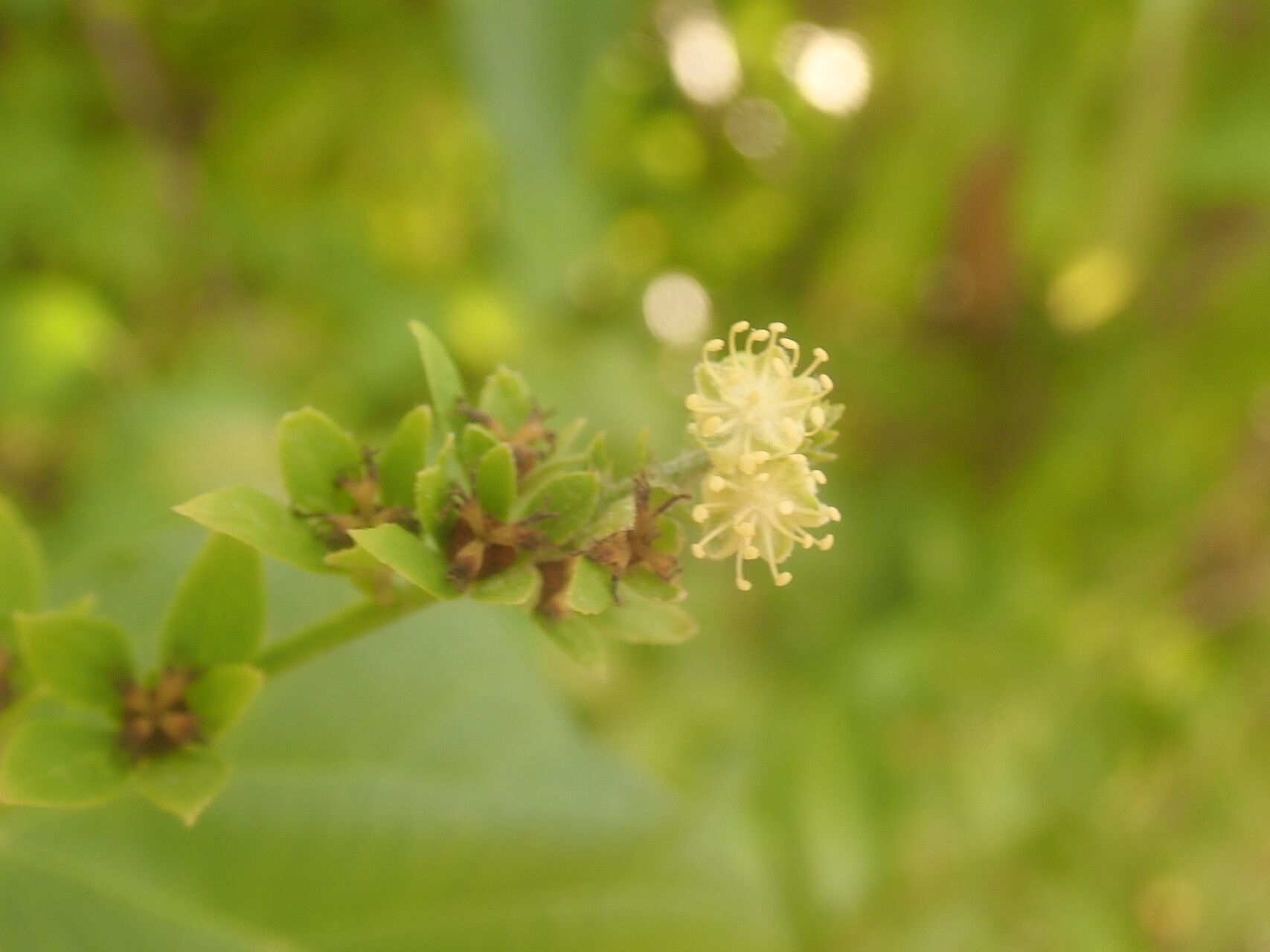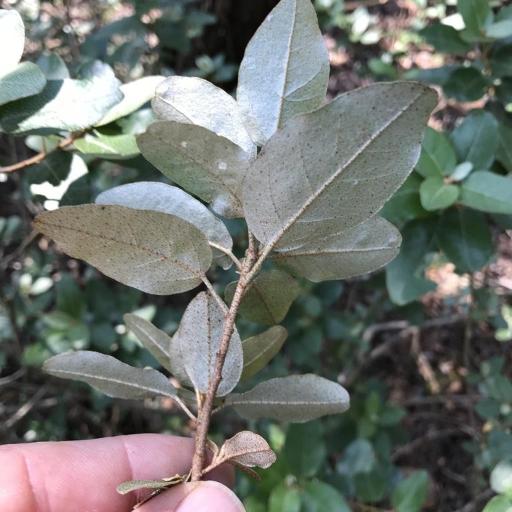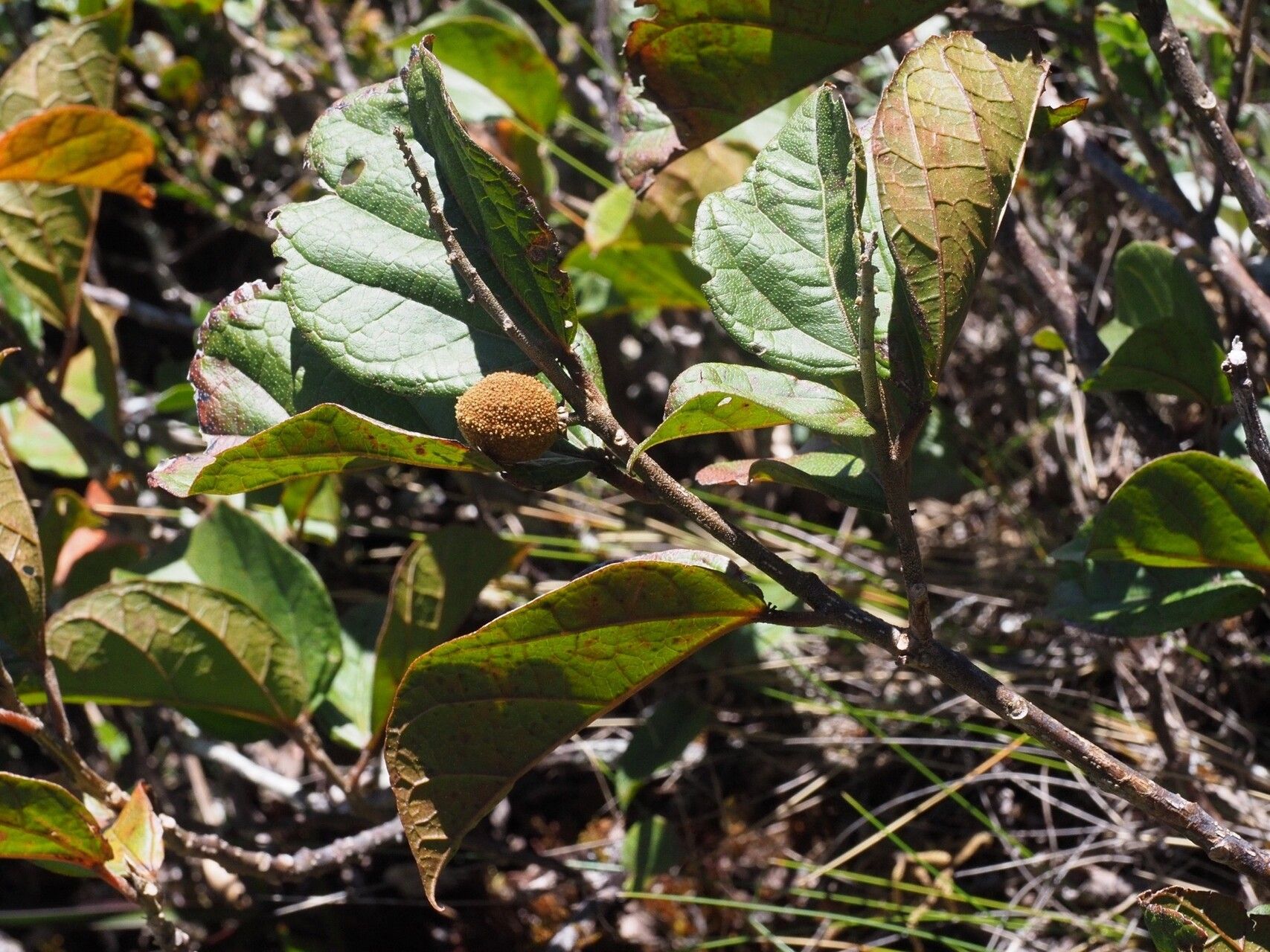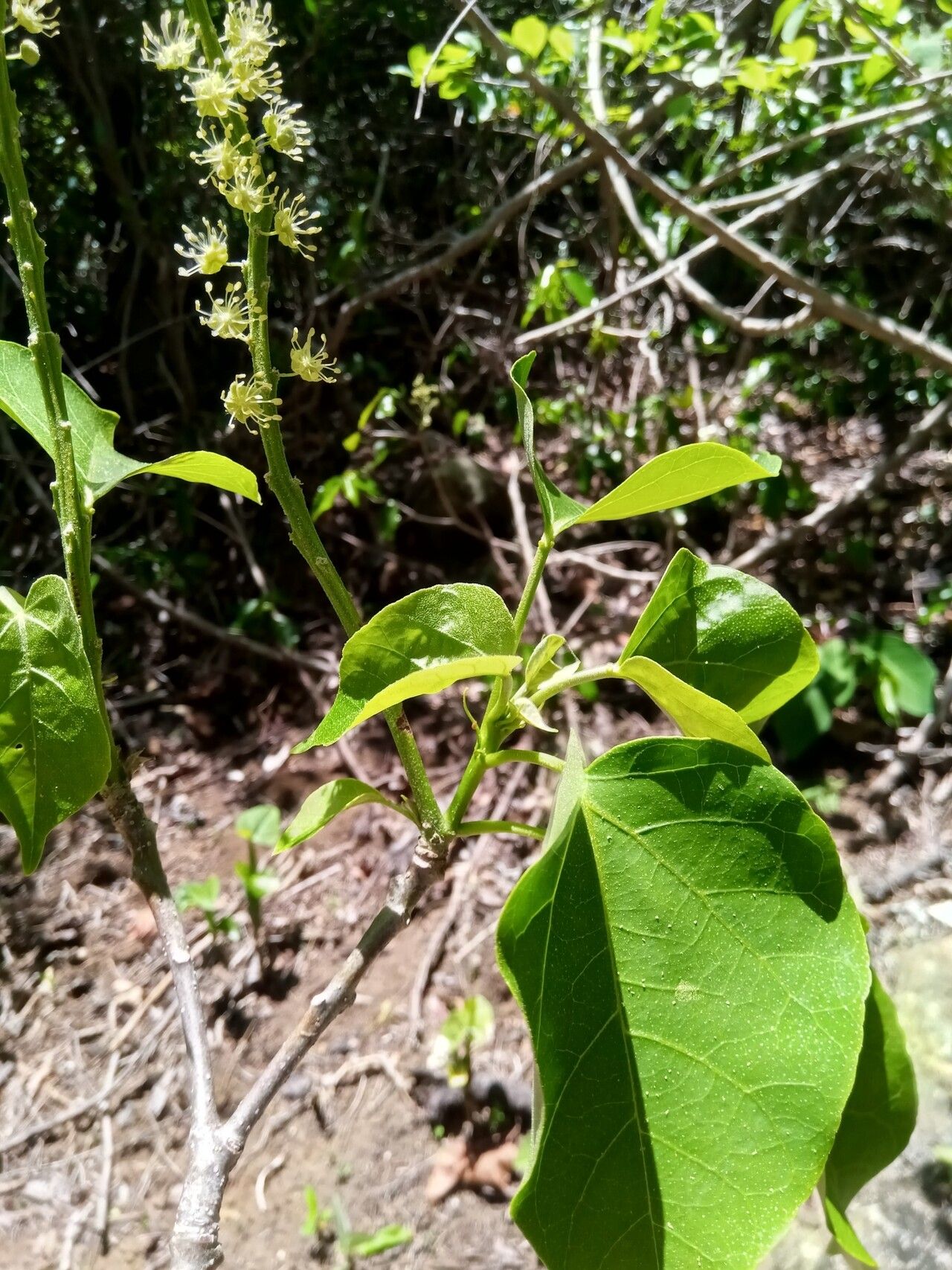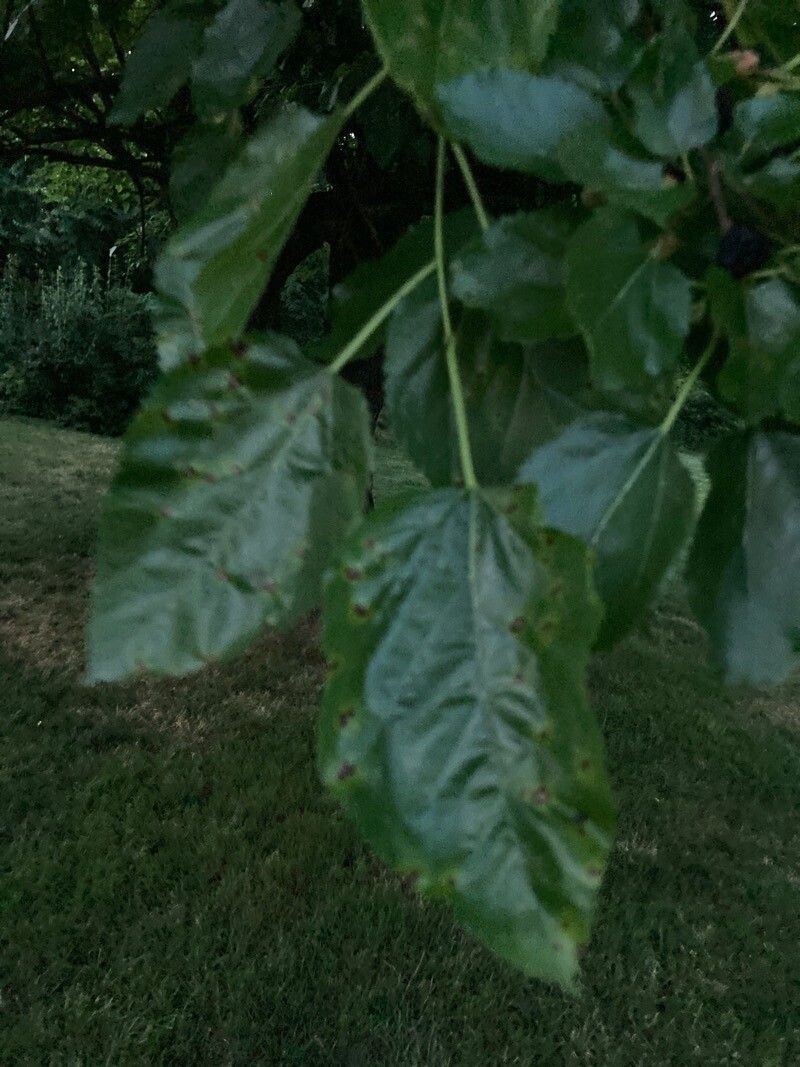
Croton sylvaticus, commonly known as forest croton, is a species of flowering plant in the family Euphorbiaceae. Native to tropical regions of Africa and Madagascar, it thrives in forests, woodlands, and savannas. The plant typically reaches a height of up to 6 meters with a trunk diameter of up to 30 centimeters. The leaves are large and glossy, exhibiting a dark green color on the upper surface and a lighter green hue underneath. The small flowers are numerous and arranged in clusters at the ends of branches or stems, usually appearing in yellow or greenish-yellow shades.
For centuries, indigenous people have used Croton sylvaticus for its medicinal properties, particularly for its anti-inflammatory effects that can help alleviate pain caused by arthritis or other inflammatory conditions. Additionally, the plant has been used as an insecticide due to its toxic properties.
Beyond its medicinal applications, Croton sylvaticus is also cultivated as an ornamental plant. Its attractive foliage adds color and texture, making it a valuable addition to gardens and landscapes.
In summary, Croton sylvaticus is a fascinating species that offers both practical uses, such as medicinal and insecticidal applications, and aesthetic appeal for decorative purposes in gardens and landscapes.
Forest croton resists disease well and is generally not susceptible to illnesses. In terms of care, this plant is fairly low-maintenance. Planted outdoors it needs minimal watering, and larger specimens typically do not require pruning. Smaller plants, however, should be pruned after they have bloomed. Forest croton is appropriate for anyone with outdoor space, such as a garden or a deck, and does not demand much experience in plant care.
How to keep Croton Sylvaticus.
Light
Forest croton originates from settings like forest understories or rocky sites, where it grows in natural shade. It prefers partial sun but can tolerate full sun or full shade, showing its adaptability and hardiness.
Temperature
Forest croton comes from tropical areas, where the climate is generally warm and humid. Consequently, it is well suited to high temperatures and moisture. It is sensitive to sudden temperature changes and favors a steady thermal environment, so it's important to prevent indoor temperature fluctuations. It typically does not tolerate cold and requires warmer conditions to grow; if the surrounding temperature falls too low, the plant may stop growing or even die.
Fertilizer
Fertilization is essential for caring for Forest croton. Regular feeding during the growing season maintains the energy required for its showy foliage and supports overall growth. Neglecting fertilization can lead to unhealthy leaves, reduced ornamental appeal, and stunted or weak growth that is more prone to breakage.
Botanical profile.
- Plant Type
- Tree
- Life Cycle
- Perennial
- Genus
- Croton
- Family
- Euphorbiaceae
- Hardiness Zone
- 10-12
- Mature Height
- 10.06 m to 24.99 m
- Mature Spread
- 7.92 m to 14.94 m
- Leaf Color
- Dark Green
- Leaf Type
- Deciduous
- Bloom Time
- Late spring, Summer
- Planting Time
- Autumn
- Harvest Time
- Late summer, Fall
- Native Area
- Malawi, Angola, South Africa, Zambia, Nigeria, Congo, Gabon, Kenya, Uganda, Tanzania, Zimbabwe, Cameroon, Liberia, Mozambique, Côte d'Ivoire, Eswatini, Ethiopia, Congo (DRC), Central African Republic