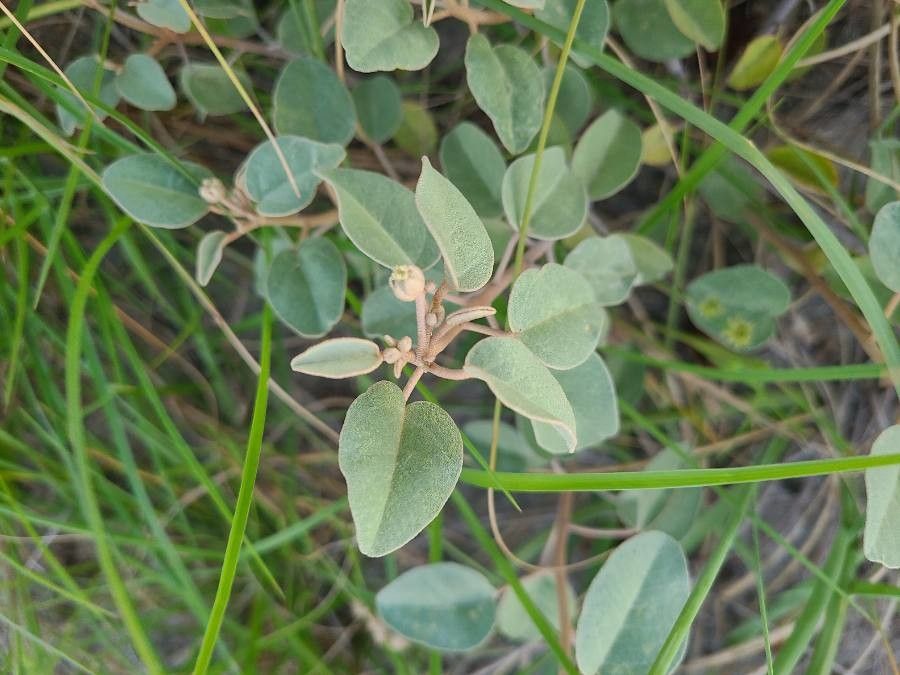
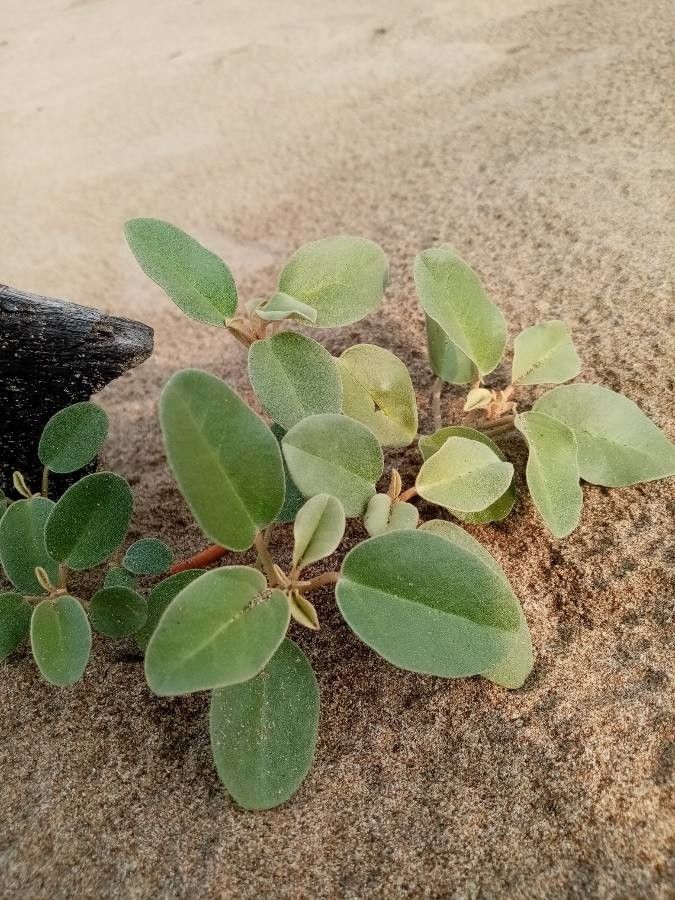
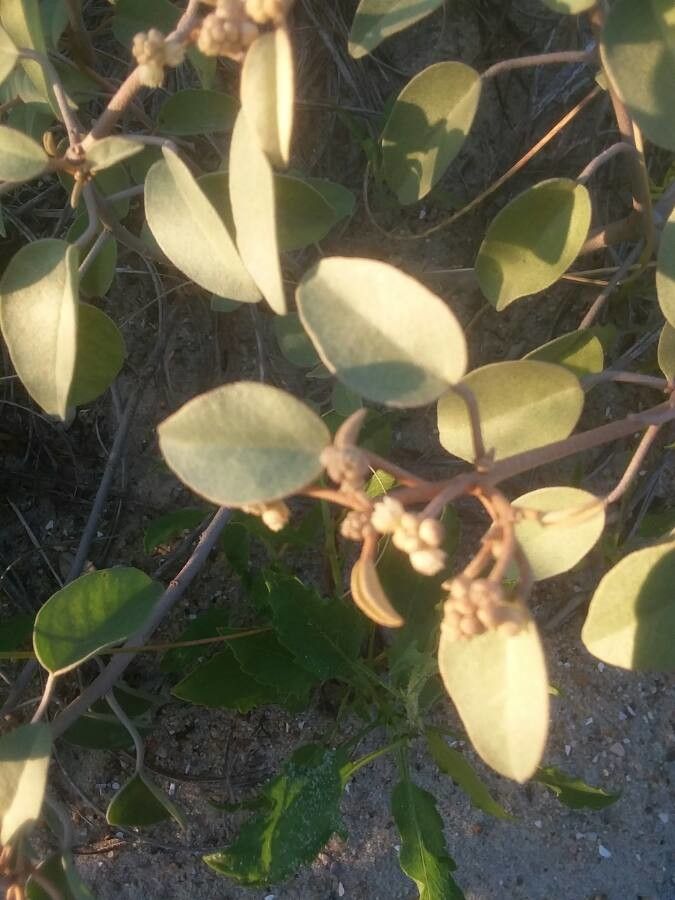
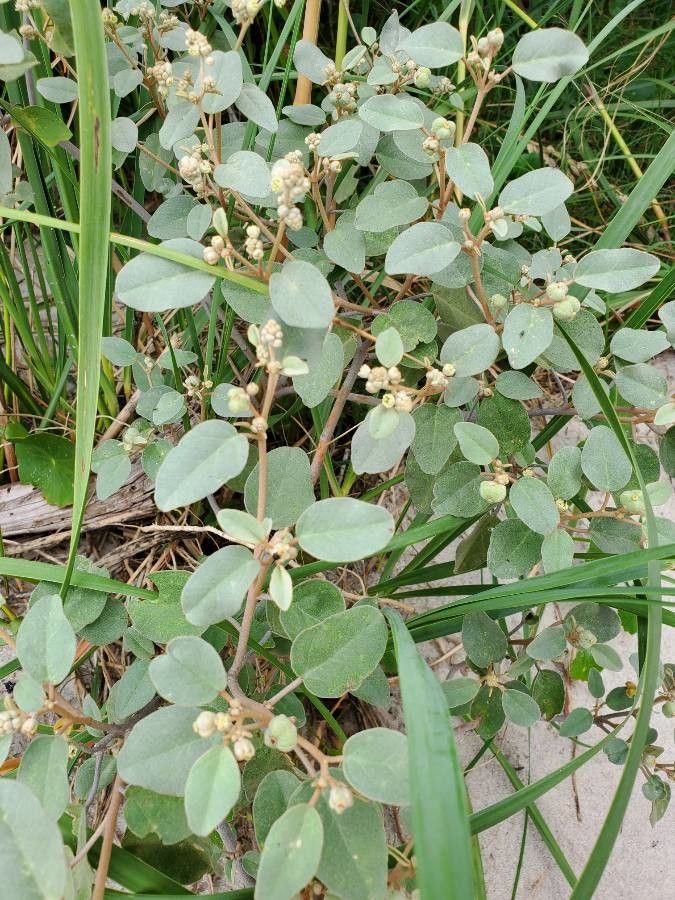
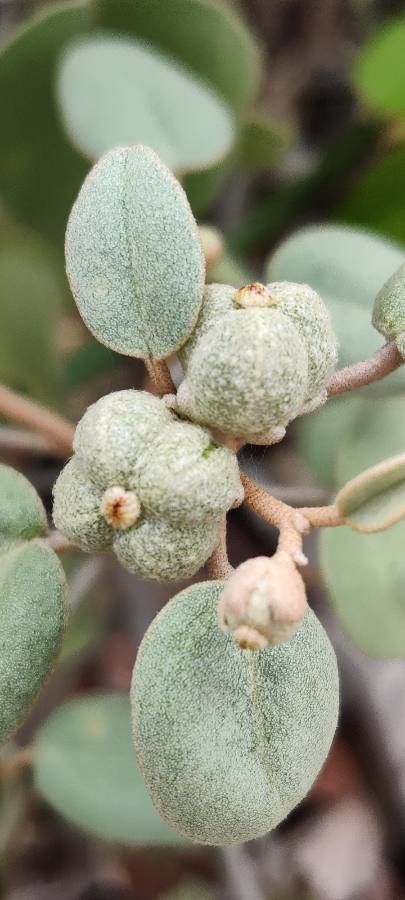
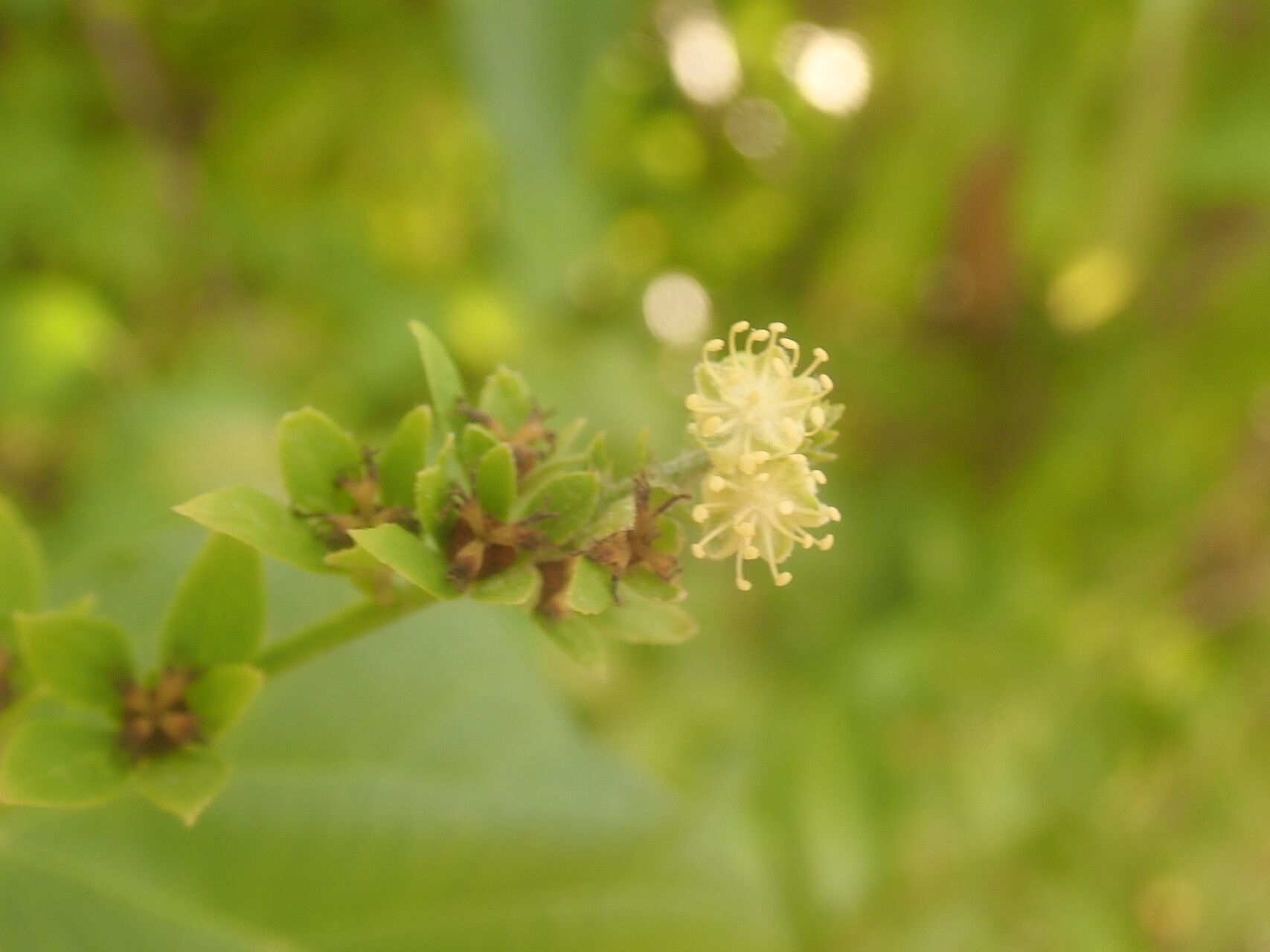
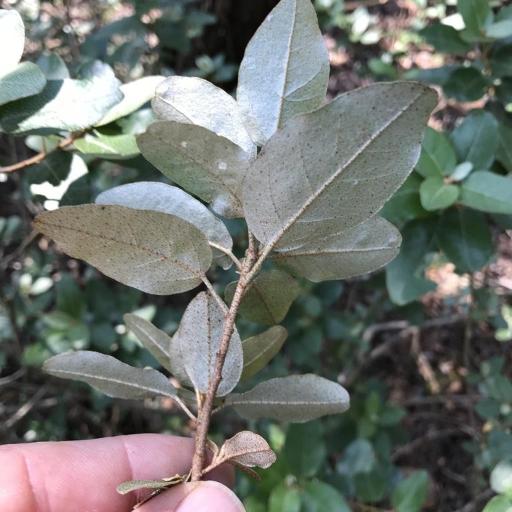
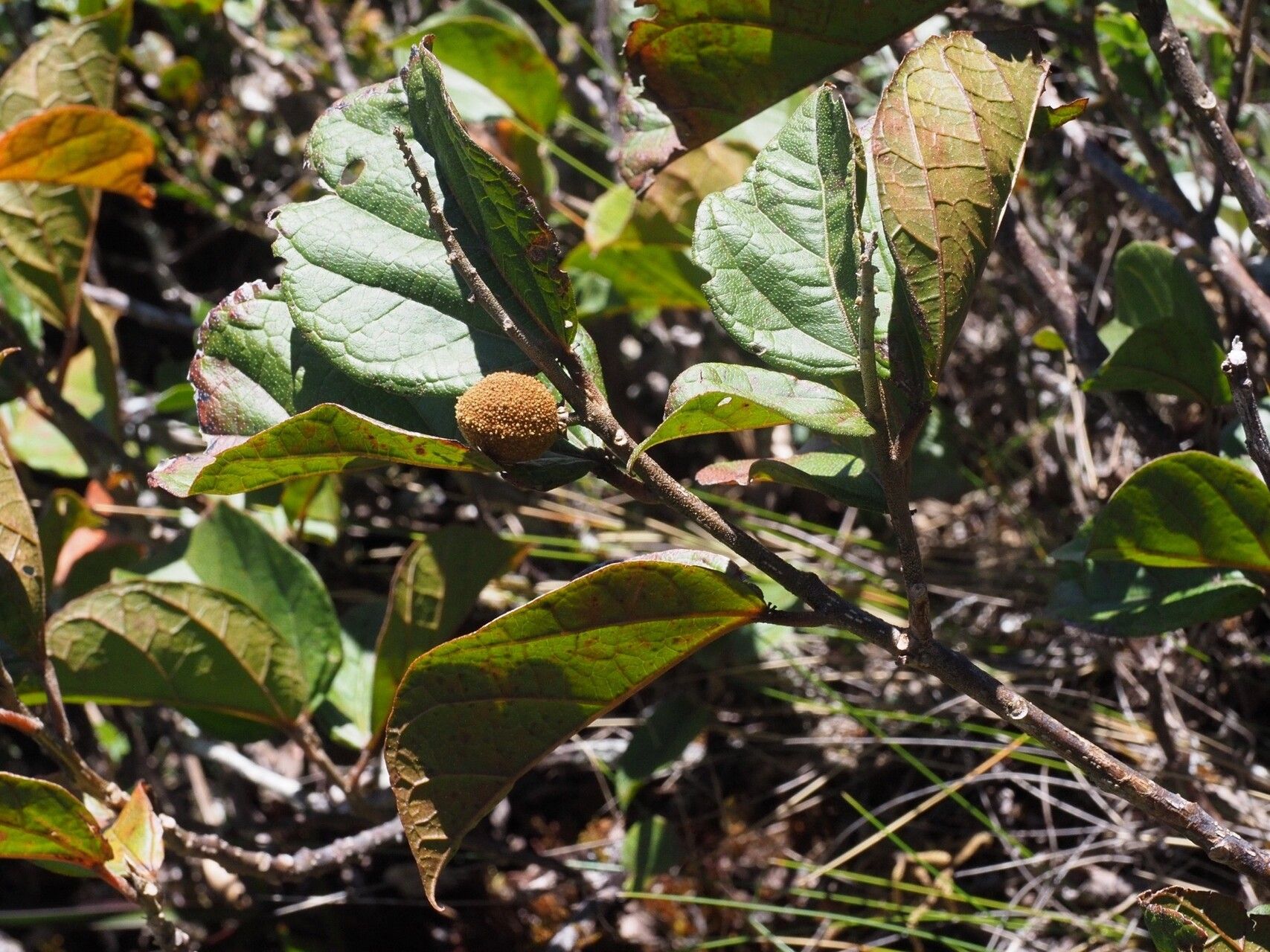
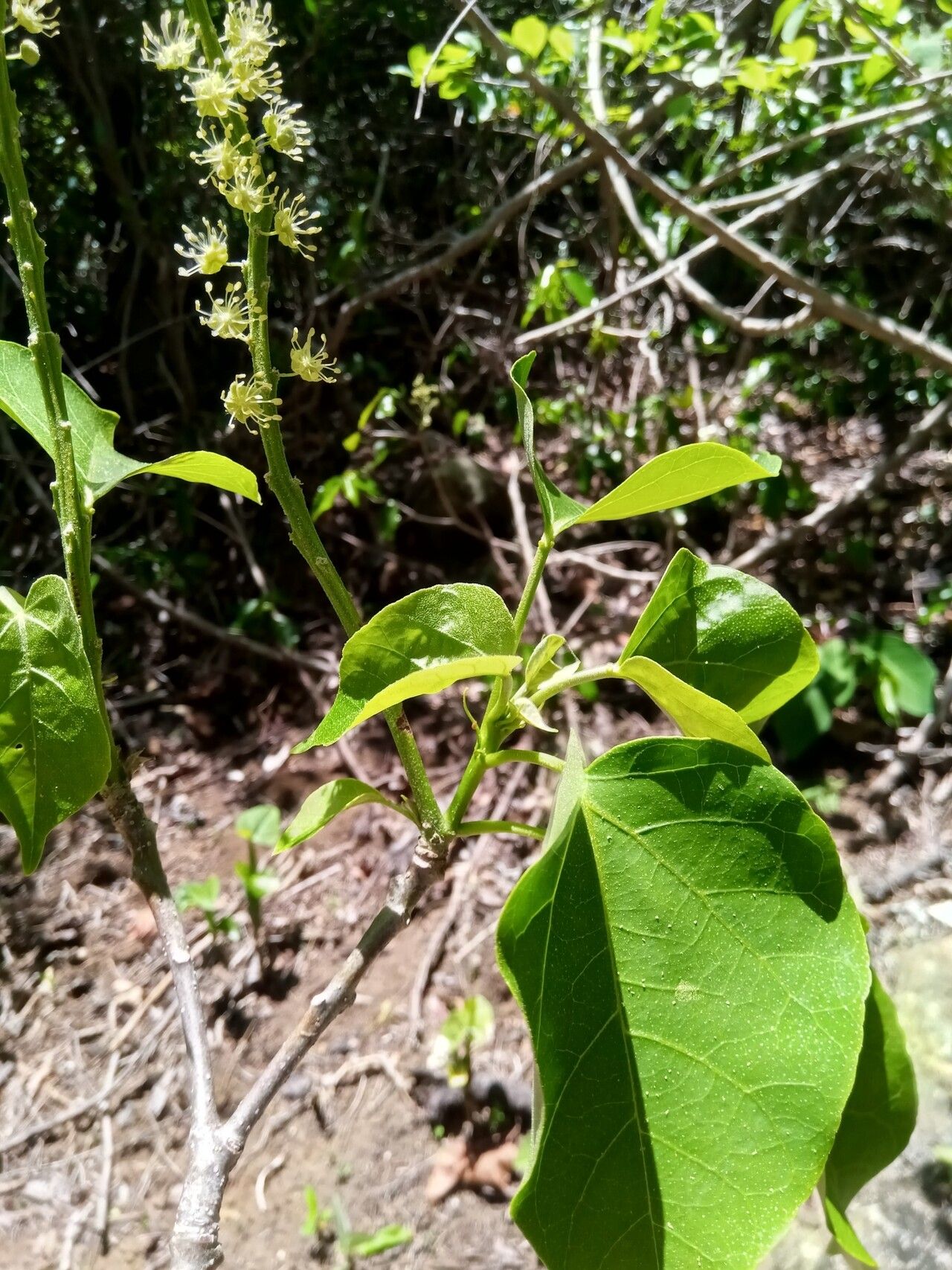
Croton punctatus, commonly called beach-tea or gulf croton, is a species of flowering plant in the spurge family (Euphorbiaceae). It is native to the Western Hemisphere, where it is found in coastal areas from the Southeastern United States south to Colombia, as well as in Bermuda and the Caribbean. Its natural habitat is on beaches and sand dunes.Croton punctatus is a dense, suffrutescent herbaceous plant. Its broad leaves have a notably silvery appearance. It produces small, inconspicuous flowers throughout the year.Croton punctatus is a self-incompatible plant because its flowers are unisexual.
The Kamala tree is fairly disease-resistant and is typically not prone to illnesses. In terms of care, this plant is relatively low-maintenance. When grown outdoors it needs minimal watering, and larger plants usually do not require pruning. Smaller plants, however, should be pruned after they have bloomed. The Kamala tree is suitable for anyone with an outdoor space, such as a garden or deck, and does not require extensive experience in plant care.
How to keep Croton Punctatus.
Light
Originating from sun-drenched habitats, the kamala tree primarily prospers with strong, often uninterrupted sunlight throughout the day. Its growth and health closely mirror the amount of sunlight it receives: insufficient light can lead to stunted growth, while excessive light can cause leaf damage.
Temperature
The Kamala tree comes from tropical areas, where the climate is usually warm and humid. Consequently, it is well suited to high temperatures and humidity. It is sensitive to sudden temperature changes and prefers a steady temperature, so avoiding indoor temperature swings is important. It typically cannot tolerate cold and needs warmer conditions to grow. If the surrounding temperature falls too low, the plant may stop growing or even die.
Fertilizer
Fertilizing is essential for the care of the Kamala tree. Regular feeding during the growing season maintains the energy required for its showy leaves and supports overall growth. Neglecting fertilization can lead to unhealthy leaves, reduced ornamental appeal, and stunted or weak growth that is prone to breaking.
Pruning
Gulf croton benefits from regular pruning, which is best done in early spring at the start of its growing season. Key techniques include removing dead branches and thinning dense areas to improve airflow. These practices help prevent disease, promote vigorous growth, and maintain a lush, vibrant appearance.
Botanical profile.
- Plant Type
- Tree
- Life Cycle
- Perennial
- Genus
- Croton
- Family
- Euphorbiaceae
- Hardiness Zone
- 10-12
- Mature Height
- 24.99 m
- Mature Spread
- 1 cm to 1 cm
- Leaf Color
- Dark Green, Olive Drab
- Leaf Type
- Evergreen
- Flower Color
- Yellow, Green
- Flower Size
- 6.35 cm
- Bloom Time
- Summer
- Planting Time
- Spring, Summer, Autumn
- Harvest Time
- Late summer, Fall
- Native Area
- Nepal, Sri Lanka, India, Indonesia, Cambodia, Vietnam, Myanmar, Japan, Philippines, Bangladesh, Laos, Pakistan, Thailand, China
Other names.
Reader questions.
What is Gulf croton?
Gulf croton, scientifically known as Croton punctatus, is a plant species. Unfortunately, there is no additional information provided about its essentials or symptoms.