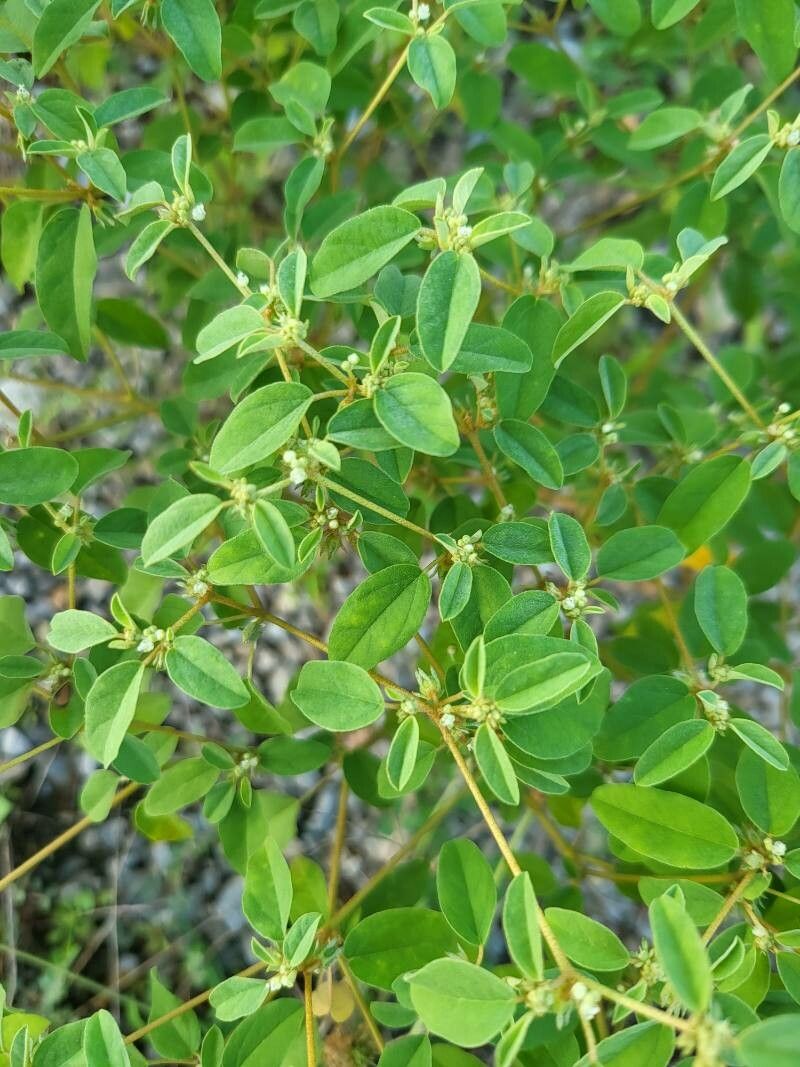
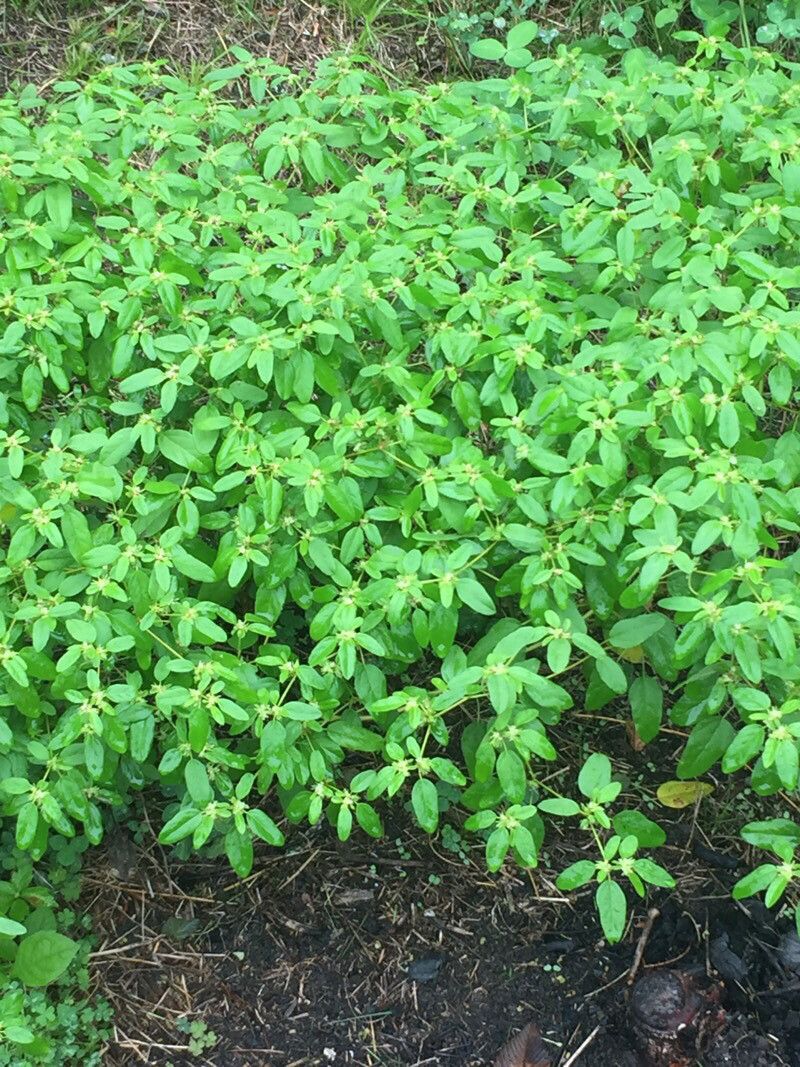
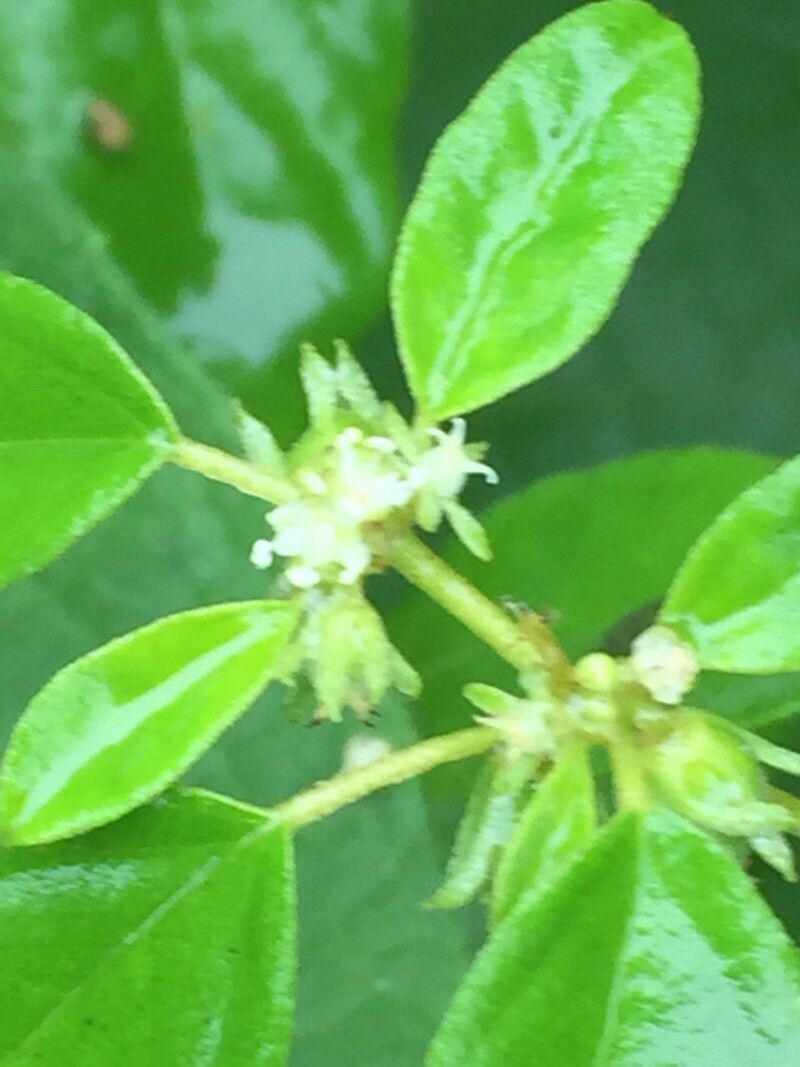
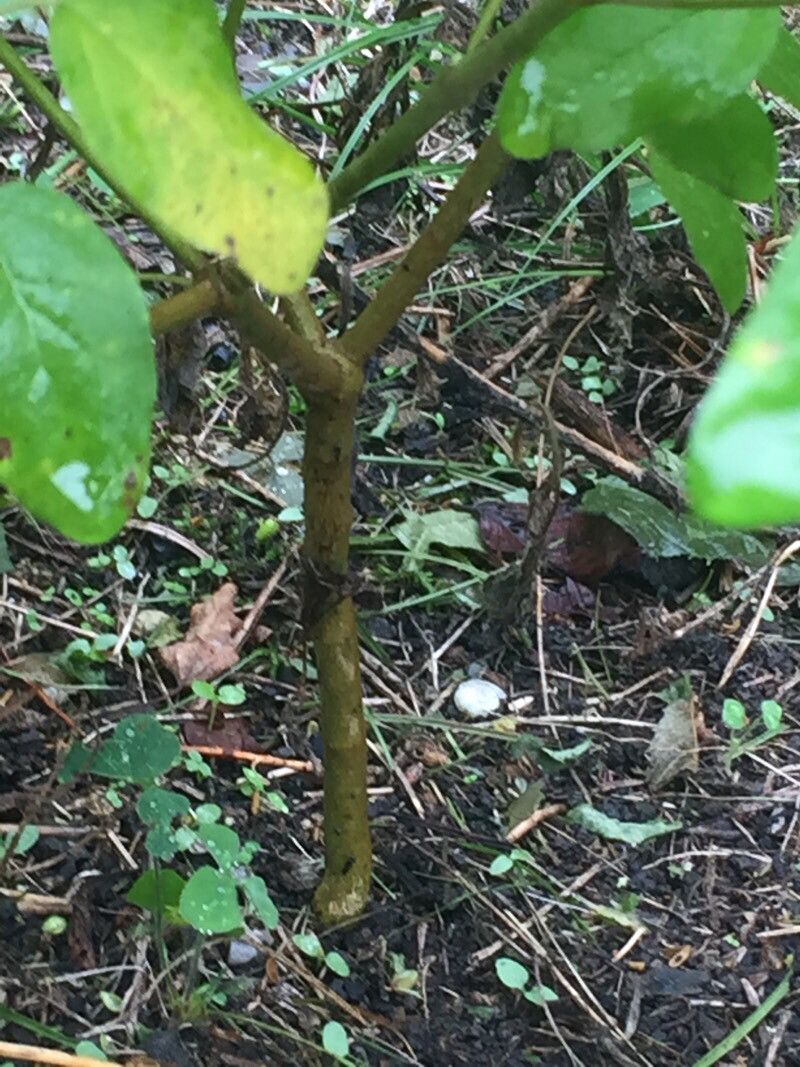
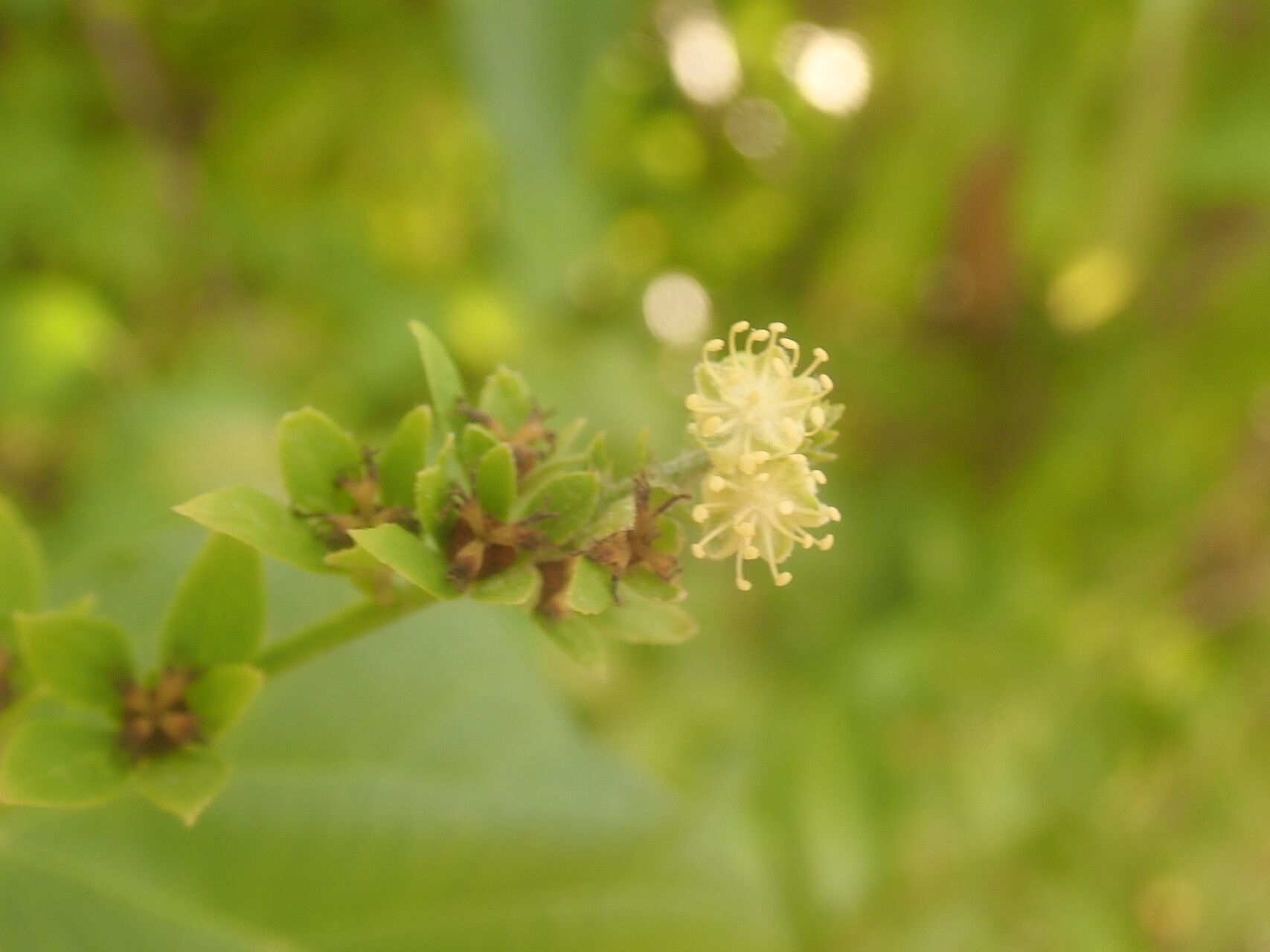
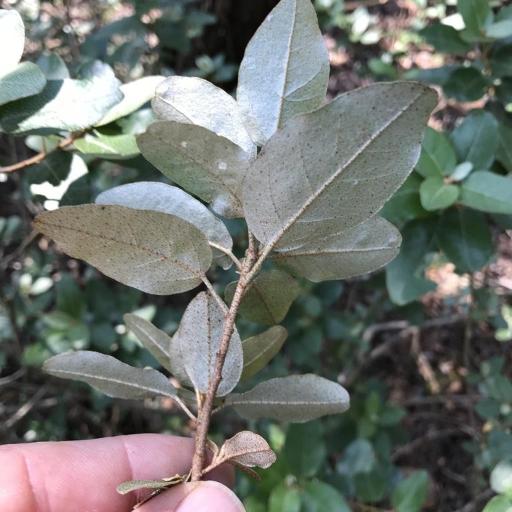
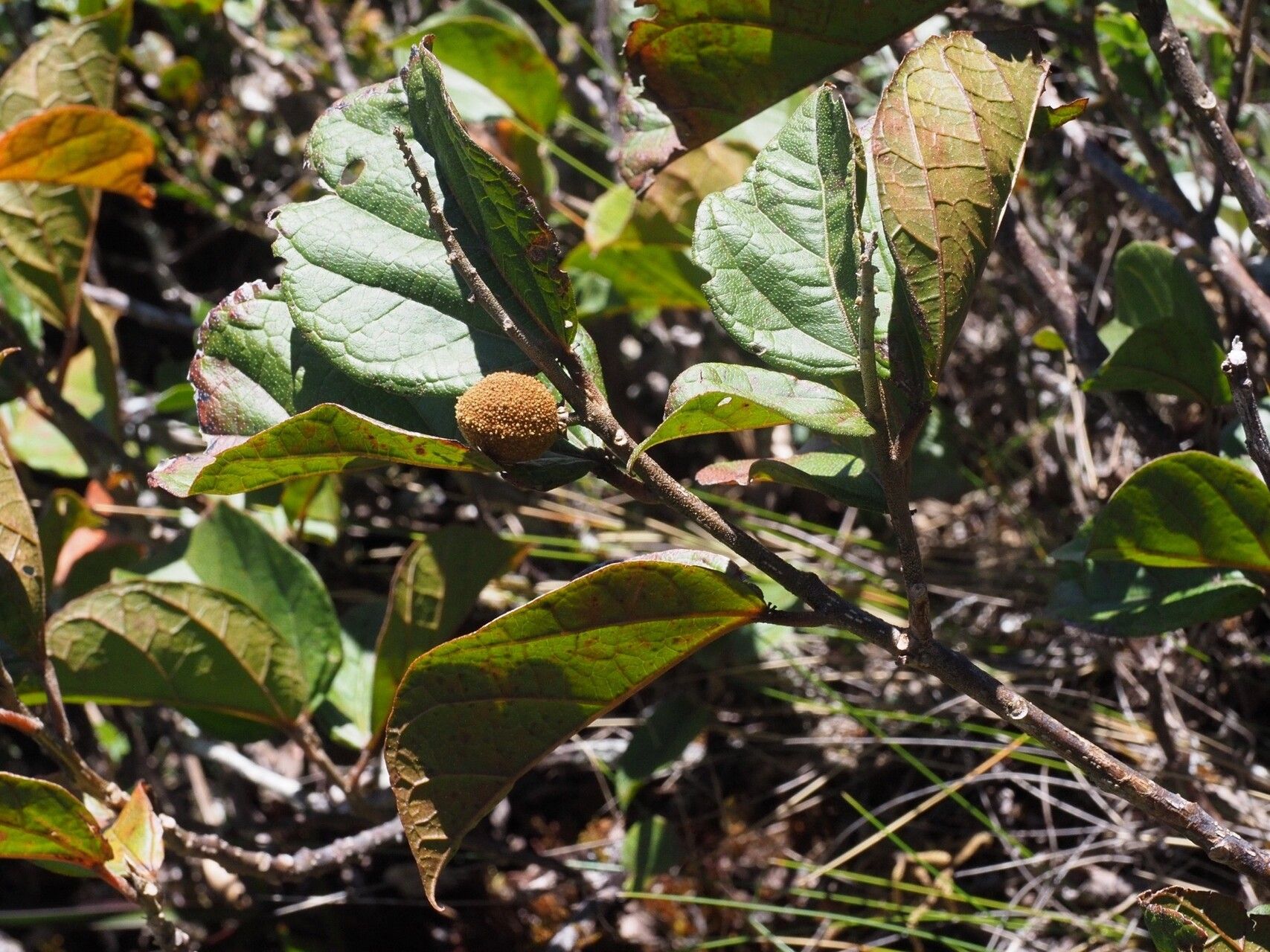
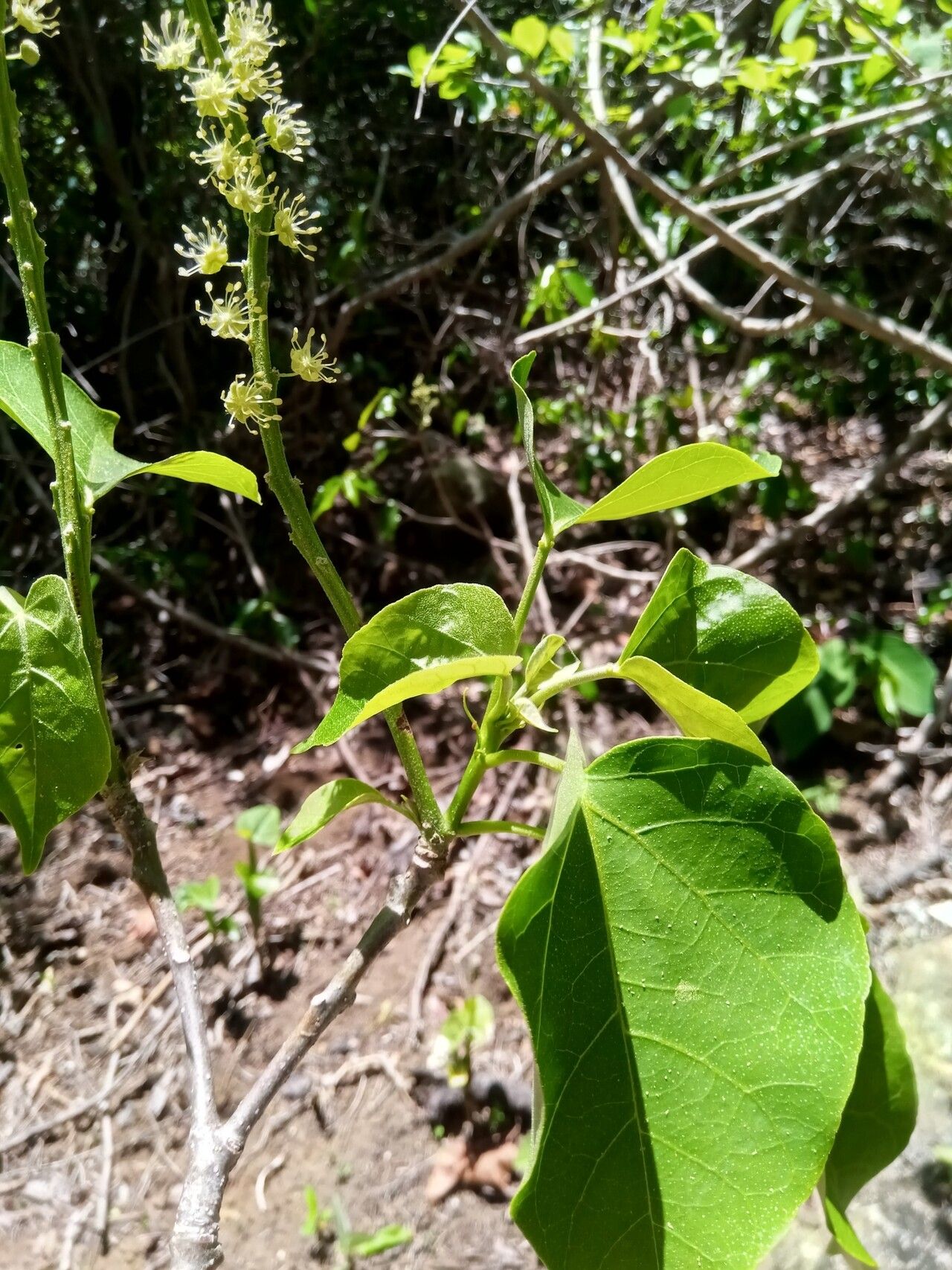
Croton monanthogynus, is a species of flowering plant in the spurge family. The undersides are gray. It is a summer annual that produces small, inconspicuous flowers, having male and female reproductive organs in the same plant. The plant is monoecious and has both male and female reproductive organs in separate clusters on the same plant. Its leaves are alternate. It is native to the southeastern United States and the southern Great Plains. It is considered adventive in more northern states. AL, AR, AZ, GA, IA, IL, IN, KS, KY, LA, MD, MI, MO, MS, NC, NE, OH, OK, PA, SC, TN, TX, VA, WI, WV.The plant in is found in sunny, dry habitats, of both disturbed and high-quality areas. Its common names include prairie tea, one-seed croton, dove weed, and prairie goatweed. Other plant characteristics include alternate leaf arrangement, (or phyllotaxis) and a tap root. It is an annual and it has entire leaf margins, The type of fruit is a capsule, sepals exist on the flowers. The flowers are small and white. It possess glands that emit an unpleasant odor. The plant may grow 6 inches to 3 feet and blooms April through September. The seeds are black.The plant prefers full sun, dry conditions, and poor soil.The plant can have a bushy appearance with a flattened top. Dwarf plants may instead, grow to than 6" tall. Croton monanthogynus provides food for wildlife. These species will feed on seeds: sparrows, mourning dove , wild turkey, prairie chicken, bobwhite, and cowbird.
Prairie Tea has strong disease resistance and is generally not prone to illnesses. Still, it can be affected by pests and diseases present in its environment. Such infections are typically mild. Regarding care, this plant needs moderate maintenance. It should be pruned regularly to preserve a neat appearance and healthy growth. Fertilizing can also encourage flowering. Prairie Tea is appropriate for anyone with an outdoor area, like a garden or patio, and does not demand much horticultural experience. It may need more attention if grown indoors.
How to keep Croton Monanthogynus.
Light
Prairie Tea comes from bright, open habitats and performs best in full sun. It can tolerate some partial shade but prefers direct sunlight for optimal growth. This plant, which can be annual or biennial, is recognized for its sun-loving character.
Water
Prairie Tea naturally thrives in dry, open spaces, exhibiting high drought tolerance and requiring minimal moisture. It typically needs to be watered only once a week, but it can also grow well outdoors, where it benefits from natural rainfall. This resilience to dry conditions not only enhances its growth cycle but also reduces the need for frequent maintenance.
Temperature
Prairie Tea is native to areas where average temperatures fall between 68 and 100 °F (20 to 38 °C). It does best in these warm conditions. In cooler months, care adjustments—such as increasing watering—may be required to maintain an appropriate temperature balance.
Fertilizer
Prairie Tea does well with regular, low-strength fertilizer applications to encourage healthy leaf development. Fertilize about once a month during the summer. Nitrogen is vital for foliage, and providing nitrogen-rich sources helps Prairie Tea do well.
Botanical profile.
- Plant Type
- Herb
- Life Cycle
- Annual
- Genus
- Croton
- Family
- Euphorbiaceae
- Hardiness Zone
- 9-11
- Mature Height
- 15 cm to 91 cm
- Mature Spread
- 91 cm
- Leaf Color
- Green, Dark Green
- Leaf Type
- Deciduous
- Flower Color
- Yellow, Green
- Flower Size
- 0.25 cm
- Bloom Time
- Early summer, Mid summer
- Planting Time
- Spring, Summer, Autumn
- Harvest Time
- Mid summer
- Native Area
- Mexico
Other names.
Reader questions.
How should I water my Prairie Tea plant?
To water Prairie Tea, you have several options. You can use a garden hose with a spray nozzle, a watering can, or any other common watering tool. Prairie Tea is not too specific about the type of water it receives, so rainwater, tap water, or filtered water will do just fine. However, it's best to avoid watering from overhead as it can harm the leaves and flowers and increase the risk of disease. Instead, a drip irrigation system is often the most effective method for watering Prairie Tea, as it provides even and direct water to the soil. If you have a container-grown Prairie Tea, you can use a cup, watering can, or tap water to apply water directly to the soil.
What are the sunlight requirements for Prairie Tea?
Prairie Tea, known botanically as Croton monanthogynus, thrives in environments that offer full sun, which means it needs above 6 hours of sunlight daily to grow optimally. It can also tolerate partial sun, defined as about 3-6 hours of sunlight per day. When planning where to place your Prairie Tea, either in a garden or indoors, it's crucial to observe how sunlight moves through the area to ensure you choose a spot that provides this plant with its ideal light conditions, keeping in mind that too little or too much light can affect its health.
What is Prairie Tea and where is it indigenous to?
Prairie Tea, botanically known as Croton monanthogynus, is indigenous to regions with average temperatures ranging from 68 to 100 °F (20 to 38 ℃). It thrives in warm conditions and requires adjustments, such as increased watering during cooler months, to maintain a temperature balance. This plant is extremely heat-loving, and exposure to cold temperatures can harm it. During autumn, it is recommended to bring Prairie Tea indoors if it's grown outside and to place it near a bright window while ensuring it is not too close to heaters. It is beneficial for the plant's growth to maintain temperatures above the suitable growth temperature minimum during winter, as any temperatures approaching the tolerable growing temperature minimum can be detrimental.
What do I do if I give my Prairie Tea plant too much or too little water?
The solution for underwatering Prairie Tea is simple – when you notice it needs more water, just water it regularly. On the other hand, overwatering can be a serious issue, as it can lead to diseases and the eventual decline and death of the plant. To prevent this, choose a suitable location with sunlight to dry the soil and good drainage to avoid waterlogged soil. If you overwater a potted Prairie Tea, consider changing it to a pot with better drainage and loose soil.
What are some essential care tips for growing Prairie Tea effectively?
Prairie Tea originates from bright, open environments and is best suited to full sun conditions for optimal growth, although it can manage partial sun as well. When natural sunlight is insufficient, especially for indoor plants in winter or less sunny locations, artificial lighting can be a game-changer. LED lights are recommended for their efficiency and ability to be adjusted to specific plant needs, with full sun plants requiring 30-50W/sq ft, partial sun plants needing 20-30W/sq ft, and full shade plants doing well with 10-20W/sq ft of artificial light. The artificial light should be placed 12-36 inches away from the plant and turned on for 8-12 hours per day to mimic natural daylight hours.
How does low temperature affect Prairie Tea and what are the solutions?
Prairie Tea prefers warm temperatures and does not tolerate low temperatures well. It thrives best when maintained above the suitable growth temperature minimum. In winter, ensuring the temperature remains above the tolerable growing temperature minimum is crucial. Exposure to temperatures below the limit growth temperature can cause the leaves to lighten in color, and after frost damage, the leaves gradually turn brown or black. Symptoms such as wilting and drooping may also occur due to cold damage. Solutions include trimming off the frost-damaged parts and moving the plant to a warm indoor environment for protection against the cold. The plant should be placed near a south-facing window for ample sunlight while avoiding placement near heaters or air conditioning vents that can cause excessive dryness.
How frequently do I need to water my Prairie Tea?
Prairie Tea requires regular watering throughout the growing season. In spring, water it about once a week. As it gets warmer, you may need to water it two to three times a week. Be careful not to exceed this rate, as it can harm the plant. Regardless of watering frequency, ensure the soil stays moist but not wet. For container-grown Prairie Tea, you should water it more frequently than plants in the ground. Generally, watering a potted plant a few times a week is necessary as the soil can dry out faster. In contrast, an in-ground plant only needs watering once a week.
What symptoms indicate Prairie Tea is receiving insufficient light?
When Prairie Tea doesn't get enough light, it may show several symptoms indicating stress or poor health, including smaller new leaves, leggy or sparse growth, faster leaf drop, slower or no new growth, and leaves that are lighter in color or show signs of chlorosis (yellowing). Too much light can also cause issues like sunscald, leaf curling, wilting, and leaf scorching. These symptoms provide clues that your plant's light conditions need to be adjusted to meet its specific needs for healthy growth.
How does high temperature affect Prairie Tea and what are the solutions?
During summer, it's important to ensure that Prairie Tea is kept below the suitable growth temperature maximum. Exposure to temperatures exceeding the tolerable growing temperature maximum can cause the leaves to lighten in color and make the plant more susceptible to sunburn. Solutions for managing high temperature stress include trimming away sunburned and dried-up parts of the plant. It's also recommended to move the plant to a location providing shade from the midday and afternoon sun. Watering the plant in the morning and evening can help keep the soil moist, assisting in temperature regulation.
How much water should I give my Prairie Tea plant?
Determining the proper amount of water to give your Prairie Tea plant can be done in a few different ways. One method is to feel the soil for moisture and water until the top six inches feel moist. Another option is to use a set measurement, typically around two gallons per week, depending on temperature and soil dryness. However, following strict guidelines may lead to overwatering. When growing Prairie Tea in a container, check the soil moisture by sticking your finger in the soil or watering until excess water trickles out of the drainage holes.
How can I address light-related issues in Prairie Tea?
To optimize Prairie Tea's health when it's showing signs of insufficient or excessive light, consider several solutions. For indoor plants, gradually increase sunlight exposure to at least 6 hours daily using a south-facing window or artificial light sources like desk or ceiling lamps for 8 hours, or professional grow lights for the best results. Outdoors, transition plants to sunnier spots gradually to prevent sunburn. If plants are shaded by trees, pruning may help. For portable plants, transplanting during their dormant period to a brighter location may improve light access. Remember, parts of the plant that were previously damaged may not recover, but new growth should be healthy with improved light conditions.
How can I know if I'm giving enough water to my Prairie Tea plant?
Avoiding overwatering can be challenging for Prairie Tea plants. While they have deep roots that need weekly watering, they are also very prone to root rot, which can cause browning. Underwatering is less of a concern since Prairie Tea can survive without additional water for a while. However, if they go too long without watering, they may start to wilt and develop dry leaves.