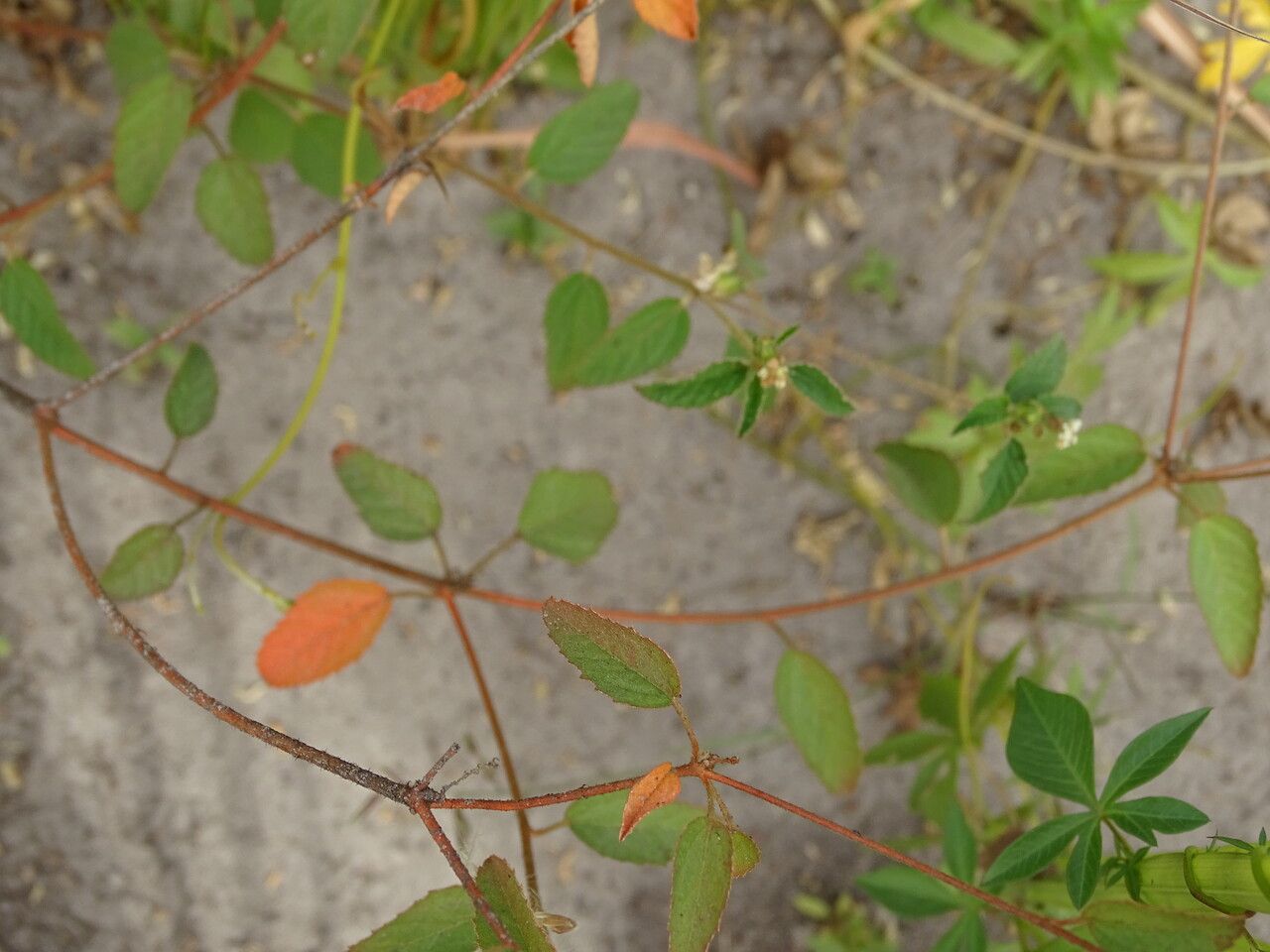
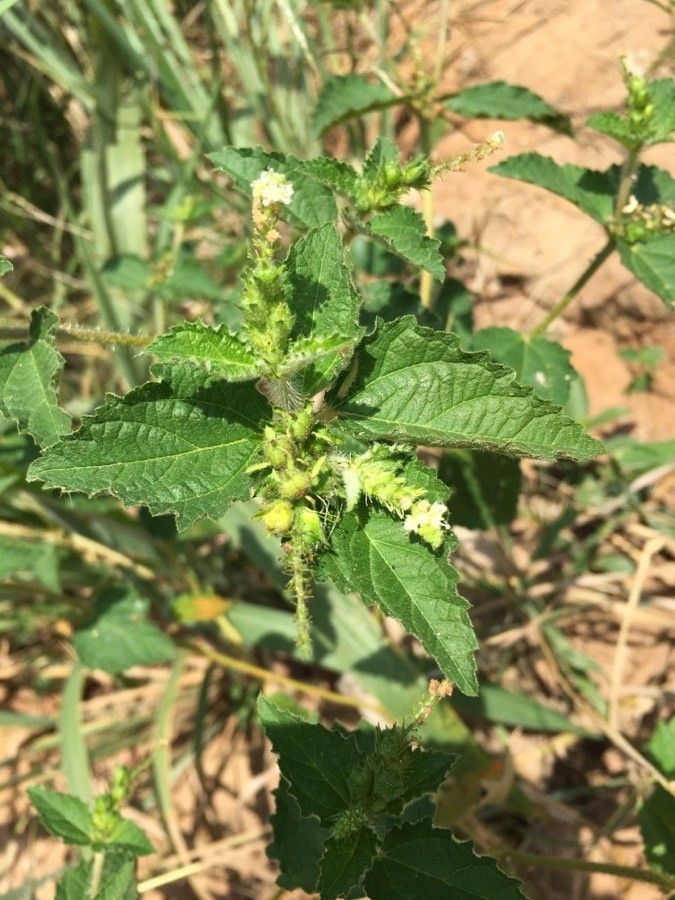
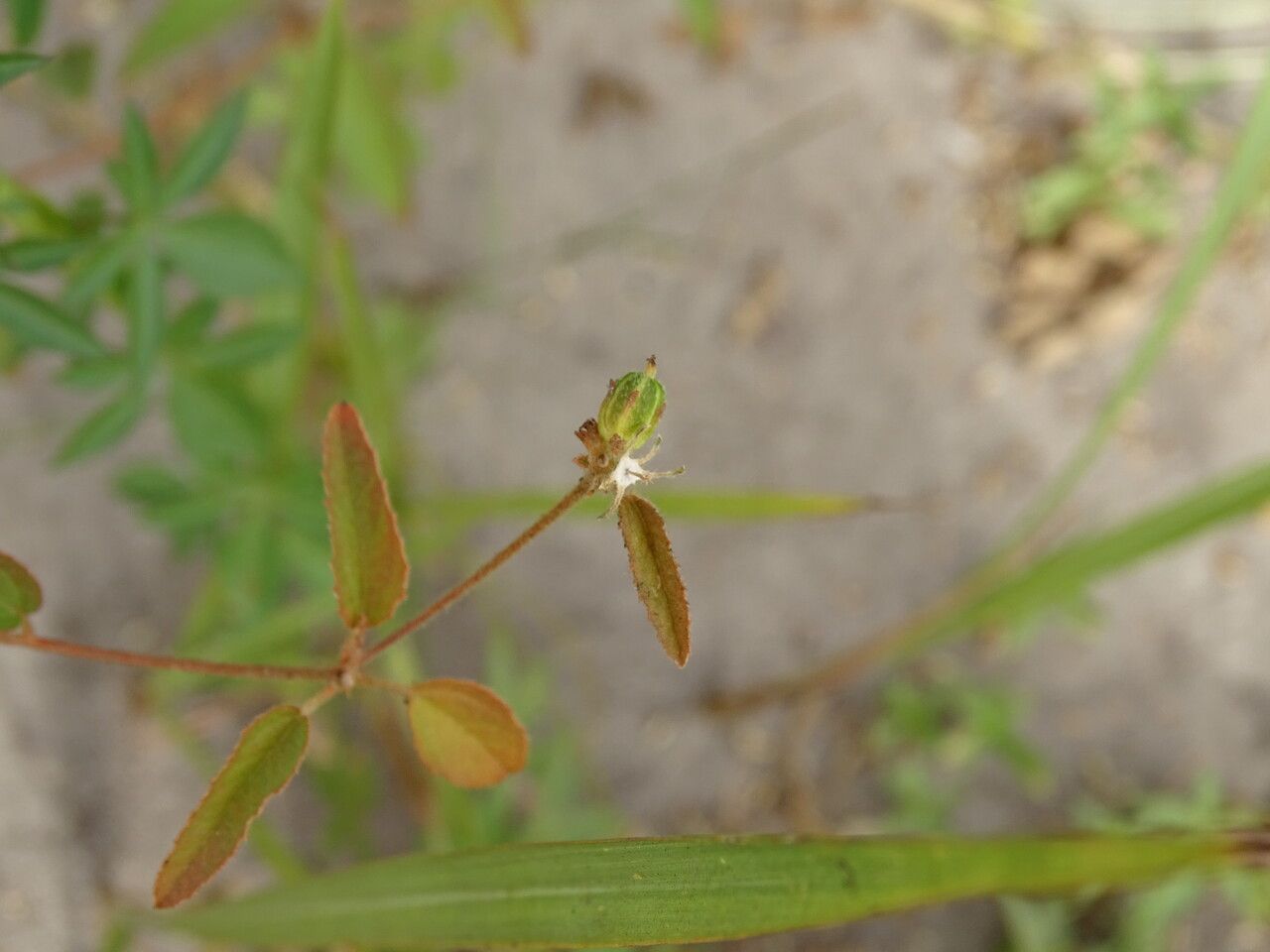
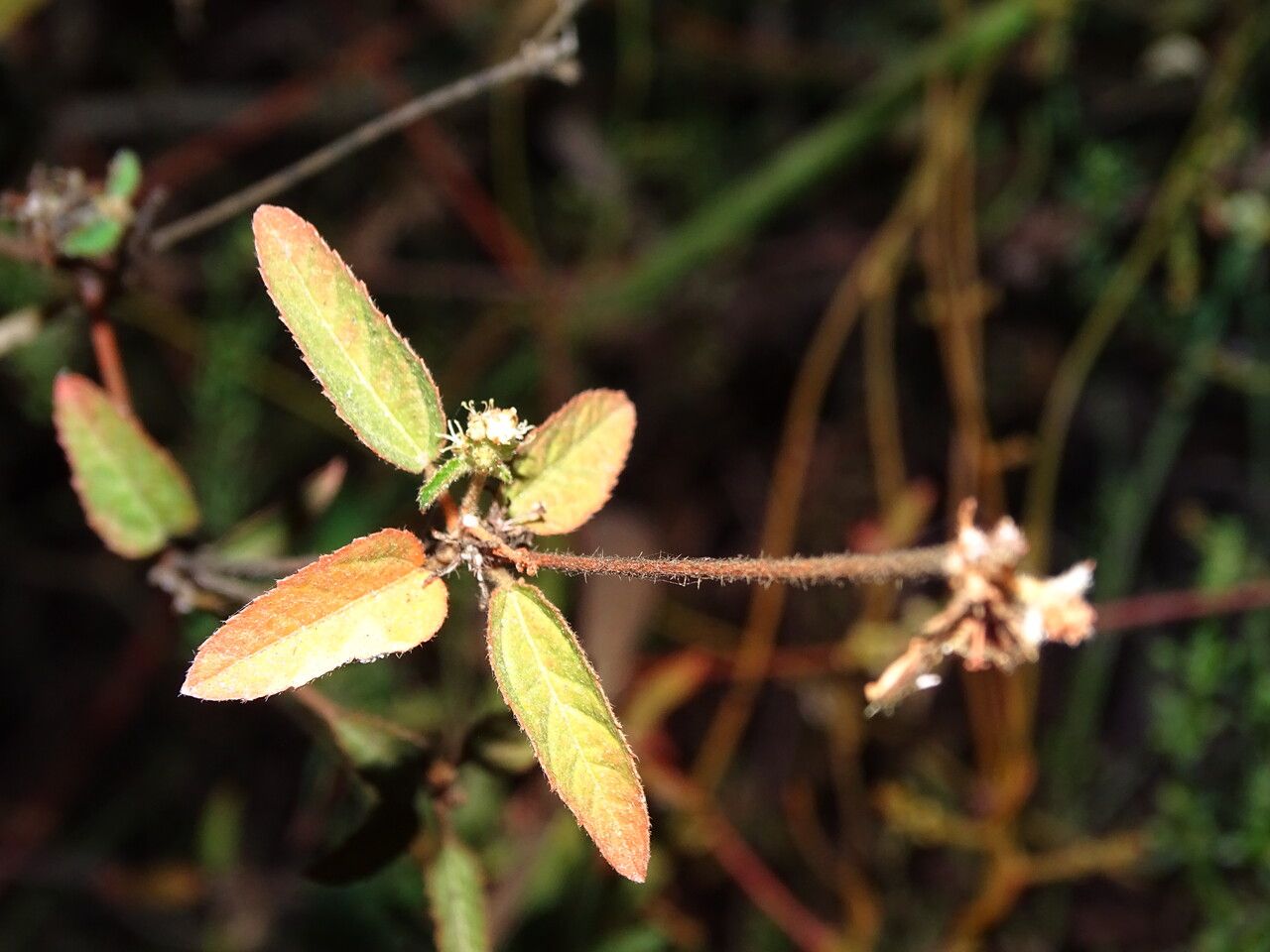
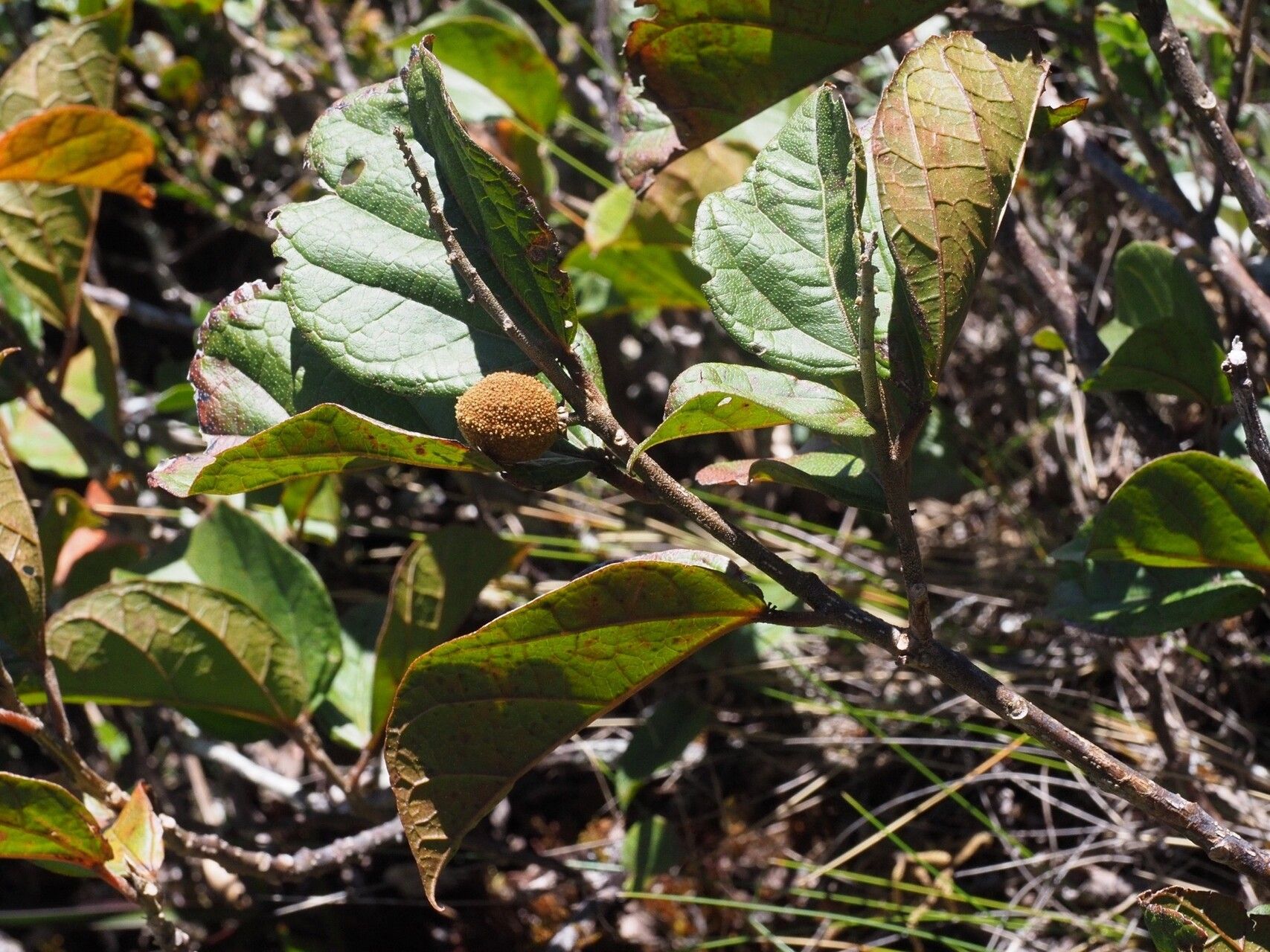
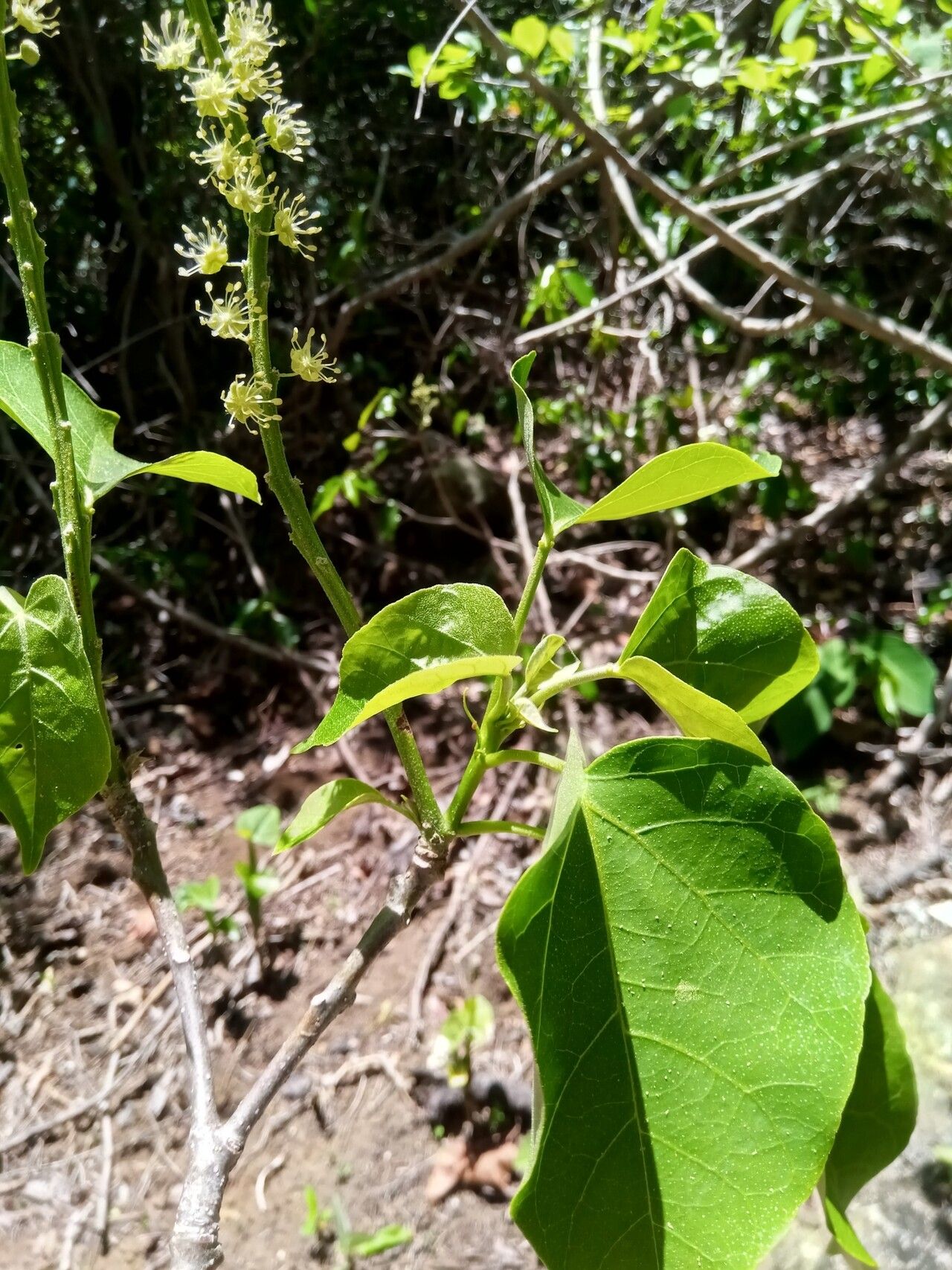
Croton hirtus, commonly known as the hairy croton or woolly croton, is a species of flowering plant in the Euphorbiaceae family. Its name derives from the distinctive hairy texture of its leaves and stems. Native to tropical regions of Africa and Madagascar, this plant has also spread to parts of Asia, Australia, and South America.
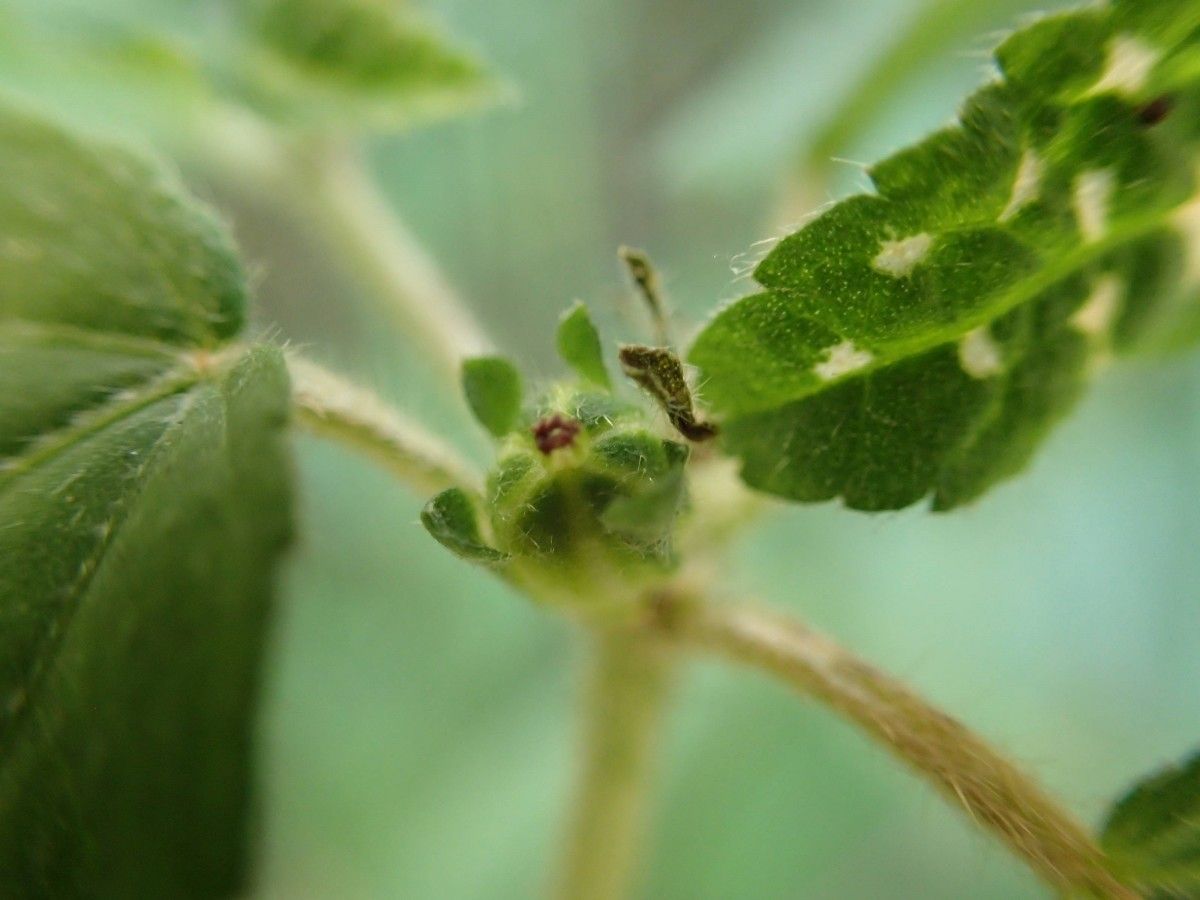
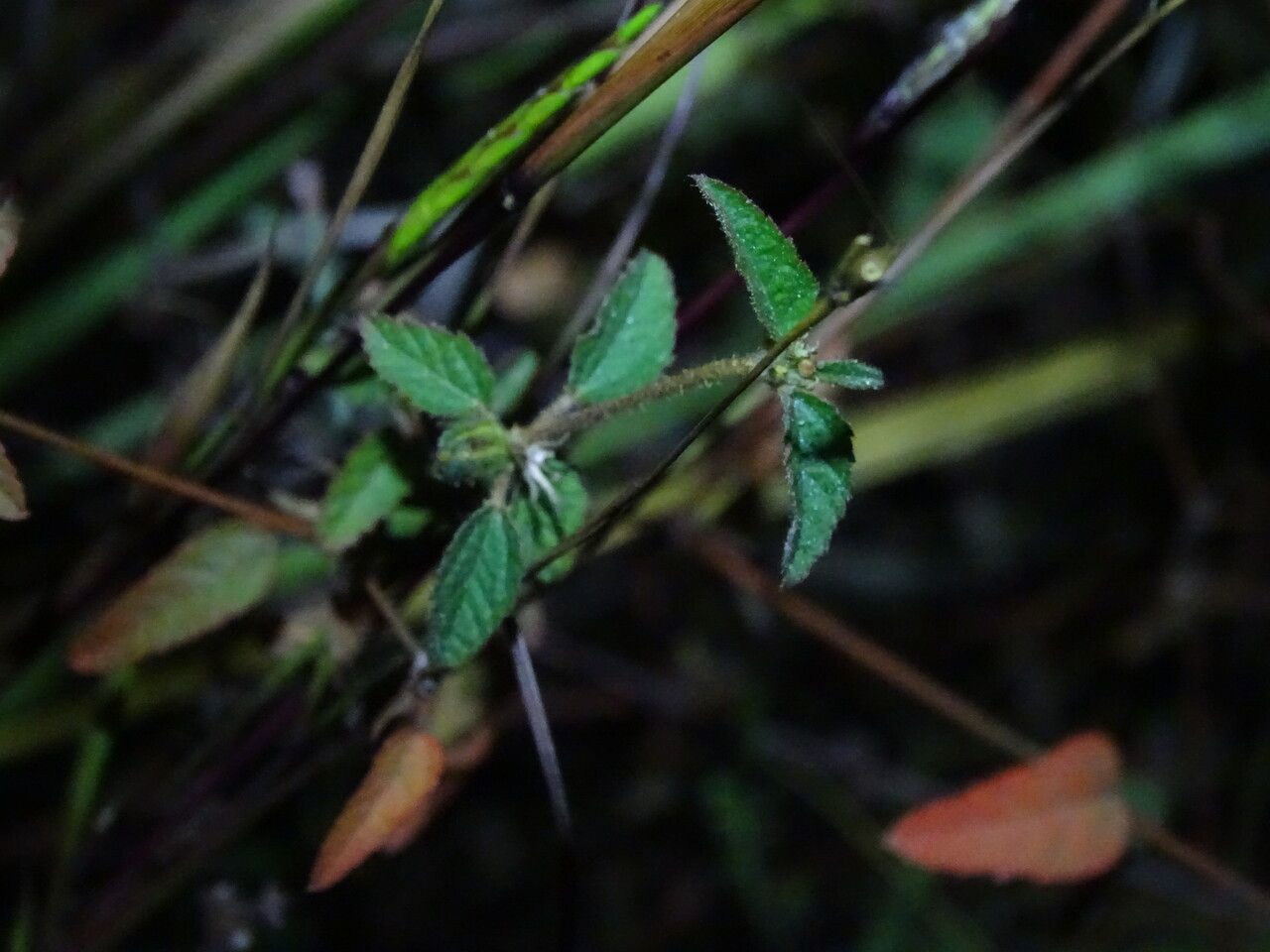
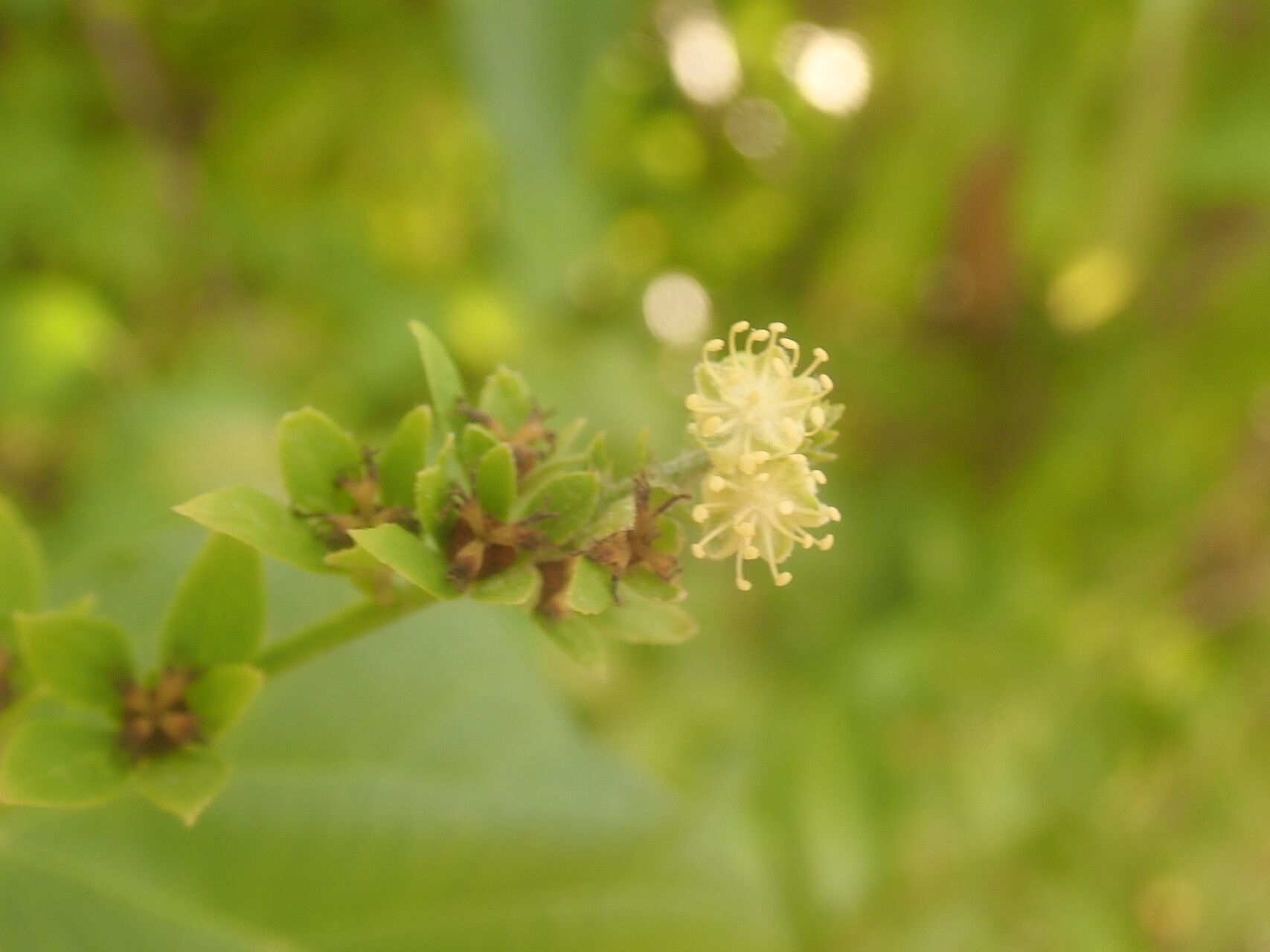
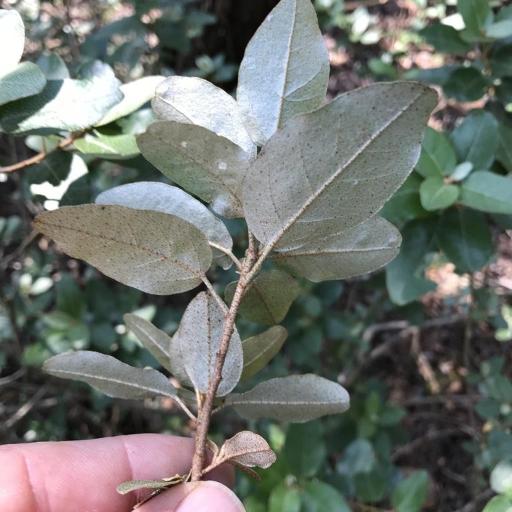
This plant can reach up to 2 meters in height and has a spread of up to 1 meter. Its large, oval-shaped leaves have serrated edges and are covered in fine hairs. The flowers are small, greenish-yellow, and appear in clusters at the ends of branches.
Croton hirtus prefers well-drained soil and plenty of sunlight but can tolerate partial shade. It needs regular watering during its growing season but should be allowed to dry out between waterings in the winter months.
Historically, indigenous people have used Croton hirtus for its medicinal properties, particularly its anti-inflammatory effects. The leaves have been applied as a poultice to treat skin conditions like eczema and psoriasis.
Overall, Croton hirtus is an attractive ornamental plant that adds texture and color diversity to tropical plantings or serves as a striking focal point on its own.
Hairy Croton has strong resistance to disease and is generally not liable to illnesses. However, it can be vulnerable to pests and diseases present in its surroundings. These infections are generally not severe. Regarding care, this plant requires moderate maintenance. It needs regular pruning to preserve a good appearance and support healthy growth. Fertilizing can also help encourage flowering. Hairy Croton is suitable for anyone with an outdoor area, such as a garden or patio, and does not demand much care experience. It may need more attention when grown indoors.
How to keep Croton Hirtus.
Light
Hairy Croton comes from bright, open habitats and does best in full sun. It can tolerate partial sun but favors direct sunlight for optimal growth. This annual and biennial plant is recognized for its sun-loving nature.
Temperature
Hairy Croton comes from tropical areas with typically warm, humid weather. Consequently, it is suited to high temperatures and humidity. It does not tolerate sudden temperature changes and prefers a consistent temperature, so avoid temperature swings indoors. It generally cannot endure cold and needs warmer conditions to grow. If the surrounding temperature becomes too low, the plant may stop growing or even die.
Fertilizer
Hairy Croton does well with frequent, weak applications of fertilizer to encourage healthy leaf development. You should feed Hairy Croton about once a month during the summer. Nitrogen is important for the foliage, and providing nitrogen-rich sources supports Hairy Croton’s growth.
Botanical profile.
- Plant Type
- Herb
- Life Cycle
- Annual
- Genus
- Croton
- Family
- Euphorbiaceae
- Hardiness Zone
- 10-12
- Mature Height
- 0 cm to 3 cm
- Mature Spread
- 30 cm to 61 cm
- Leaf Color
- Green
- Leaf Type
- Deciduous
- Flower Color
- White
- Flower Size
- 0.25 cm to 0.51 cm
- Bloom Time
- All year round
- Planting Time
- Summer
- Harvest Time
- All year round
- Native Area
- Colombia, Belize, Honduras, Mexico, Bolivia, Venezuela, Guyana, Brazil, Nicaragua, Ecuador, Costa Rica, Jamaica
Other names.