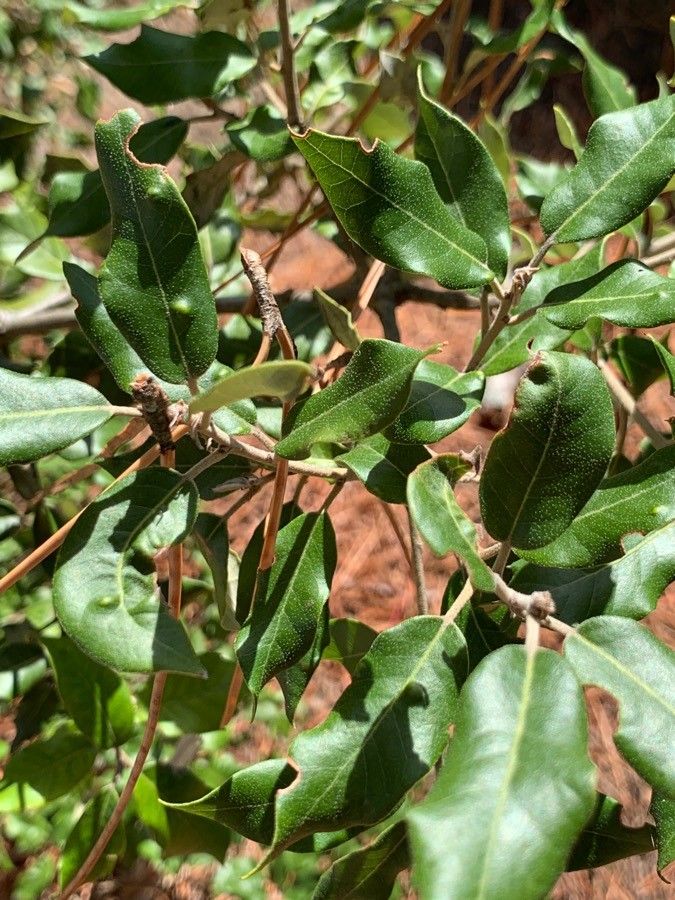
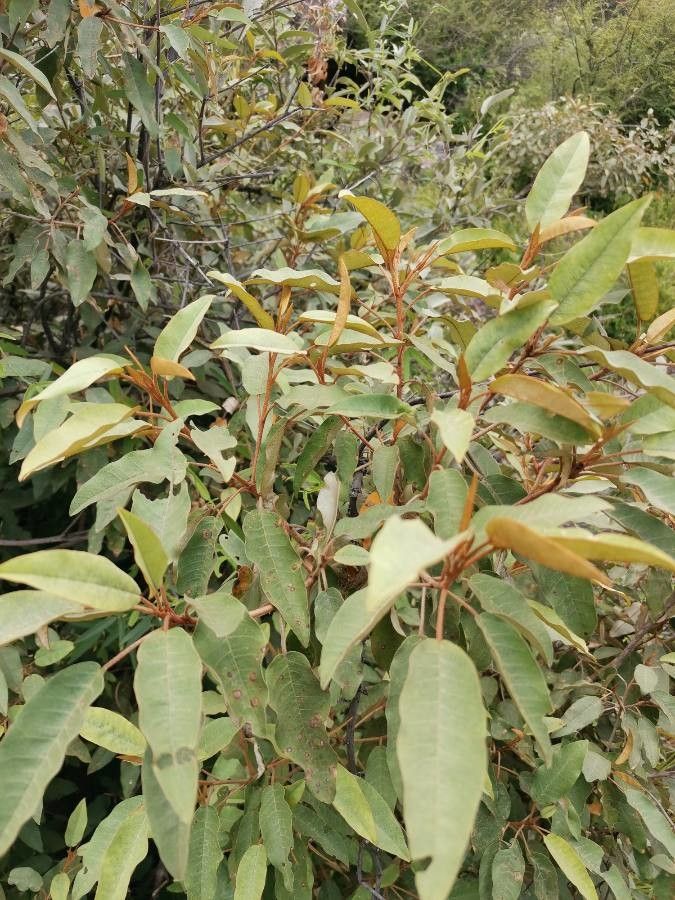
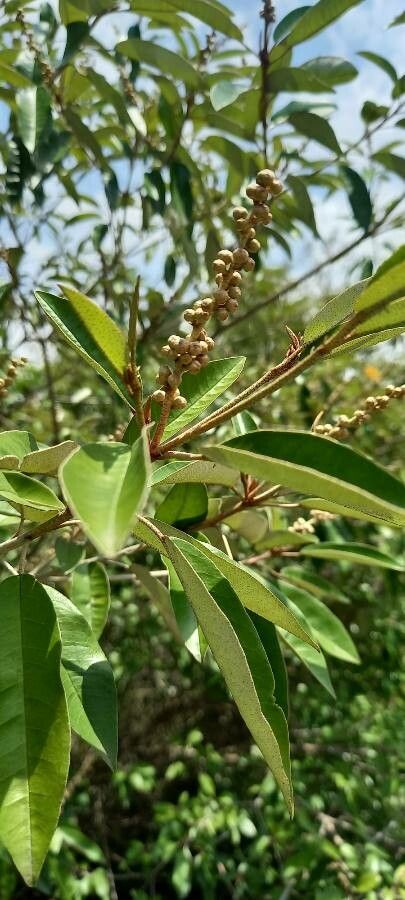
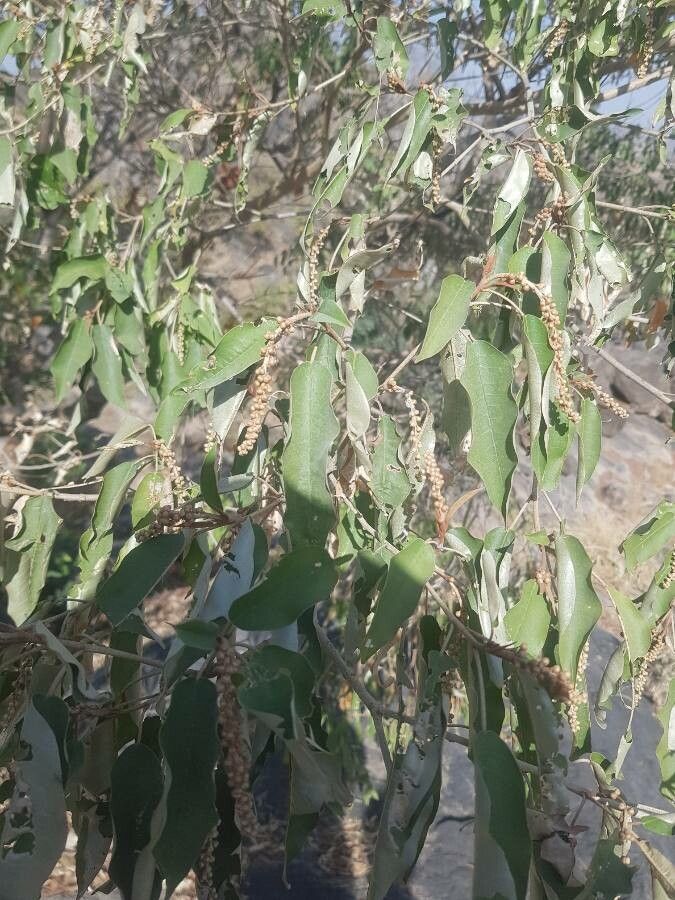
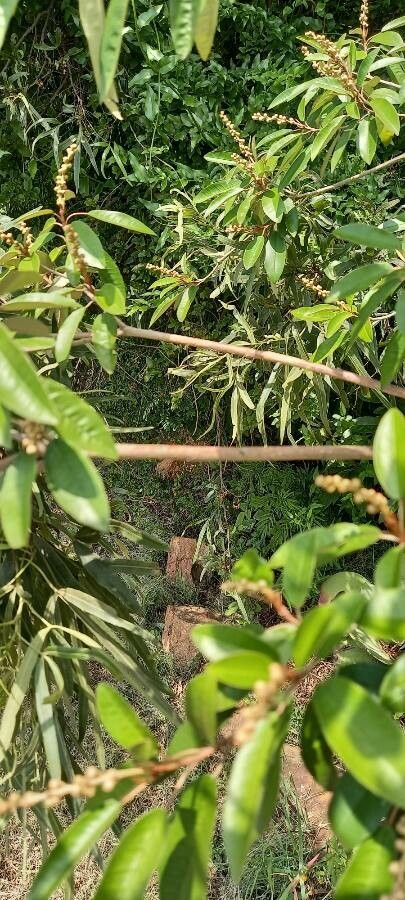
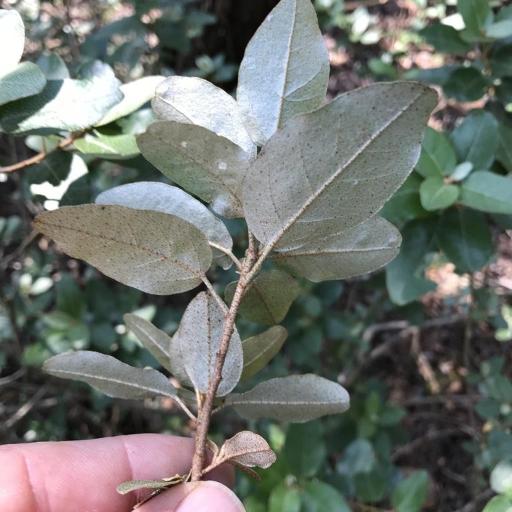
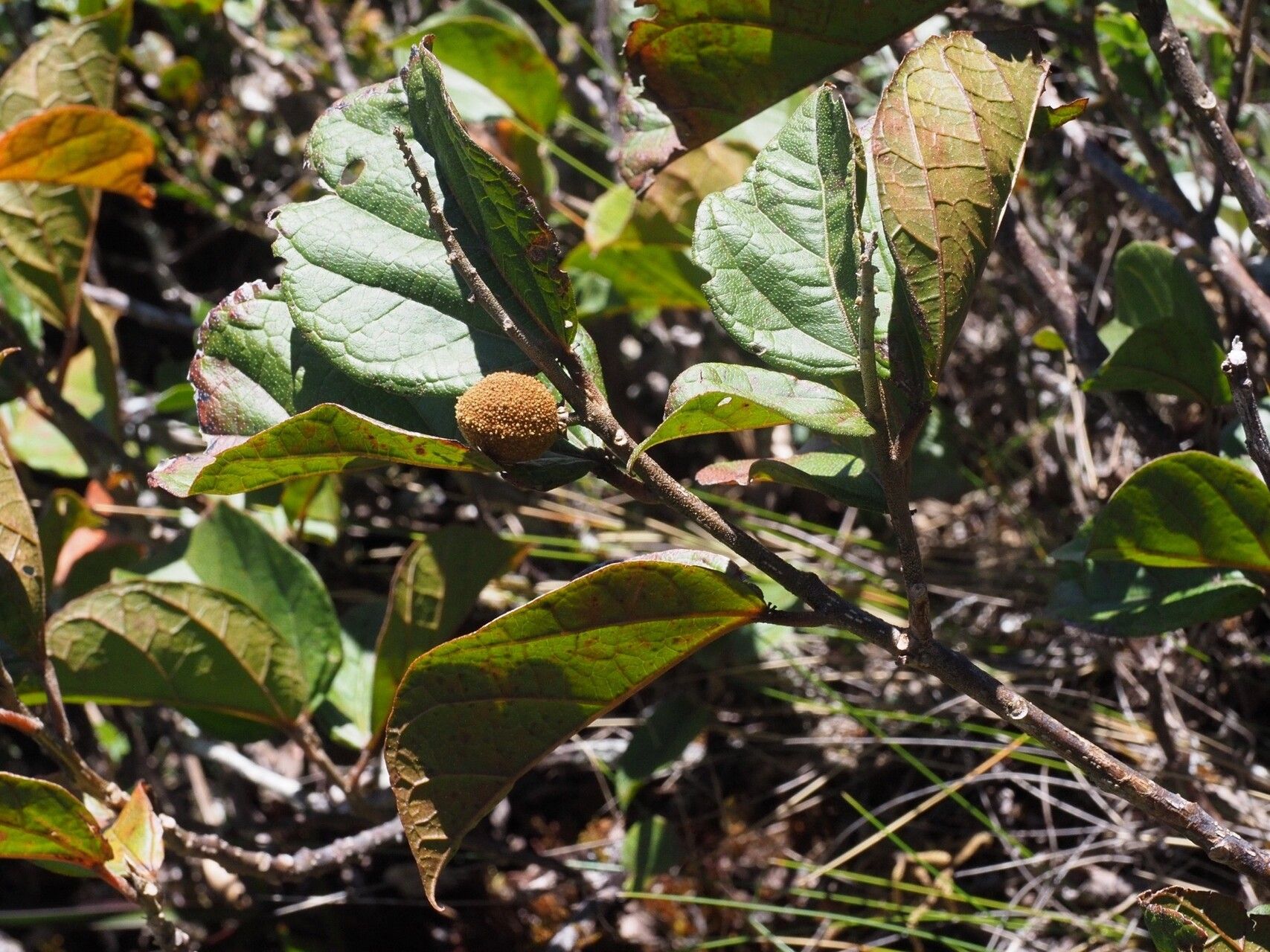
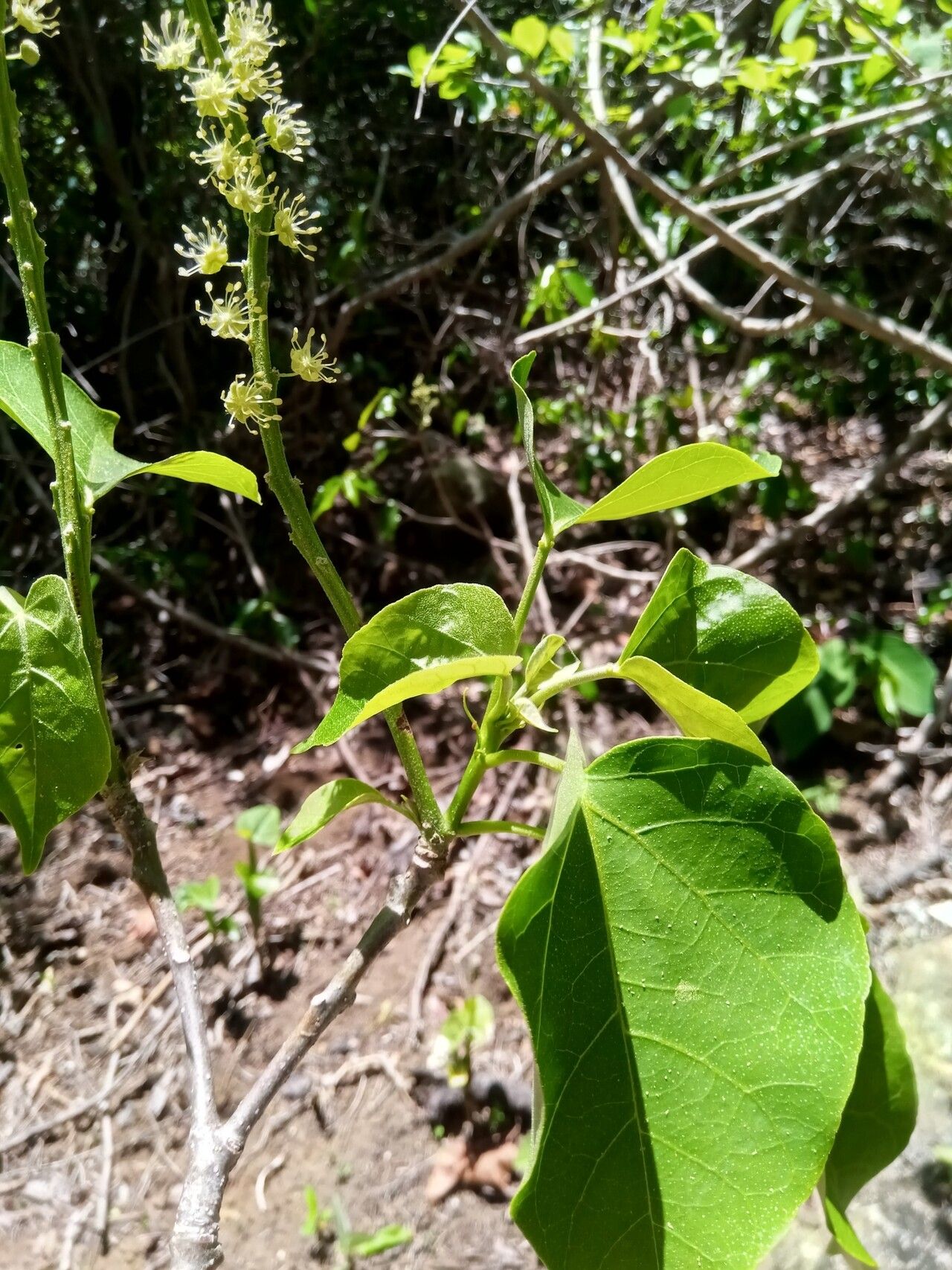
Croton gratissimus is a tropical evergreen tree that belongs to the Euphorbiaceae family. It is commonly found in the coastal regions of East Africa, ranging from Somalia to South Africa. This tree can grow up to 20 meters tall and features a dense, rounded crown with glossy, green, oval-shaped leaves that taper to a pointed tip.
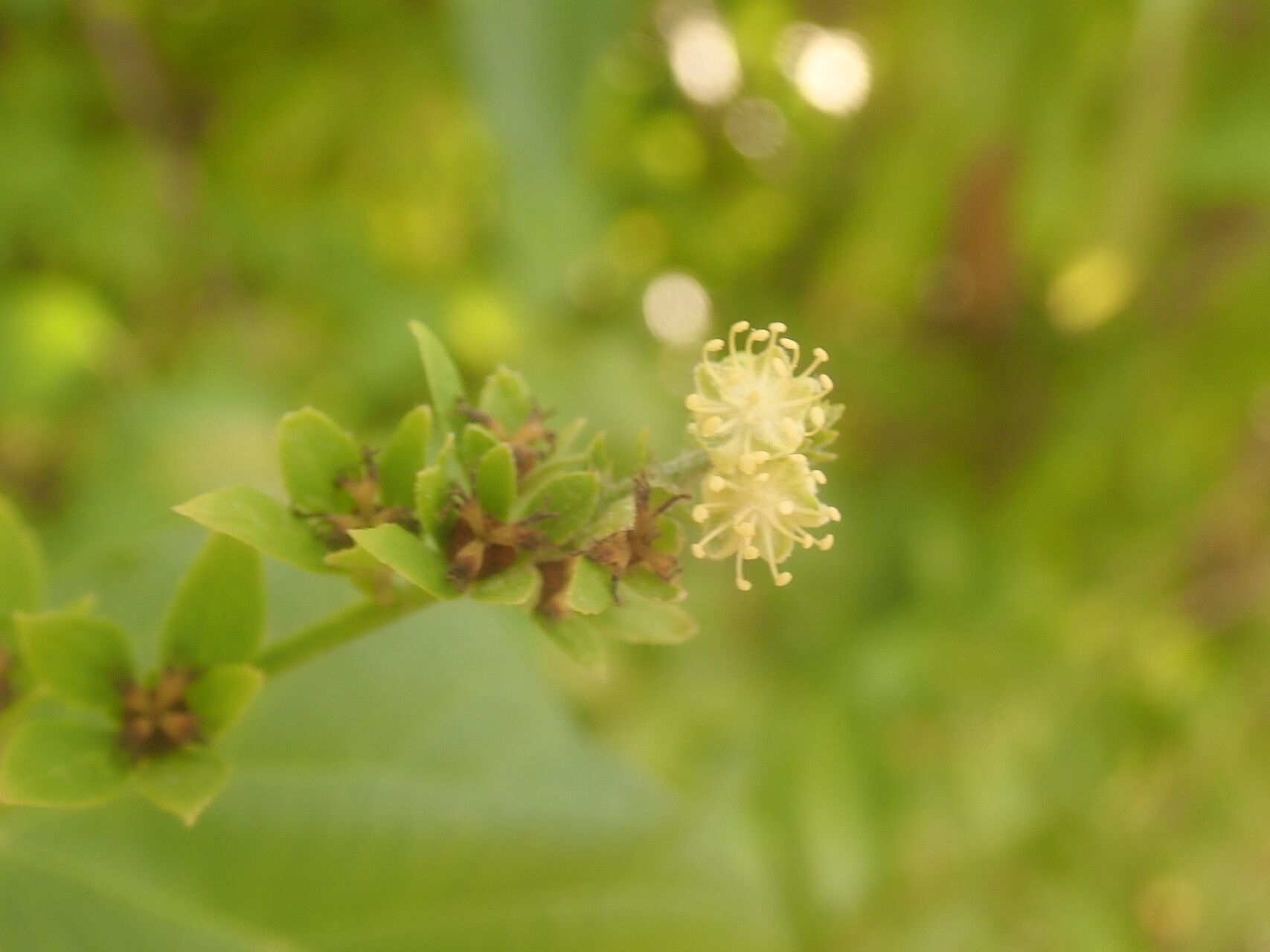
The bark of Croton gratissimus is smooth and greyish-brown, while its flowers are small and yellowish-green. The plant produces fruit in the form of capsules that contain three seeds each.
For centuries, traditional healers have utilized Croton gratissimus for its medicinal properties. Various parts of the plant, including the bark, leaves, roots, and seeds, have been used to treat ailments such as fever, malaria, diarrhea, and skin infections.
Besides its medicinal uses, Croton gratissimus serves several other purposes. Its hard wood is valued for timber production and is commonly used in construction and furniture making. Additionally, the leaves are highly nutritious and are often fed to livestock.
Overall, Croton gratissimus plays an important role both ecologically and economically in East African countries. Ecologically, it provides habitat for various species, while economically, it supplies valuable timber resources.
Lavender feverberry shows strong resistance to disease and is typically unlikely to suffer from illnesses. In terms of care, this plant is fairly low maintenance. When grown outdoors it needs minimal watering, and larger plants usually do not require pruning. Smaller plants, however, should be pruned after they finish blooming. Lavender feverberryt is suitable for anyone with an outdoor area, such as a garden or deck, and does not need much hands-on care experience.
How to keep Croton Gratissimus.
Light
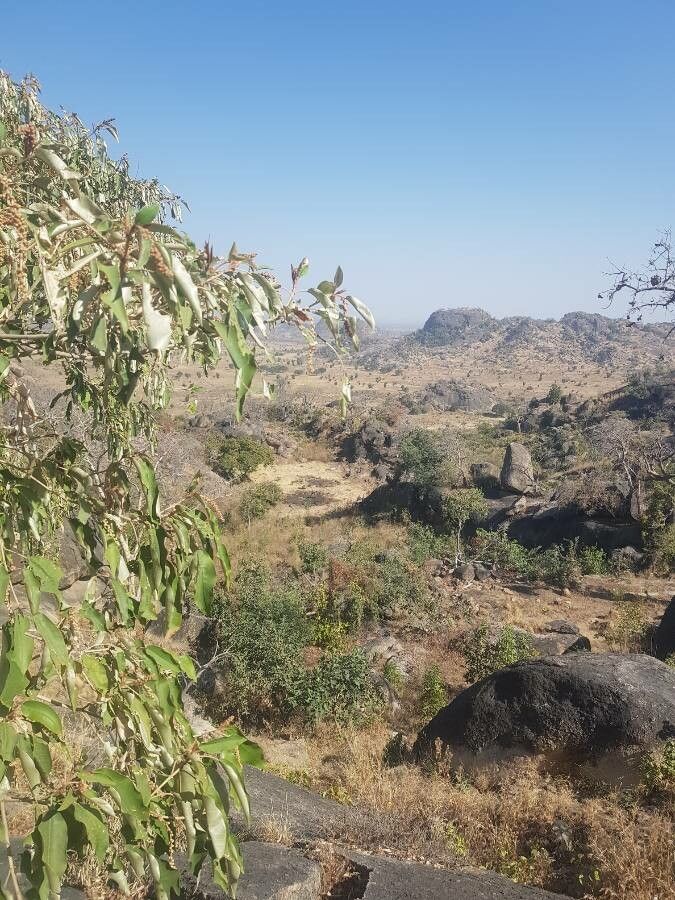
Lavender feverberry occurs naturally in habitats like forest understories and rocky areas, where it is exposed to natural shade. It prefers partial sun but can tolerate full sun or full shade, illustrating its versatility and hardiness.
Temperature
Lavender feverberry is fairly adaptable to temperature, tolerating higher heat and wide temperature swings. In hot conditions, you should ensure adequate watering and provide proper shading to prevent sunburn. Conversely, Lavender feverberry is not very resistant to cold. While it can handle some chill, overly low temperatures can cause frost damage.
Fertilizer
Fertilize your Lavender feverberry in early spring to encourage healthy growth. Regular feeding improves the plant’s overall health, producing vigorous growth, increased tolerance of harsh conditions, and better resistance to pests and diseases. Keep to a consistent fertilization schedule for your Lavender feverberry to maintain vivid, deeply colored, and lush foliage.
Botanical profile.
- Plant Type
- Shrub, Tree
- Life Cycle
- Perennial
- Genus
- Croton
- Family
- Euphorbiaceae
- Hardiness Zone
- 10-12
- Mature Height
- 3.96 m to 7.92 m
- Mature Spread
- 3.05 m to 4.88 m
- Leaf Color
- Dark Green, Silver
- Leaf Type
- Semi-evergreen
- Flower Size
- 0.51 cm to 1.02 cm
- Bloom Time
- Mid summer, Late summer, Early fall
- Planting Time
- Autumn
- Harvest Time
- Fall
- Native Area
- Burkina Faso, Malawi, Angola, Namibia, South Africa, Zambia, Sudan, Nigeria, Kenya, Uganda, Zimbabwe, Benin, Chad, Mozambique, Ghana, Côte d'Ivoire, Ethiopia, Eswatini, Gambia, Botswana
Other names.