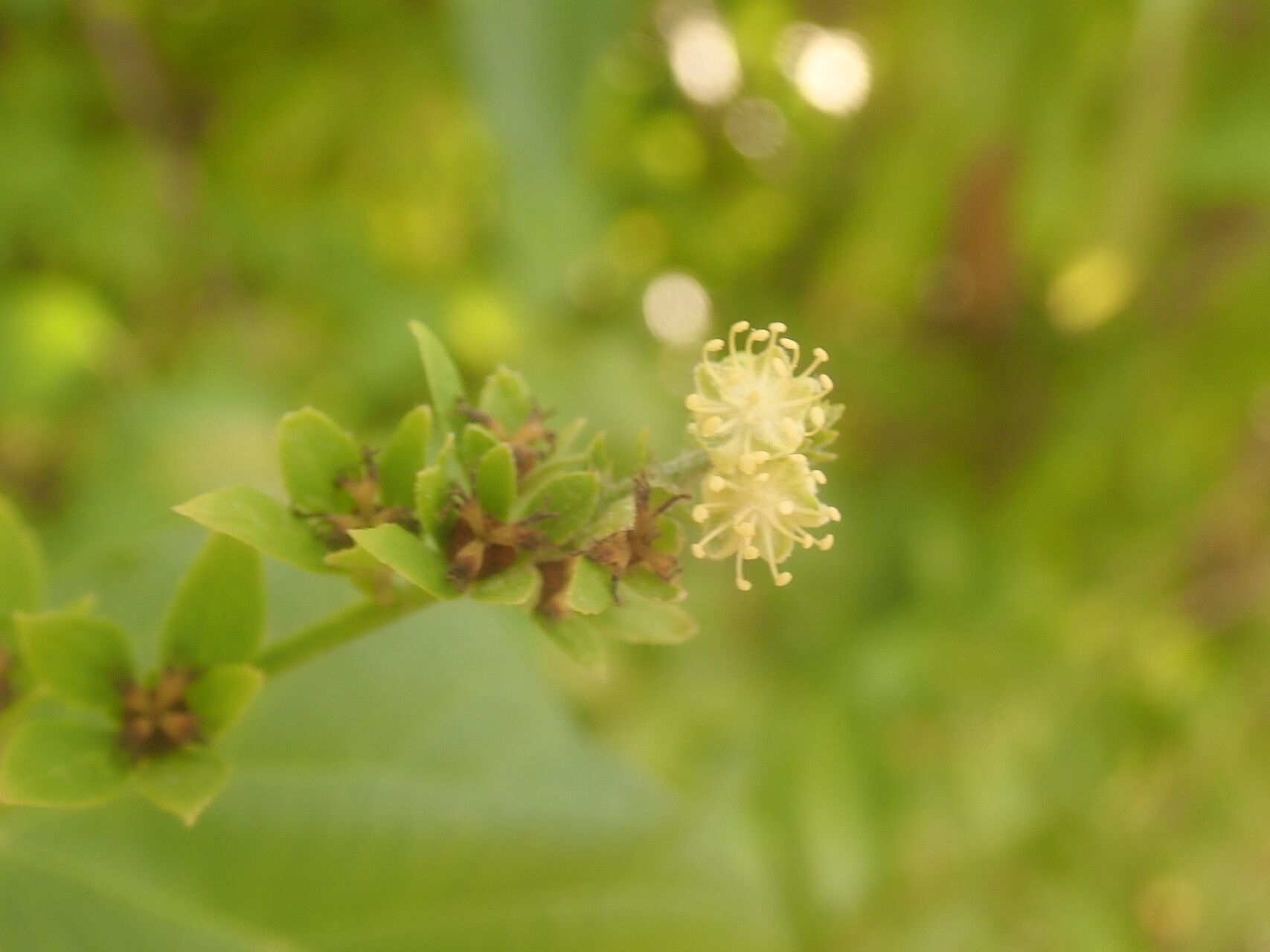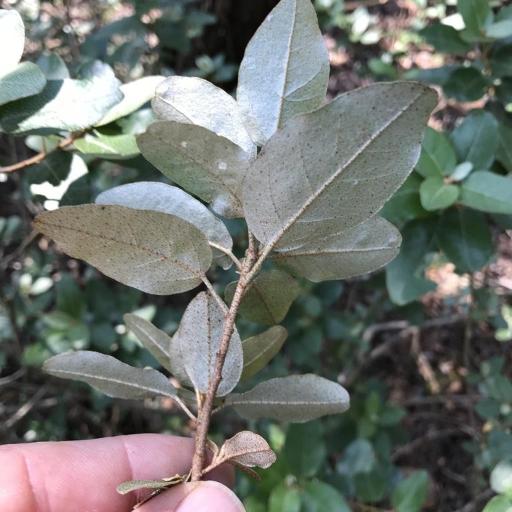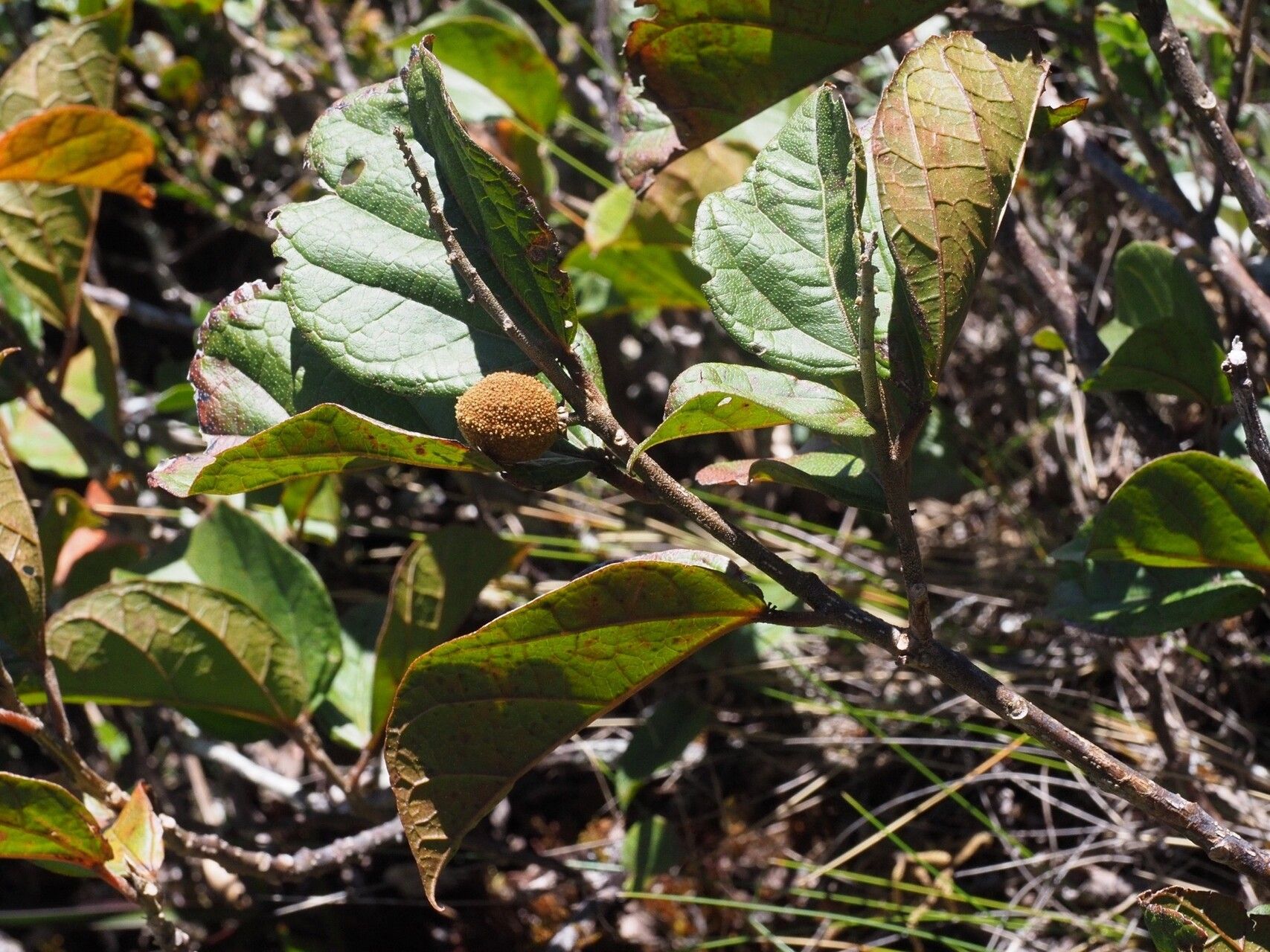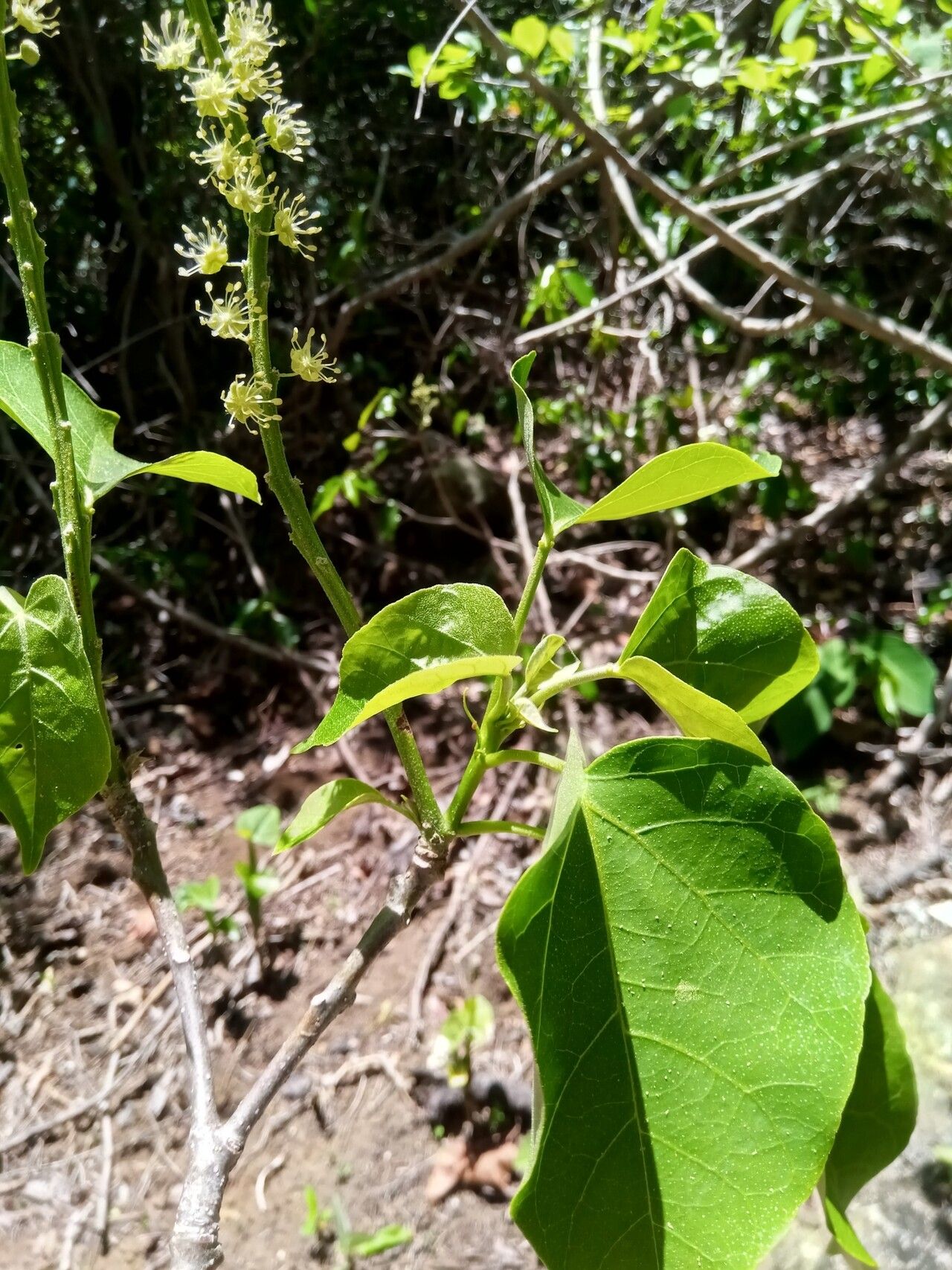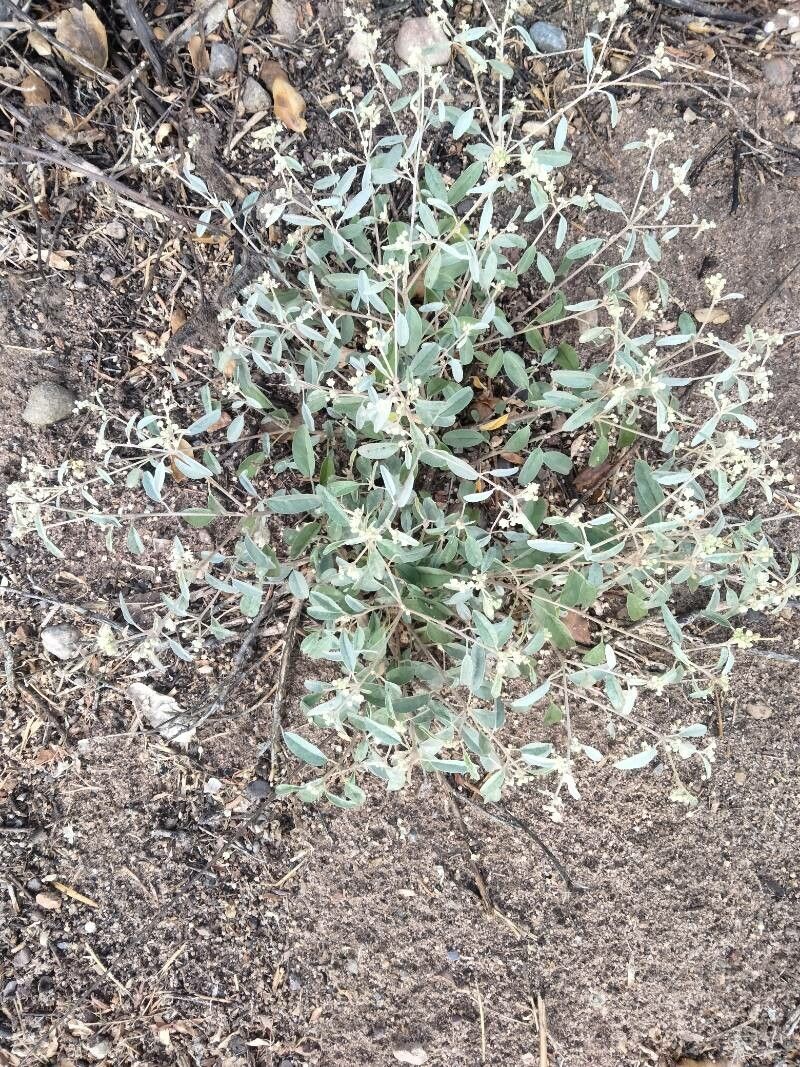
Croton dioicus, commonly known as the spurge nettle or hogwort, is a species of flowering plant in the family Euphorbiaceae. Native to North America, it thrives in a variety of habitats, including forests, fields, and wetlands. The plant can grow up to 2 meters tall and features green leaves with serrated edges that are arranged alternately on the stem.
The flowers of Croton dioicus are small and greenish-yellow, blooming from May to August. They are pollinated by insects such as bees. The plant produces a fruit in the form of a capsule, which contains three seeds.
For centuries, Native Americans have utilized Croton dioicus for medicinal purposes, employing it to treat ailments like fever, coughs, colds, diarrhea, and skin irritations.
While the spurge nettle contains toxic compounds that can cause skin irritation or allergic reactions when touched or ingested by humans or animals, it also possesses potential medicinal properties. Recent studies have focused on its anti-inflammatory effects.
In summary, Croton dioicus is a fascinating species with both toxic properties and the potential for health benefits, provided it is used correctly under medical supervision.
Grassland croton is resistant to disease and is generally not susceptible to illnesses. In terms of care, this plant is fairly low-maintenance. When grown outdoors it needs little watering, and larger plants typically do not require pruning. However, smaller plants should be pruned after they have flowered. Grassland croton is suitable for anyone with outdoor space, such as a garden or deck, and does not demand much experience in plant care.
How to keep Croton Dioicus.
Light
Grassland croton comes from open habitats, such as sunny meadows and forest edges, which supply abundant light. It does best in Full Sun but can tolerate Partial Sun, adapting well to a range of light conditions.
Temperature
Grassland croton is well adapted to temperature, able to withstand higher heat and wider temperature fluctuations. In hot conditions, attention should be paid to watering and suitable shading should be provided to prevent sunburn. However, grassland croton is relatively sensitive to low temperatures. Although it tolerates some cold, excessively low temperatures can cause frost damage.
Fertilizer
Apply fertilizer to your Grassland croton in early spring to encourage healthy growth. Regular feeding improves overall health, producing vigorous growth, greater resilience to challenging conditions, and stronger resistance to diseases and pests. Stick to a defined fertilization schedule for your Grassland croton to maintain vibrant foliage with deep color and a lush appearance.
Pruning
Grassland croton is characterized by its lush foliage and thrives in grassland environments. To encourage growth, prune the plant in early spring by removing damaged branches and thinning crowded areas to improve air circulation. Additionally, light pruning after flowering can enhance blooms, increasing the plant's resilience and vigor. This makes grassland croton a valuable addition to any garden.
Botanical profile.
- Plant Type
- Shrub
- Life Cycle
- Perennial
- Genus
- Croton
- Family
- Euphorbiaceae
- Hardiness Zone
- 10-12
- Mature Height
- 30 cm to 91 cm
- Mature Spread
- 30 cm to 61 cm
- Leaf Color
- Green, Dark Green
- Leaf Type
- Deciduous
- Flower Size
- 0.25 cm to 0.51 cm
- Bloom Time
- Late spring, Summer, Early fall
- Planting Time
- Spring, Summer, Autumn
- Harvest Time
- Mid summer, Late summer, Fall
- Native Area
- Mexico
Other names.
Reader questions.
What is Grassland Croton?
Grassland Croton, known botanically as Croton dioicus, does not have any provided information regarding its essentials or symptoms. More detailed research would be necessary to learn about its characteristics, habitats, or any specific care it might need.