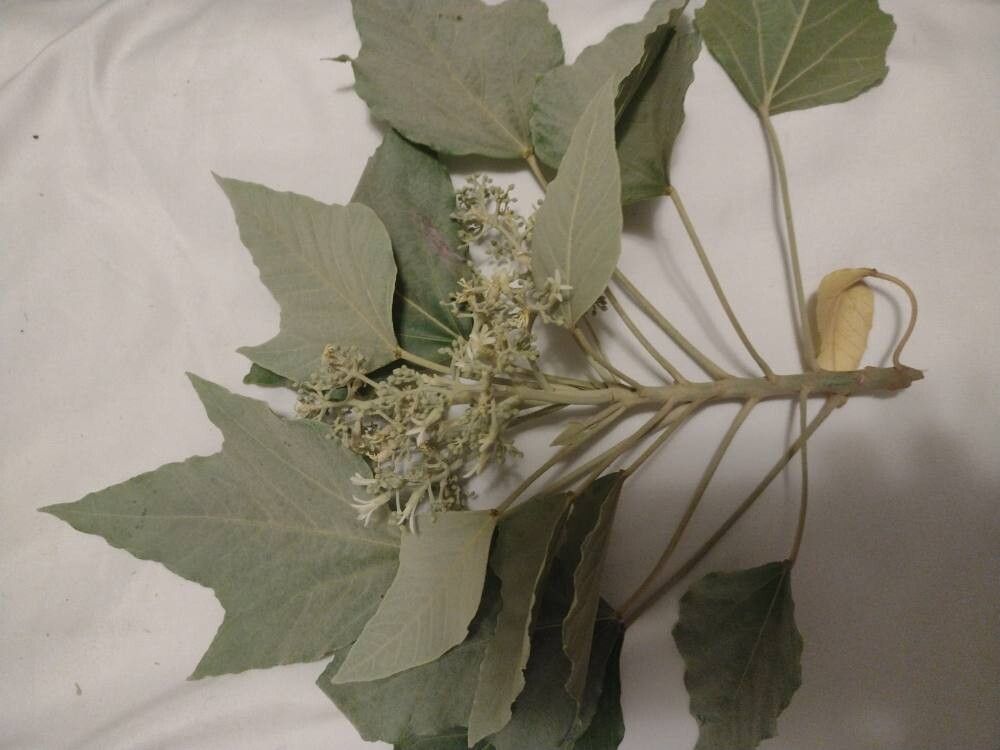
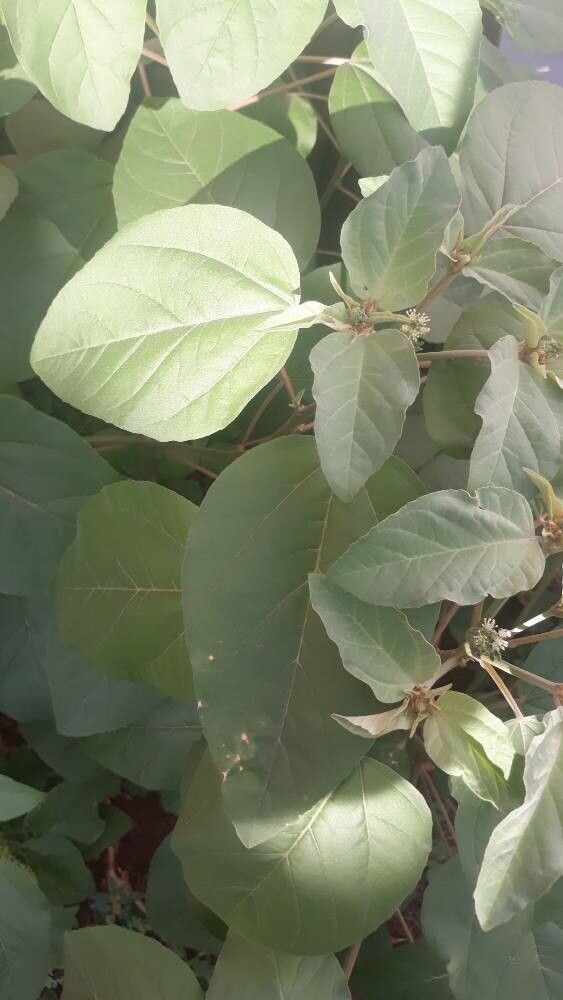
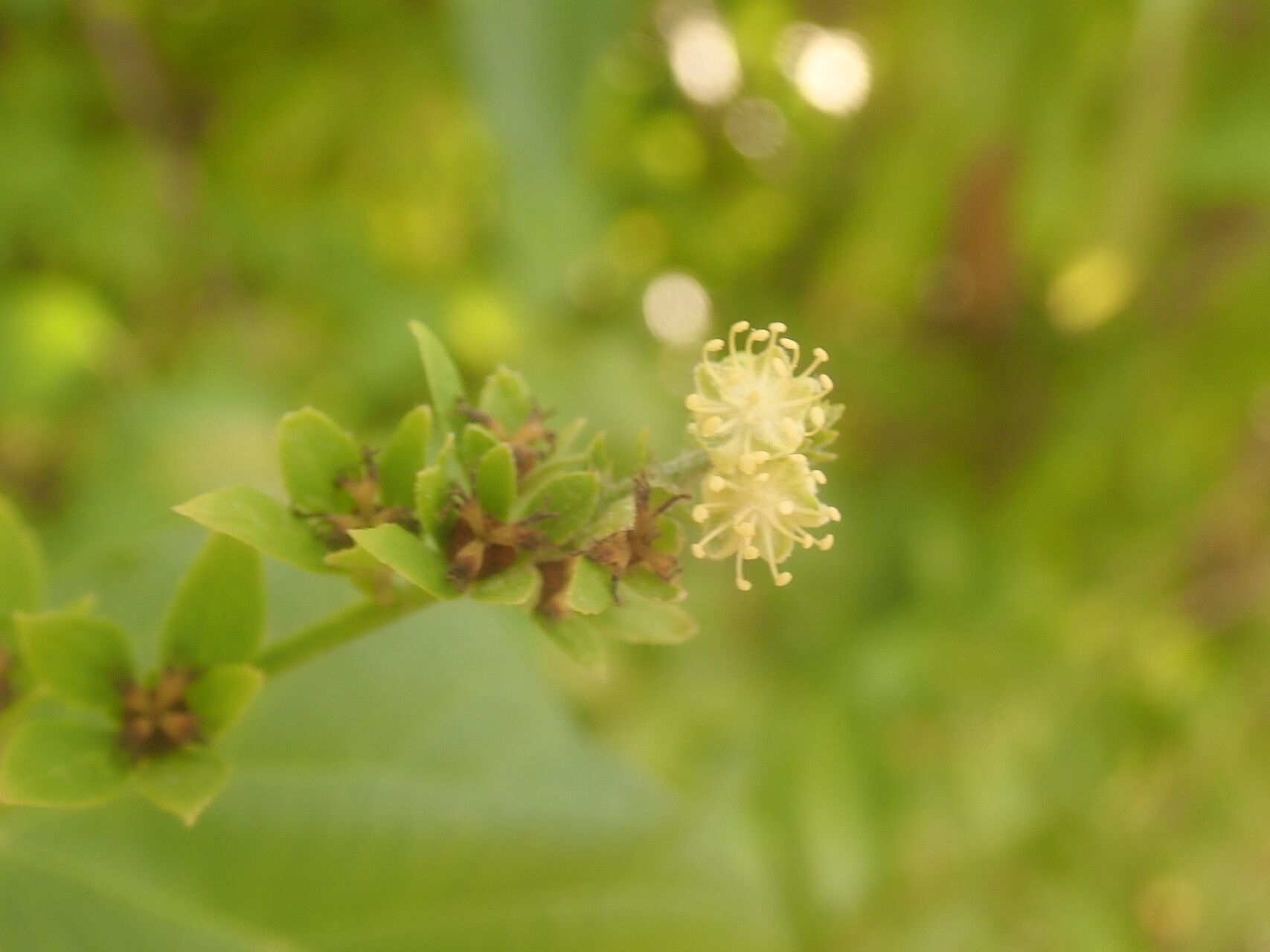
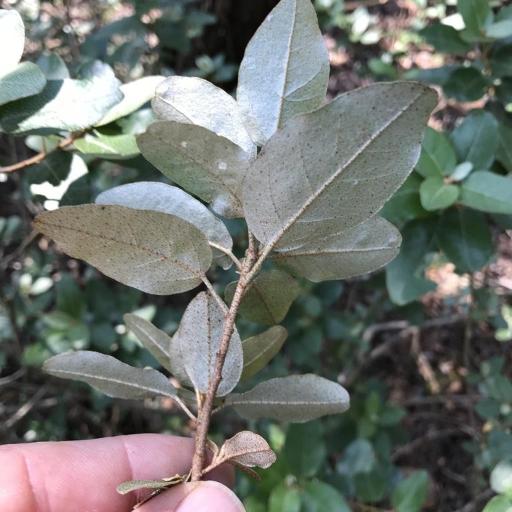
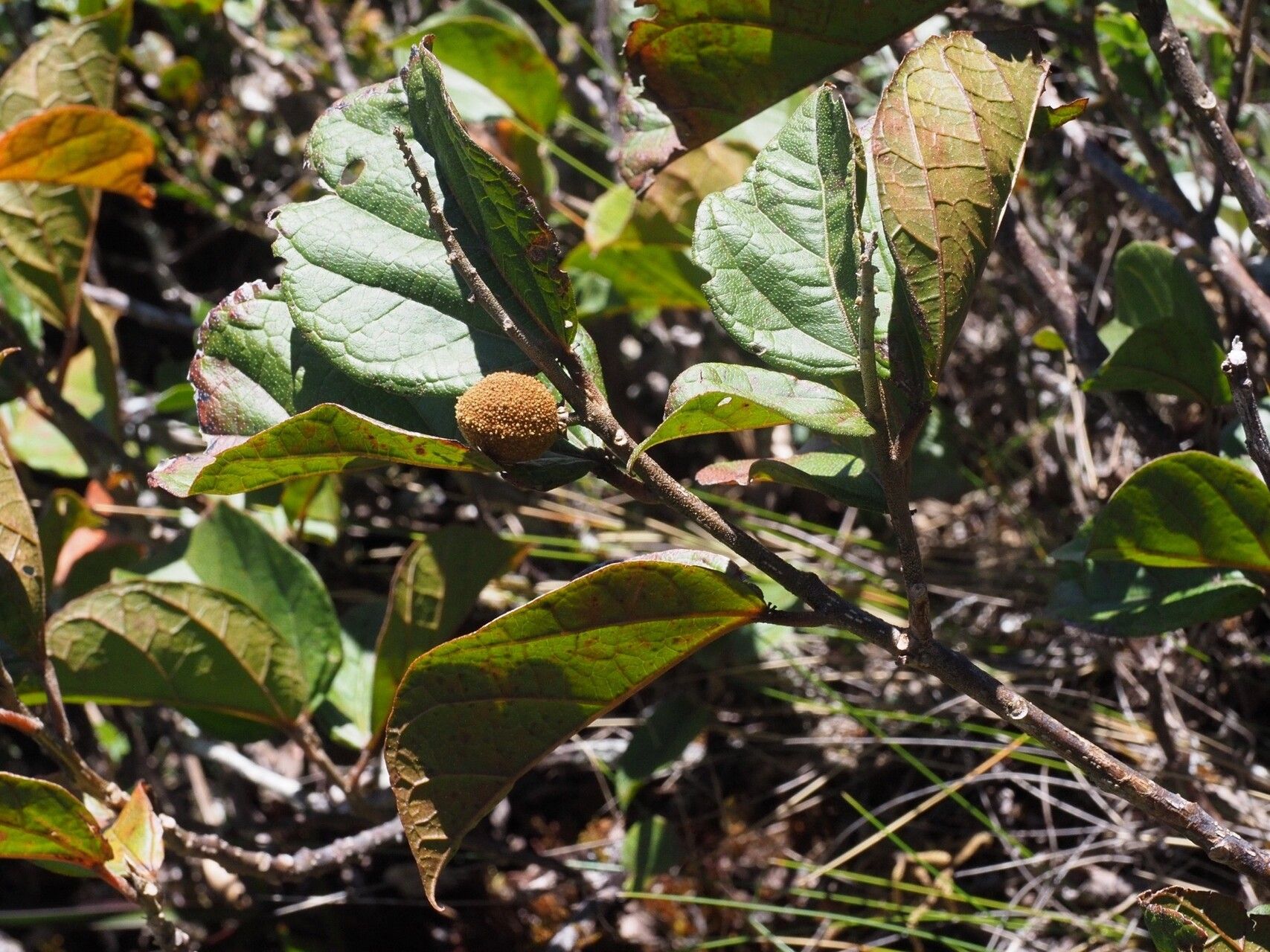
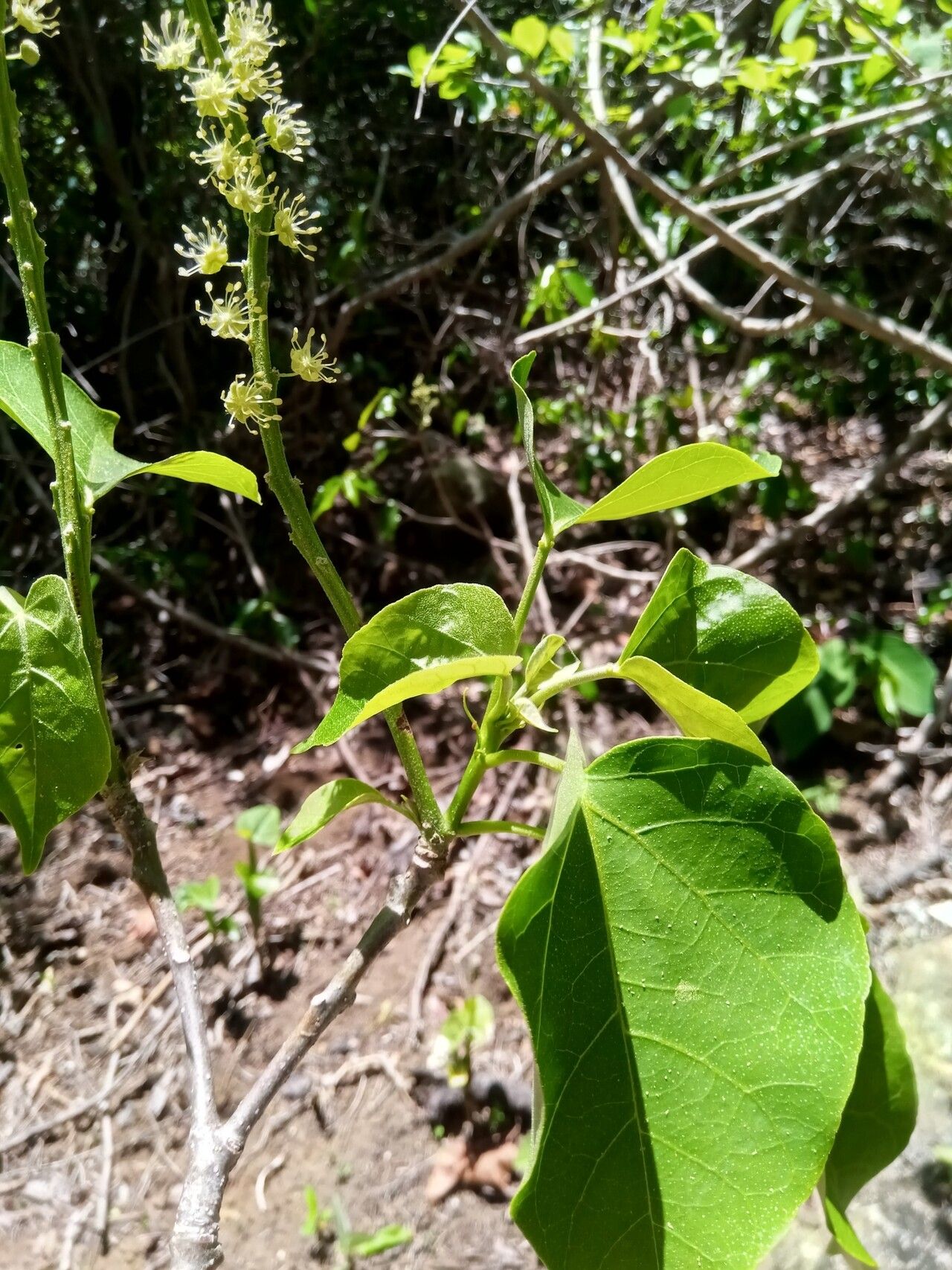
Chrozophora tinctoria (commonly known as dyer's croton, giradol, turnsole or dyer's litmus plant) is a plant species native to the Mediterranean, the Middle East, India, Pakistan, and Central Asia. It is also present as a weed in North America and Australia.
Dyer's litmus has strong disease resistance and is usually not vulnerable to illnesses. However, it can be affected by pests and diseases present in its environment, and these issues are typically minor. Regarding care, this plant requires moderate maintenance. It should be pruned regularly to keep a neat appearance and support healthy growth. Fertilizing can also help encourage flowering. Dyer's litmus is well suited for anyone with outdoor space, such as a garden or patio, and does not demand extensive care experience. It may need more attention when grown indoors.
How to keep Croton Argenteus.
Light
Dyer's litmus grows most successfully in places that provide plenty of light, though it can survive with only a small amount. Its native habitat indicates it is adapted to areas of strong brightness. While it can tolerate stretches of reduced sun exposure, too little or too much light may impede its healthy growth.
Temperature
Dyer's litmus is a plant that grows best in climates where temperatures range from 68 to 106 °F (20 to 41 ℃). It is native to regions with these temperature levels and favors warmer conditions. Seasonal temperature adjustments may be necessary to recreate its natural habitat.
Fertilizer
Dyer's litmus responds well to regular, dilute applications of fertilizer to encourage healthy leaf development. You should fertilize Dyer's litmus about once a month during the summer. Nitrogen is important for foliage, and supplying nitrogen-rich sources helps Dyer's litmus thrive.
Botanical profile.
- Plant Type
- Herb
- Life Cycle
- Annual, Perennial
- Genus
- Croton
- Family
- Euphorbiaceae
- Hardiness Zone
- 10-13
- Mature Height
- 30 cm to 49 cm
- Mature Spread
- 20 cm to 40 cm
- Leaf Color
- Green, Light Green
- Leaf Type
- Semi-evergreen
- Flower Color
- Yellow
- Flower Size
- 0.10 cm to 0.20 cm
- Bloom Time
- Summer, Early fall
- Planting Time
- Spring, Summer
- Harvest Time
- Late summer, Fall
- Native Area
- Libya, Egypt, Turkey, India, Montenegro, Pakistan, Croatia, Morocco, Uzbekistan, Russia, Iraq, Oman, Qatar, France, Portugal, Saudi Arabia, Tajikistan, Tunisia, Bulgaria, Armenia, Greece, Lebanon, Serbia, Afghanistan, Syria, Kyrgyzstan, Kazakhstan, Italy, Spain, Iran, Albania, Azerbaijan, Algeria, Turkmenistan
Other names.