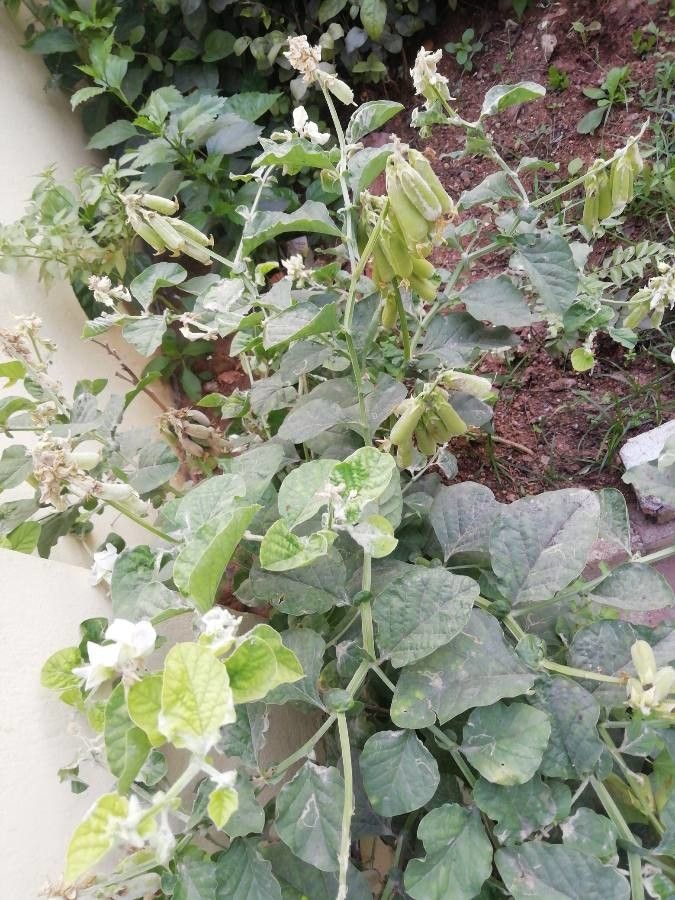
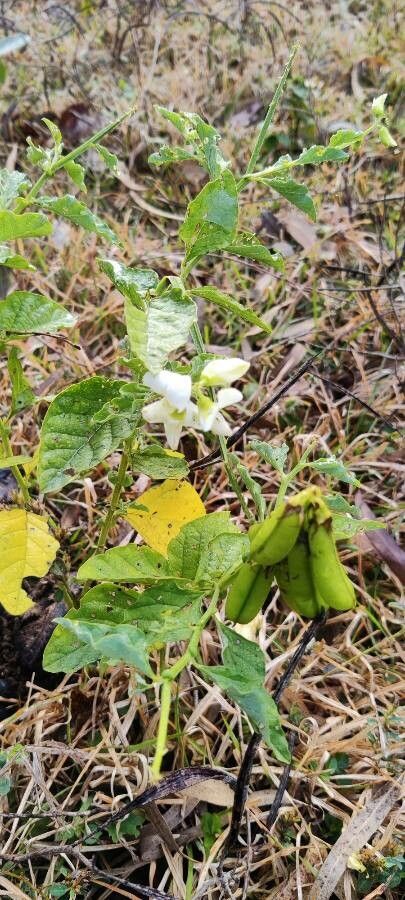
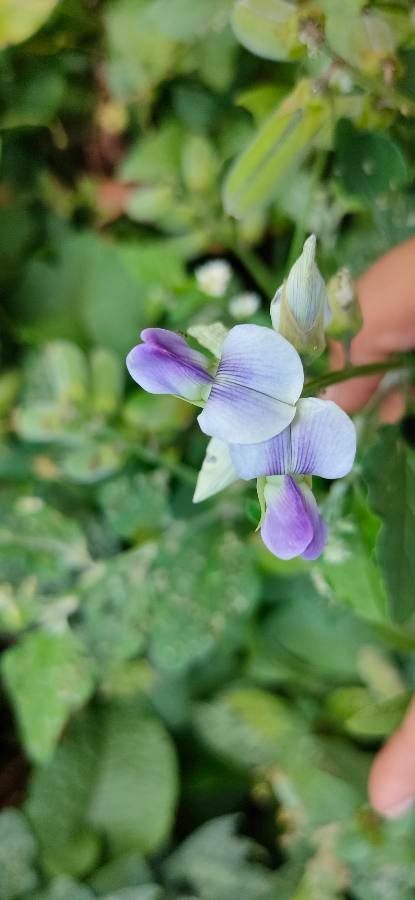
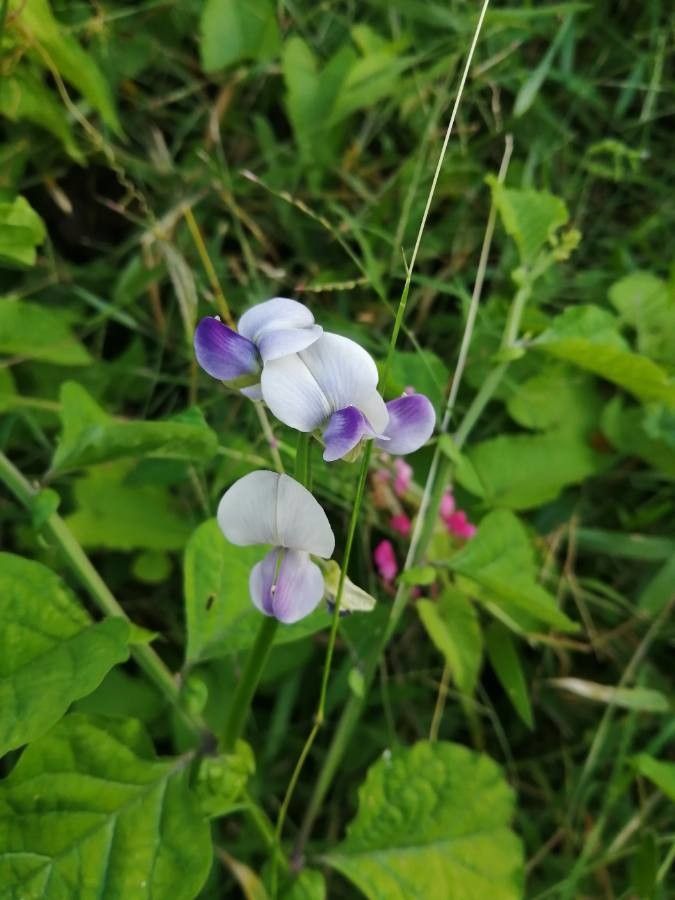
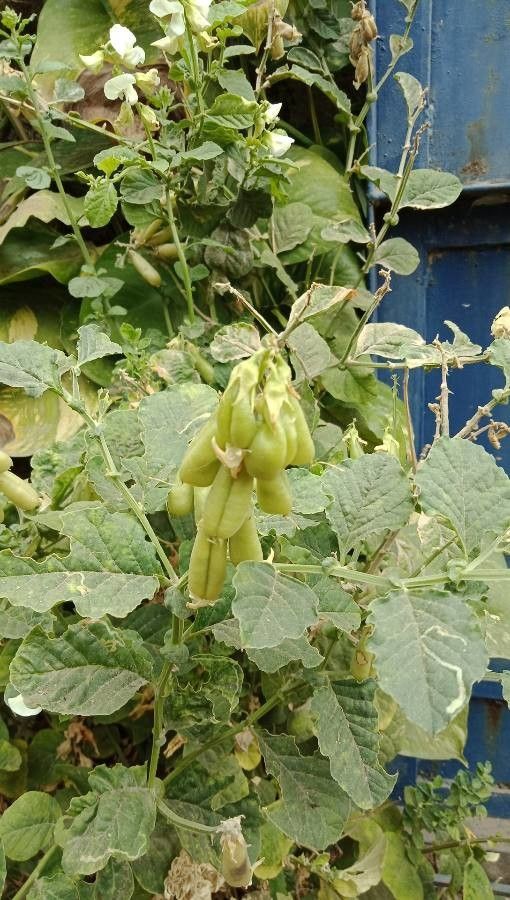
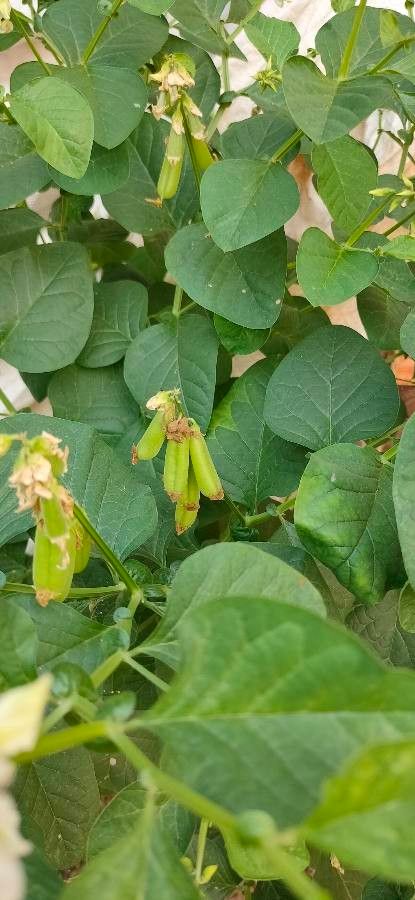
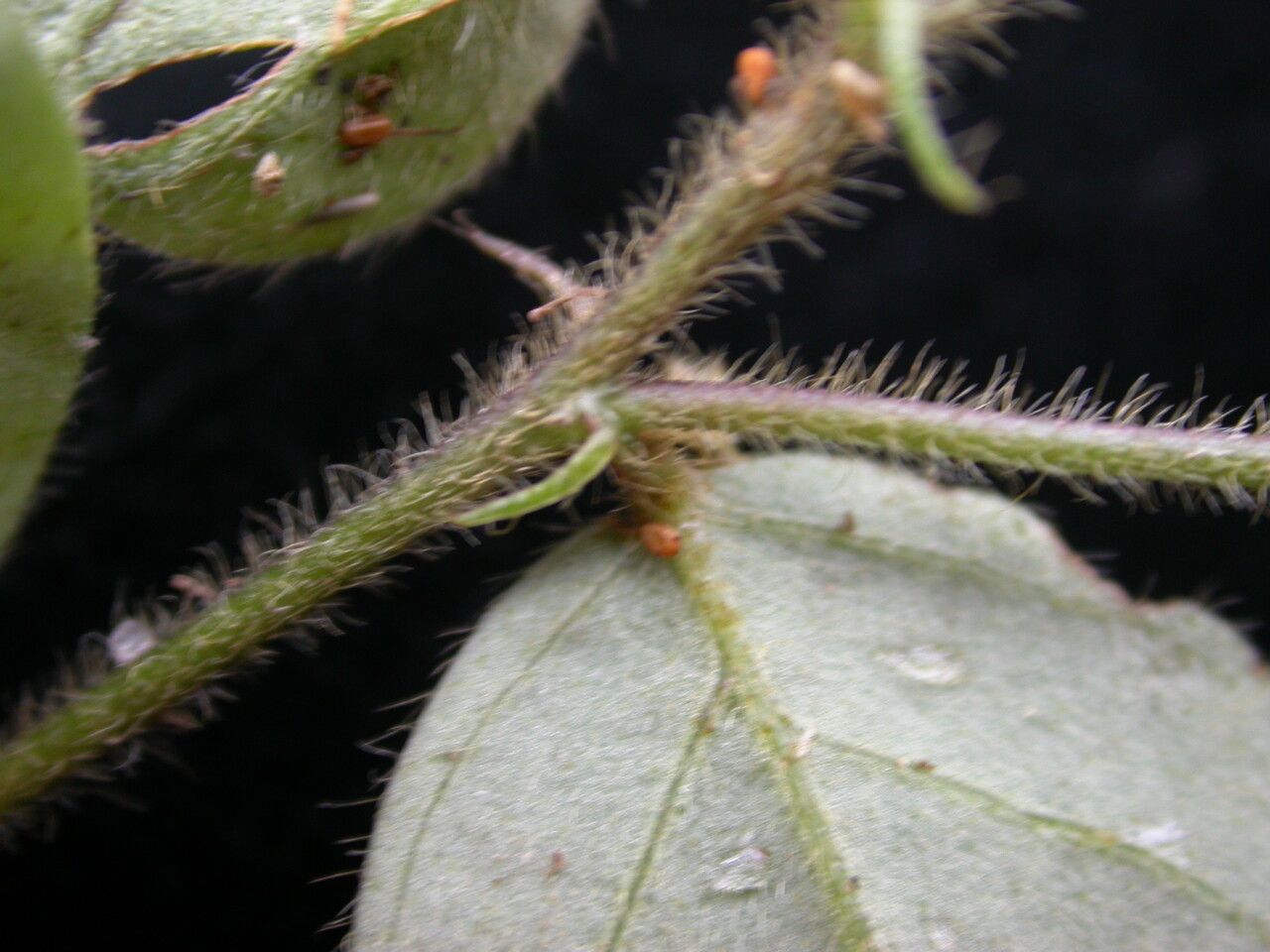
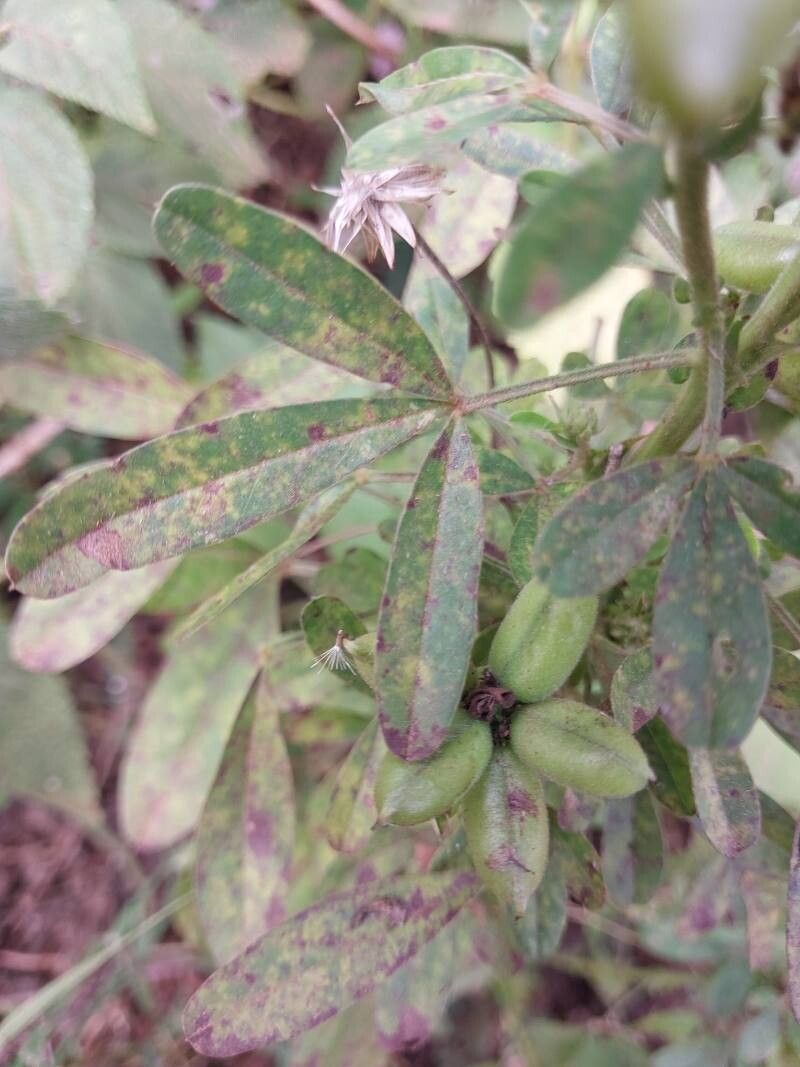
Crotalaria verrucosa, the blue rattlepod, is a species of flowering plant in the legume family, Fabaceae. This shrub belongs to the subfamily Faboideae. The herb found in Bangladesh, China, Cambodia, India, Indonesia, Laos, Malaysia, Myanmar, Nepal, Philippines, Sri Lanka, Thailand, Vietnam; Australasia and Africa and Americas regions. Crotalaria verrucosa is a perennial shrub that grows to about 50 to 100 cm in height.
Blue rattlepod has good resistance to disease and is generally not prone to illnesses. However, it can be susceptible to pests and diseases present in its surroundings. These infections are usually not severe. Regarding care, this plant requires a moderate amount of maintenance. It should be pruned regularly to maintain a neat appearance and healthy growth. Fertilizing can also help stimulate flowering. Blue rattlepod is suitable for anyone with outdoor space, such as a garden or patio, and does not need extensive care experience. It may demand more attention when grown indoors.
How to keep Crotalaria Verrucosa.
Light
Blue rattlepod comes from bright, open habitats where it thrives in full sun. It can tolerate partial sun but favors direct sunlight for optimal growth. This plant, which can be annual or biennial, is known for its sun-loving nature.
Water
Native to tropical regions, the blue rattlepod thrives in consistently moist soil. To prevent waterlogging, it needs to be watered twice a week. In outdoor settings, mulching is beneficial as it helps retain moisture during hot weather, ensuring that the plant remains well-hydrated while being planted in well-draining soil.
Temperature
Blue rattlepod comes from tropical areas, where the climate is usually warm and humid. As a result, it is well-suited to high heat and moisture. It does not tolerate sudden temperature changes and favors a steady thermal environment, so it is important to avoid indoor temperature swings. It generally cannot endure cold and needs warmer conditions to grow. If the surrounding temperature falls too low, the plant may stop growing or even die.
Fertilizer
When most of Blue rattlepod's flowers have opened to full size, resume fertilizing. At the height of bloom production, feed the plant every three to four weeks, weather permitting. Once Blue rattlepod begins producing fewer new flowers, stop fertilizing; there's no need to apply fertilizer when the plant can no longer produce additional blooms.
Pruning
Blue rattlepod, known for its striking blue flowers, benefits from pruning in early to mid-spring to promote optimal growth. To enhance the plant's health, remove any dead branches and shape it to improve airflow and sunlight exposure. Regular pruning helps prevent disease, encourages abundant flowering, and boosts the plant's vigor. For the best results, use clean and sharp tools.
Botanical profile.
- Plant Type
- Herb
- Life Cycle
- Annual
- Genus
- Crotalaria
- Family
- Fabaceae
- Hardiness Zone
- 9-11
- Mature Height
- 49 cm to 91 cm
- Mature Spread
- 0.91 m to 1.83 m
- Leaf Color
- Green
- Leaf Type
- Deciduous
- Flower Color
- Blue, Purple
- Flower Size
- 2.54 cm
- Bloom Time
- Summer, Fall
- Planting Time
- Spring, Summer, Autumn
- Harvest Time
- Late summer, Fall, Early winter
- Native Area
- Nepal, Sri Lanka, India, Malaysia, Philippines, Timor-Leste, Laos, Bangladesh, China, Indonesia, Cambodia, Vietnam, Myanmar, Papua New Guinea, Thailand
Other names.