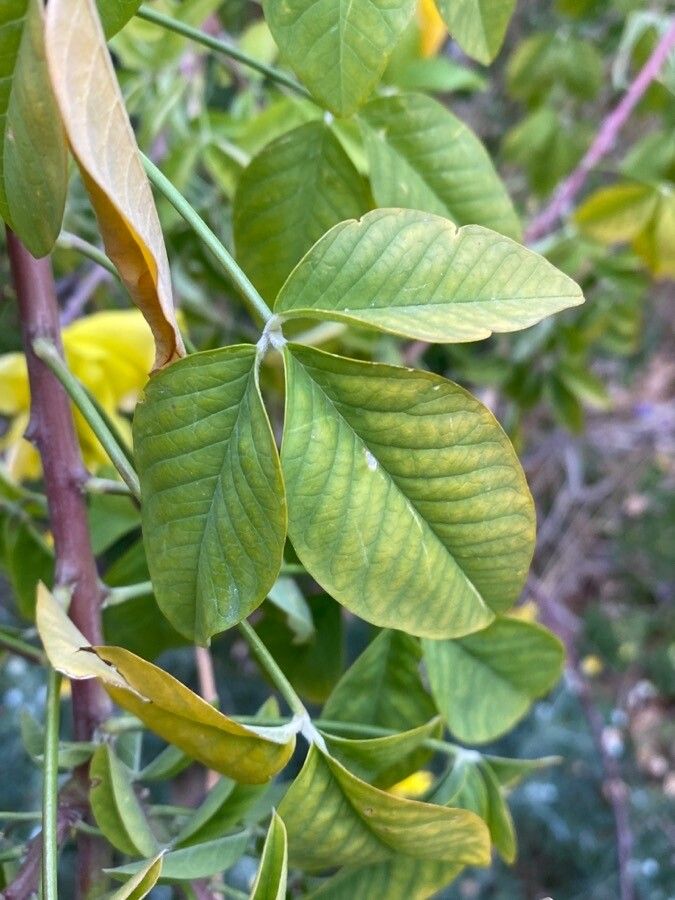
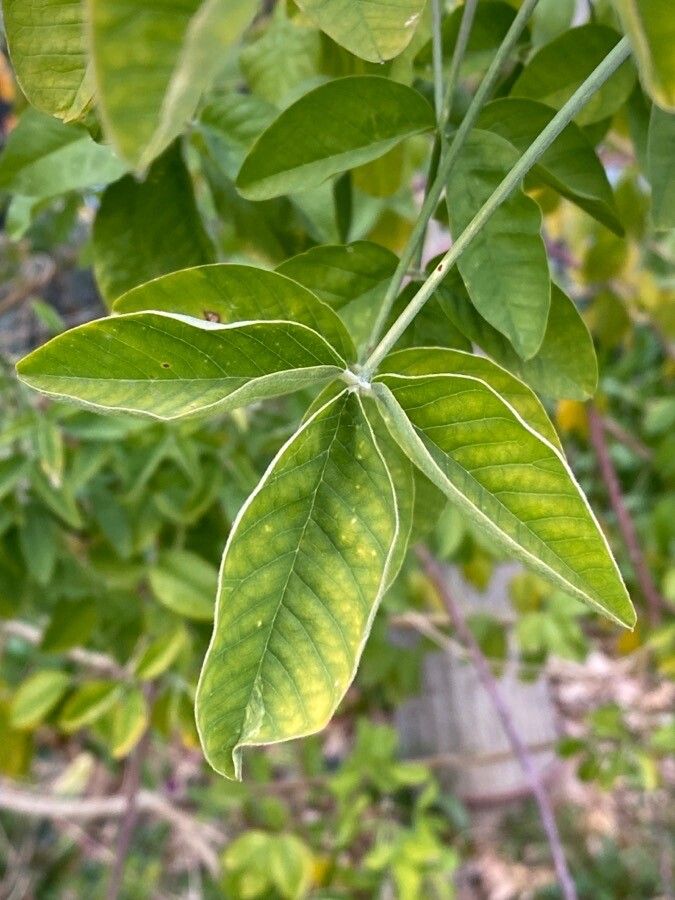
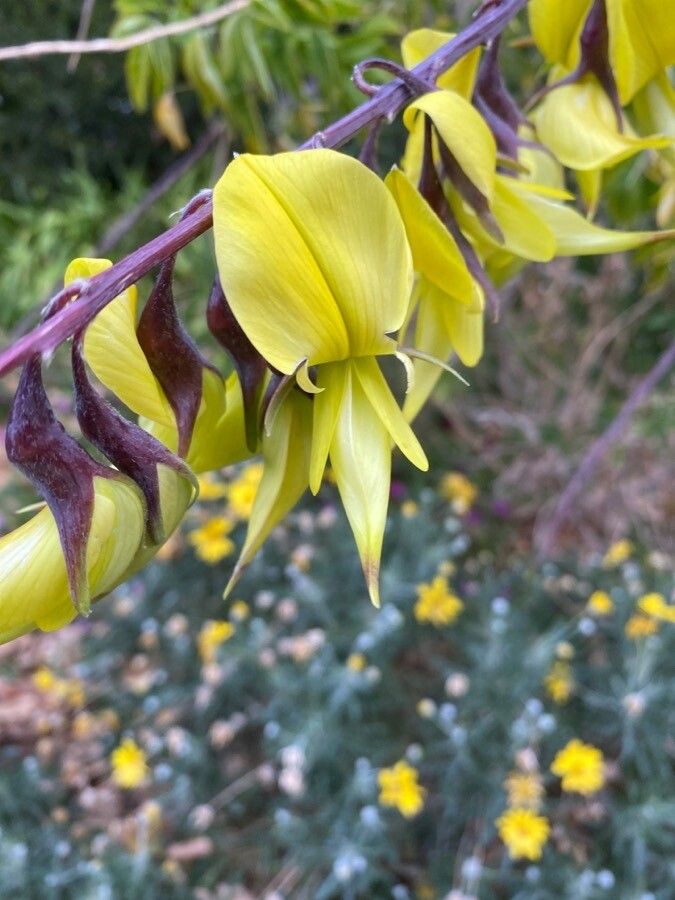
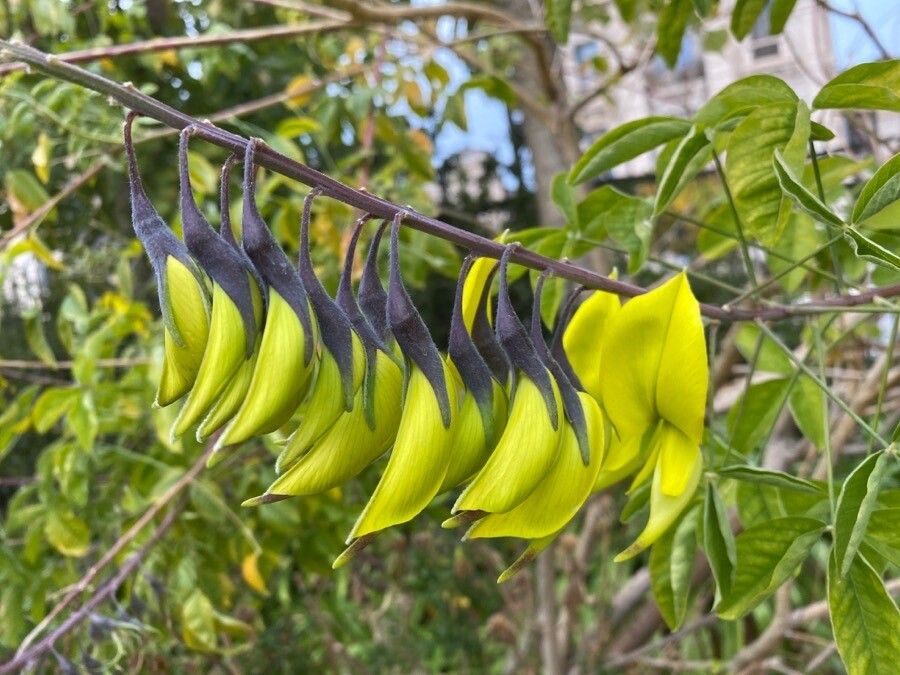
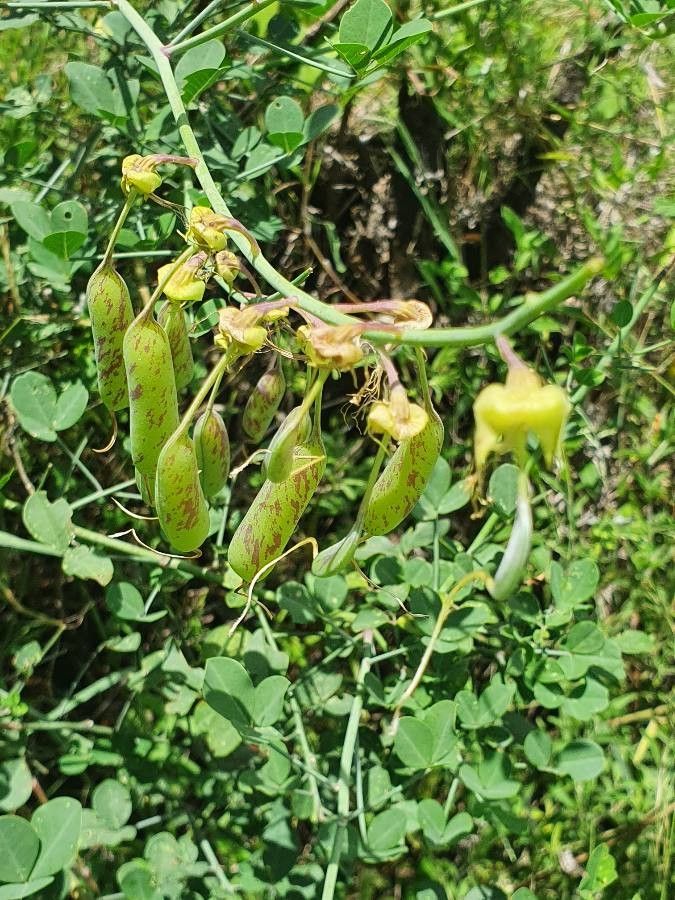
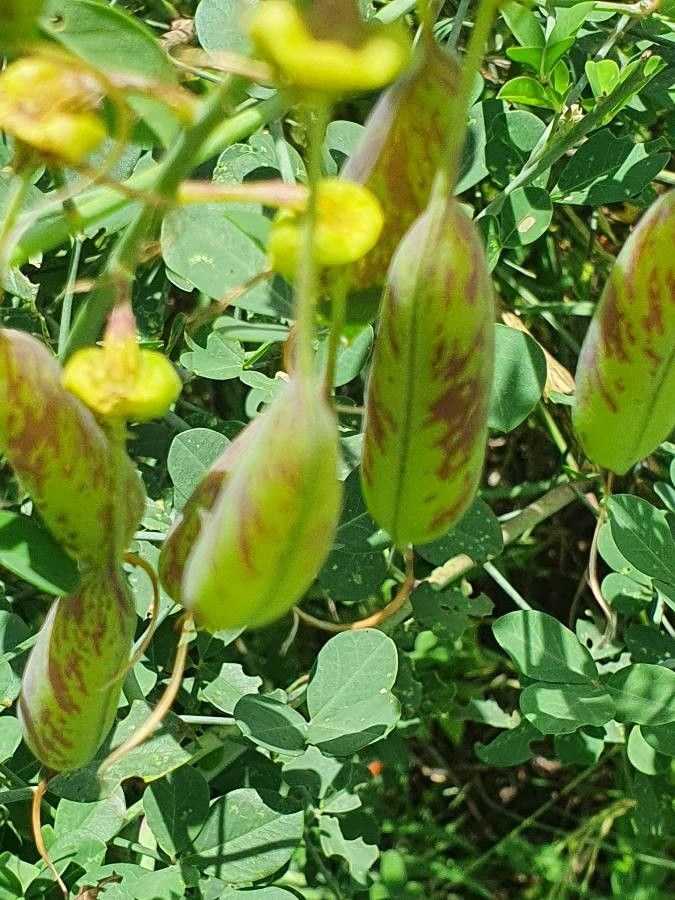
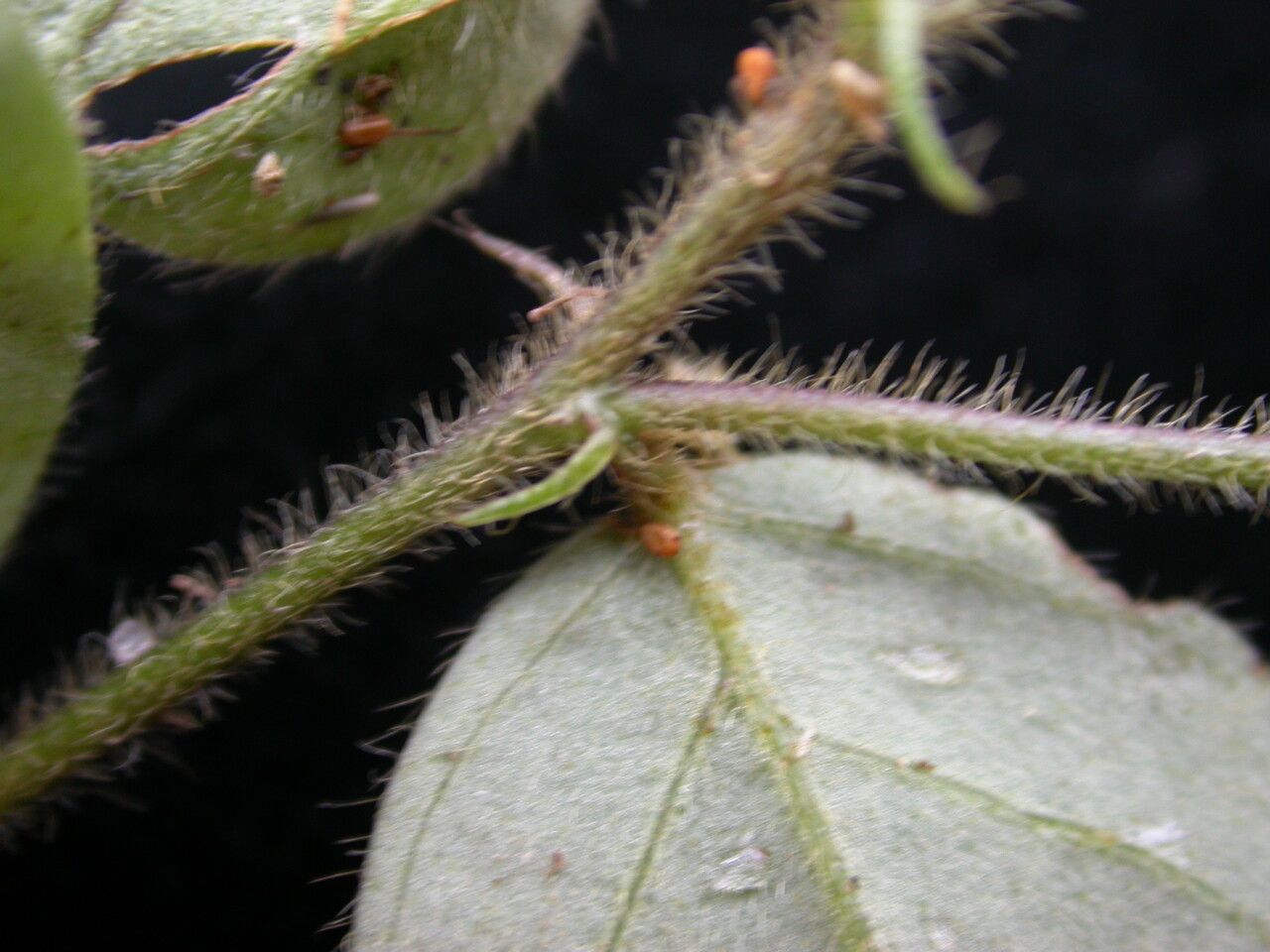
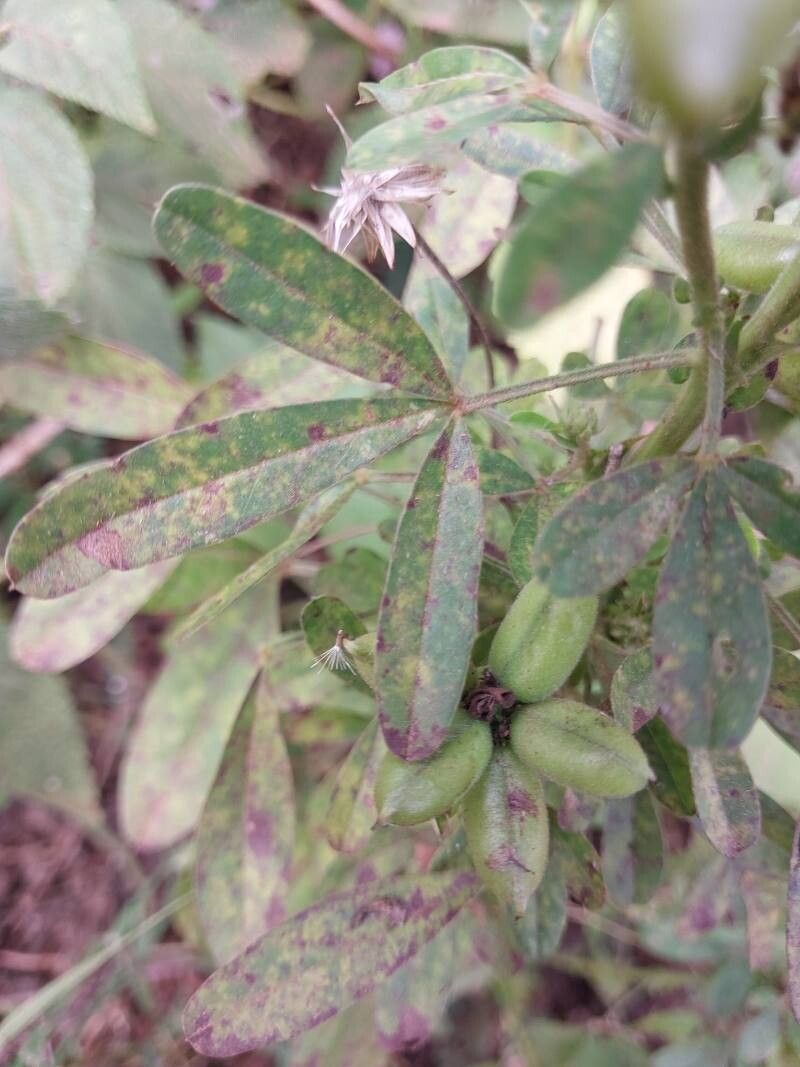
Crotalaria laburnifolia, called the rattle pod, is a highly variable species of flowering plant in the genus Crotalaria, widely distributed in central, eastern and southern Africa, the Seychelles, the Indian Subcontinent, Thailand, the Lesser Sunda Islands, Java, and Queensland in Australia. It has been introduced into Western Australia. It has gained the Royal Horticultural Society's Award of Garden Merit.
Bird flower has good resistance to diseases and is generally not prone to them. However, it may be susceptible to pests and diseases present in its surroundings. These infections are usually not severe. For care, this plant requires a moderate level of maintenance. It needs regular pruning to keep a good appearance and support healthy growth. Fertilizing can also help encourage flowering. Bird flower is suitable for anyone with an outdoor area, such as a garden or patio, and does not demand extensive care experience. It may need more attention when grown indoors.
How to keep Crotalaria Laburnifolia.
Temperature
Bird flower comes from tropical areas, where the climate is generally warm and humid. Consequently, it is well suited to high temperatures and moisture. It does not tolerate sudden temperature shifts and prefers a consistent thermal environment, so avoiding temperature fluctuations indoors is important. It normally cannot endure cold and needs warmer conditions to grow. If the surrounding temperature falls too low, the plant may stop growing or even die.
Fertilizer
Bird flower needs the most fertilizer during its active growth period, which takes place mainly in spring, summer, and early fall. Fertilization is needed to supply essential nutrients the soil may lack, encouraging healthy root and stem development and producing attractive foliage, a prominent trait of this plant.
Botanical profile.
- Plant Type
- Herb
- Life Cycle
- Perennial
- Genus
- Crotalaria
- Family
- Fabaceae
- Hardiness Zone
- 8-11
Other names.