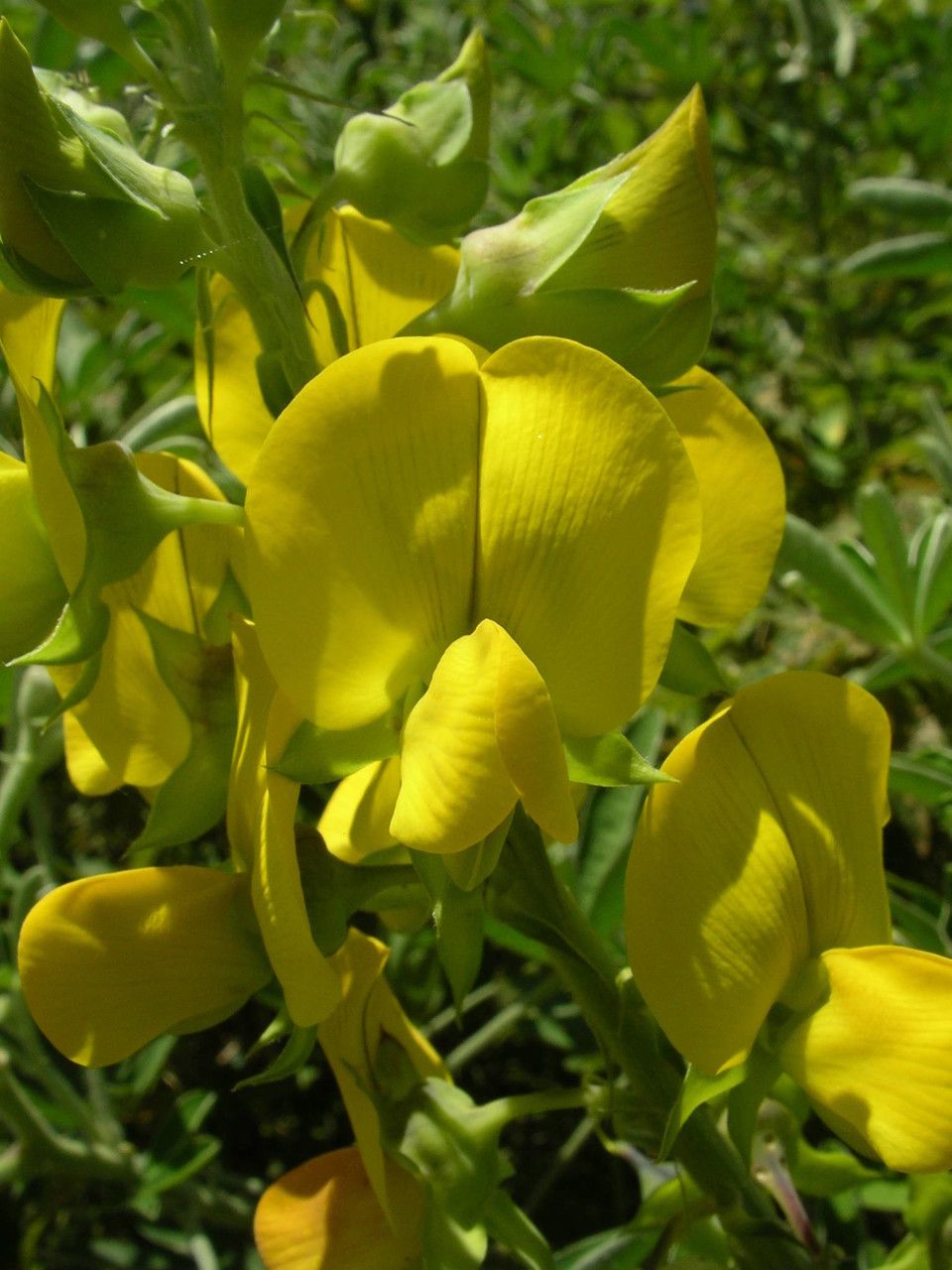
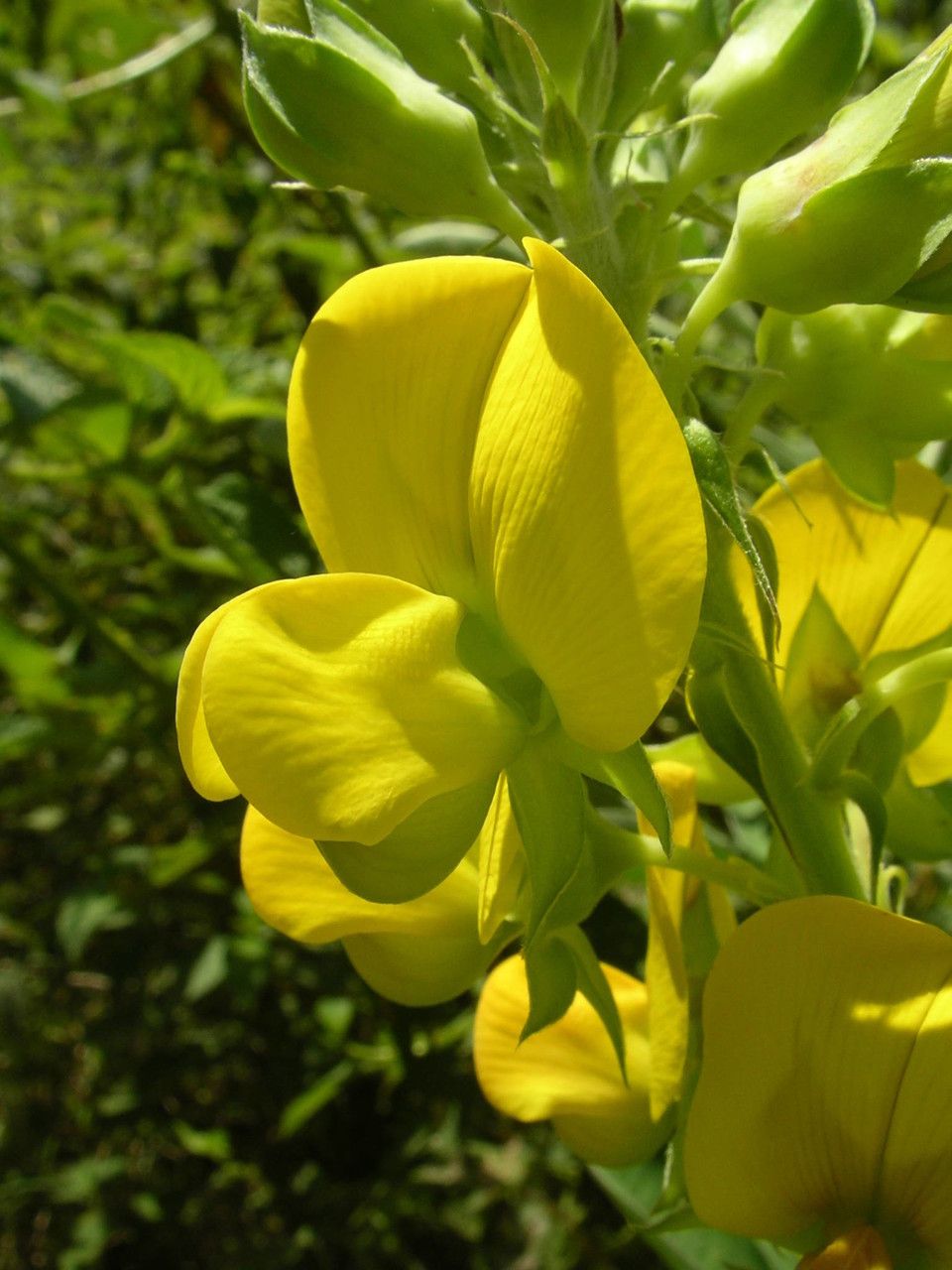
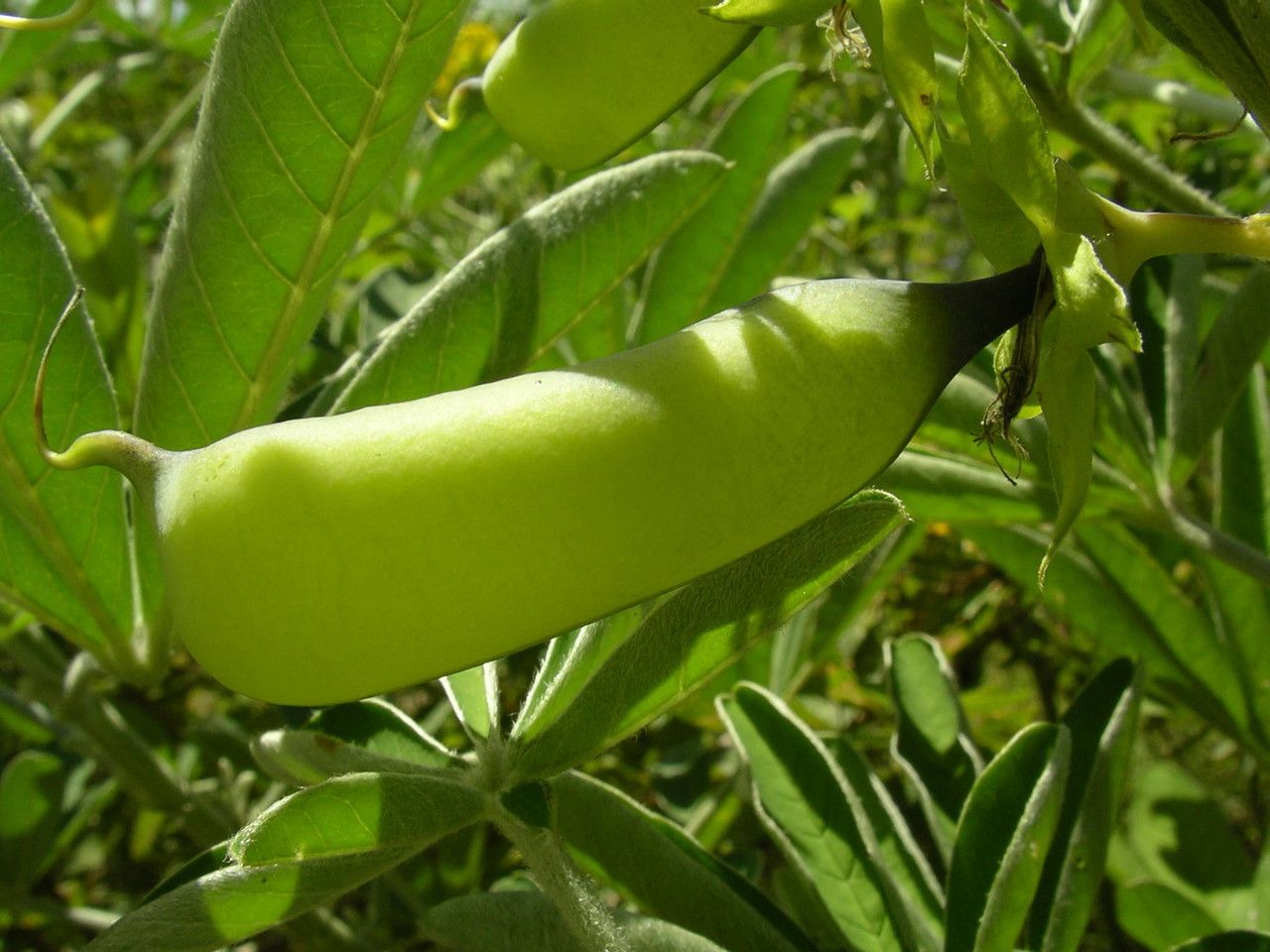
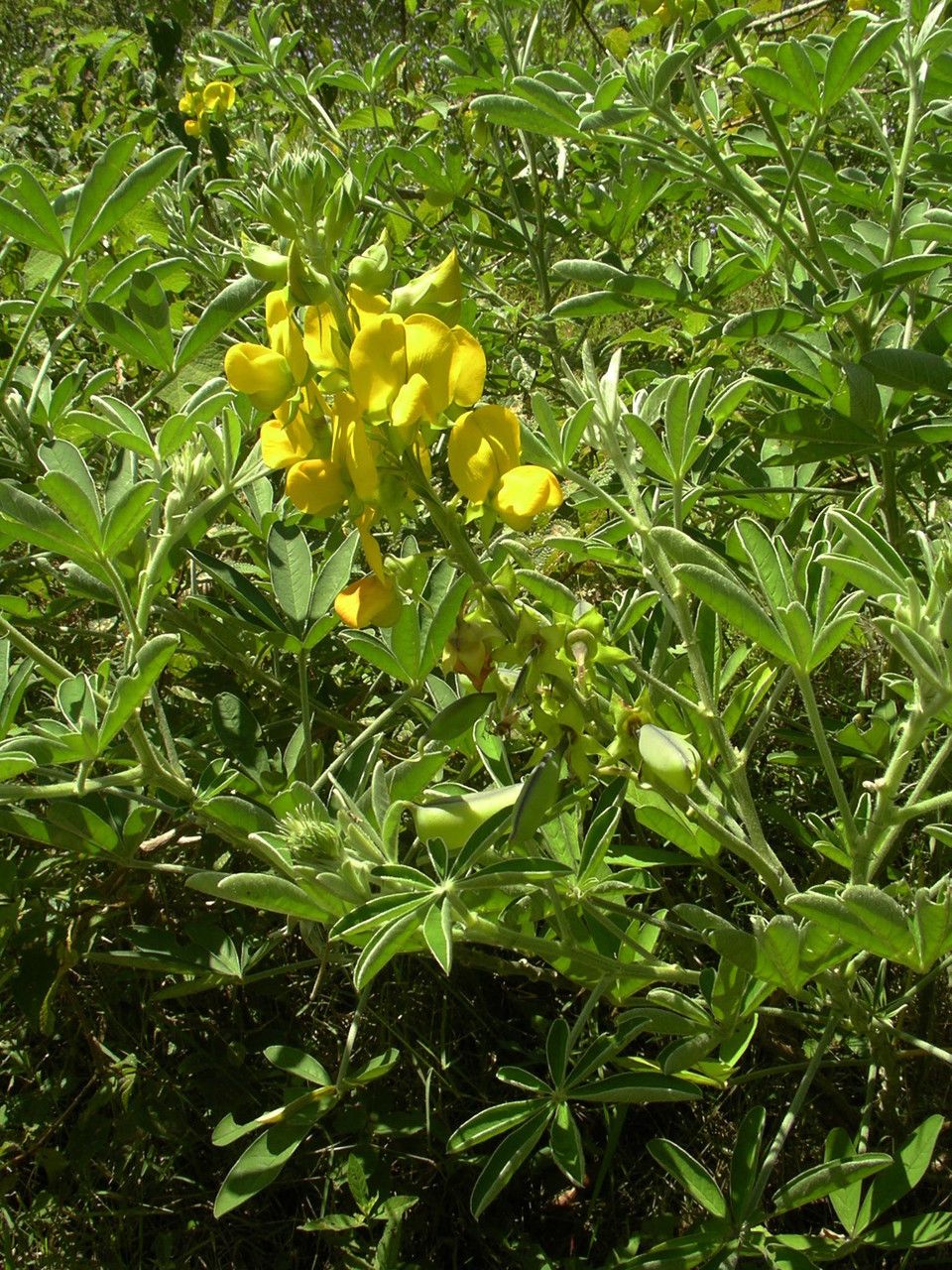
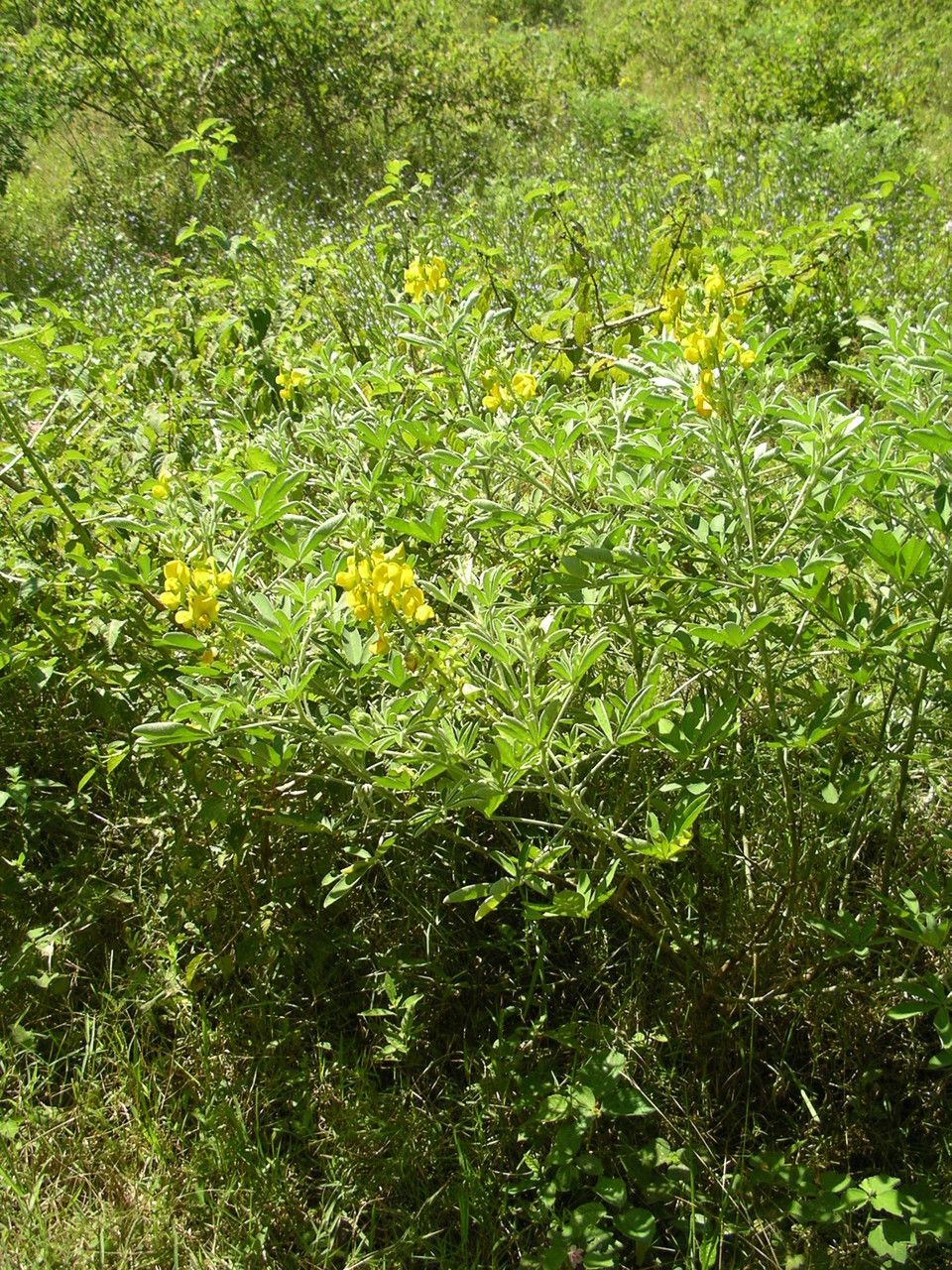
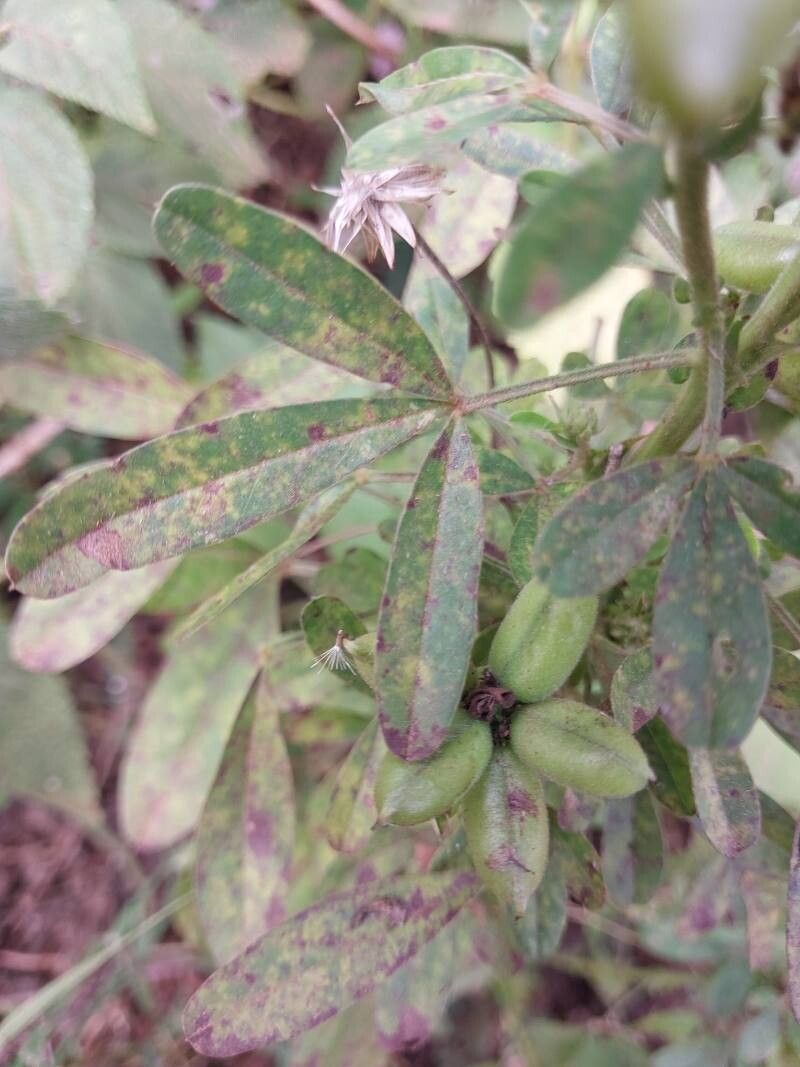
Bushy rattlepod has strong disease resistance and is generally not prone to illnesses. However, it can be vulnerable to pests and diseases present in its surroundings. These problems are typically not serious. Regarding care, this plant requires a moderate level of maintenance. It should be pruned regularly to preserve a neat appearance and support healthy growth. Fertilizing can also encourage flowering. Bushy rattlepod is well suited to anyone with outdoor space, such as a garden or patio, and does not demand extensive care experience. It may need more attention if grown indoors.
How to keep Crotalaria Grahamiana.
Light
Bushy rattlepod comes from bright, open habitats and prospers in full sun. It can tolerate partial sun but prefers direct sunlight for optimal growth. This plant, which can be annual or biennial, is recognized for its sun-loving nature.
Temperature
Bushy rattlepod comes from tropical areas, where the climate is generally warm and humid. As a result, it is adapted to high temperatures and humidity. It is sensitive to sudden temperature changes and prefers a stable temperature environment, so avoiding temperature fluctuations indoors is important. It usually cannot tolerate cold temperatures and requires warmer conditions for growth. If the surrounding temperature drops too low, the plant may stop growing or even die.
Fertilizer
When most of Bushy rattlepod's blooms have opened to full size, resume fertilizing. Around the time the blooms are at peak production, fertilize again every three to four weeks, as weather permits. Then, once Bushy rattlepod begins to produce fewer new blooms, stop fertilizing; there’s no need to fertilize when the plant can’t produce any more blooms.
Pruning
Pruning bushy rattlepod in early spring can greatly enhance its vibrant yellow flowers and promote bushy growth. The key techniques include trimming back overgrown branches and removing dead wood to boost the plant's health and improve airflow. Regular pruning encourages denser foliage and prevents legginess, ensuring robust growth. Be sure to use sterilized tools to prevent the spread of disease.
Botanical profile.
- Plant Type
- Herb
- Life Cycle
- Annual, Perennial
- Genus
- Crotalaria
- Family
- Fabaceae
- Hardiness Zone
- 9-11
- Mature Height
- 0.91 m to 2.13 m
- Mature Spread
- 49 cm to 91 cm
- Leaf Color
- Green, Dark Green
- Leaf Type
- Deciduous
- Flower Color
- Yellow
- Flower Size
- 1.02 cm to 1.52 cm
- Bloom Time
- Summer, Early fall, Mid fall
- Planting Time
- Spring, Summer, Autumn
- Harvest Time
- Late summer, Fall, Early winter
- Native Area
- India
Other names.