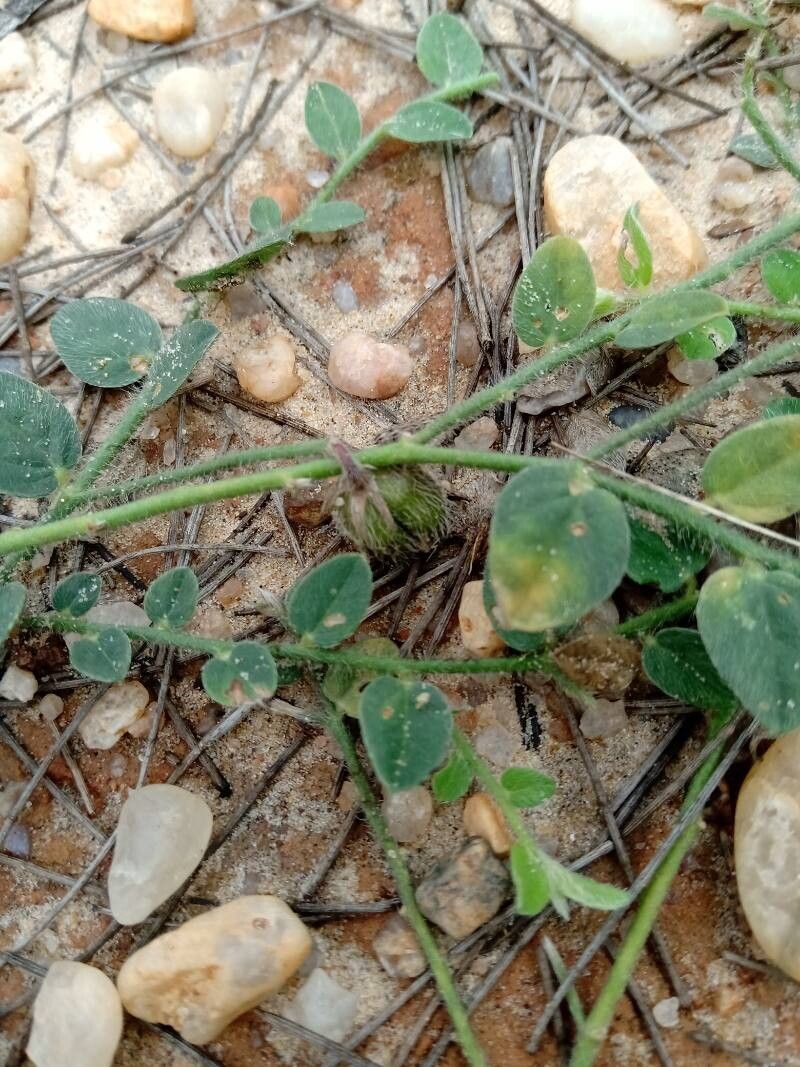
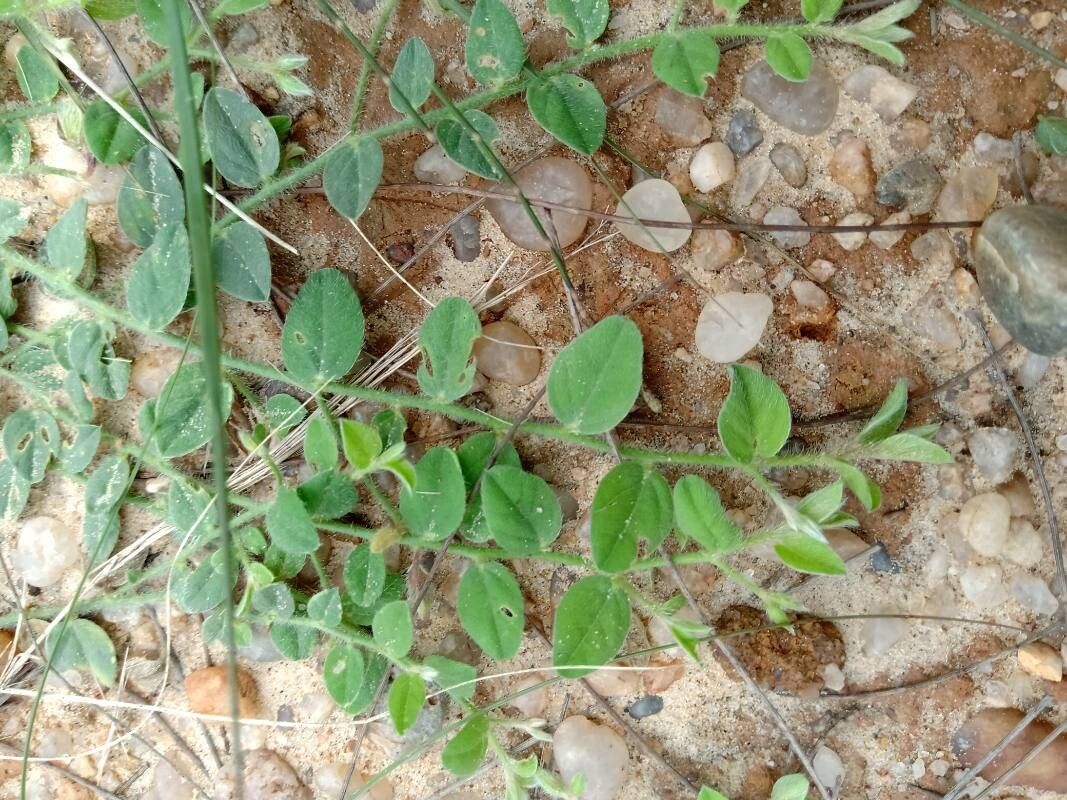
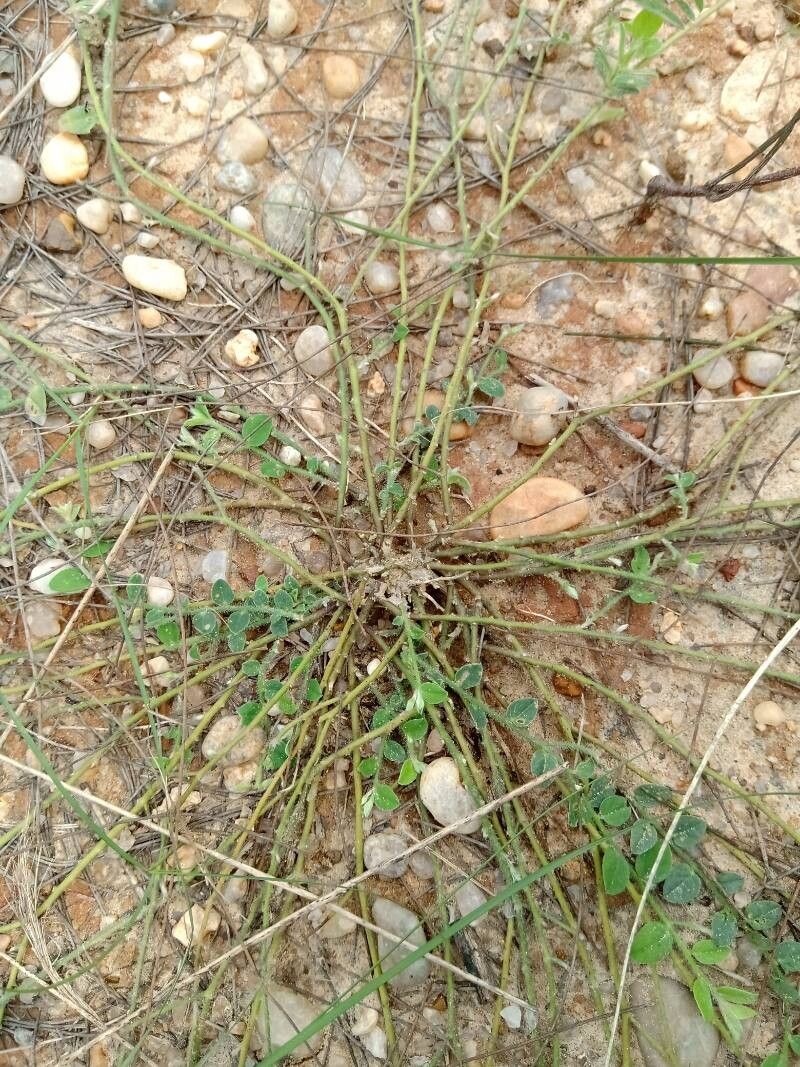
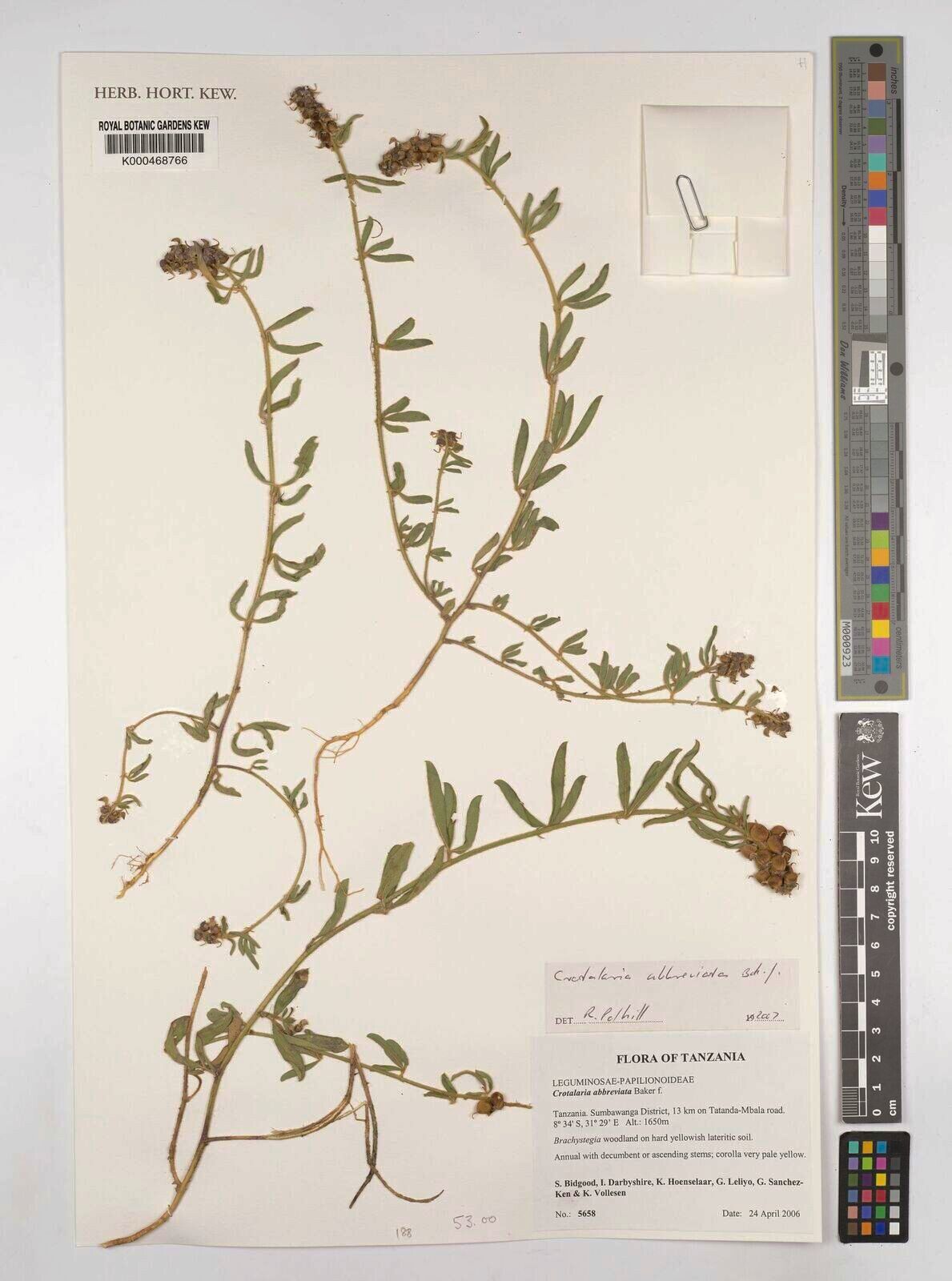
Rabbitbells is fairly resistant to disease and typically does not suffer much from illnesses. Still, it can be vulnerable to pests and diseases present in its surroundings. Such infections are generally not severe. In terms of care, the plant requires moderate maintenance. Regular pruning is needed to keep a neat appearance and support healthy growth. Fertilizing can also help encourage flowering. Rabbitbells is suitable for anyone with outdoor space, like a garden or patio, and does not demand extensive care experience. It may need more attention when grown indoors.
How to keep Crotalaria Angulata.
Light
Rabbitbells is a perennial herbaceous plant that loves sunlight and is native to open environments, often flourishing in meadows and grasslands. It prefers full sunlight, but is also able to withstand conditions of partial sun.
Temperature
Rabbitbells displays impressive resilience to temperature changes, capable of withstanding greater heat and a broader range of temperature fluctuations. In periods of intense heat, it is crucial to monitor watering levels and ensure sufficient shading to avoid sun scorching. Nevertheless, Rabbitbells doesn't fare well in colder temperatures. It can endure a certain level of cold, but exceedingly chilly conditions may result in frostbite damage.
Fertilizer
Rabbitbells usually only require one application of fertilizer in the spring, though more frequent feeding can boost its growth. Aim to fertilize once per month to a month and a half. Doing so will enrich the look and performance of the leaves, encouraging a uniform hue and vital feel. Moreover, it stimulates the expansion of roots and the absorption of nutrients, contributing to the plant's enduring well-being.
Botanical profile.
- Plant Type
- Herb
- Life Cycle
- Perennial
- Genus
- Crotalaria
- Family
- Fabaceae
- Hardiness Zone
- 9-11
- Mature Height
- 30 cm to 61 cm
- Mature Spread
- 30 cm to 49 cm
- Leaf Color
- Green
- Leaf Type
- Deciduous
- Flower Size
- 1.02 cm to 1.52 cm
- Bloom Time
- All year round
- Planting Time
- Spring, Summer, Autumn
- Harvest Time
- All year round
- Native Area
- Belize, Honduras, Mexico, Guatemala, Nicaragua, Panama
Other names.